Border opportunities: Reviving the Jordan-Syria free trade zone
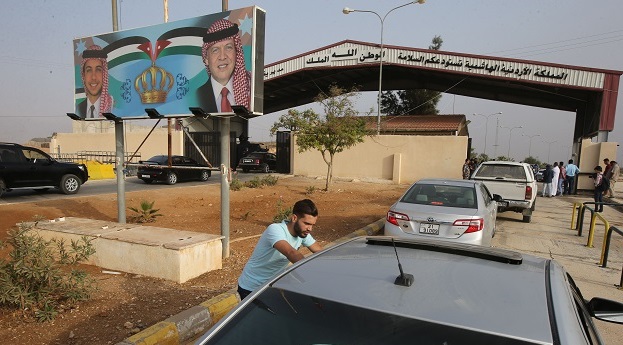
The reopening of the Naseeb-Jaber border crossing offers an opportunity to address the pressing political, economic, and humanitarian challenges confronting Jordan.
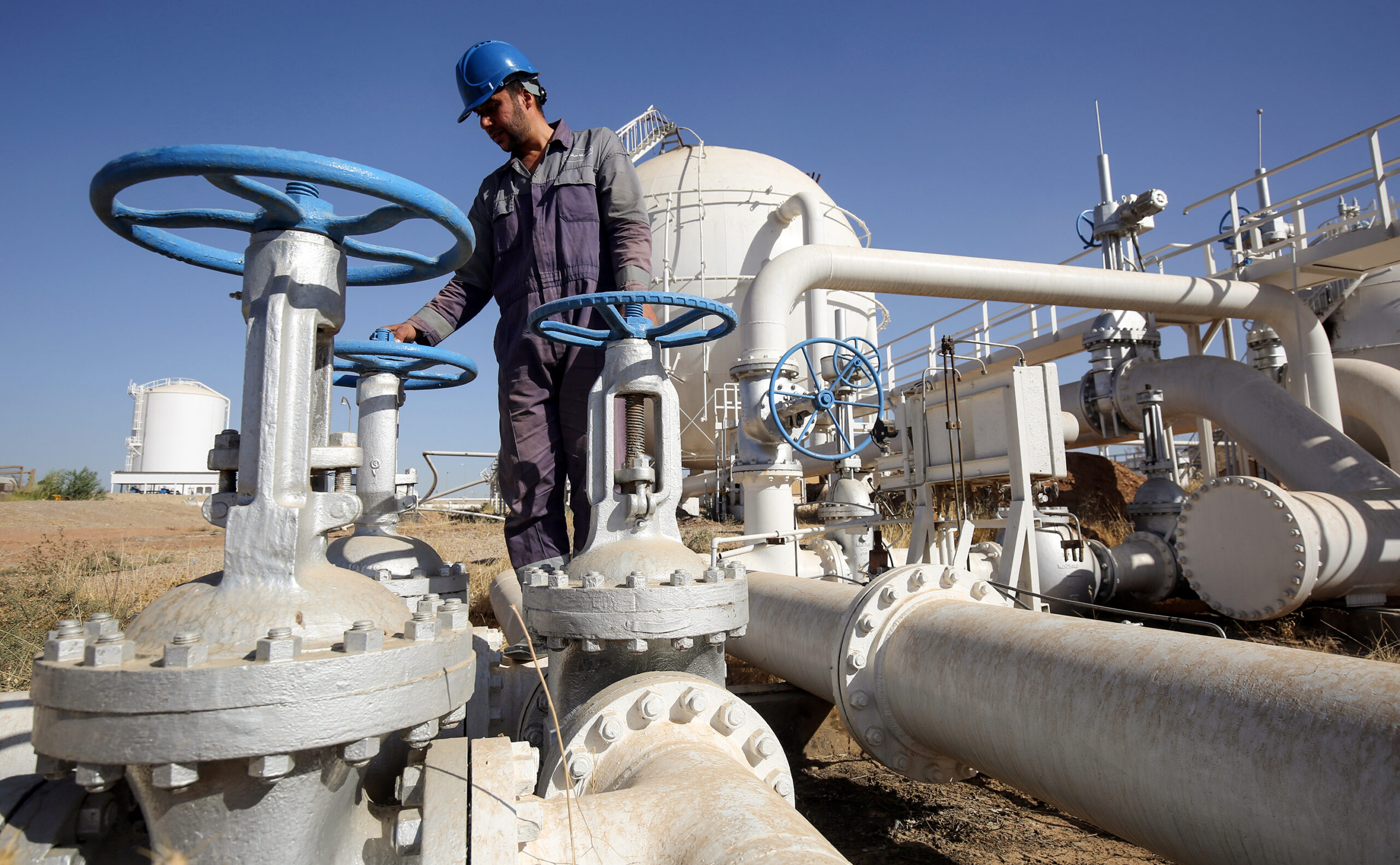
In this week’s Monday Briefing, MEI experts discuss recent and upcoming events including the Iraq-Kurdistan pipeline deal, how the YPG partnership affects US-Turkey ties, and the new Russia-Turkey gas pipeline.
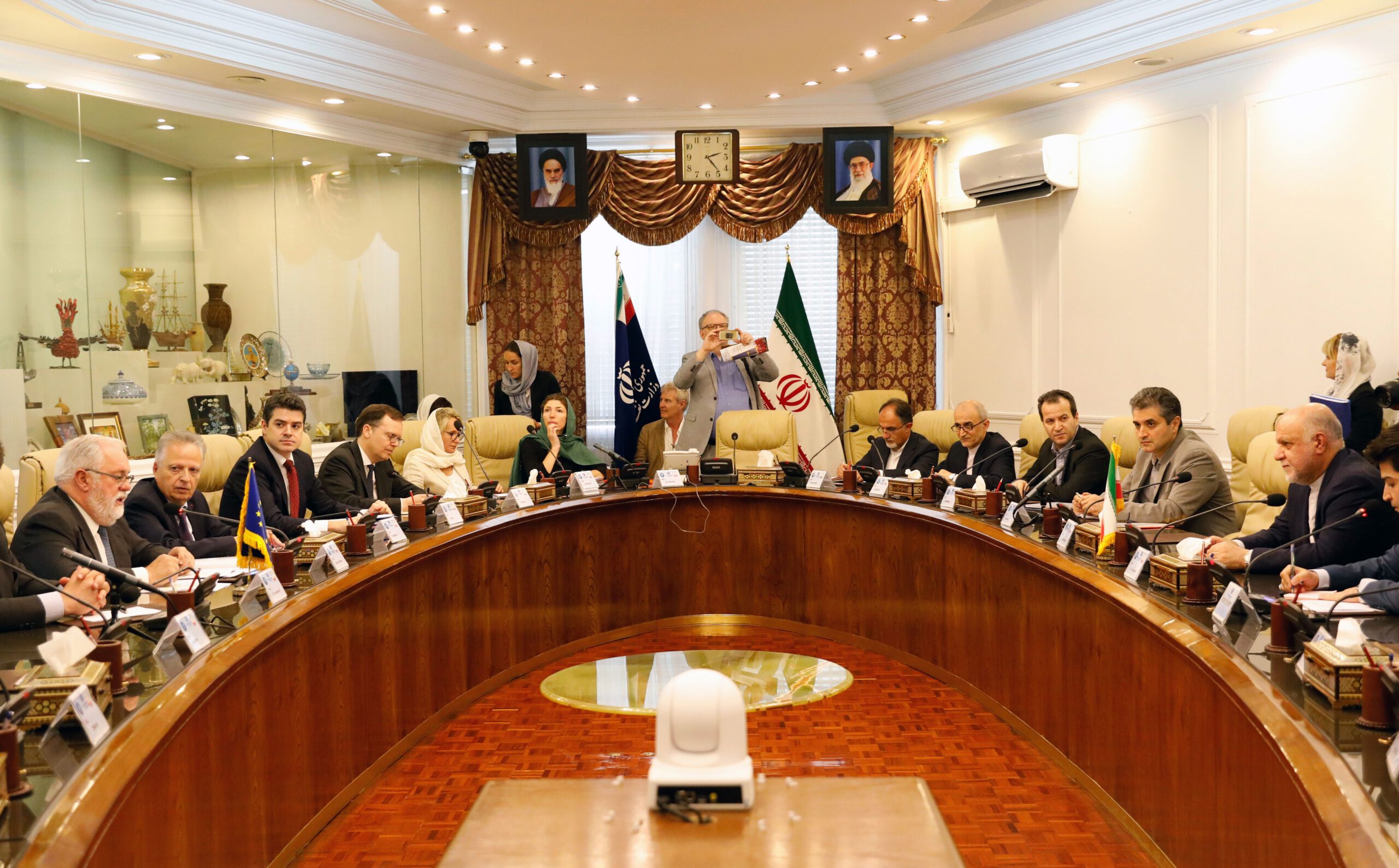
The American decision to reimpose sanctions may result in a new wave of tensions between the U.S. and EU as European companies have benefited significantly from growing trade with Iran.
Syria's war economy exacerbates divide between rich and poor
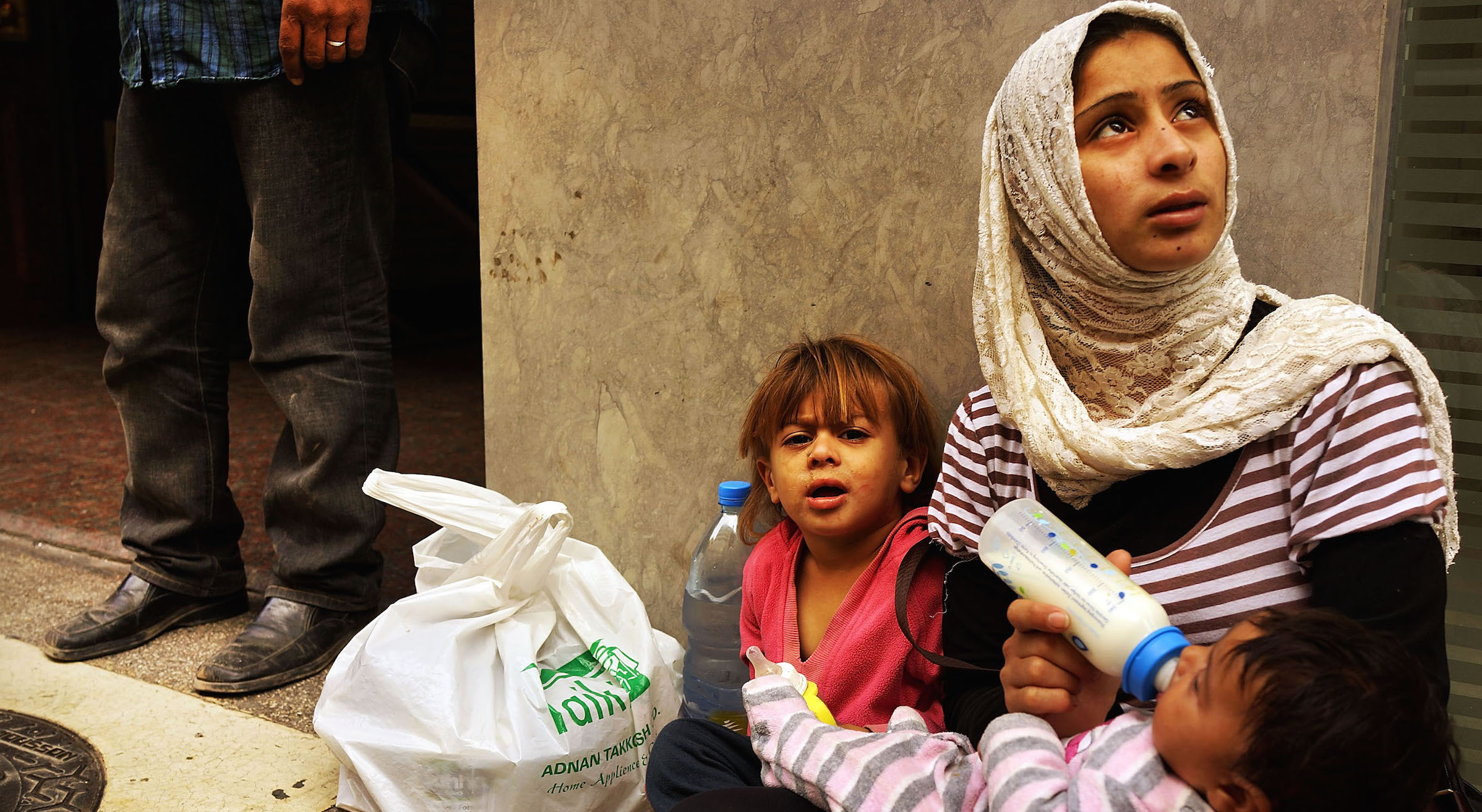
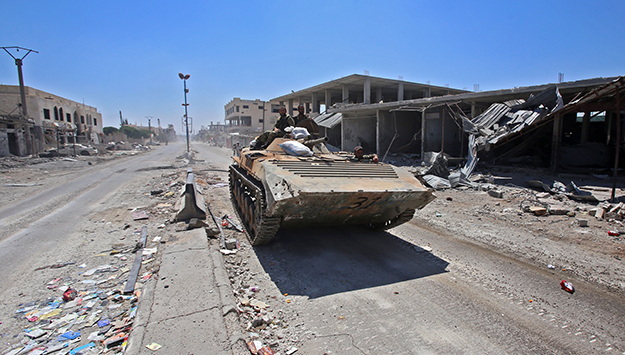
Now that armed conflict has ended in most provinces, the war is no longer an excuse for Syria’s growing wealth divide, and discontent is on the rise in government-controlled areas.
The cross-currents shaping Washington’s Iranian oil policy
Although the Trump administration has said it will issue temporary waivers to some major importers of Iranian oil, further declines in Iran’s exports are likely after sanctions come into effect on Nov. 4.
MEI’s Alex Vatanka and Jean-Francois Seznec join host Paul Salem to discuss the impact of incoming U.S. sanctions on Iranian energy exports on Iran’s economy, the Gulf, and energy markets in general.
Although the current oil-market landscape might seem beneficial to the Gulf states, it will be difficult to sustain amid major drops in global oil supply, Washington’s standoff with Moscow and Tehran, and quota disagreements between Saudi Arabia and Russia.
Iran under Sanctions: India and China over a Barrel
Bearish and bullish factors are both at play in the global oil market, weighing on prices. The next big date on the calendar is November 4 — the point at which the 180-day wind-down period ends and U.S. sanctions on the Iranian energy sector are to be reinstated. Two days later, the U.S. midterm elections are due to take place.
Last week, major news outlets reported that China National Petroleum Corporation had acquired French oil and gas company Total’s share in the development of Iran’s South Pars gas field, citing an elusive article published by Iranian state news agency IRNA.
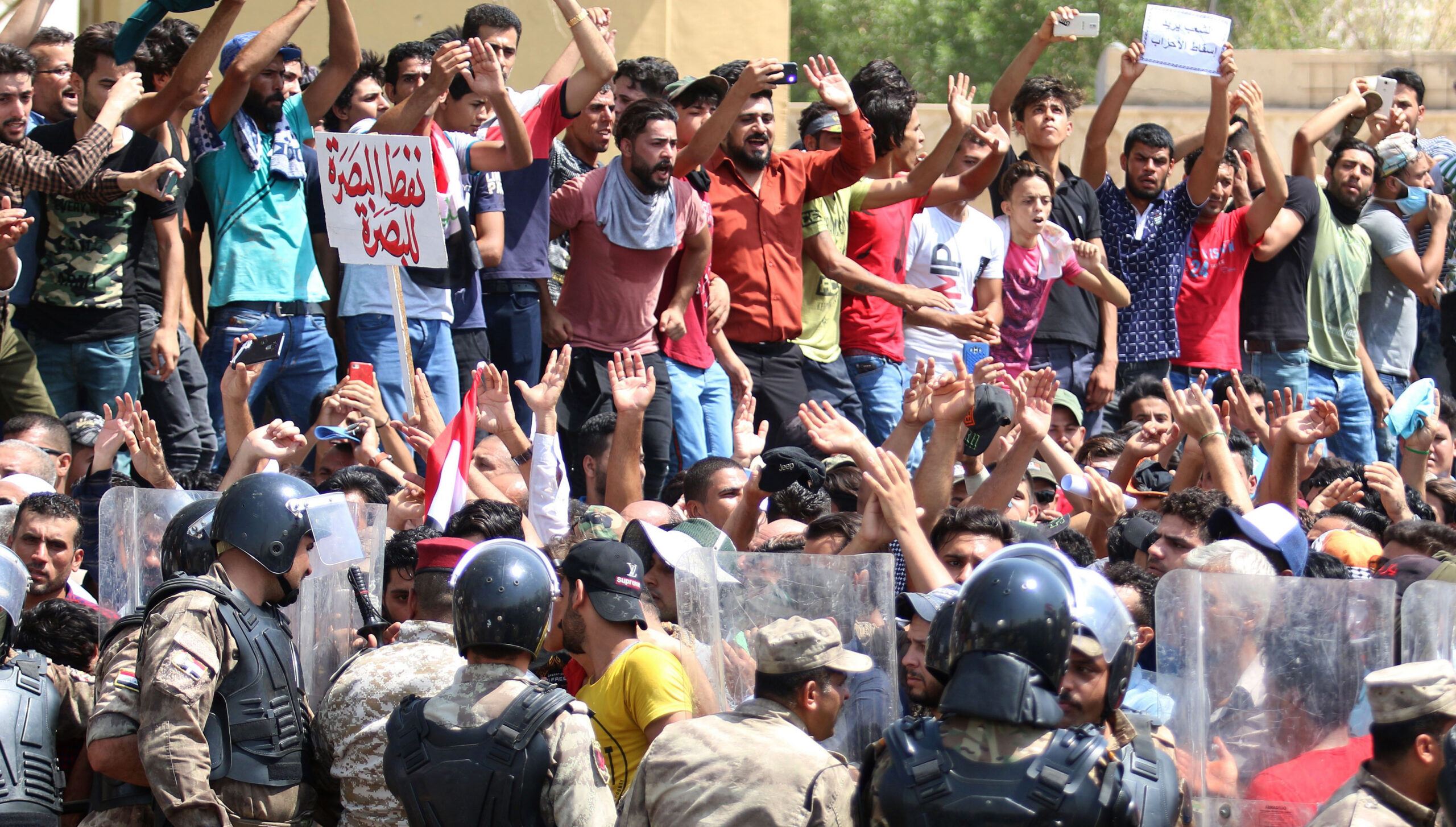
In this week’s Monday Briefing, MEI experts Gonul Tol, Robert S. Ford, Randa Slim, and Marvin G. Weinbaum provide analysis on Turkey’s currency crisis, talks in Ankara over the future of Idlib, Abadi’s chances of clinging to the premiership, and the Taliban’s capture of Ghazni.
Oman’s Transition to a Post-Oil Economy: Arching Toward Asia
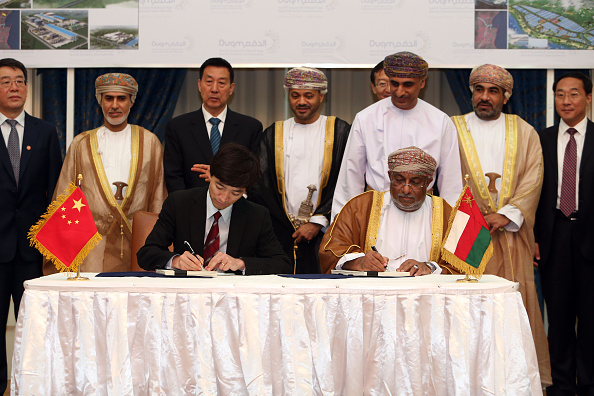
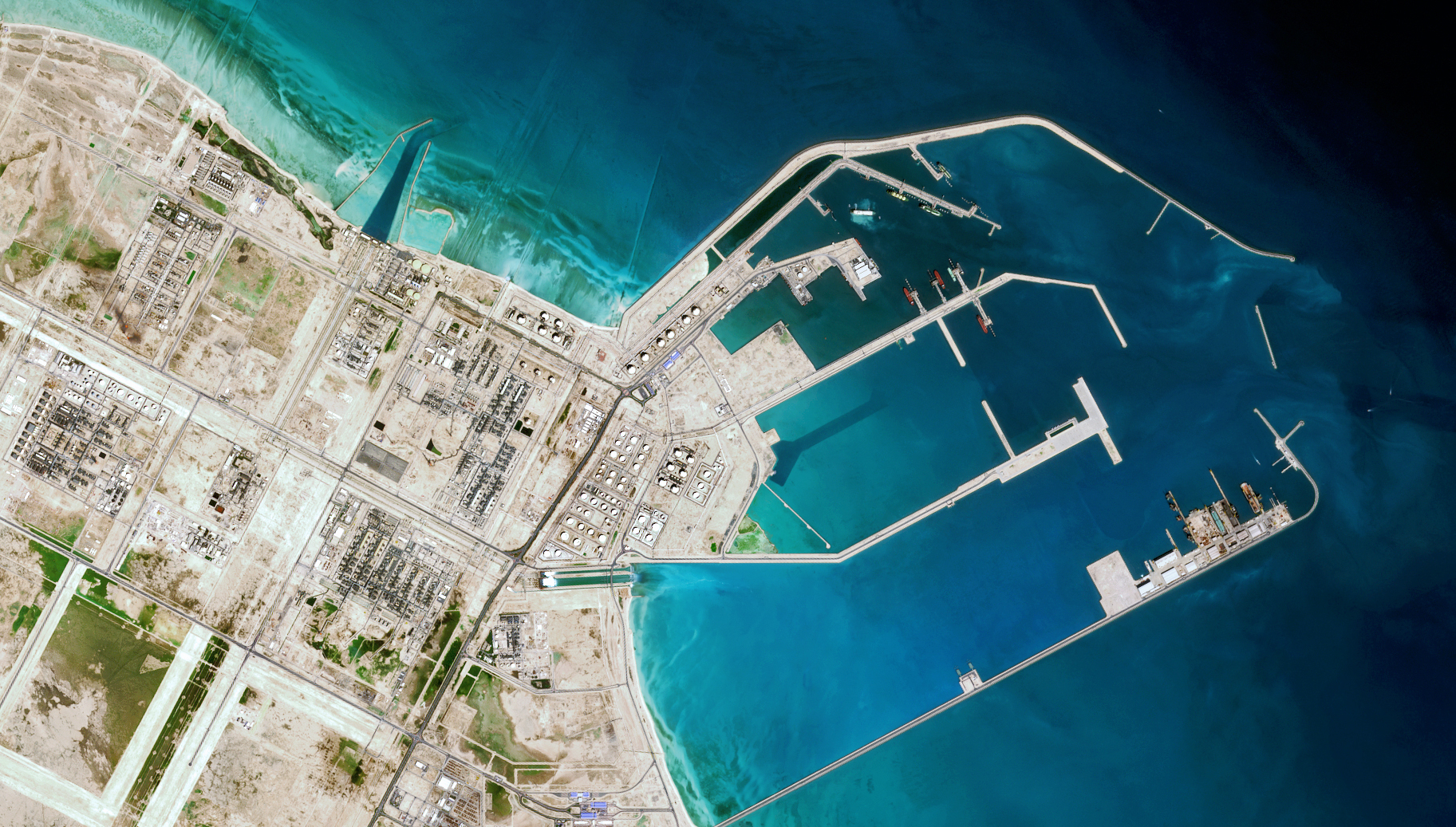
The development of Duqm Port and Special Economic Zone (SEZ) is at the forefront of Oman’s efforts to transition to a post-oil economy. The Malaysian economic transformation management model, the Singaporean example of achieving prosperity through combining free trade and business-friendly policies with its role as a trans-shipment and logistics hub, and an initial infusion of substantial Chinese investment capital and project participation all have played central roles in how this process has unfolded — and will likely remain key determinants of its future progress.
Even though energy production and exports are the lifeblood of all Arab states in the Gulf, the present crisis between Qatar on the one hand and Saudi Arabia, the United Arab Emirates, Bahrain, and Egypt on the other has had very little influence on the economics of oil and gas either internationally or within the region. However, the countries involved have a lot to gain from a resolution of the conflict, particularly if it leads to greater energy market integration.
In this week’s Monday Briefing, MEI experts Robert S. Ford, Gerald Feierstein, Marvin G. Weinbaum, and Bilal Y. Saab provide analysis on Iran’s efforts to stay in Syria, Pompeo’s upcoming trip to Abu Dhabi, the Pakistan Muslim League’s struggle in the upcoming National Assembly elections, and Qatar’s decision to renege on its Russian S-400 purchase.