The Case for Aiding Anbar
I ran into some Anbaris in Washington this week. All of them have lost friends or relatives in the fight against Islamist extremism in one form or another. They had interesting things to say.
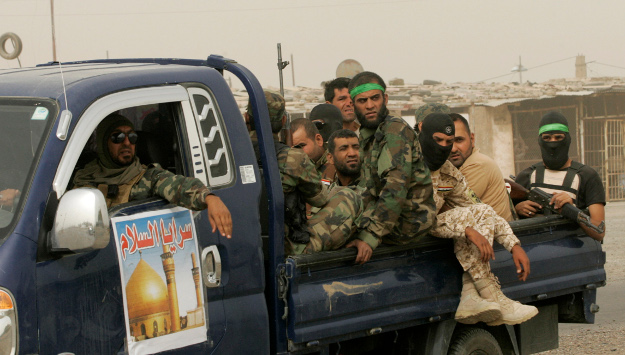
Forget ISIS: Shia Militias Are the Real Threat to Kurdistan
This article first appeared in The National Interest.
In Iraq, the Islamic State (ISIS) is no longer on the offensive. That is particularly true on the Kurdish front in the north where the ISIS onslaught is now contained.
The Iraqi Kurdish military, the Peshmerga, proved to have the capability to repel the extremist Sunni fighters from ISIS and to hang on to recaptured territory. They have done so largely without many resources or support from West.
Pulling Libya Back from the Brink
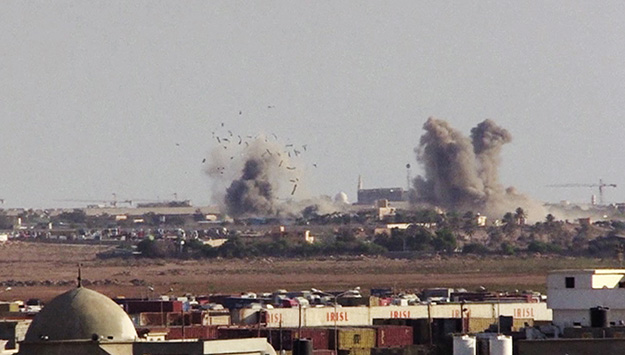
Despite an encouraging communiqué by the UN Support Mission in Libya (UNSMIL) this week praising the commitment of the various Libyan parties to a dialogue, the continued postponement of the so-called Ghadames II peace talks does not bode well. Backed by external supporters, Libya’s warring factions appear to favor a military solution to the situation, rendering the crisis increasingly beyond repair.

Travails of Transition in Egypt, Tunisia, Libya, and Yemen
2014 Annual Conference: Banquet | Conference | Luncheon
A Middle East in Flux: Risk and Opportunities
2014 Annual Conference: Banquet | Conference | Luncheon
Democracy Promotion: Obama's Mixed Record
This paper is part of an MEI scholar series, titled “Obama’s Legacy in the Middle East: Passing the Baton in 2017.” Click here to view the full project, or navigate using the table of contents to the right.
Current Situation
Obama and the Maghreb in the Wake of the Arab Spring
This paper is part of an MEI scholar series, titled “Obama’s Legacy in the Middle East: Passing the Baton in 2017.” Click here to view the full project, or navigate using the table of contents to the right.
Collection Spotlight:A Peace to End All Peace: The Fall of the Ottoman Empire and the Making of the Modern Middle East

ISIS and President Obama’s Uncertain Legacy in Iraq and Syria
This paper is part of an MEI scholar series, titled “Obama’s Legacy in the Middle East: Passing the Baton in 2017.” Click here to view the full project, or navigate using the table of contents to the right.
Libya's Spillover Effects
Excerpted from article first published on LobeLog.
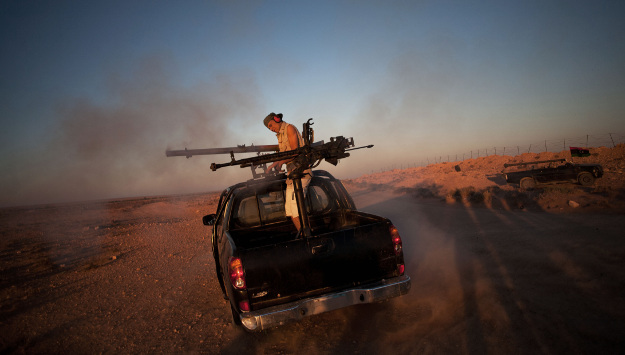
Libya remains broken and violent. Secular forces made gains against Muslim extremists in Benghazi recently, but the advantage has shifted from side to side since early this year. And two rival governments vying for power amidst a near lawless country with open borders is an ideal setting for the outflow of everything from heightened concerns to munitions and fighters. Yet Libya keeps boiling away on the global back burner.
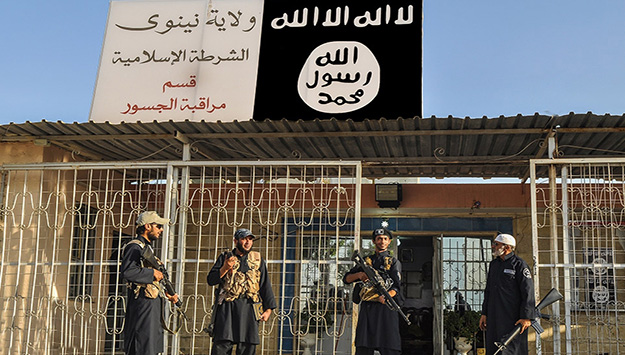
Defeating the Islamic State Militarily is Only Half the Battle
In his speech on September 10 President Obama characterized the Islamic State (ISIS) as a terrorist group.[1] There were clear political benefits to using this label, not the least of which was to facilitate the formation of a broad-based military coalition against the organization.
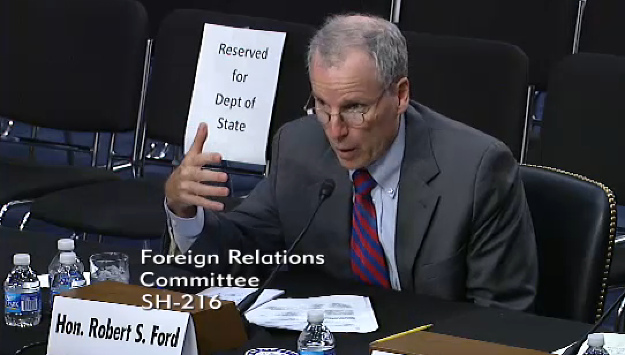
Testimony: US Strategy To Defeat ISIS
The following is the written testimony prepared and delivered by Amb (ret) Robert S. Ford for the Senate Foreign Relations Committee hearing held on September 17, 2014. Click here to watch video of the full hearing (Amb. Ford’s testimony begins at the 3 hours and 26 minutes mark).