Borders Beyond Borders: The Many (Many) Kurdish Political Parties of Syria
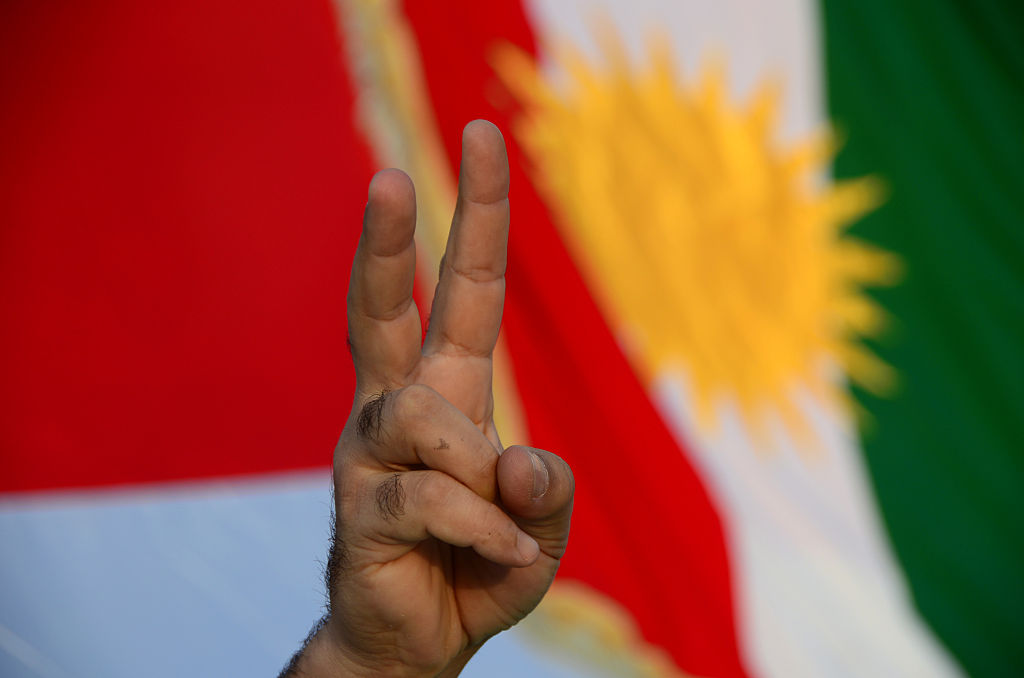
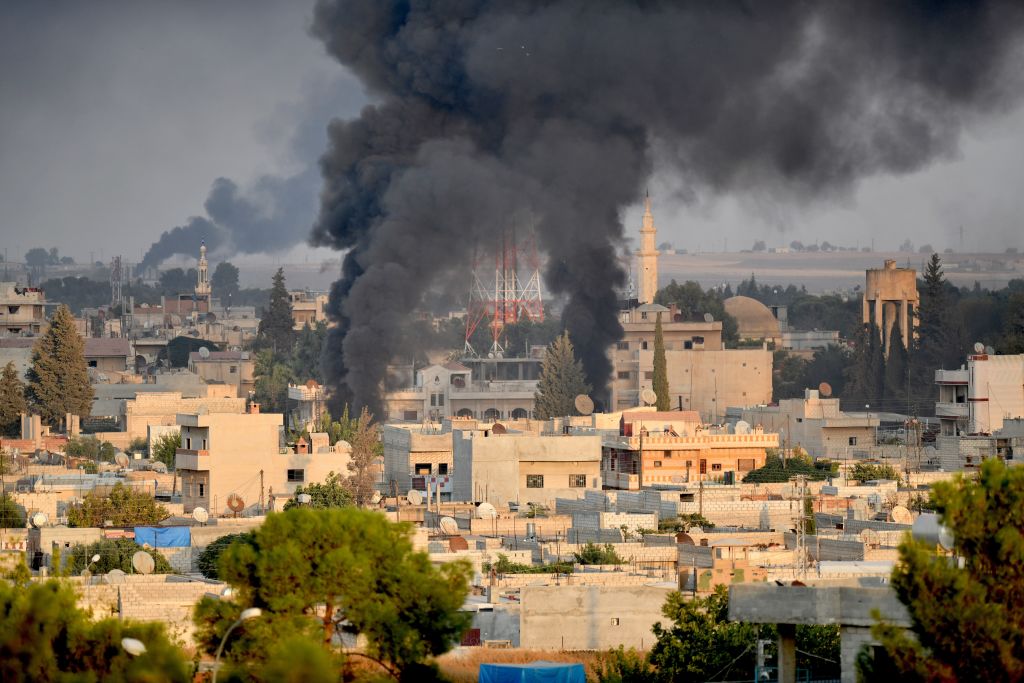
The launch of Turkey’s military incursion into northern Syria on Oct. 9 represents an existential threat for the Autonomous Administration in Northeast Syria (AANES) and Kurdish parties in Syria as a whole, prompting Kurdish political factions, both within Syria and abroad, to reevaluate their survival strategies and alliances. This report explores the various political factions within the Kurdish coalitions in Syria as they functioned under the AANES and the major rifts between them. Even under these dire circumstances Kurdish political factions in Syria have responded to the Turkish invasion independently.
Iran may not like it, but it can live with a Turkey-Russia deal on Syria
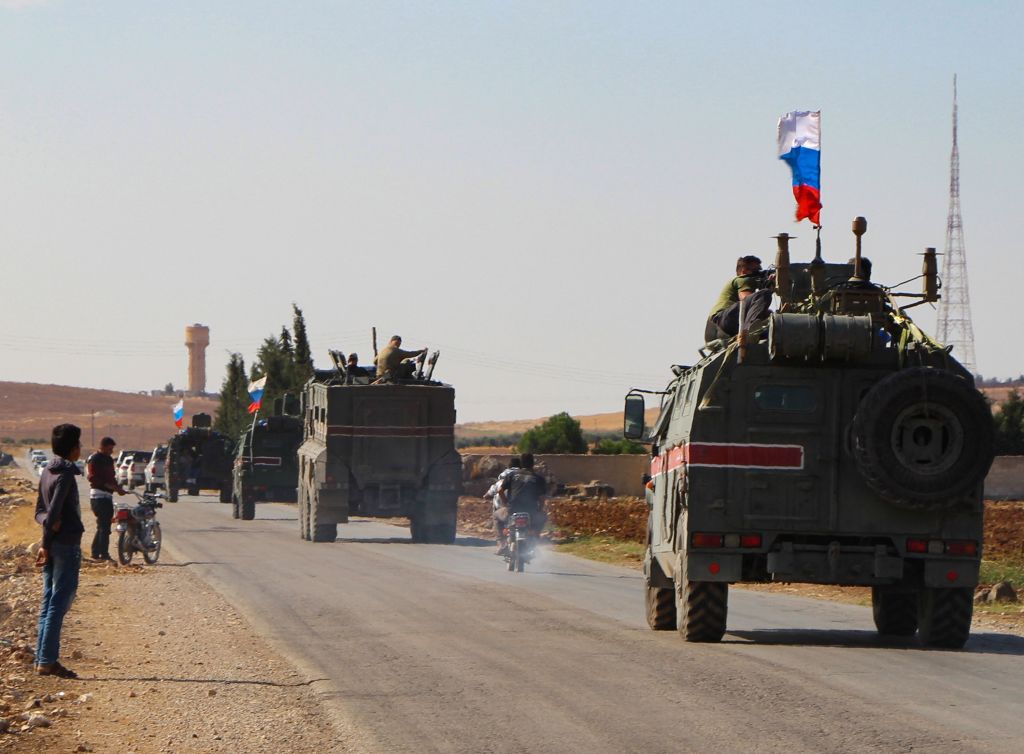
While the Iranians would have preferred it if the Turks had not invaded Syria, it does not change their most immediate policy objective, which is the survival of the Assad regime. As long as the Russians keep the Turks away from Assad’s forces, Tehran will, at least in the short term, be able to manage the consequences of Ankara’s actions.
Divide and Conquer: The Growing Hezbollah Threat to the Druze
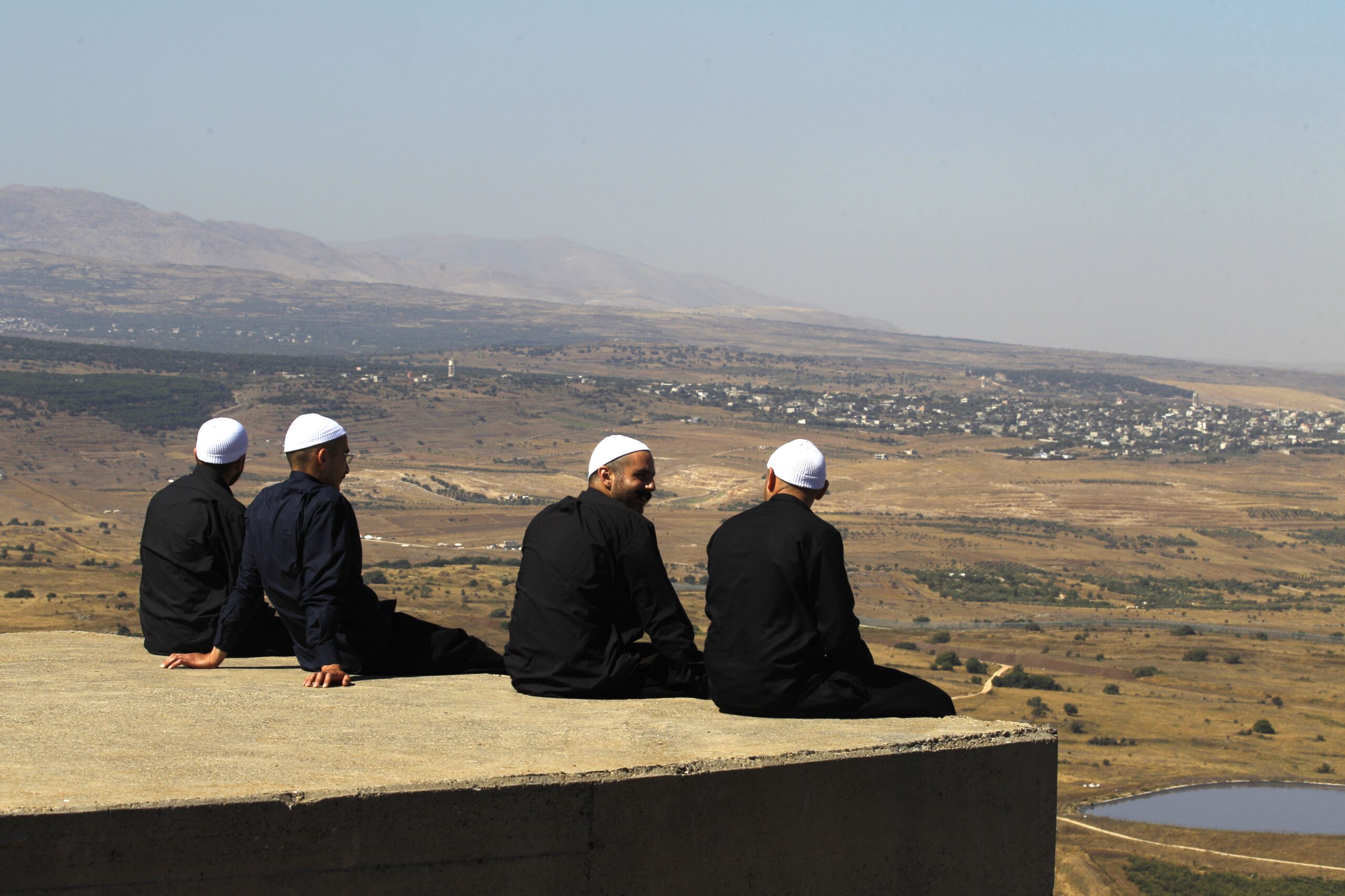
Deep political, familial, and religious ties have allowed Druze communities across the Levant to remain largely unified against external threats, but eight years of violence in Syria and a coordinated campaign by the regime and its allies now threaten to destabilize regional Druze politics and erode the sect’s political and military power. An Iranian-backed campaign by Hezbollah to incite inter-Druze violence in Lebanon has curtailed this unity, laying the groundwork for Hezbollah to expand into Syria’s Suwayda province with impunity.
That some in Washington think another about-turn in policy allowing us to stay in negligible numbers, in a smaller piece of territory, would somehow enable us to sustain an anti-ISIS campaign and control Syria’s oil fields is nothing short of a fantasy.
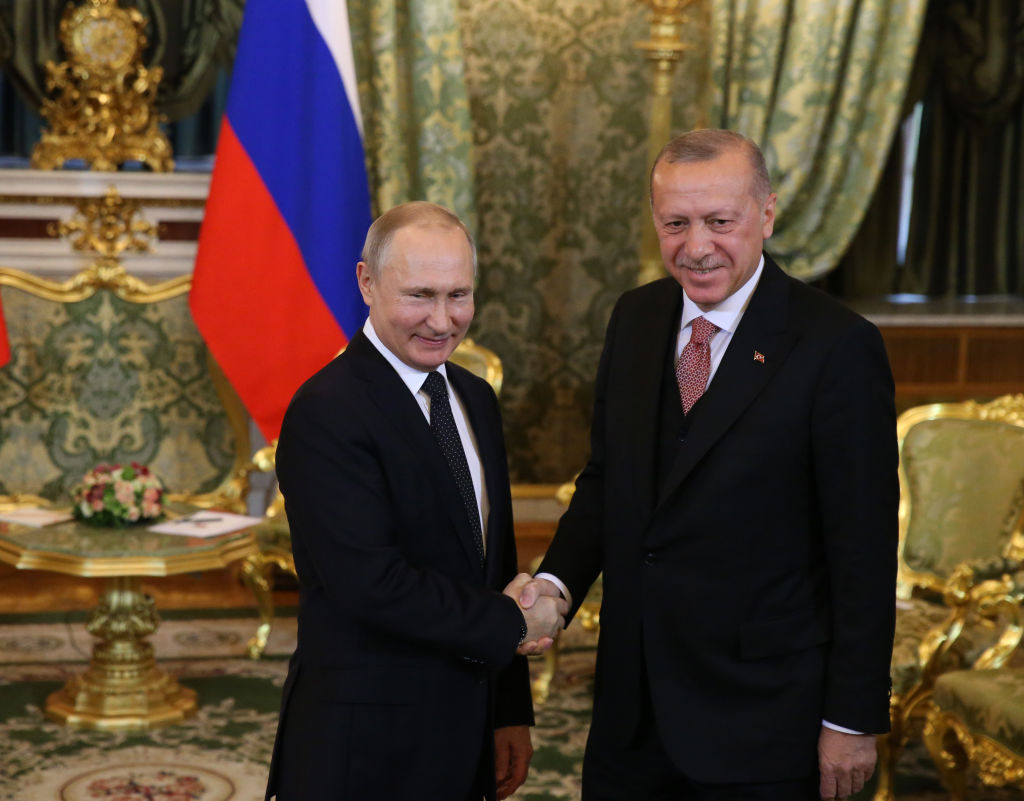
Erdogan heads to Russia for Syria safe zone talks with Putin
To make his case for an expansive safe zone in northern Syria stretching to Iraqi border, Recep Tayyip Erdogan is meeting with Russian President Vladimir Putin in Sochi. Putin might accept a limited Turkish presence in the area for now, but he is unlikely to agree to Turkey’s current plans.
Both Mr. Trump and Mr. Erdogan, each under mounting pressure at home, are trying to solve domestic challenges with a tragedy that will have long-term and unpredictable effects — none of them beneficial for the United States and any friends that remain.
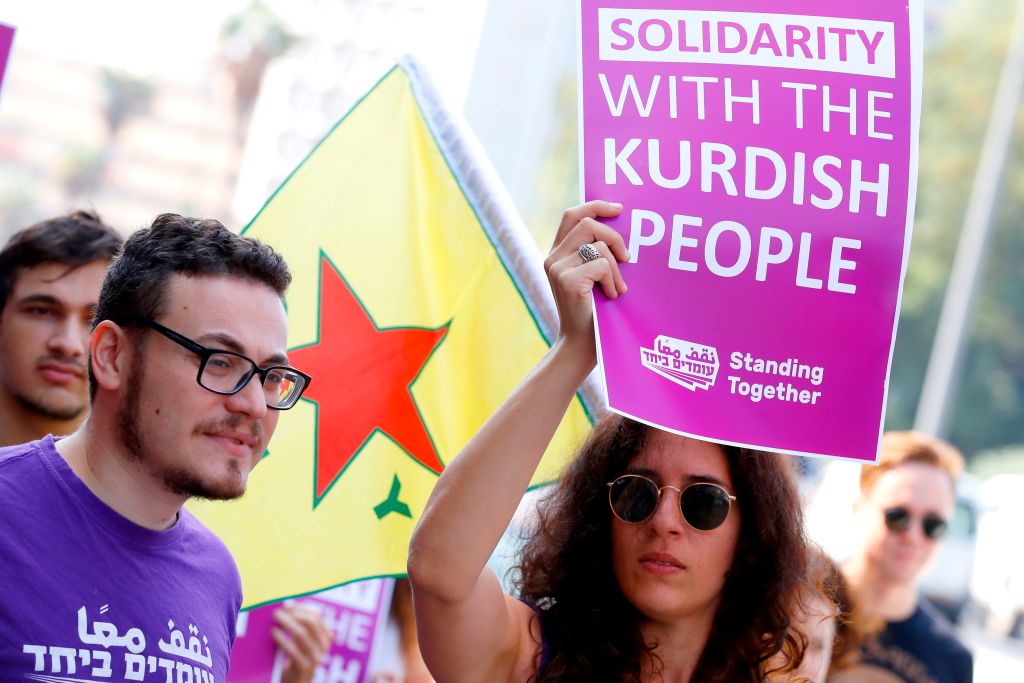
“Ana Kurdi” — suddenly Israelis are feeling Kurdish
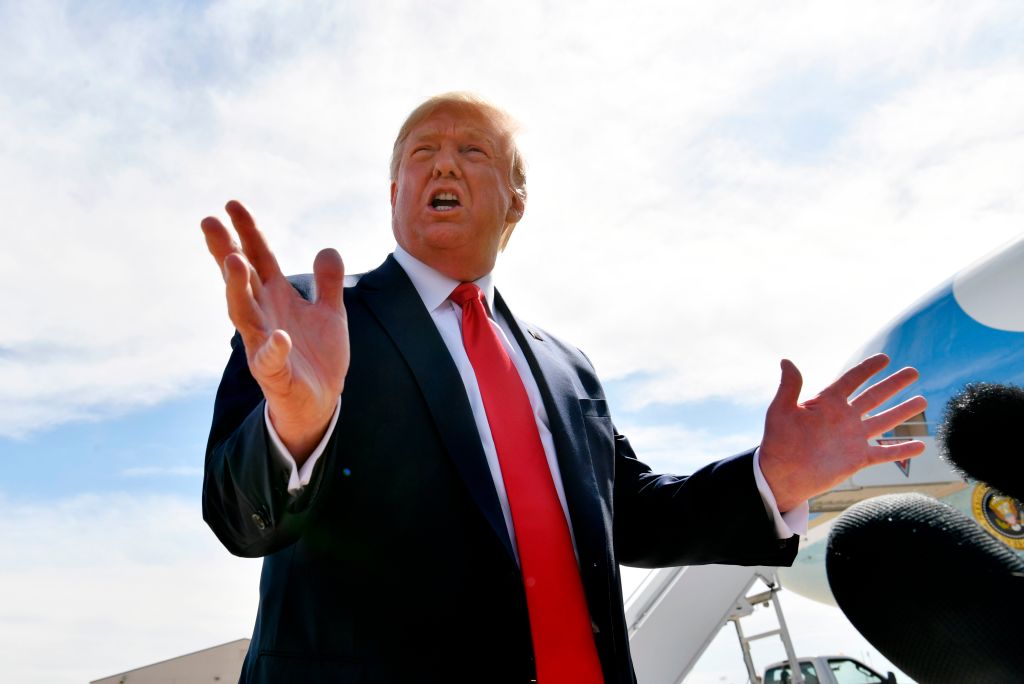
The news of Donald Trump’s sellout to Turkey’s Recep Tayyip Erdogan hit Israel like a lightning storm. Trump has managed to do the unthinkable: unite all Israelis around a geopolitical cause.
Vengeance, repression, and fear: The reality behind Assad’s promises to displaced Syrians
The team of researchers from the Syrian Association for Citizen’s Dignity worked for months under extremely challenging conditions to document the security situation of returnees and those living in areas covered by “reconciliation agreements” in parts of Syria under the control of the regime of Bashar al-Assad. The results of that research are stark and the main conclusion is that it is not safe for displaced Syrians to return to Assad-held areas.
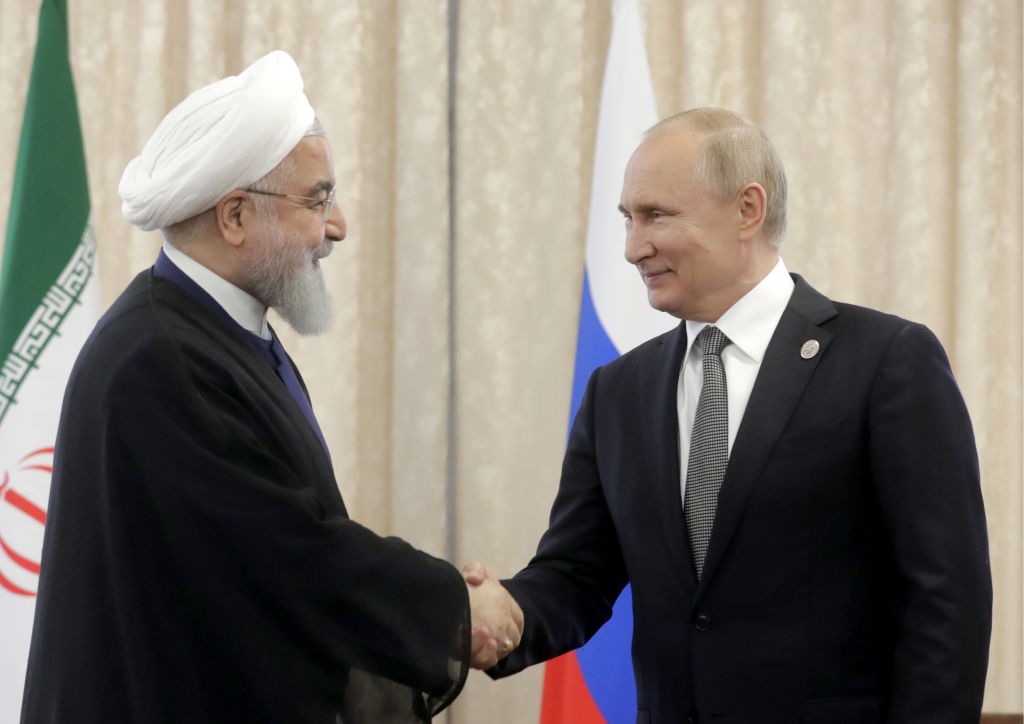
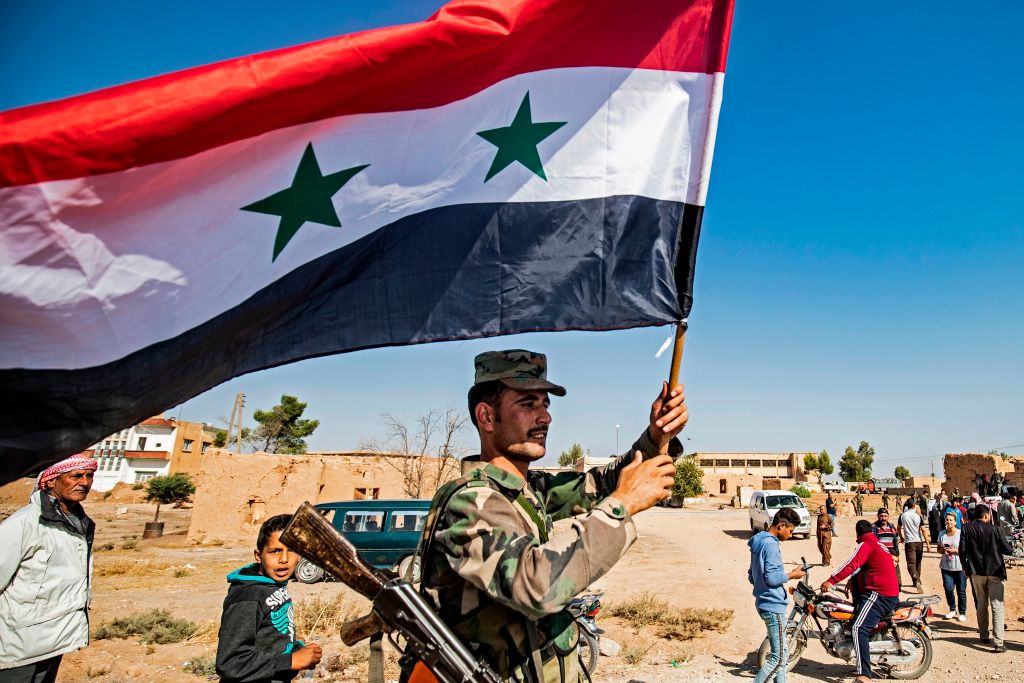
While the Turkish military offensive against the Kurdish-led Syrian Democratic Forces (SDF) in northern Syria might, once again, bring Moscow and Tehran together tactically in support of Assad’s rule and Syrian sovereignty, the two powers have fundamentally different visions for the war-ravaged country’s future.
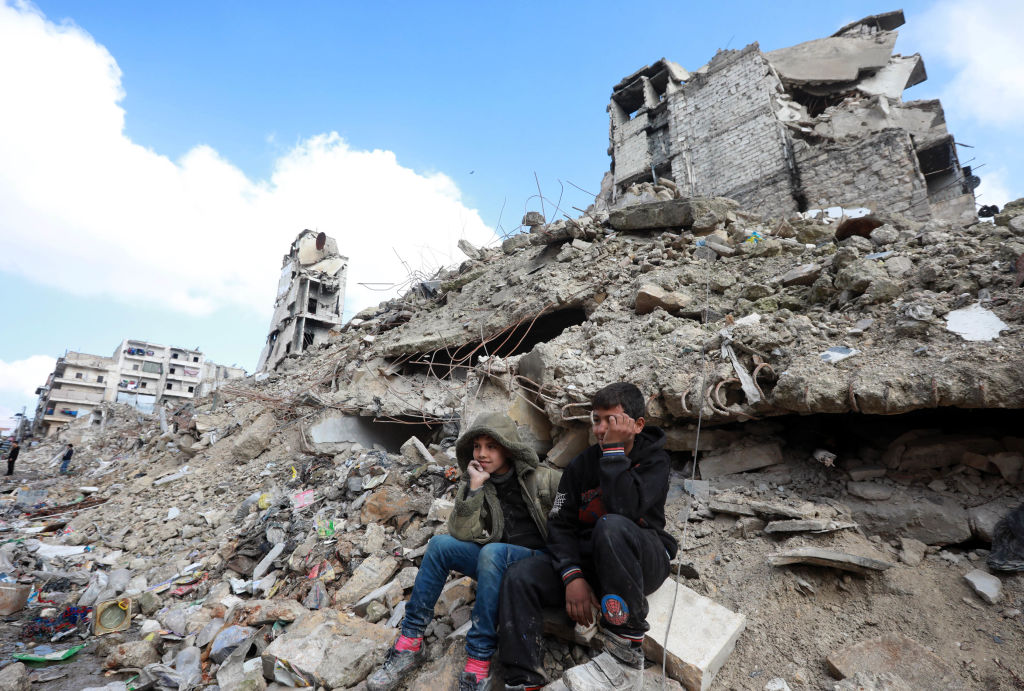
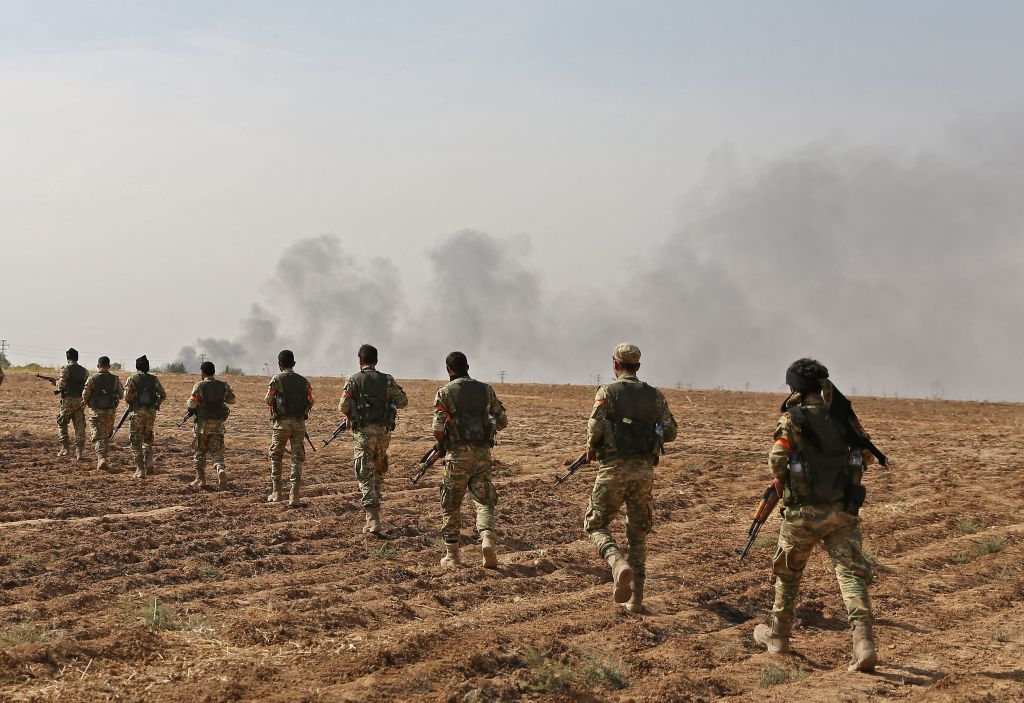
Turkey’s cross-border incursion into northeastern Syria has stirred up a hornet’s nest of instability and threats. If left unchecked, this latest “war within a war” will have deeply destabilizing consequences for many years.
The European Commission’s new president and the MENA region: Status quo or change?
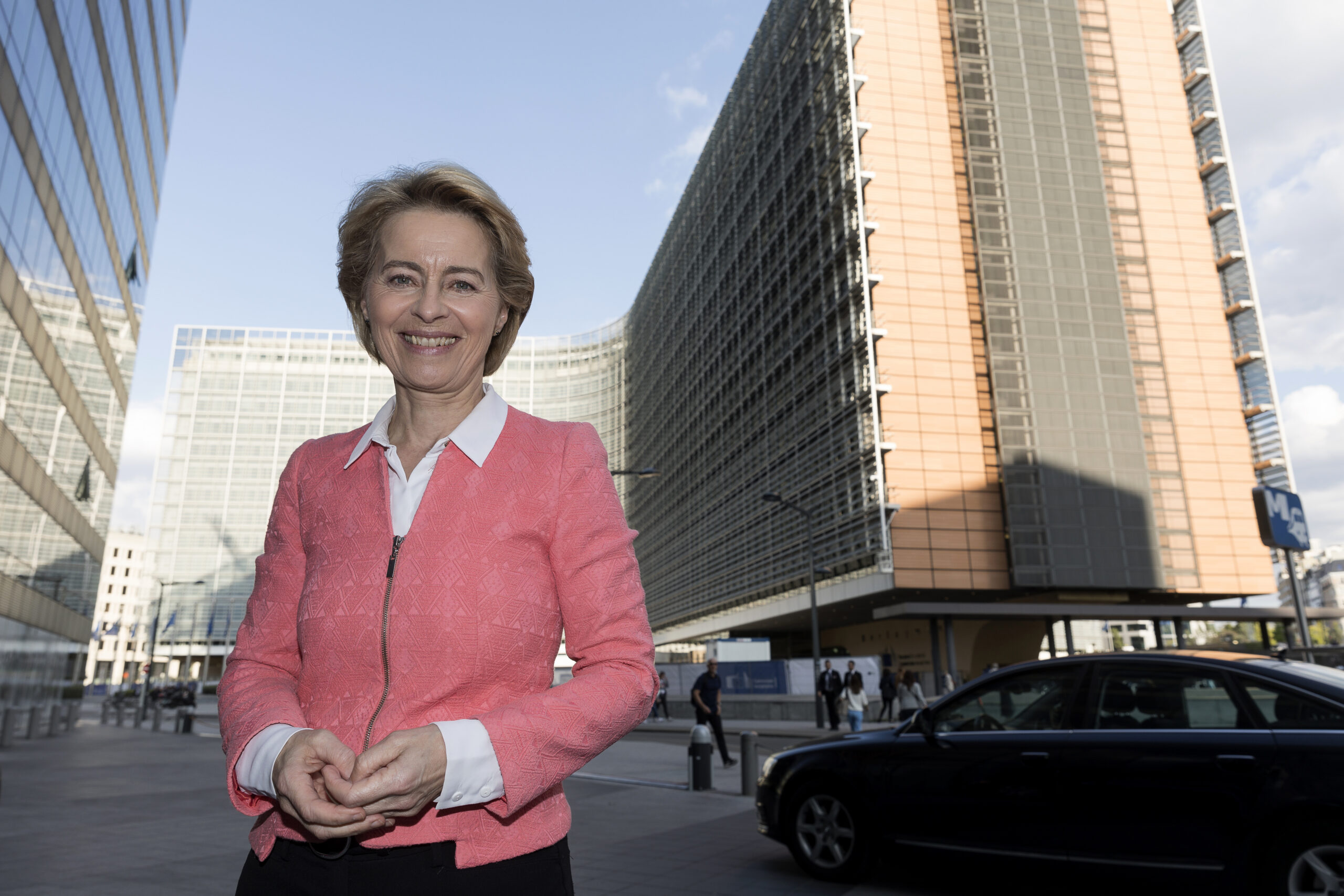
European Council President Charles Michel may have the most prestigious political post in the European Union, but the true power lies with the European Commission, the Union’s executive branch, whose president represents the EU abroad. Will the nomination of Ursula von der Leyen, the first woman to hold this post, affect relations between the EU and the Middle East in the years ahead? For her part, von der Leyen has said she will focus mainly on such matters as an “ambitious climate agenda,” a fair social market economy, and safeguarding democratic values in Europe, but the president-elect will also have to address developments in the Middle East. This will not be new territory for her.
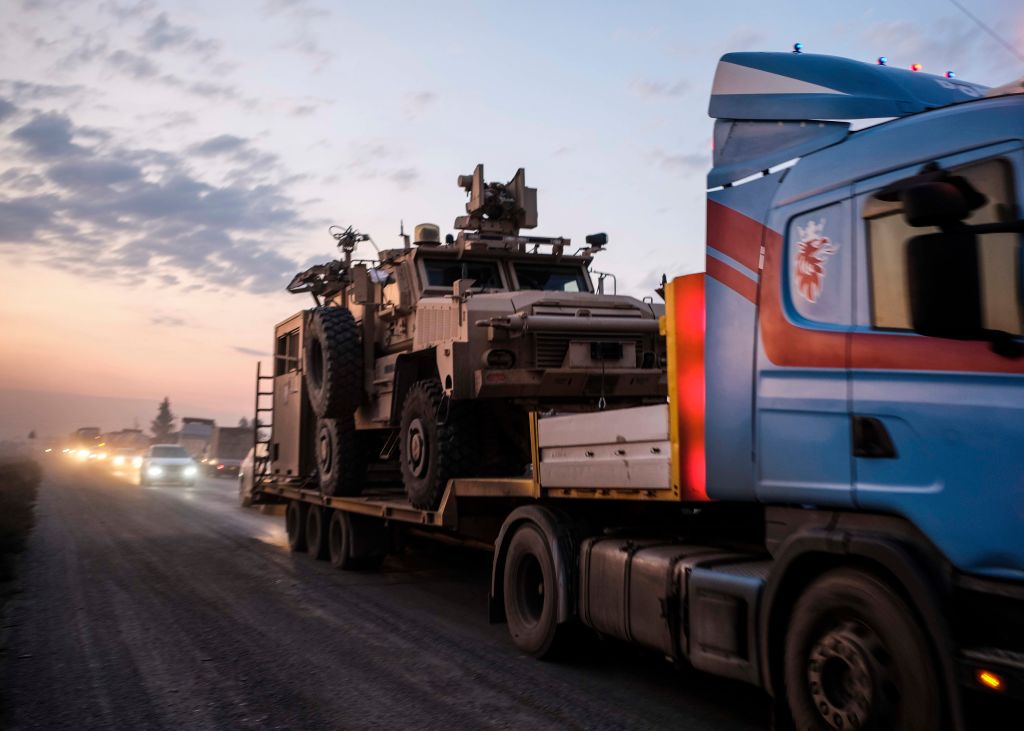
In one fell swoop, the U.S. has found itself evacuating a third of the country; breaking away from a 100,000-strong partner we trained and equipped; and watching it surrender to the regime that we have stood against from day one. In the chaos that has ensued, ISIS prisoners have been let loose, hundreds of thousands of civilians have been displaced, and a once relatively stable northeastern Syria has been thrown into a potentially intractable pit of ethnic, sectarian, and political conflict. The consequences of America’s self-destruction in Syria will be felt for many, many years to come.
The biggest losers from President Trump’s arbitrary decision to allow Turkish forces to enter Syria may end up being pro-revolution Syrians and civilians living in Idlib.
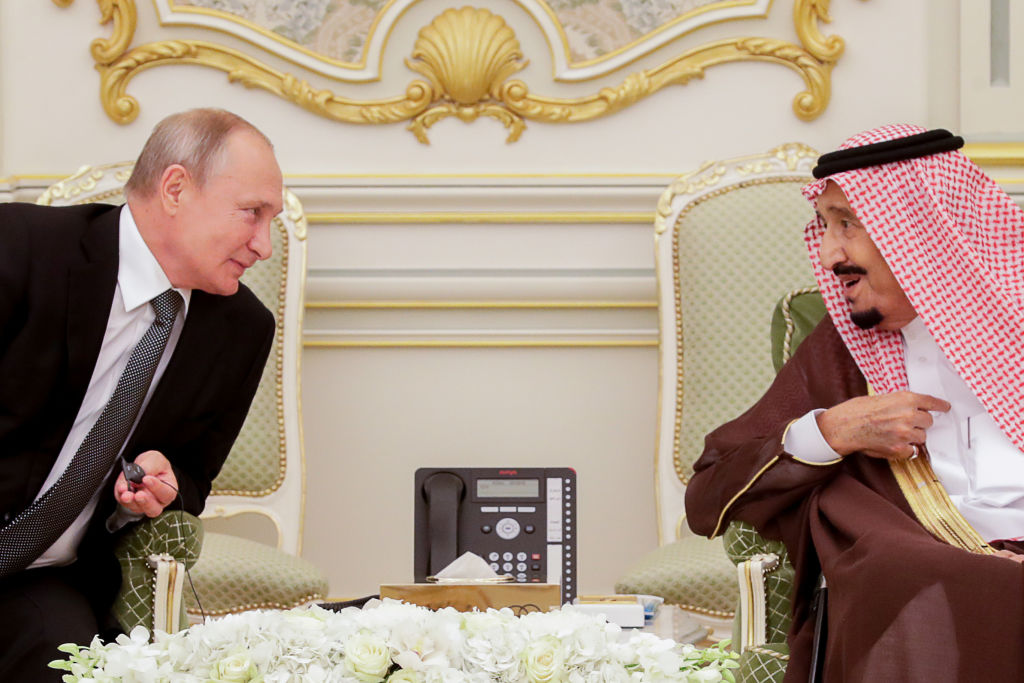
Putin reaps benefits of Trump’s Middle East policy collapse
Putin’s visit to Saudi Arabia and the UAE takes place as the U.S. position in the Middle East collapses in the face of a series of misjudgments and “own-goals” by the Trump administration.