The U.S.-China rivalry is in uncharted territory. There is no clearer example of this than the U.S.’s intensifying and increasingly global fight with Chinese company Huawei over the security of 5G.
Russian and Chinese views on the Israel-UAE normalization deal
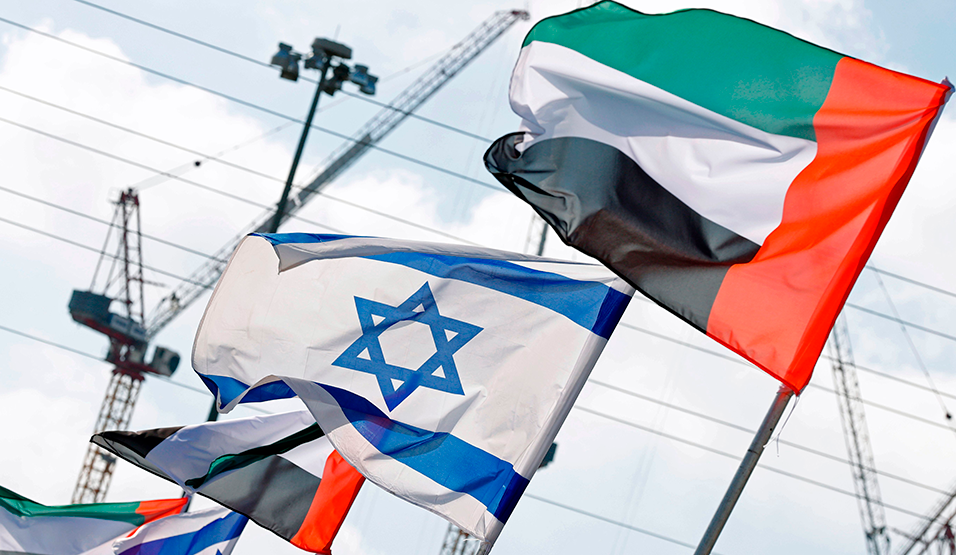
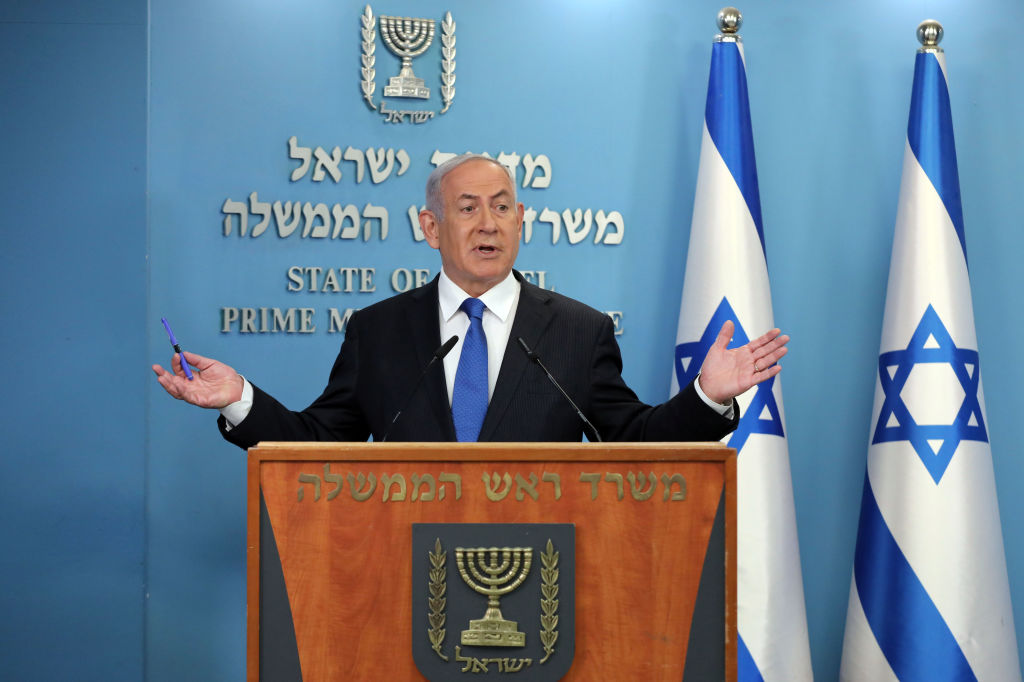
On Aug. 14, Israel and the United Arab Emirates (UAE) agreed to normalize diplomatic relations in exchange for a suspension of Israeli annexation plans in the West Bank. International reactions to this historic deal were sharply polarized, but the two main strategic rivals of the United States, Russia and China, responded cautiously to the announcement.
MEI’s Gerald Feierstein and Mick Mulroy join host Alistair Taylor to discuss the ongoing conflict in Yemen and the country faces crises on multiple fronts, from the unchecked spread of COVID-19 and widespread hunger to renewed fighting and a lack of international funding.
This week’s briefing on recent news and upcoming events in the region featuring Charles Lister, Randa Slim, Jonathan M. Winer, Alex Vatanka, Marvin G. Weinbaum, Robert S. Ford, Mirette F. Mabrouk, and Syed Mohammad Ali.
In recent years, Saudi Arabia and China have publicly announced several joint nuclear projects in the Kingdom, including one to extract uranium from seawater, with the stated goal of helping the world’s largest oil producer develop a nuclear energy program or become a uranium exporter. This article discusses China’s reported involvement in Saudi Arabia’s nascent nuclear program.
The Impact of Middle East Regional Competition on Security and Stability in the Horn of Africa
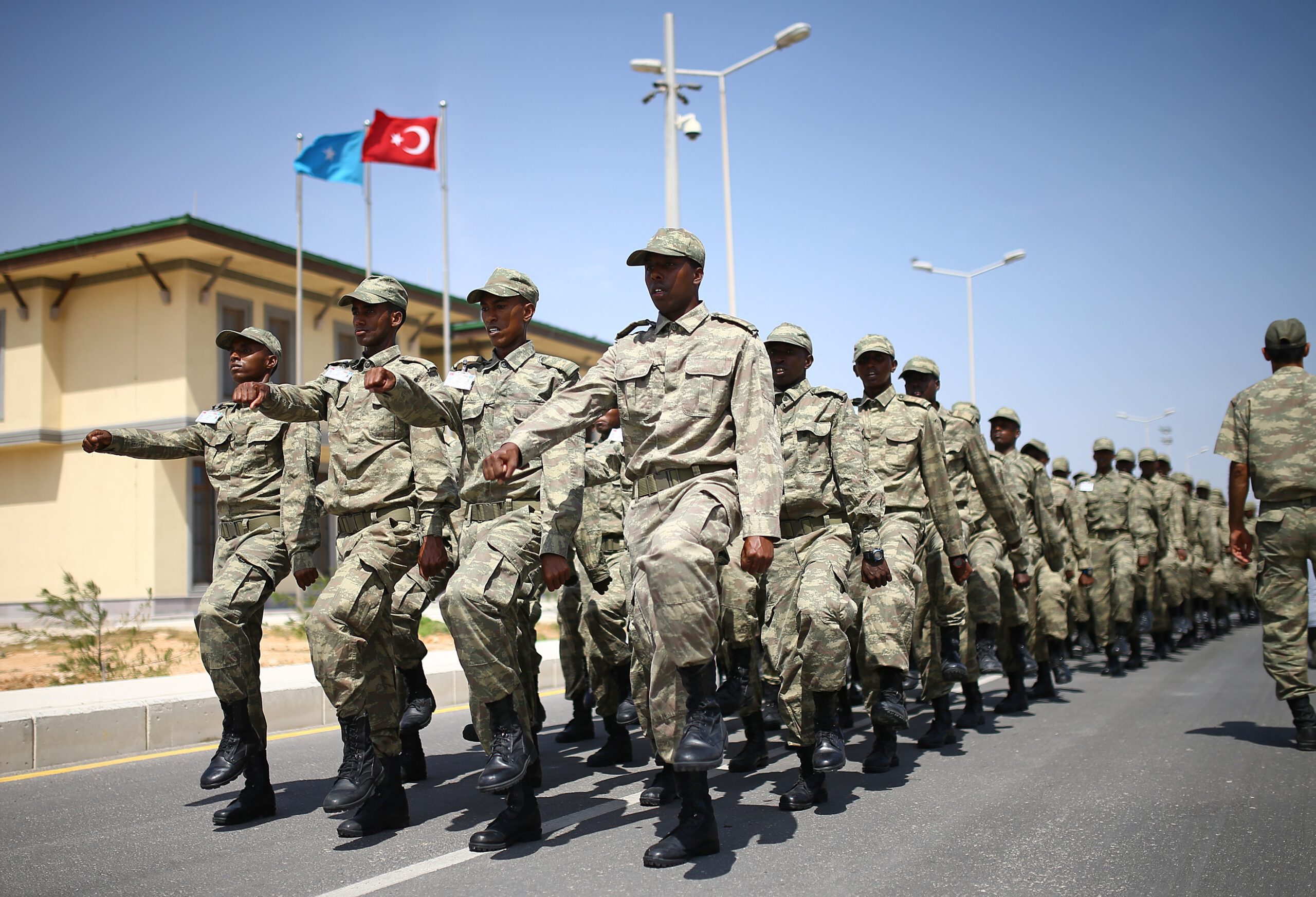
The relationship between the Middle East and the Horn of Africa is centuries-old and complex. While the world’s attention is focused mainly on the “great power competition” in the region, primarily between the U.S. and China, the Horn of Africa has also become a central battleground for influence among competing regional players, principally Saudi Arabia, the UAE, Turkey, Qatar, Iran, and Egypt. As they pursue their interests in the region, from Ethiopia and Sudan to Somalia and Djibouti, these competing states are the main drivers of tension and instability in the Horn of Africa.
Jordan’s apparent neutrality conceals deeper discomfort with UAE-Israel deal
The leaders of the Hashemite Kingdom of Jordan have traditionally been known as masters at staying as neutral as possible, especially when it comes to inter-Arab relations. This was on clear display in Amman’s response to the recent UAE-Israel rapprochement.
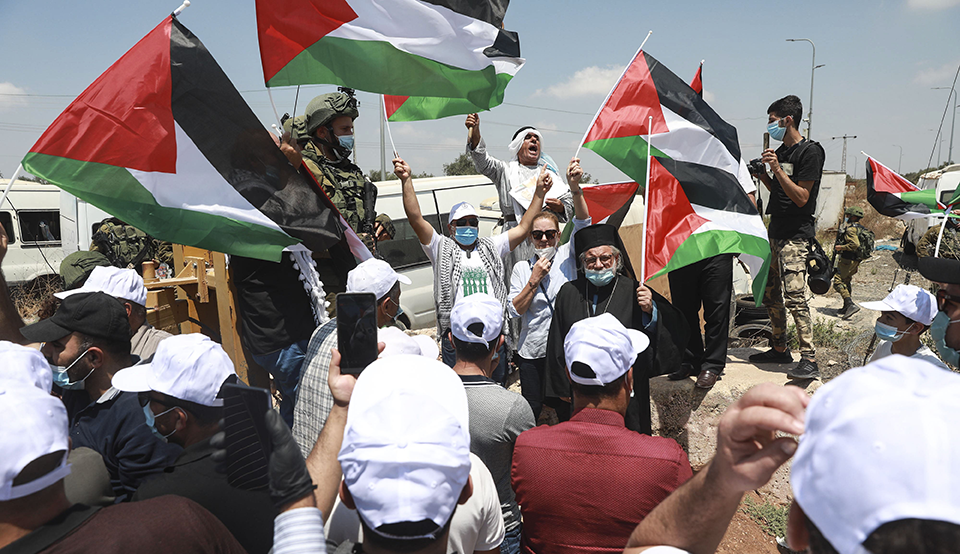
The agreement signed yesterday by Israel and the United Arab Emirates (UAE), in which the two countries agreed to a “full normalization of relations” in return for Israel suspending moves to formally annex parts of the West Bank, has reminded the Palestinians that they cannot count on the Arab states to deliver their freedom or safeguard their rights.
In historic deal with the UAE, Israel is the biggest winner
No matter how one reads the diplomatic deal announced Thursday between Israel and the United Arab Emirates—and there will surely be many supporters and detractors given its historic nature—there is one conclusion that seems irrefutable: Israel was the biggest victor.
Looking to repair ties, Pakistan’s Gen. Bajwa heads to Saudi Arabia
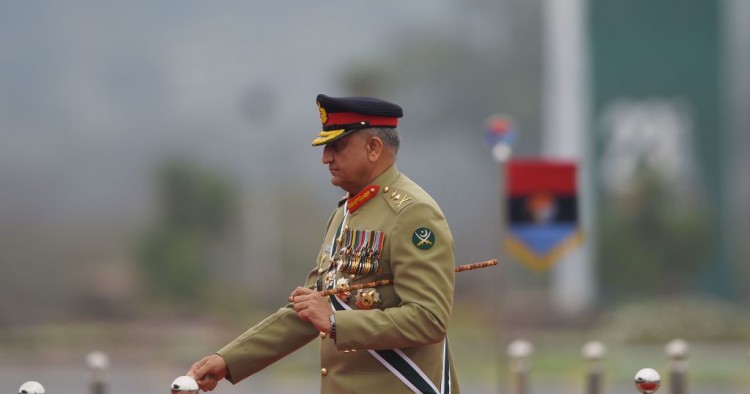
All is not well in Pakistan-Saudi relations, which seem to have gone into a tailspin. In order to repair the fractured ties with one of the country’s strongest allies, Pakistan’s army has swung into action and its chief, Gen. Qamar Javed Bajwa, will travel to Saudi Arabia for talks this weekend.
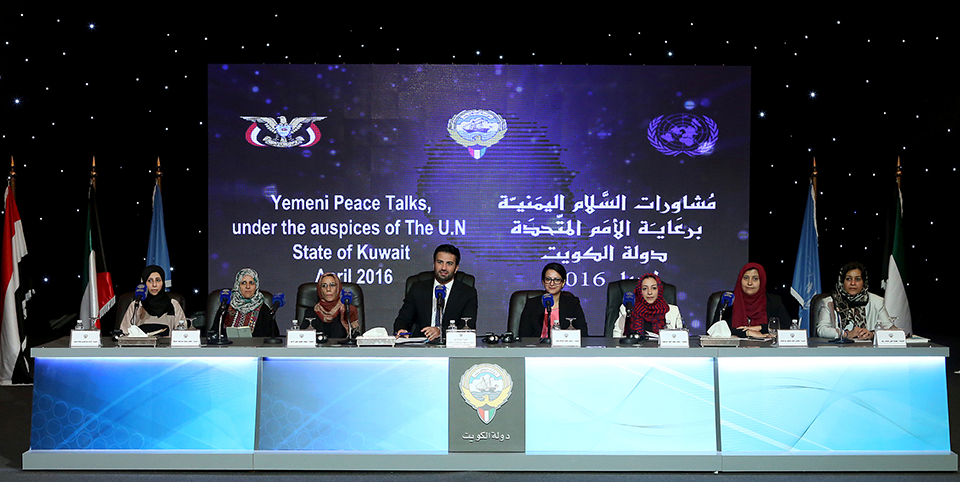
When the Saudi-led coalition launched military operations against the Houthi insurgents on March 26, 2015, all of the Gulf Cooperation Council (GCC) states, except for Oman, joined the multinational force. As has become clear, each of the Arab Gulf sheikdoms has its own national interests and unique history of relations with Yemen and Yemeni factions, and these have shaped their changing perceptions of the war over the past five and a half years. Kuwait’s role in Yemen’s multidimensional conflict is a case in point.
To recognize or not to recognize: EU recognition of Palestine
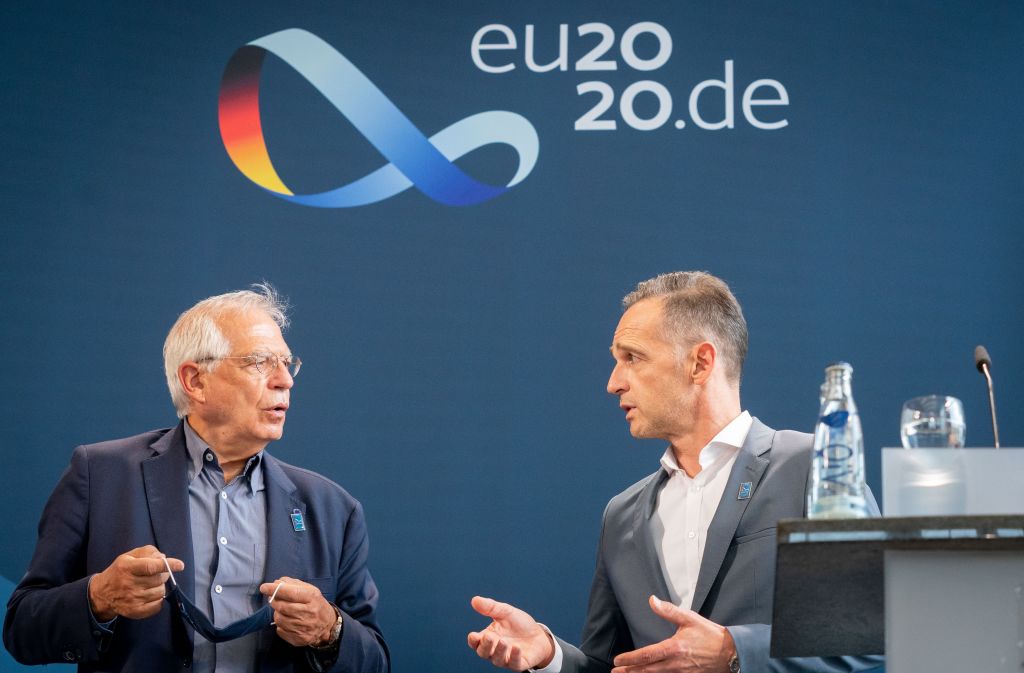
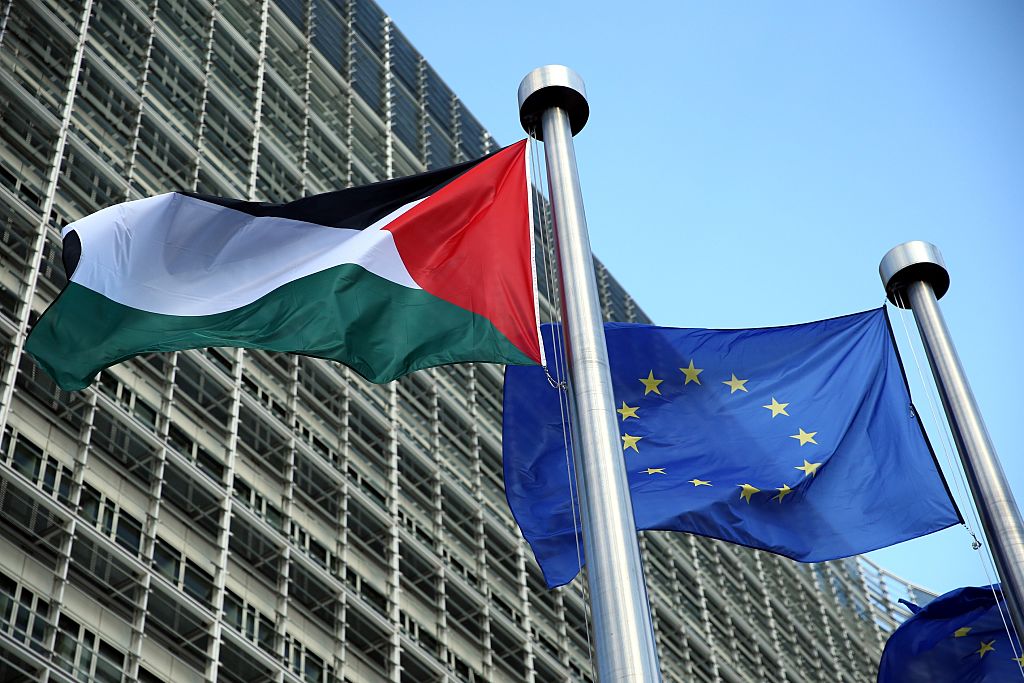
Recognition of a Palestinian state is one of the potential responses European Union states are mulling in response to an Israeli annexation of territory in the West Bank, with the foreign minister of Luxembourg, for example, declaring such a move “inevitable” in the event of annexation.
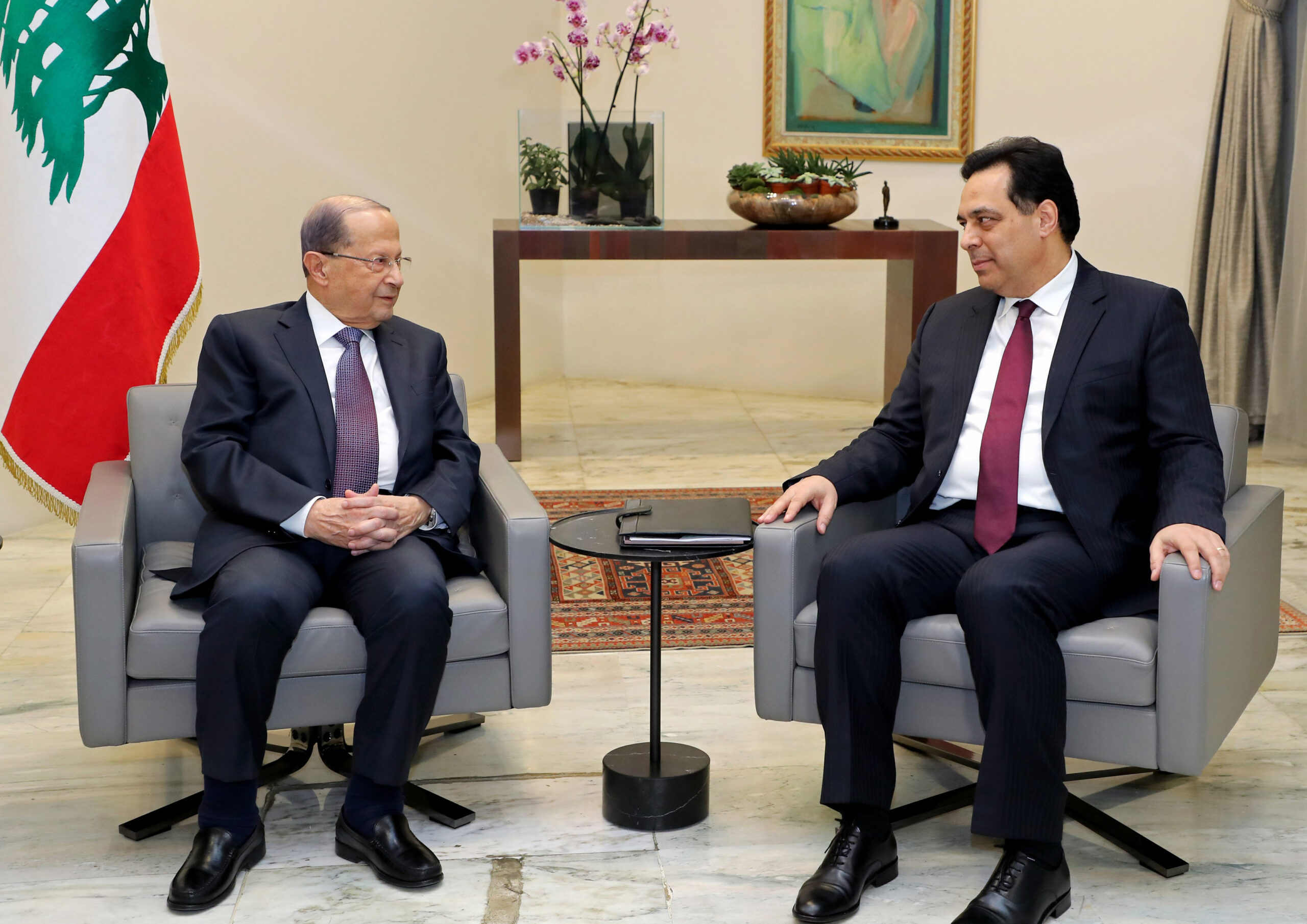
Monday Briefing | Lebanon: The twilight of an impotent government
This week’s briefing on recent news and upcoming events in the region featuring Paul Salem, Hafsa Halawa, Marvin G. Weinbaum, Anne-Linda Amira Augustin, and Gerald Feierstein.
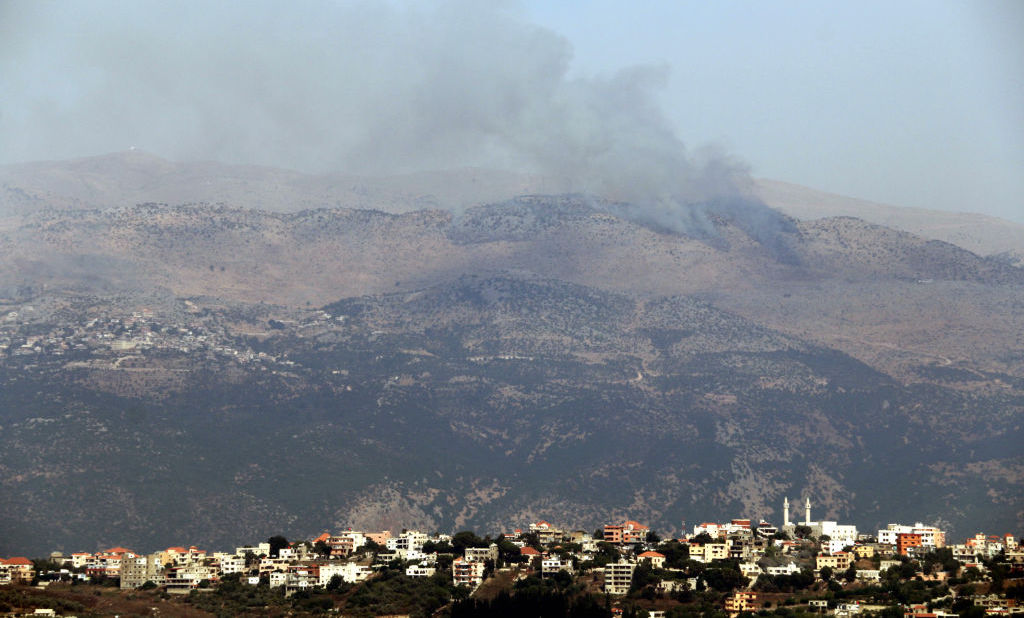
The Israelis and Hezbollah are at it again. Earlier this week, they seem to have skirmished in the Shebaa Farms area. In their latest exchange of fire, or fiery statements, Israel and Hezbollah are continuing a new tradition of contained conflicts — one stretching back five years, when the Israelis stepped up efforts to interdict weapons shipments, destroy infrastructure, and kill Iranian or Iranian-supported officials and fighters in Syria (and indeed Iraq).