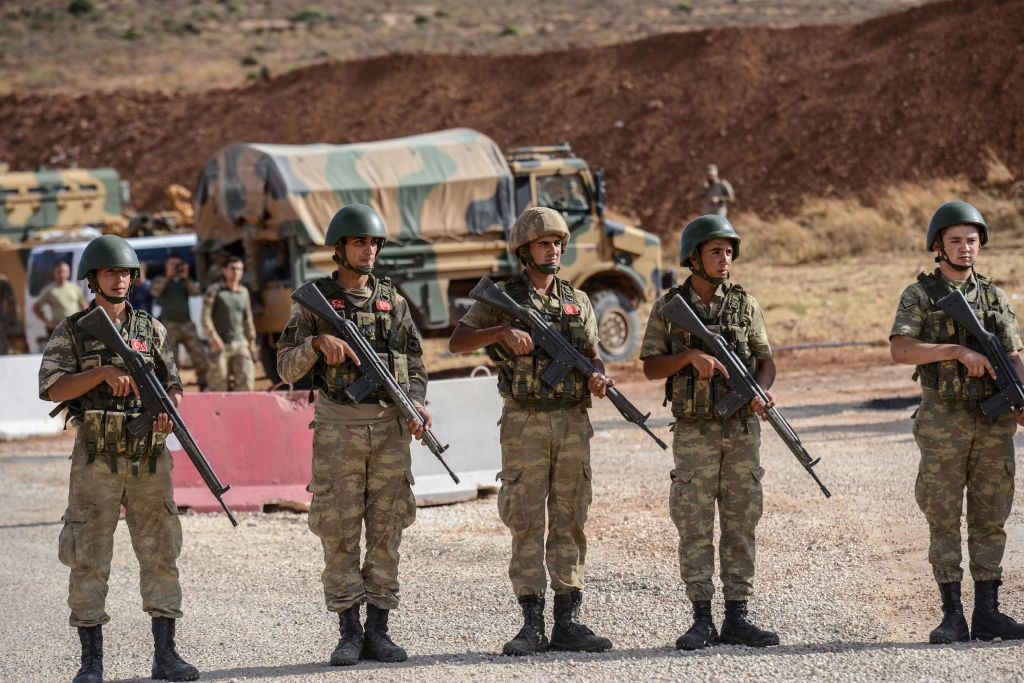
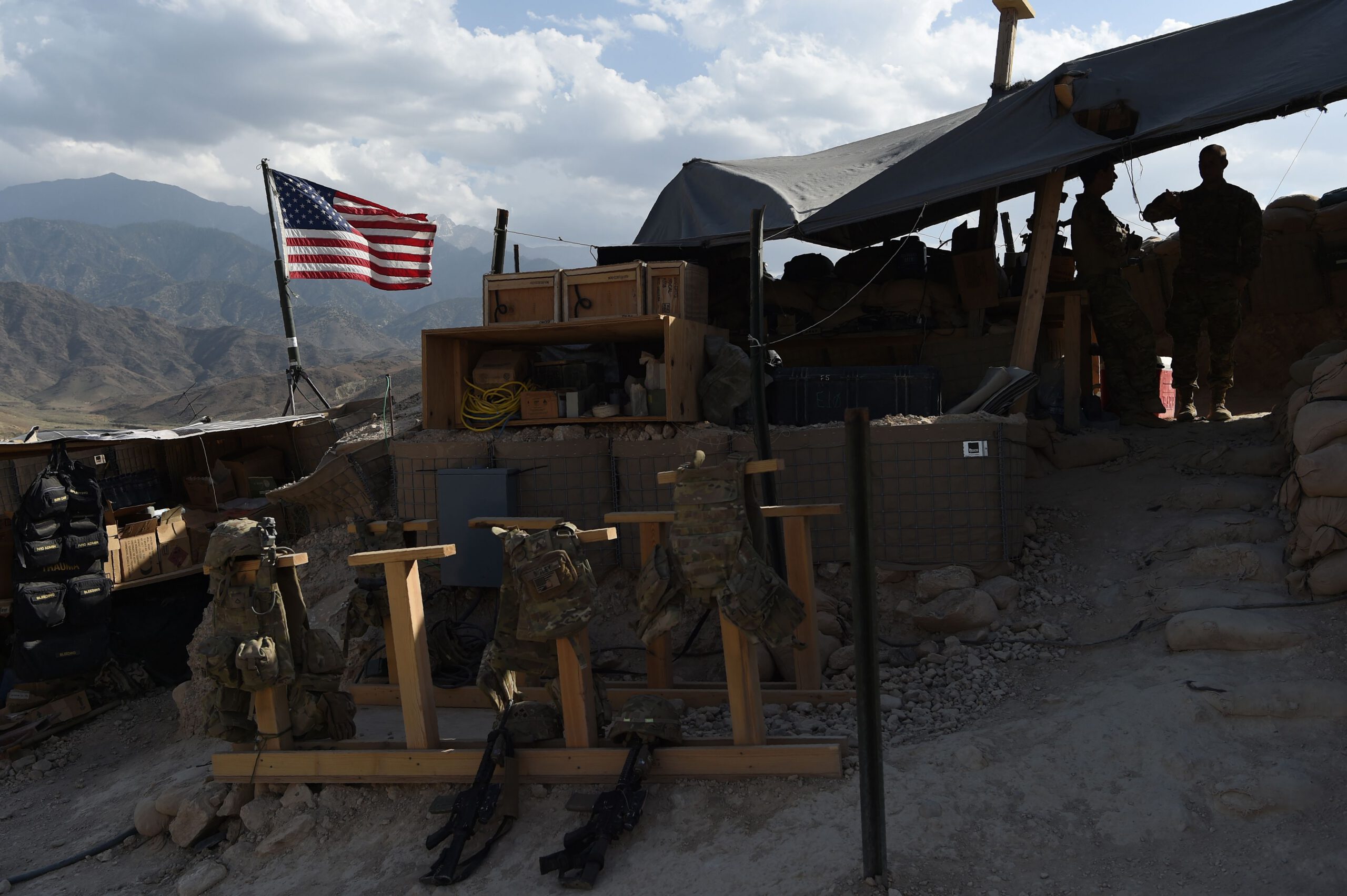
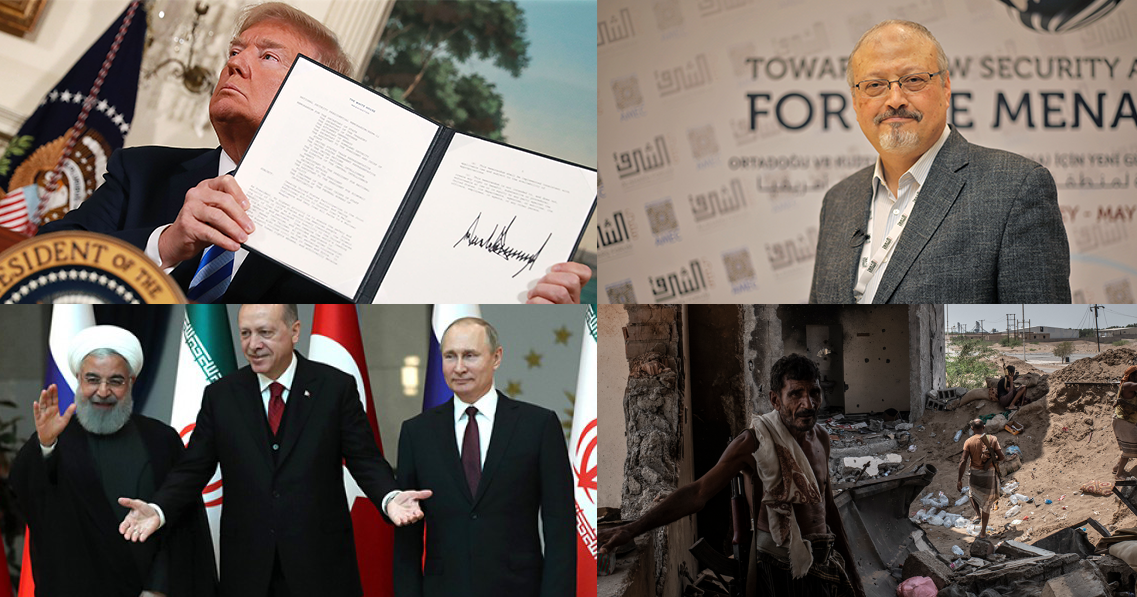
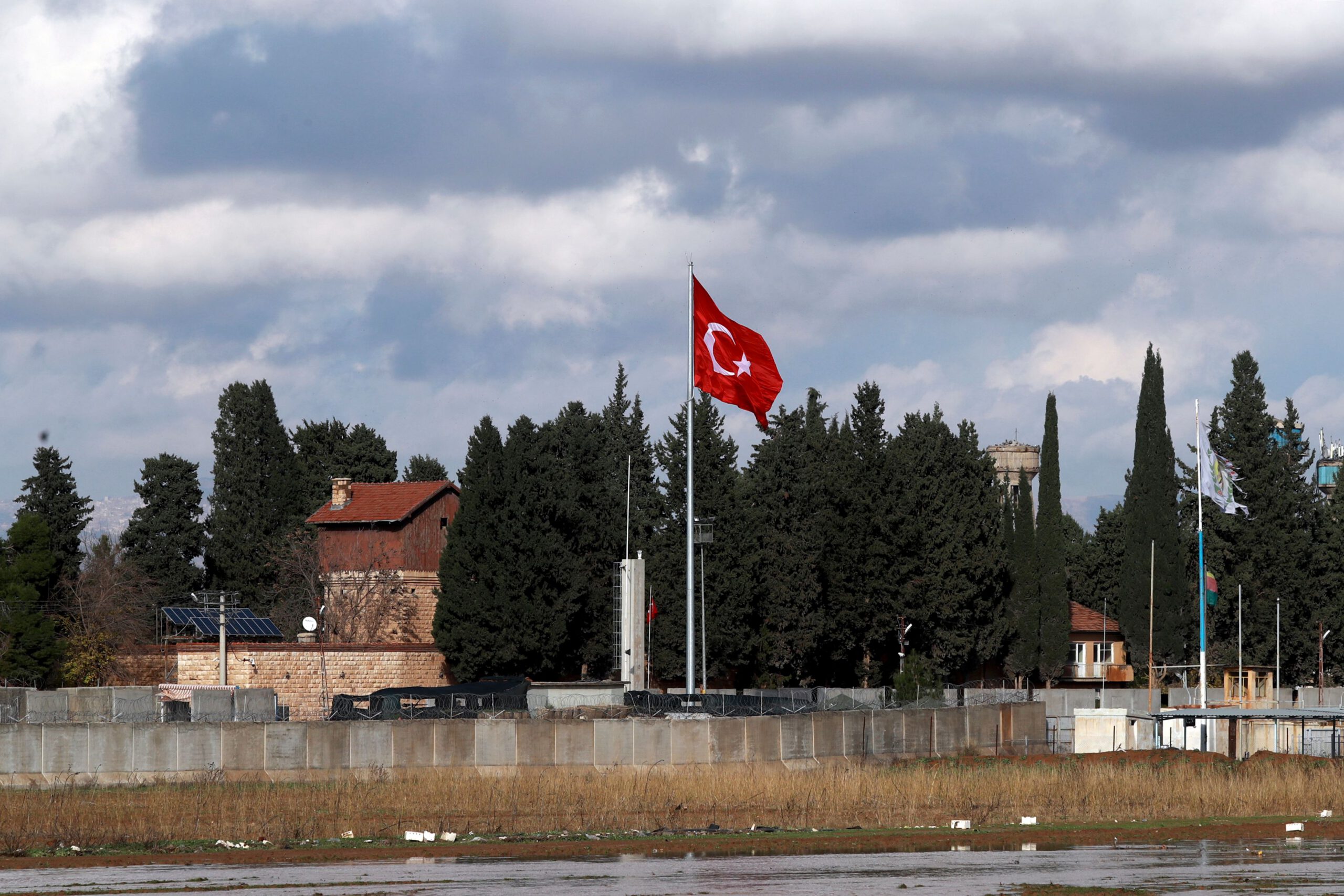
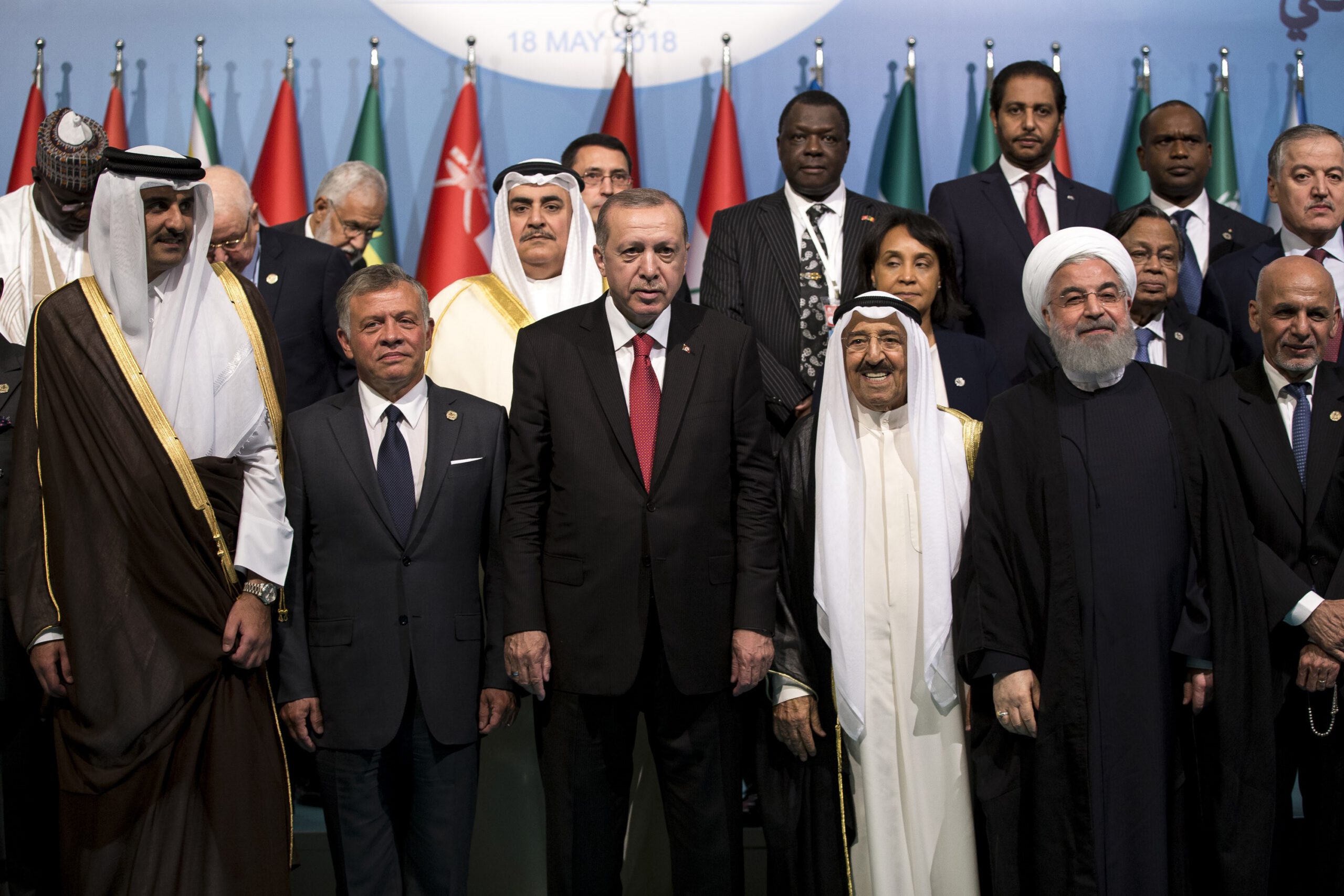
In our first episode of 2019, MEI experts Paul Salem, Charles Lister, Ahmad Majidyar, Randa Slim, Gonul Tol, Robert Pearson, and Gerald Feierstein discuss the significant policy developments and announcements of the past few weeks and outline the major issues to watch in the year ahead.
A new crisis is brewing between Saudi Arabia and Turkey, and this one is going to be much more severe and damaging than the dispute over the murder of Saudi journalist Jamal Khashoggi.
In our final episode of the year, host Alistair Taylor interviews several MEI scholars on the key events that transpired across the Middle East in 2018 including in the Gulf, Iran, Turkey, and Afghanistan. Guests include Paul Salem, Gerald Feierstein, Alex Vatanka, Gonul Tol, and Ahmad Majidyar.
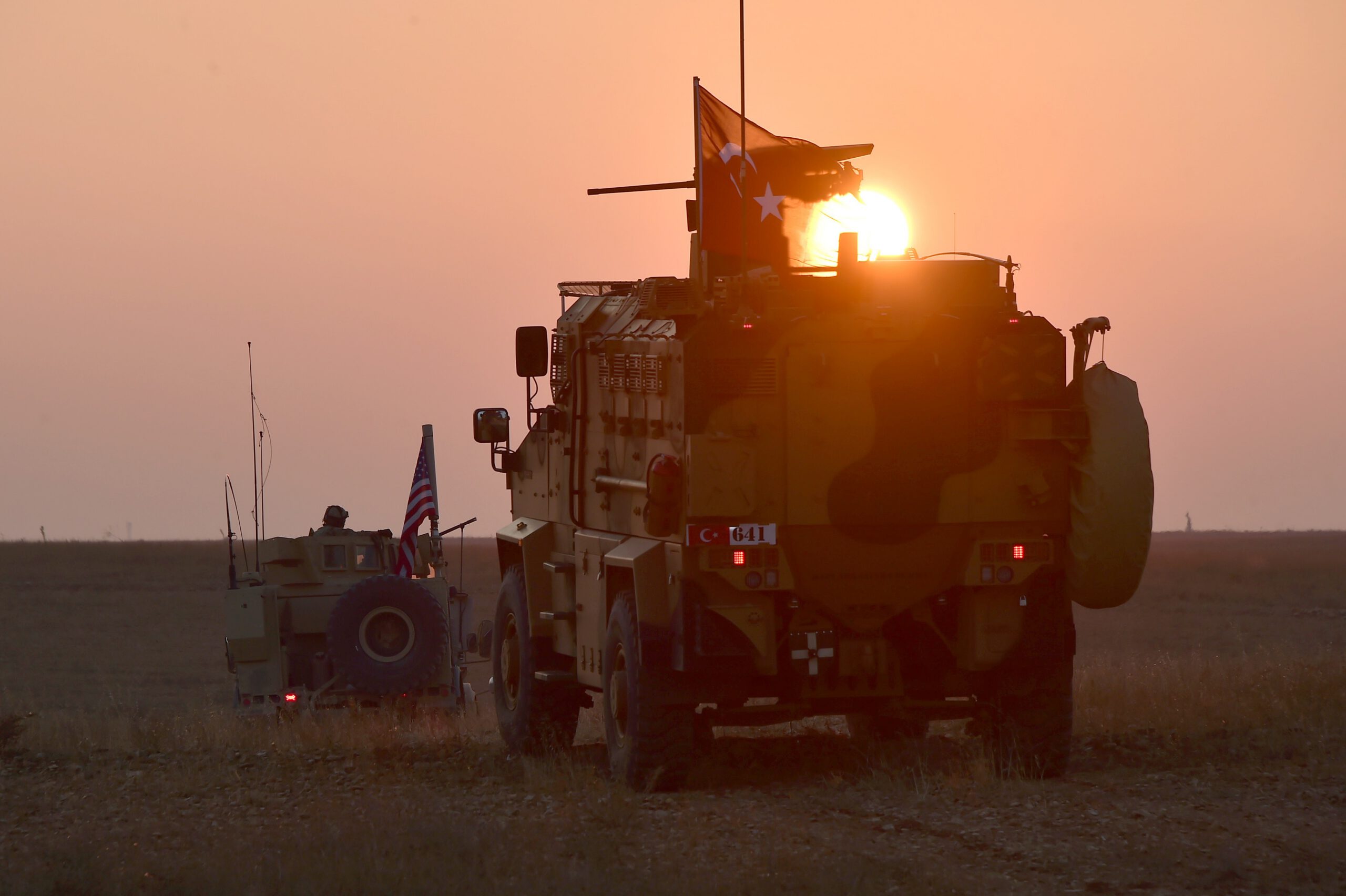
Will Turkey attack the US-backed YPG in the eastern Euphrates?
Whether Erdogan will follow through on his threat of military incursion against the YPG in U.S.-protected areas of Syria depends on the reaction of the international community, the Turkish military, and nationalist voters at home.
Would Turkey benefit if the US withdraws from Syria?
For Turkey, the best solution to its “U.S. problem” might seem like an American withdrawal from Syria, but such a move could create new and potentially more complicated problems for Ankara.
Max Hoffman, associate director of national security and international policy at the Center for American Progress, and MEI’s Gonul Tol join host Alistair Taylor to discuss the social, political, and foreign policy issues Turkey has been grappling with in recent years.
From “hard power” to “soft power” and back again: Turkish foreign policy in the Middle East
Turkey’s foreign policy has come full circle in the last few years, from a “soft power” and regional exemplar to a “hard power” pursuing a muscular stance sustained by military engagements.
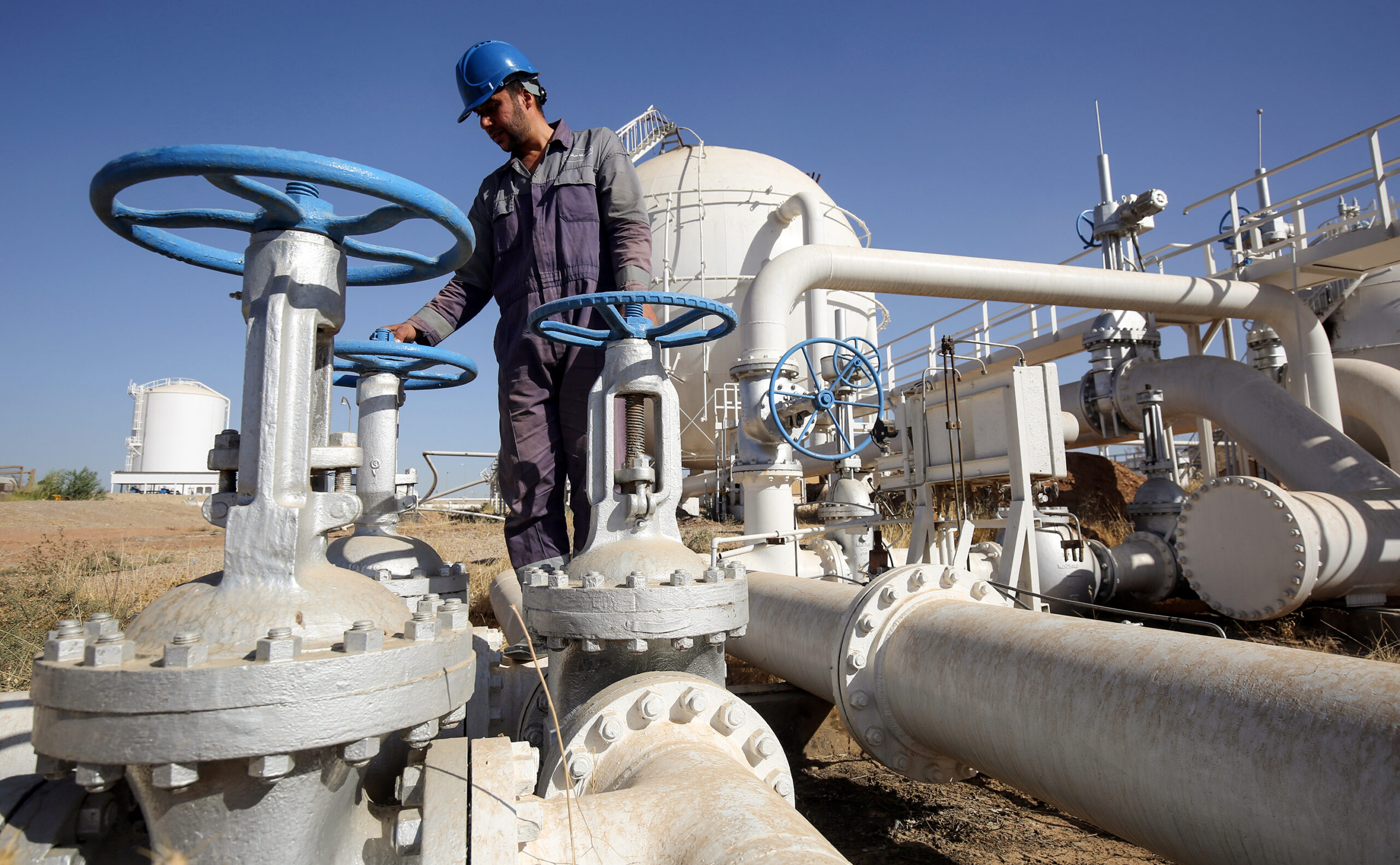
In this week’s Monday Briefing, MEI experts discuss recent and upcoming events including the Iraq-Kurdistan pipeline deal, how the YPG partnership affects US-Turkey ties, and the new Russia-Turkey gas pipeline.
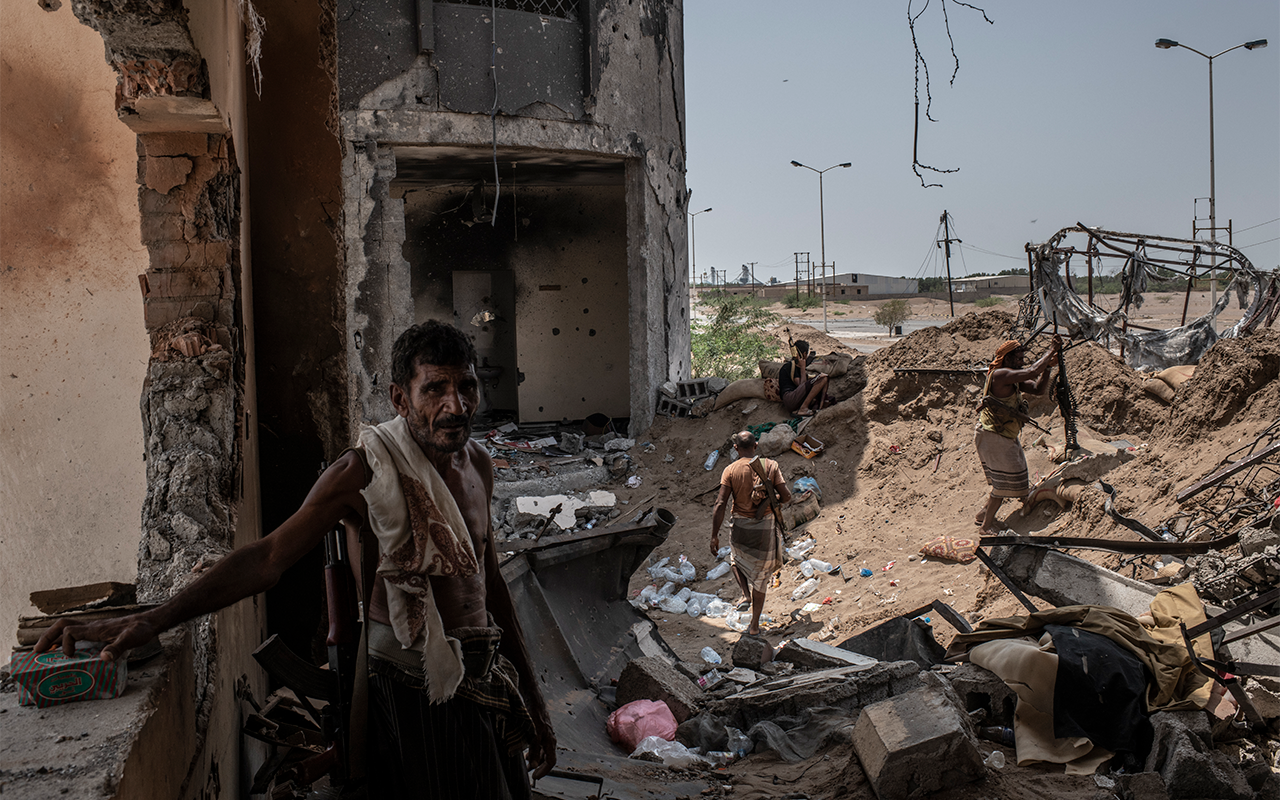
In this week’s Monday Briefing, MEI experts discuss recent and upcoming events including the ongoing conflict in Yemen, the potential impact of the midterm elections on US Middle East policy, U.S.-Turkey rapprochement, escalating tensions in northern Syria, the upcoming Palermo conference on Libya, and the potential for political fallout in Pakistan and peace talks in Afghanistan.
The stakes behind the story: How Egypt’s media covered the Khashoggi case
As the Khashoggi drama became to big to ignore, Egypt’s state-owned and private media coverage of the story confirmed that Egypt could not afford to harm its ties with Saudi Arabia.
October 25, 2018 – This week, in a highly anticipated speech on the Khashoggi affair, Turkish President Erdogan promised a lot but said little; the “Davos in the Desert” conference opened in Riyadh with an appearance by the Saudi crown prince; and the United States continued to send mixed signals. Karen Young, resident scholar at the American Enterprise Institute, and Gonul Tol, director of MEI’s Turkey program, join host Paul Salem to discuss the latest developments.
Update on Jamal Khashoggi; Afghan elections preview
In this episode, MEI’s Gerald Feierstein and Gonul Tol continue last week’s discussion on the tragedy and ongoing foreign relations crisis over Jamal Khashoggi, and Ahmad Majidyar gives a preview of this weekend’s parliamentary elections in Afghanistan.