Skip to Content

Research & Commentary Results

Filter by
2034 Results
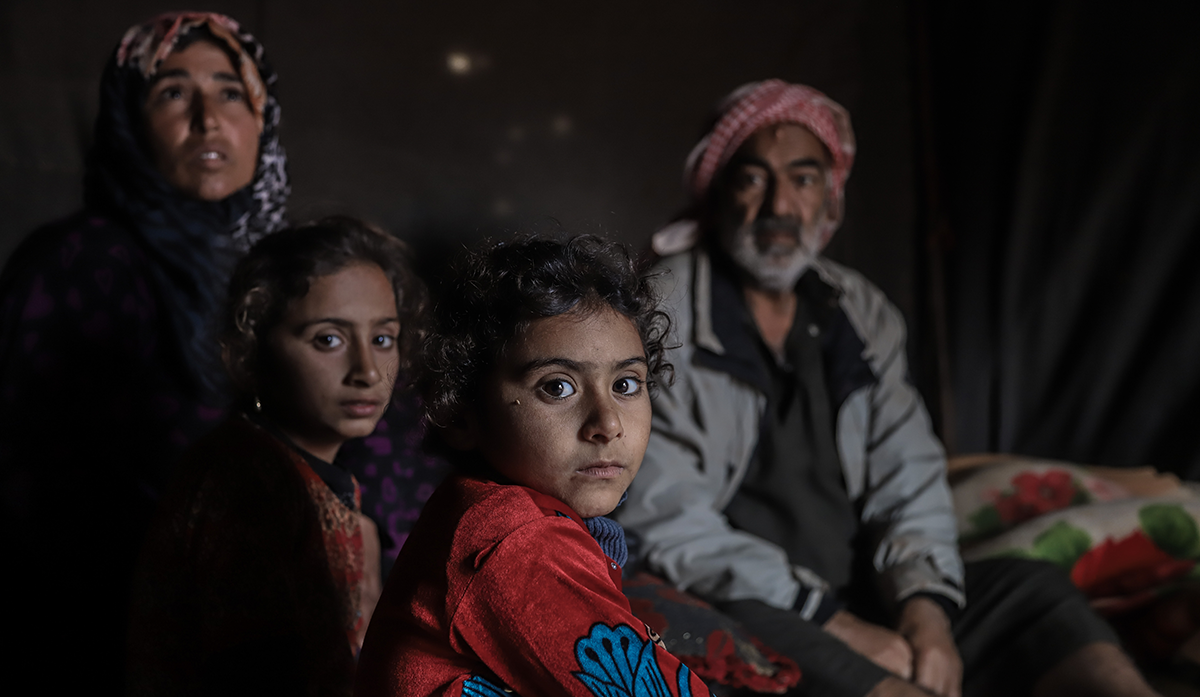
Between the Coalition, ISIS, and Assad: Courting the Tribes of Deir ez-Zor
  • Analysis
  • Between the Coalition, ISIS, and Assad: Courting the Tribes of Deir ez-Zor

    In areas under the control of both the Syrian regime and Autonomous Administration in North and East Syria (AANES) in Deir ez-Zor Province, the governing bodies are failing to secure the loyalty and support of locals. The security structures built by the regime and the AANES have coopted and incorporated local tribes to a significant extent, but a lack of support from the central governing bodies amid increasing ISIS attacks threatens long-term stability in the province. These two regional dynamics are outlined and compared in this paper to illustrate the dual challenges both governance bodies face in appealing to locals and thwarting the resurgence of ISIS in the area.

    November 3, 2020

    Forget the US elections, the Palestinians need to choose their own way forward
    MAHMUD HAMS/AFP via Getty Images
  • Analysis
  • Forget the US elections, the Palestinians need to choose their own way forward

    Since Fatah and Hamas reached a reconciliation agreement in September, Palestinian scholars, activists, and journalists have speculated over when, how, and if this latest reconciliation might actually go forward. Many observers, both inside and outside of Palestine, view the move as a response to the recent rapprochement of Arab countries with Israel, as well as to uncertainty over this week’s U.S. presidential elections.

    November 3, 2020

    How the UAE-Israel deal could change the regional power balance
    TEHRAN, IRAN - MAY 06: (----EDITORIAL USE ONLY â MANDATORY CREDIT -
  • Analysis
  • How the UAE-Israel deal could change the regional power balance

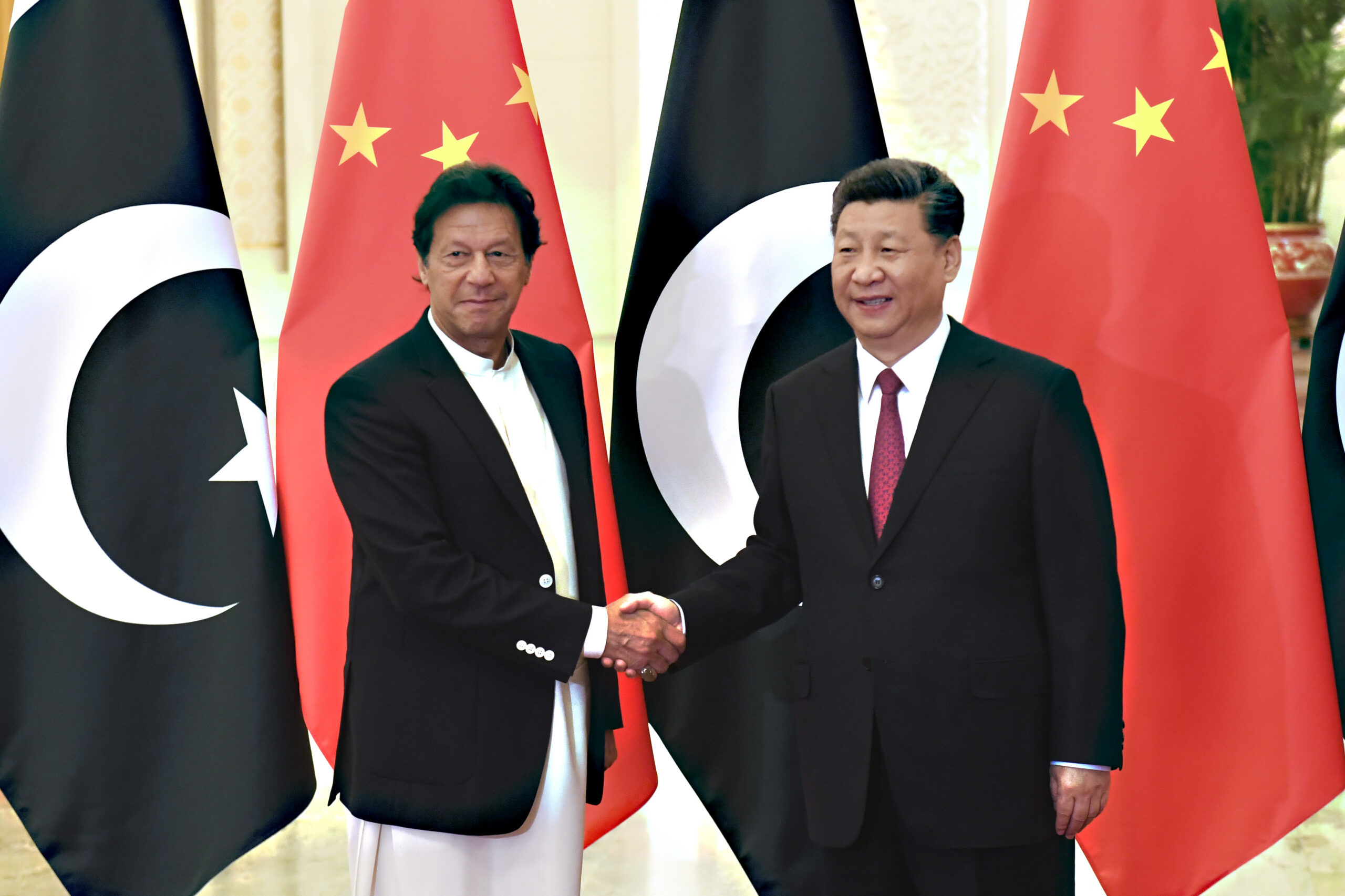
    While most experts believe that the recent normalization of ties between Israel and the UAE will not lead to a significant change in the regional balance of power, there are indications that it has the potential to bring about such a change in the long run.

    November 2, 2020

    Monday Briefing: Bracing for Tuesday and the interregnum
  • Commentary
  • Monday Briefing: Bracing for Tuesday and the interregnum

    This week’s briefing on recent news and upcoming events in the region featuring Paul Salem, Michael Sexton, Alex Vatanka, and Gerald Feierstein.

    November 2, 2020

    Left to fend for themselves, Israel’s Bedouin are struggling with COVID-19
    A picture of a Bedouin village in Israel.
  • Analysis
  • Left to fend for themselves, Israel’s Bedouin are struggling with COVID-19

    The COVID-19 pandemic is impacting all communities in Israel, but it has hit some of them much harder than others. The plight of the Haredim (ultra-Orthodox Jews) has been widely publicized, but the Bedouin of the Negev Desert are also being devastated by the pandemic and no one seems to care.

    October 29, 2020

    Shifting Gears: HTS’s Evolving Use of SVBIEDs During the Idlib Offensive of 2019-20
  • Analysis
  • Shifting Gears: HTS’s Evolving Use of SVBIEDs During the Idlib Offensive of 2019-20

    Since May 2019, a series of Syrian loyalist offensives backed by the Russian air force has gradually encroached upon the country’s northwestern Idlib Province, home to the last major pocket of opposition-held territory. As the chief rebel group in control of Idlib, Hayat Tahrir al-Sham (HTS) has employed dozens of suicide car bombs as part of its continued defense of the area. Formally known as suicide vehicle-born improvised explosive devices (SVBIEDs), these weapons have been a cornerstone of the group’s — and by extension, the entire opposition’s — military strategy since early stages of the war, when rebel forces began capturing and holding territory. In an attempt to further understand this strategy and how it has evolved over time, this case study seeks to compare and contrast HTS’s past and current use of SVBIEDs, with a heavy focus on the latter. It will also examine HTS’s evolving SVBIED design, paying particular attention to technical innovations such as environment-specific paint schemes, drone support teams, tablets with target coordinates, and live camera feeds, as well as upgraded main charges.

    October 28, 2020

    Oman plays it safe on Israel
  • Analysis
  • Oman plays it safe on Israel

    Since Aug. 13, speculation has been rife that the Sultanate of Oman will soon follow the United Arab Emirates’ (UAE) lead and formalize full-fledged ties with Israel. Yet, at least thus far, Muscat has refused to join the UAE, Bahrain, and now Sudan in normalizing relations with Tel Aviv. As a moderate Arab country, where tolerance is firmly embedded into the national ethos and the Ibadi sect of Islam, Oman appears to be maintaining a balanced position on the overall Arab trend toward normalizing relations with Israel. Muscat’s positive reaction to the Abraham Accords is not a major change in strategy and is more illustrative of Oman’s longstanding position on normalization.

    October 27, 2020

    Syria and US policy after the election
    Middle East Institute
  • Podcast
  • Syria and US policy after the election

    Charles Lister and Jomana Qaddour join host Alistair Taylor in a discussion about the current situation in Syria, US policy under the Trump administration, and what lies ahead following the presidential election.

    October 23, 2020

    Using the Convention against Torture to hold Syria to account
    A general view of the Peace Palace is seen as Myanmar State Counsellor Aung San Suu Kyi leads its delegation to the International Court of Justice to defend the national interests of Myanmar during Gambia's genocide case against Myanmar on December 11, 2019 in The Hague, Netherlands.
  • Analysis
  • Using the Convention against Torture to hold Syria to account

    Last month, the Netherlands announced its intent to hold Syria responsible for gross human rights violations and torture under the U.N. Convention against Torture (CAT). With only one other case — Belgium v. Senegal — brought to the International Court of Justice (ICJ) under the CAT, the Netherlands is entering relatively uncharted waters. Indeed, it would be the first country to litigate the substance of Article 1 of the Convention. While it is unlikely that the Netherlands’ claims will reach the ICJ for another year or more, its announcement serves as an important step in the push for broader accountability in Syria.

    October 22, 2020

    Special Briefing: Lebanon one year on from the October uprising
  • Commentary
  • Special Briefing: Lebanon one year on from the October uprising

    A special briefing on Lebanon one year after the October uprising, featuring Anthony Elghossain, Randa Slim, Alia Moubayed, and Joseph Haboush.

    October 22, 2020