Sustainable development: An unavoidable path for Egypt’s future
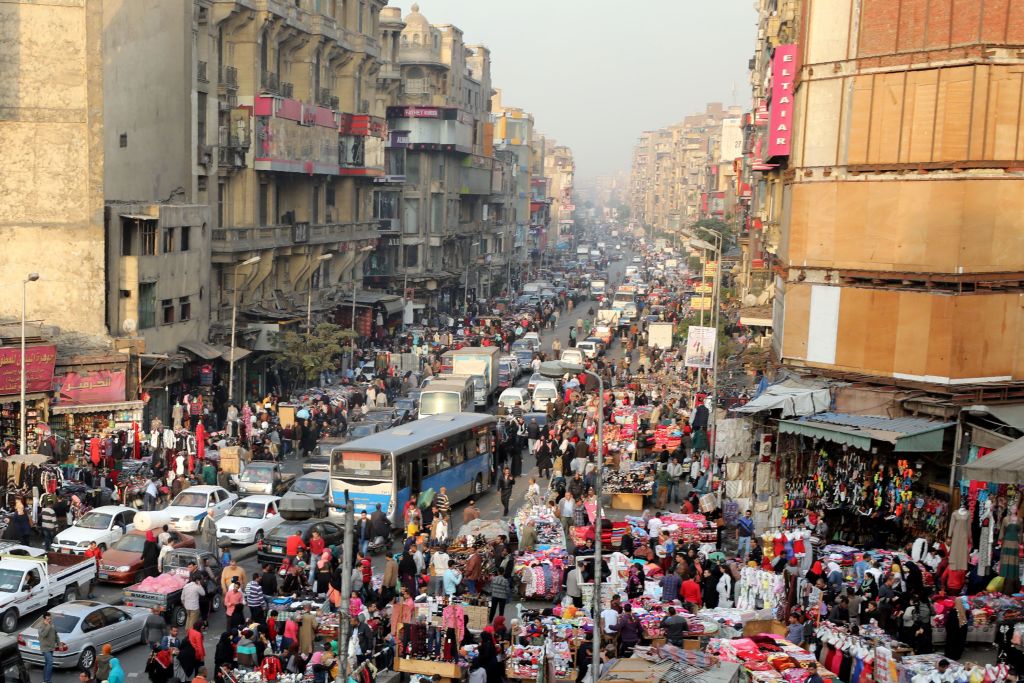
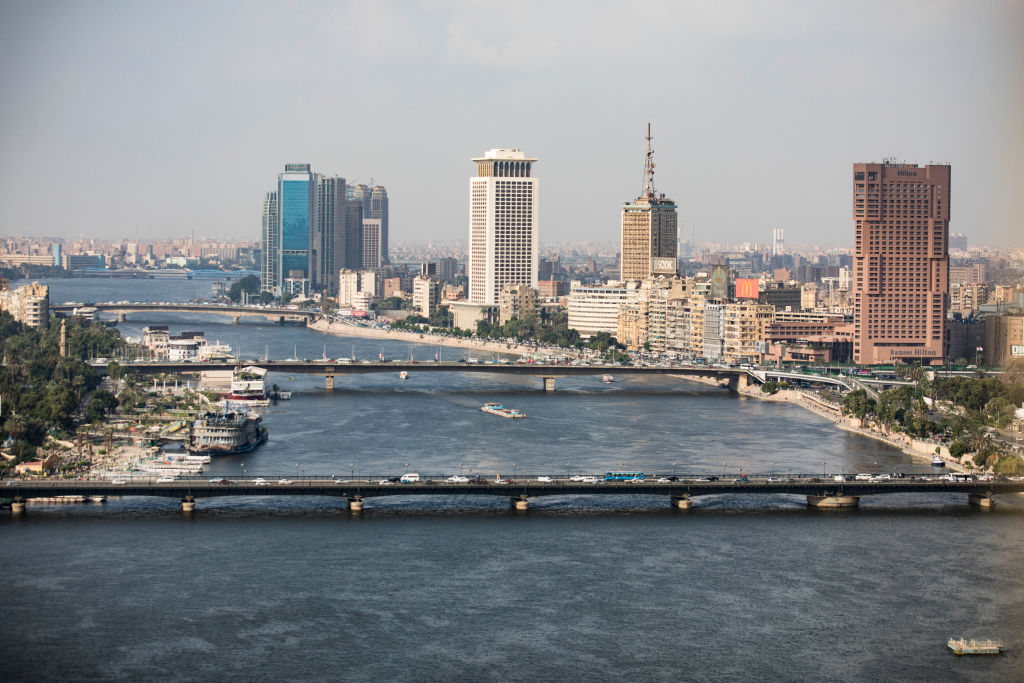
Egypt has realized a significant number of changes in healthcare, education, and economic reform policy over the past decade. It is also increasingly looking toward policy for development that emphasizes cohesive problem solving, in line with its Vision 2030 strategy, which highlights the need for positive knock-on effects from investments in human development
The ties that bind: The South Caucasus and the Middle East
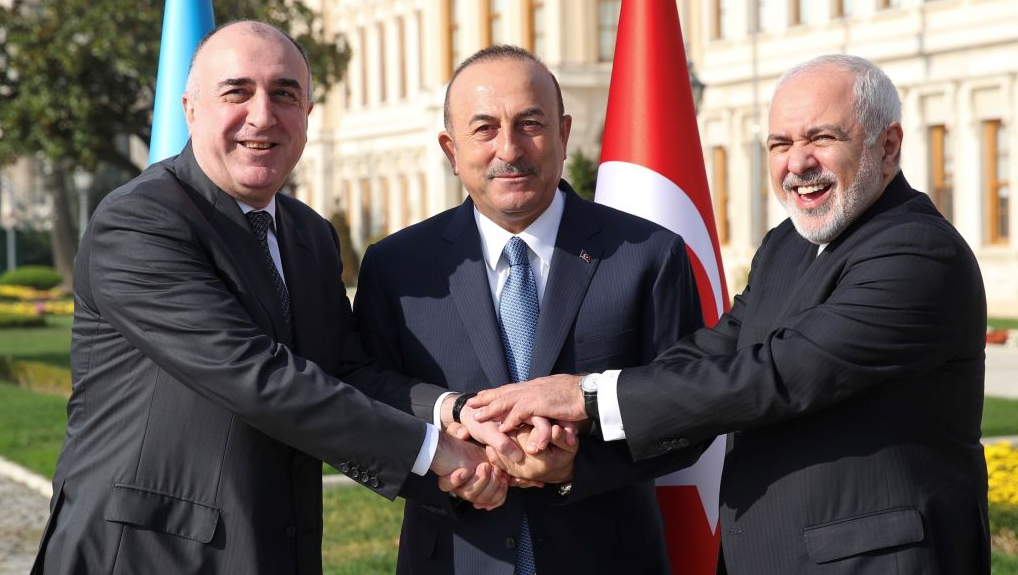
As neighboring regions, the South Caucasus and the Middle East are inextricably intertwined — so much so that the former is sometimes even considered part of the Greater Middle East. While geographical proximity is the strongest driver of interconnectivity between the two regions, geopolitics, business ties, and energy interests also link countries from the South Caucasus and the Middle East and form the basis for important bilateral and regional relationships.
Iran’s “harsh revenge”: Is blocking the Strait of Hormuz really a plausible option?
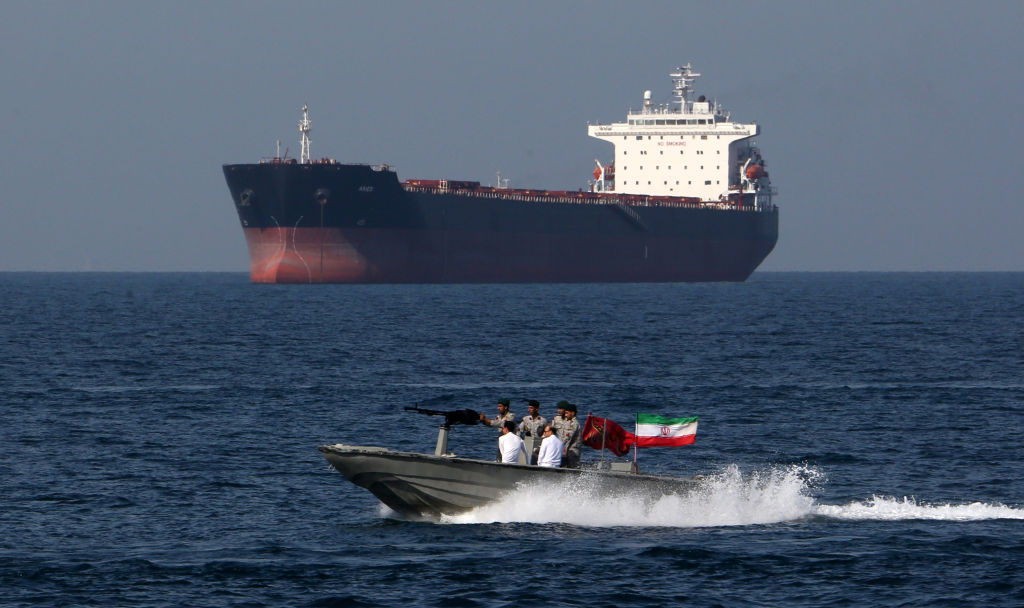
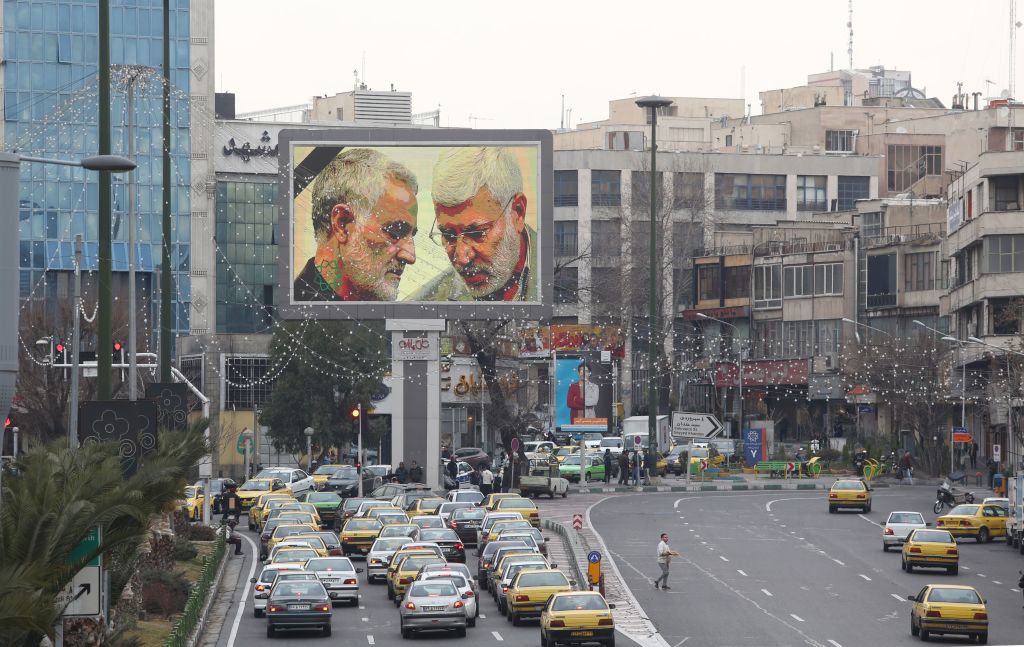
In the immediate aftermath of the assassination of Gen. Qassem Soleimani, head of the Islamic Revolutionary Guard Corps – Quds Force, on Jan. 3, Ayatollah Ali Khamenei warned the U.S. of Iran’s “harsh revenge.” There has been much speculation around the timing, location, and the type (or form) of Iran’s promised revenge. Amin Mohseni-Cheraghlou takes a closer look at the impact of the widely discussed strategy of blocking the Strait of Hormuz.
Yemen’s Stockholm Agreement one year on: Imaginary progress?
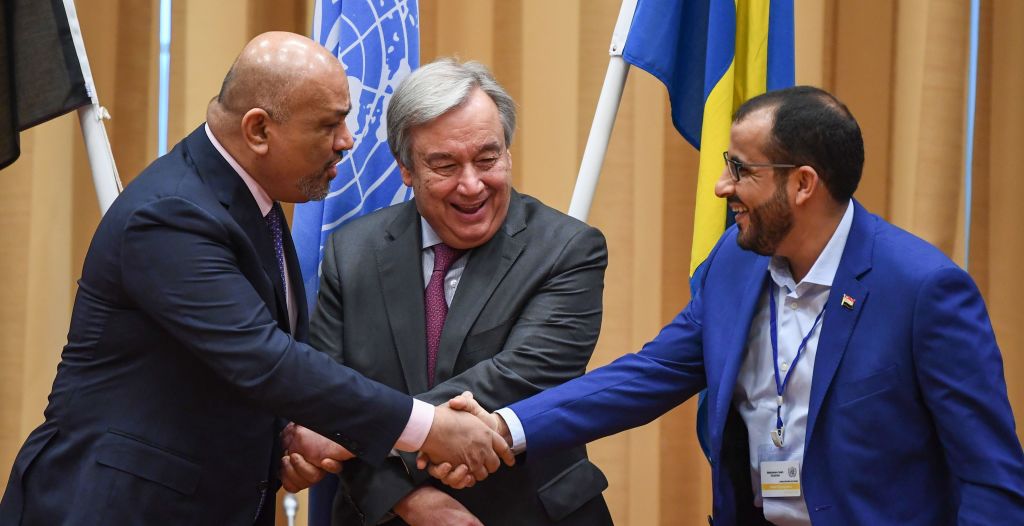
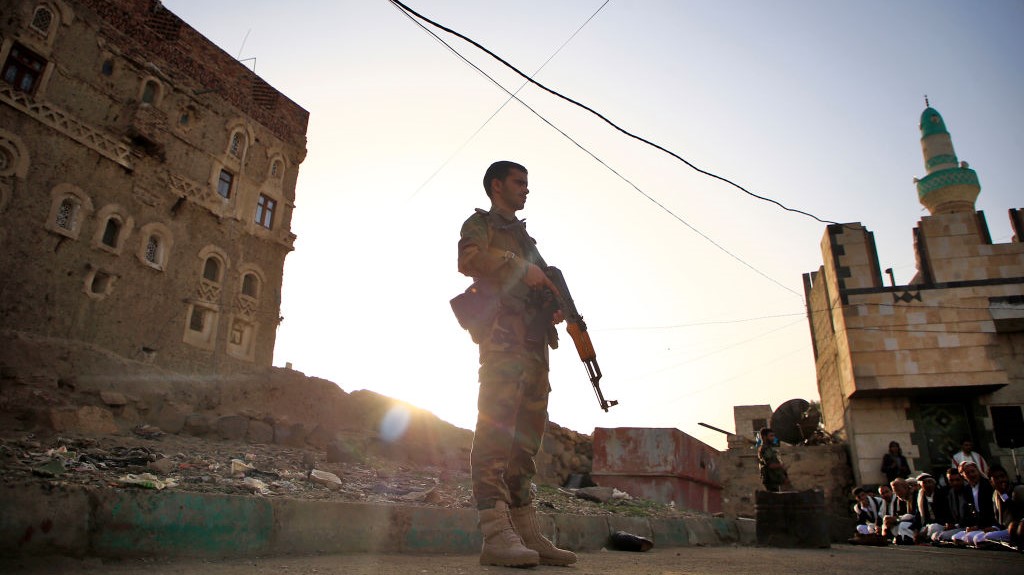
Just over a year ago, the international community rejoiced in the revival of the UN-led Yemen peace process with the conclusion of the Stockholm Agreement between the Yemeni government and the Houthi insurgency (Ansar Allah), brokered by UN Special Envoy Martin Griffiths. Although the deal marked the first political breakthrough in the peace process since the collapse of Geneva and Kuwait talks under Griffith’s predecessor, the ensuing hurdles in implementation meant that hopes for its success were short-lived. In evaluating the progress on the agreement’s three key components — covering prisoner exchange, Hodeida, and Taiz — it quickly becomes clear that the truism that implementing peace agreements is far more important, and difficult, than concluding them still rings true.
Foreign policy and commercial interests drive closer UAE-Syria ties
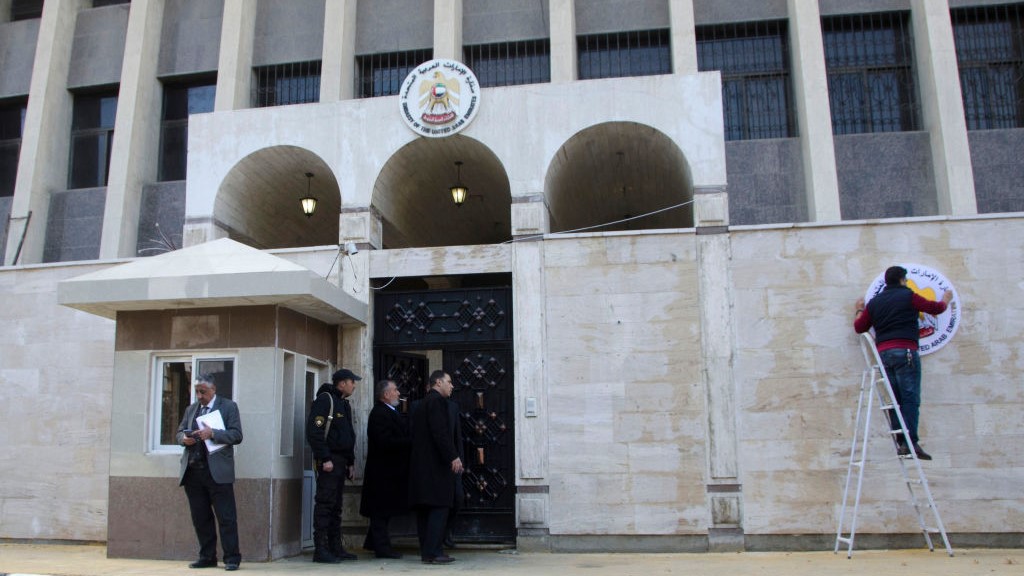
On Dec. 2, a series of public statements from Emirati and Syrian officials brought widespread attention to the UAE’s rapprochement with Syria. In a video circulated by Russian state media outlet RT, the UAE’s charge d’affaires in Syria, Abdul-Hakim Naimi, praised the “wise leadership” of Syrian President Bashar al-Assad and hailed the Syria-UAE relationship as “solid, distinct, and strong.” Syrian Deputy Foreign Minister Faisal Mekdad responded enthusiastically to Naimi’s comments by praising the UAE for standing by the Syrian government in its war against terrorism.
Following the recent escalation in U.S.-Iran tensions, the threat of Iranian cyberattacks is likely to intensify in the near to medium term. There are three possible fronts where Iran might look to carry out cyber operations: targeting the energy infrastructure of America’s Gulf allies; deploying malware against U.S. private sector companies; and launching disinformation campaigns that would aim to influence public opinion in both the Middle East and the U.S.
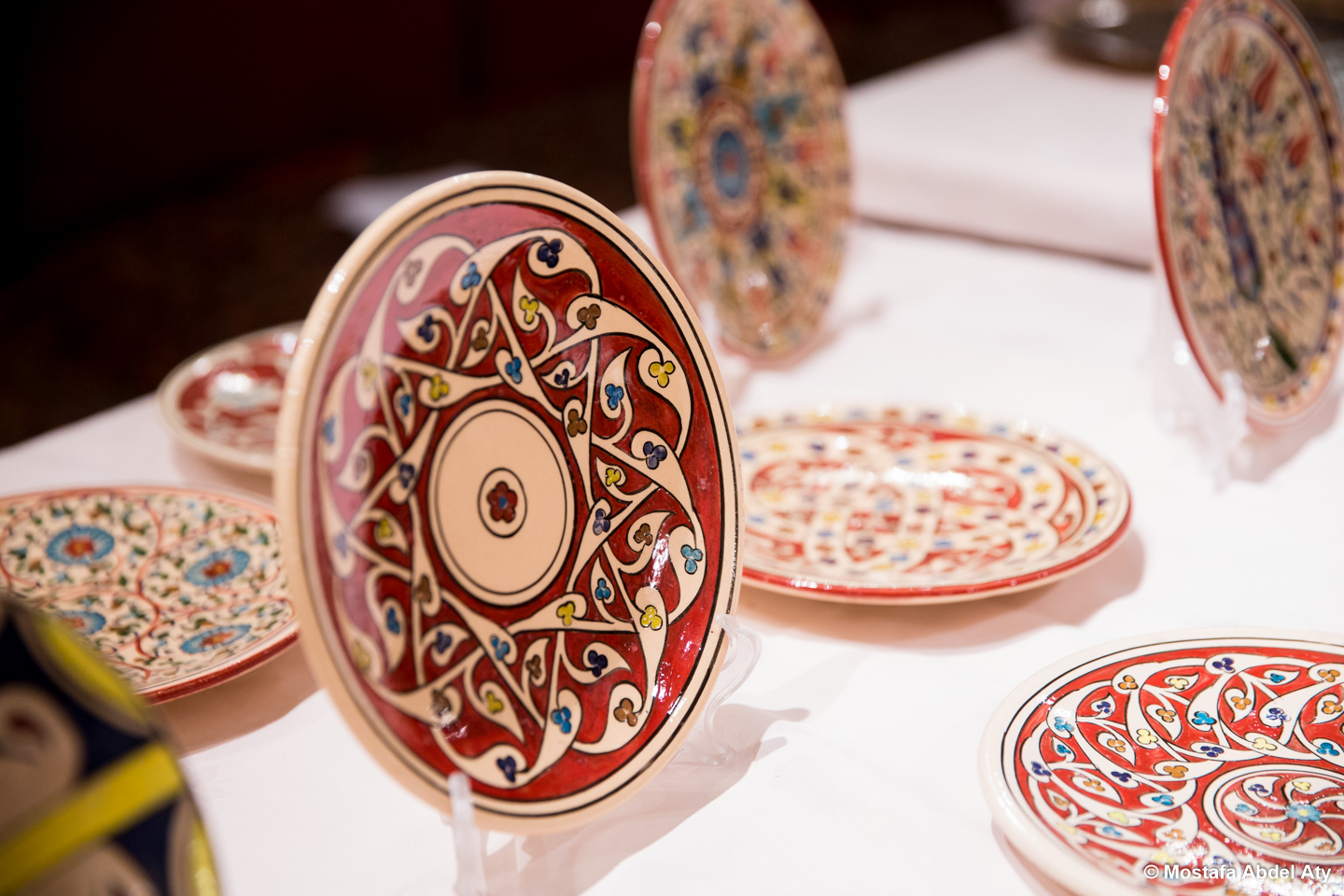
Safeguarding and celebrating Egypt’s traditional crafts
Accomplished craftspeople are a dying breed in Cairo, but Jameel House of Traditional Arts and Atelier Cairo are working to change that by training a new generation of artisans in traditional media like ceramics, wood, brass, glass, and gypsum work (stucco), helping to replenish the stock of skilled Egyptian craftspeople and keeping rare and beautiful art forms alive.
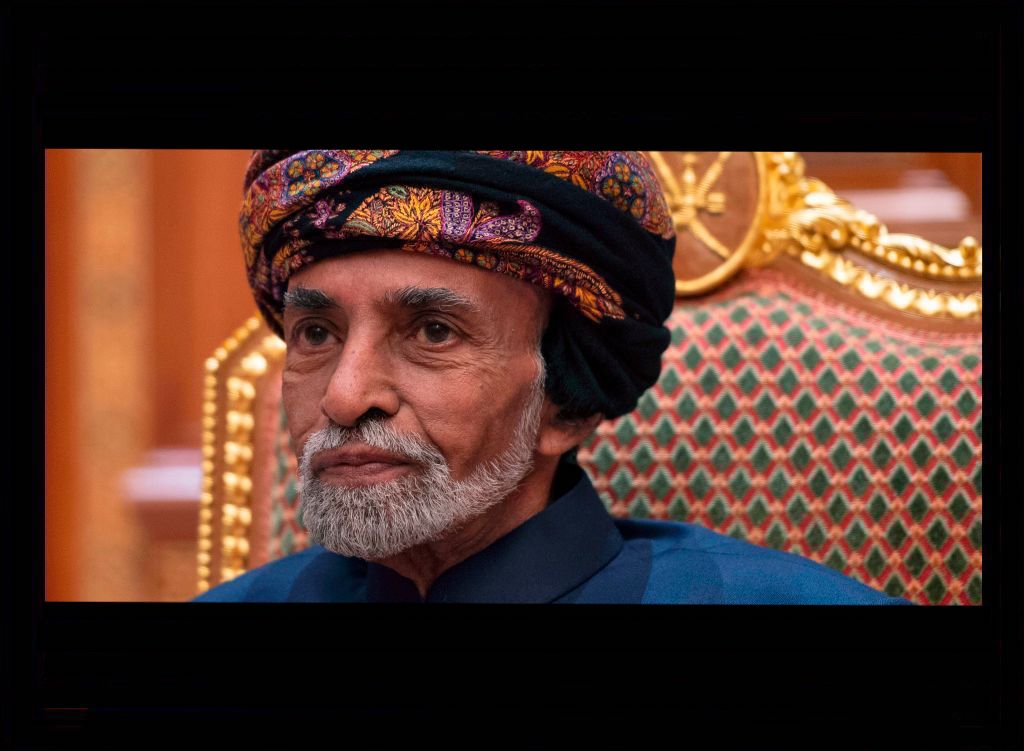
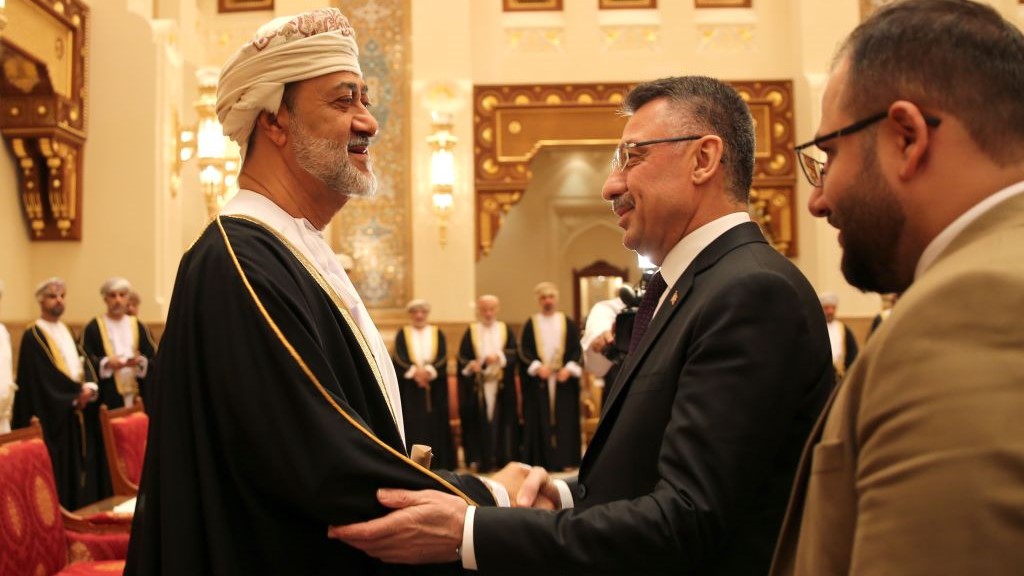
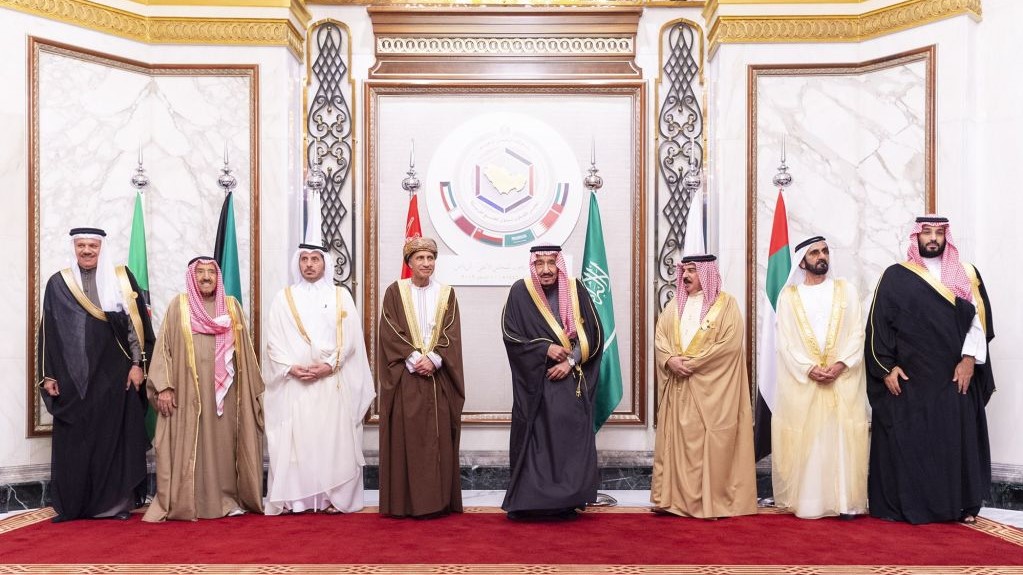
The announcement of Sultan Qaboos bin Said al-Said’s passing on Jan. 10 marked the end of an era. Now that the Arab world lost its longest-serving leader, none of the Gulf states has a ruler that was on the throne when the Gulf Cooperation Council (GCC) was established in 1981. Most Omanis have never known another leader and this transition period, marked by three days of mourning, is an emotional time for those in the sultanate.
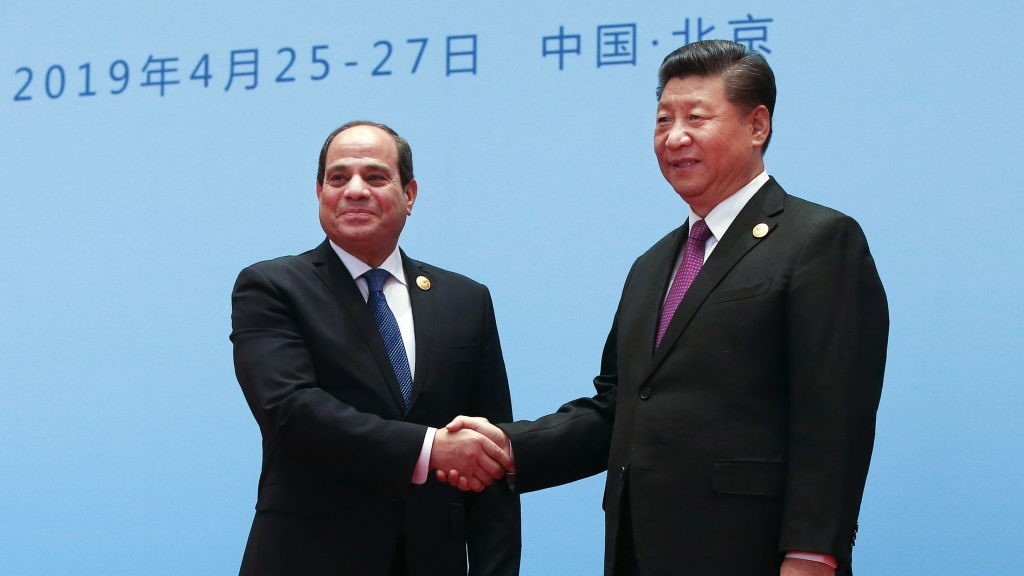
While the world is engaged in an ongoing discussion about the ramifications of the trade war between Washington, DC and Beijing, the economies of the Middle East are shifting away from their longstanding ties with the U.S. toward economically powerful China. This may have long-term implications for economic and political dynamics in the region.