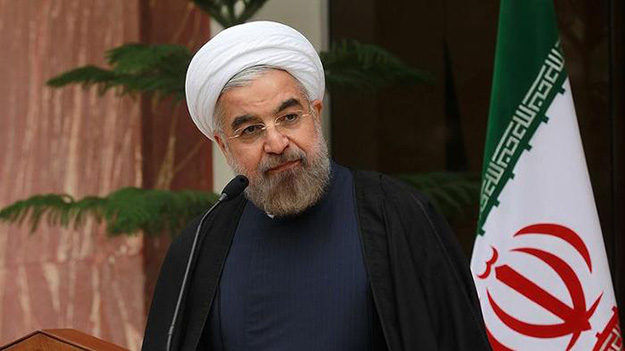
Geography alone should make the Arab world Iran’s key foreign policy focus. Of Iran’s 13 immediate neighbors, seven are Arab countries.[1] But Tehran’s approach to the Arab world, with its 22 states extending from North Africa to the Arabian Peninsula, varies widely in intensity, and Iran’s objectives are equally varied depending on the country in question.
In terms of its capacity, potential and aspirations, Korea attained the status of a “middle power” more than a decade ago. Membership in the OECD’s Development Assistance Committee and G20 signifies the completion of Korea’s transition from an evolving to advanced economy. Korea has emerged as an important player in Asian and international affairs. Its presence and influence have expanded in trade, investment, overseas development assistance (ODA) and humanitarian aid, and culture.
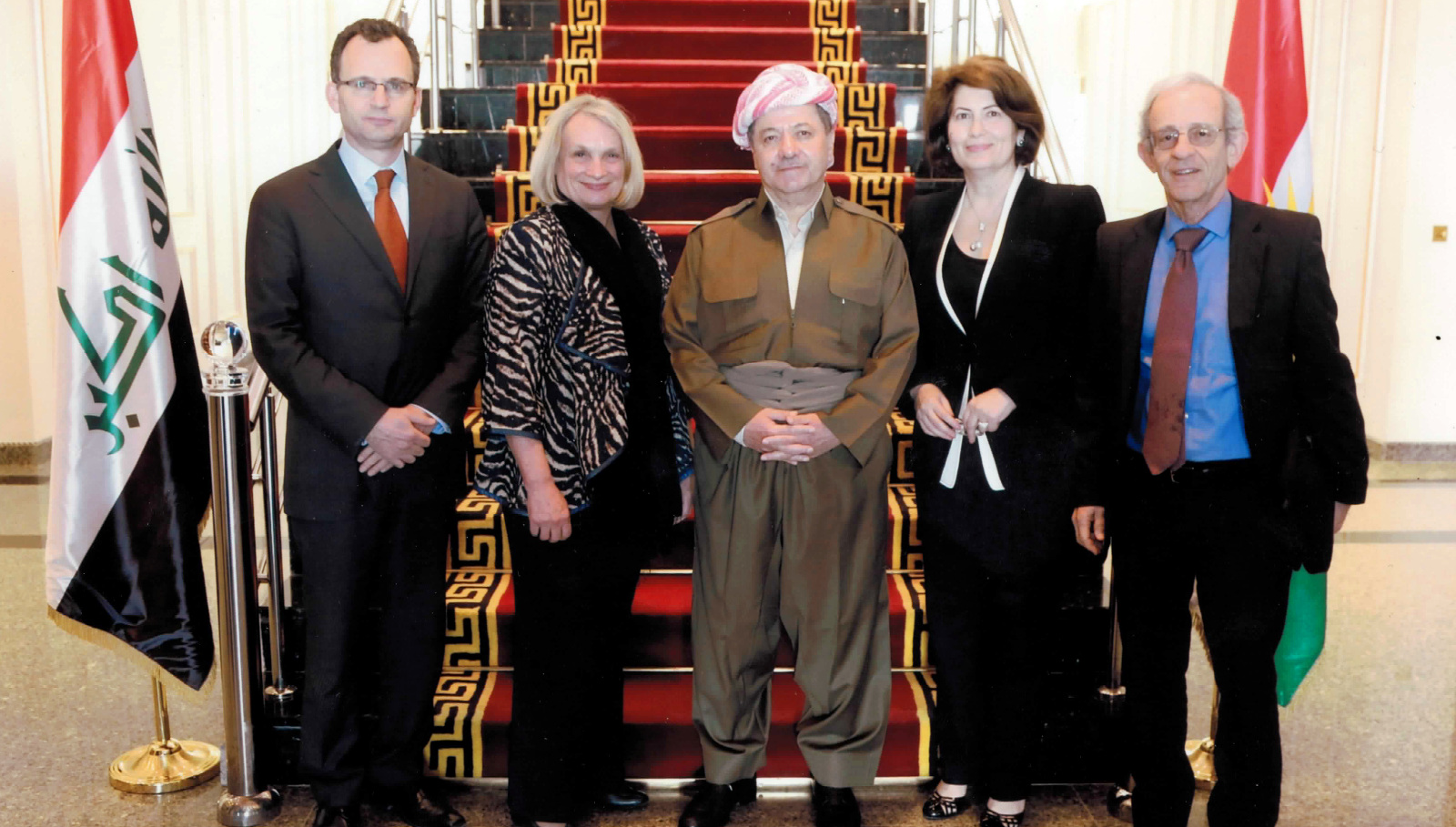
The Middle East Dialogue is a regional Track II forum that meets twice a year and brings together current and former officials and senior experts from the Middle East, the United States, Russia, China, and the EU to discuss emerging political & security trends in the region. What follows is a report from the latest meeting of the Dialogue in Erbil, Iraq, on March 30-31, 2014, led by MEI’s Director of Track II Dialogues Randa Slim and VP for Policy and Research Paul Salem.
The political crisis in Ukraine and subsequent annexation of Crimea by Russia have sent reverberations throughout the Middle East, where Western and Russian influences continue to weave a complex geopolitical web. MEI interviewed four of its scholars to produce this detailed account of the challenges the conflict poses to the region’s political, security, and economic conditions.
Collection Spotlight: America's Great Game: The CIA's Secret Arabists and the Shaping of the Modern Middle East
America’s Great Game: The CIA’s Secret Arabists and the Shaping of the Modern Middle East, by Hugh Wilford, 2013
A tale of how the CIA set sail into the Middle East with the best intentions, ran aground on its own failings, and was overwhelmed by forces and events it could not control.
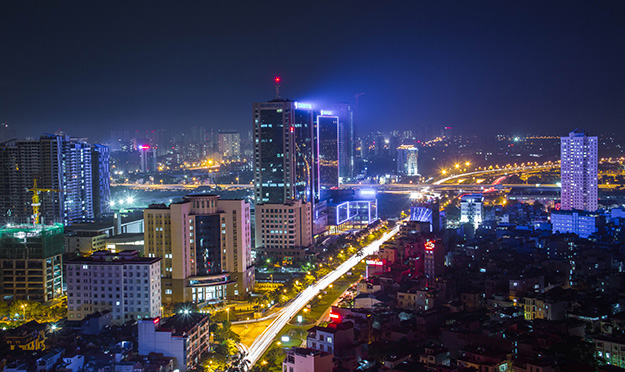
During the 1970s the Communist Party dominated almost all walks of life in Vietnam. This strict control, especially in regard to the economy, failed to achieve sustainable development. Vietnamese authorities then began to pursue a policy of openness to the outside world, and the Doi Moi, or “renovation,” was launched in 1986. As a result of this and other gradual reforms, Vietnam has become one of the fastest-growing economies in Asia, with annual GDP growth averaging 7.1 percent between 2000 and 2012—a rate that the country is expected to sustain over the next decade. In this context, Gulf Cooperation Council (GCC)-Vietnam relations are promising and may develop steadily over the coming years.
The Iran Nuclear Deal: Risks and Opportunities for the Region
The nuclear deal with Iran, though still temporary and tentative, is ushering in a historic shift in the patterns of power, conflict, and diplomacy in the region. Like all historic shifts, it is laden with uncertainty and risk of new conflicts, but also carries with it potential opportunities for further diplomacy and finding common ground. Given the precedent of conflict and mistrust in the region, it is no surprise that the deal has raised concerns among many of America’s allies.
Saudi Arabia & the Arab Gulf’s Disappointment with U.S. Policy
Whether Saudi Arabia takes a seat on the United Nations Security Council or not, the initial snub is aimed primarily at the United States. In particular, U.S.-Saudi relations are in for an exceptionally difficult period—perhaps a return to the policies of King Faisal bin Abdulaziz. It appears that Saudi Arabia and the Arab Gulf now share the view of Sir Charles Johnston, a British diplomat in the 1960s, who offered the following assessment of U.S.
Over the past two decades, Dubai has risen to become a global financial, commercial shipping, aviation, and art hub. These essays examine Dubai’s key role in revitalizing the historic ties between the countries of the Middle East and Asia-Pacific regions.
Gulf Governments Offer Financing for U.S. Strike on Syria
Like pieces fitting together in a jigsaw puzzle, Arab governments – presumably from the oil-rich Gulf Cooperation Council – offered to finance a U.S. military strike on Syria, according to comments made by Secretary of State John Kerry during testimony September 4 with the House Foreign Affairs Committee. In an exchange with Representative Ileana Ros-Lehtinen (R-FL) on the potential cost of U.S. military action in Syria, Kerry said,
Since the 1970s oil boom, the Gulf region has been one of the principal destinations for workers from South Asia, with the result that today Indians constitute a large percentage of the non-nationals living in the region. Indeed, at five million out of an estimated 15 million people, the Indian community forms the largest expatriate group in each of the Gulf countries. Most Indian immigrants are from the south Indian state of Kerala, while many of the rest originate from Tamil Nadu, Punjab, Uttar Pradesh, and Bihar.
Malaysia and the GCC Countries: Fertile Ground for Further Expansion of the Takaful Industry
The Takaful industry has expanded rapidly in recent years.[1] In 2011, the industry recorded 19% higher growth than in the previous year. Takaful is generally regarded as a profitable product with ample growth potential. With strong support from industry players, government institutions and increasing awareness among customers, the Takaful industry is expected to develop further in the coming years.
Asia-Gulf Economic Relations in the 21st Century: The Local to Global Transformation
Asia constitutes the hub of the transformation of global economic power today. The Gulf, itself part of Asia, is of increasing importance in this transformation. This book documents the growing interactions between the economies of the Gulf states and those of the rest of Asia. These relationships are critical to how the world economy develops over the next decade, and how economic (and perhaps strategic) power is distributed.