In this week’s Monday Briefing, MEI experts Charles Lister, Gonul Tol, Paul Salem, Alex Vatanka, and Marvin G. Weinbaum provide analysis on recent and upcoming events including the Syria strikes, Turkey’s Assad paradox, the Arab League summit, EU’s view of the Iran nuclear deal, and clashes along the Afghanistan-Pakistan border.
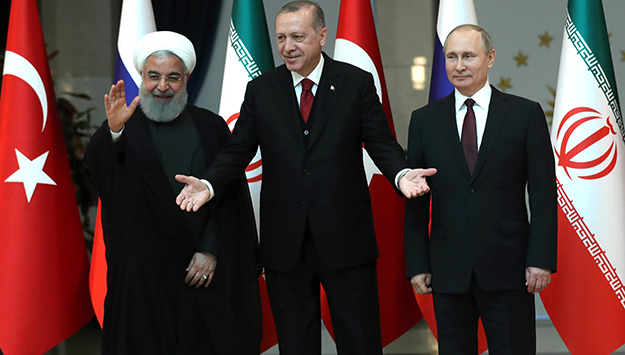
Just last week, Turkey’s President Recep Tayyip Erdogan hosted his Russian and Iranian counterparts in Ankara for talks to end the Syrian civil war. The summit of the three leaders was a strong display of unity against a backdrop of rising tensions between them and the United States. The underlying message was that the three countries were calling the shots in Syria, and that President Donald Trump’s announcement that the U.S. would be pulling out soon was right on the spot.
Iranian-backed PMF leaders gearing up for elections while keeping military roles
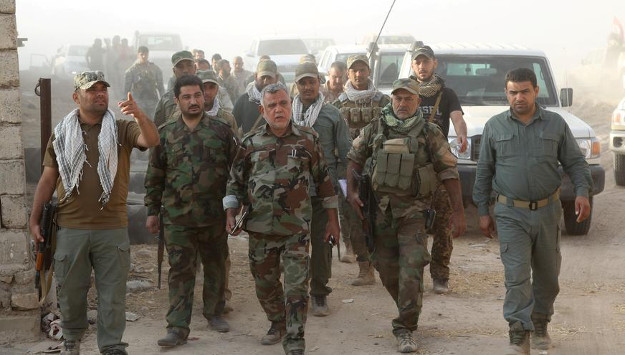
Hadi al-Amiri, the head of the Badr Organization, has said that an alliance of Shiite militia forces that fought against the Islamic State will now shift attention to politics and will participate in the upcoming parliamentary elections. In an interview with the Lebanese al-Mayadeen TV, Amiri said that the Fateh Alliance, a coalition of Iranian-supported Shiite units within the Iraqi Popular Mobilization Force (PMF), will take an active part in the elections and expressed the hope that it can play a major role in the next government.
The leaders of Russia, Iran and Turkey held a high-profile summit in Ankara this week, their second such summit in six months. Are we seeing the formation of a new security axis in the region, and if so, where would that leave the United States? MEI’s Gonul Tol and Alex Vatanka join host Paul Salem to discuss.
In this week’s Monday Briefing, MEI experts Paul Salem, Bilal Y. Saab, Marvin G. Weinbaum, and Charles Lister provide analysis on recent and upcoming events including the latest violence in Gaza, Gulf Shield-1 military drills, the Taliban’s resistance to peace, and the approaching Syria summit in Ankara.
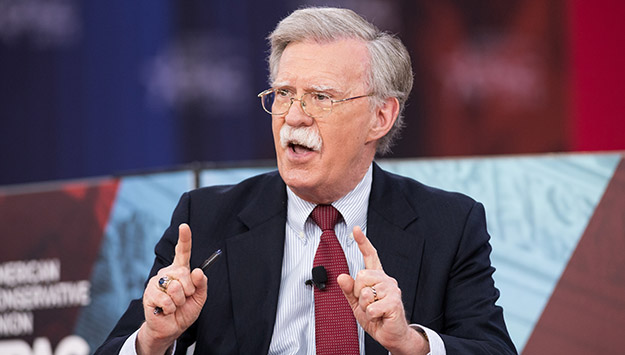
In this week’s Monday Briefing, MEI experts Paul Salem, Bilal Y. Saab, Gerald Feierstein, Gonul Tol, and Ibrahim al-Assil provide analysis on recent and upcoming events including the appointment of John Bolton to national security advisor, the Houthi missile attack on Riyadh, Egypt’s regressive referendum, the Yemeni war’s third anniversary, EU-Turkey diplomacy, and the worsening crisis in Ghouta.
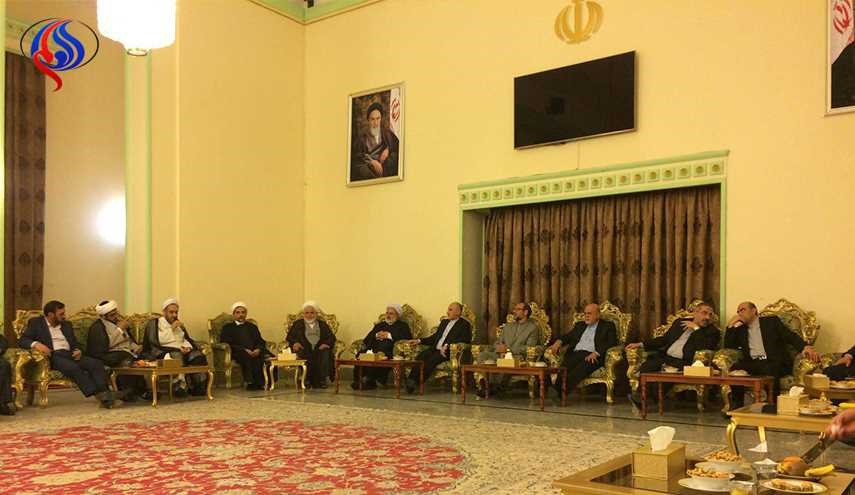
Tehran’s ambassador to Baghdad meets with militia leader to discuss Iraq and Syria
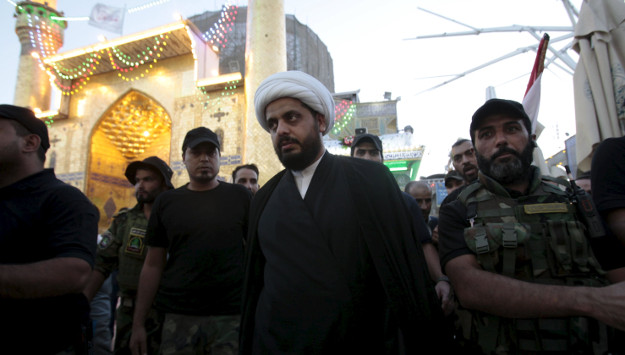
Tehran’s Ambassador to Baghdad Iraj Masjedi held a meeting with the leader of Harakat al-Nujaba, an Iraqi militia group fighting in Iraq and Syria, to discuss Iraqi and regional issues,
Iran-Backed Iraqi militia group calls for closure of Arab daily Asharq al-Awsat
A commander of the Iraqi paramilitary forces known as Hashd al-Shaabi has called for suspension of Asharq al-Awsat in Iraq, accusing the pan-Arab daily of propagating against the paramilitary forces. According Iran’s Fars News Agency, Karim al-Nouri, a commander of the Iranian-backed Badr Organization and a spokesman for Hashd al-Shaabi, was reacting to an article in the newspaper which warned about Hashd al-Shaabi turning into a Shiite-only organization in Iraq.
Saudi Crown Prince’s potential Iraq visit alarms Tehran and its allies
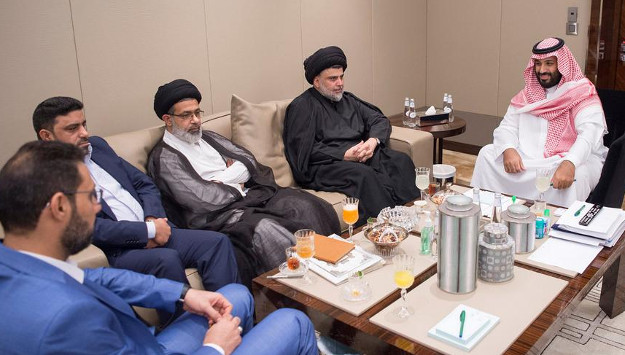
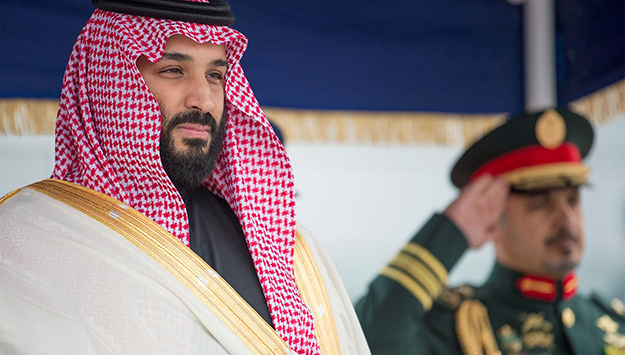
Recent media reports suggesting that Saudi Crown Prince Mohammad bin Salman plan to pay a historic visit to Iraq has alarmed Iran and its Iraqi allies. Baghdad and Riyadh have not confirmed the reports, but Iranian-backed politicians and militia commanders in Iraq have launched a campaign against the Crown Prince’s potential visit, rejecting latest steps by the Baghdad government to improve ties with Riyadh and questioning the timing of bin Salman’s trip ahead of the country’s parliamentary elections.
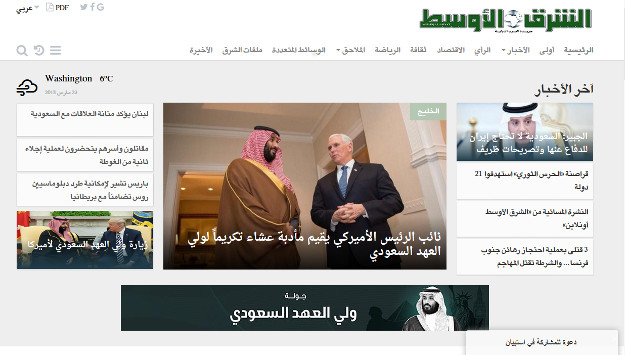
Monday Briefing: Mohammed bin Salman’s American charm offensive
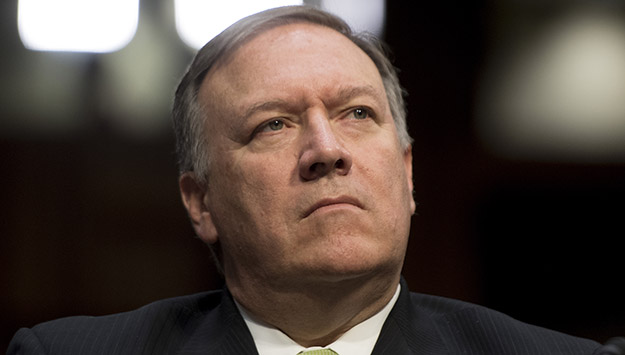
In this week’s Monday Briefing, MEI experts Gerald Feierstein, Paul Salem, Charles Lister, Jean-François Seznec, and Jonathan M. Winer provide analysis on recent and upcoming events including the shaping of U.S.-Saudi relations, Pompeo’s appointment to secretary of state, Turkey’s capture of Afrin, the future of Saudi energy, and Egypt’s efforts to unite the Libyan military.
Transnational Shiite clergy’s challenge to the Islamic Republic
The March 6 arrest of Hossein Shirazi, son of prominent Iraqi Persian cleric Ayatollah Sadeq Shirazi, has triggered protests by non-Iranian Shiites – signifying the inherent tensions between the Iranian state and transnational Shiite clergy institutions.
Monday Briefing: Senate moves to end US engagement in Yemen conflict
In this week’s Monday Briefing, MEI experts Gerald Feierstein, Alex Vatanka, Nathan Stock, and Randa Slim provide analysis on recent and upcoming events including the Senate’s decision to pull out of Yemen, enduring Iran-Pakistan political strain, Egypt’s role in Palestinian reconciliation, and America’s dissolving influence in Syria.