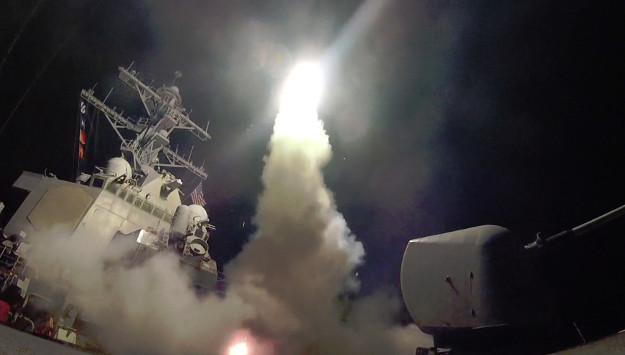
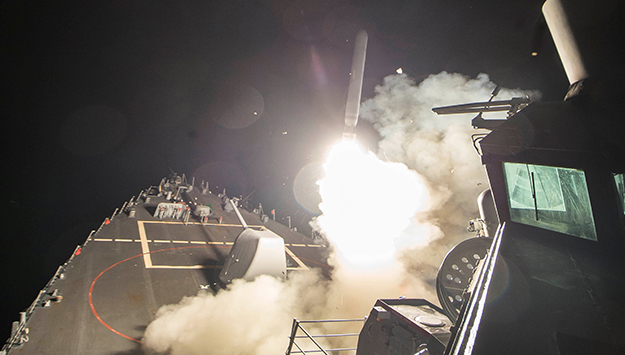
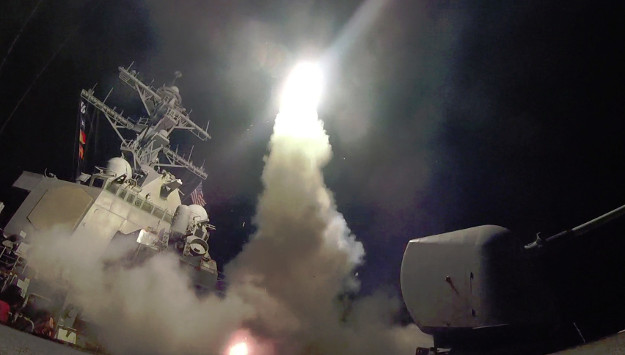
President Donald Trump’s decision last week to militarily punish the regime of Bashar al Assad for using chemical weapons caught Syria’s closest ally Iran by surprise. Political and military leaders in Tehran are still uncertain whether the U.S. strikes were a one-time mission or represented a sea change in Washington’s policy in Syria. The Islamic Republic hopes it was the former, but there is a growing concern in Tehran that it may be the beginning of concerted efforts by Washington and its regional Sunni allies to topple Iran’s ally in Damascus.
Iran's Defense Minister Tells Moscow: U.S. “Should Pay Heavy Price” for Future Syria Attacks
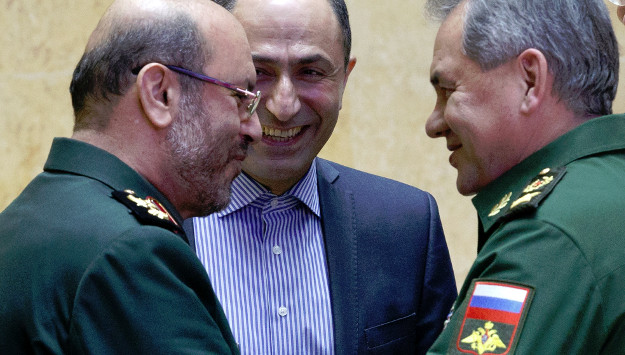
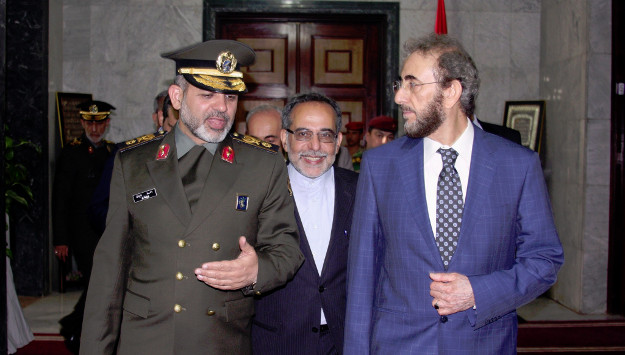
Iranian Defense Minister Hossein Dehghan today had separate phone conversations with his Russian and Syrian counterparts and warned that the United States should pay a heavy price for any future attacks against the regime of Iran’s ally Bashar al-Assad in Syria, the Iranian media reported.
The Aftermath of U.S. Airstrikes in Syria | Monday Briefing
In this week’s Monday Briefing, MEI experts Paul Salem, Randa Slim, Charles Lister, Gonul Tol, and Alex Vatanka provide analysis on recent and upcoming events including the need for an overarching strategy in Syria following U.S. airstrikes, Secretary of State Tillerson’s upcoming visit to Moscow, the likely aftermath of U.S. airstrikes in Syria, Turkey’s growing frustration with U.S. strategy in Syria, and the rise of a hardliner challenger to Rouhani in the upcoming Iranian presidential election.
Strikes on Syria: Game Changer for U.S.-Turkey Relations?
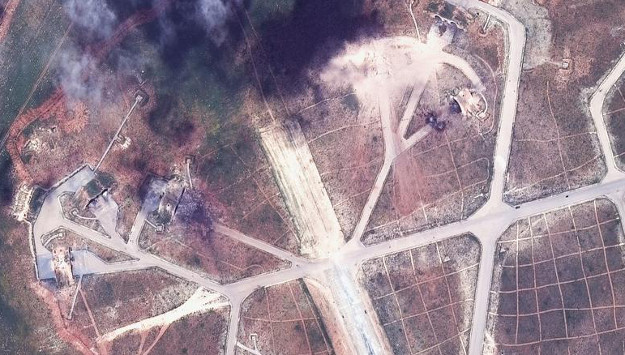
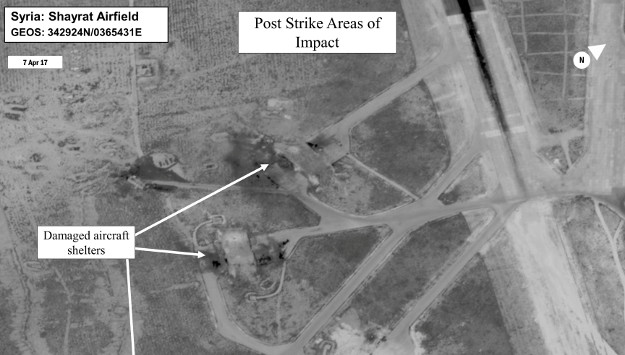
U.S. cruise missile strikes on al-Shayrat airfield northeast of Damascus early April 7 have changed the dynamics of the Syrian war. The strikes were intended as a clear and contained message to the Assad regime that the barbarism of the Syrian government has its limits. It was not a declaration of war by the United States, but it served to delineate last week’s message from the Americans that regime change in Damascus was “not practical”, a message that may have given Bashar al-Assad the impression that he now had a free hand in the war.
U.S. Strike in Syria Prompts Angry Reaction, Threats from Tehran
Iranian officials condemned the Trump administration’s missile strikes against a Syrian airfield used for an alleged chemical attack against civilians. “We strongly condemn any unilateral military action and missile attack against the Shayrat airbase in Syria by American warships.
Iran-Controlled Militia Group Says U.S. Strike Won’t Alter War Trajectory in Syria
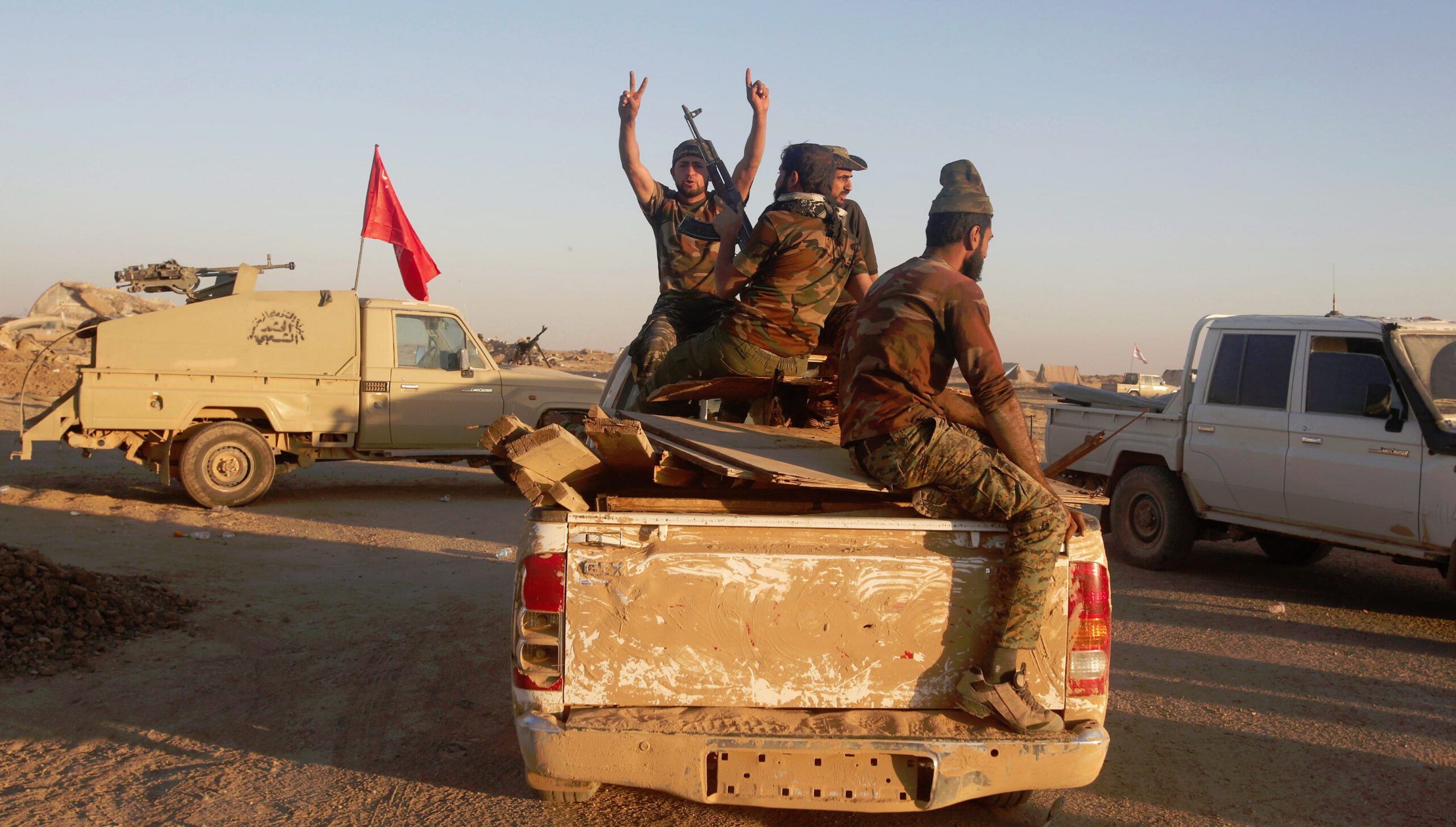
A prominent Iran-backed Iraqi militia group fighting in Syria has announced that the U.S. military strike will not change the trajectory of the Syrian war, the Iranian media reports.
April 6, 2017 – Paul Salem explains three ways that the Syrian government’s use of chemical weapons against civilians is already impacting the Trump administration’s policy toward Syria.
I.R.G.C. Media Defends Assad as U.S. Mulls Military Responses to Syrian Chemical Attack
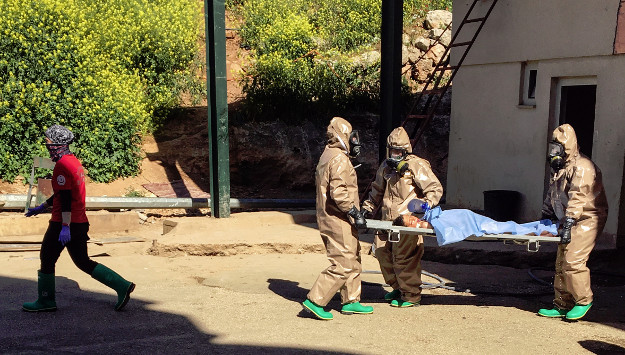
While more evidence is surfacing that suggests the Syrian army may have been behind the chemical attack that killed scores of civilians in Syria, Iranian media outlets affiliated with the Islamic Revolution Guards Corps (I.R.G.C.) continue to defend the regime of Bashar al-Assad. They argue that Damascus was not responsible for the killings. “Without doubt, the claims by Syrian opposition groups and some western and Arab countries that the Syrian army has used chemical weapons in Idlib can be categorically rejected.
Authorities in Iran Detain Sunni Leader for Opposing I.R.G.C.’s Role in Syria
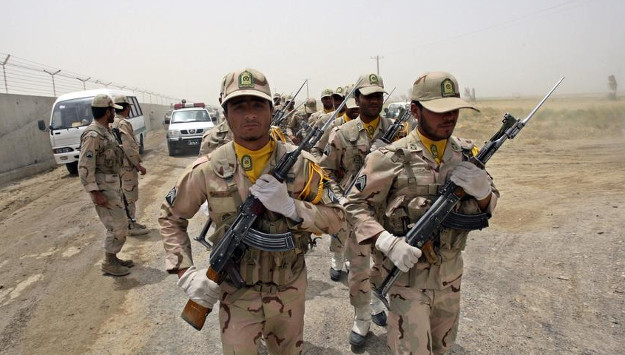
Scores of Sunni Balochs demonstrated in Iran’s southeastern Sistan and Baluchestan Province on Tuesday to protest the detention of a Sunni religious leader, the Iranian media reports.
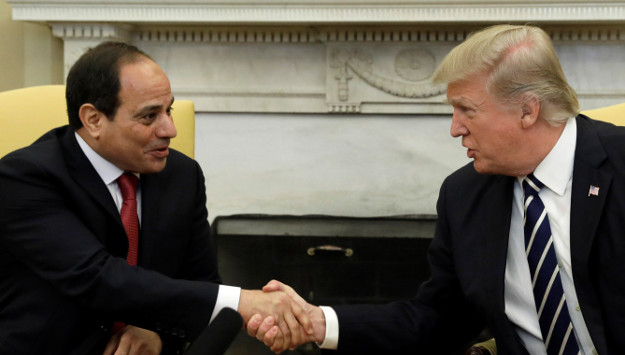
In this week’s Monday Briefing, MEI experts Paul Salem, Yousef Munayyer, and Randa Slim provide analysis on recent and upcoming events including the meeting between Egyptian President Sisi and President Trump, the upcoming meeting between President Trump and Jordan’s King Abdullah, and the Trump administration’s adoption of Obama-era policies in Syria.