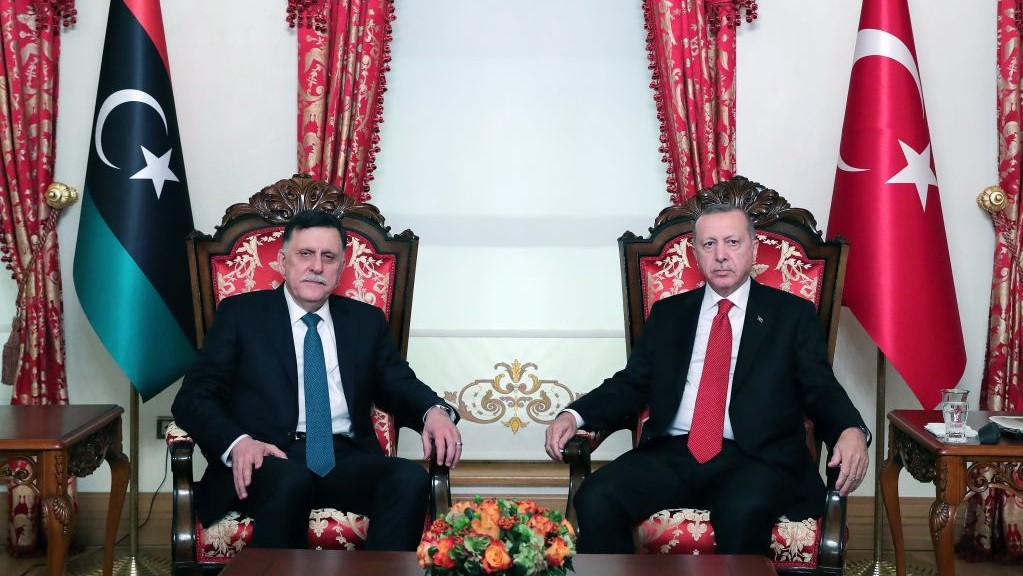
On Nov. 27 the GNA signed an MoU with Turkey seeking to create a shared maritime boundary in the Mediterranean Sea between southwestern Turkey and northeastern Libya. In an overt quid pro quo, this maritime agreement was signed along with a separate MoU to expand security and military cooperation. Thus, it seems clear that Turkey was only able to persuade the GNA to agree to the maritime deal in exchange for increased security support for the GNA-aligned forces fighting the self-styled LNA in Tripoli.
Upgrading Iran’s Military Doctrine: An Offensive “Forward Defense”
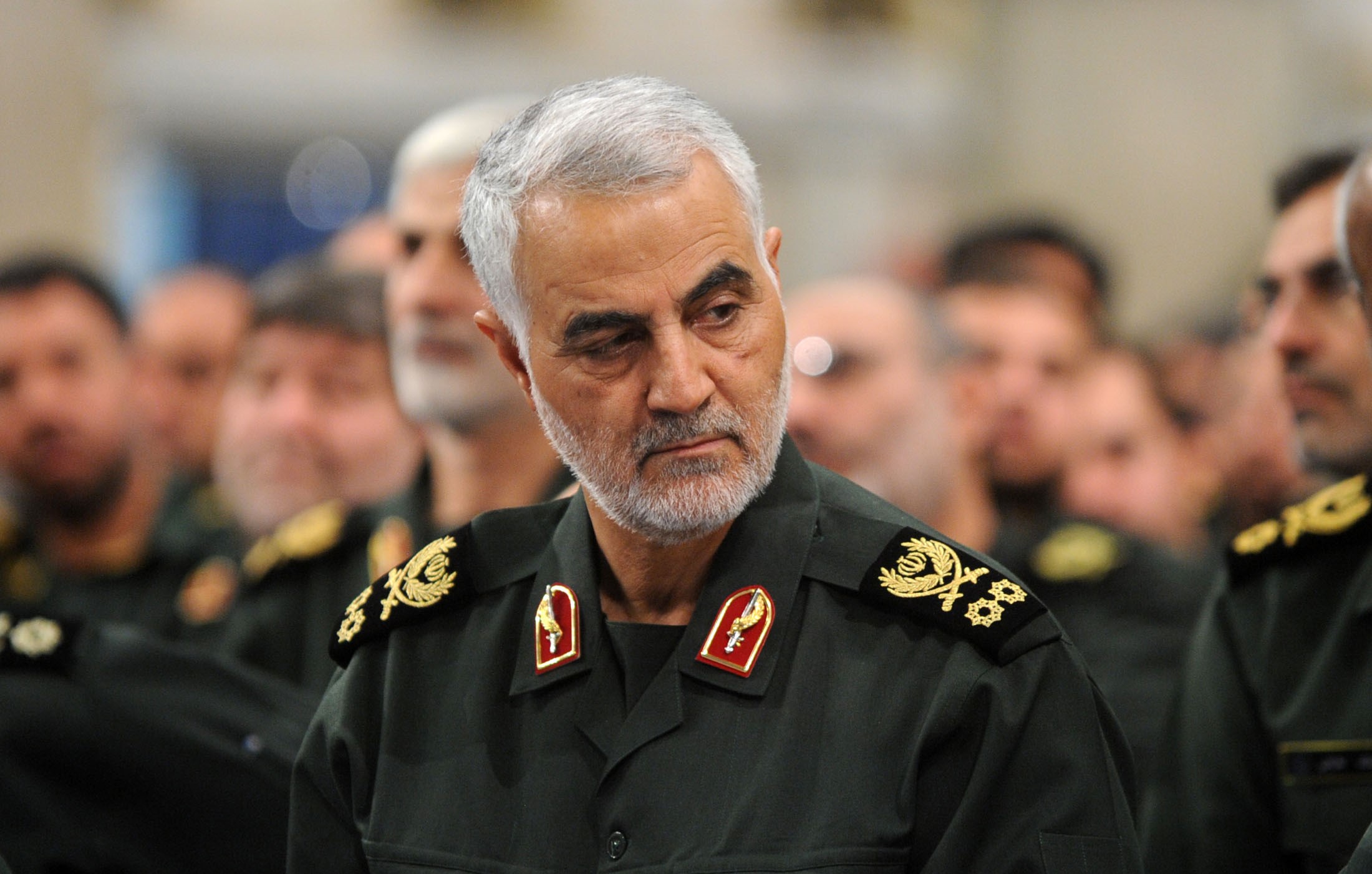
Since the 2011 “Arab Spring” uprisings, there have been several indications that Iran is shifting to an offensive military doctrine through the adoption of hybrid warfare. This essay will demonstrate that Iran’s “forward defense” doctrine emphasis on the offensive is influenced not simply by the “window of opportunity” created by regional upheaval but by a dispute about the domestic politics of the Islamic Republic between the radical Islamic Revolution Guards Corps (IRGC) and the reform camp within the regime currently represented by President Hassan Rouhani. This development represents a marked setback for the “civilianization” of the Iranian state.
The subject of extensive international interest and attention over the past few years, blockchain technology is regarded as a key component of the fourth industrial revolution. This article seeks to shed light on the use of blockchain technology in the Gulf states by analyzing current trends of blockchain adoption in the region compared to those internationally. In so doing, it will determine Gulf institutions’ capacity for keeping pace with the changes and developments blockchain adoption has introduced.
An Israel-US defense treaty will ruin relations with Arab states
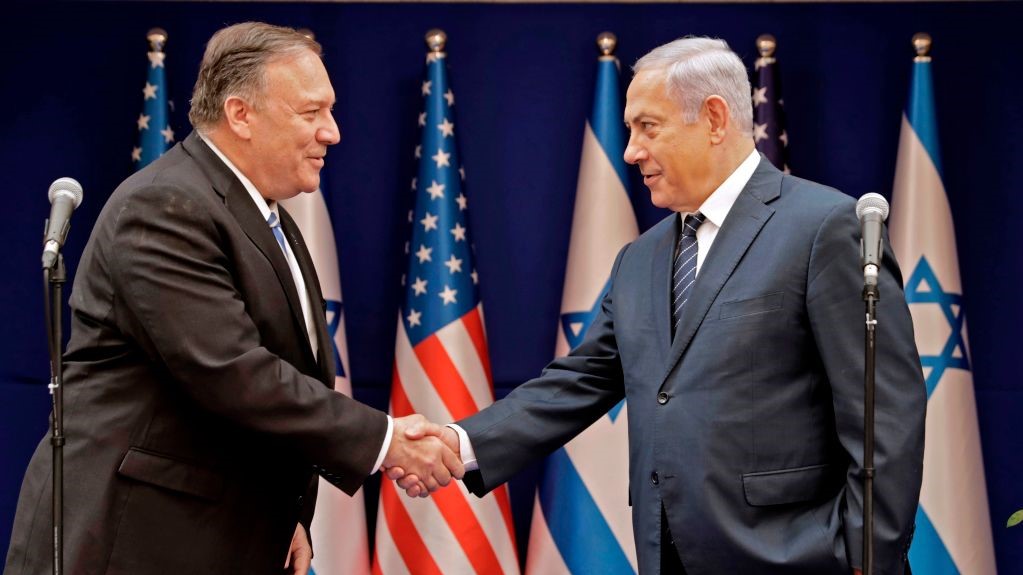
Attempts by the indicted Israeli leader to railroad through a joint U.S.-Israel defense treaty in opposition to the Palestinians and other Arabs will be disastrous for America’s national interest.
Pakistan’s Gen. Bajwa gets an extension amid political drama
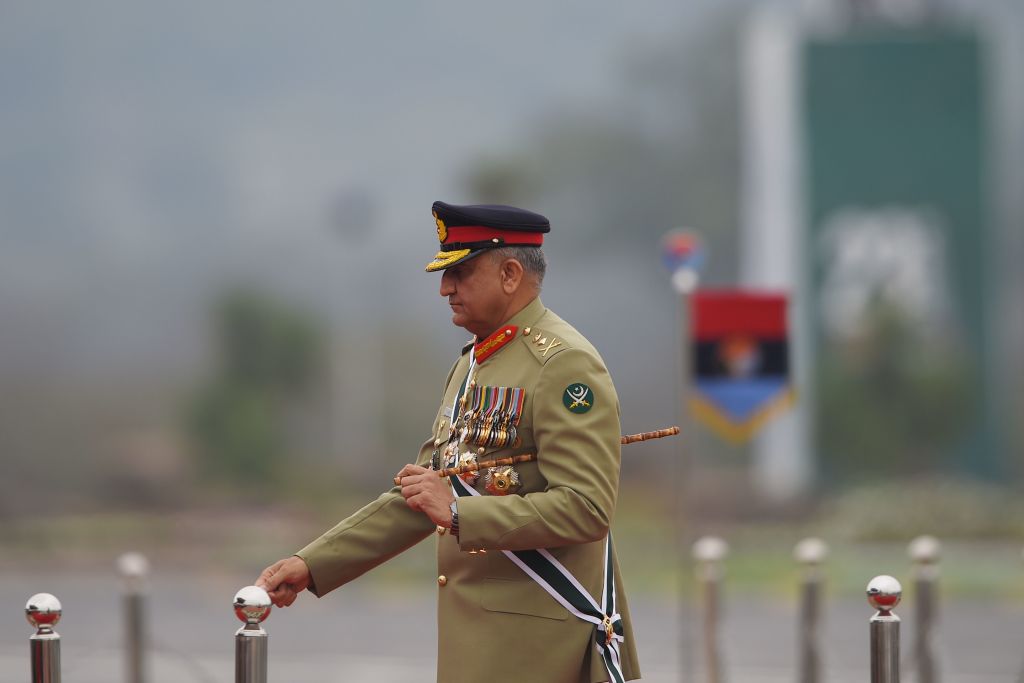
Understanding a state and its society involves understanding how the state treats its military, its record of governance, and the relationship between the military and civilian politicians. By all accounts, Pakistan, a state founded in 1947 as a homeland for the Muslim population of British India, is a unique case where the military dominates all other institutions in both state and society. This was on clear display in the recent court battle over the extension of Army Chief of Staff Gen. Qamar Javed Bajwa’s tenure.
Gen. (Ret.) Joseph Votel discusses the role of Afghanistan in US regional strategic interests, whether a peace deal is possible with the Taliban, and how important Pakistan is to achieving a sustainable political settlement.
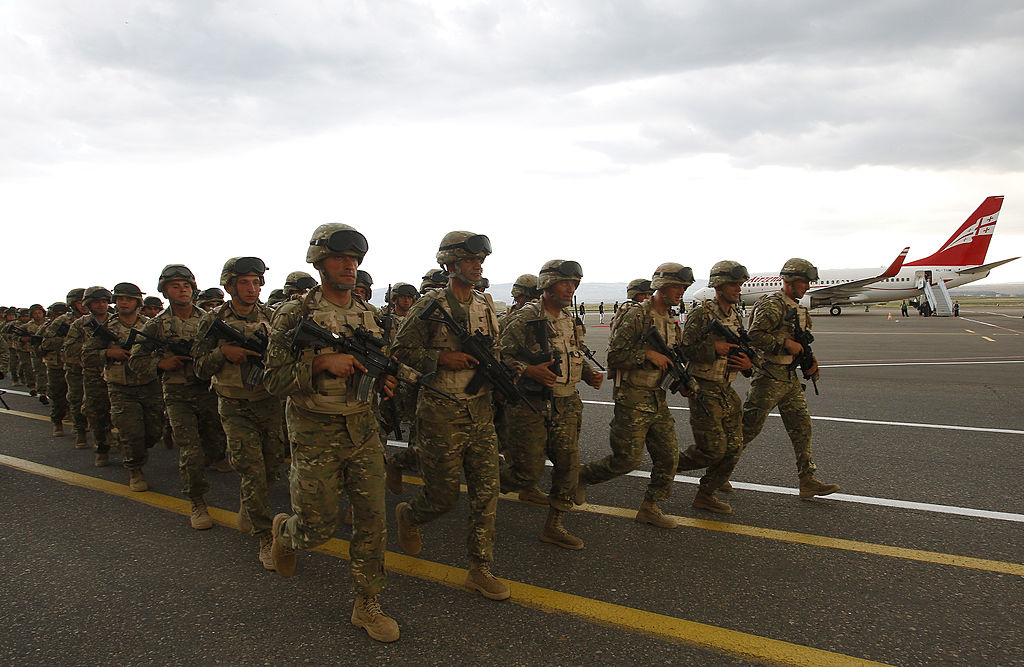
For years, politics and conflicts in the Middle East have spilled over into many other regions of the world. Refugee crises, terrorism, and political instability in the Middle East have impacted foreign and domestic policy and politics in North America and Europe, but the Caucasus is much closer and, therefore, a particularly important case for policymakers in Washington and Brussels.
NATO leaders will celebrate the 70th anniversary of their alliance in London on Dec. 3 and 4. Despite soft words from NATO Secretary-General Jens Stoltenberg, however, the alliance and Turkey are on a collision course.
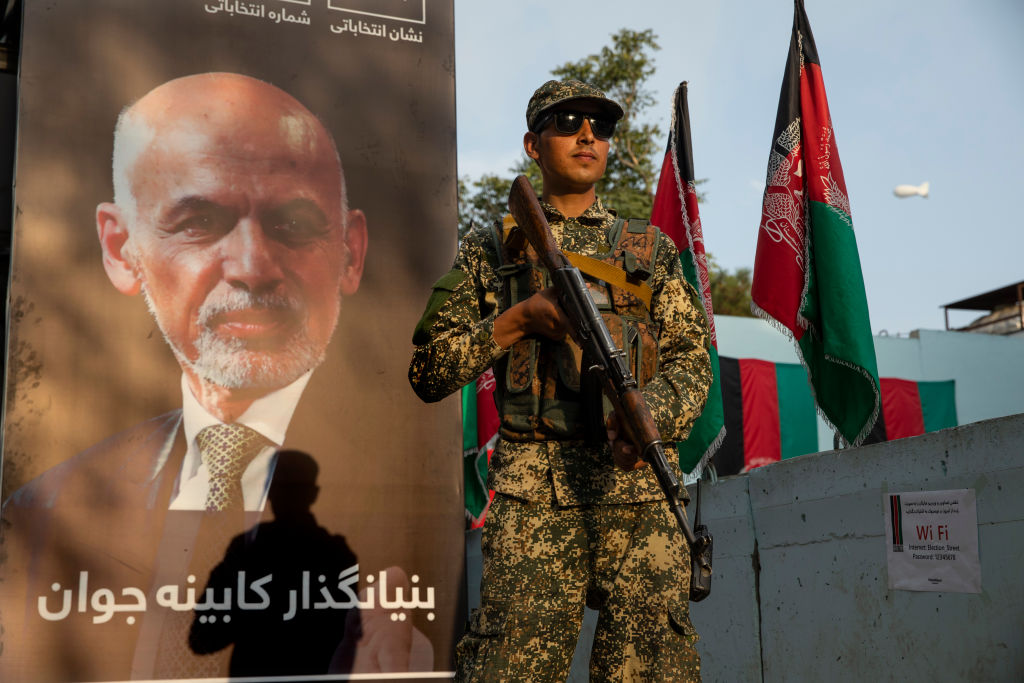
US-Taliban talks are back on but little has changed
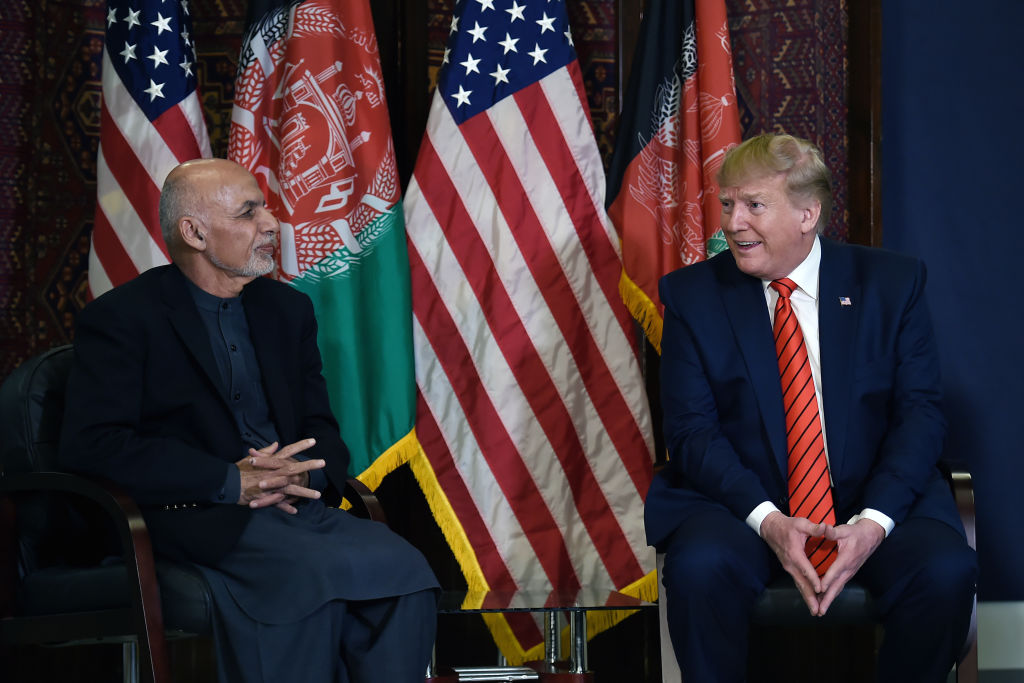
President Donald Trump’s lightning fast roundtrip to Bagram airbase north of Kabul had its share of surprises. In addressing troops, he confirmed previous reports that talks are once again underway with the Taliban, but then went on to inject a ceasefire as a condition for a new agreement.
Iraq’s protests continue in force amid political turmoil
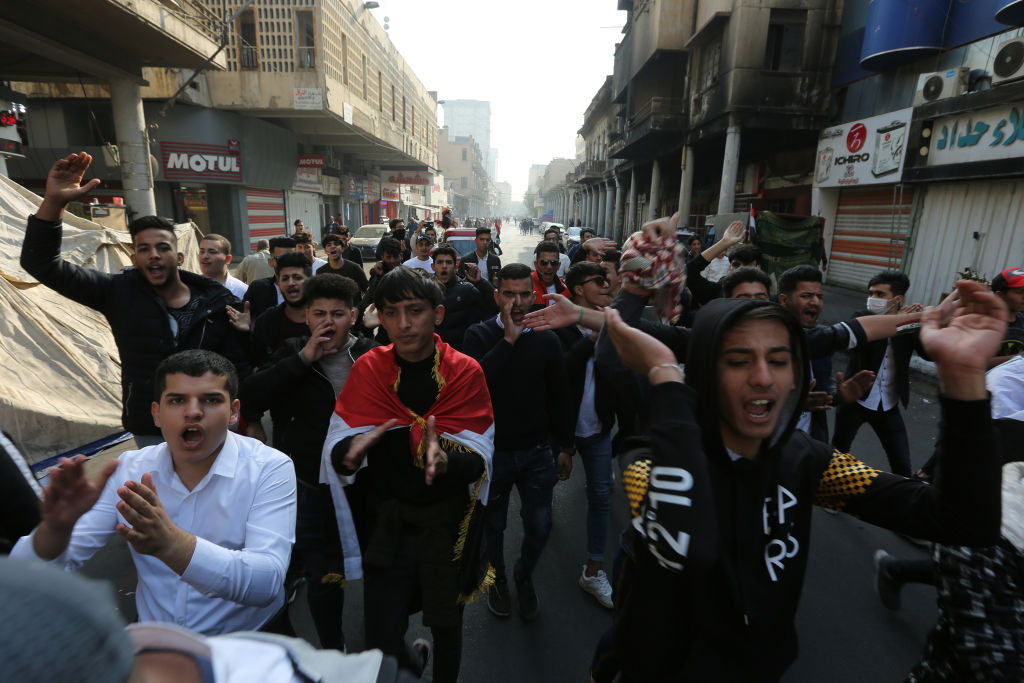
Although 350 Iraqis have died to date and close to 16,000 have been wounded, protesters are not going home. Yet, most of the ruling clique is still rejecting the idea of forcing the prime minister to resign.
A prisoner swap with the Taliban, but will it lead to anything?
Last week saw the Taliban’s release of two kidnapped professors in exchange for the Kabul government’s freeing of three prized Taliban prisoners. While the swap may have been necessary on humanitarian grounds, it was unfortunate otherwise. Rather than defending the swap on its own merits, Kabul and Washington are hailing the exchange as a possible breakthrough following the collapse of the Doha agreement and the stalling of planned intra-Afghan discussions.
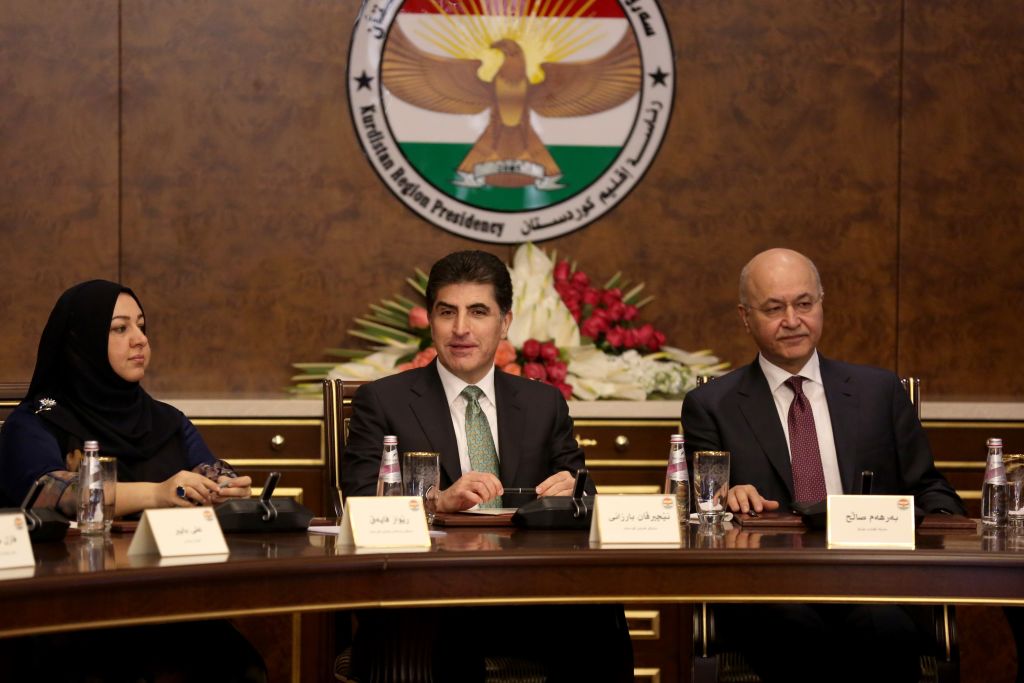
Breaking each other’s fingers: Kurdish parties nervously watch Baghdad — and one another
Since early October, the southern provinces of Iraq have been consumed by protests and strikes. While ruthlessly attempting to suppress protests, the Iraqi government has promised legal and political reforms. Yet some of the Kurdistan Region-Iraq’s elites are suspicious that the government’s reform agenda is a “conspiracy” against Kurdish entitlements masquerading as a good faith effort to placate the protestors. The region’s hegemonic parties are concerned that legal, constitutional, and procedural reforms may overhaul the institutions that guarantee their positions of influence in the federal government and secure their territorial claims.
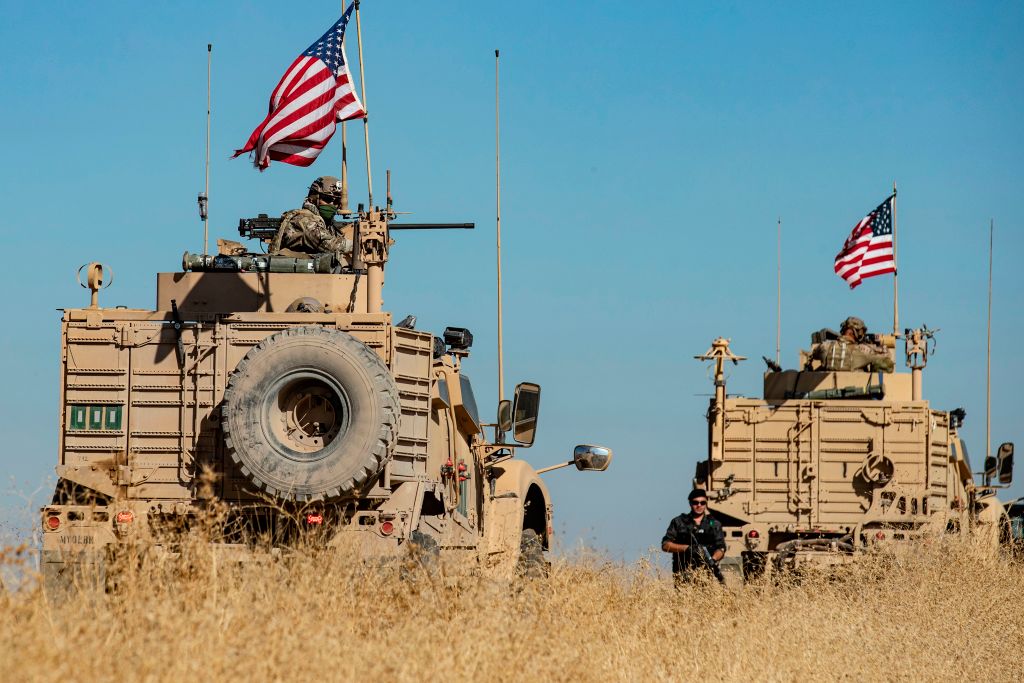
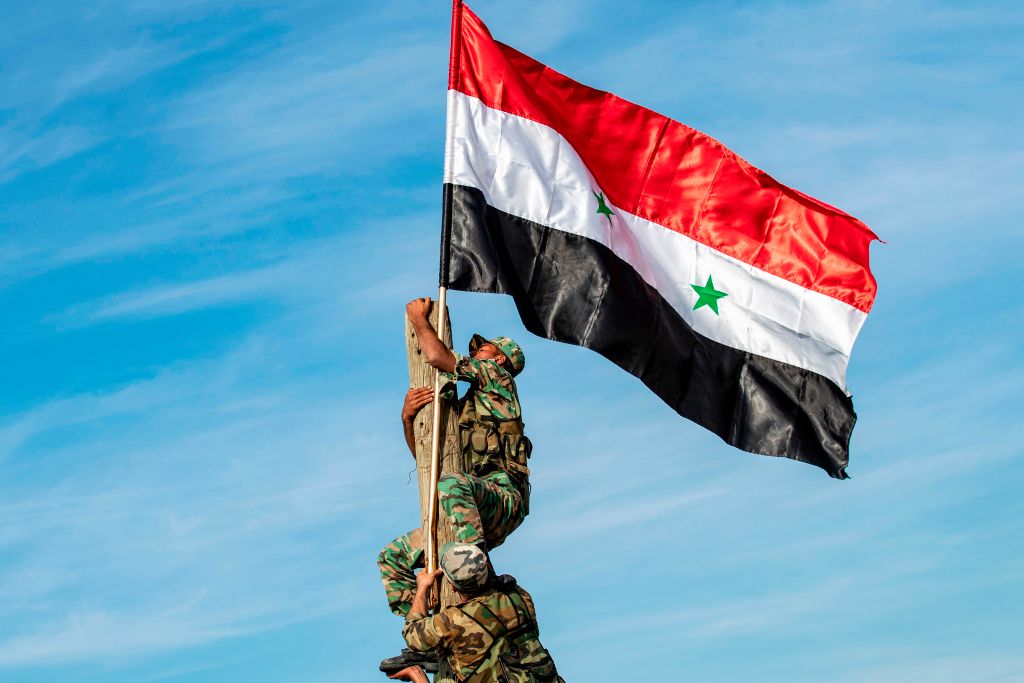
Return to the northeast: Syrian Army deployments against Turkish forces
In mid-October, five years after it was expelled from most of eastern Syria as ISIS swept in, the Syrian Arab Army (SAA) returned to much of the northeast as part of a deal between the Syrian Democratic Forces and Damascus struck just days after Turkey launched an offensive against the region. By examining the distribution and make-up of units sent to the northeast we can better understand the strength of the SAA in the region and the current state of its broader deployments across the country.
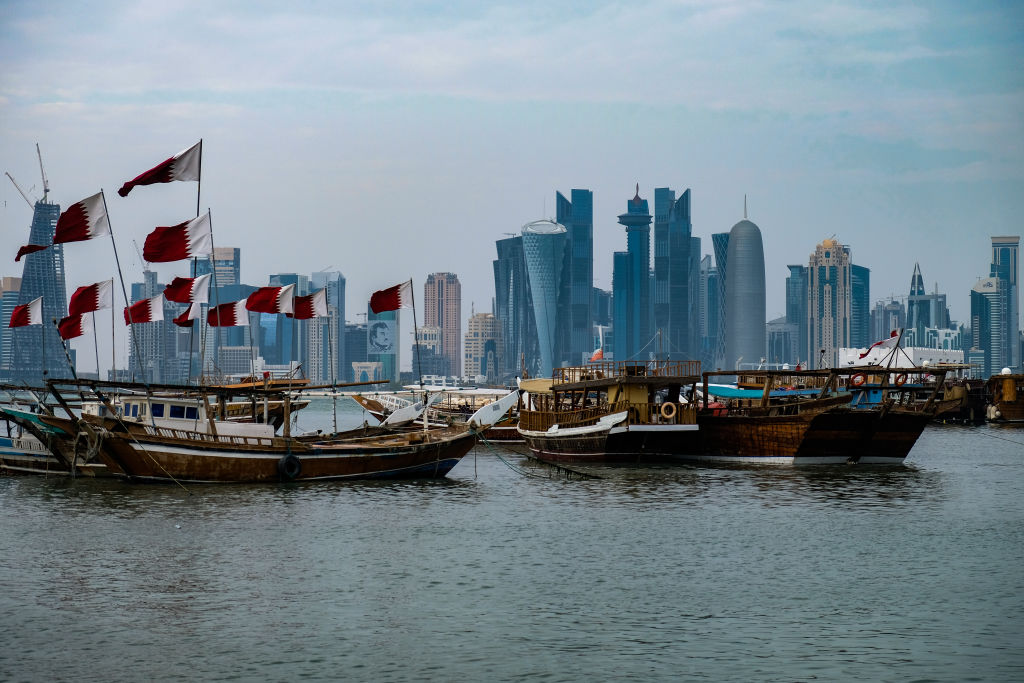
Why Doha should worry: The case for an Iran-Qatar non-aggression pact
Fears of a large-scale war in the Middle East remain heightened as the U.S. continues ratcheting up sanctions against Iran while Tehran takes measures to scale back its restrictive commitments under the Joint Comprehensive Plan of Action (JCPOA). The latest sign of Iranian retaliation against the U.S. withdrawal from the 2015 nuclear accord was its decision, confirmed by the International Atomic Energy Agency (IAEA) on Nov. 11, to begin refining uranium at its Fordow underground enrichment facility.