The role of divination in Iranian governance
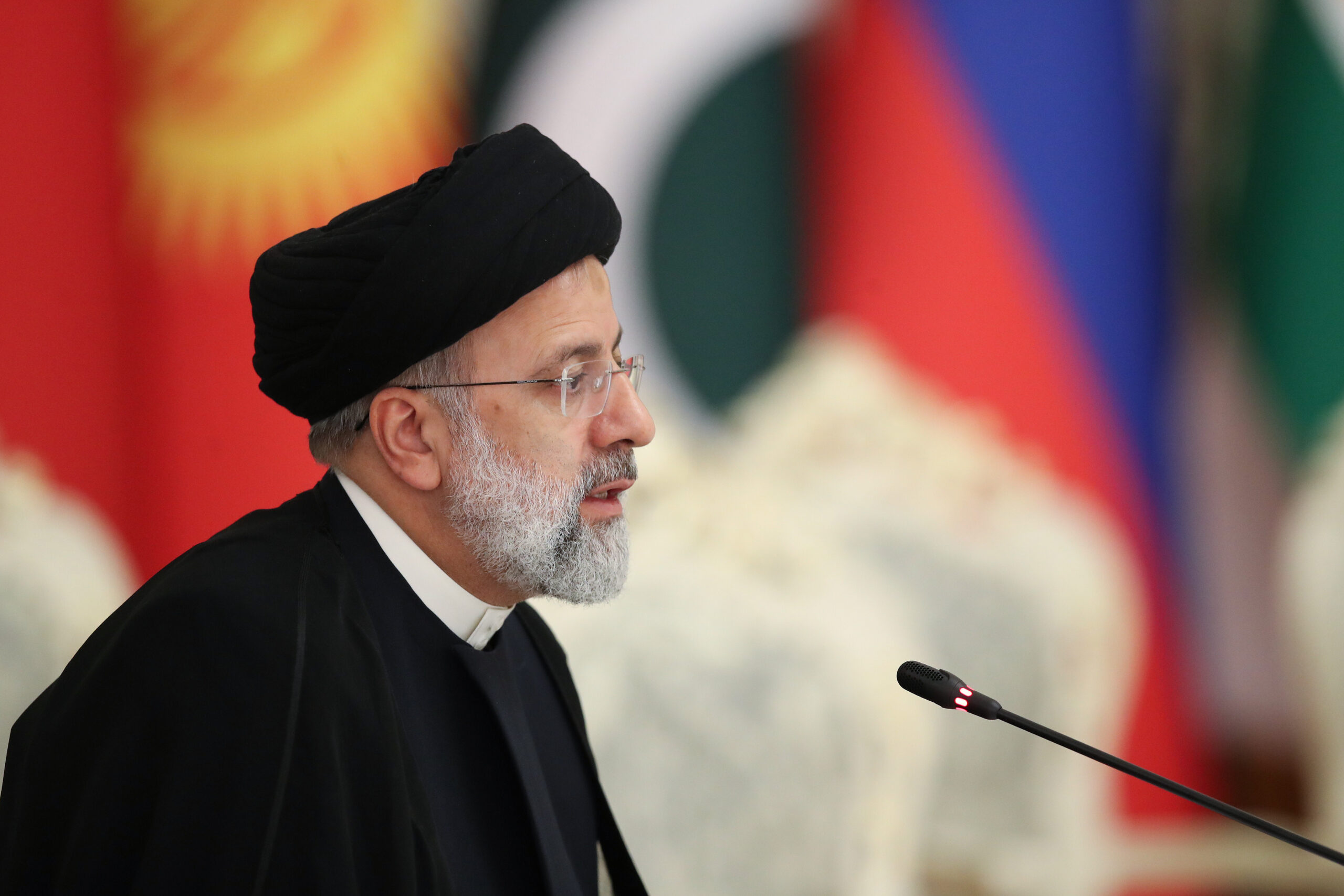
Istikharah or divination, according to Islamic definitions, means to seek goodness and to consult God in various affairs. Istikharah is very common among Shiites, including bibliomancy, which involves randomly opening the Qur’an and reading the first verse on the page, or rosary divination. The use of istikharah has a long history in Iran, not only among the common people, but also among its rulers, who have used it to make decisions on the governance of the country, and this continues to the present day.
The enemy of my enemy: The US and Cuba-Iran ties
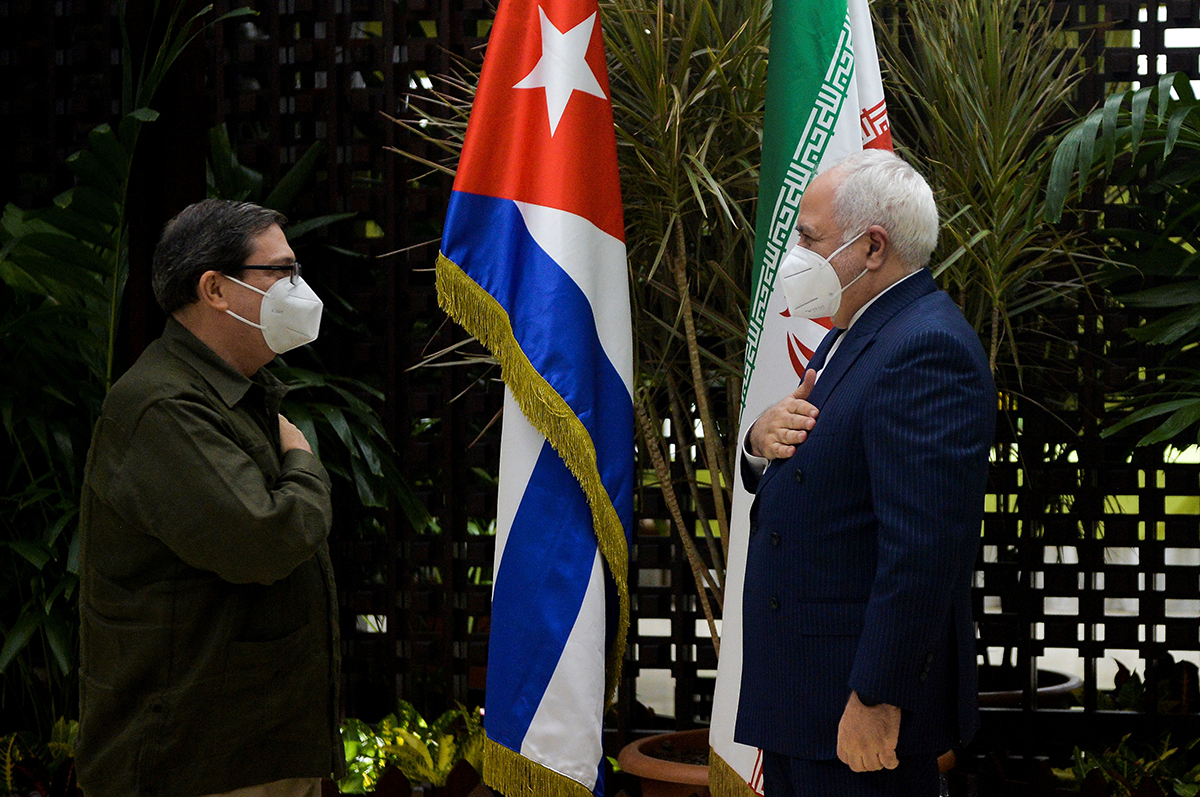
In September, Iranian Foreign Minister Hossein Amir-Abdollahian spoke of the “unlimited” potential to expand Tehran-Havana ties, and both sides have highlighted the fields of medicine and agriculture as ideal areas for cooperation. While that might be the case, there is no denying that the Iran-Cuba partnership represents the coming together of two entirely different political models that above all rests on shared conflict with the United States.

Exploring the feasibility of the Jordan-Israel energy and water deal
On Nov. 22, the Dubai Expo hosted an event where the United Arab Emirates (UAE), Jordan, and Israel signed a cooperation agreement that would broker an exchange of renewable energy and water between Jordan and Israel. The signing of the agreement between the respective minsters of the three countries took place in the presence of Abu Dhabi Crown Prince Mohammed bin Zayed and U.S. Climate Envoy John Kerry, who played a role in getting the deal done.
مخاوف خامنئي على مستقبل رجال الدين الإيرانيين (الجزء الثاني)
هذا هو الجزء الثاني من سلسلة مكونة من ثلاثة أجزاء
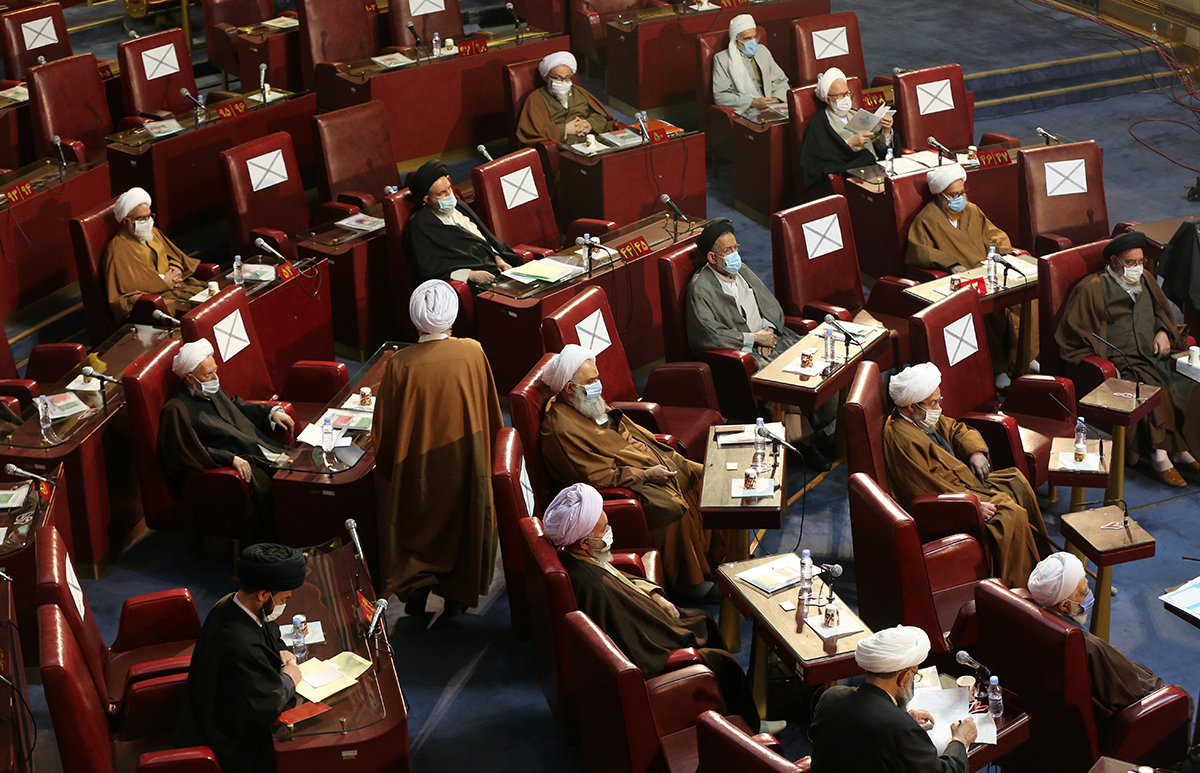
في السنوات الأخيرة، نُشِرت العديد من التحليلات حول النفوذ المتزايد للحرس الثوري الإسلامي داخل النظام الإيراني. لا شك أنه في العقدين الماضيين، ازدادت قوة الحرس الثوري في المجالات السياسية والاقتصادية والأمنية بشكل كبير، ومع تزايد عدد الشخصيات العسكرية أو العسكرية السابقة في إدارة الرئيس الإيراني الجديد، إبراهيم رئيسي، لا يتوقع سوى أن يتجه نفوذ الحرس الثوري نحو مزيد من التوسع.
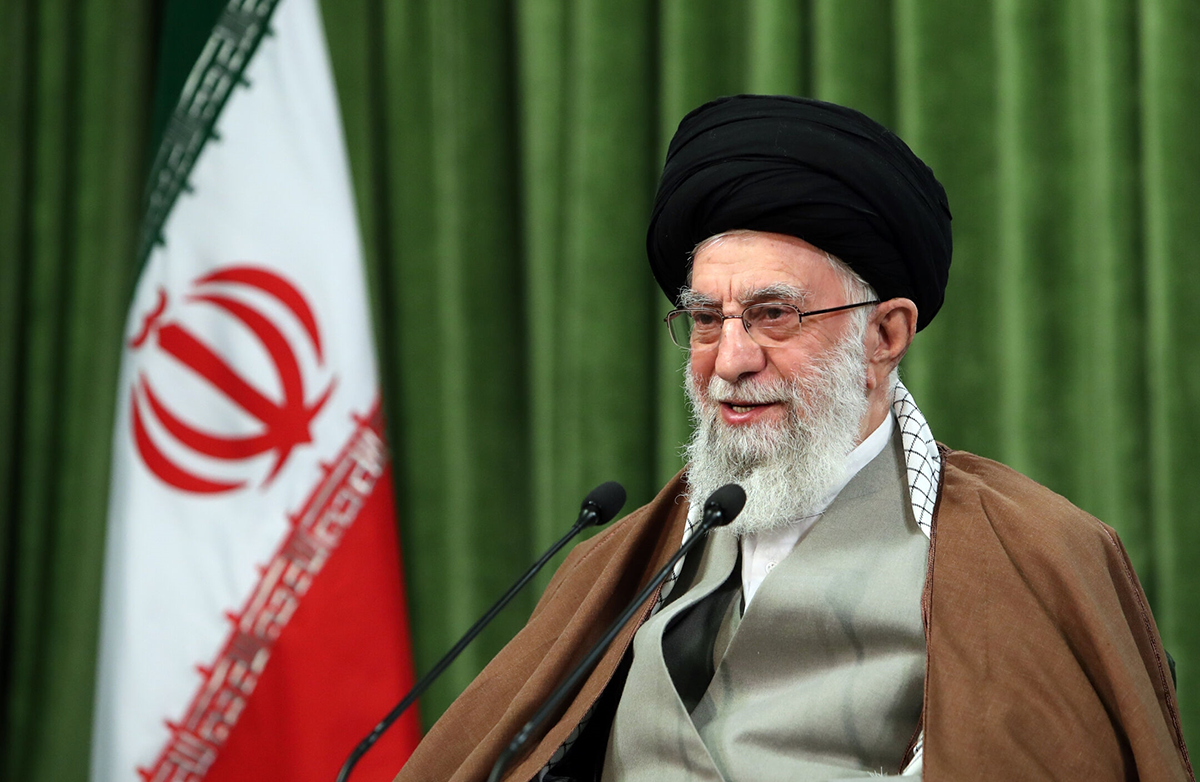
Khamenei’s concerns over the future of the Iranian clergy (Part 3)
When Ayatollah Ruhollah Khomeini, the founder of the Islamic Republic of Iran, died at the age of 89, he and the regime he established enjoyed the support of most of the country’s high-ranking clerics. His successor, Supreme Leader Ayatollah Ali Khamenei, aged 82, faces a very different situation, however. Most senior clerics apparently do not support him, and the “deviation” of the new generation of clerics has caused growing concerns within the regime.
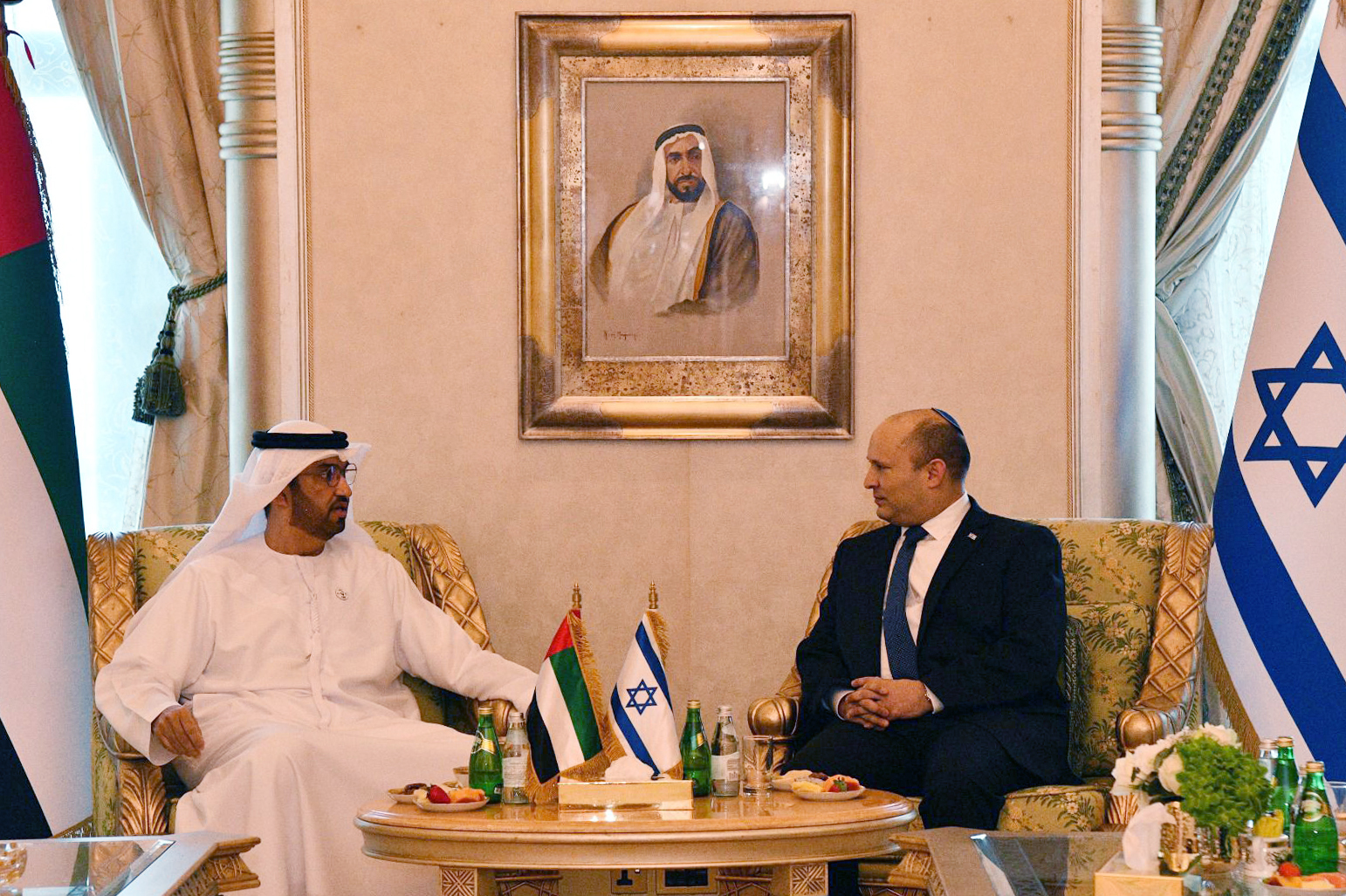
Monday Briefing: A flurry of diplomatic exchanges on the eve of the GCC Summit
Read MEI’s weekly briefing featuring expert analysis of key regional developments for the week ahead.
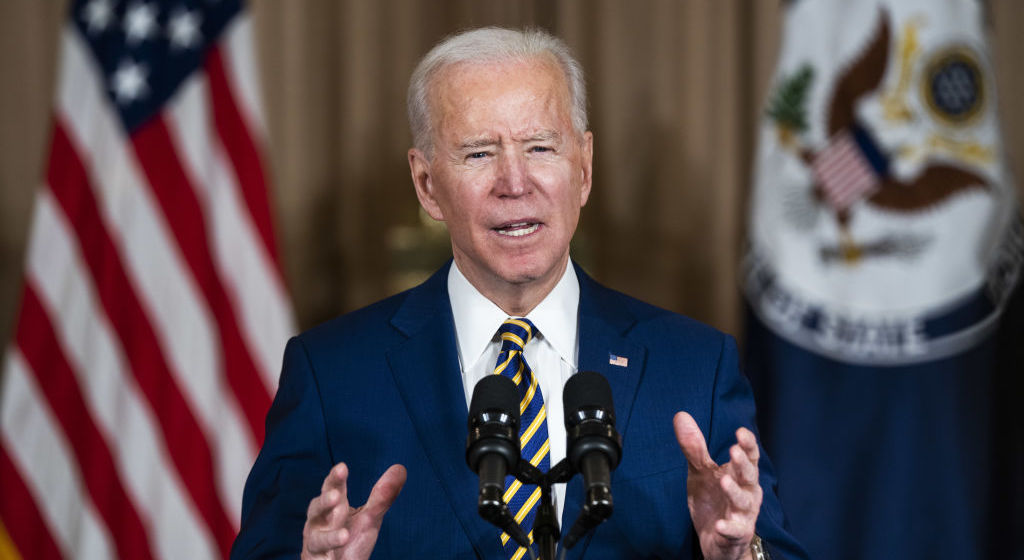
Washington must lay down its red lines to Iran
Washington will have three options to increase the pressure against Tehran
OPEC+: Locked in a Russia-US-Saudi triangle
The events of recent months, including a series of critical statements by international players about the reluctance of OPEC+ to raise output beyond its established quotas, have clearly demonstrated the changing realities in the oil market. In addition to global uncertainty, the dynamics between Saudi Arabia, Russia, and the U.S., as well as the actions of Asian oil consumers, have become other key factors shaping the cartel’s behavior.

أوبك بلس تواجه اختبارات جديدة لاستراتيجيتها لموازنة السوق في عام 2022
عندما أعلن البيت الأبيض في عهد الرئيس جو بايدن أنه قد نجح في ضم العديد من الدول الرئيسية المستهلكة للنفط في محاولة لتنسيق عمليات الإفراج عن احتياطيات البترول الاستراتيجية (SPRs) حول العالم، بدا أن هذا سيكون العامل الرئيسي الوحيد في أسواق النفط التي ستناقشه أوبك بلس في

The UAE at 50
Gerald Feierstein, Afshin Molavi, and Courtney Freer discuss the state of the United Arab Emirates as the country celebrates its 50th anniversary, including its history, economic development, and domestic and regional policy objectives.
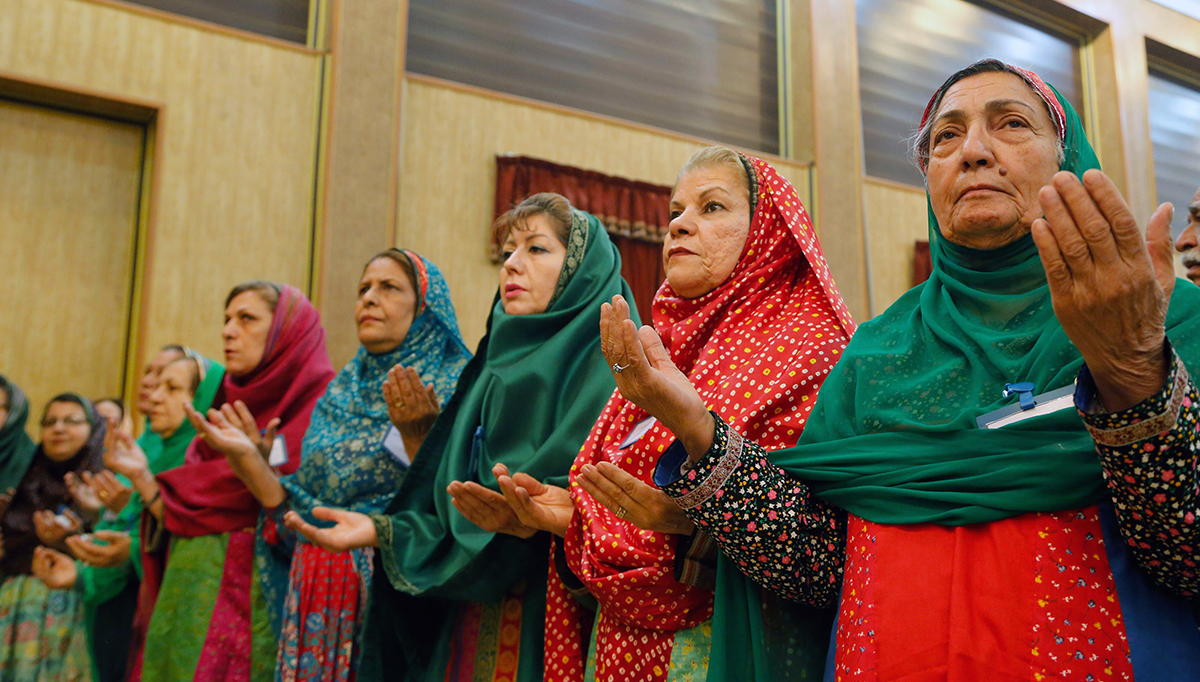
A stranger among us: Iran's tightening grip on religious minorities
For thousands of years, Iran has stood out as a culture that prized diversity and a place where religious minorities have flourished as independent communities. The Islamic Republic now seeks to change that, however, by implanting its own leaders inside different faith groups to protect and advance its interests.
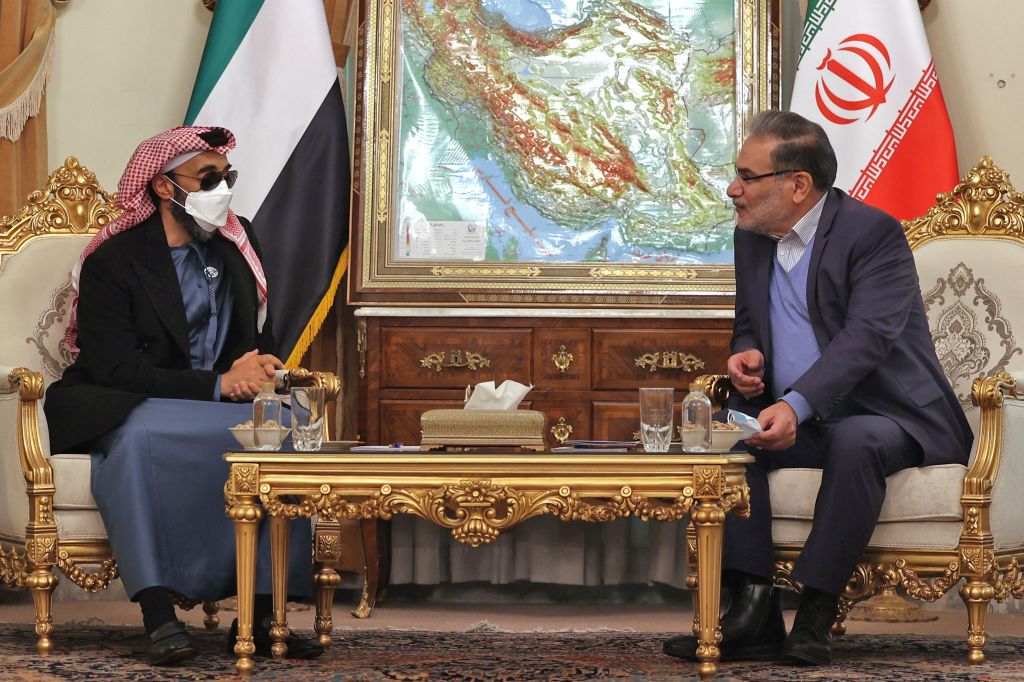
Monday Briefing: With international talks on Iran in limbo, keep an eye on regional action and engagement
Read MEI’s weekly briefing featuring expert analysis of key regional developments for the week ahead.
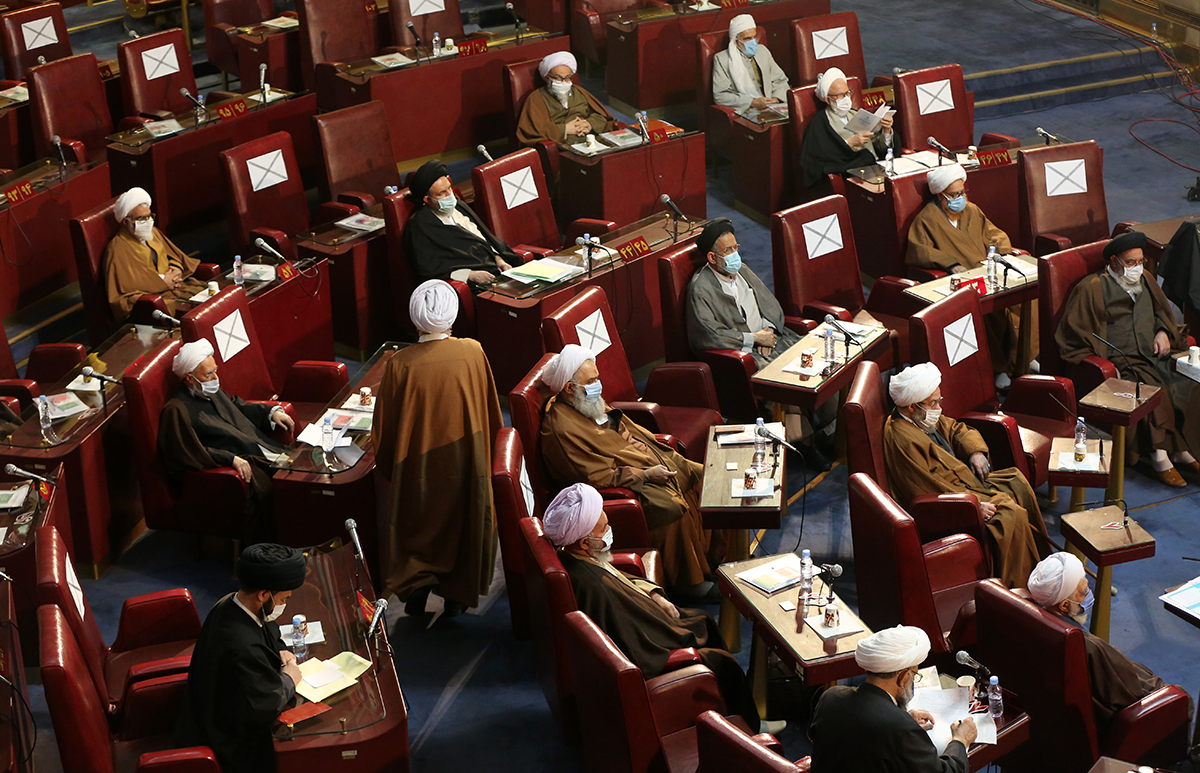
Khamenei’s concerns over the future of the Iranian clergy (Part 2)
In recent years, numerous analyses have been published on the increasing influence of the IRGC within the Iranian regime. Nevertheless, the rise in the power of the military should not overshadow the fact that in the Islamic Republic, not only the paramount position of supreme leader, but also many other key roles are held exclusively by clerics. Moreover, many of these clerics, including the highest-ranking ones, must be appointed by the supreme leader. This system was designed to ensure the loyalty of key officials, but over time has given rise to growing concerns over the reliability of the next generation of clerics and the transfer of power.

Dust in the Cloud: The Future of Data Governance in the GCC
As the countries of the Gulf Cooperation Council (GCC) work to transform from hydrocarbons-driven to data-driven economies, they will need to make significant and well-planned invest-ments in digital infrastructure, particularly when it comes to the complex issue of data govern-ance. They must take the lead in establishing regulatory and legal frameworks aligned with international standards in terms of data gathering, processing, and storing procedures. This report highlights the existing laws and regulations that govern data protection in the GCC while addressing their potential and limitations, along with the similarities and differences between the GCC’s legislative frameworks and the EU’s General Data Protection Regulation, and the impact of the GCC’s current data protection laws on individuals, the private sector, regulators, and governments.