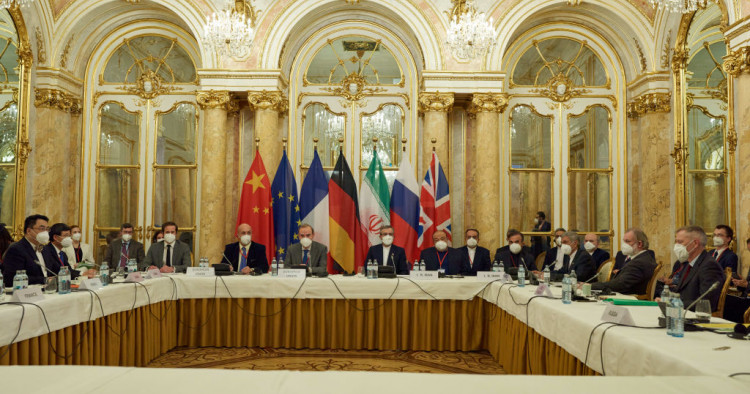
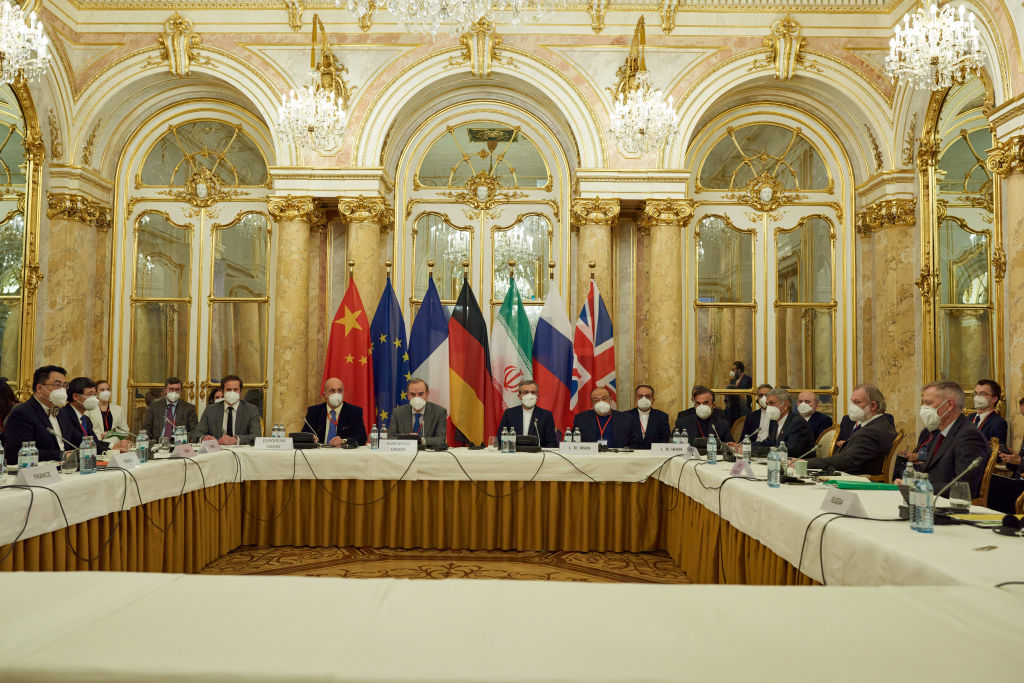
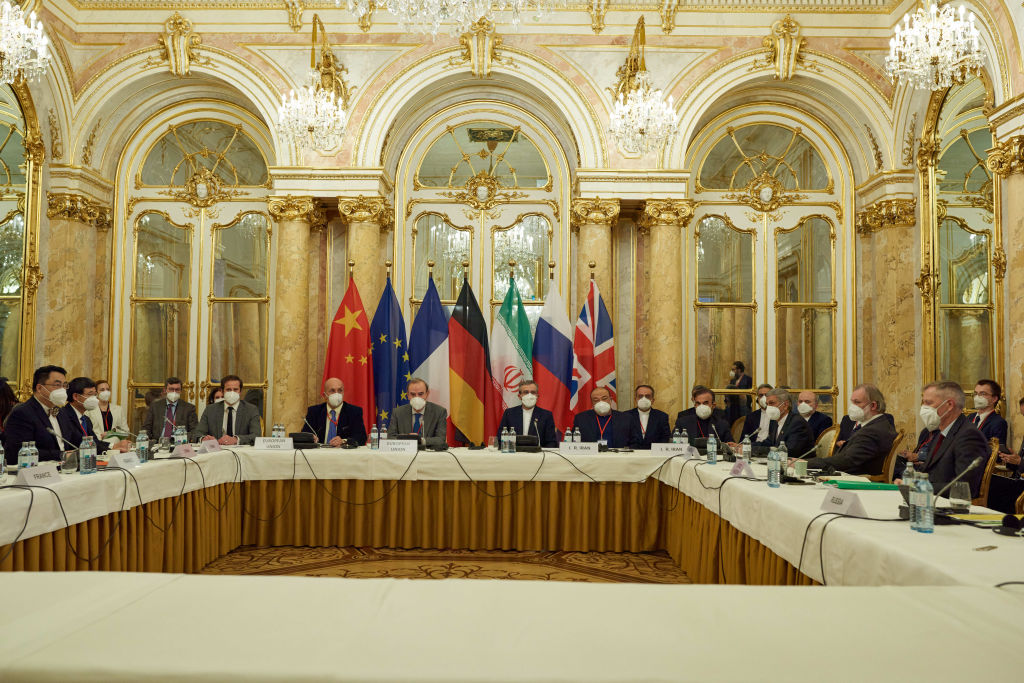
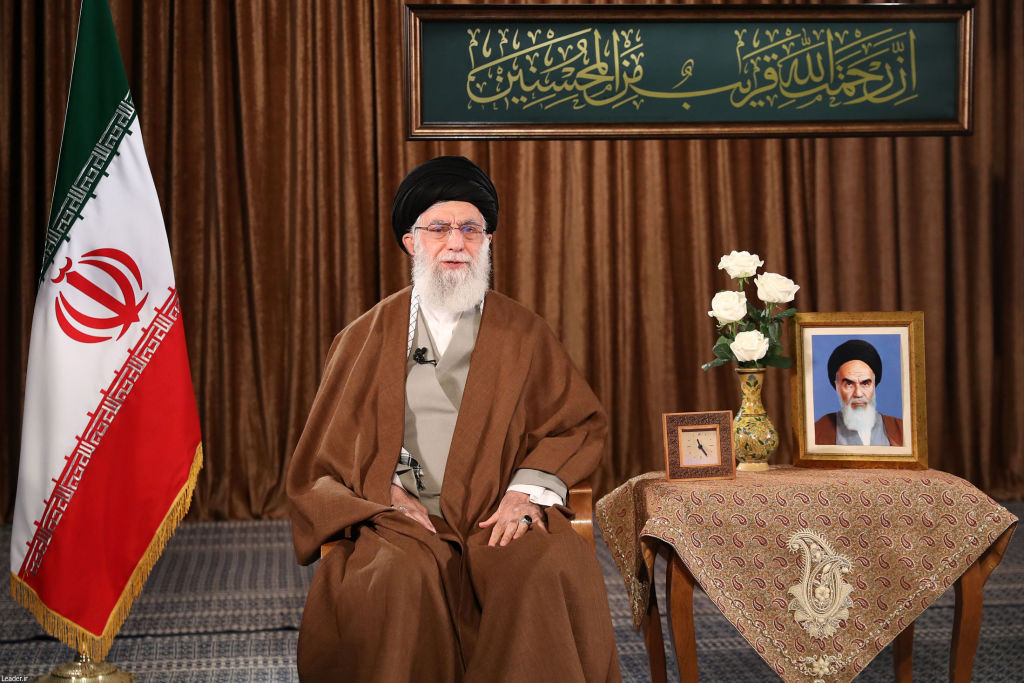
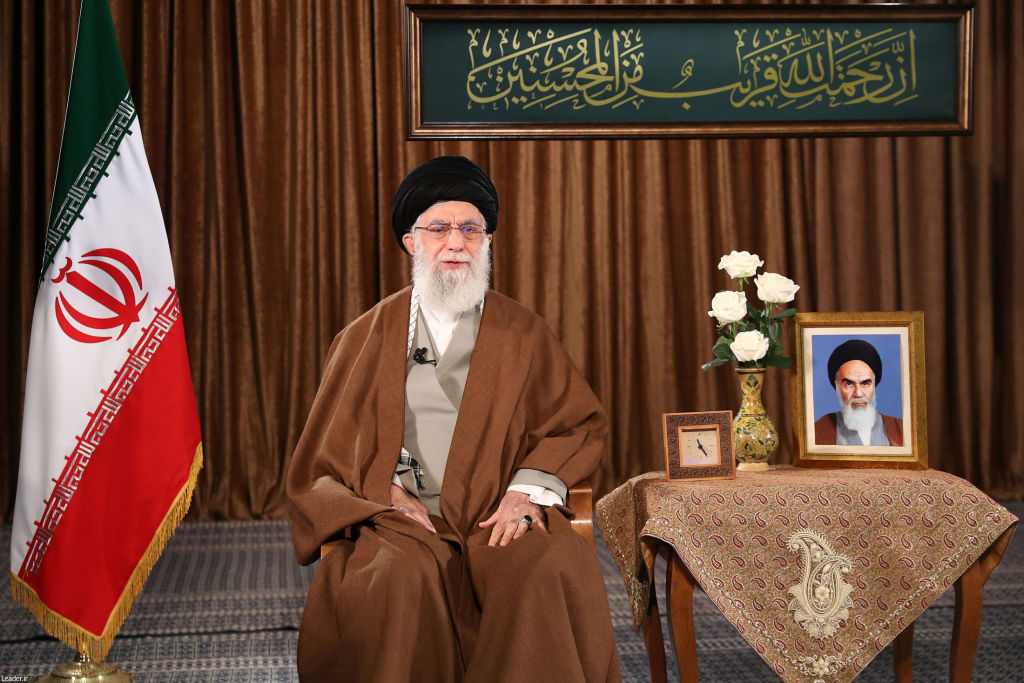
Ahead of the seventh round of the Iran nuclear negotiations that ended on Dec. 3 in Vienna, many observers interpreted Ebrahim Raisi’s election to the presidency and his recent rhetoric as representing a distinct shift in Iran’s nuclear strategy. Indeed, in November, Raisi’s government’s official newspaper Iran explained that Tehran’s strategy in Vienna has changed, and that it has embraced a new approach looking to compel the West to agree with Iran’s terms for a “good deal.” Yet there is more continuity than change in Iranian decision-making on the nuclear file than meets the eye, and Raisi’s election by itself has not represented a fundamental rearrangement.
Beyond the Bedouin path: The evolution of Emirati national identity
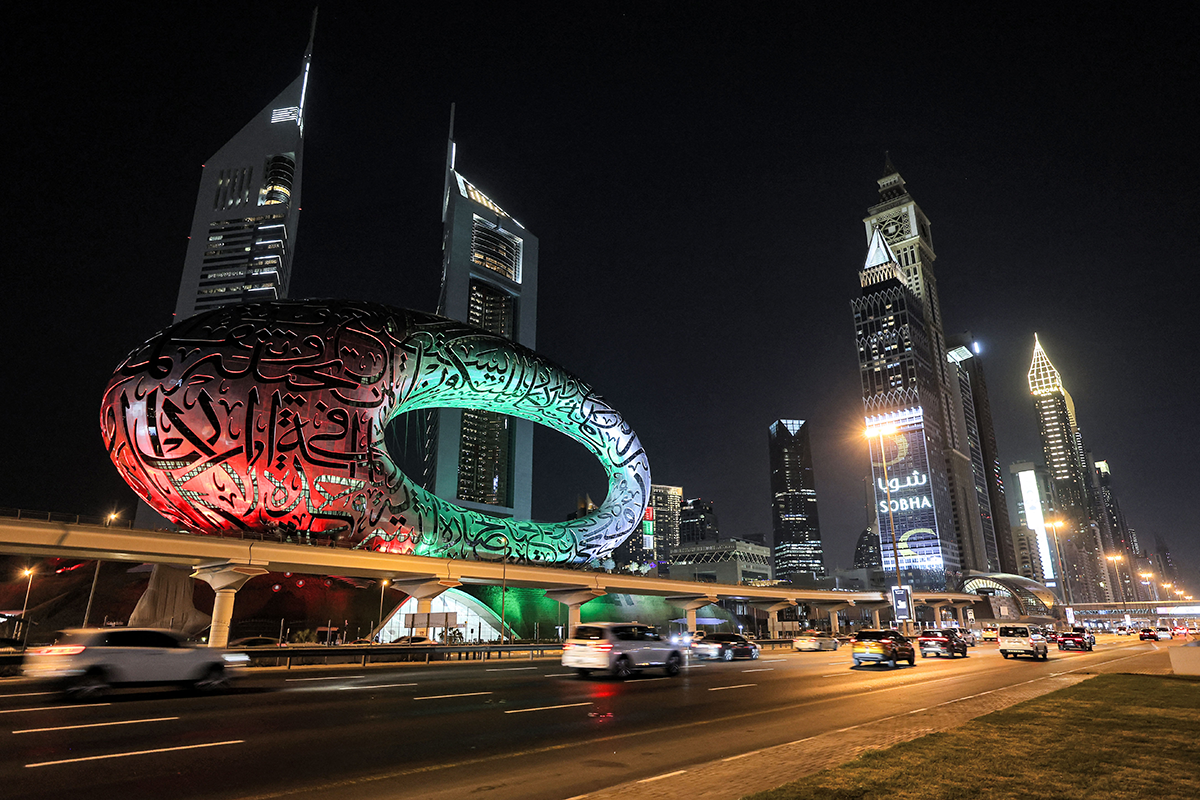
The UAE will celebrate the 50th anniversary of the qiyam al-dawla (establishment of the state) and qiyam al-ittihad (establishment of the federation of seven emirates) on Dec. 2. Since 1971, the Emirati political elite has addressed the complex responsibilities of building a functional bureaucratic apparatus while shaping the nation’s identity. An oil-based model informed this state-building process and the expectations of citizens for decades, but the country now faces a more complex environment. New challenges such as the growing youth population, the drive toward sustainability, and changing patterns within the global economy affect the current Emirati political agenda; however, the UAE leadership must balance the urgent search for innovative strategies with Emirati haweeya al-watani (national identity) and turath (heritage).
Energy Prospects in the Gulf: The Oil Price Ascent, in Brief
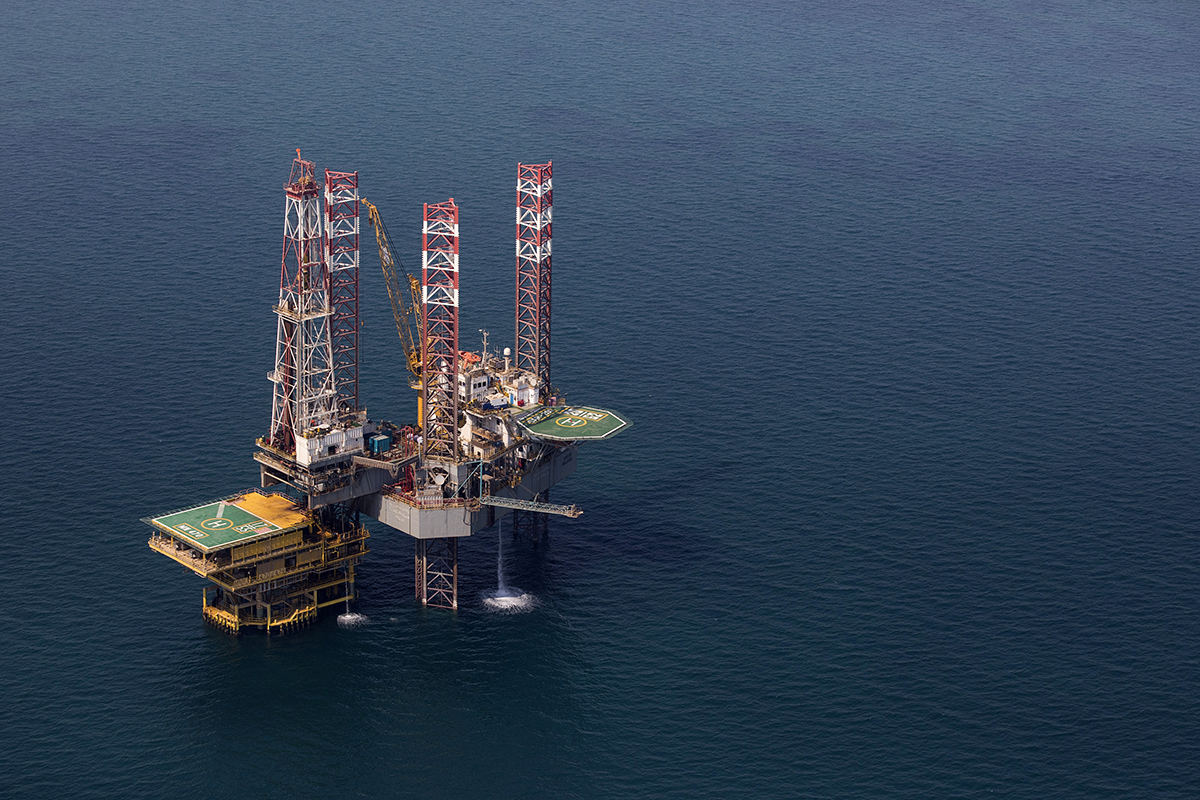
While oil prices have rebounded before soaring since the depths of collapse in the spring of 2020 — with Brent crude prices skyrocketing from $19 per barrel in April 2020 to a three-year high of $86 per barrel in October 2021 — the prospects for a sustained high oil price for Gulf producers is unlikely.
Iranians are disillusioned with Biden’s soft approach to the Islamic Republic
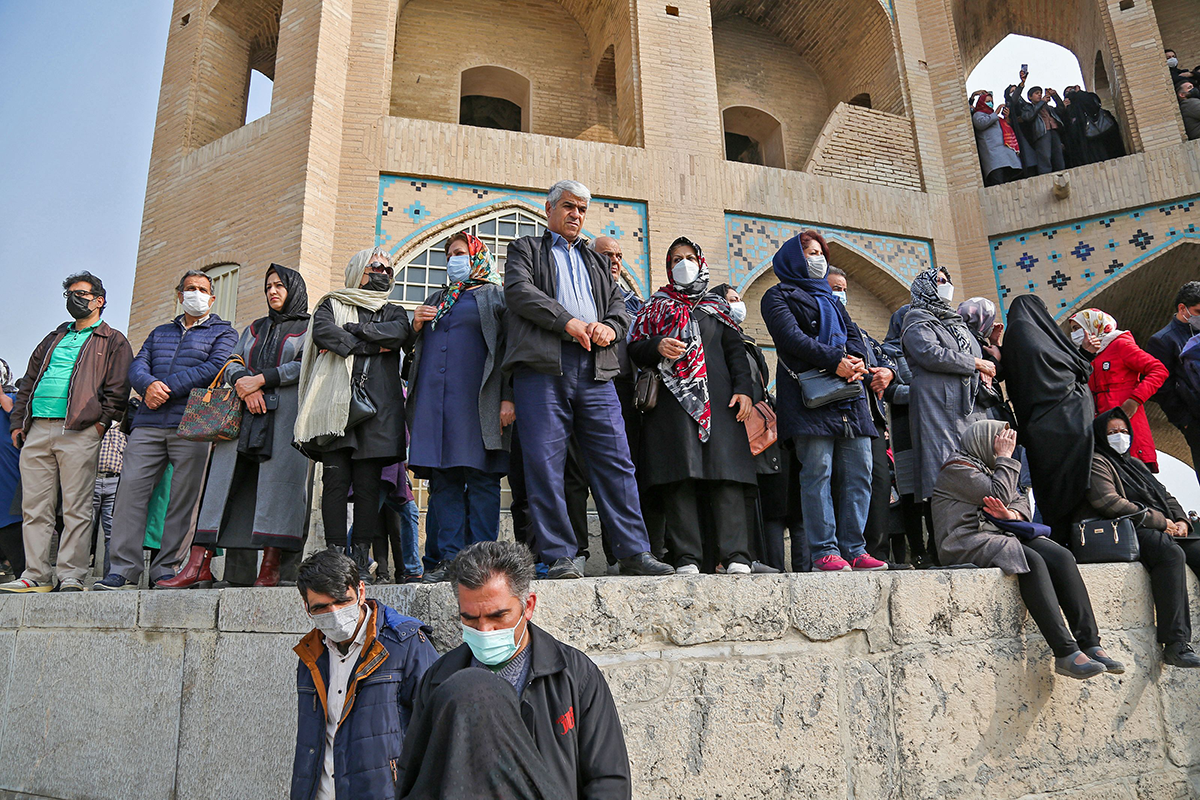
If the Biden administration makes concessions to appease the Islamic Republic of Iran as part of the recently resumed Vienna nuclear talks, it will be a historic mistake. The Islamic Republic is facing a deep legitimacy crisis of its own making, as a series of disastrous decisions have hardened the people’s views against the regime. These days, anyone who is seen to be throwing the Islamic Republic a lifeline will be wildly unpopular among Iranians.
منذ البداية، عرَّفت جمهورية إيران الإسلامية نفسها على أنها دولة دينية يتمتع فيها رجال الدين بمكانة مميزة. ومع ذلك، لم تتمكن السلطات قط من إخفاء مخاوفها المستمرة بشأن ما تعتبره فجوة متنامية بين أفكار العديد من رجال الدين الإيرانيين ووجهات نظر المرشد الأعلى لإيران.
Khamenei’s concerns over the future of the Iranian clergy (Part 1)
The Islamic Republic of Iran, from the very beginning, has defined itself as a religious state, in which the clergy enjoy a privileged status. Nevertheless, the authorities have never managed to hide their fears over what they see as a growing gap between the ideas of many Iranian clerics and the views of Iran’s supreme leader.
Plotting like a revolutionary: The need for growing like-minded humanistic networks of Iranians and Arabs
It is a mistake to view Iran’s regional aggression and hegemony as purely a result of violence and terrorism. Iran’s powerplay also has important media, political, economic, and cultural aspects.
Alex Vatanka and Michael Metrinko discuss the Iranian hostage crisis, how it has shaped US-Iran relations, and what that history tells us about the present and potential future of the Islamic Republic. Metrinko also recounts his experience as a political officer at the embassy in Iran in 1979 and being one of the 52 hostages.
The 3+3 format in the South Caucasus doesn’t add up
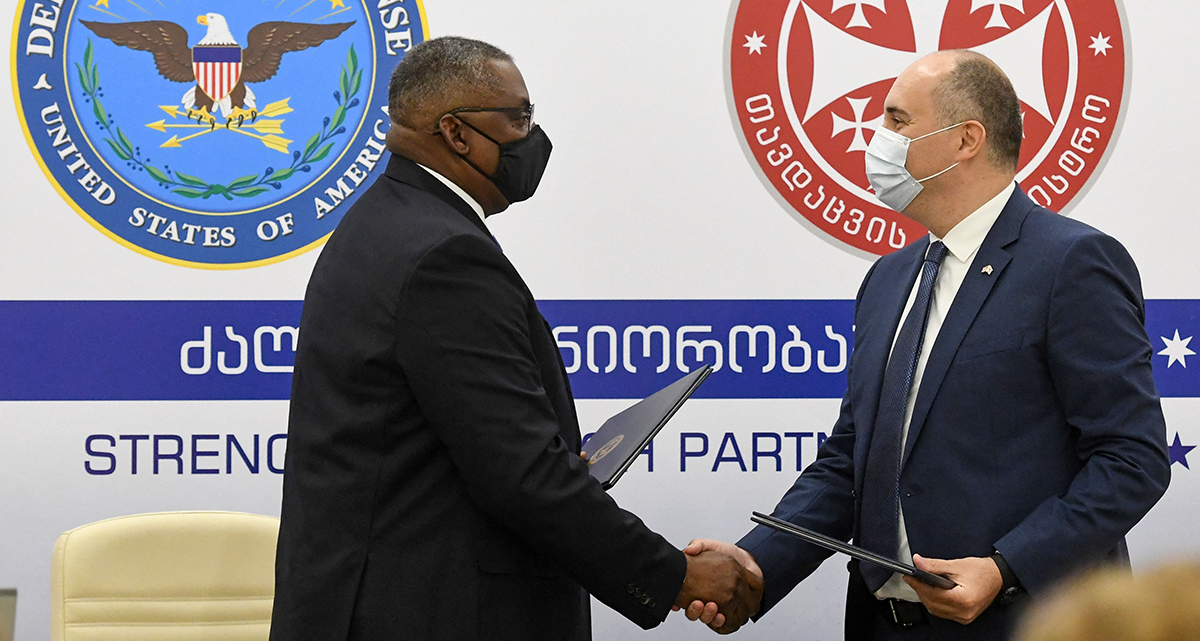
During his recent visit to Tbilisi, U.S. Defense Secretary Lloyd Austin poured cold water on the idea of American support for a so-called “3+3 format” in the South Caucasus. When asked about the proposal, he said, “I would just say that Russia, which currently occupies 20% of Georgia’s territory, should focus on honoring its 2008 cease-fire commitments before promoting any new discussion platforms.”
The IRGC and the Persian Gulf Region in a Period of Contested Deterrence
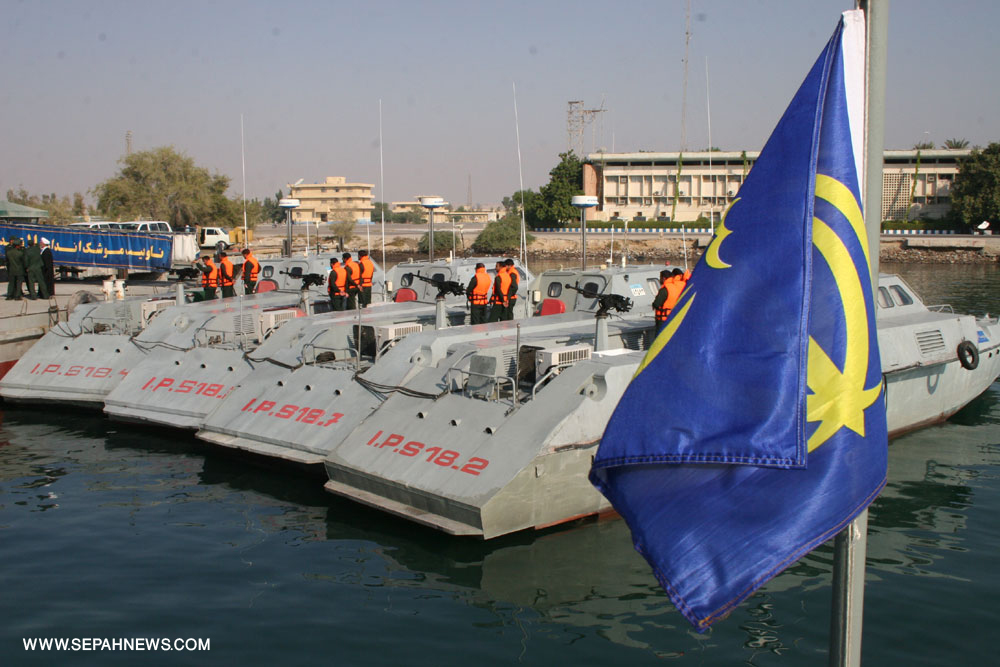
The Strait of Hormuz is one of the world’s most important maritime chokepoints, vital to the global supply of both oil and liquefied natural gas. The issue of freedom of navigation in the strait has long been a source of tension, but until recently any attempt by Iran to physically close it looked highly implausible, unless it resulted from either a major embargo or total blockade of Iranian ports by the West, or a large-scale military confrontation. However, the events of the past three years showed Iran can still ensure a major disruption of the flow of energy without a formal blockade and without an increased risk of military confrontation with the West. Iran has a variety of means at its disposal, especially through its Islamic Revolutionary Guard Corps naval forces, and the Iranians make no secret of their desire to be recognized as the dominant military power in the Gulf and the Strait of Hormuz.
Integrated Air and Missile Defense Will Enhance Security in the Middle East
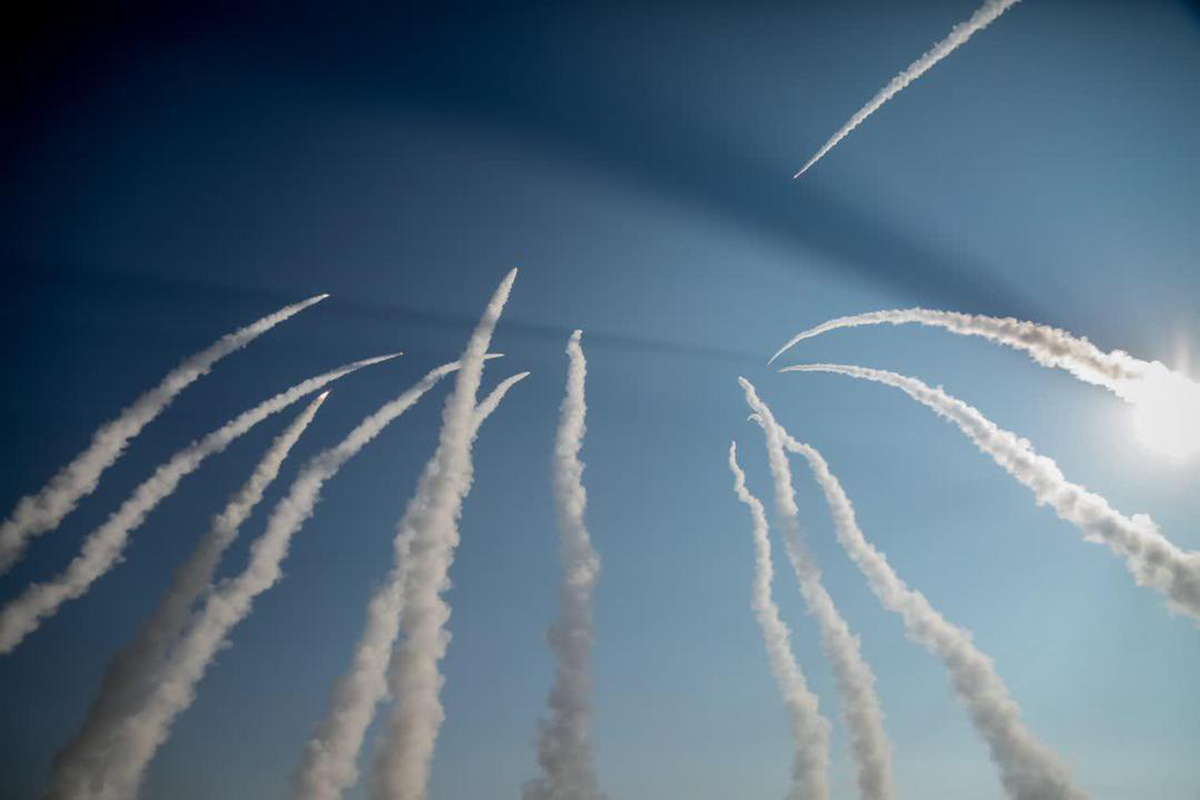
Integrated air and missile defense will make America’s partners in the Persian Gulf safer and bolster America’s policy against Iran. It’s past time to make IAMD a priority.