The fight over the spoils of war in Deir ez-Zor heats up
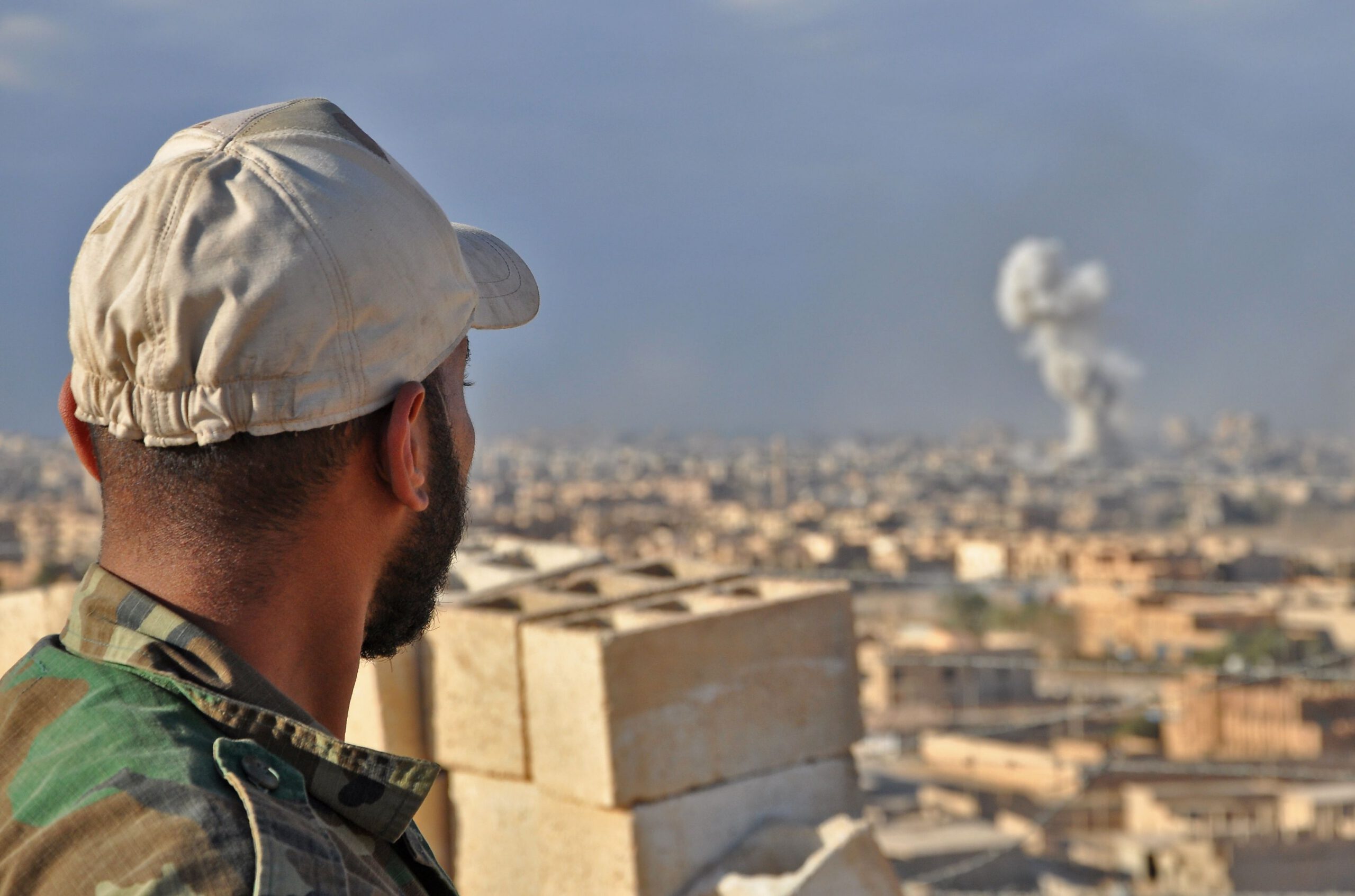
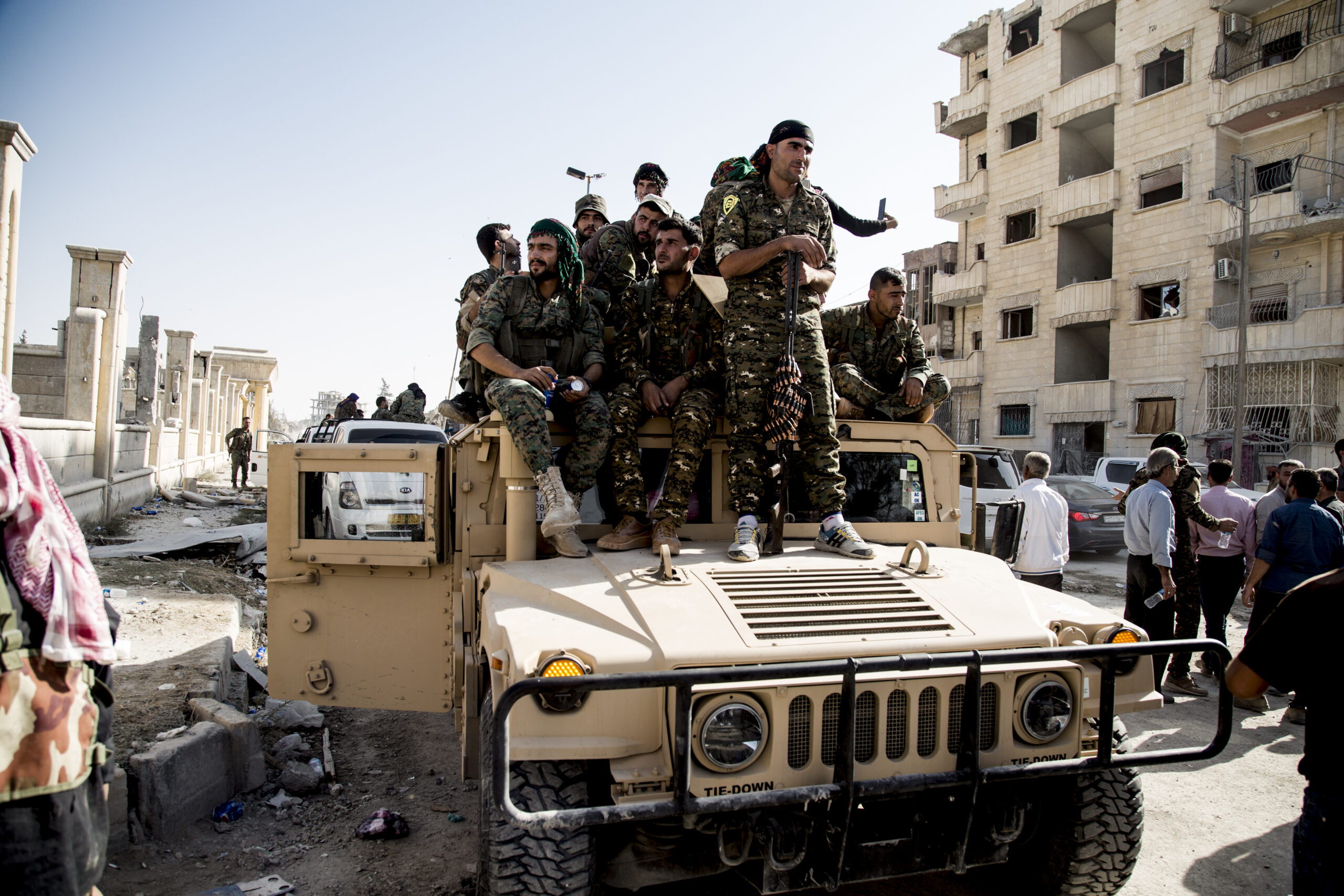
In recent months fighting has repeatedly broken out between Syrian and Iranian-backed militias around Deir ez-Zor, initially over control of taxes and smuggling routes, but increasingly the conflict has taken on a strategic dimension as well.
Weekly Briefing: Pompeo’s visit raises more questions than it answers
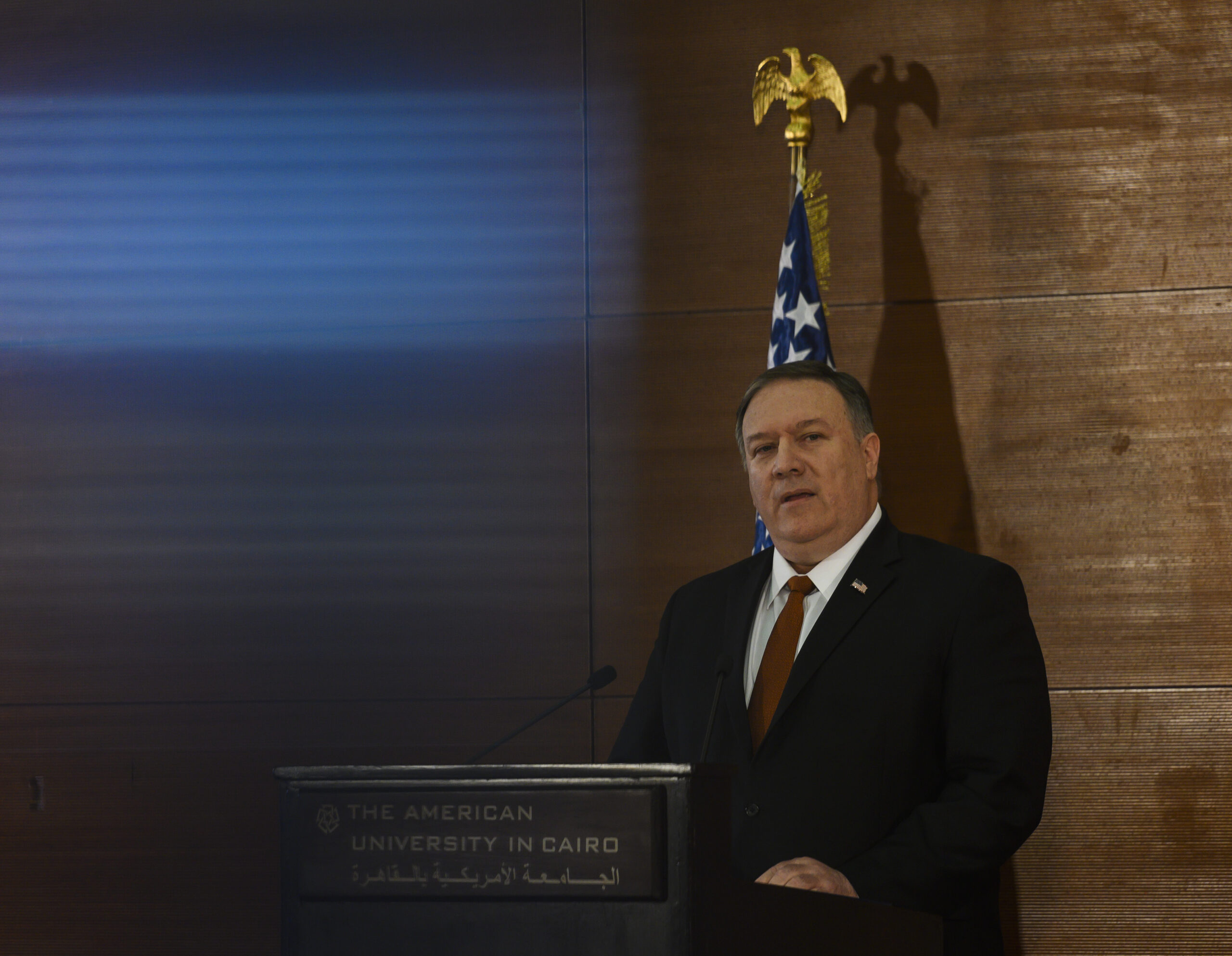
In this week’s Monday Briefing, MEI experts Gerald Feierstein, Paul Salem, Alex Vatanka, W. Robert Pearson, and Mirette F. Mabrouk provide analysis on recent and upcoming events including Secretary of State Mike Pompeo’s recent visit to the Middle East, recent protests in Sudan, Iranian outreach to Baghdad, President Trump’s discussion with President Erdogan on treatment of the Kurds, and the first meeting of the East Mediterranean Gas Forum.
Extra: Turkey’s domestic and foreign challenges in 2019
MEI’s Gonul Tol and Robert Pearson join host Alistair Taylor for a deeper dive into Turkey’s upcoming local elections in late March, the country’s economic slowdown, and its foreign policy challenges in Syria.
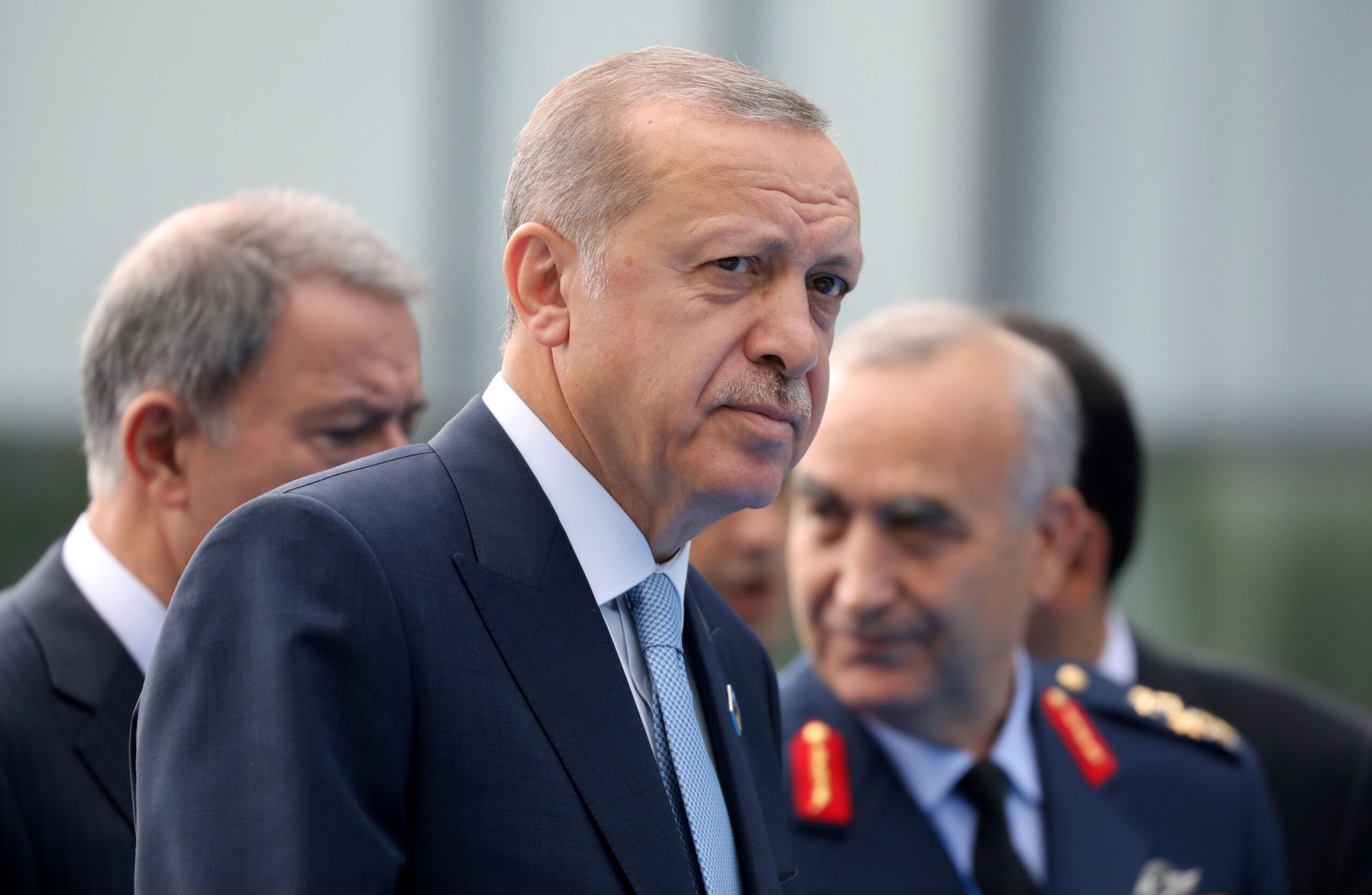
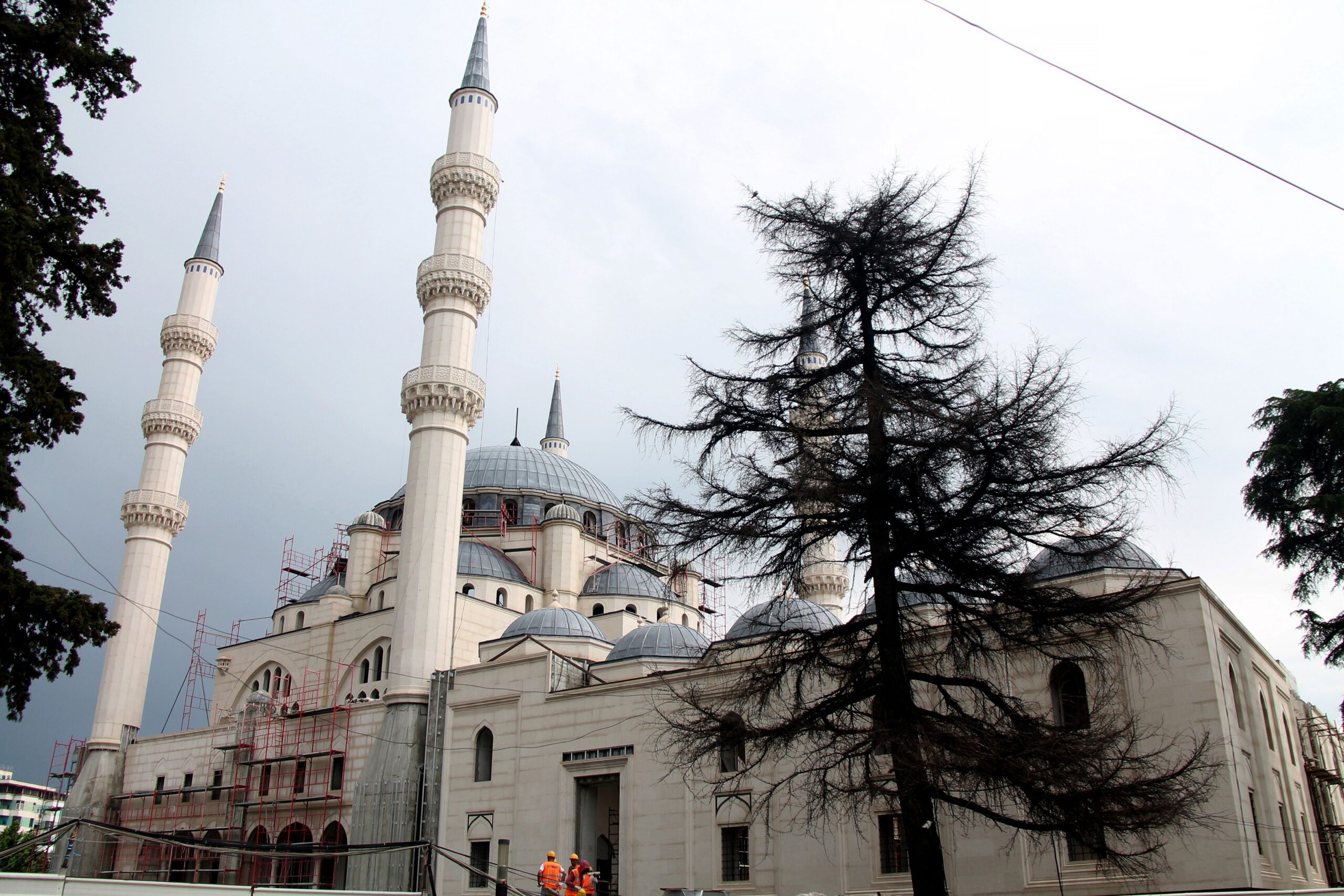
Under the leadership of Turkish President Recep Tayyip Erdogan, whose Justice and Development Party (AKP) has Islamist roots, religion has become a critical instrument of Turkish foreign policy.
In our first episode of 2019, MEI experts Paul Salem, Charles Lister, Ahmad Majidyar, Randa Slim, Gonul Tol, Robert Pearson, and Gerald Feierstein discuss the significant policy developments and announcements of the past few weeks and outline the major issues to watch in the year ahead.
A new crisis is brewing between Saudi Arabia and Turkey, and this one is going to be much more severe and damaging than the dispute over the murder of Saudi journalist Jamal Khashoggi.
A poisoned chalice? US withdrawal from Syria would create new risks for Moscow
At first glance Trump’s decision to withdraw U.S. troops from Syria might seem to benefit Moscow. But dig a little deeper and the situation becomes much less clear and creates a lot of ambiguity and complexity for Russia.
Making the right move on Syria … for the wrong reasons
President Donald Trump is doing the right thing on Syria — removing U.S. forces — but for the wrong reasons. As a consequence, the value and import of his decision will be less than might otherwise be the case.
Trump’s Syria decision was essentially correct. Here’s how he can make the most of it.
President Trump’s Dec. 23 tweet promising a “slow and highly coordinated” withdrawal of U.S. forces from Syria may ease the gnashing of teeth among officials and analysts in Washington, but it won’t end the criticism of his decision. That is precisely why the president should view the hullabaloo that erupted after he announced the Syrian pullout as an opportunity to take a number of steps to make the most of his essentially correct, but widely unpopular, move.
As Syria looks to rebuild, sanctions remain a major barrier to trade and investment
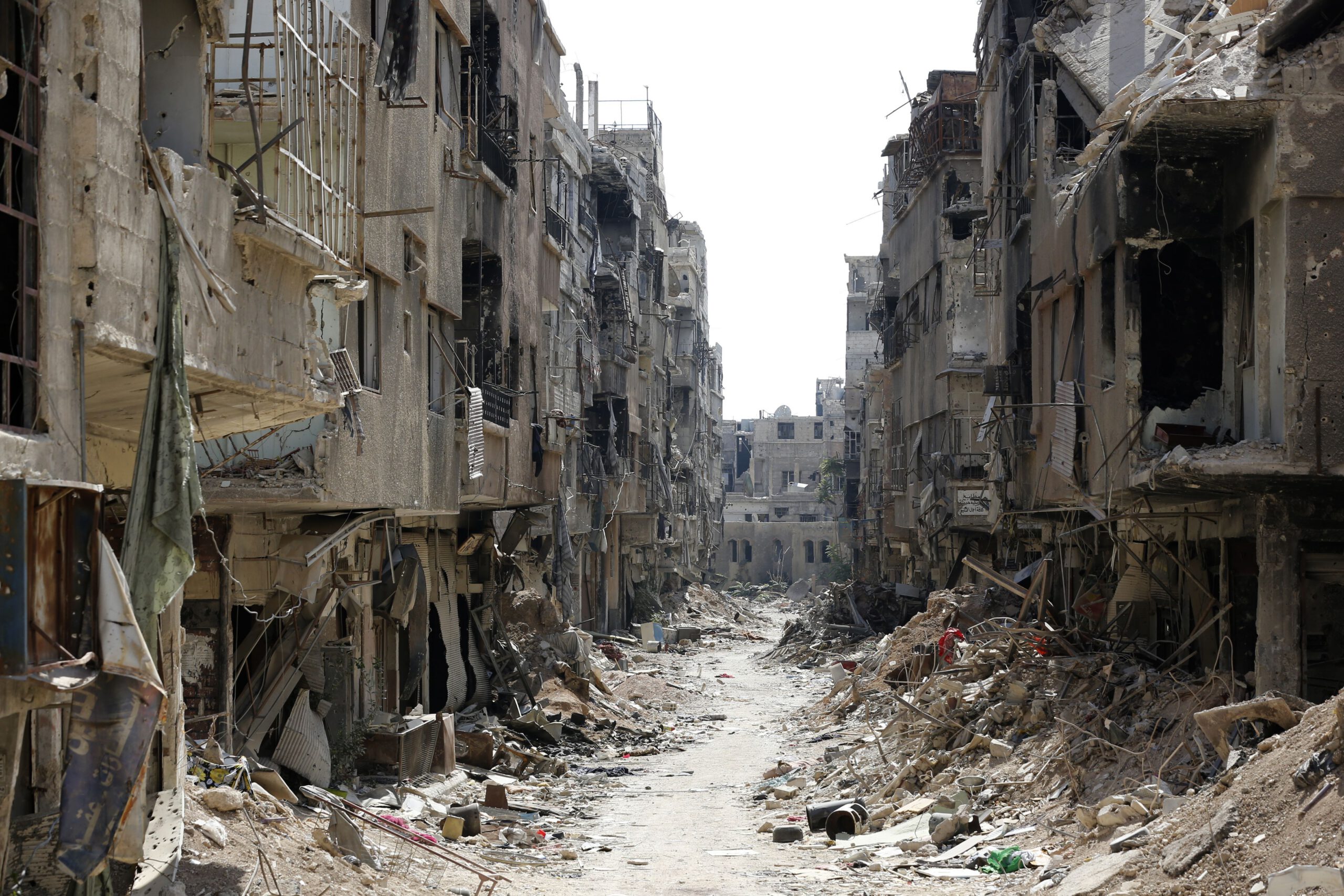
As the conflict in Syria concludes, the next phase will center on rebuilding and will require hundreds of billions of dollars in investment. For now though, sanctions imposed by the U.S., U.K., and EU block money from flowing in.
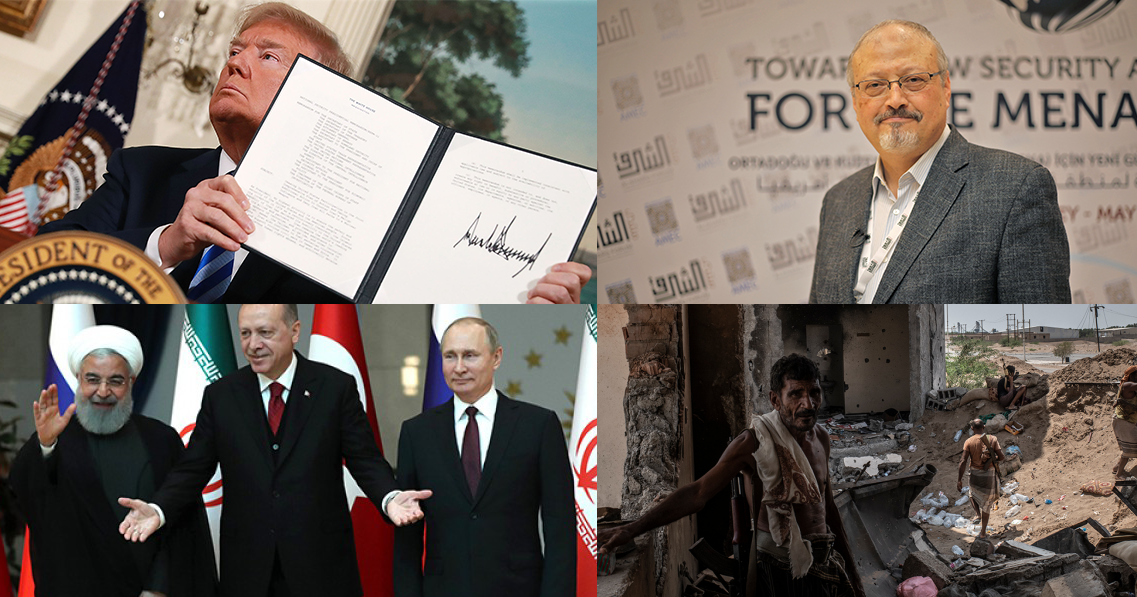
In our final episode of the year, host Alistair Taylor interviews several MEI scholars on the key events that transpired across the Middle East in 2018 including in the Gulf, Iran, Turkey, and Afghanistan. Guests include Paul Salem, Gerald Feierstein, Alex Vatanka, Gonul Tol, and Ahmad Majidyar.
Will Turkey attack the US-backed YPG in the eastern Euphrates?
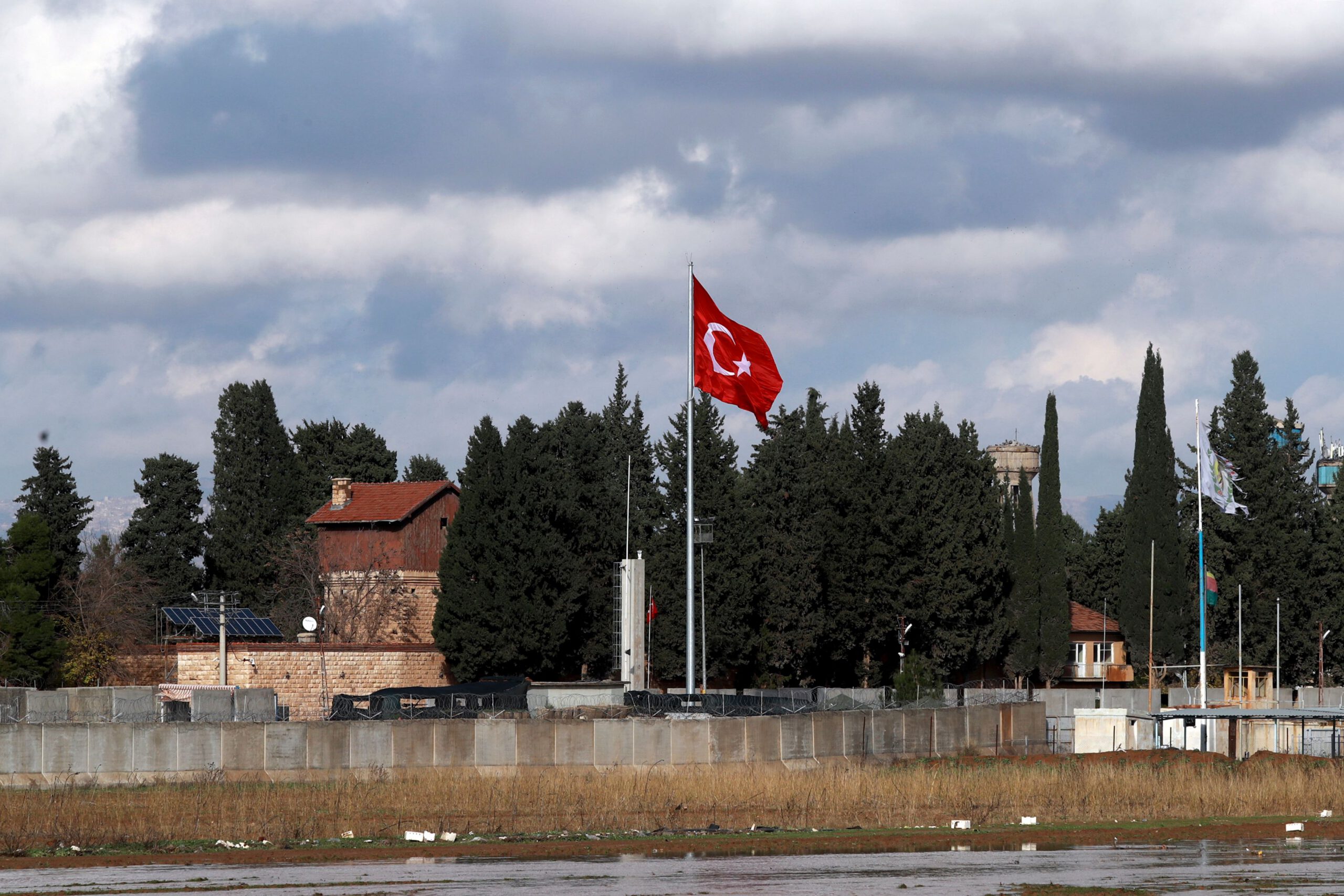
Whether Erdogan will follow through on his threat of military incursion against the YPG in U.S.-protected areas of Syria depends on the reaction of the international community, the Turkish military, and nationalist voters at home.