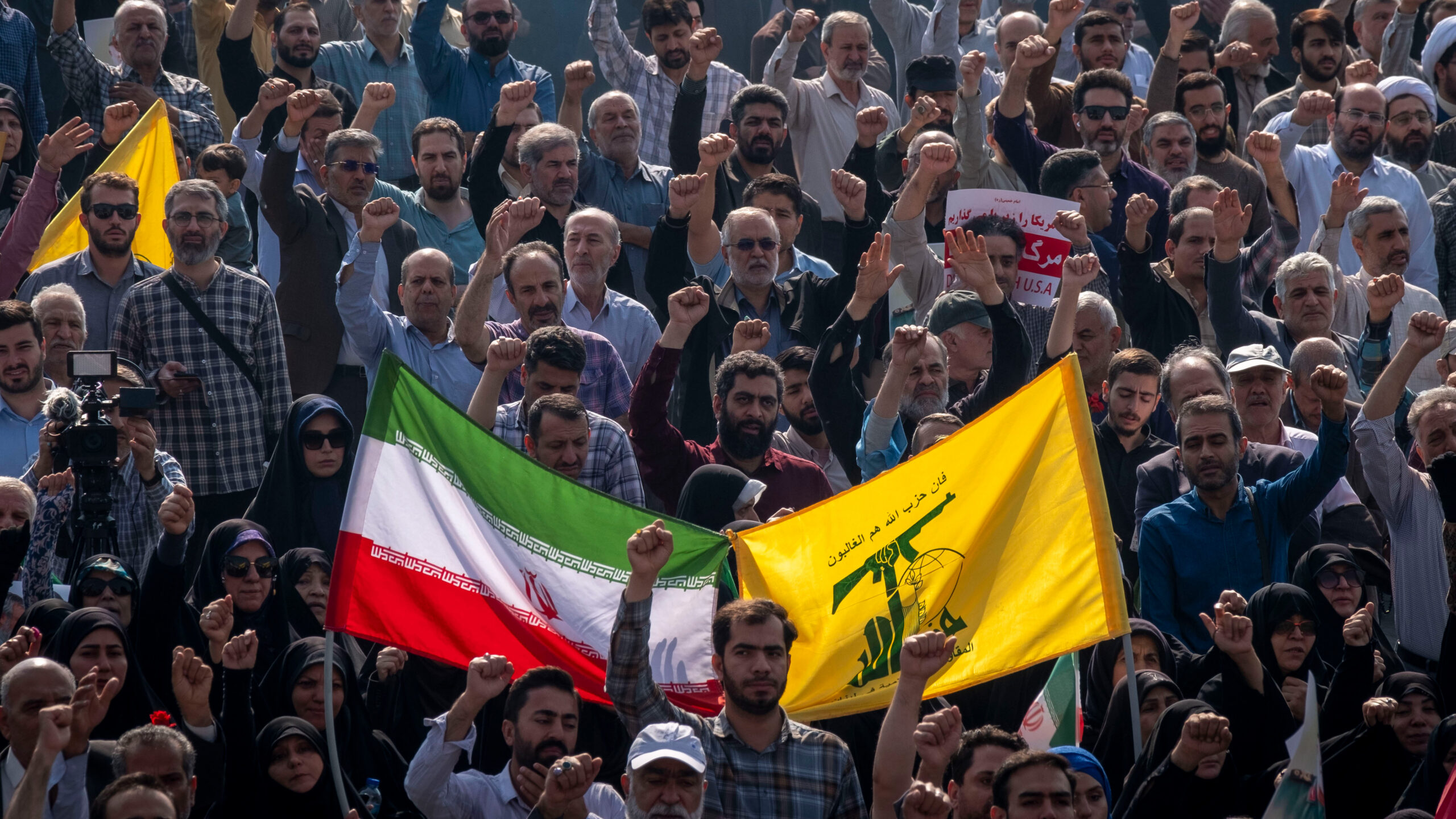
The Middle East has experienced an extraordinarily tumultuous year, as the ripples from Hamas’ assault on Israel on Oct. 7, 2023, continue to fuel hostilities in Palestine, Lebanon, Syria, Iraq, Yemen, and the waters of the Gulf. Amid all of this, Syria has received very little attention, despite its central role in Iran’s regional agenda. Now the Biden administration is reportedly “hopeful” that Bashar al-Assad will soon permanently block Iran’s ability to support Hezbollah in Lebanon and is postured to reward Damascus for doing so. At best, such calculations should be described as optimistic; at worst, fanciful.
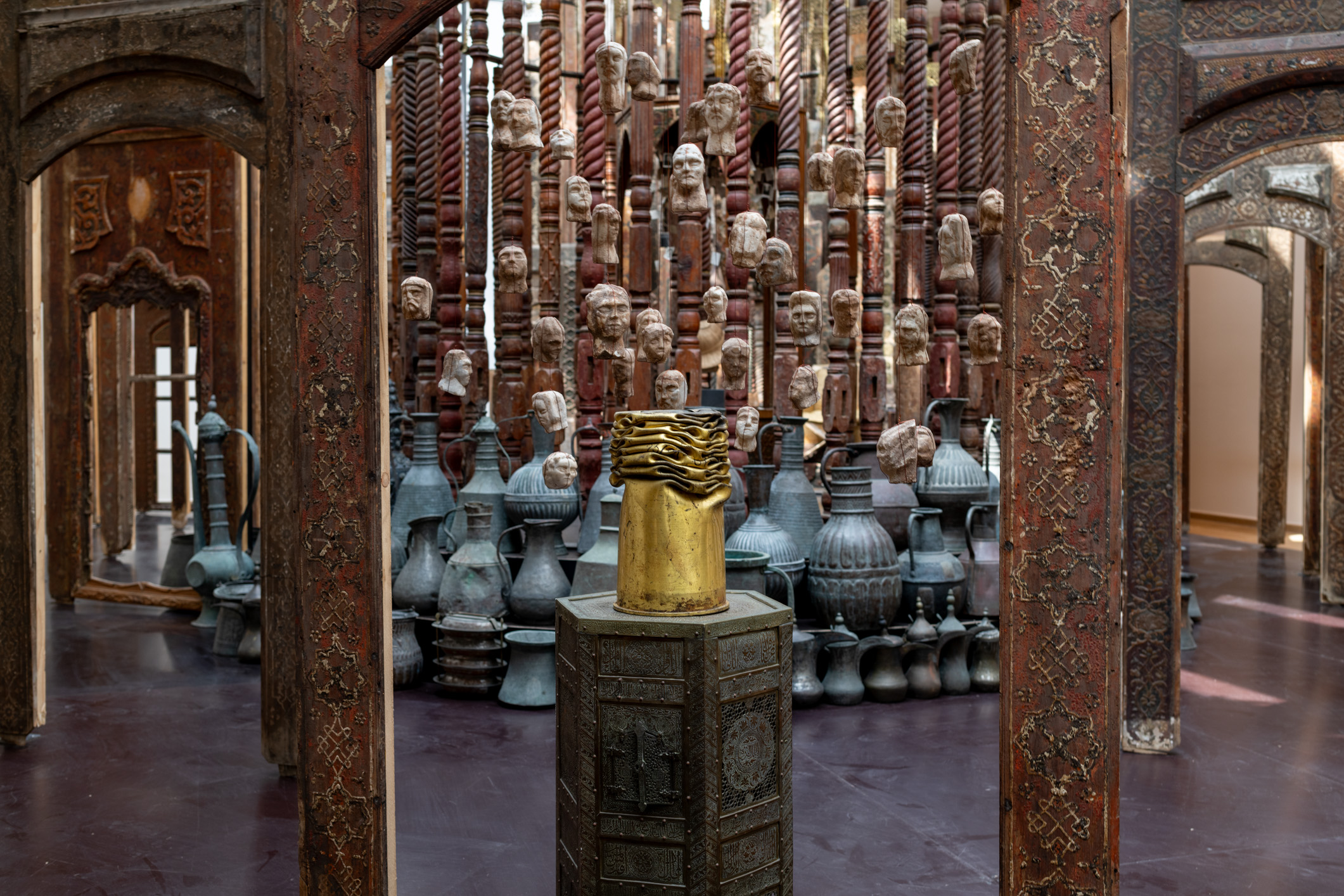
A Glimmer of Hope in a Time of War: The Beirut Museum of Art’s Mission to Heal and Regenerate Lebanon Through Art
Amid the ongoing calamity of war in Lebanon, the country’s cultural scene is determined to work against the odds to keep its heritage and art alive. Among the many projects that are determined to push ahead is the Beirut Museum of Art (BeMA), a museum long in the works whose mission is to preserve the country’s heritage and culture through modern and contemporary art.
The multiple wars that have erupted since Oct. 7, 2023, have already changed the strategic landscape in the Middle East — and more change is likely to follow.
Assad’s economic fragility exposed by Israel’s war on Lebanon
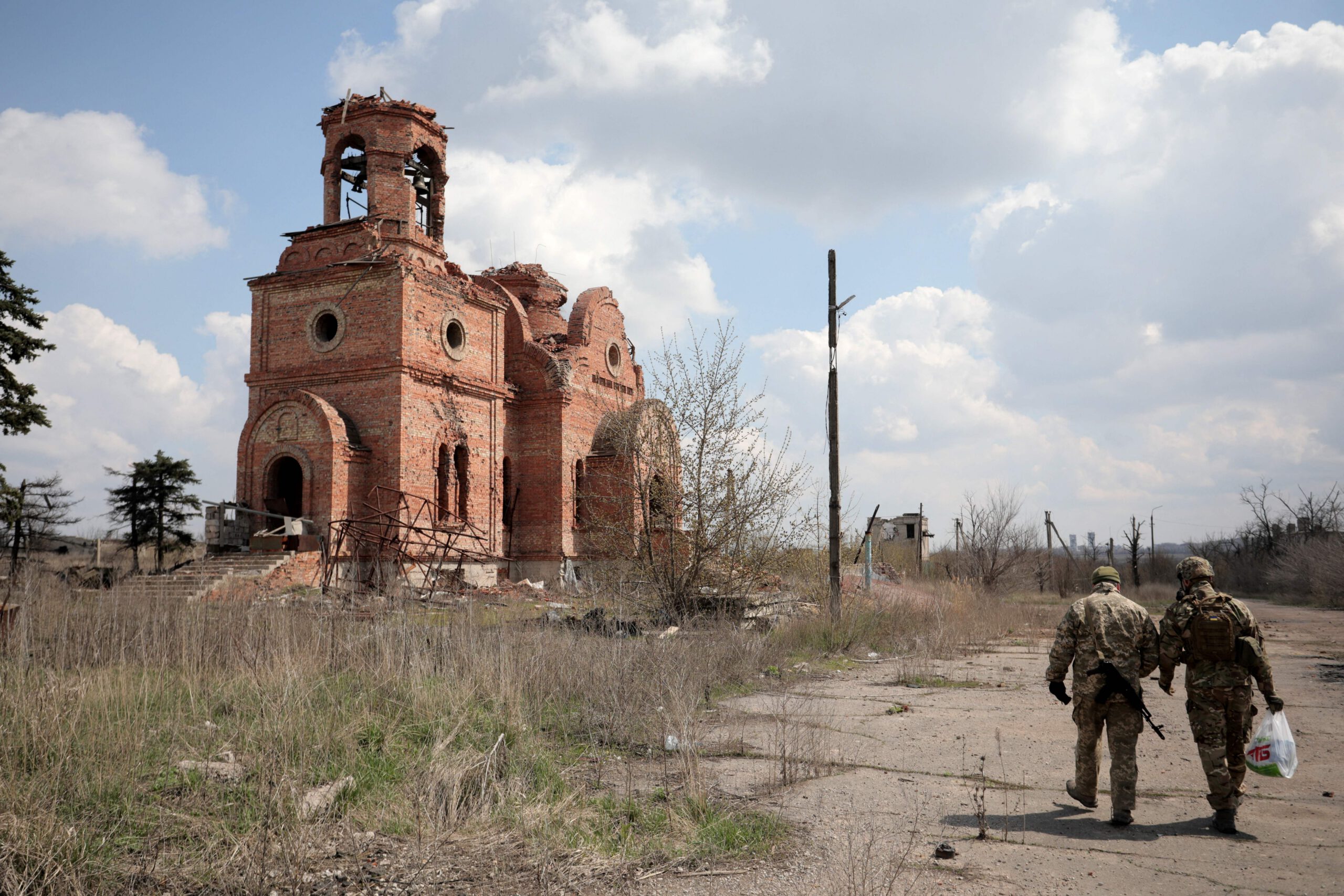
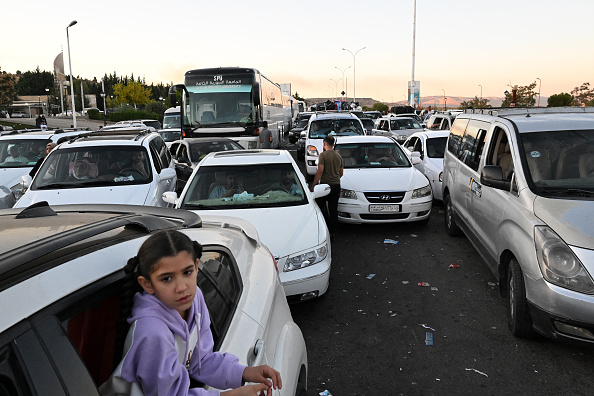
Israel’s escalation of its military campaign against Hezbollah in Lebanon has severely disrupted the cross-border flow of goods into Syria that have long served as a critical lifeline for Damascus. These interruptions have worsened existing shortages, triggering sharp increases in the prices of essential commodities for Syrian who were already struggling economically.
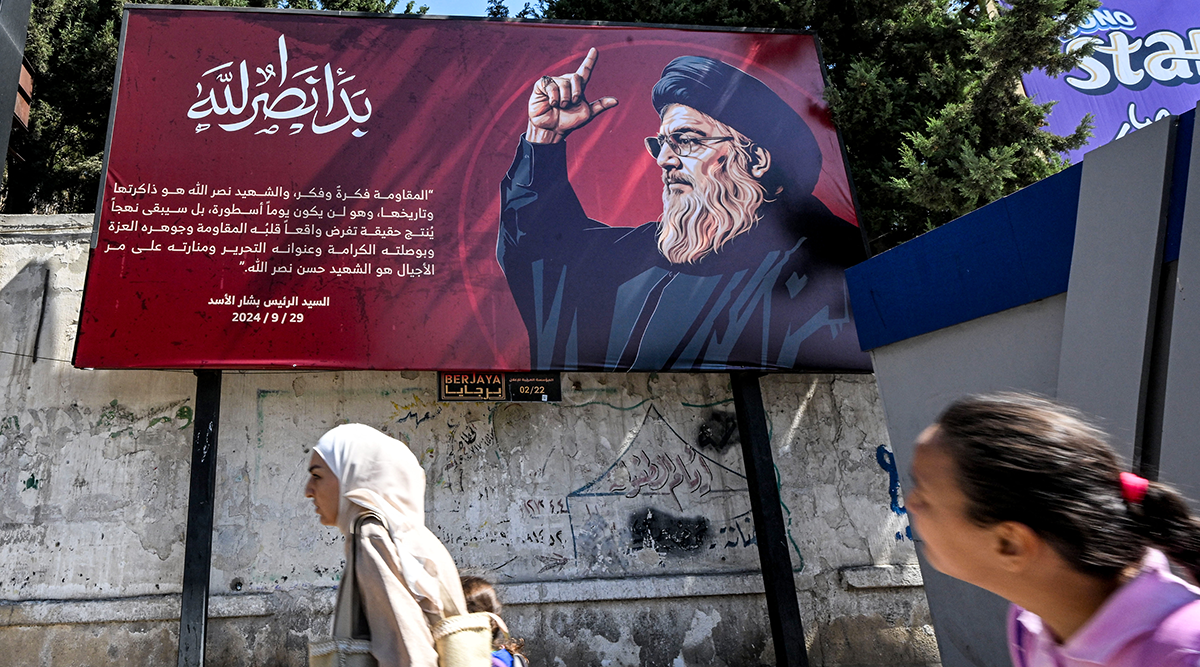
There is no alternative to Hezbollah’s disarmament
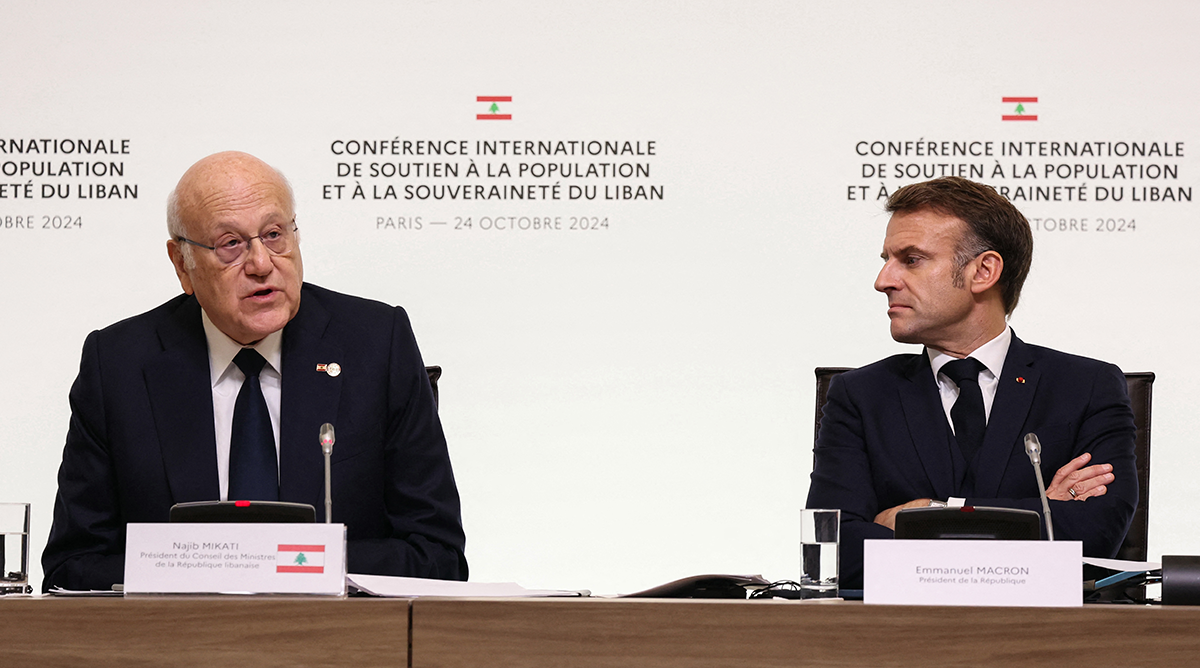
Last week, representatives from around 70 countries convened in Paris to pledge nearly $1 billion in aid for Lebanon. Moving forward, France and the US should work together to summon the political will needed to craft and implement a lasting political solution — one that can effectively safeguard against future wars between Israel and Lebanon.
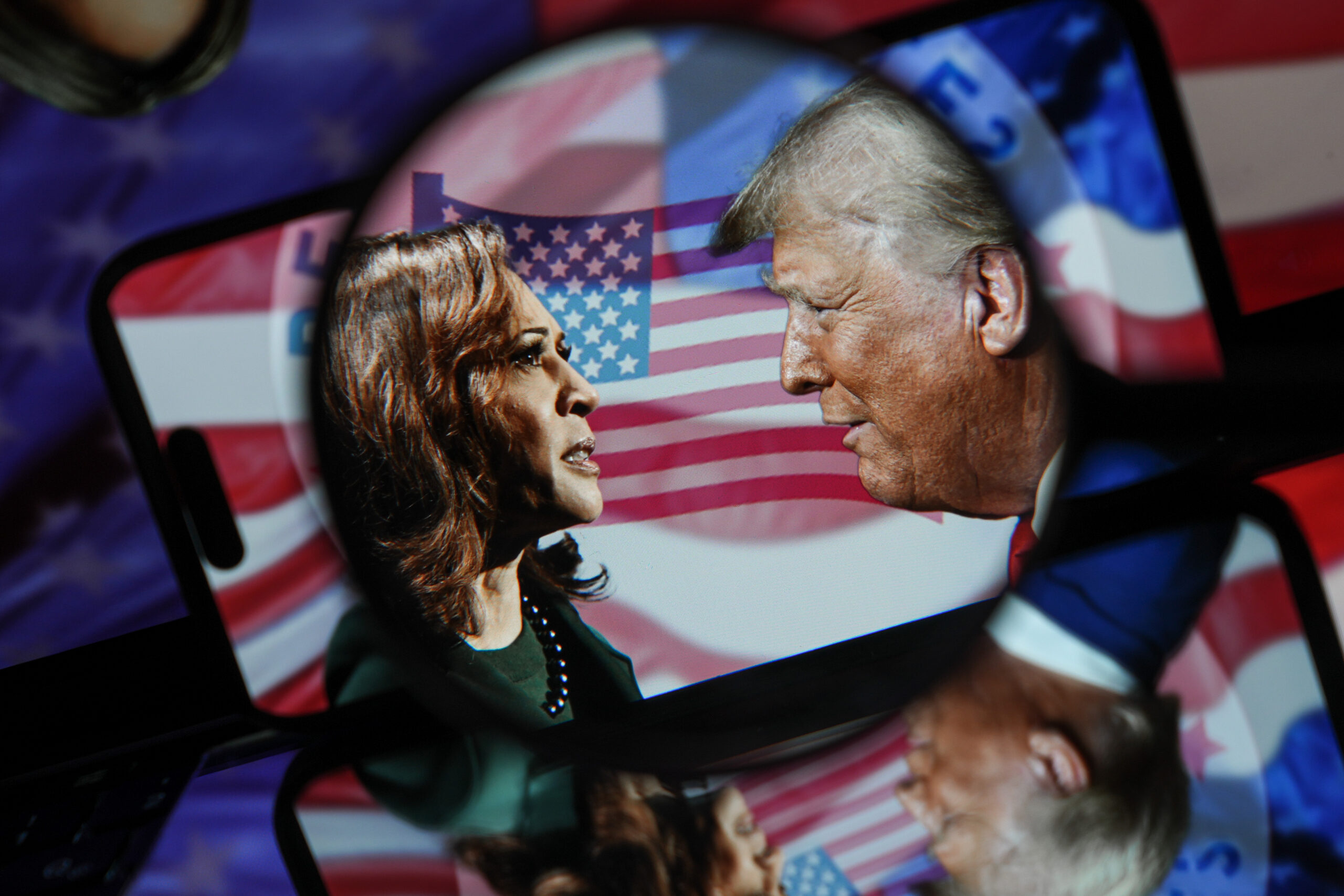
Harris vs. Trump on the War and Crisis in the Middle East
This policy assessment examines the statements and positions staked out by the Harris and Trump campaigns on the Middle East. The spotlight is on the past few weeks, with a stronger focus on two main issues that are likely to dominate the regional agenda of the next US administration: Iran and Israeli-Palestinian affairs.
Over the past month, Iran and its regional network of allies and proxies – the Axis of Resistance – has suffered a string of dramatic losses and defeats. What is the future of the Axis and its members, and what can the US and its allies do to confront and disrupt this Iranian-led network?
MEI Managing Editor Matthew Czekaj speaks to Meir Javedanfar and Alex Vatanka on Iran’s role in keeping its network of proxies together and the conflicting interests that may force the country to rethink its antagonistic regional strategy.
Over the past month, Iran and its regional network of allies and proxies – The Axis of Resistance – has suffered a string of dramatic losses and defeats. What is the future of the Axis and its members, and what can the US and its allies do to confront and disrupt this Iranian-led network?
'Fight big or think big': How the Middle East can pull back from the brink
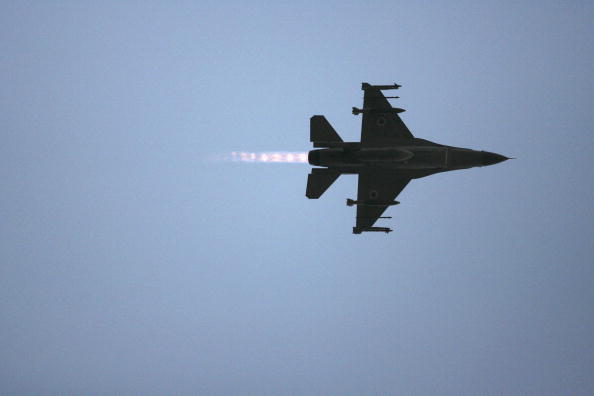
If war is the continuation of politics by other means and every conflict is a symptom of a deeper unresolved contradiction, the violence of the past year – as well as the current direct confrontation between Israel and Iran – are the result of two deep and unresolved political problems.
These are the denial of Palestinians’ basic rights amid long-term Israeli occupation and Iran’s rejection of the basic rules of international law, as well as its insistence on maintaining a string of militias in broken Arab states from Lebanon to Yemen.
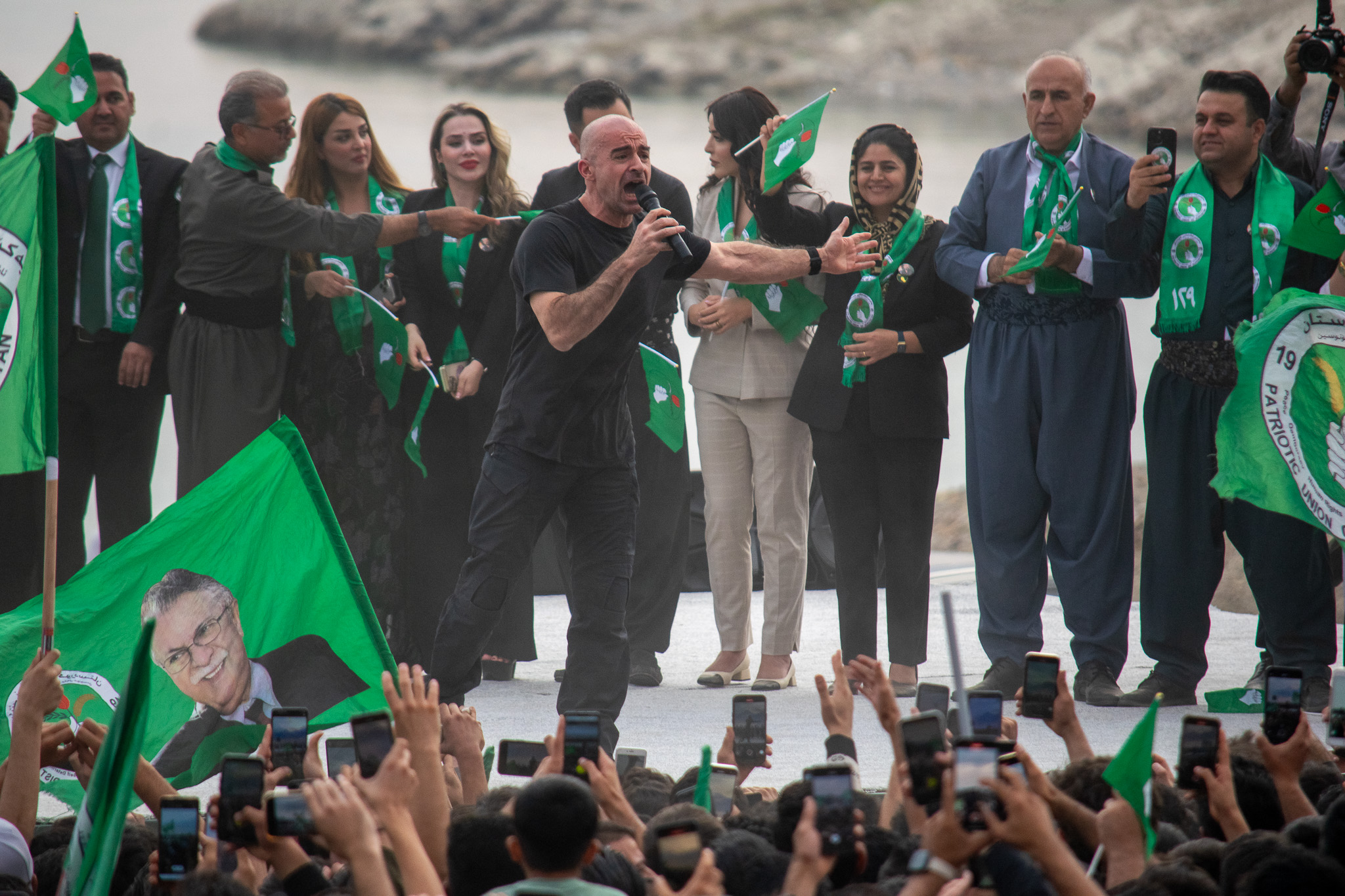
Kurdish elections arrive — finally, and with challenges
Iraq’s Kurdistan Region will hold elections for its devolved parliament for the first time since 2018, on Oct. 20. The polls are more than two years late and come at a time of major economic and political challenges for the semi-autonomous zone.
Gen. Khalil Helou and Dr. Paul Salem speak with MEI’s US-Lebanon Fellow Fadi Nicholas Nassar on the unraveling Israel-Hezbollah conflict, the role of the Lebanese Armed Forces during this critical moment, and the prospects of a political solution in Lebanon and the wider region.