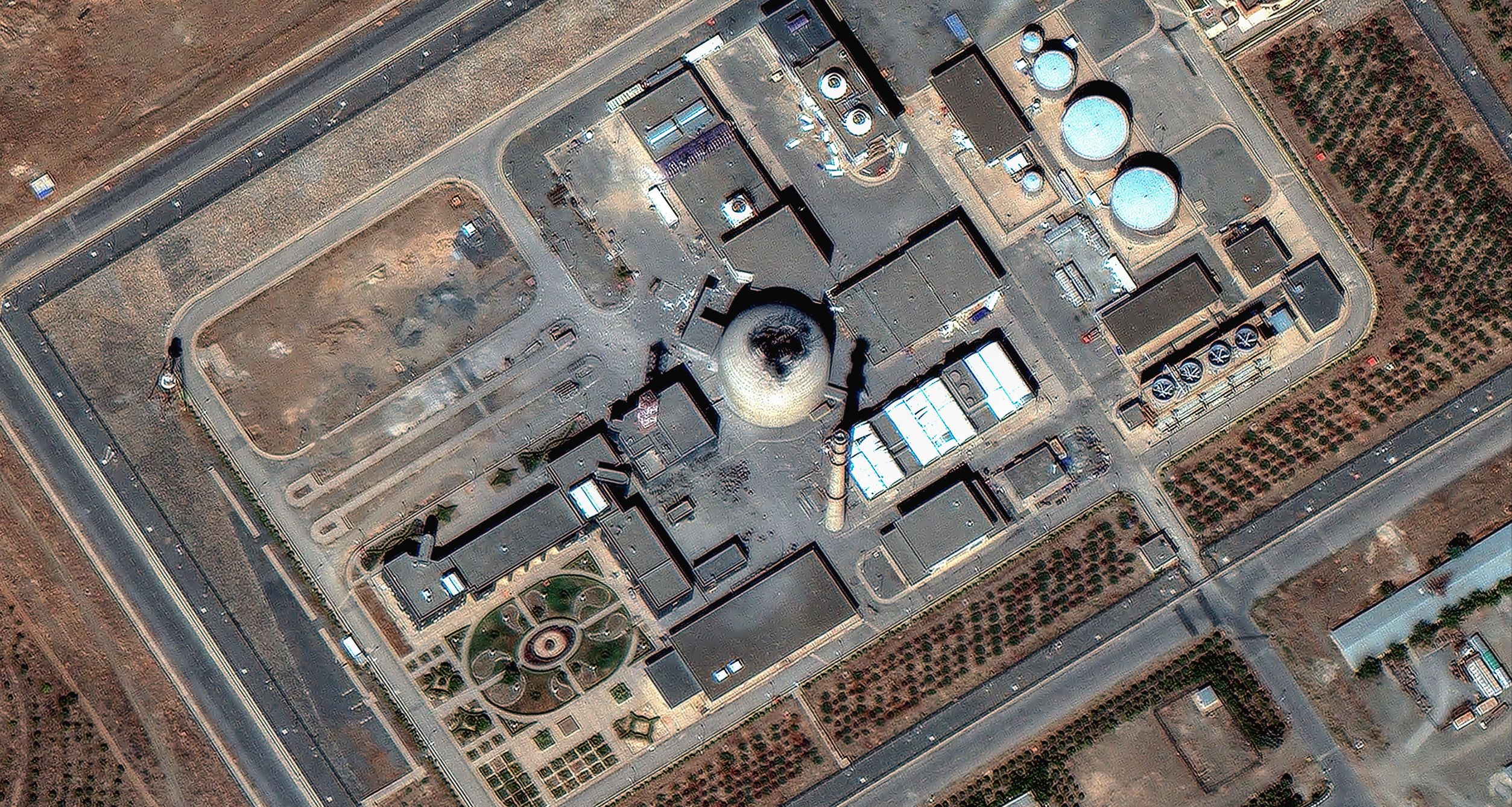
The coming weeks may prove decisive in Europe’s long struggle to manage Iran’s nuclear ambitions. On Aug. 28, the United Kingdom, France, and Germany announced they will trigger the “snapback” sanctions mechanism. Whether Europe’s gamble succeeds will determine both the future of non-proliferation and the credibility of Europe as a strategic actor.
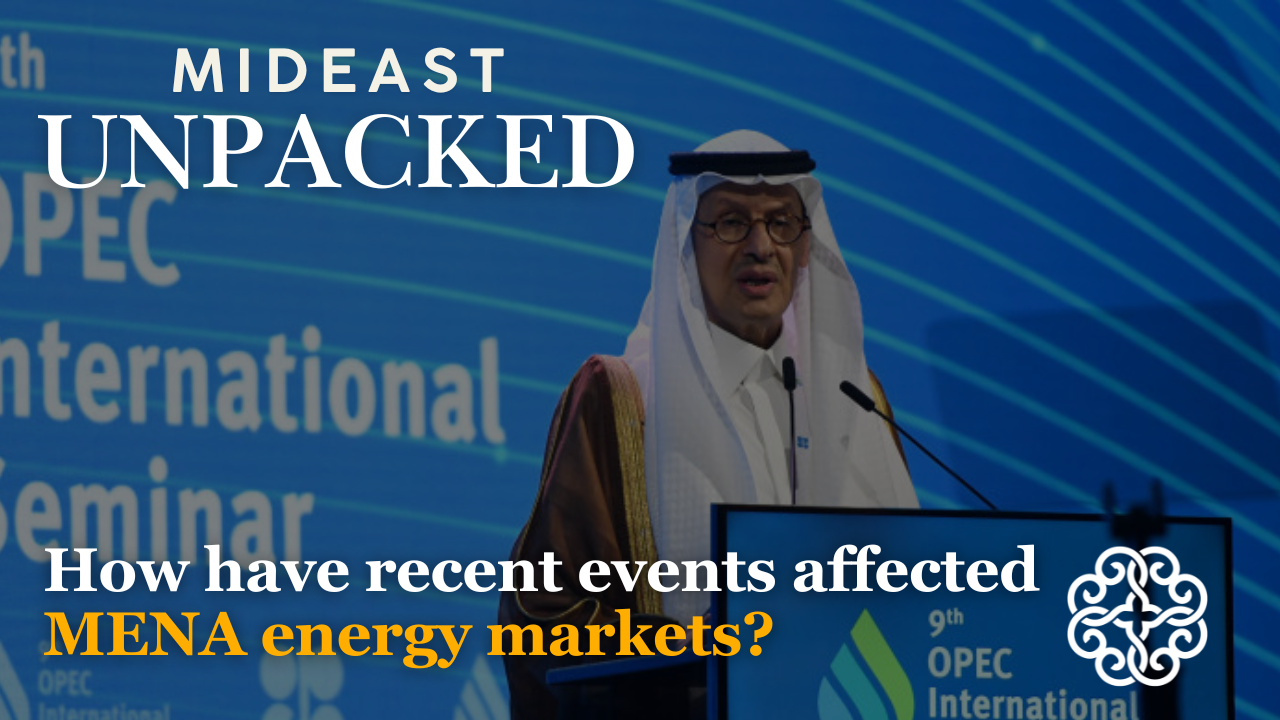
How have recent events affected MENA energy markets?
“The first half of 2025 has been a whirlwind for global energy markets,” says MEI Senior Fellow Colby Connelly. The 12-day war between Israel and Iran this past June briefly sent oil prices into the $80 per barrel range, while growing uncertainty around trade policy under President Trump has greatly complicated Middle Eastern actors’ investment decisions. Connelly breaks down these developments and outlines what to watch in the months ahead.
As the dog days of August approach, we are pleased to share a curated summer reading list featuring some of VP for Policy Ken Pollack’s favorite books on the region. Covering a variety of timely and engaging topics, the list offers recommendations for anyone interested in deepening their understanding of the Middle East.
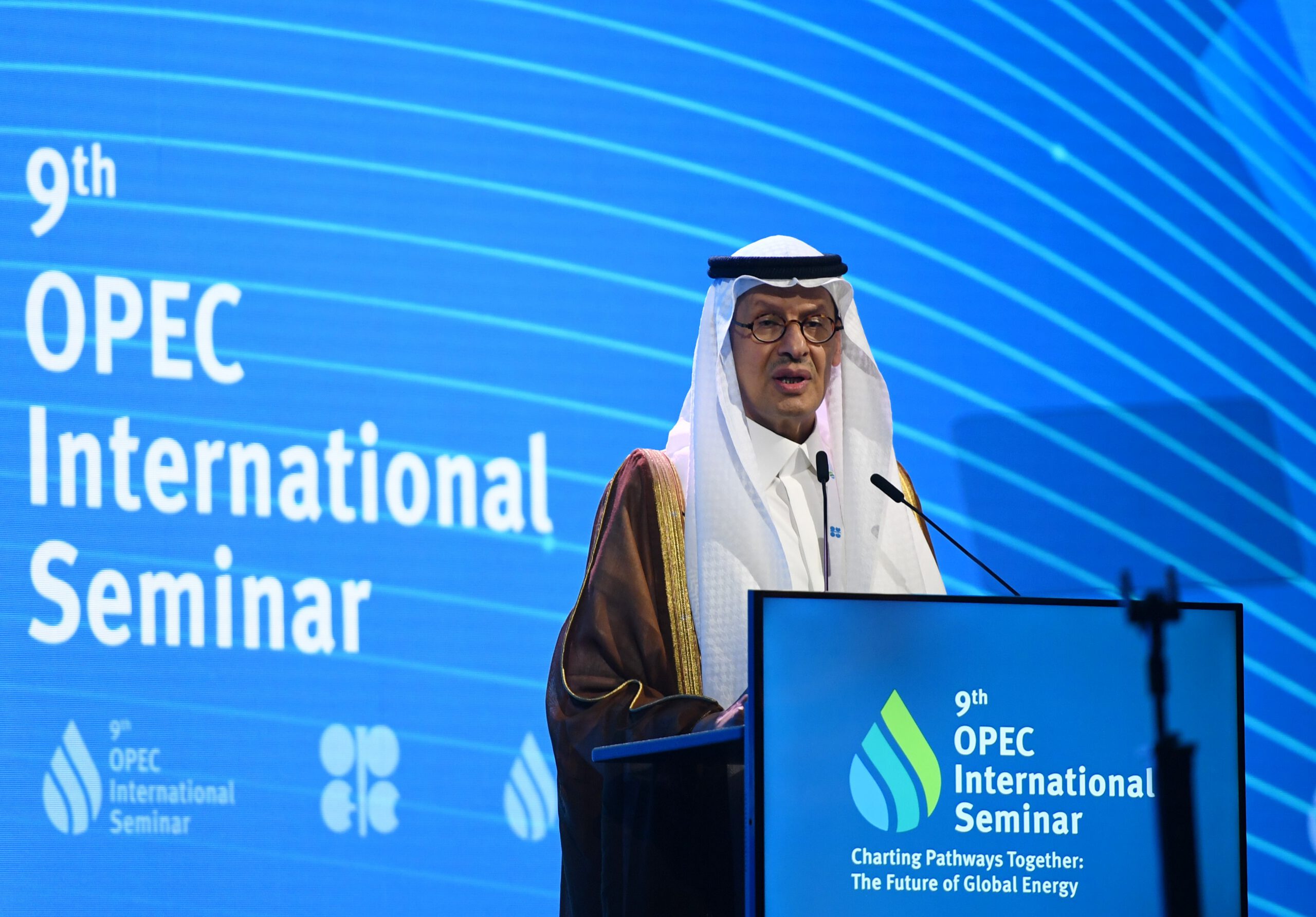
MENA Energy Recap, Q2-2025: Markets Soften, Resolve Hardens, Investments Grow
The MENA Energy Recap is a quarterly review of key energy developments that took place in the region from April through June of 2025 and what they signal in the months ahead. The Recap views these developments through the lens of policy and strategy, energy security, and markets.
The 12-day Israel-Iran war: China’s response and its implications
Last June’s Israel-Iran conflict became a revealing stress test for Beijing’s Middle East strategy, its role in global diplomacy, and the coherence of what some have described as an emergent “Axis of Upheaval” between China, Russia, and Iran.
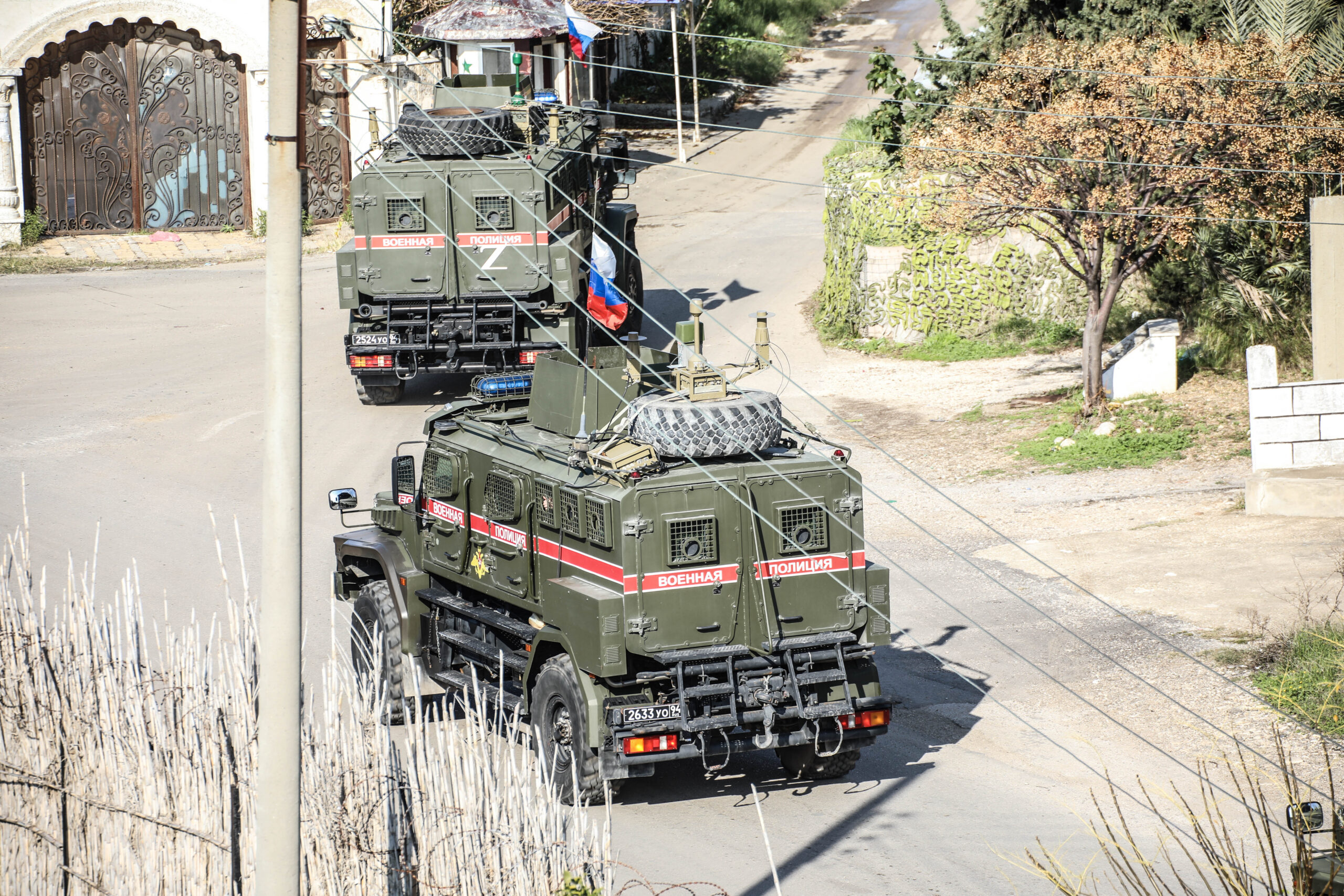
Russia’s military presence in post-Assad Syria: A growing security liability undermining stability
Six months since the collapse of the Assad regime, the Russian military presence in Syria has remained entrenched in strategic locations such as the Hmeimim airbase and Tartous port on the coast, as well as at Qamishli airport in the northeast. This persistence has reignited an increasingly pressing debate about Moscow’s role in the new Syria.
After the 12-Day War: Iran, Israel, and the Future Regional Order
The dust has barely settled following the dramatic 12-day war between Israel and Iran, but its political and strategic reverberations are already shaping the future of the Middle East. In this episode of Middle East Focus, Ross Harrison, senior fellow and book series editor at the Middle East Institute, joins hosts Alistair Taylor and Matthew Czekaj to assess what comes next — from Tehran’s internal power recalibrations to the future of Iran’s forward defense strategy, and shifting regional alliances.
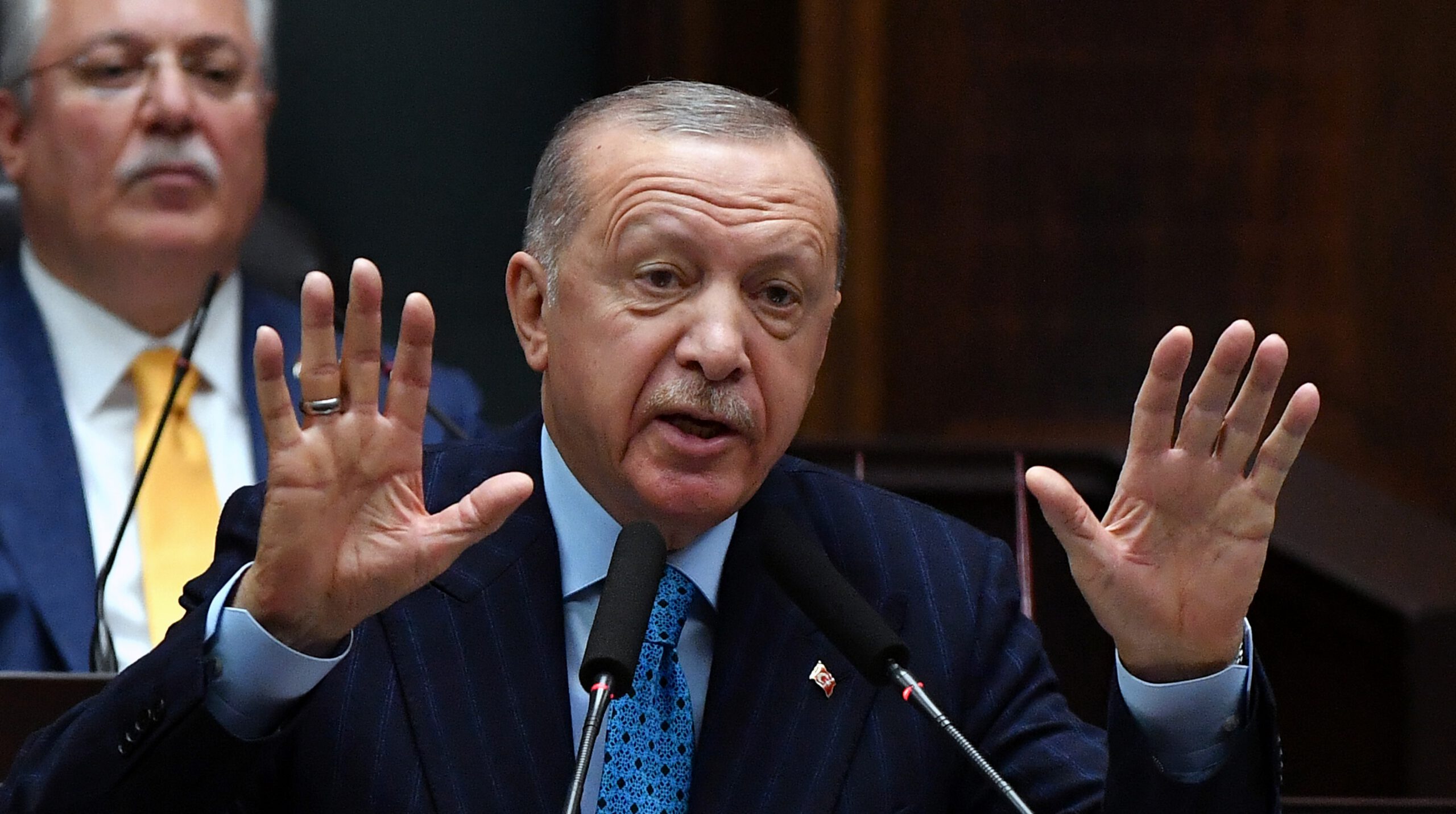
Caught in the crossfire: How the Iran-Israel war undermines Erdoğan’s agenda
Israel’s full-blown war against Iran threatens to upend regional dynamics and Turkey’s careful balancing act. The conflict presents both immediate threats and long-term strategic risks for Turkey.
US has an opening to force concessions from Iran in a potential deal
As the Israel-Iran conflict intensifies, warnings are growing louder that the war could result in hazardous and destructive radiological spillover to much of the region. But the posturing of various key actors in the Gulf and beyond has opened the door to a broader political settlement between the United States and Iran that could end the hostilities before such a dangerous scenario comes to pass.
The Iran-Israel Conflict and the Future of the Iranian Regime
Senior Fellow Alex Vatanka joins hosts Alistair Taylor and Matthew Czekaj to examine the dramatic escalation between Israel and Iran following Israel’s targeted strikes on Iranian nuclear sites, infrastructure, and senior IRGC officials. Vatanka discusses how the Iranian regime is responding, the risk of wider regional conflict, and whether the current campaign could mark the beginning of the end for the Islamic Republic.
Near-term progress in a renewed nuclear agreement between the United States and Iran could add further downward pressure to a delicate oil market, potentially heralding more fiscal pain for Gulf oil producers and complicating US energy strategy.
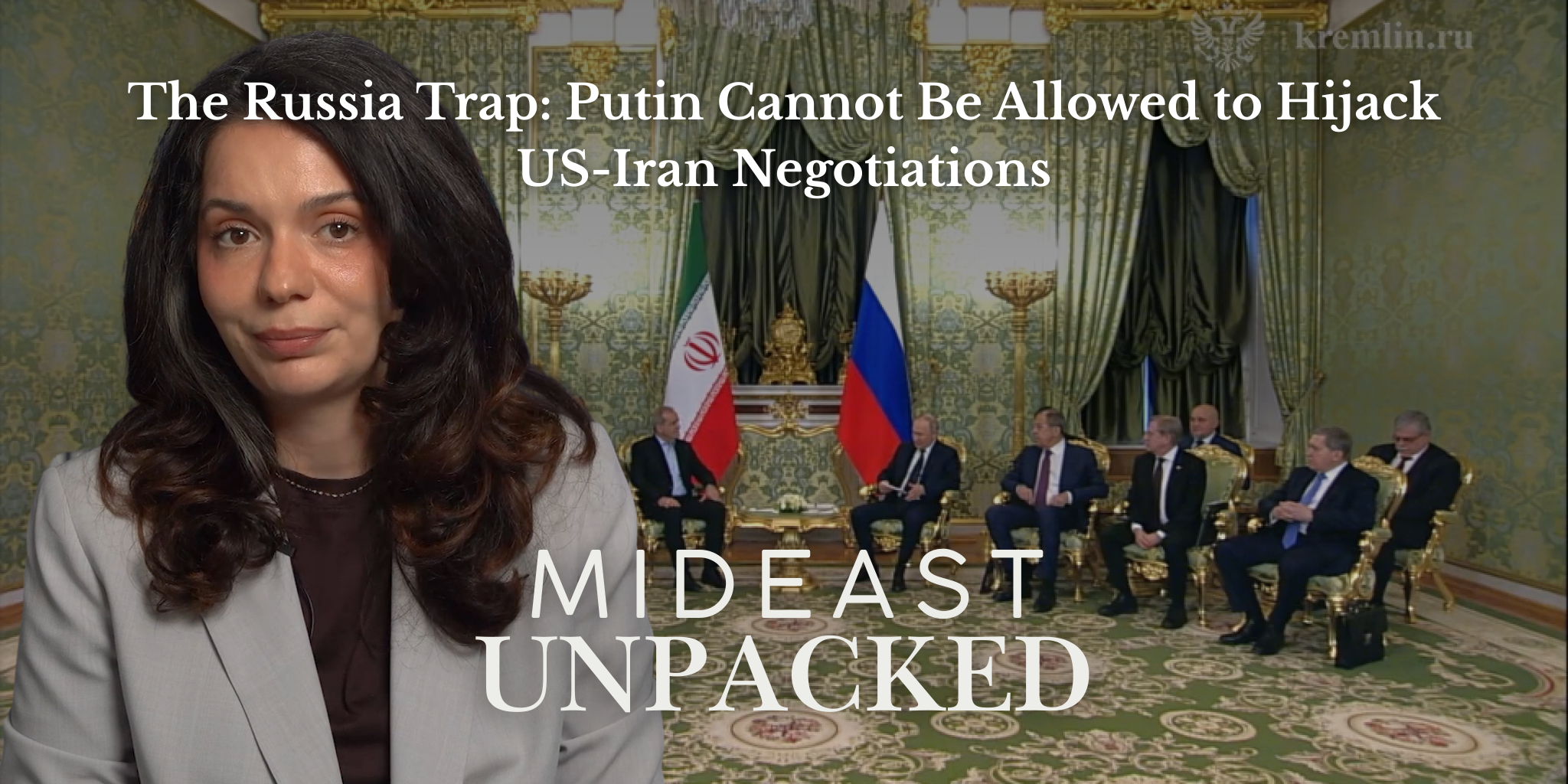
The Russia Trap: Putin Cannot Be Allowed to Hijack US-Iran Negotiations
MEI Senior Fellow Iulia Joja delivers a sharp and timely warning against Russia being offered a direct role in US-Iran negotiations. Far from acting as a neutral broker, Moscow wants to leverage this moment to reshape the balance of power in the Middle East. From meetings in Muscat to tightening alliances with Tehran and Beijing, Joja unpacks how Putin’s diplomacy is less about peace — and more about building up Russian influence against the US. Washington should be paying close attention.
Iran appears to be reorienting its approach to diplomatic engagement with its neighbors and the West by prioritizing the economic benefits of cooperation. A possible withdrawal of support for the Houthis is the latest significant potential outcome of Iran’s shifting stance. The following are five factors to watch for as a Tehran under duress reformulates its policies.
Can Ukraine’s fight for democracy survive without US support?
Ukraine faces a pivotal year in its fight against Russian aggression — and for its democratic future. With fears mounting that President Trump could abandon peace talks with Kyiv and Moscow, the risk grows that US disengagement could tip the balance toward Russia and fracture the global democratic order.
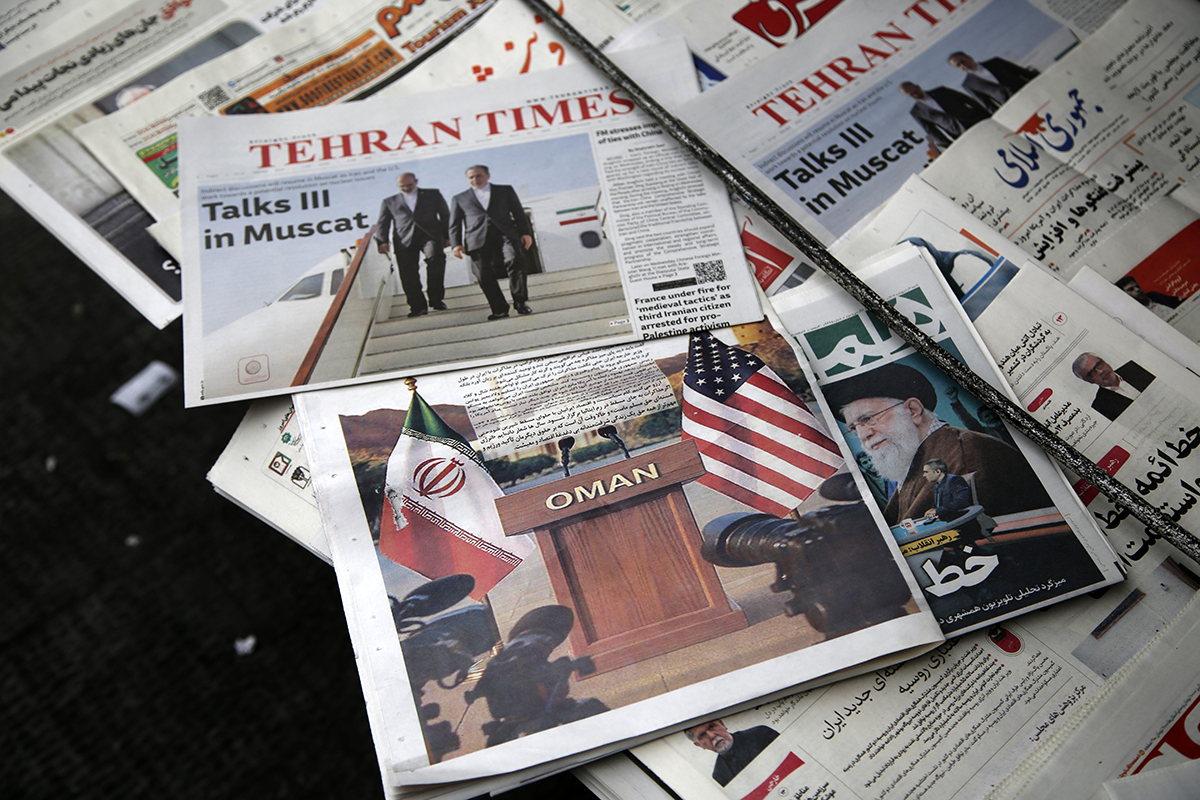
US-Iran Nuclear Talks: A Fragile Opening for Diplomacy
Following seven years of diplomatic deadlock, Washington and Tehran have resumed nuclear negotiations — and for the first time in years, there are signs of real momentum.
Alex Vatanka, MEI Senior Fellow and author of The Battle of the Ayatollahs in Iran, joins hosts Alistair Taylor and Matthew Czekaj to analyze the current round of talks, the technical issues under discussion, and the political stakes on both sides. He explores Iran’s economic and domestic pressures, US red lines, and the role of key players like Israel, China, and Oman in shaping the negotiations.