Lebanon’s monetary crisis and the future of the Central Bank
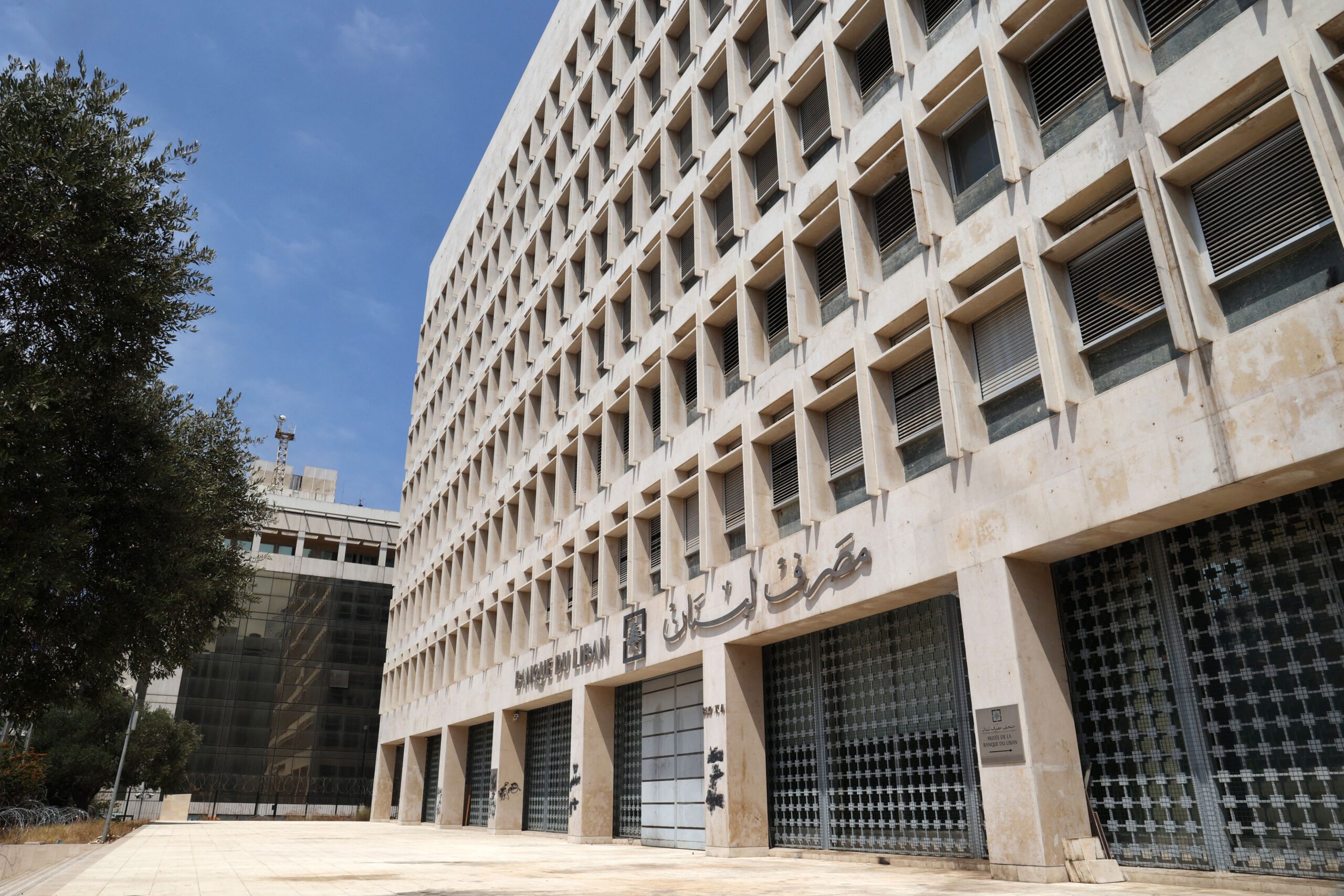
While the banking crisis remains unresolved, there is still ample scope for Lebanon’s central bank to advance reforms and set the stage for a sustainable economic recovery even without a comprehensive reform program supported by the IMF.
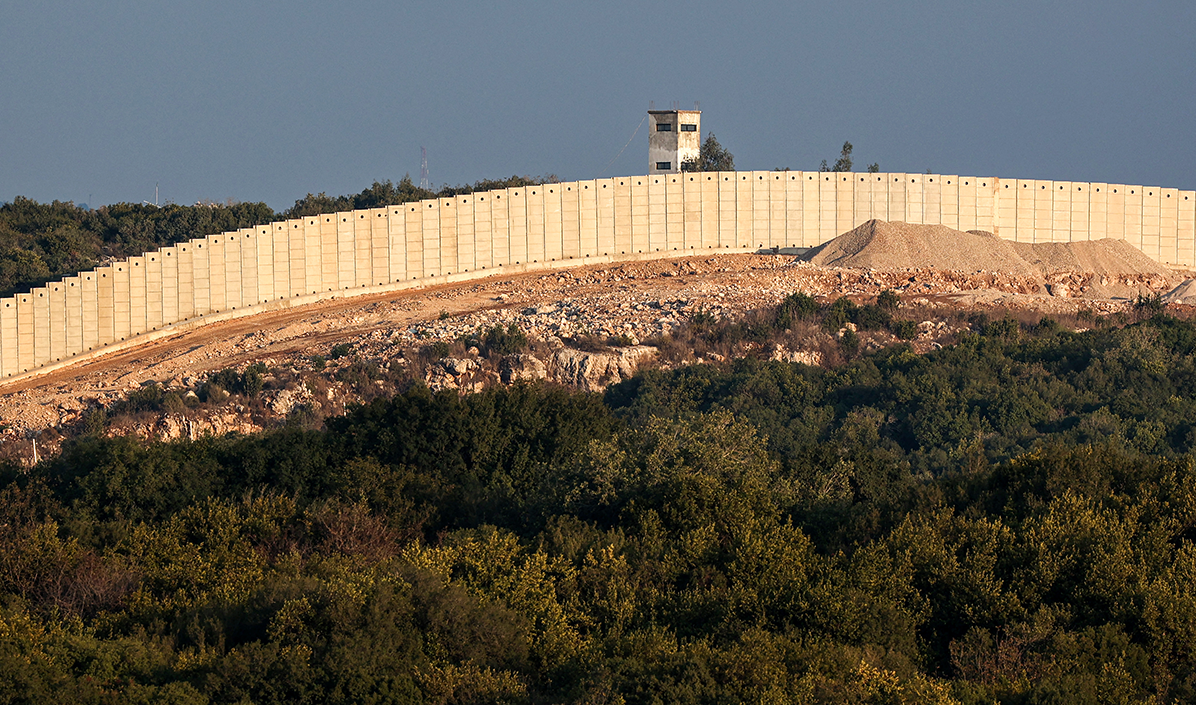
The central challenge facing Lebanon today is whether the country will graduate to functional statehood or continue struggling to survive. Yet with Lebanese officials now insisting that the state “monopolize arms” and become the decisive arbiter on matters of war and peace, a relevant question arises: Where, territorially, does Lebanon begin and end?
To encourage and incentivize long-overdue structural reforms, the European Union and the broader international community should adopt a more proactive, hands-on approach to Lebanon. The current context calls for an approach that balances assistance delivery with active support to the Lebanese government in its quest to reform and rebuild the state.
Silent leverage, quiet gains? China and the Saudi-Pakistan defense pact
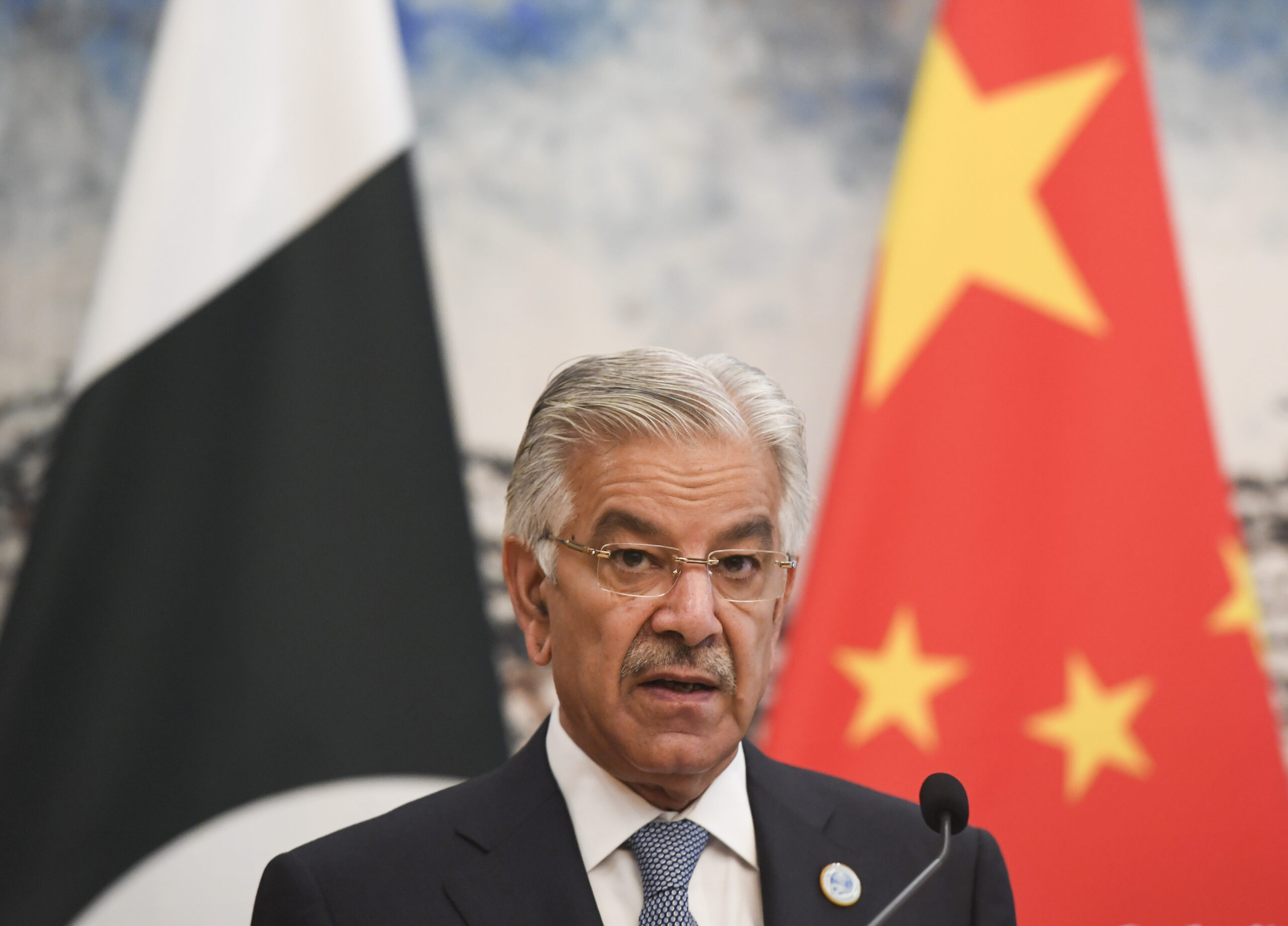
The Strategic Mutual Defense Agreement (SMDA) between Saudi Arabia and Pakistan, signed in Riyadh on September 17, is far more than a bilateral pledge. It represents a profound reordering of alignments in the Gulf and South Asia, reflecting and reinforcing the broader erosion of US preeminence in the Eurasian security architecture. While much of the initial commentary centered on the striking commitment of a wealthy Gulf monarchy to the defense of a nuclear-armed South Asian state, as well as the question of whether Pakistan had in fact extended its nuclear umbrella to Saudi Arabia, the deeper story is arguably China’s potential advance.
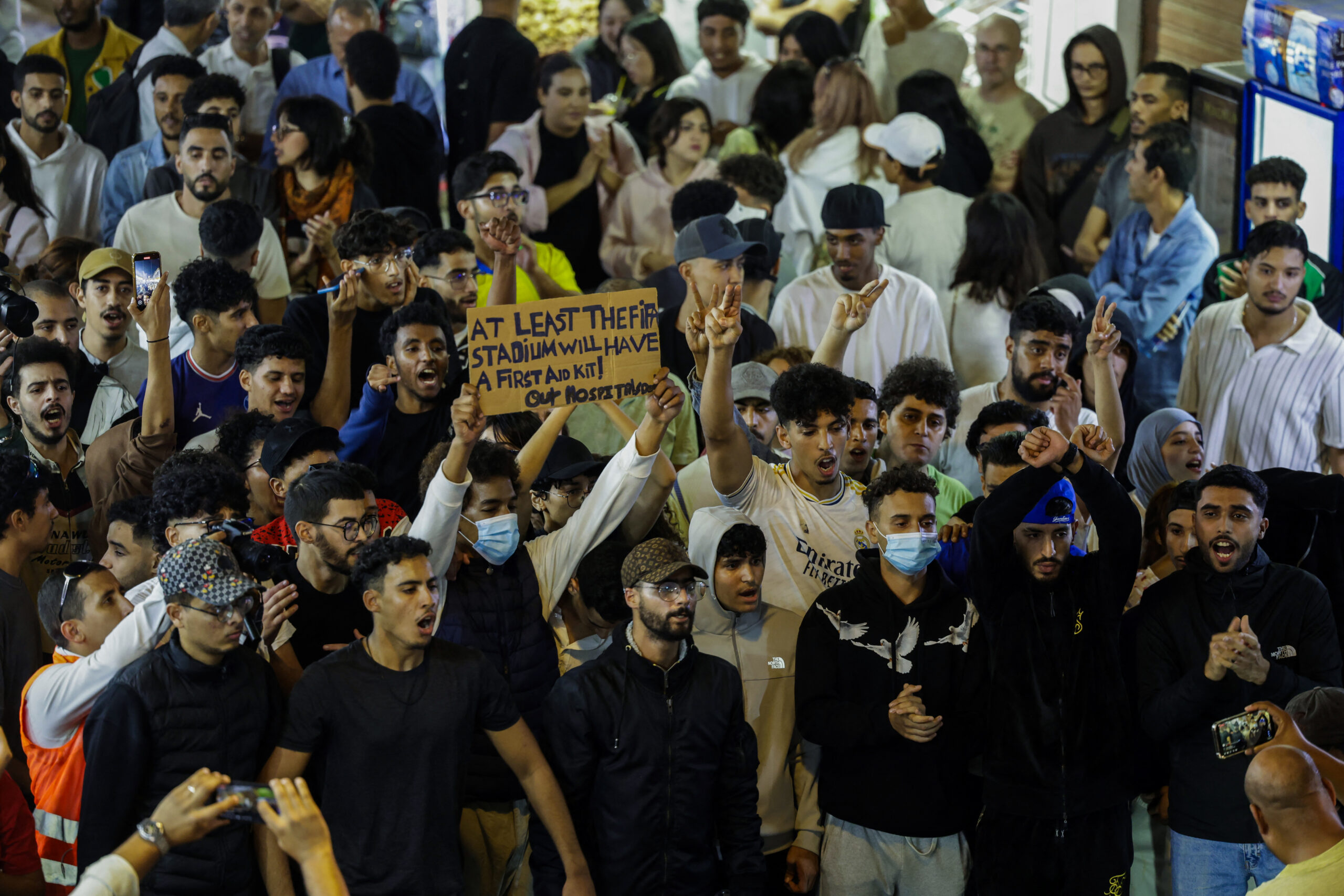
Moroccan youth angrily protest government’s failed development promises
Hundreds of young Moroccans are protesting across 11 cities since September 27 under the banner “GenZ 212.” The central trigger behind the demonstrations has been a deep popular frustration with Morocco’s persistent inability to deliver on its development plans and promises. This sort of broad disaffection will be challenging for the government to address quickly and credibly.
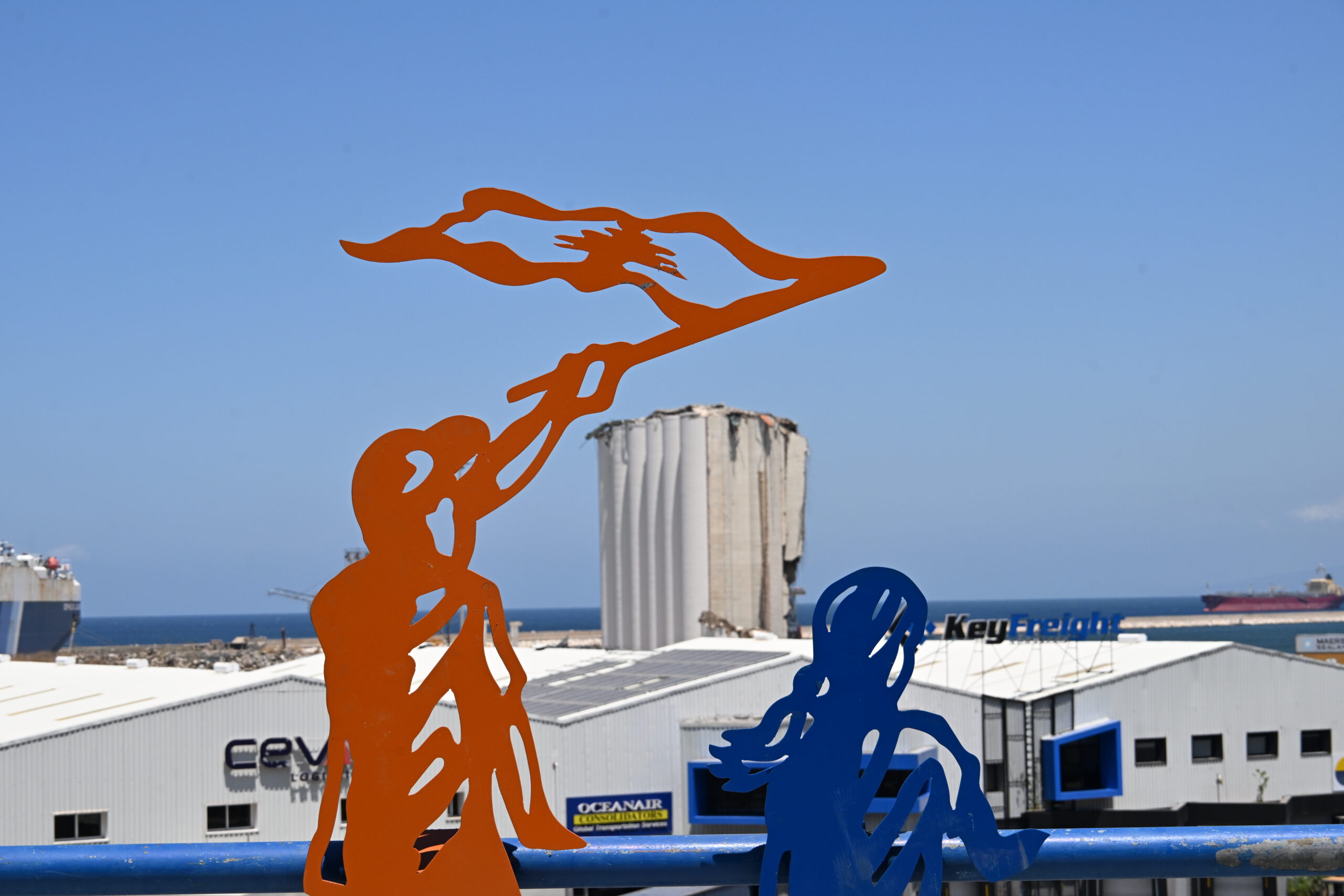
Once hailed as a rare democracy in the Middle East, Lebanon has now slipped into the ranks of closed autocracies. Decades of corruption, sectarian rule, and foreign meddling have left the country reeling — and the past year brought assassinations, mass displacement, and Israel’s full-scale war against Hezbollah in the south. With its economy in free fall and its political system on life support, Lebanon stands at a crossroads: could shifts in regional power, efforts to disarm Hezbollah, and a change in leadership pave the way for recovery, or will instability deepen?
The coming weeks may prove decisive in Europe’s long struggle to manage Iran’s nuclear ambitions. On Aug. 28, the United Kingdom, France, and Germany announced they will trigger the “snapback” sanctions mechanism. Whether Europe’s gamble succeeds will determine both the future of non-proliferation and the credibility of Europe as a strategic actor.
President Masoud Pezeshkian’s first year in office has been defined by Iran’s familiar political structural constraints, external crises, and a moderate-reformist base forever frustrated with his cautious pragmatism and unfulfilled promises. His July 2024 election was undeniably a setback for hardliners. Yet one year later, the assessment is sobering: While Pezeshkian has in some ways perhaps helped in slowing the hardline march, he has not made any fundamental difference in how the Islamic Republic is run. Every decision requires second-guessing Supreme Leader Ali Khamenei’s next move, and even as a president boxed in by the system with limited powers, he is constantly under the sword of Damocles.
Egypt and Gaza: Conflict, Crisis, and the Path to a Ceasefire
With the dire humanitarian crisis in Gaza in the global spotlight, Egypt faces mounting pressure both at home and abroad. In this episode of Middle East Focus, hosts Alistair Taylor and Matthew Czekaj speak with MEI Senior Fellow Mirette Mabrouk about how Cairo is handling the crisis in the neighboring coastal strip. What are the Egyptian government’s main concerns as conditions there continue to deteriorate? How is Egypt responding to domestic outrage and changing international dynamics?
As the dog days of August approach, we are pleased to share a curated summer reading list featuring some of VP for Policy Ken Pollack’s favorite books on the region. Covering a variety of timely and engaging topics, the list offers recommendations for anyone interested in deepening their understanding of the Middle East.
The 12-day Israel-Iran war: China’s response and its implications
Last June’s Israel-Iran conflict became a revealing stress test for Beijing’s Middle East strategy, its role in global diplomacy, and the coherence of what some have described as an emergent “Axis of Upheaval” between China, Russia, and Iran.
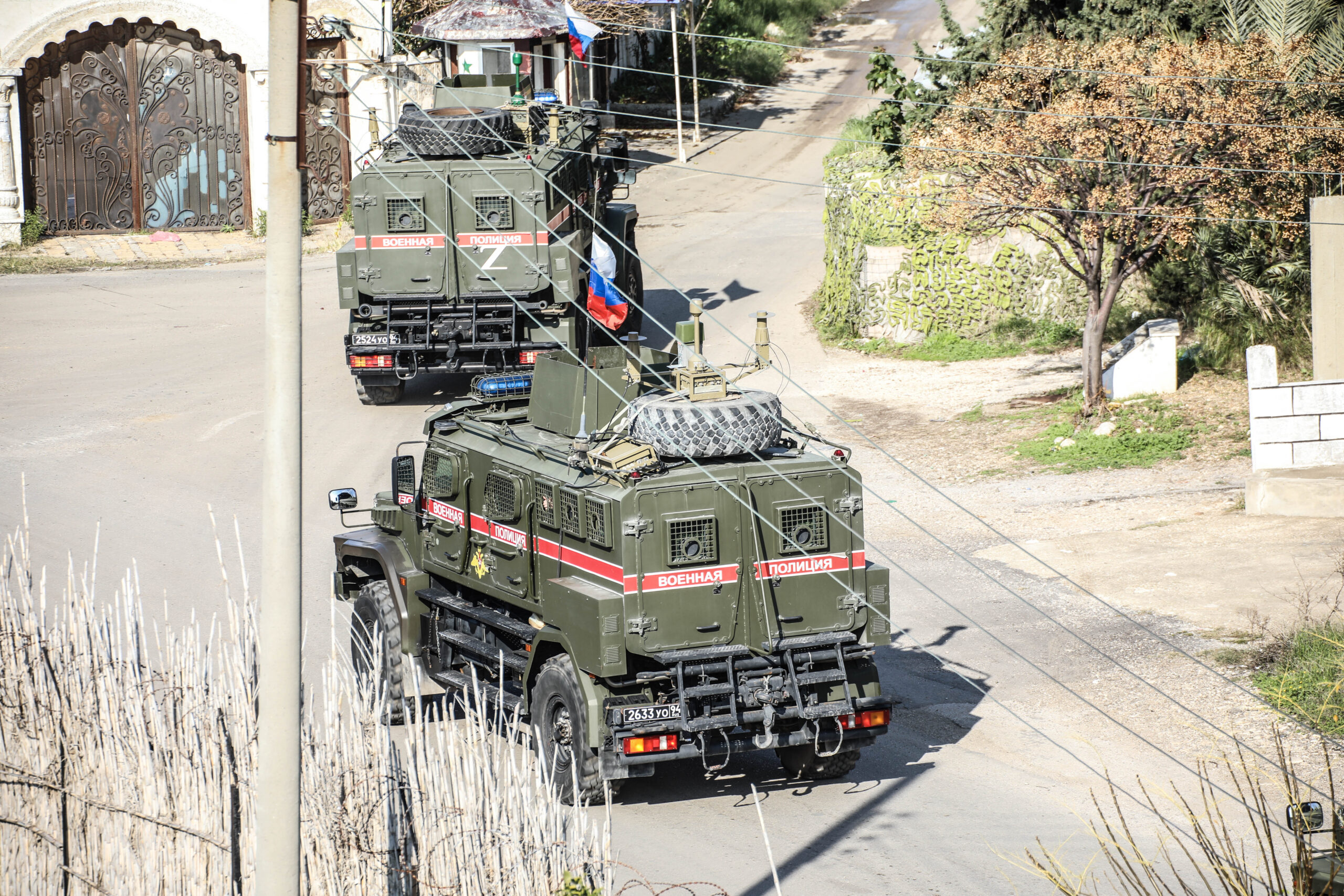
Russia’s military presence in post-Assad Syria: A growing security liability undermining stability
Six months since the collapse of the Assad regime, the Russian military presence in Syria has remained entrenched in strategic locations such as the Hmeimim airbase and Tartous port on the coast, as well as at Qamishli airport in the northeast. This persistence has reignited an increasingly pressing debate about Moscow’s role in the new Syria.
Syria After Assad: Transitional Justice, Governance, and the Road Ahead
With Bashar al-Assad ousted and Syria entering a new political chapter, what comes next for a country ravaged by war, repression, and sectarian divisions? Gonul Tol speaks with Steven Heydemann (Smith College) and Radwan Ziadeh (Arab Center Washington DC) about the challenges of transitional justice, prospects for democratic reform, and the role of Syria’s new de facto leader, Ahmed al-Sharah. Can a centralized government model provide inclusive governance? What kind of support—or interference—should Syrians expect from foreign powers?
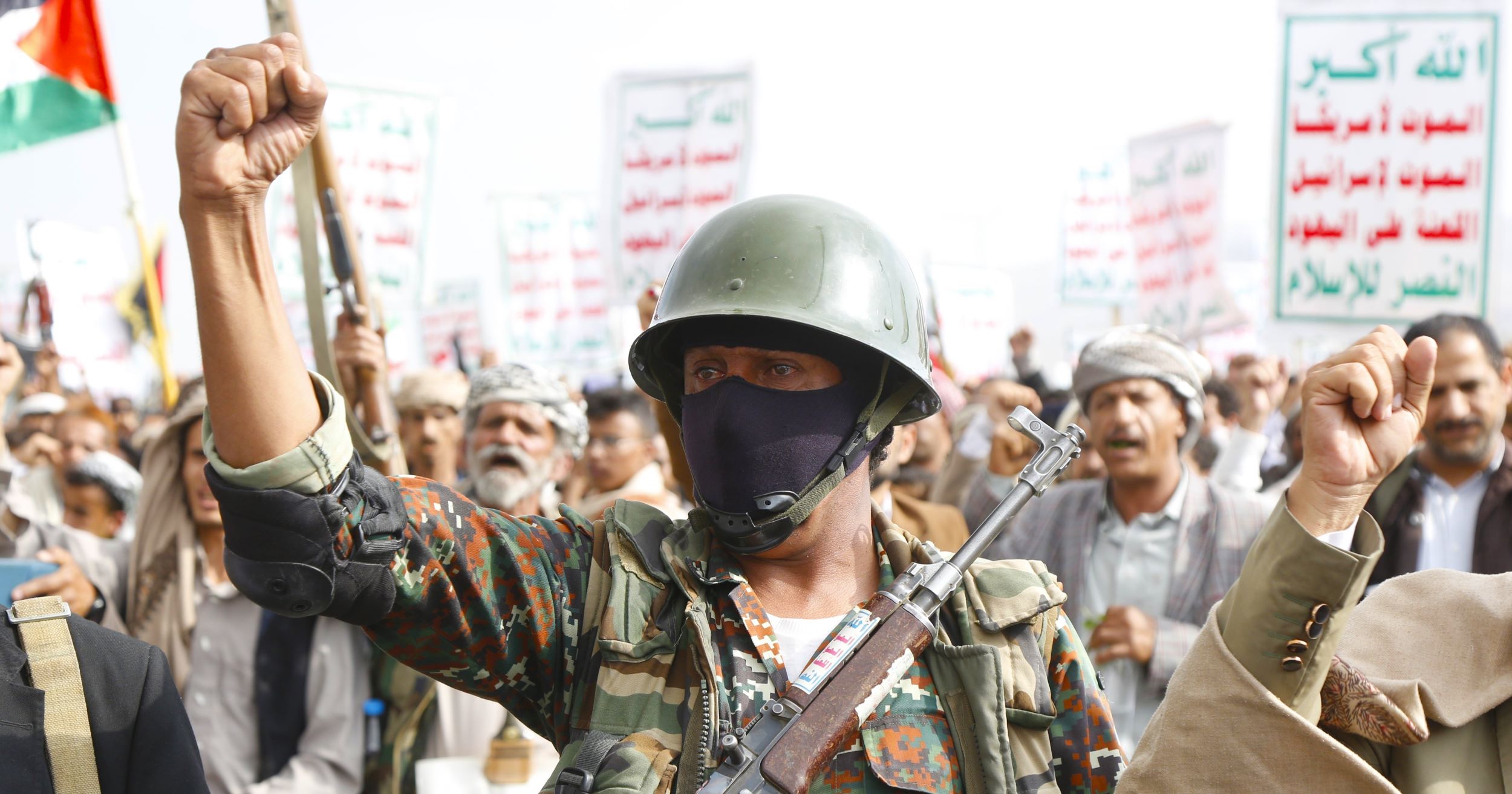
The balance of power in Yemen after the US-Houthi cease-fire
The May 6 cease-fire between the United States and the Houthi militia in Yemen has had a consolidating effect on the balance of power inside the war-torn state and hardened the status quo of the country’s civil war. In turn, the outcome of Israel and Iran’s subsequent 12-day war has the potential to temporarily shake up this status quo once again; but Yemen’s fracturing anti-Houthi coalition is unlikely to be able to exploit that opportunity.
After the 12-Day War: Iran, Israel, and the Future Regional Order
The dust has barely settled following the dramatic 12-day war between Israel and Iran, but its political and strategic reverberations are already shaping the future of the Middle East. In this episode of Middle East Focus, Ross Harrison, senior fellow and book series editor at the Middle East Institute, joins hosts Alistair Taylor and Matthew Czekaj to assess what comes next — from Tehran’s internal power recalibrations to the future of Iran’s forward defense strategy, and shifting regional alliances.