Skip to Content

Research & Commentary Results

Filter by
200 Results
US has an opening to force concessions from Iran in a potential deal
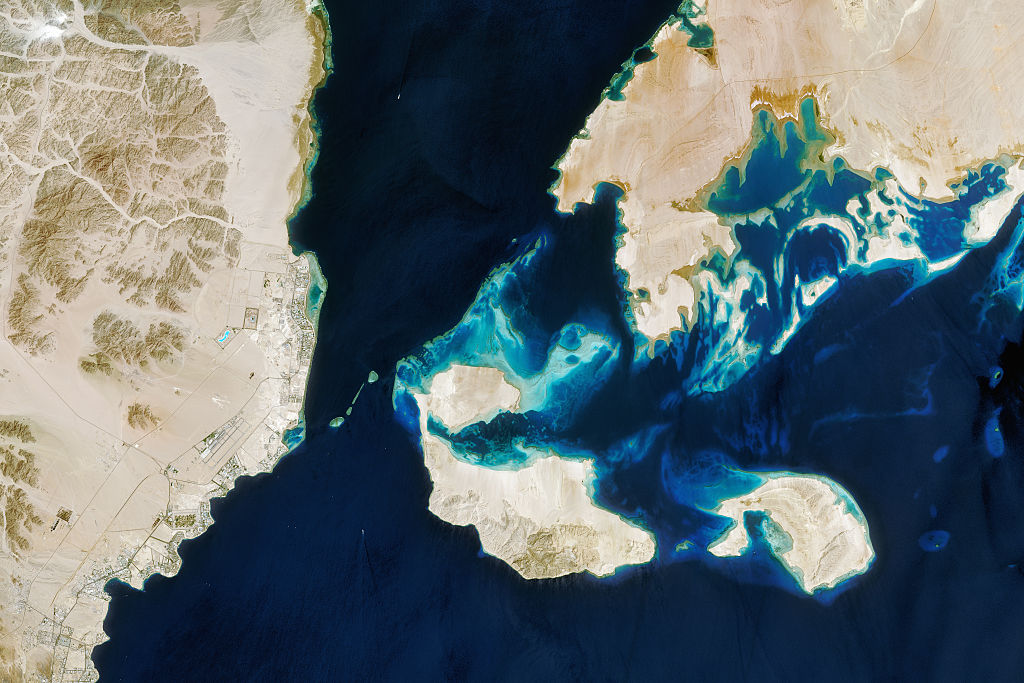
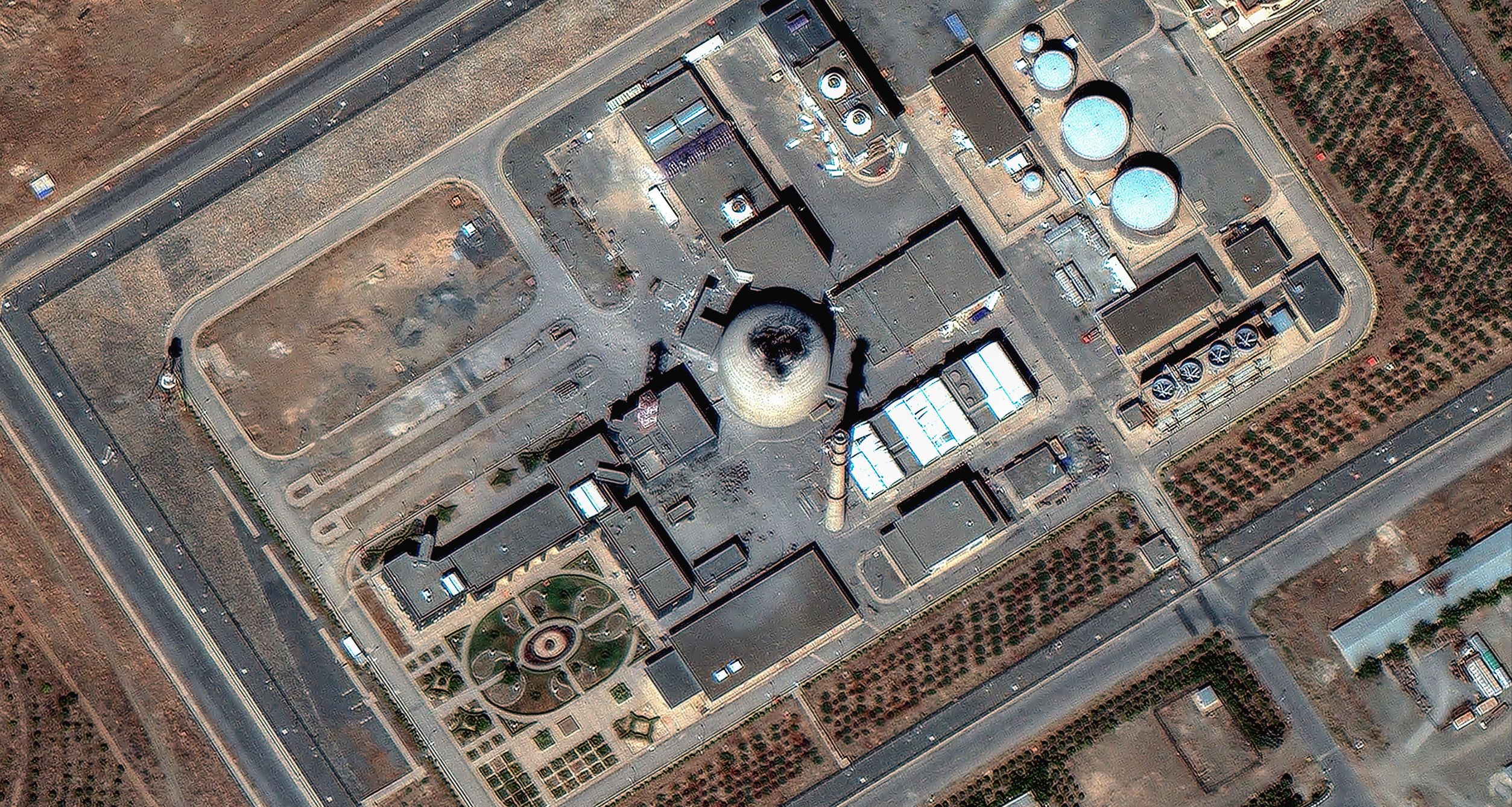
Photo: Satellite image (c) 2025 Maxar Technologies
  • Commentary
  • US has an opening to force concessions from Iran in a potential deal

    As the Israel-Iran conflict intensifies, warnings are growing louder that the war could result in hazardous and destructive radiological spillover to much of the region. But the posturing of various key actors in the Gulf and beyond has opened the door to a broader political settlement between the United States and Iran that could end the hostilities before such a dangerous scenario comes to pass.

    Lebanon at a Crossroads: Sovereignty, Hizballah's Disarmament, and the Road to Reform
  • Podcast
  • Lebanon at a Crossroads: Sovereignty, Hizballah's Disarmament, and the Road to Reform

    MEI Senior Fellow Paul Salem joins the program to assess Lebanon’s rapidly shifting political landscape. With a new president and government promising to enact reforms and reassert sovereignty, Lebanon faces a daunting agenda: disarming Hizballah, rebuilding institutions, navigating regional diplomacy, and restoring the economy.

    June 12, 2025

    Legacies of the four-day Indo-Pakistan war
    Photo by Yawar Nazir/Getty Images
  • Analysis
  • Legacies of the four-day Indo-Pakistan war

    The recent brief yet intense escalation of hostilities between India and Pakistan has further exposed the fragile nature of South Asia’s security landscape. The four-day tit-for-tat cross-border military confrontation between the two nuclear-armed rivals has significantly undermined prospects for normalization, redefining the rules of engagement and signaling a shift in how both countries may manage their relationship moving forward.

    June 4, 2025

    It’s time to end the EU’s Assad-era sanctions on Syria
    Photo by Michele Spatari/NurPhoto via Getty Images
  • Commentary
  • It’s time to end the EU’s Assad-era sanctions on Syria

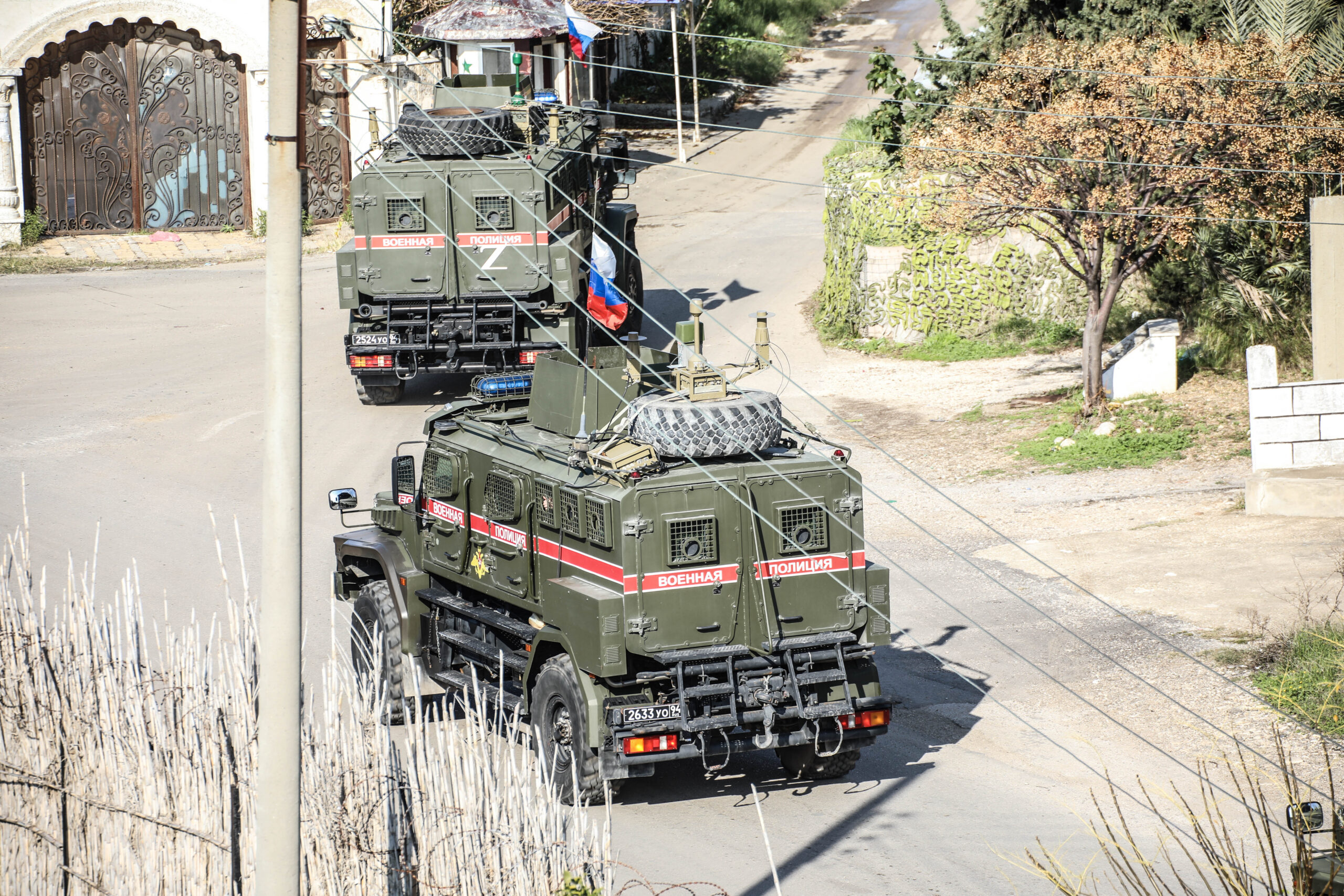
    As the EU prepares for its annual review of sanctions imposed on Syria, it faces a moment of reckoning — an opportunity to demonstrate whether its policies not only continue to be principled and legal, but also in line with its strategic interests. They no longer serve the purpose for which they were designed, and the EU should let the entire sanctions regime on Syria collapse unconditionally and immediately.

    May 6, 2025

    Trump’s domestic political support craters at the 100-day mark before his Middle East trip
    Photo by Bill Pugliano/Getty Images
  • Analysis
  • Trump’s domestic political support craters at the 100-day mark before his Middle East trip

    President Donald Trump reached the 100-day mark in his second term this week seeing a sharp drop in his domestic political standing. This comes less than two weeks before Trump embarks on a key Middle East trip to the Gulf. The administration may be looking to the presidential visit as a chance to achieve some progress, but the region remains fraught with uncertainty and US policy in the Middle East rarely provides domestic political dividends.

    US-Iran Nuclear Talks: A Fragile Opening for Diplomacy
  • Podcast
  • US-Iran Nuclear Talks: A Fragile Opening for Diplomacy

    Following seven years of diplomatic deadlock, Washington and Tehran have resumed nuclear negotiations — and for the first time in years, there are signs of real momentum.

    Alex Vatanka, MEI Senior Fellow and author of The Battle of the Ayatollahs in Iran, joins hosts Alistair Taylor and Matthew Czekaj to analyze the current round of talks, the technical issues under discussion, and the political stakes on both sides. He explores Iran’s economic and domestic pressures, US red lines, and the role of key players like Israel, China, and Oman in shaping the negotiations.

    April 24, 2025

    Thinking the unthinkable: Improved US-Iran relations under Trump?
    Photo by Morteza Nikoubazl/NurPhoto via Getty Images
  • Analysis
  • Thinking the unthinkable: Improved US-Iran relations under Trump?

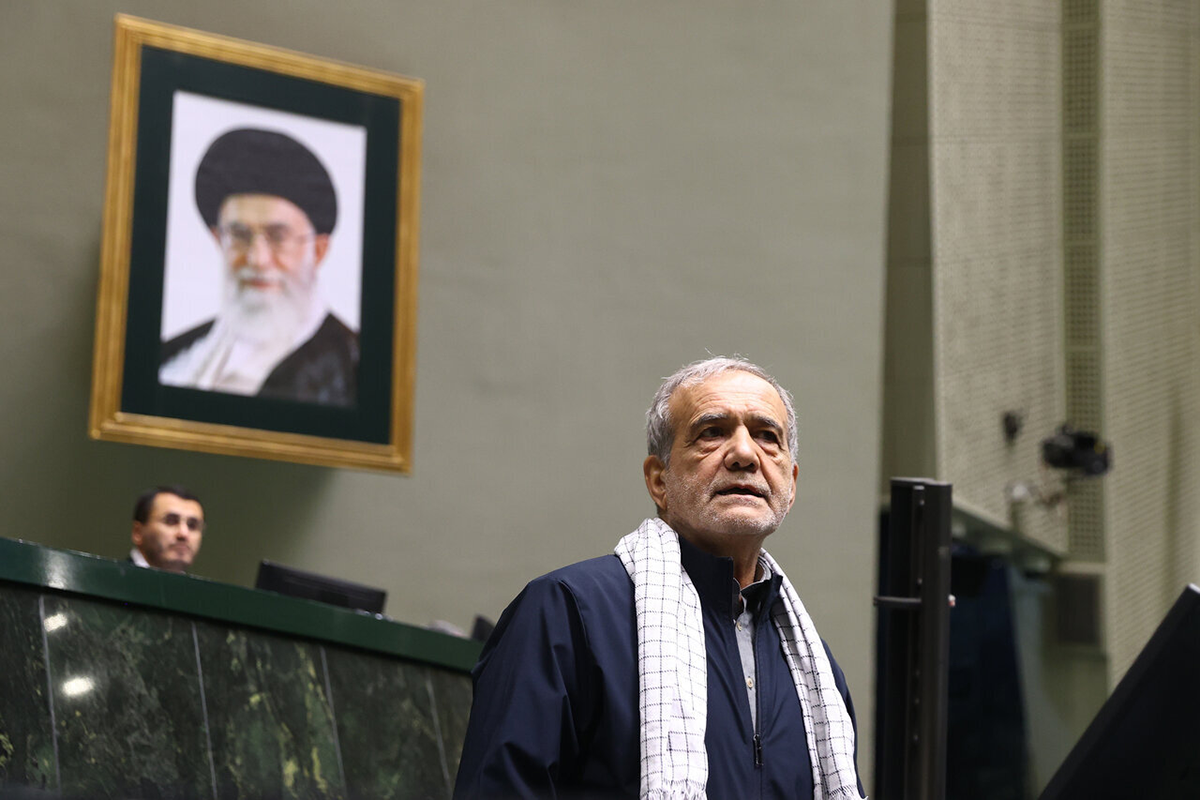
    It is no surprise that both Iran and the United States have approached their first diplomatic engagement in four years with wariness. There are plenty of reasons to be skeptical about the probability of the negotiations culminating in a deal. But it would be a mistake to assume that the conditions in 2025 are the same as existed in 2015. Time is not on the Iranians’ side now and changes afoot in the Middle East and the broader global community give Iran an incentive to move toward an agreement, assuming that Washington is sincere and realistic in its negotiations with Tehran.

    The first two months of Trump 2.0 in the Middle East: Hard push for elusive breakthroughs
    Photographer: Chris Kleponis/CNP/Bloomberg via Getty Images
  • Analysis
  • The first two months of Trump 2.0 in the Middle East: Hard push for elusive breakthroughs

    President Donald Trump is focused on realizing two transformative breakthroughs that his predecessors failed to accomplish: an end to the Arab-Israeli conflict, centered on a tripartite US-Saudi-Israeli deal, and an agreement between the US and Iran. Both would be historic achievements. So far, however, progress in each case has proven difficult and plodding.

    April 1, 2025

    A nuclear Middle East is not a secure Middle East
    Photo by Morteza Nikoubazl/NurPhoto via Getty Images
  • Commentary
  • A nuclear Middle East is not a secure Middle East

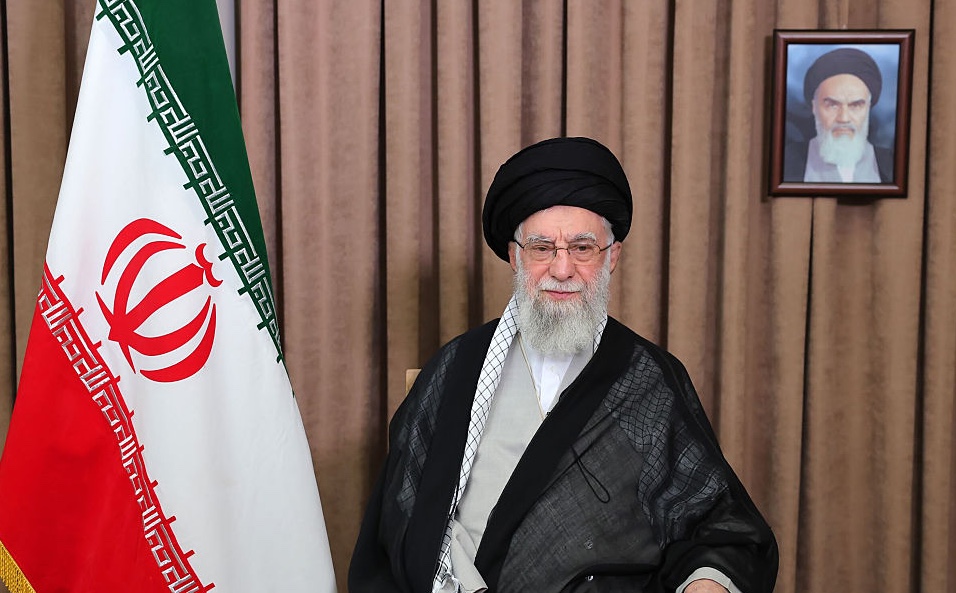
    Iran is accumulating enough near-weapons-grade enriched uranium to build a nuclear weapon within weeks or months, not years. President Donald Trump, having withdrawn the United States in 2018 from the nuclear deal that would have postponed that possibility, is now appealing for negotiations with Tehran. But in the Middle East, the nuclear question does not concern only Iran.

    March 25, 2025

    Sovereignty first: Reshaping international cooperation in North Africa
    Photo by UAE Presidential Court / Handout/Anadolu via Getty Images
  • Analysis
  • Sovereignty first: Reshaping international cooperation in North Africa

    Countries in North Africa and around the world are increasingly prioritizing a strict definition of sovereignty and tending toward transactional diplomacy. Understanding the motivations behind North Africa’s “sovereignty-first” approach can help the United States and Europe build mutually beneficial and durable links with the region in this new reality.