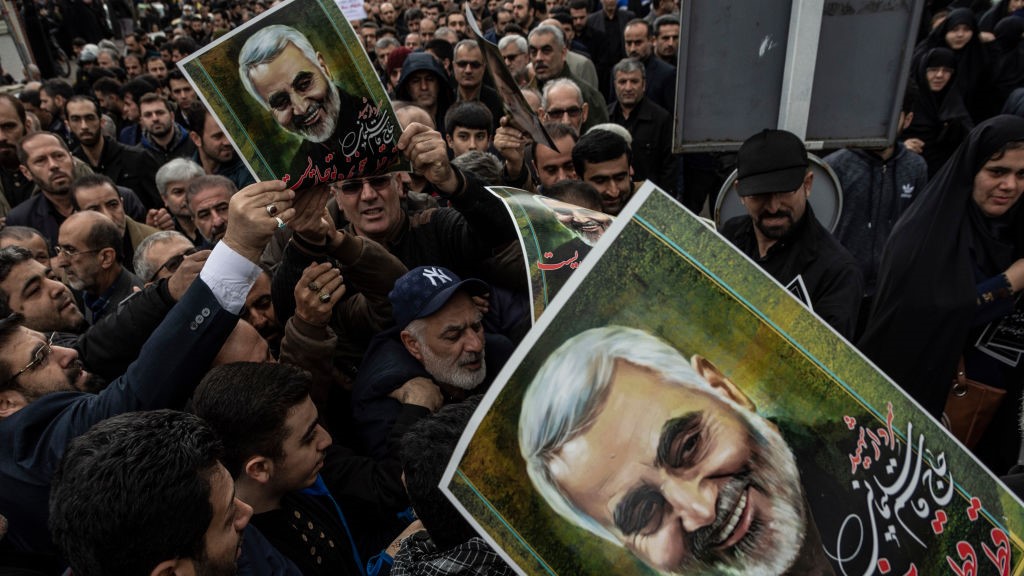
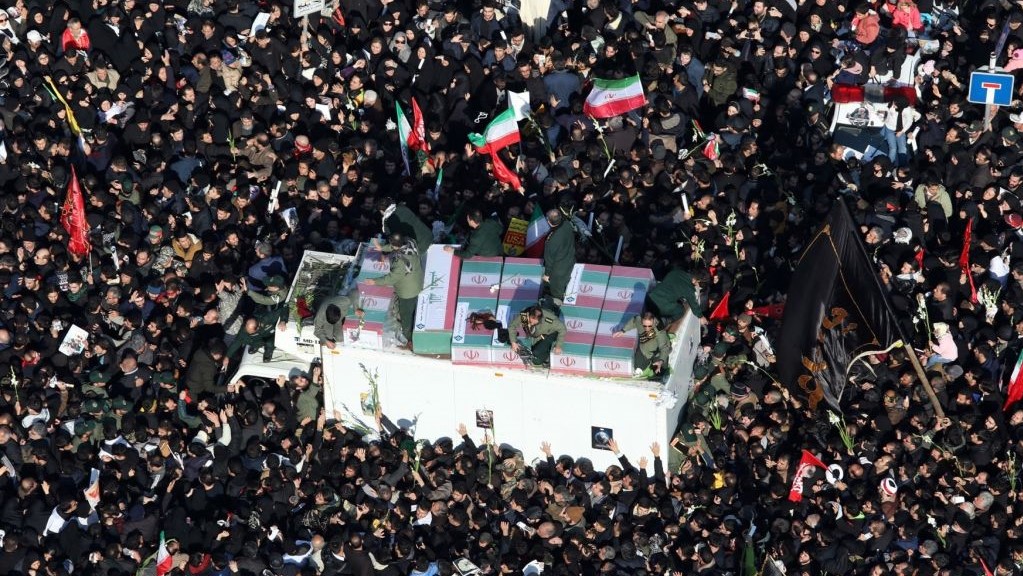
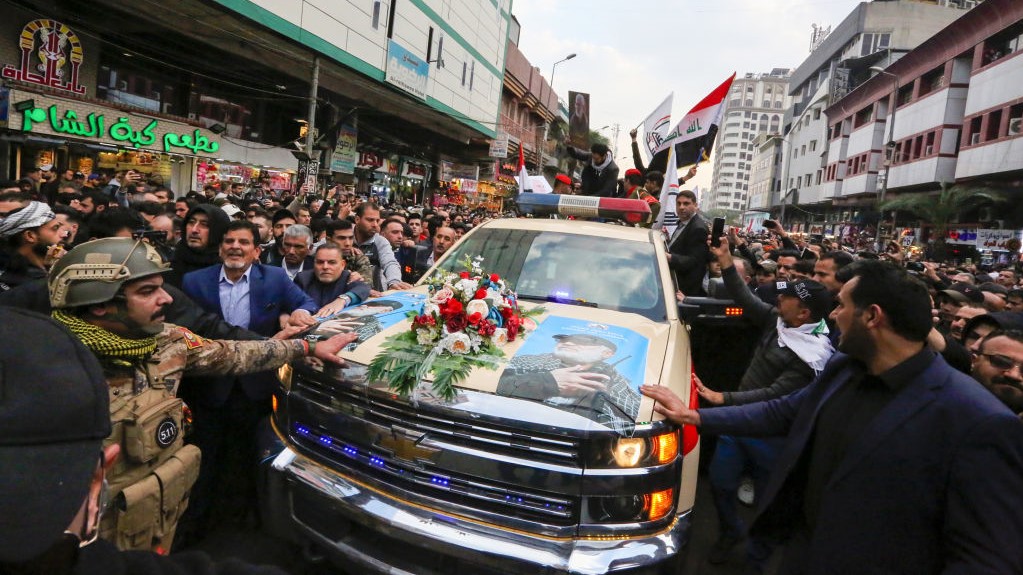
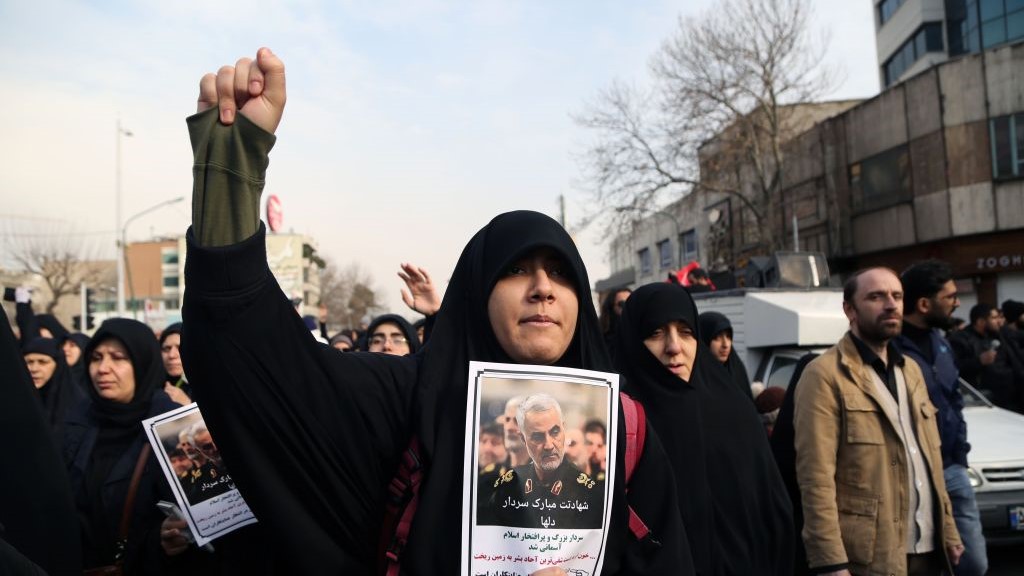
Following the recent escalation in U.S.-Iran tensions, the threat of Iranian cyberattacks is likely to intensify in the near to medium term. There are three possible fronts where Iran might look to carry out cyber operations: targeting the energy infrastructure of America’s Gulf allies; deploying malware against U.S. private sector companies; and launching disinformation campaigns that would aim to influence public opinion in both the Middle East and the U.S.
MEI experts Robert S. Ford, Fatima Abo Alasrar, and Emad Badi join host Alistair Taylor to survey what lies ahead for the Middle East in 2020, with particular attention to Iran, Syria, Yemen, Libya, Iraq and Algeria.
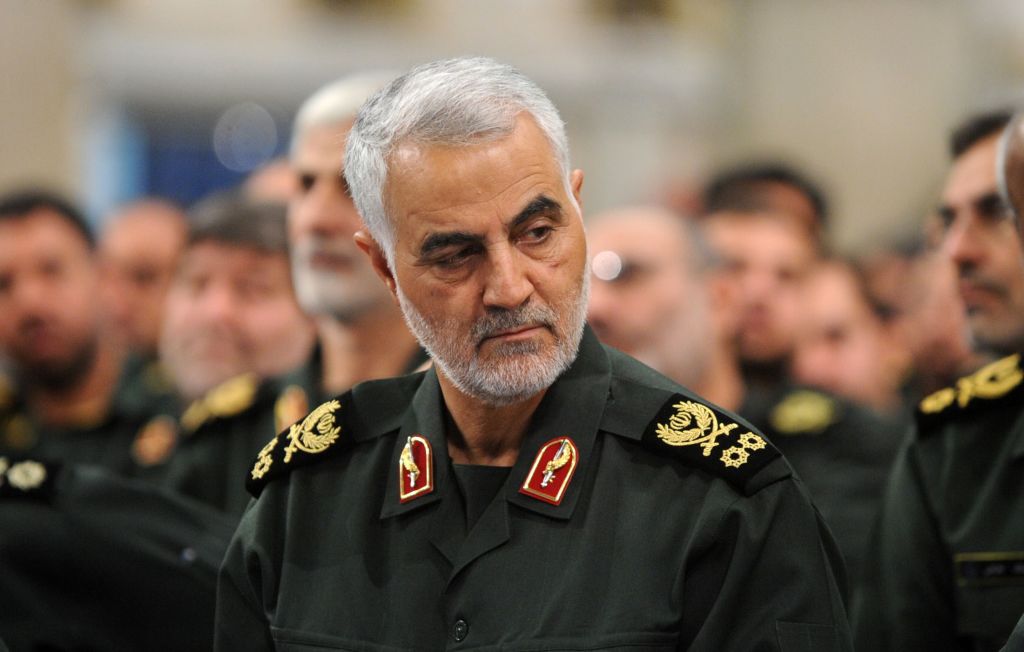
President Donald Trump’s decision to eliminate Iranian Gen. Qassem Soleimani, the head of the Islamic Revolutionary Guard Corps – Quds Force, might have caught his European partners by surprise, but it shouldn’t have. Key European decision makers have had enough time to learn and understand that the U.S. president makes unilateral decisions, paying no attention to their views or national interests. Throughout the ongoing crisis, Trump has called on European allies to sacrifice the Joint Comprehensive Plan of Action (JCPOA), as the Iran nuclear deal is officially known, and exert more diplomatic and economic pressure on Tehran — a call no one wants to heed. It is irrelevant which side is right; lack of transatlantic solidarity is a disservice to both American and European interests in the Middle East.
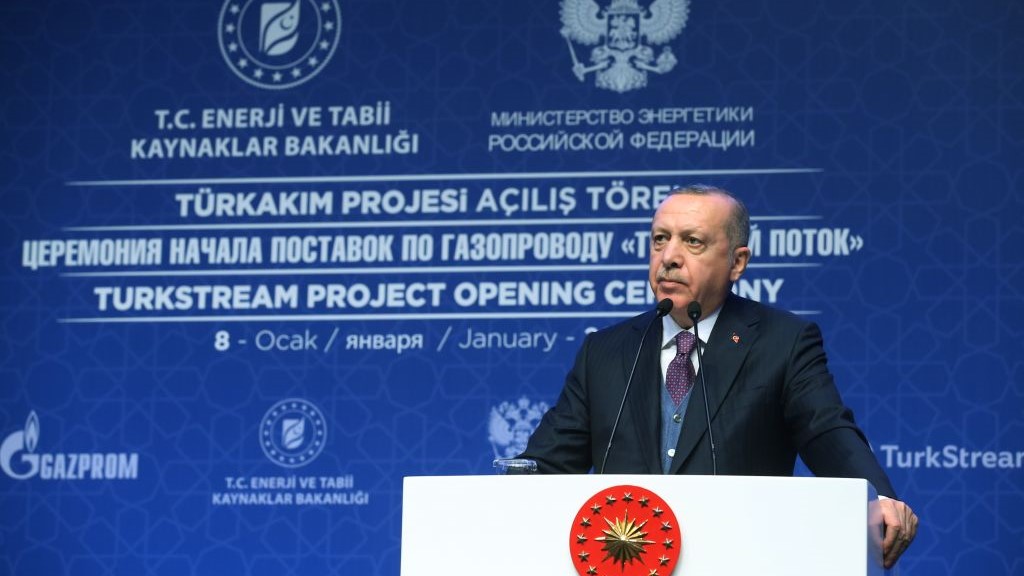
On Jan. 8, Turkey inaugurated the TurkStream natural gas pipeline from Russia, seemingly deepening Ankara’s ties with Moscow. However, a fuller analysis of Turkey’s current energy policies and consumption trends indicate a dramatic shift westward, away from Russia and Iran.
The killing of Qassem Soleimani: Was there a better way?
In the early hours of Jan. 3, 2020, a U.S. Military MQ-9 drone fired multiple air-to-ground missiles and killed the commander of the elite Iranian Islamic Revolutionary Guard Corps (IRGC) – Quds Force, Major General Qassem Soleimani. The targeted killing of Soleimani was carried out as he left the Baghdad International Airport under overt military authorities. Given that the strike was carried out under this authority, it was publicized globally shortly after it was completed. There were other options available to target Soleimani, however.
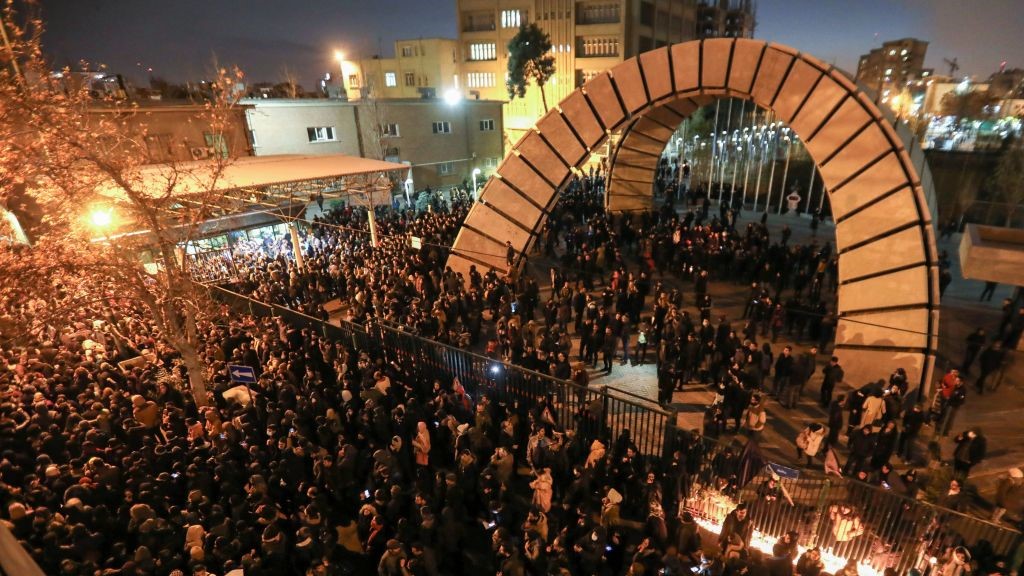
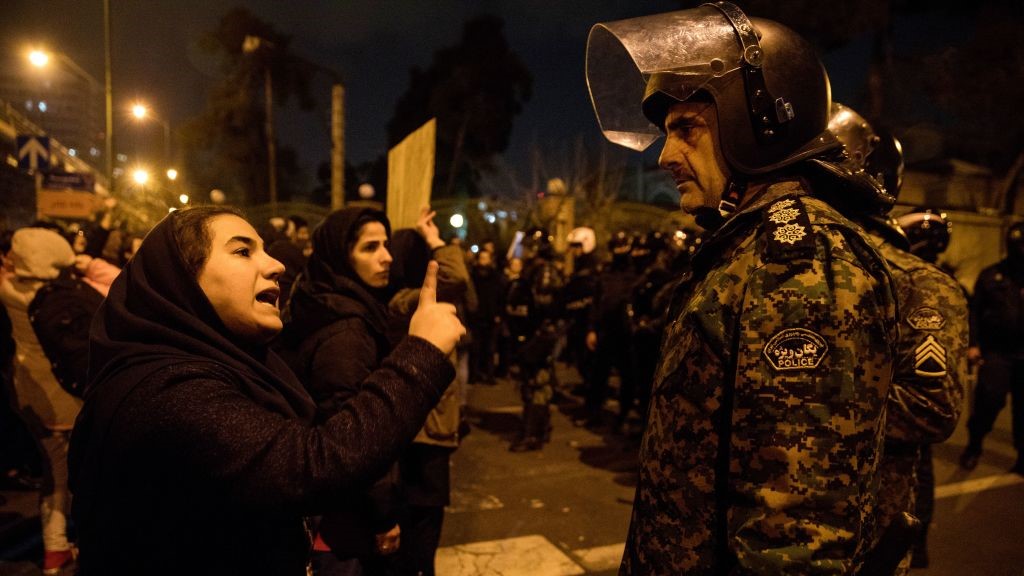
As anger mounts, protestors take to the streets again in Iran
While these latest protests will likely also be repressed, the anger against Khamenei and his foot soldiers in the Revolutionary Guards will not go away.
In the aftermath of the latest round of U.S. and Iranian brinksmanship, hawks and liberals are interpreting developments as validating their positions. Hawks are claiming victory for “maximum pressure,” arguing how the U.S. strike against Islamic Revolutionary Guard Corps (IRGC) Quds Force Commander Qassem Soleimani frightened the now weakened ruling clerics into submission. Liberals argue that Iran took the high road, demonstrating a willingness to respond to incentives and negotiate.
US-Iran Tensions After Killing of Qassem Soleimani
MEI experts Randa Slim and Alex Vatanka join host Alistair Taylor to discuss the sharp escalation in US-Iran tensions following the killing of Iranian General Qassem Soleimani. Gen. Soleimani, head of the Revolutionary Guards Quds Force, was killed in a US drone strike in Baghdad on Jan. 3, along with Iraqi paramilitary leader Abu Mahdi al-Muhandis. After several days of waiting to see how Iran might respond, on Jan. 7 Tehran launched more than a dozen missiles at two bases in Iraq housing US forces. No casualties were reported, and in comments on Jan. 8 President Trump promised to impose new sanctions on Iran, but seemed to back away from further military action.
Trump has taken such a forward-leaning and aggressive position now that he has set himself, and the U.S., in a conflict trap that he might not be able to defuse.
While yesterday’s vote in the Iraqi Council of Representatives on a decision to remove U.S. forces is not legally binding, it creates dynamics inside the U.S. and Iraq that make a U.S. decision to remove its forces all but inevitable.
How we planted the seeds of war with Iran: Decisions made in Washington brought us to this fateful moment
For almost 40 years, American national security officials have looked down the barrel of the gun of war with Iran. I sat in rooms in the White House and Pentagon several times as small groups of senior officials considered what such a war would look like, how it would end, and whether we would be better off for having fought it.
The answer was always the same: It would be highly destructive in several nations, it would end in a stalemate with the Iranian regime in place, and nothing positive would have been accomplished.