China’s Belt and Road Initiative (BRI) and Turkey’s Middle Corridor: “Win-Win Cooperation”?
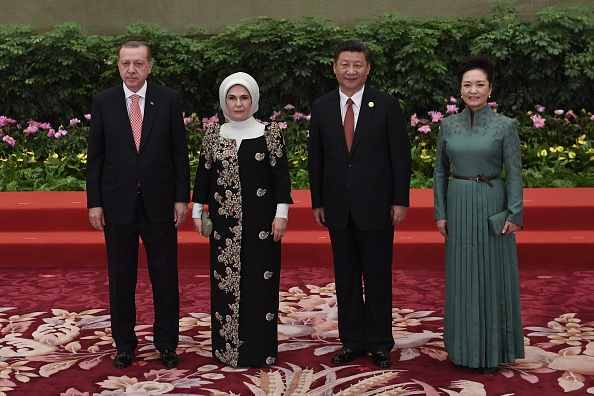
The launching of the Belt and Road Initiative (BRI) and the Middle Corridor have provided wider scope and greater potential for China, now the world’s second-largest economy and Turkey, a G20 member, to develop more extensive bilateral trade and investment ties and further advance their respective regional and global aspirations. This article examines the headway that China and Turkey have made and the roadblocks that they have encountered in enhancing their economic relations.
Turkey’s President Recep Tayyip Erdogan claimed victory in critical presidential and parliamentary elections on Sunday. The vote grants him five more years in office as well as unprecedented powers in a powerful presidential system. His critics had hoped that this time they had a real shot at defeating the strongman. The notoriously fractured opposition had united to deny the ruling party a parliamentary majority. The main opposition, the Republican People’s Party (CHP), had fielded a firebrand candidate who was determined to reach out well beyond the party’s secularist, nationalist base.
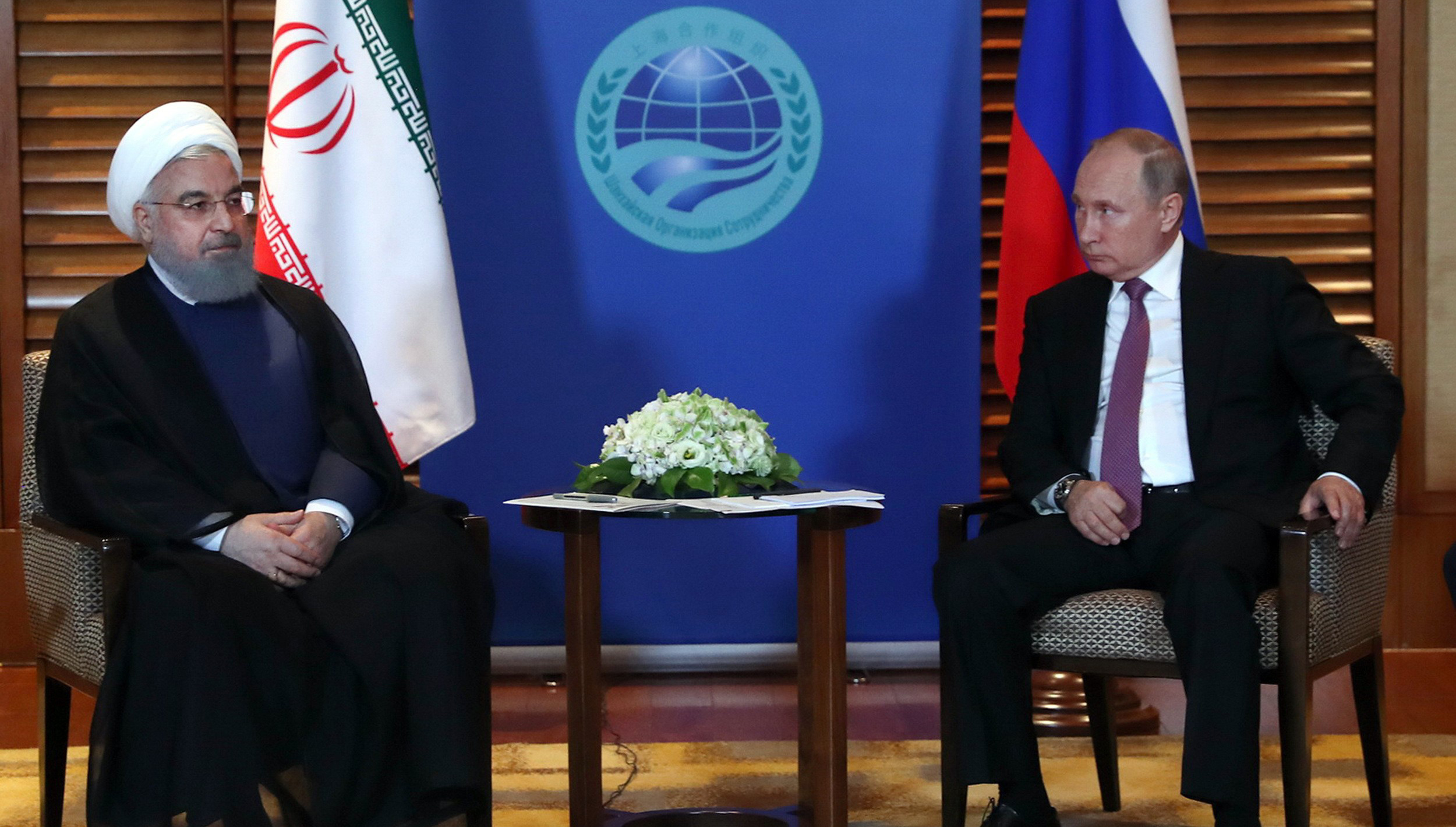
As international companies leave Iran under U.S. pressure, the Iranian government is scrambling to salvage as much foreign investment as possible. The top leadership in Tehran believes the solution is to engage with Russia, China, and the “east” to replace the West’s hesitant commitment to the Iranian market. But this eastward approach is a pipe dream, and there is plenty of history to prove it.
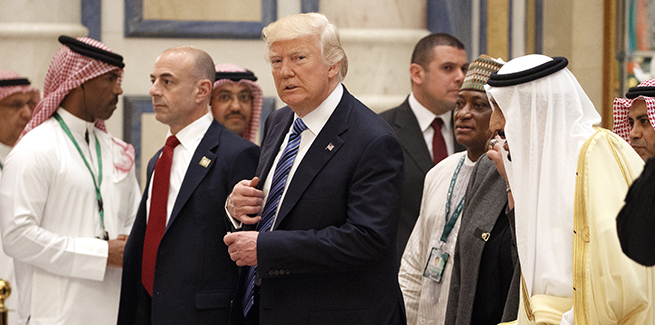
Is the traditional view that U.S. leadership in the Middle East advances our strategic interests well judged? As president, Barack Obama upended many assumptions about that view. He turned heads in dismissing Saudi Arabia as a “so-called ally” and reached out to Iran, hoping to make it less dangerous.
Toward a Regional Framework for the Middle East: Takeaways from other Regions
Regional Cooperation Series
This Policy Paper is part of the Middle East Institute’s Regional Cooperation Series. Throughout 2016, MEI will be releasing several policy papers by renowned scholars and experts exploring possibilities to foster regional cooperation across an array of sectors. The purpose is to highlight the myriad benefits and opportunities associated with regional cooperation, and the high costs of the continued business-as-usual model of competition and intense rivalry.
Defying Gravity: Working Toward a Regional Strategy for a Stable Middle East
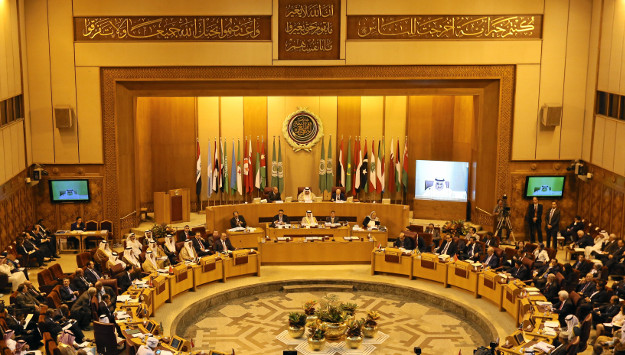
In this MEI Policy Paper, Ross Harrison asserts that a new regional order is emerging out of the conflicts of the Middle East. The relationships among the pillars of this order–Egypt, Saudi Arabia, Turkey, and Iran–are crucial, as they will largely determine “whether the future of the Middle East will be a continuation of the current chaos and destruction or a more positive transition toward stability and prosperity.” Harrison argues that global powers must concentrate on creating conditions conducive to cooperation among the pillars.