Toward a Regional Framework for the Middle East: Takeaways from other Regions
Regional Cooperation Series
This Policy Paper is part of the Middle East Institute’s Regional Cooperation Series. Throughout 2016, MEI will be releasing several policy papers by renowned scholars and experts exploring possibilities to foster regional cooperation across an array of sectors. The purpose is to highlight the myriad benefits and opportunities associated with regional cooperation, and the high costs of the continued business-as-usual model of competition and intense rivalry.
In this week’s Monday Briefing, MEI experts Herman Franssen, Charles Lister, W. Robert Pearson, and Marvin G. Weinbaum provide analysis on recent and upcoming events including OPEC’s agreement to reduce oil output, the continuing offensive in Aleppo, Erdogan’s increasing executive powers, and deteriorating relations between Pakistan and India.
Iran’s Recruitment of Afghan, Pakistani Shiites Fuels Sectarianism
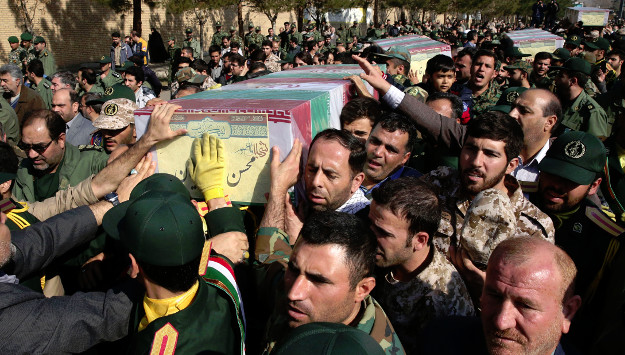
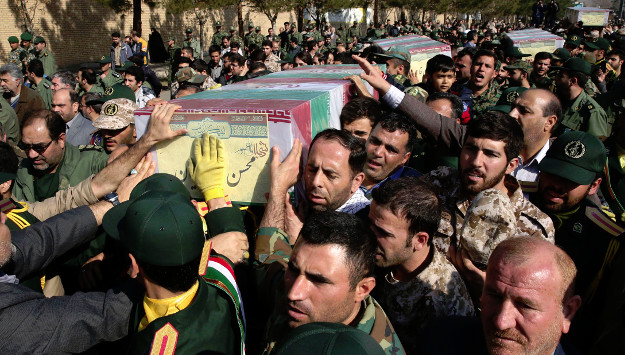
On November 30, hundreds of people gathered in the Iranian city of Qom to attend the funeral procession of several Afghan and Pakistani Shiites killed in Syria.
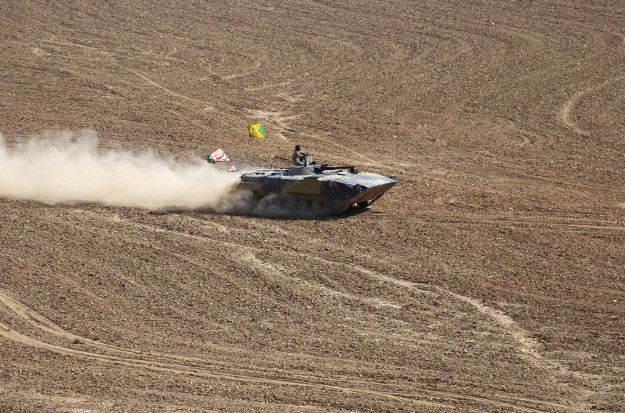
Iran’s Fars News Agency (FNA) reports that Syria’s army has formed a new elite force called the Al-Filq Al-Khamis-Eqteham (Fifth Assault Corps) and is calling on volunteers to join the group.
IRGC Hails Shiite Militias’ Success but Sunnis Voice Concern
With Shiite militia forces scoring territorial gains in Iraq and Syria, the Islamic Revolution Guards Corps (IRGC) feels vindicated. In numerous interviews with Iranian media outlets, senior IRGC officials claim that their support for the Popular Mobilization Forces (PMF) in Iraq and Shiite militant groups in Syria has not only saved the two countries from “terrorists and takfiris” but has also warded off the threat of terrorism from spilling over into the Iranian territory.
Erdoğan’s Syria Remark Angers Iran, Russia and Syria
Turkish President Recep Tayyip Erdoğan’s November 29 remark that Turkey intervened in Syria to topple President Bashar al-Assad has drawn a sharp rebuke from Tehran, Damascus and Moscow.
Are Syrian Men Vulnerable Too? Gendering The Syria Refugee Response
This essay examines the place of Syrian men in the refugee response, with a focus on the situation in Jordan. It questions the prevailing understandings of vulnerability, and outlines how the assumption that women and children are ‘the most vulnerable’ affects the distribution of aid and services. The essay demonstrates that, contrary to the perceptions of many in the humanitarian sector, work with refugee men is not only necessary, but can be extremely successful. Syrian men can be vulnerable too.
In this week’s Monday Briefing, MEI experts Charles Lister, Yousef Munayyer, and Mabrouka M’Barek provide analysis on recent and upcoming events including the Assad regime’s advances in Aleppo, Fatah’s annual conference, and Tunisia’s upcoming conference for its economic plan.
In a remark that is likely to heighten tension in the Gulf region, the Iranian chief of staff of the armed forces has called for setting up naval bases across on the coasts of Yemen and Syria in the future.
Iran Admits over 1,000 Combat Fatalities in Syrian Conflict
On November 22, a senior Iranian official admitted that more than 1,000 combatants dispatched by Iran to fight alongside President Bashar al-Assad’s forces have been killed in the Syrian war.
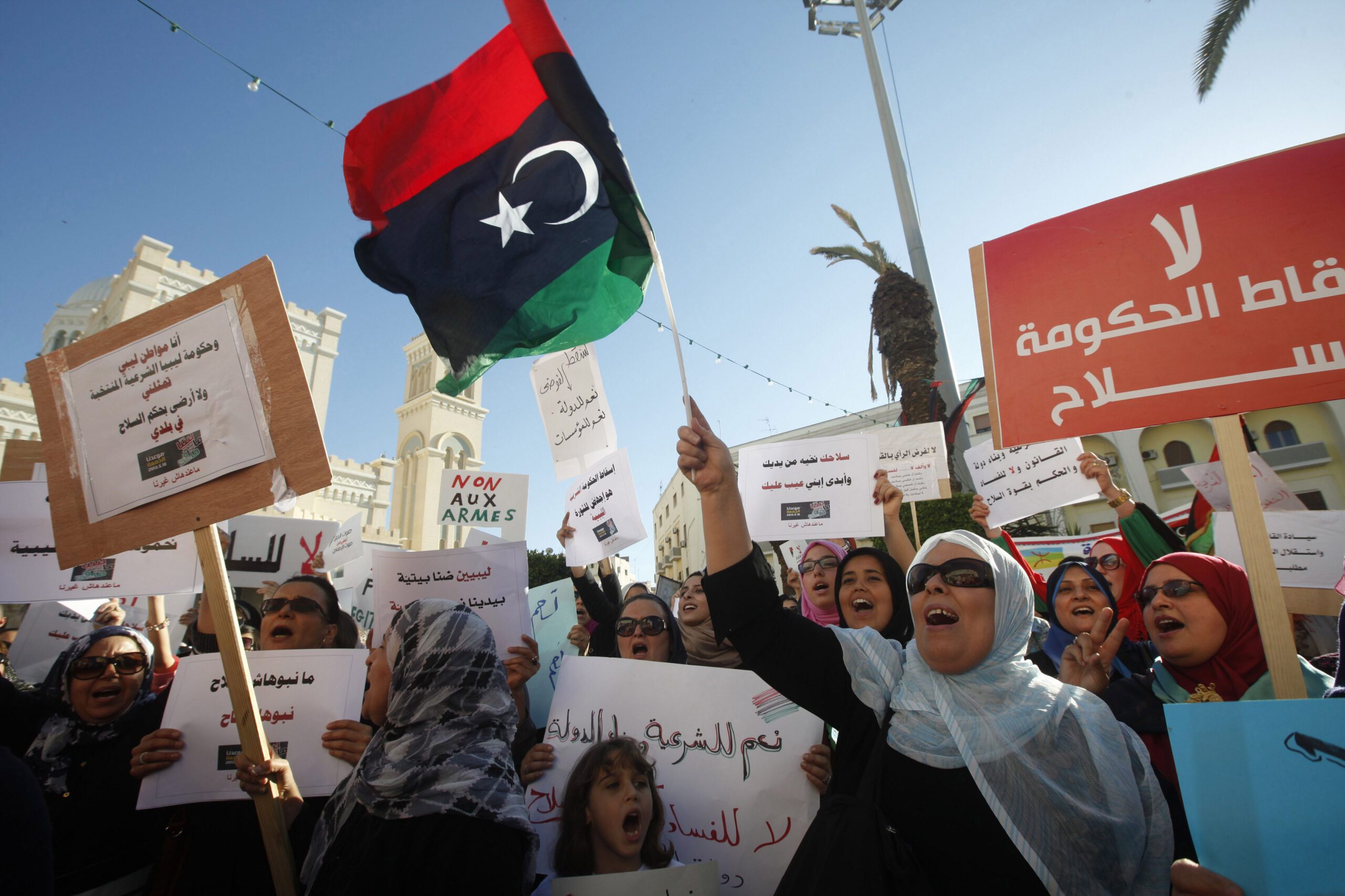
This essay, which draws upon extensive field research in Libya over the period 2011-2013, seeks to shed light on an under-theorized area of research, namely the forces that challenge an emerging civil society during a political transition. In doing so, the essay makes two contributions to knowledge, first by arguing the value and inevitable role of civil society in a divided or conflict-ridden society, and second by helping readers better understand and unpack the case of Libya’s disrupted and dispersed civil society.
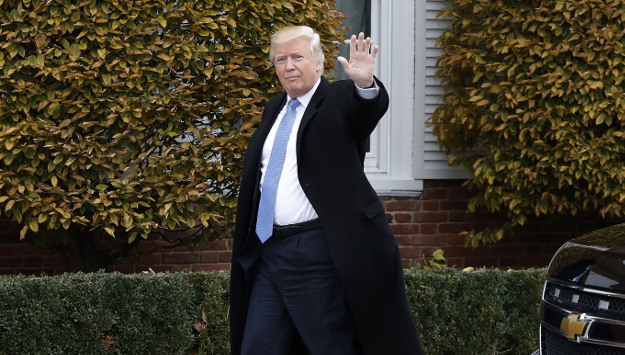
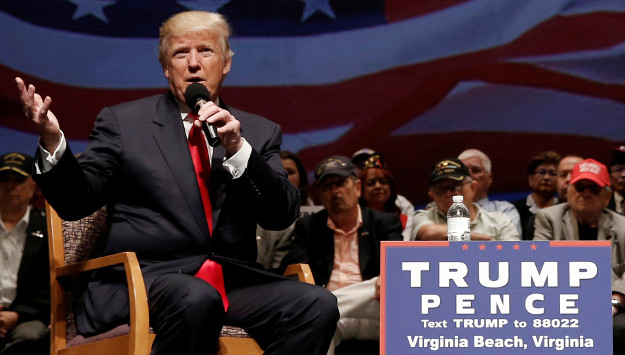
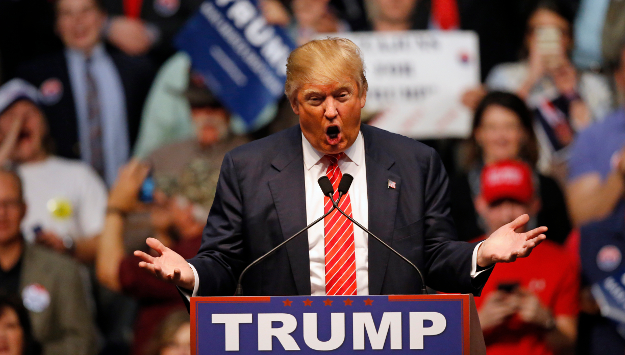
Monday Briefing: Contradictions in Trump's MidEast Policy
In this week’s Monday Briefing, MEI experts Paul Salem, Randa Slim, and Gonul Tol provide analysis on recent and upcoming events including the vulnerabilities in Trump’s Middle East policy, Russia’s plan in Syria after Trump’s election, and Erdogan’s hopes for Gulen’s extradition under the next administration.
Late last week, President-elect Donald Trump explained for the first time since his election victory his position on the crisis in Syria. In his remarks, he laid out his determination to ramp up the fight against the Islamic State and to cease support to those fighting President Bashar al-Assad’s regime:
Briefing: Middle East Reactions to the U.S. Election
In this special edition of our weekly briefing, MEI experts Paul Salem, Robert S. Ford, Eran Etzion, Gonul Tol, Alex Vatanka, and Gerald Feierstein provide analysis on the impact of Donald Trump’s victory in the U.S. Presidential Election on the future of Middle East policy, its particular effect on the crises in Iraq and Syria, and how the news has been received across the region, including in Turkey, Iran, and the GCC.