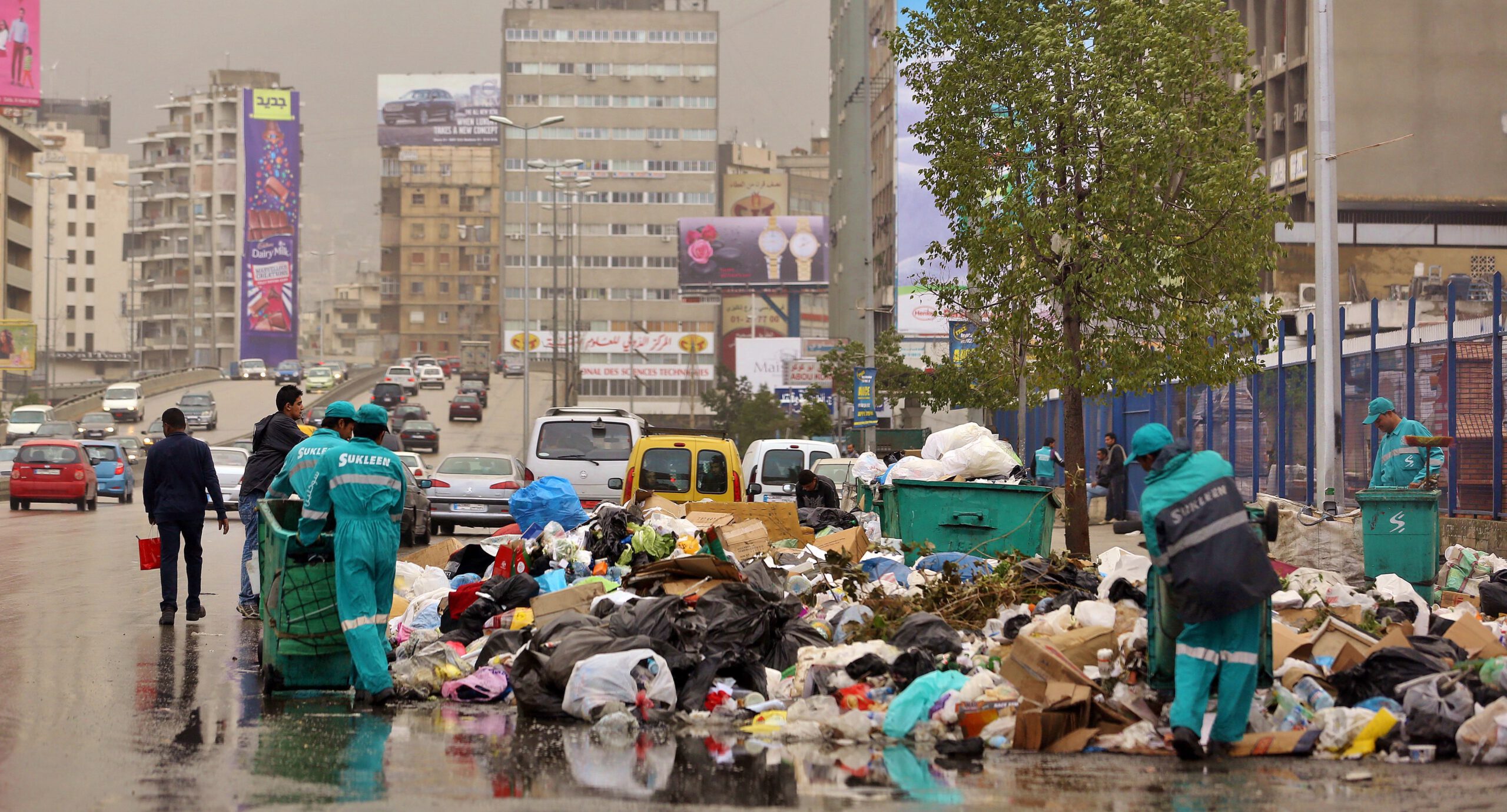
A better development funding model for Lebanon: Prospects, challenges, and applicable lessons
International funders have often called upon recipients to carry out reforms before any funding can be made available or the amount increased. But in many crisis-wracked countries, such as Lebanon, the prospect of reforms may be too distant, with intervention needed immediately. This is why greater emphasis must be placed on risk mitigation measures over which funders can exercise control.
The Next Paradigm-Shattering Threat? Right-Sizing the Potential Impacts of Generative AI on Terrorism
This Study analyzes how and to what extent terrorists and violent extremists have interacted with generative AI so far, identifies potential ways in which they could misuse generative AI in the future, and then contextualizes these threats with the likely broader impacts of generative AI. In doing so, the Study seeks to identify a likely trajectory for the abuse of this technology by terrorist actors as well as concludes with some initial recommendations for policymakers.
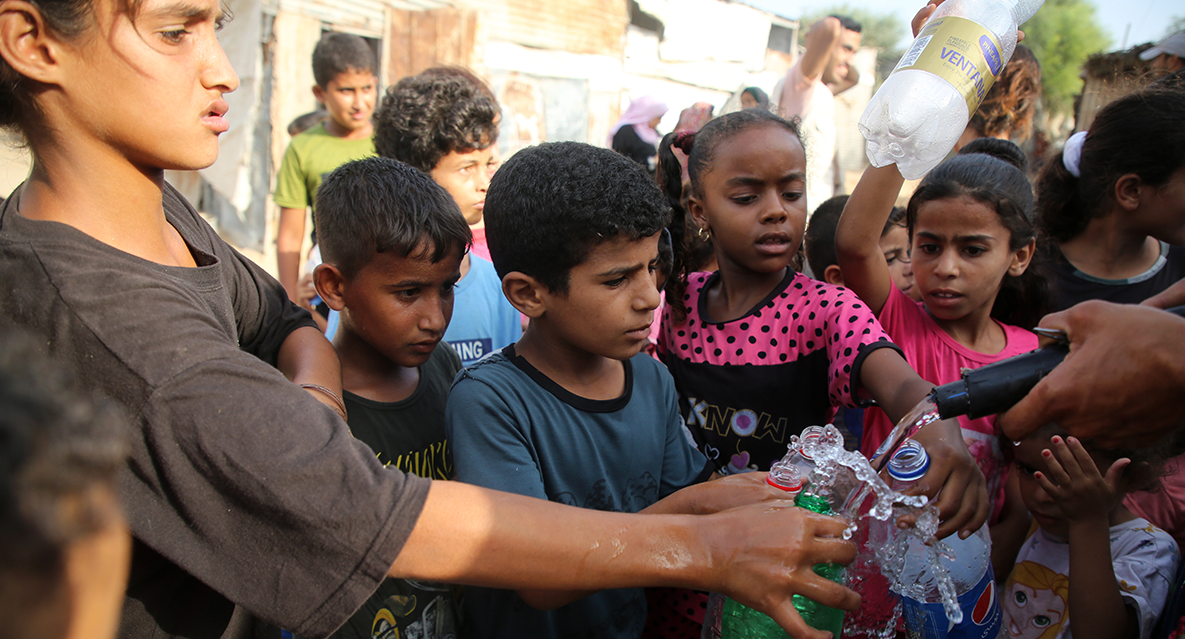
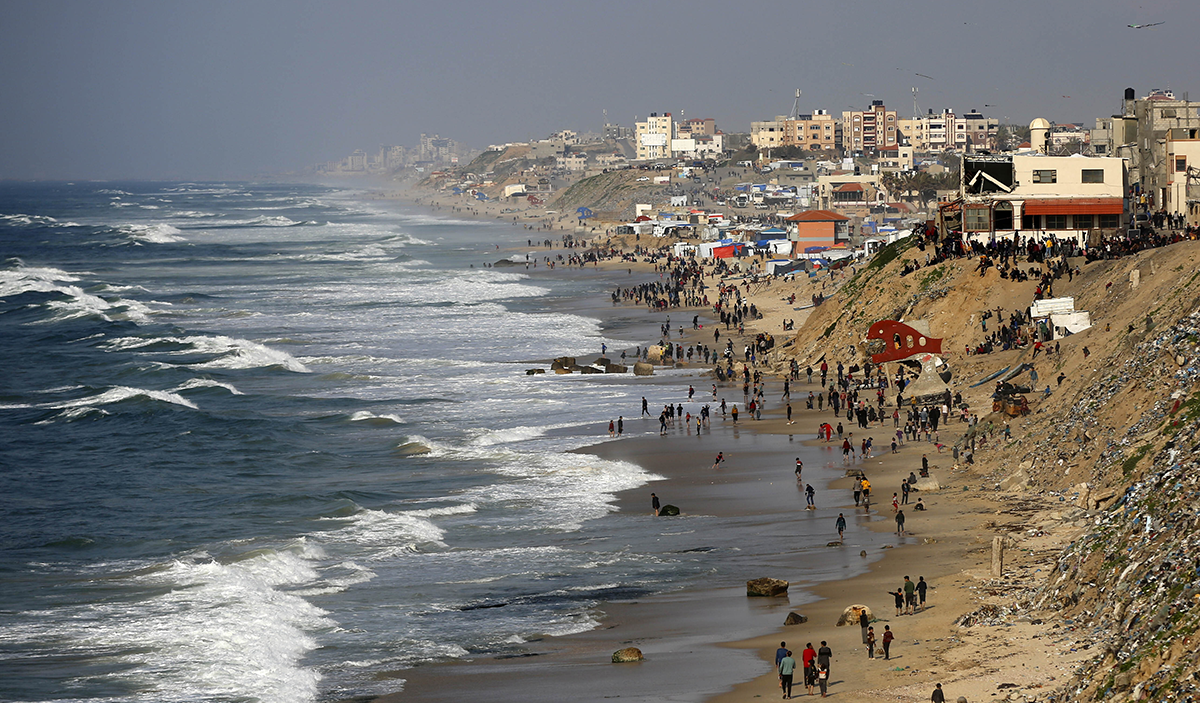
The devastating impact of Gaza’s acute and prolonged water crisis
The Gaza Strip faces a severe and worsening water crisis. With the death toll now above 31,000 and a catastrophic humanitarian crisis plaguing the strip, one of the most urgent challenges facing its residents is access to water.
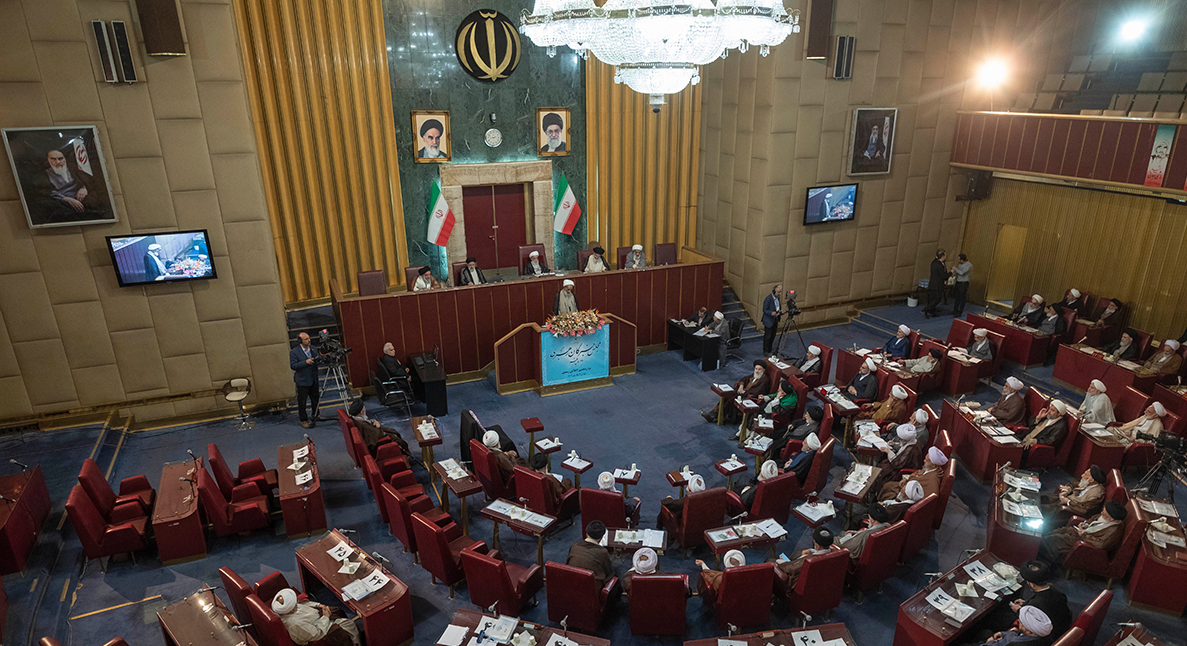
Moving to a post-Khamenei era: Iran’s new rubber-stamp Assembly of Experts
The results of the March 1 election for Iran’s Assembly of Experts hold great importance for understanding how the regime is preparing for the selection of the next supreme leader. The major responsibility of this 88-member body is to designate Ayatollah Ali Khamenei’s successor, either after his death or if he becomes incapable of fulfilling his responsibilities.
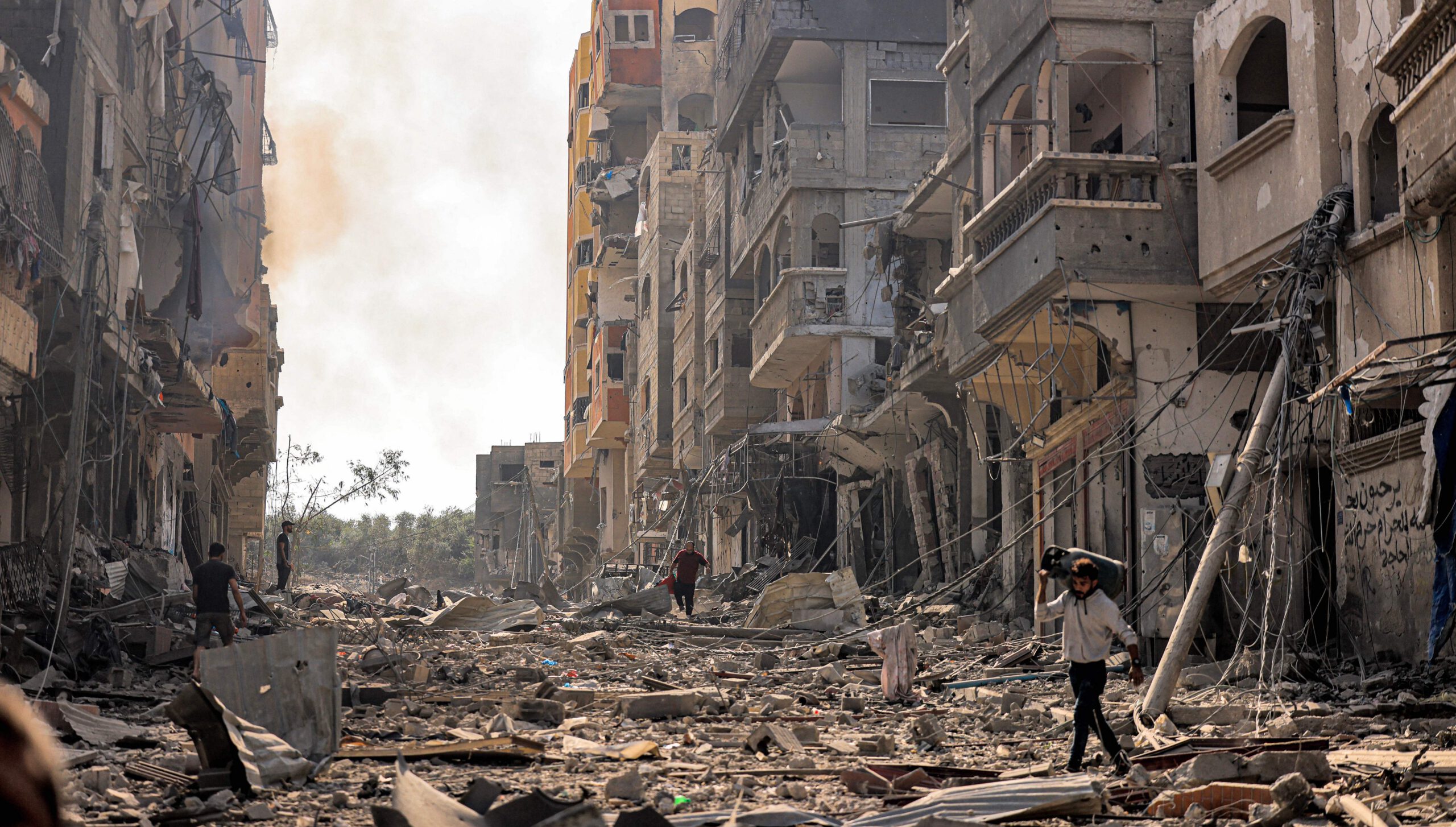
Rebuilding Gaza: Navigating the politics of infrastructure
The scale of rebuilding needed after the Gaza war, in addition to the difficult political questions involved, will require close international coordination as well as innovative, future-informed thinking.
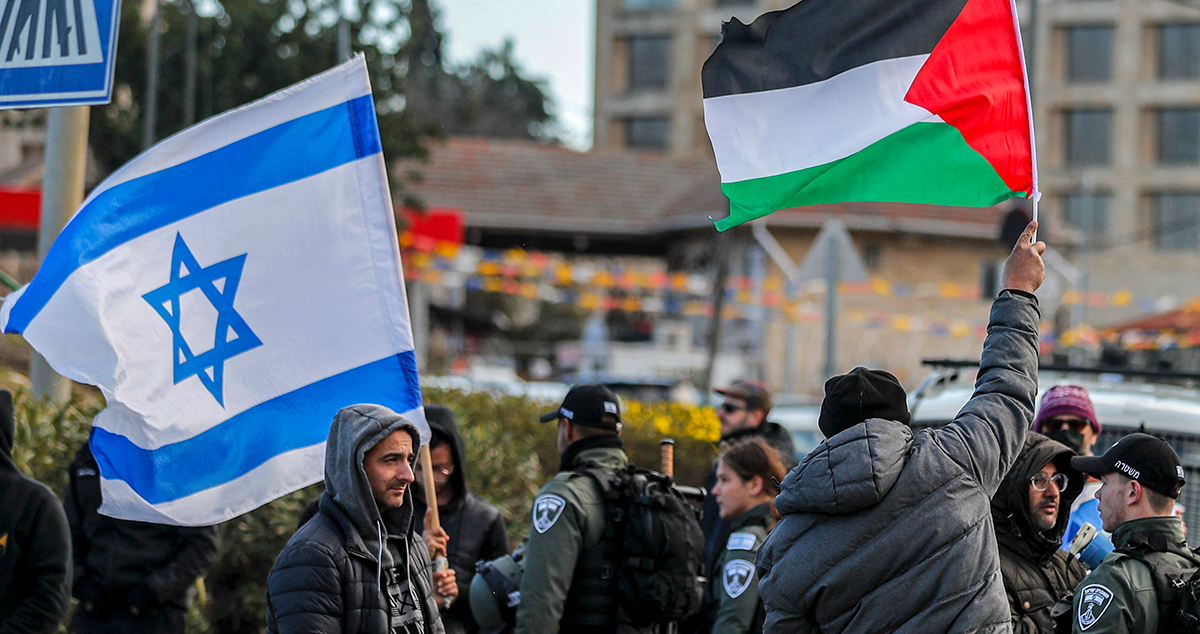
The Evolving Conflict Between Hezbollah and Israel
MEI’s US-Lebanon Fellow Fadi Nicholas Nassar and Emile Hokayem – Director of Regional Security at the International Institute for Strategic Studies – discuss the changing and uncertain rules of engagement between Hezbollah and Israel, and the potential for war between the two following Oct. 7.
Since Oct. 7, the Israeli-Palestinian conflict has been at the center of international attention. This is in stark contrast to the situation in recent years, when the issue has been sidelined in the international discourse and the question of Israeli-Palestinian peacemaking has almost disappeared from the diplomatic agenda.
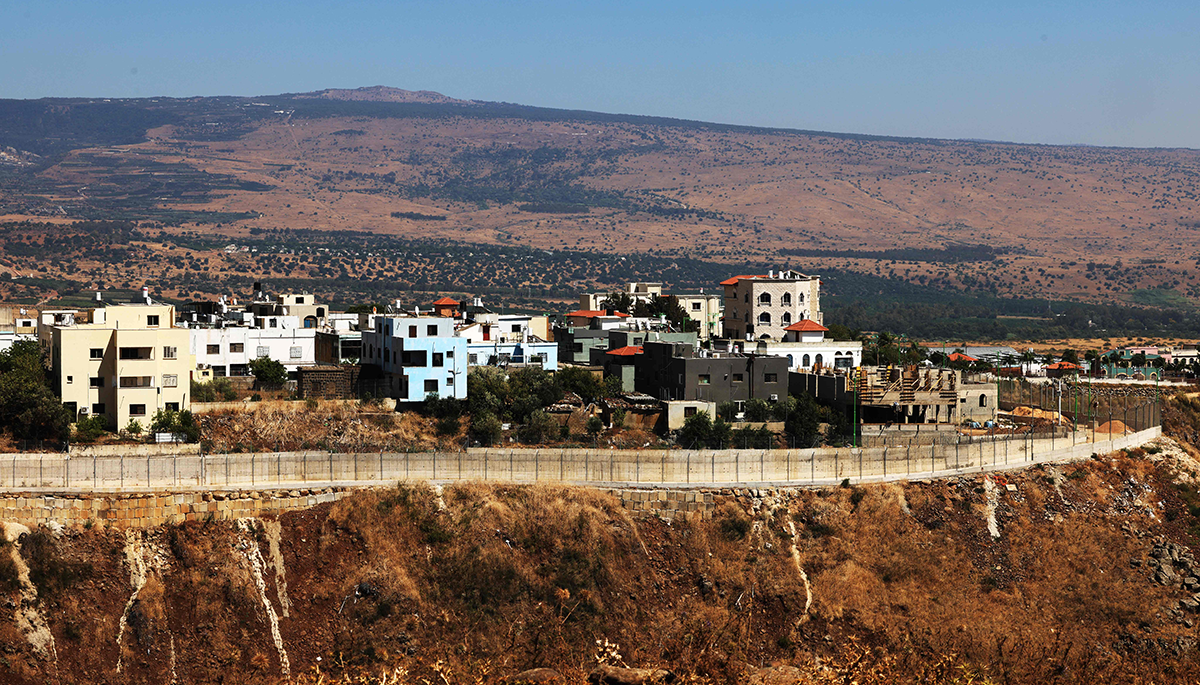
Amid war, resolving Lebanon-Israel territorial disputes unlikely
With Israel and Hezbollah on the brink of war, there have been ongoing diplomatic attempts to defuse tensions along the Israel-Lebanon border. Among the long-standing issues between the two countries are disagreements over their shared boundary. Asher Kaufman takes a closer look at these territorial disputes and how they came about, with a particular focus on the village of Ghajar at the center of the tension.
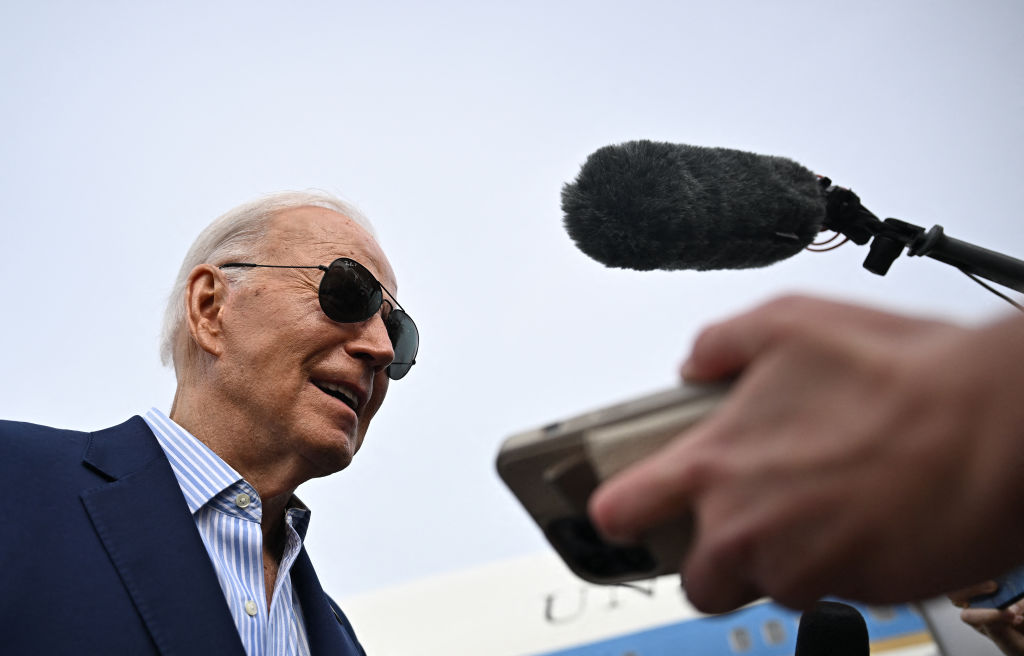
Biden's Gaza aid port plan: How did we get here and where might it lead?
Since Oct. 7, humanitarian aid has been entering the Gaza Strip via land and air. Following US President Joe Biden’s State of the Union address on March 7, aid is also likely to enter via the sea, under an emergency US mission to establish a temporary pier on the Gaza coast that can receive large shipments of food, water, medicine, and temporary shelters.
Women’s rights under the Taliban: The socio-economic consequences of political exclusion
One of the first things the Taliban did after capturing power in August 2021 was to abolish the Afghan Ministry of Women’s Affairs and re-establish the Ministry for the Propagation of Virtue and the Prevention of Vice. The environment within which Afghan girls and women had found avenues of employment, education, and empowerment over the previous two decades had been lost. Many families now had to deal with acute poverty, mental health issues, and even suicides.
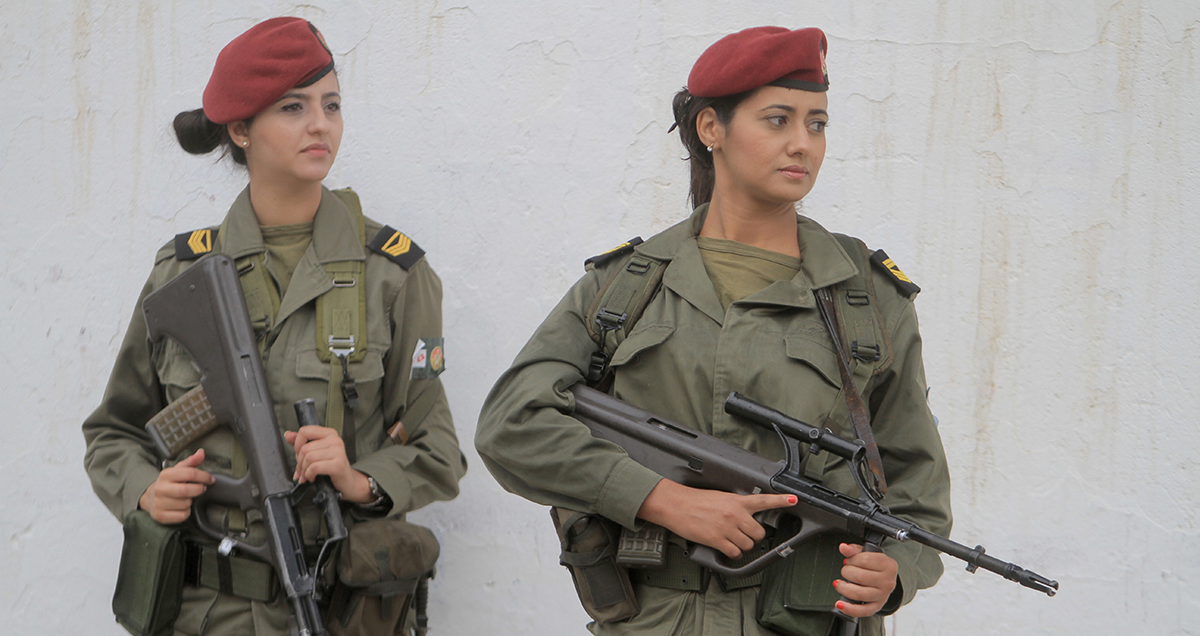
A report card on women’s integration into Arab militaries
A look at what Arab countries have done to implement the year 2000 UN Security Council resolution on women, peace, and security, especially in terms of increasing women’s presence in the armed forces.
Interview With Rashid Al Khalifa – Bahraini Artist, Collector And Founder of RAK Art Foundation
Director of MEI’s Arts & Culture Center Lyne Sneige interviews HH Sheik Rashid Al Khalifa – artist, collector and founder of the RAK Art Foundation and a participating artist in MEI’s current exhibition “The Sea of Life: Modern and Contemporary Art from The Kingdom of Bahrain”
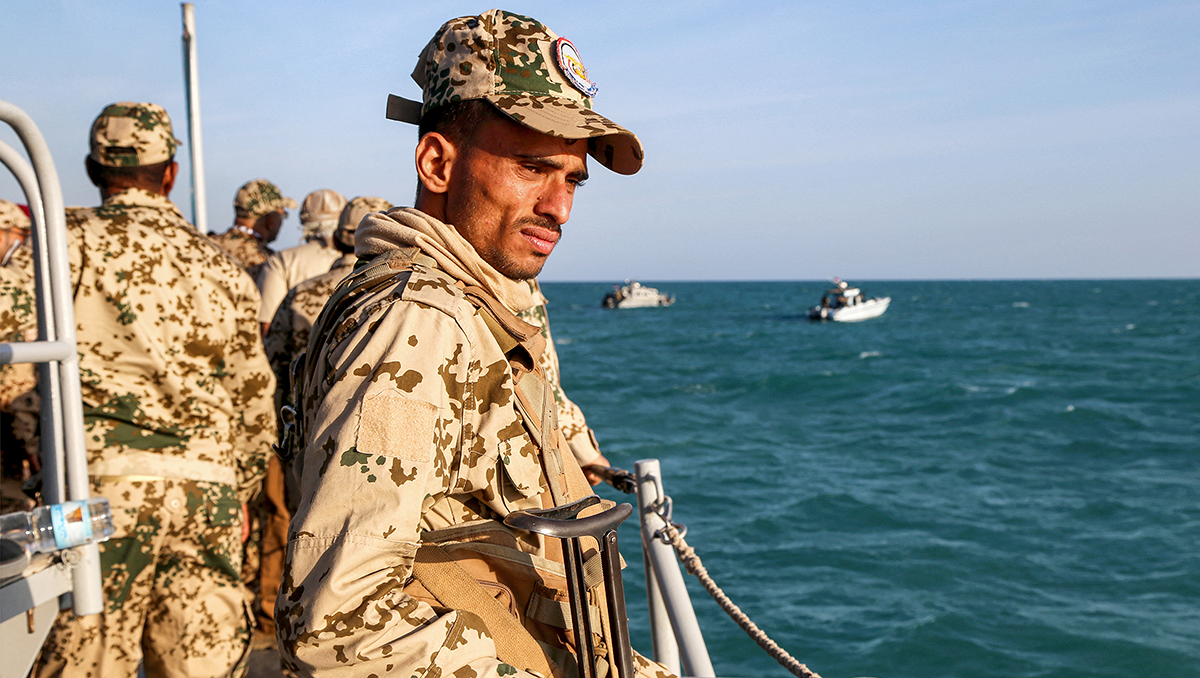
As Western options narrow, Yemen's anti-Houthi forces vie for US military support
In recent weeks, Yemen’s main anti-Houthi leaders have increasingly been sending the same message to the US, urging it to provide support in the fight against the Houthis on the ground. The provision of military assistance is still hypothetical but seems more and more plausible given developments in Yemen, triggered by the Houthis’ continuing attacks on maritime shipping in the Red Sea.
Home to around 1,000 forts, castles, and watchtowers, Oman has long used its historical structures to showcase the country’s rich history. Now, as part of an effort to promote cultural tourism, the sultanate is looking to develop more of them with a focus on the arts and cultural activities, giving its centuries-old heritage sites a new lease on life.