The next Israeli election: The triumph of the fringes?
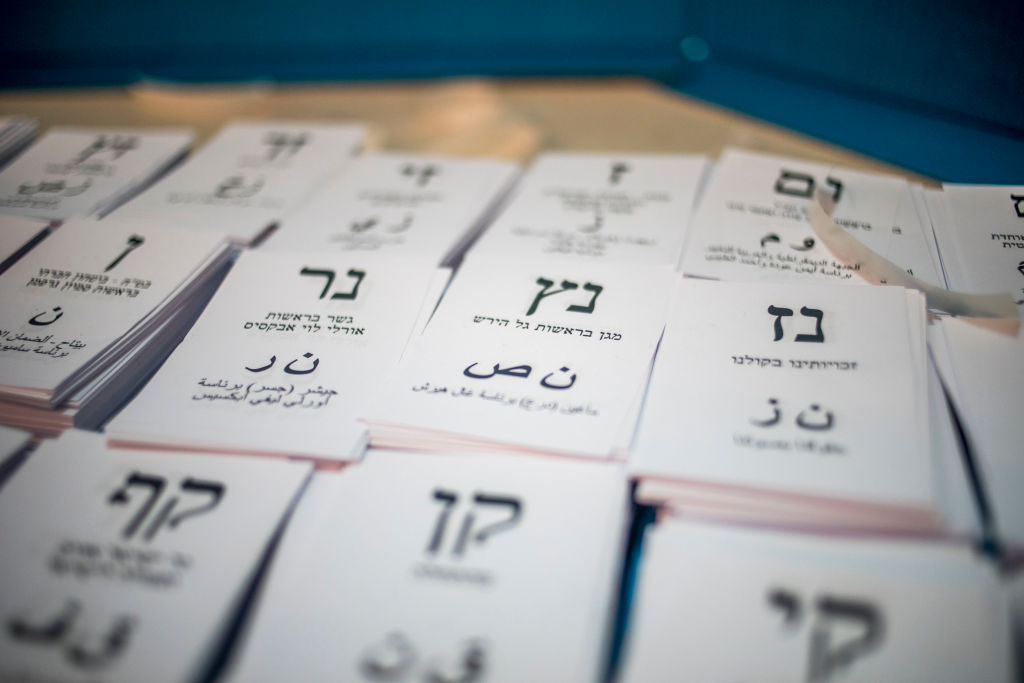
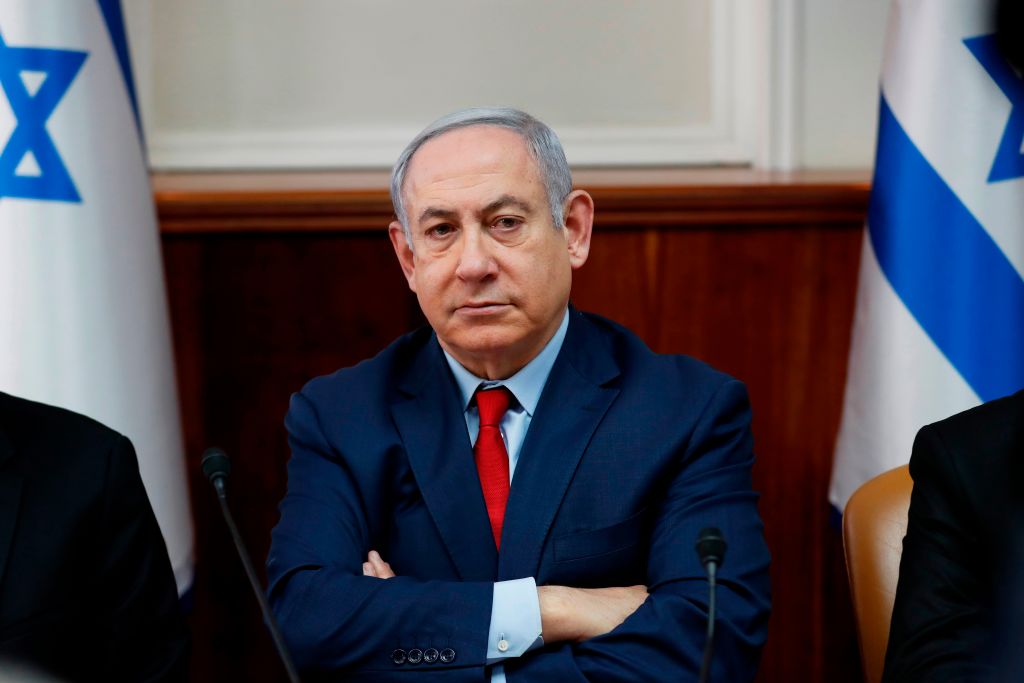
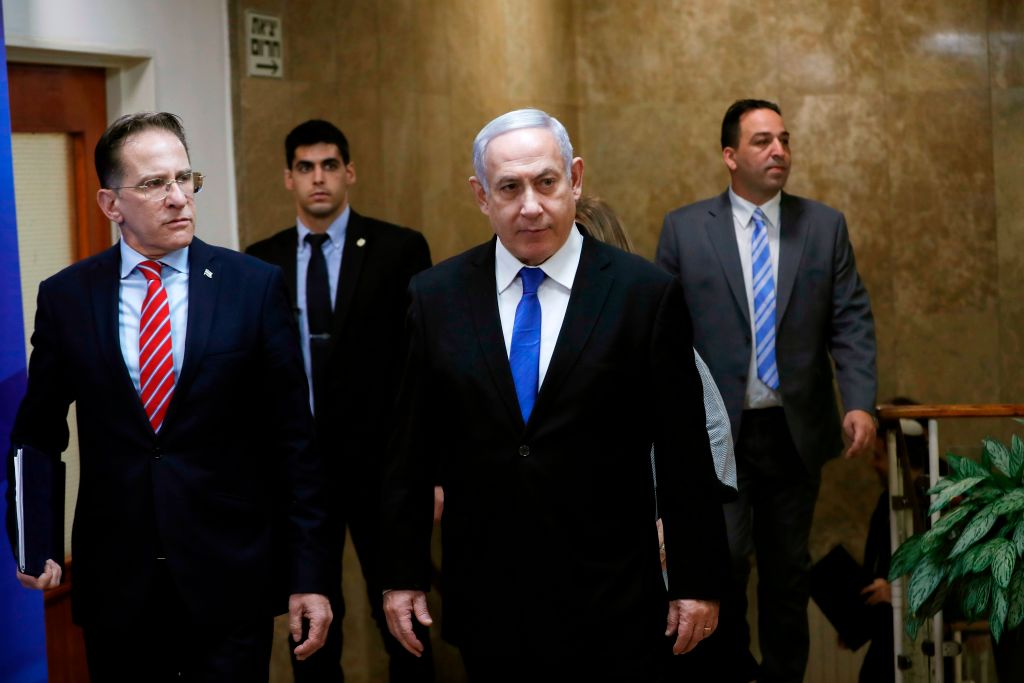
Jan.15, 2020 was the last date to submit electoral “lists” for the Israeli election scheduled for March 2. A flurry of parties on both ends were registered in the days before the Jan. 15 deadline, and some of their leaders may well be part of and influence the Israeli government that will (eventually) be formed.
US policy in Afghanistan: Smoke and mirrors, but not yet hopeless
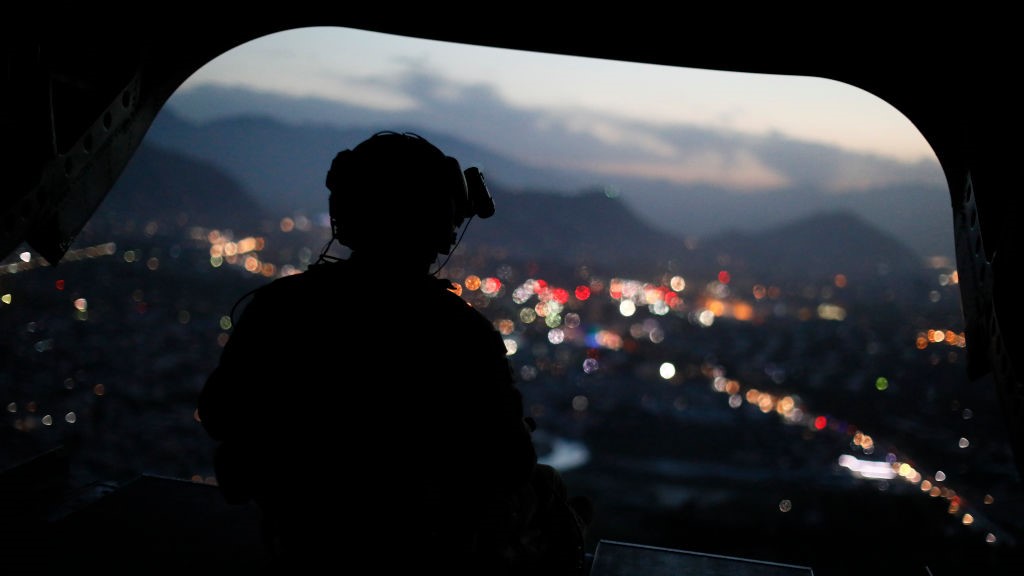
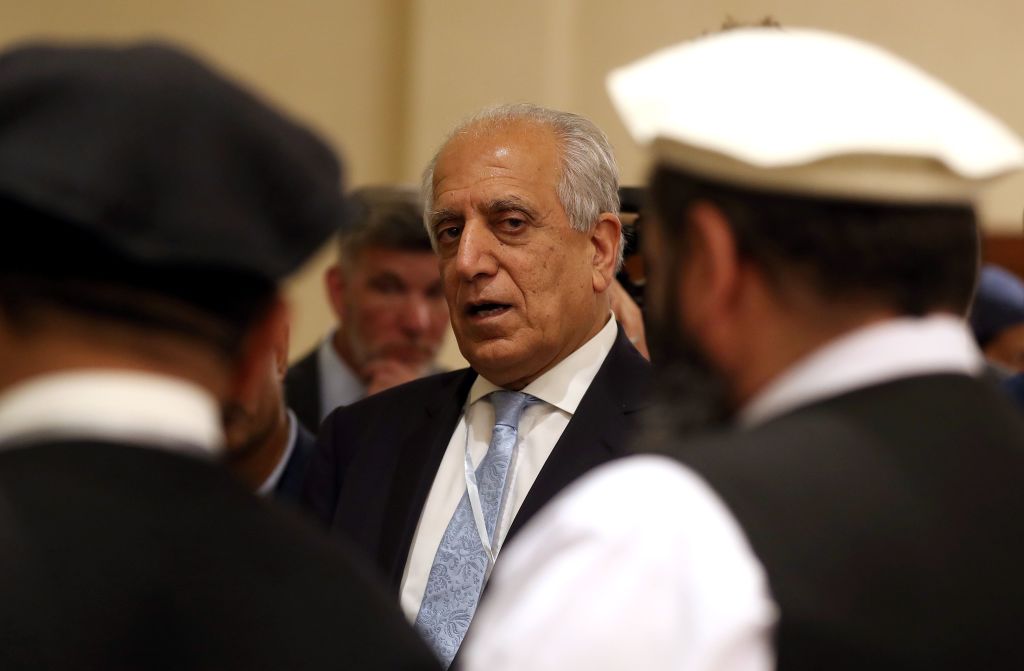
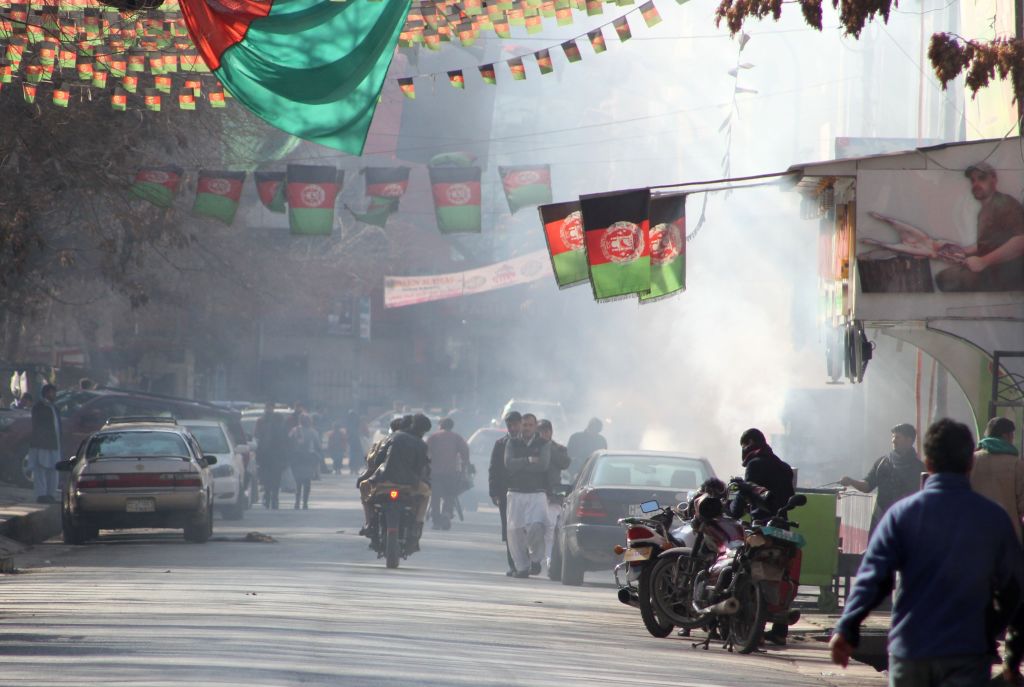
18 years after CIA and U.S. special operations elements touched down in Afghanistan to pursue al-Qaeda and topple the Taliban, ongoing, incremental troop reductions reveal the smoke and mirrors manner in which the U.S. is withdrawing from the conflict in lieu of a negotiated settlement.
Jihadism in South Asia: A militant landscape in flux
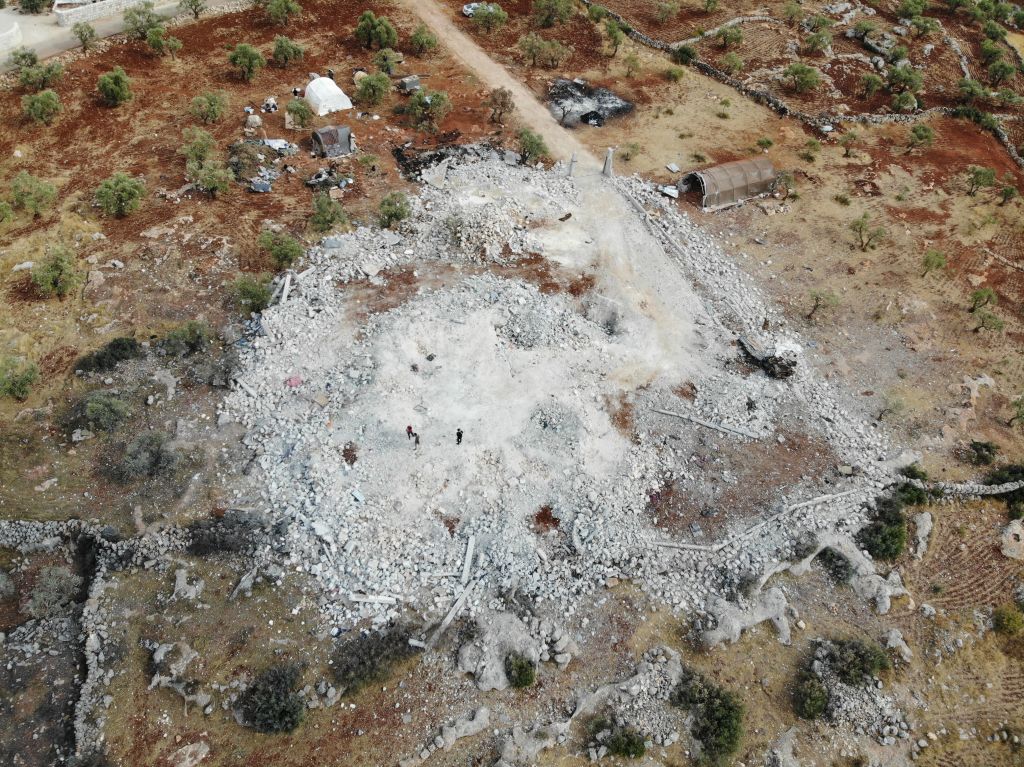
Over the past five years, the focus of U.S. counterterrorism strategists has remained on the Middle East, especially after the emergence of ISIS in 2014, while Islamist terrorist organizations operating in South Asia have been considered a secondary threat. However, the fact remains that South Asia is home to more Islamist terrorist organizations than any other region of the world. Al-Qaeda was born there, in Afghanistan, and ISIS has roots in the region. But at the turn of the decade both global jihadist groups are now facing major challenges and the critical question is whether they will manage to survive this period of crisis amid a severe leadership vacuum following the death of ISIS’s supreme leader and caliph, Abu Bakr al-Baghdadi, and the killing of al-Qaeda heir apparent Hamza bin Laden.
The Military-Security Dimension of Israel-Southeast Asia Relations
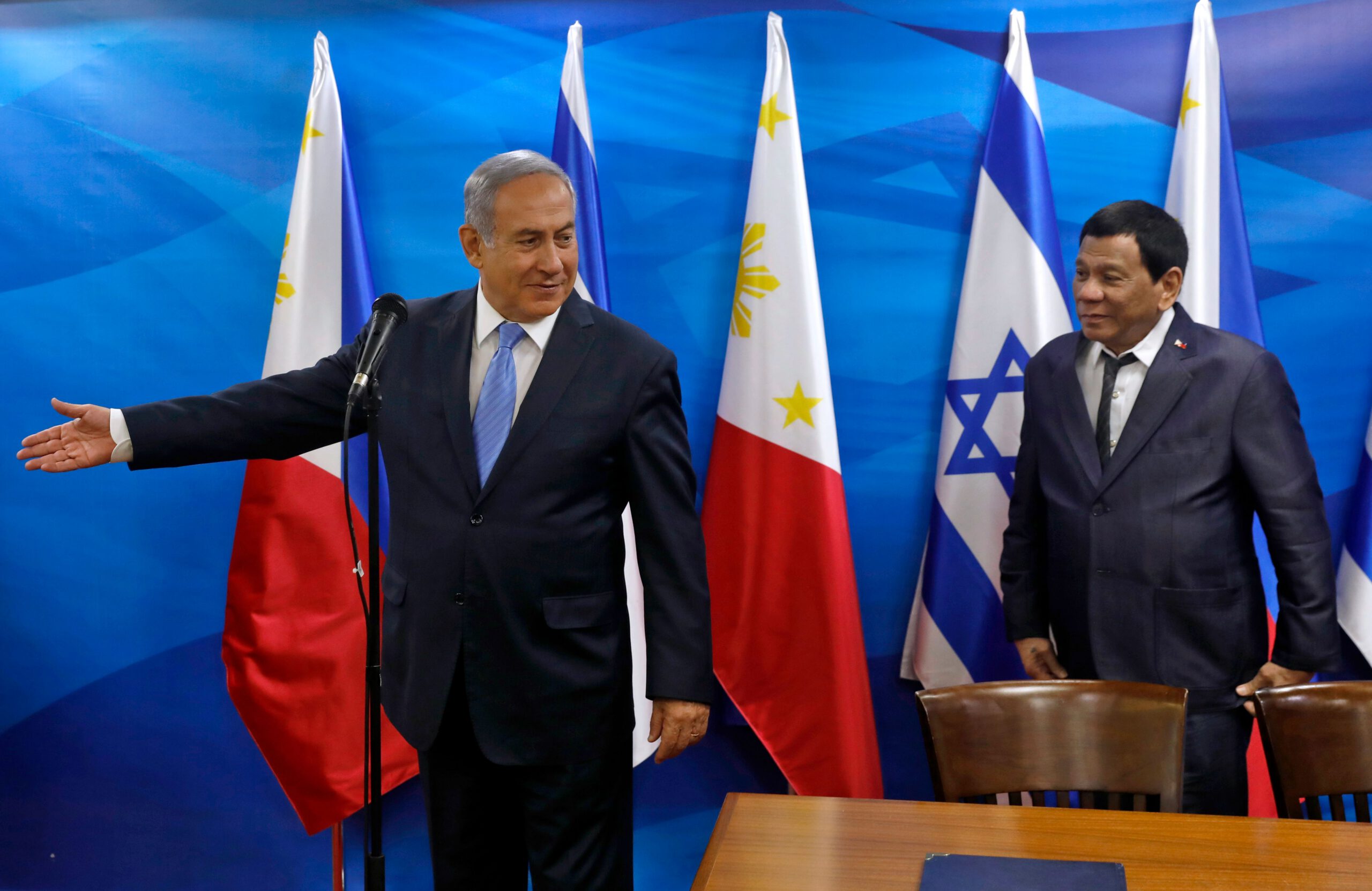
Over the past two decades, Israel has developed robust bilateral relationships with China, India, and Singapore. Israel has also succeeded in forging ties with Japan and South Korea. More recently, Israel has devoted considerable attention to strengthening its relations with Southeast Asian countries, particularly Vietnam, the Philippines, Thailand and Myanmar. Military-security cooperation in the form of arms trade as well as technology transfer and licensed production has emerged as an important dimension of Israel’s relations with Southeast Asian countries.
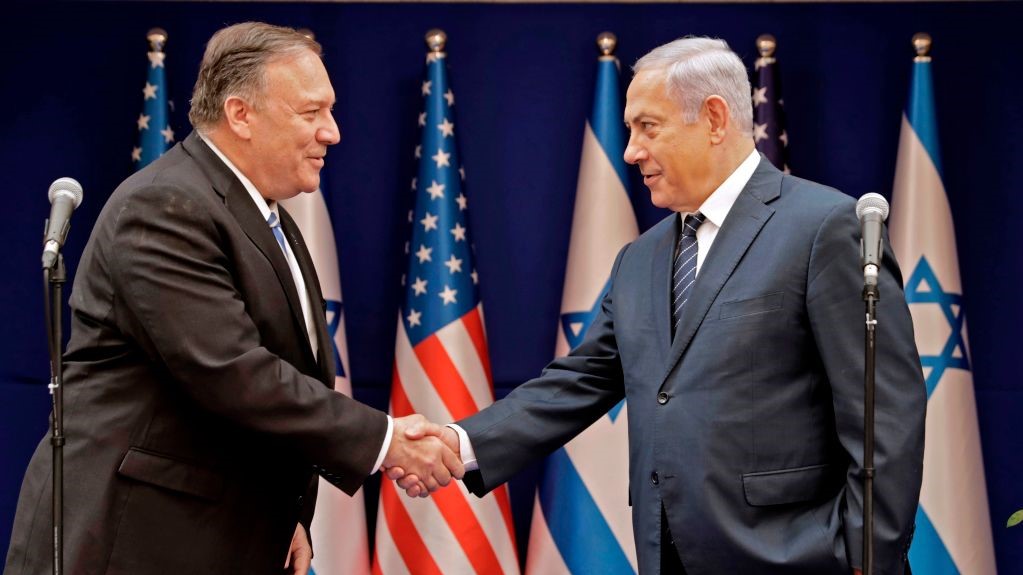
Politically Netanyahu seems to be about as popular as before his long-awaited indictment, which portends another inconclusive election and a political system unable to break the deadlock.
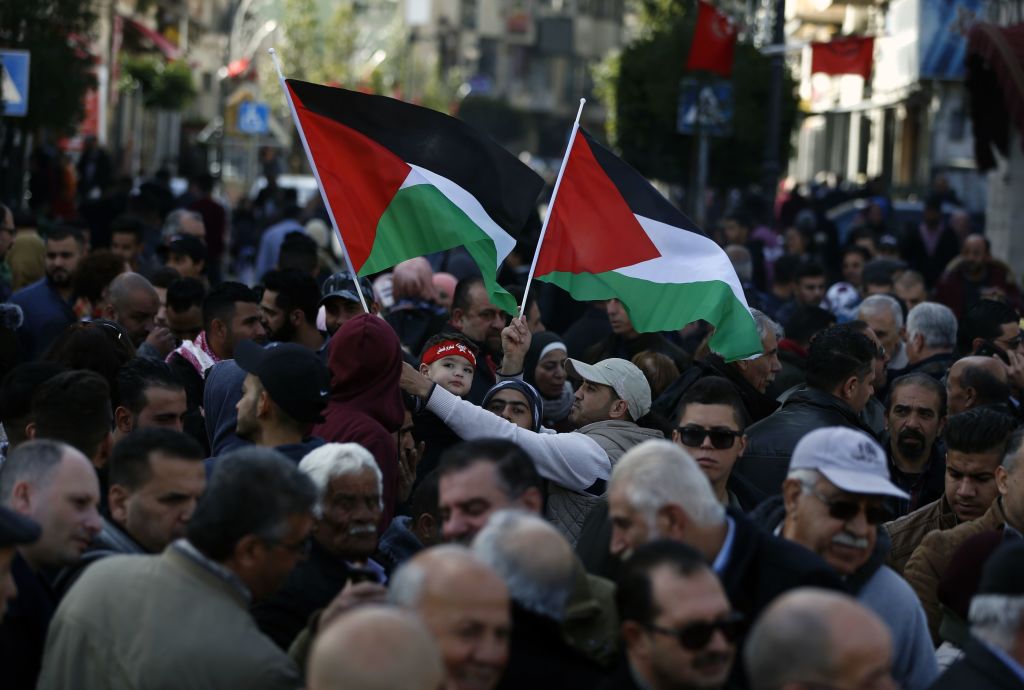
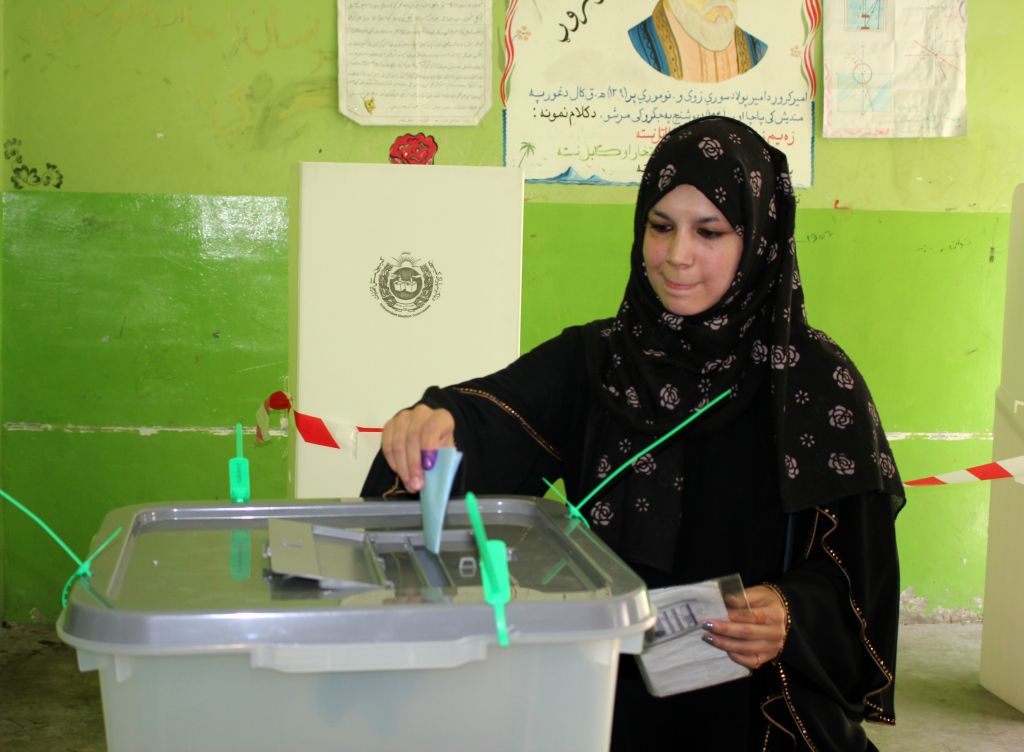
Holding long overdue elections for the Palestinian presidency and the legislative arm of the Palestinian Authority could be a step toward redressing the Fatah-Hamas conflict.
What do recent successes against ISIS mean for a US withdrawal from Afghanistan?
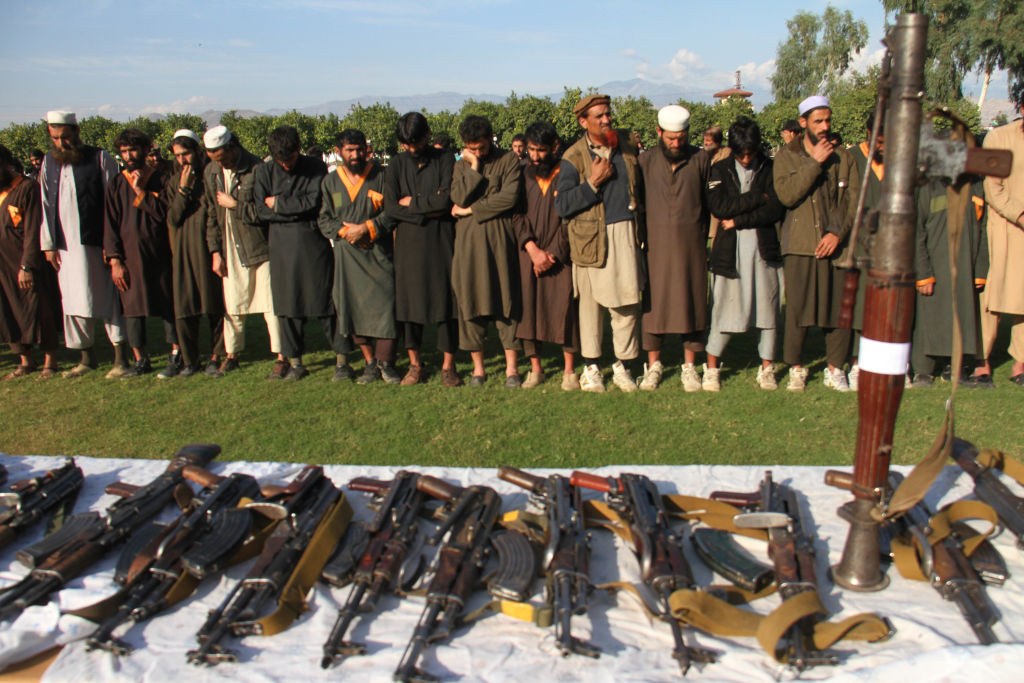
Afghan security forces, working in concert with U.S. airpower, have launched a series of successful attacks in eastern Afghanistan on ISIS forces, which operate locally under the banner of ISKP. Simultaneously, the Taliban has conducted its own military campaign against ISKP in the same region. These campaigns have significantly degraded ISKP’s position in eastern Afghanistan, a development that may well increase the likelihood of an eventual U.S.-Taliban peace deal.
The intra-GCC competition over the Palestinian heart
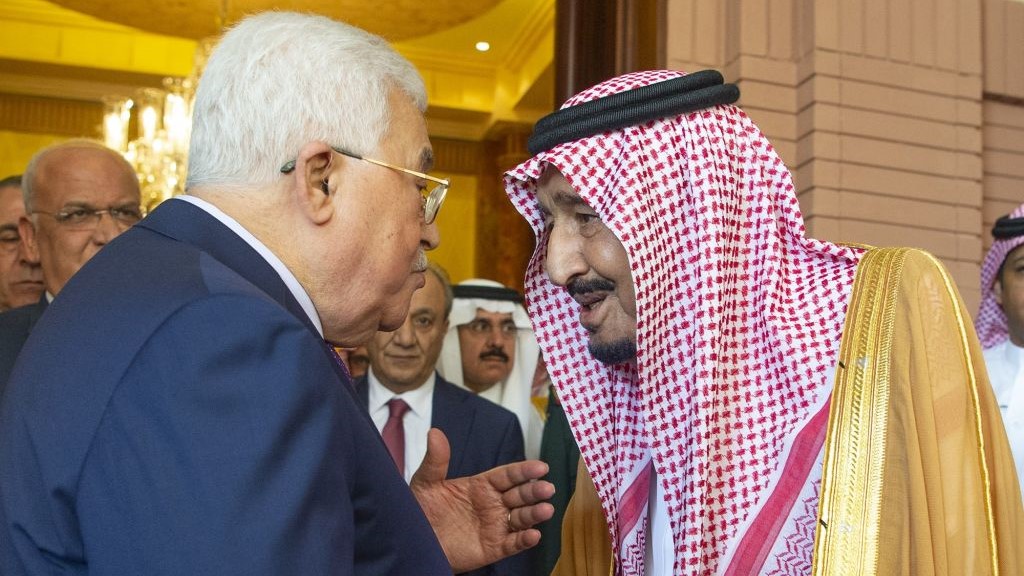
Since 2017 three separate blocs have emerged within the Gulf. Driven by the region’s divisions, rival power centers, and conflicting interests, the Gulf states are playing an ever-greater role in Palestinian affairs.
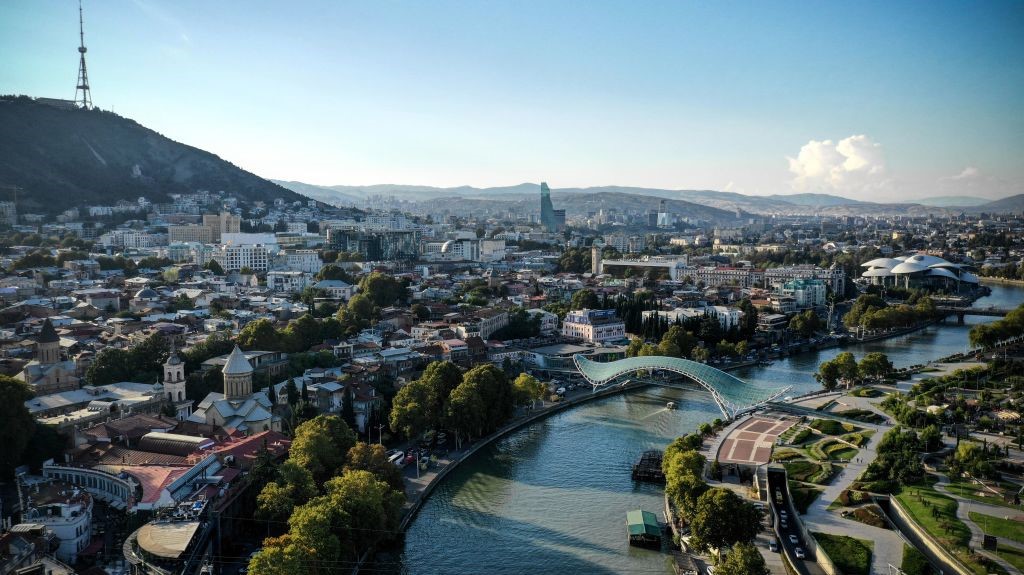
Given their territorial proximity, the regional actors of the Middle East have always had an interest in Georgia and the South Caucasus as a window to Europe. The collapse of the Soviet Union brought an end to Georgia’s isolation, and in the years since the country has gradually started reclaiming its historical role as a cultural and economic crossroads between Asia, the Middle East, and Europe.
An Israel-US defense treaty will ruin relations with Arab states
Attempts by the indicted Israeli leader to railroad through a joint U.S.-Israel defense treaty in opposition to the Palestinians and other Arabs will be disastrous for America’s national interest.