Will COVID-19 hasten the rise of lethal autonomous weapons?
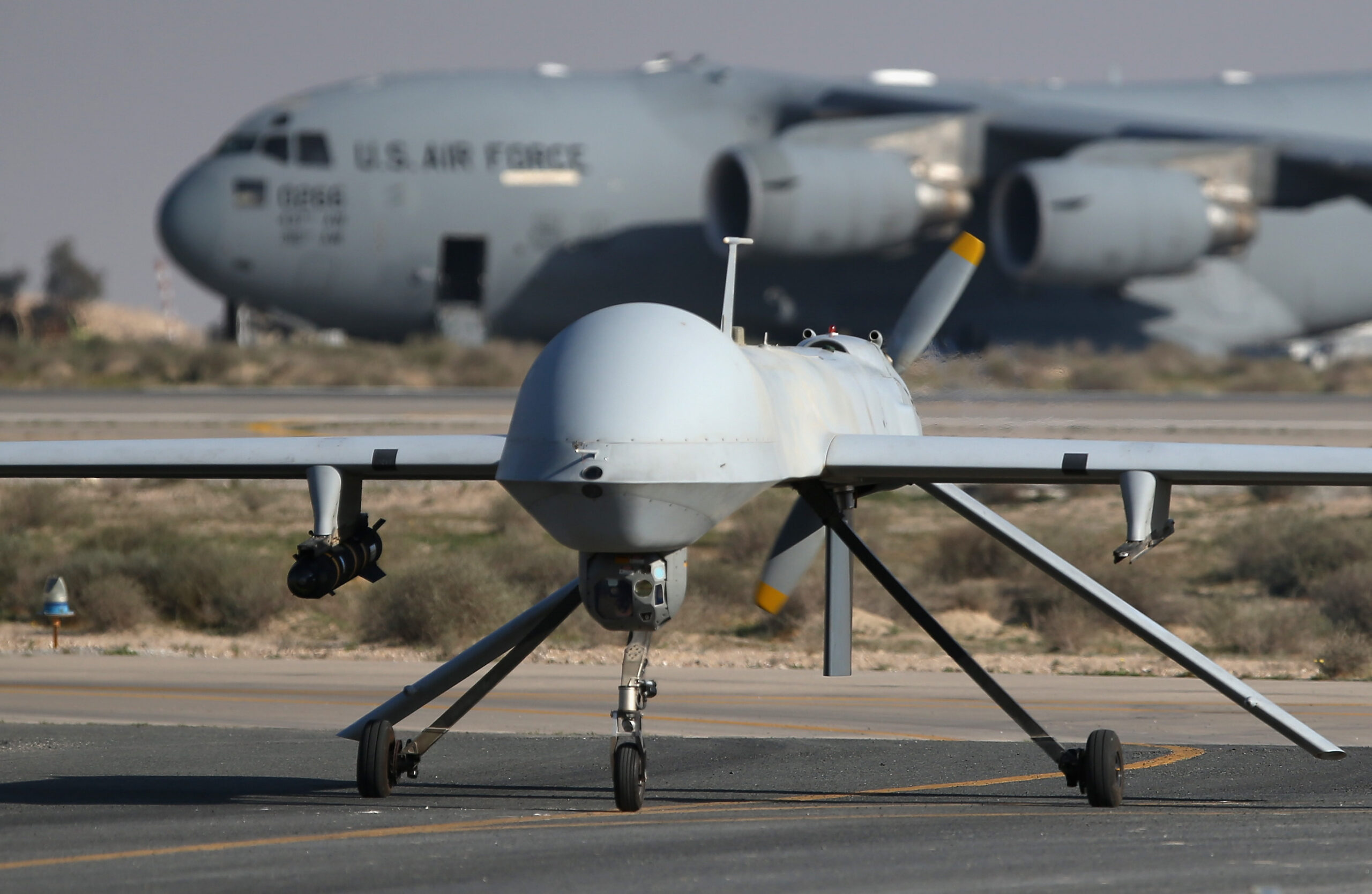
The latest figures from the Pentagon indicate that the total number of COVID-19 cases among members of the U.S. military has topped 60,000 since the onset of the pandemic. COVID-19 and other similar outbreaks could become an increasingly important consideration in the calculus of future military deployments. They could add impetus to the Pentagon’s development of lethal autonomous weapons or at least be cited as a perfect reason to do so. This could, in turn, have significant implications for the future of both U.S. military operations in the Middle East and the U.S. military presence in the region.
An International Financial Commission is Libya’s Last Hope
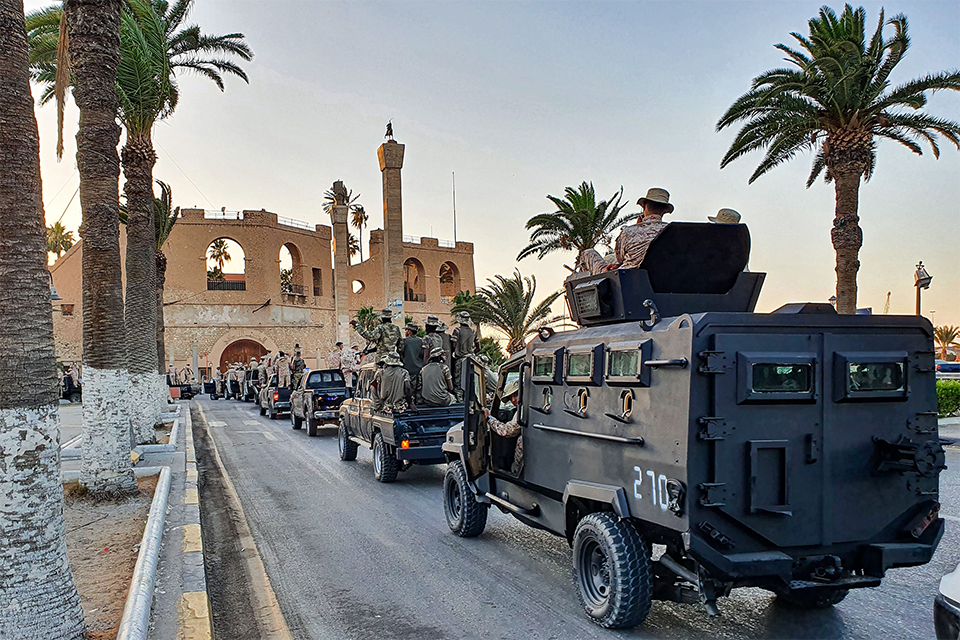
For the last five years, the international community has tried a range of different approaches to mediating the Libyan civil war. All have failed. Most nations not actively fueling the war with weapons, money, training, and mercenaries now see that halting these destructive flows is critical to bringing the rival militias to the negotiating table. However, this will not be enough to solve the conflict. Once militias are cut off from external sources of support, the core economic issues that gave rise to the conflict will still remain. Only a new approach empowering Libyan economic reformers and reworking the economic system can fix the dysfunction. To achieve this, international actors need to facilitate the establishment of a Libyan-led International Financial Commission with the authority to restructure the economy.
Economic transparency and structural reform remain Libya’s last hope
Since 2011 Libya’s seemingly endless Wars of Post-Gadhafi Succession have not fundamentally been fought over the control of territory, but rather over the control of economic institutions, patronage networks, and the amorphous optics of legitimacy and international support. The most recent battle, the 2019-20 “War for Tripoli,” was about gaining access to the fonts of both legitimate and corrupt enrichment: letters of credit, smuggling networks, subsidized petrol, and control of those myriad institutions to which Libya’s sui generis economic system grants the ability to exert de facto fiscal, financial, and legal power. Therefore, although Hifter and his allies have been wholesale evicted from western Libya, the grievances they highlighted, preyed upon, and took advantage of remain unchanged.
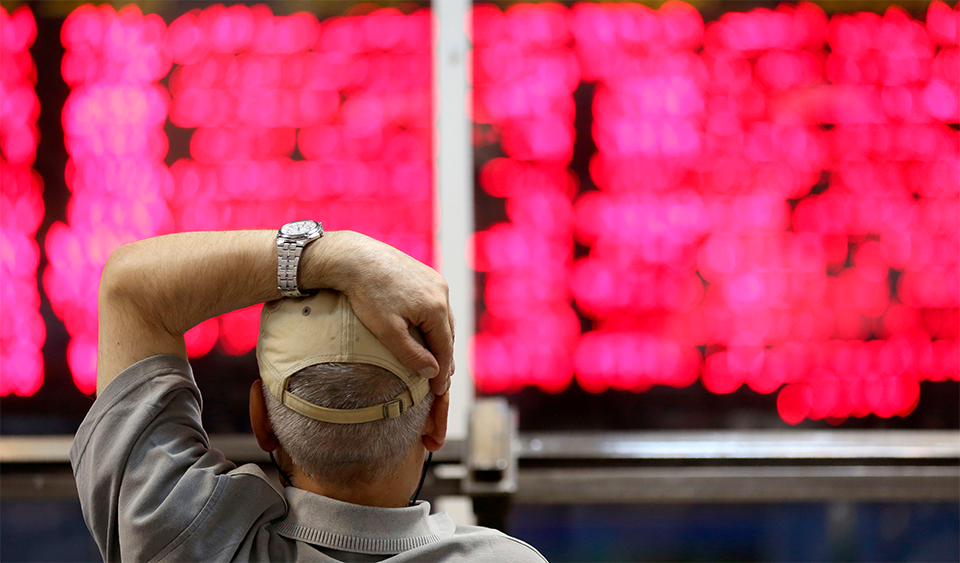
Following the outbreak of the COVID-19 pandemic, the Tehran Stock Exchange (TSE) took a different path than the rest of the financial world. As markets around the globe plunged, the TSE soared to new heights. There has been a recent reversal, however, with the index falling sharply from its peak in early August and losing around 20 percent of its value over the course of a month. The story of the TSE is about the extreme measures a desperate government is willing to take to make ends meet.
Syria Still Matters: Charting a Strategic Approach to Syria Policy
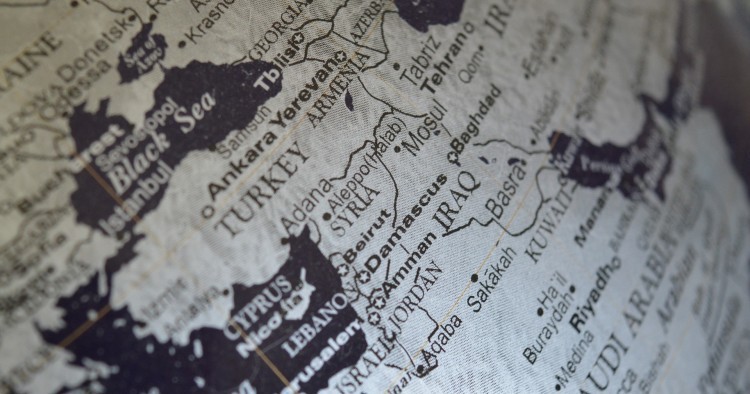
Nine years of conflict in Syria has had a profoundly destabilizing effect on regional and international security. Although overarching dynamics have changed, the crisis is far from over — it is merely evolving. All of the conflict’s root causes remain in place and many have worsened. In controlling less than two-thirds of the country, the Syrian state and its Russian and Iranian backers are increasingly incapable of addressing the many challenges they face: economic collapse and inflation, fledgling insurgencies, a resurgent ISIS, a COVID crisis, and endemic corruption and mismanagement. What happens in Syria never stays in Syria. The United States cannot afford to prematurely withdraw or sustain today’s inconsistent and ill-considered policy — it must step up, re-assert its leverage, strengthen its partners, mobilize its allies, and move determinedly toward protecting American interests and helping to diplomatically resolve the crisis once and for all, creating space for foreign actors, the U.S. included, to depart Syrian soil responsibly.
Election 2020: Challenges and Opportunities for US Policy in the Middle East
In a new briefing book released ahead of the U.S. elections in November, entitled Election 2020: Challenges and Opportunities for US Policy in the Middle East, MEI scholars lay out key issues across the region, highlight the U.S. interests at stake, and provide policy insights and recommendations for the path forward.
Taiwan should implement the “Economic Miracle” model in Somaliland to win Africa’s goodwill
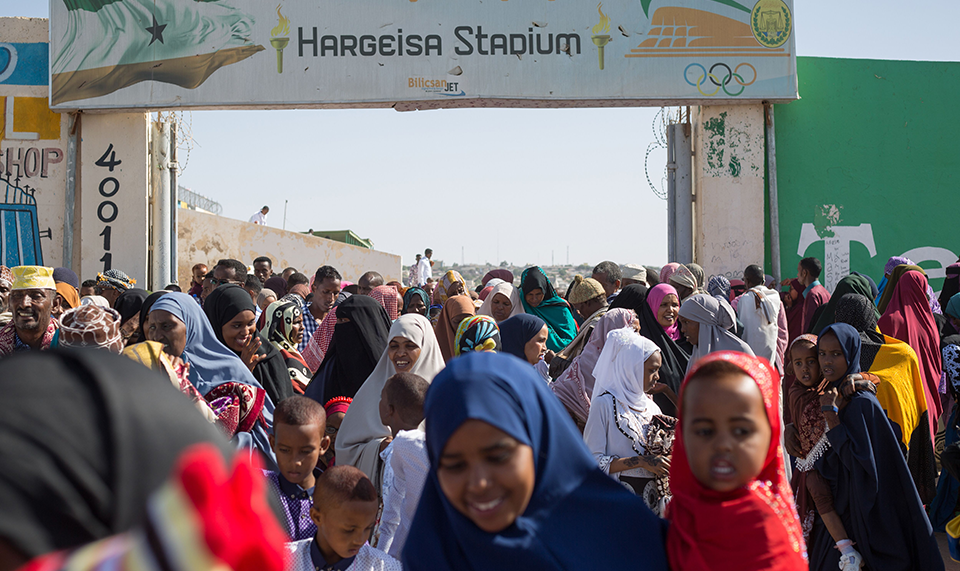
Countries in the Horn of Africa can draw lessons from the Taiwanese because they are themselves attempting to make the same political transition Taiwan did, but have not yet achieved the needed reforms such as ensuring good governance, eradicating corruption, and developing economic self-reliance to reduce dependency on aid. Taiwan may not have the financial resources to win against the PRC’s checkbook-driven One-China policy in Africa, but it could overcome that disadvantage by convincing African nations that it can help them replicate the sustainable growth model of the “Taiwan Economic Miracle.” Taiwan’s recent diplomatic overtures in Somaliland seem like a step in that direction and could be a game-changer, not only for the Horn of Africa but for the continent as a whole.
From port to port: Both Lebanon and Turkey would benefit from greater shipping connectivity
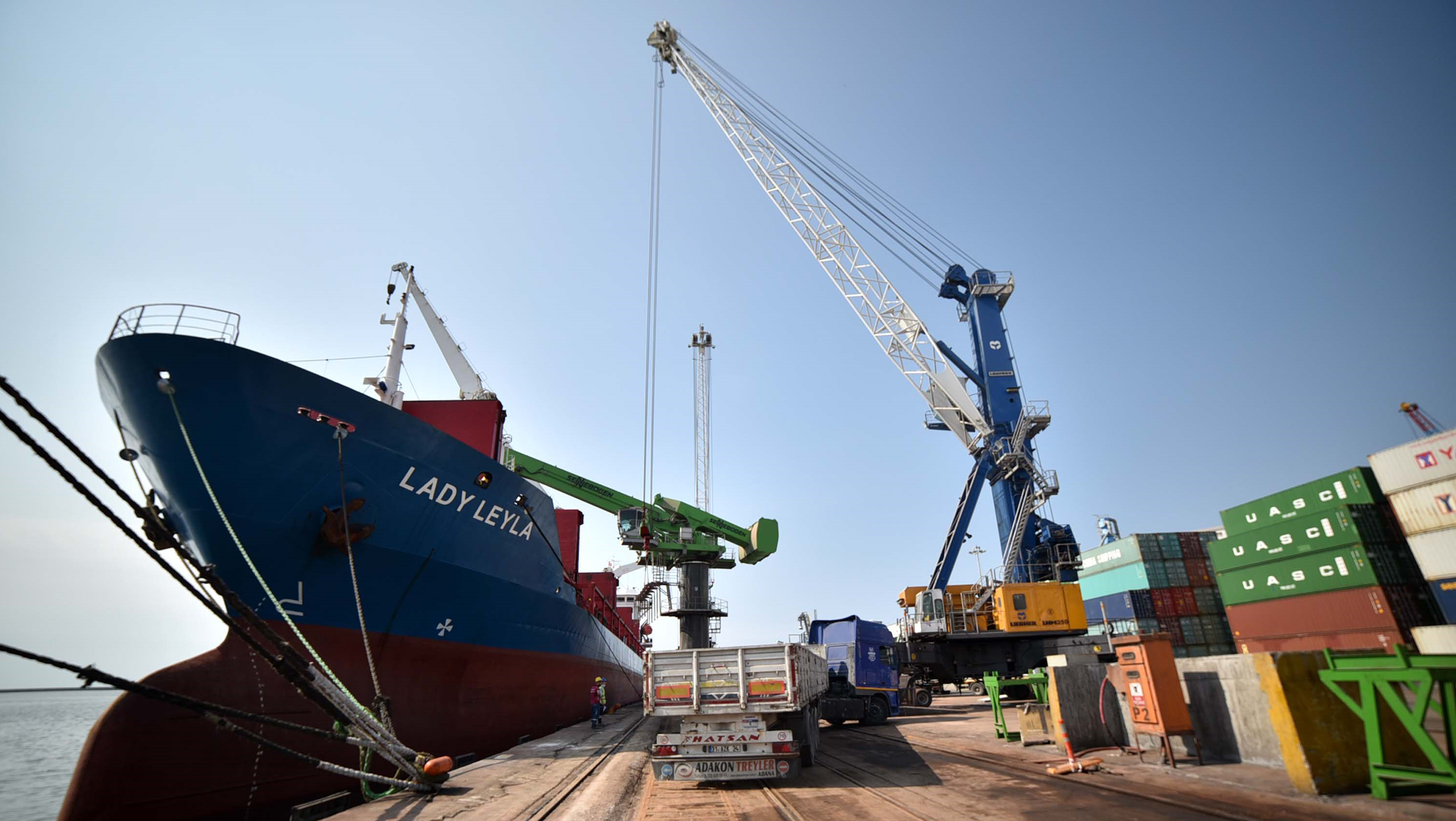
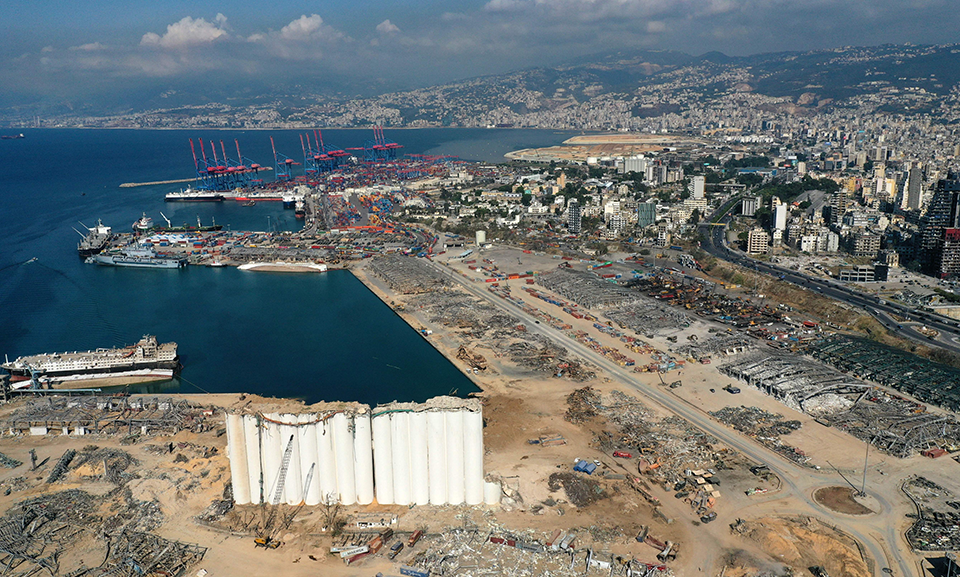
Following the devastating explosion that rocked Beirut on Aug. 4, one of the first foreign state dignitaries to visit Lebanon to pledge support was Turkish Vice President Fuat Oktay. Oktay said that not only would Turkey help to rebuild the damaged port and the surrounding buildings, but it could also provide temporary support in the form of linking Turkey’s largest Mediterranean port, Mersin International Port, with the Port of Beirut.
Continuity and change in British foreign policy toward Yemen
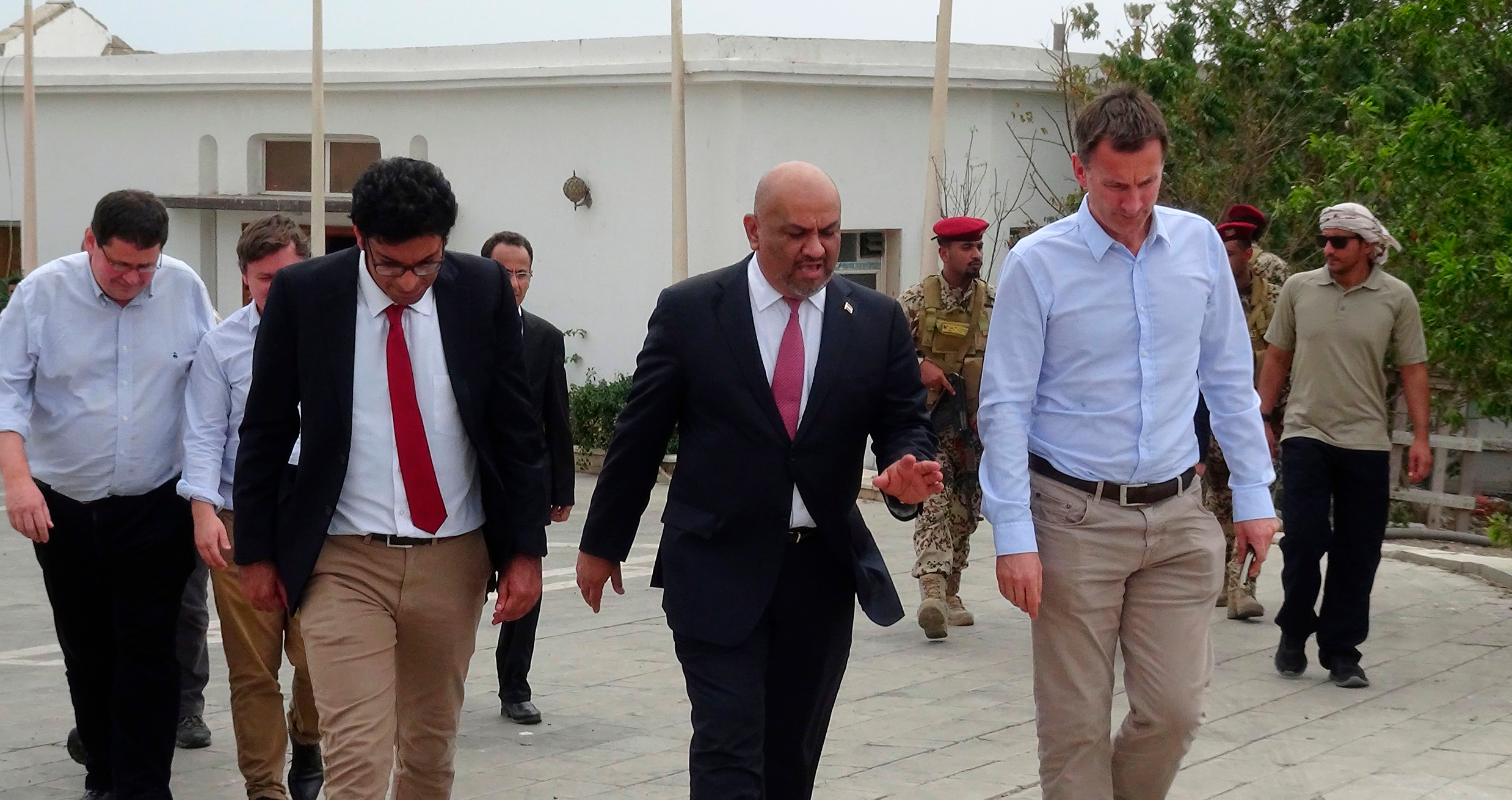
On Feb. 16, 2015, then British Ambassador to Yemen Jane Marriott wrote an article titled “Yemen: the ball is in the Houthis’ court,” asserting that the future of the country and its stability were dependent on the Houthis.
How is the crisis in Lebanon impacting Syria’s economy?
The explosion at the Port of Beirut on Aug. 4 has resulted in a further escalation of the political and economic crisis in Lebanon. Its repercussions can already be deeply felt in neighboring Syria and are expected to take an even greater toll on the country given its complex links to Lebanon. This crisis is feeding into Syria through multiple channels and has severe implications for its ability to import goods and, ultimately, its food security.
Jordan’s rising economic challenges in the time of COVID-19
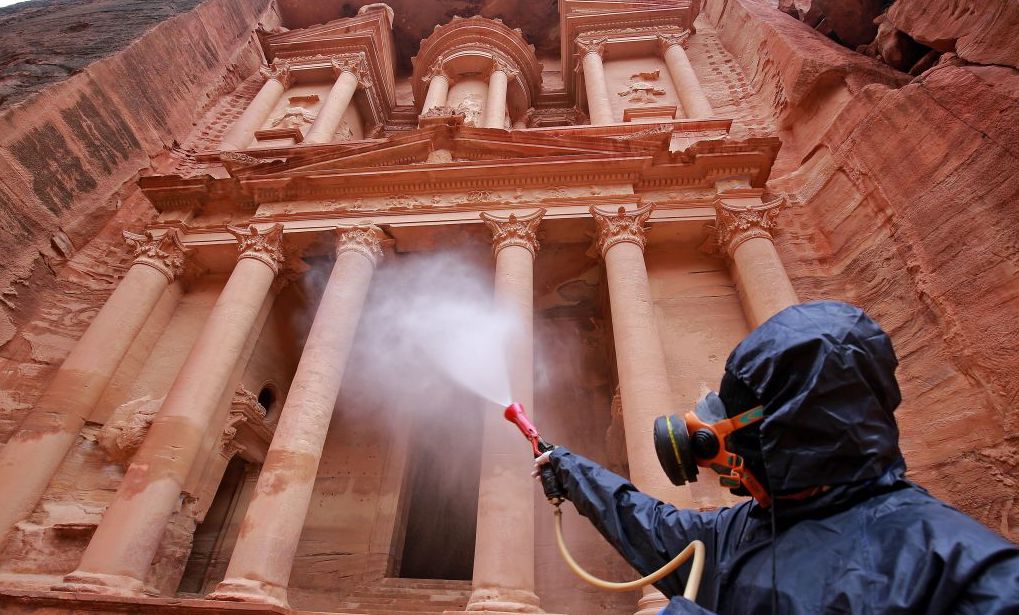
The Jordanian government implemented one of the most comprehensive and effective COVID-19 responses in the region. While the government’s stringent measures did prompt some public discontent, the population largely accepted them. The government’s rapid and broad initial response was successful in thwarting a major public health crisis. Nevertheless, the kingdom has not been able to forestall the damaging economic consequences of COVID-19, which are bound to linger for years to come.
Strategic pause: What explains Russia’s inertia in eastern Syria?
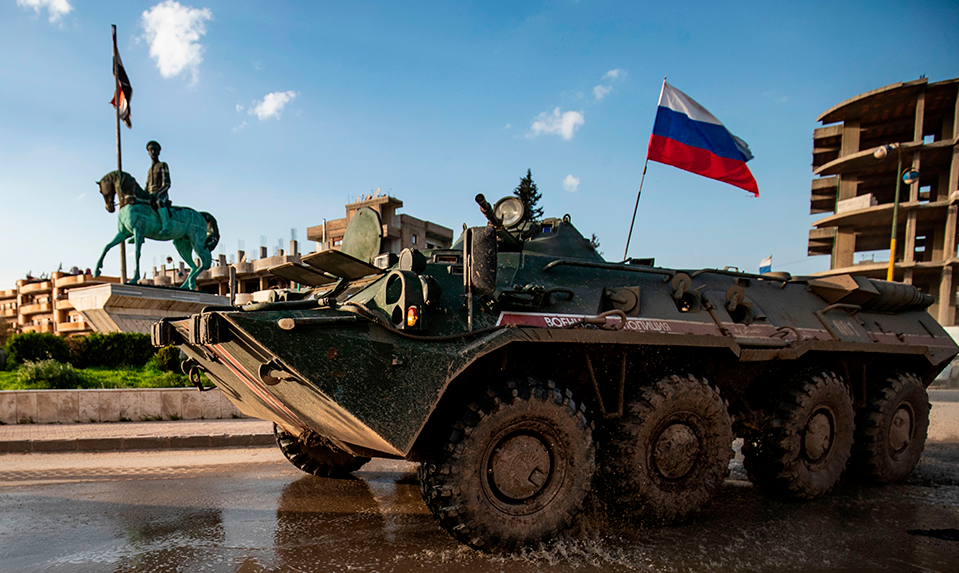
Moscow has been scaling down its activities in eastern Syria and the most likely reason for this inertia lies in Moscow’s reluctance to be associated with actors seeking to erode the quasi-autonomy of the Trans-Euphrates region. Instead, Russia prefers to stand to the side and watch events unfold, while contemplating the right moment to jump in as a mediator and reap the political rewards.
Assad tends to his base by making amends with the Makhloufs
Reports emerged this week that President Bashar al-Assad traveled on Sunday to his ancestral hometown and Alawi stronghold of Qardaha for a meeting with members of the powerful Makhlouf family.