Monday Briefing: Al-Qaeda leader killed, U.S. & Russia at odds over Syria
Note: The latest issue of MEI’s Monday Briefing e-mail incorrectly linked to this page. If you’re looking for the Monday Briefing for March 6, click here.
Iran’s Scathing Attack on Turkey as Syria Peace Talks Begin in Geneva
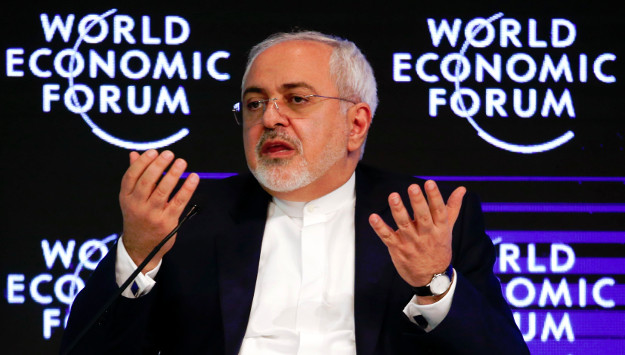
In the latest episode of escalating diplomatic tension between Tehran and Ankara, Iran’s foreign minister today blasted latest statements by Turkish officials accusing Iran of destabilizing the Middle East and fueling sectarian divide in the region.
Afghan Daily: Tehran “Blackmails” Kabul for Political Concessions
Afghanistan’s leading daily newspaper Hasht-e Sobh has blasted the Iranian government for blocking Afghanistan’s accession to the Transport Corridor Europe-Caucasus-Asia (TRACECA) and using its leverage within TRACECA to “blackmail” the Afghan government and seek political concessions from Kabul.
Ali Akbar Velayati, the top foreign policy advisor to Supreme Leader Ayatollah Ali Khamenei, has dismissed Turkish charges that Tehran is engaging in dangerous sectarian policies in the Middle East.
Prominent Afghan Jihadi Leader Warns Iran against Supporting Taliban
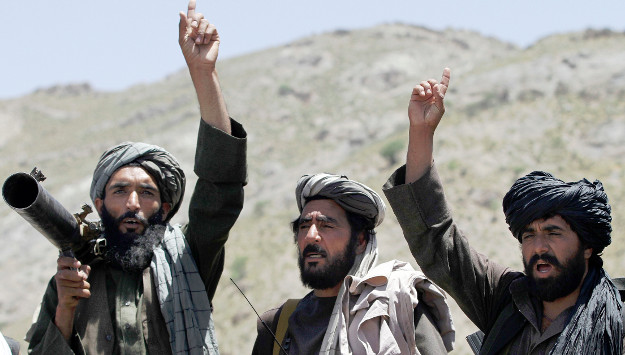
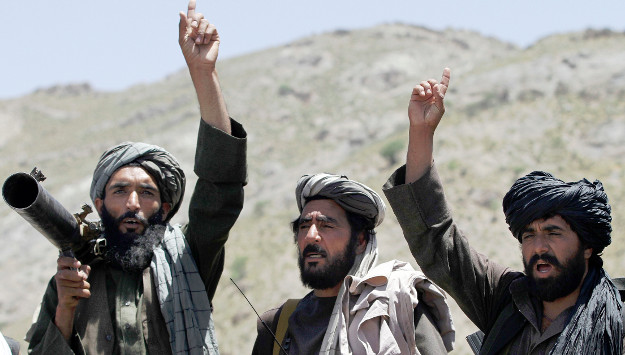
Prominent Afghan jihadi leader Amir Ismail Khan has warned the Iranian government against providing military and financial assistance to the Taliban militants in Afghanistan.
Turkish President Recep Tayyip Erdogan’s official trip to Bahrain, Saudi Arabia and Qatar has prompted anxiety in Tehran. Erdogan arrived in Riyadh on Monday night after a visit to Bahrain, and he is scheduled to go to Qatar next.
Top U.S. General Provides Further Evidence of Iran’s Support for Taliban
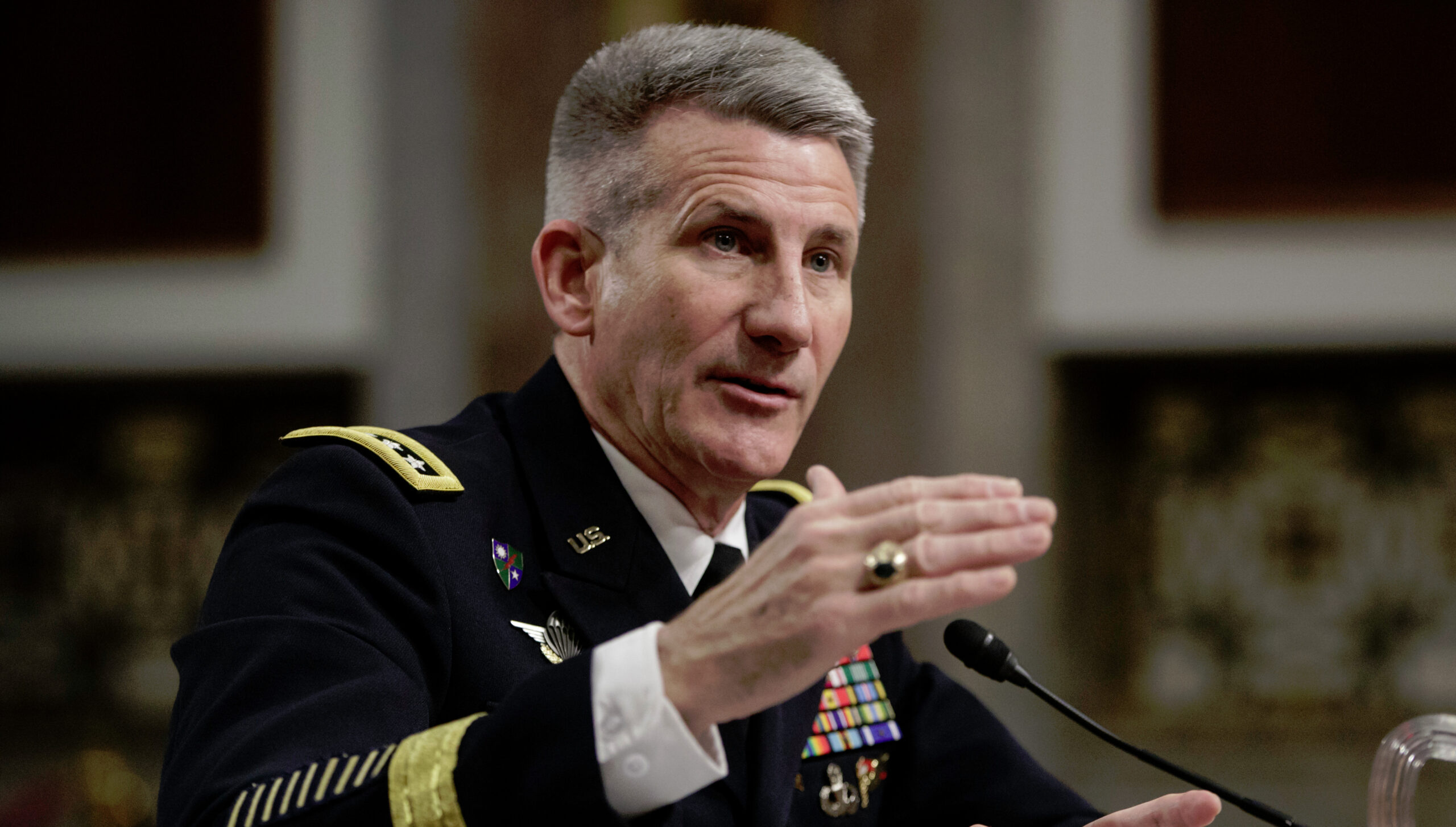
The top American commander in Afghanistan told Congress yesterday that Iran and Russia are supporting the Taliban to undermine the U.S. mission to stabilize the war-ravaged country. Army Gen.
Afghan Official Says Iran Is Fueling Sectarian Tension in Western Provinces
The BBC Persian reports that Iran has significantly expanded its ideological, cultural and economic sphere of influence in Afghanistan’s western province of Nimroz and is inflaming sectarian tension in the province.
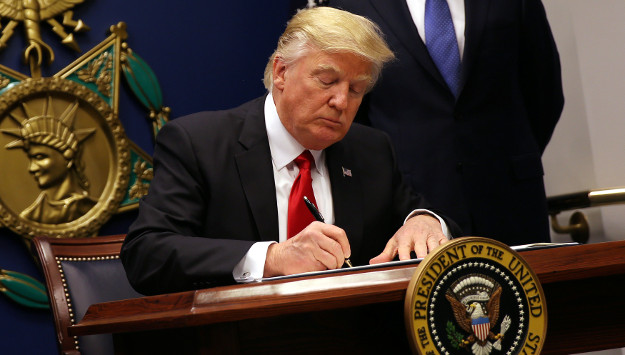
Monday Briefing: Trump’s Executive Orders Don’t Reveal a Coherent Strategy
In this week’s Monday Briefing, MEI experts Paul Salem, Paul Scham, Randa Slim, W. Robert Pearson, and Marvin G. Weinbaum provide analysis on recent and upcoming events including the Trump administration’s apparent lack of a coherent strategy in the implementation of executive orders, the possibility of an improved relationship between Israel and the UK in the wake of Brexit, the Astana meeting to discuss the Syrian cease-fire deal, bilateral efforts to improve Turkish-Israel relations, and the uncertainty surrounding U.S.-Pakistani relations under the Trump administration.
Top Afghan Leader Orders Probe into Iran’s Support for Terrorists in Helmand
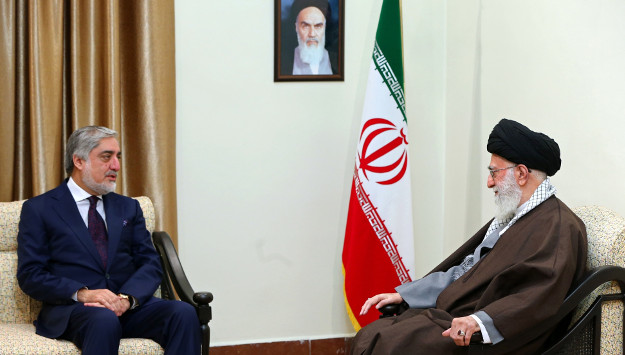
Afghanistan’s Chief Executive Abdullah Abdullah has called for an investigation into the latest reports of the Iranian government’s ties with the Taliban, the Afghan media reports.
Monday Briefing: Trump Scores a Ruinous ‘Own Goal’ in the Middle East
In this week’s Monday Briefing, MEI experts Paul Salem, Robert S. Ford, and W. Robert Pearson provide analysis on recent and upcoming events including the Trump administration’s controversial travel ban, the Syrian regime’s dismissal of calls for a cease-fire, and the upcoming meeting between German Chancellor Angela Merkel and Turkish President Recep Tayyip Erdogan.
Iranian Delegation Reportedly Visited Helmand to Deliver Weapons to Taliban
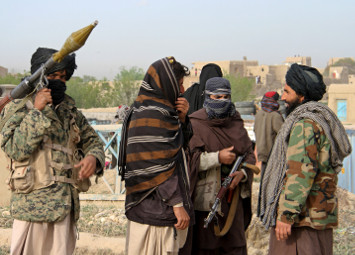
Afghan officials say Iran has recently sent a delegation to meet with Taliban commanders in the restive province of Helmand. On January 23, Hayatullah Hayat, the governor of Helmand, told Afghanistan’s 1TV channel that the National Directorate of Security was probing allegations that the Iranian team also delivered weapons to the Taliban militants in Helmand’s Garmsir District.
Iran Recruits and Trains Large Numbers of Afghan and Pakistani Shiites
While much ink has been spilled about how Iran’s involvement in the Syrian civil war has fueled sectarianism and instability in the Arab world, the implications of Iran’s increasing recruitment of Afghan and Pakistani Shiites on security and stability in South Asia have largely been overlooked. Over the past five years, the Islamic Revolution Guards Corps (IRGC) has recruited, indoctrinated, trained and deployed thousands of Afghan and Pakistani Shiites to fight under its command against Sunni rebel groups across Syria.