How can China maintain good relations with both Israel and Iran?
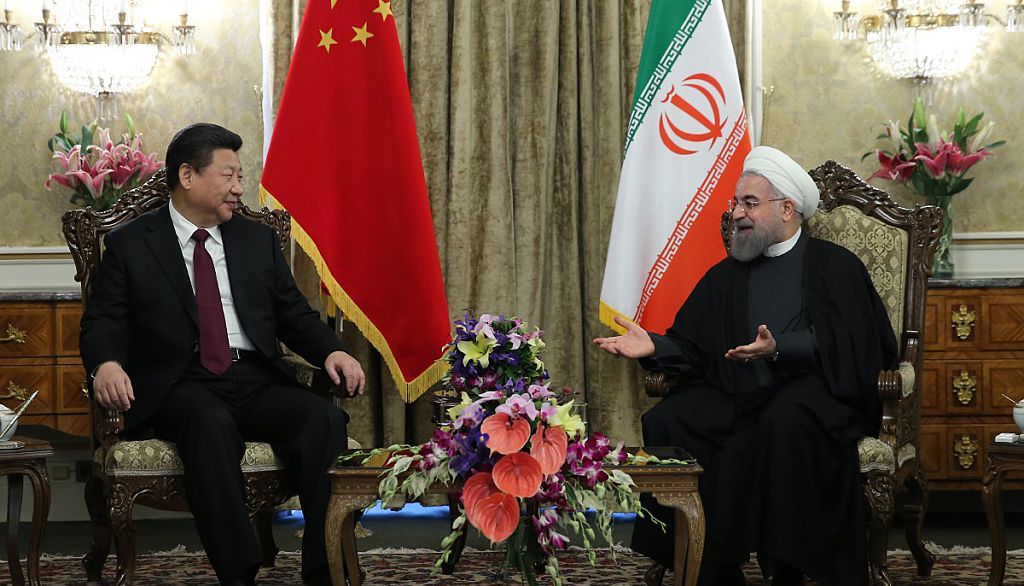
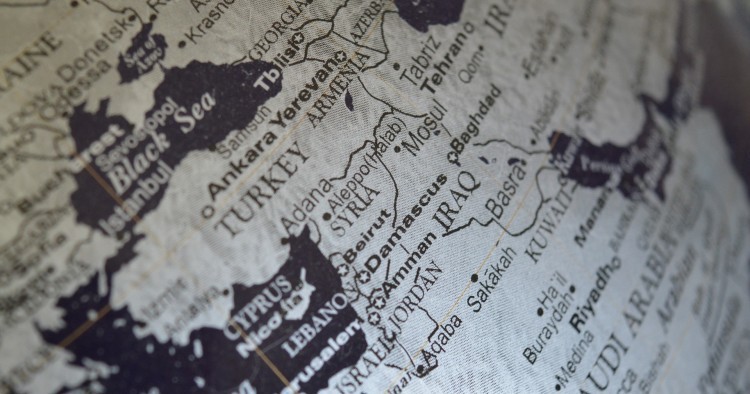
In recent years, China has become increasingly involved in the international arena, including the Middle East. As a rising superpower, China finds itself, time and again, needing to maintain relationships with countries that are hostile to one another. This is particularly true in the Middle East, which is one of the most conflictual areas in the world. China faces a challenge as it seeks to maintain good relations with both Iran and Israel, two of the region’s fiercest and loudest adversaries. How does Beijing manage to do this, and can it continue to do so going forward?
Dictators and civilizational thinking in Iran: From the Great Civilization to Islamic Civilization
Despite critical differences between the two political regimes that have dominated Iran for nearly a century, there are striking similarities between the Pahlavi monarchy (1925-1979) and the Islamic Republic (1979-present). Like Mohammad Reza Shah, Ayatollah Ali Khamenei has built a cult of personality around himself and has engaged in “civilizational thinking” — a preoccupation with defining the eternal essence and world-historical destiny of Iran through references to a glorious (one might say “glorified”) collective past. Nonetheless, the two leaders have interpreted Iranian history in vastly differing ways that serve divergent ideological ends.
Monday Briefing: Will Russia and Turkey face off over Nagorno-Karabakh?
This week’s briefing on recent news and upcoming events in the region featuring Maxim A. Suchkov, Ibrahim Jalal, Eliza Campbell, Alex Vatanka, and Marvin G. Weinbaum.
Last September, at the 74th session of the U.N. General Assembly, Iranian President Hassan Rouhani proposed the optimistically named “Hormuz Peace Endeavor” (HOPE). Over the past year, however, Iran’s plan has failed to gain any traction with the GCC states, even as the region’s security environment has fundamentally changed in ways that are detrimental to the Islamic Republic.
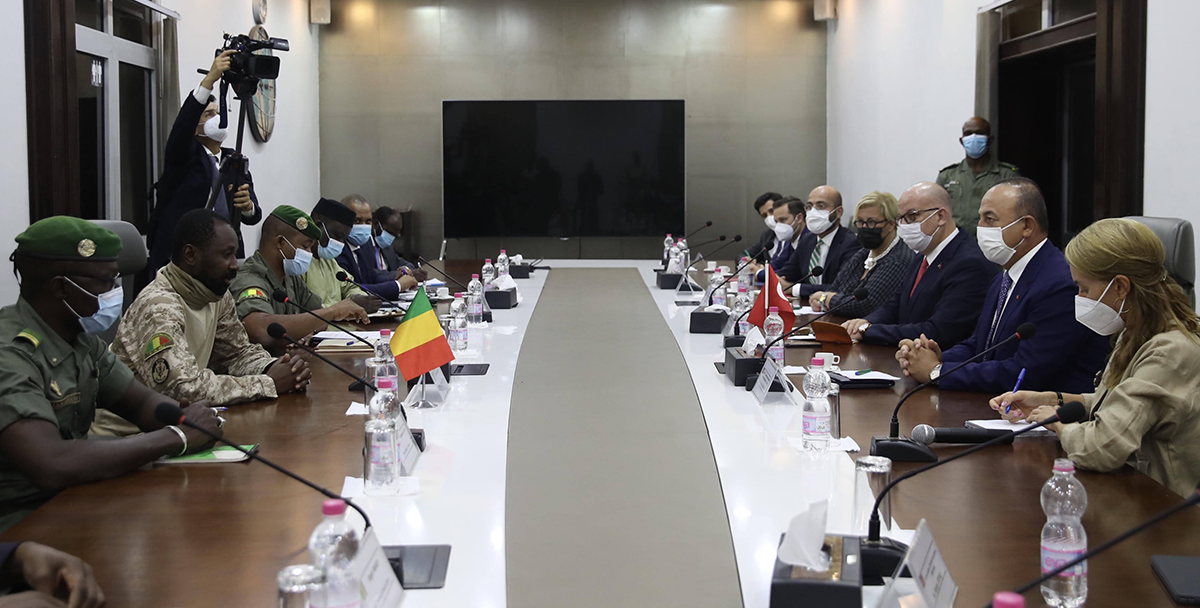
On Sept. 9, Turkey’s Foreign Minister Mevlut Cavusoglu embarked on a three-day trip to West Africa, which included stops in Mali, Senegal, and Guinea-Bissau. During his trip, Cavusoglu emphasized Turkey’s support for Mali’s post-coup transition process, struck infrastructure-related commercial deals with Guinea-Bissau, and underscored its commitment to engaging with multilateral institutions, such as the UN and AU, on addressing security challenges in the Sahel.
China’s plan to dominate the Middle East centers around Iran
The agreement with Iran could end up being the first major foray of many that gave Beijing a long reach into the Middle East at the expense of the United States, and even Russia.
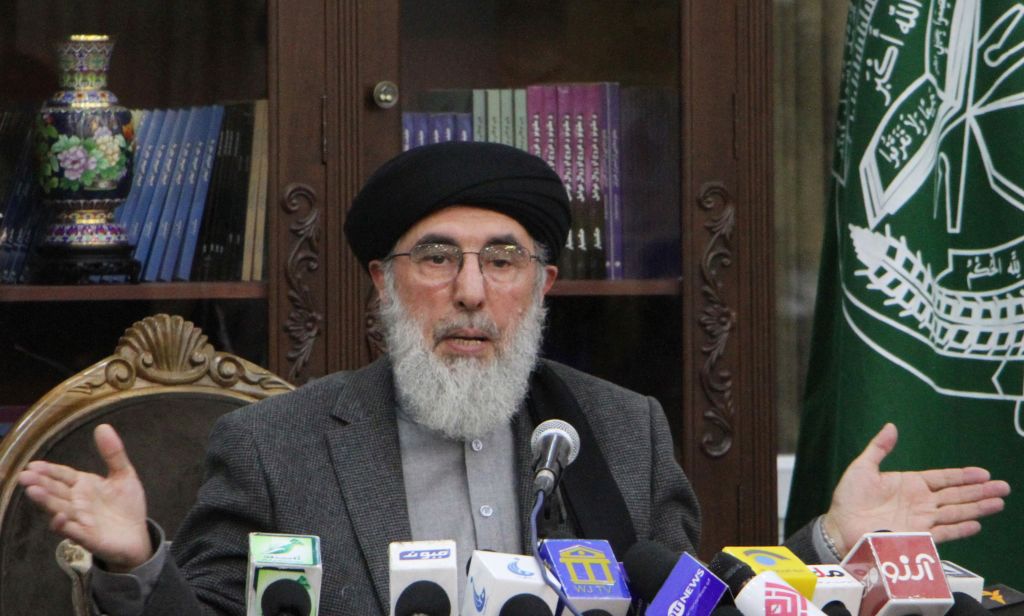
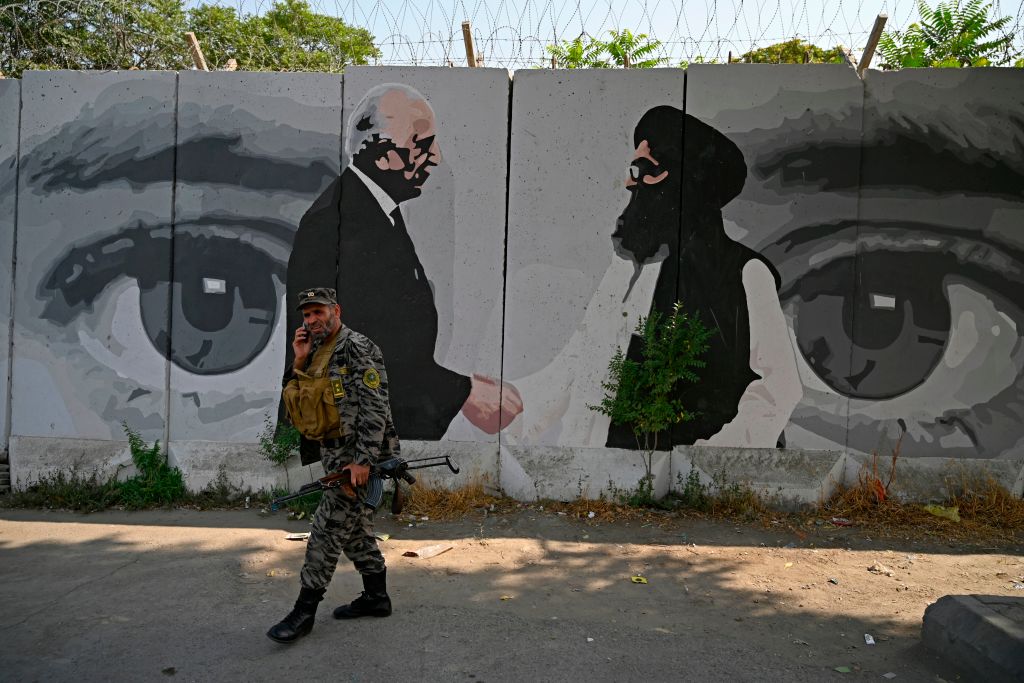
Monday Briefing: In Afghanistan a major player plans to jump ship
This week’s briefing on recent news and upcoming events in the region featuring Marvin G. Weinbaum, Charles Lister, Hafsa Halawa, Bilal Y. Saab, Anthony Elghossain, and Michael Sexton.
Trump, the CIA, and our disorienting Iranian policy ride
Understanding President Donald J. Trump’s position on Iran over the two remaining months until the November election is no feat for the fainthearted. Depending on the source to which one subscribes, Trump is either provoking conflict with Iran or working a secret back channel to secure a deal, both variables purportedly intended to support his election prospects. So which is it? Or can it be both?
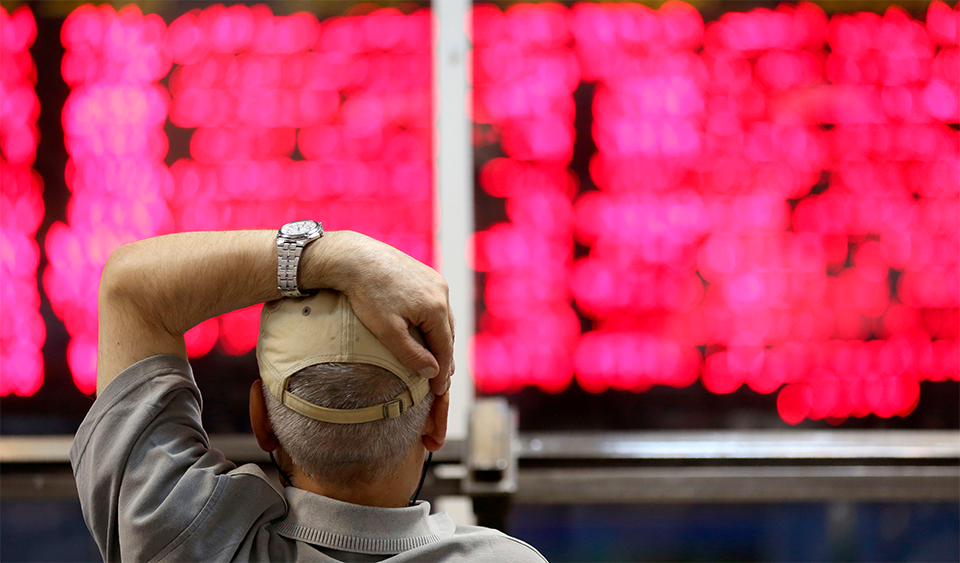
Following the outbreak of the COVID-19 pandemic, the Tehran Stock Exchange (TSE) took a different path than the rest of the financial world. As markets around the globe plunged, the TSE soared to new heights. There has been a recent reversal, however, with the index falling sharply from its peak in early August and losing around 20 percent of its value over the course of a month. The story of the TSE is about the extreme measures a desperate government is willing to take to make ends meet.
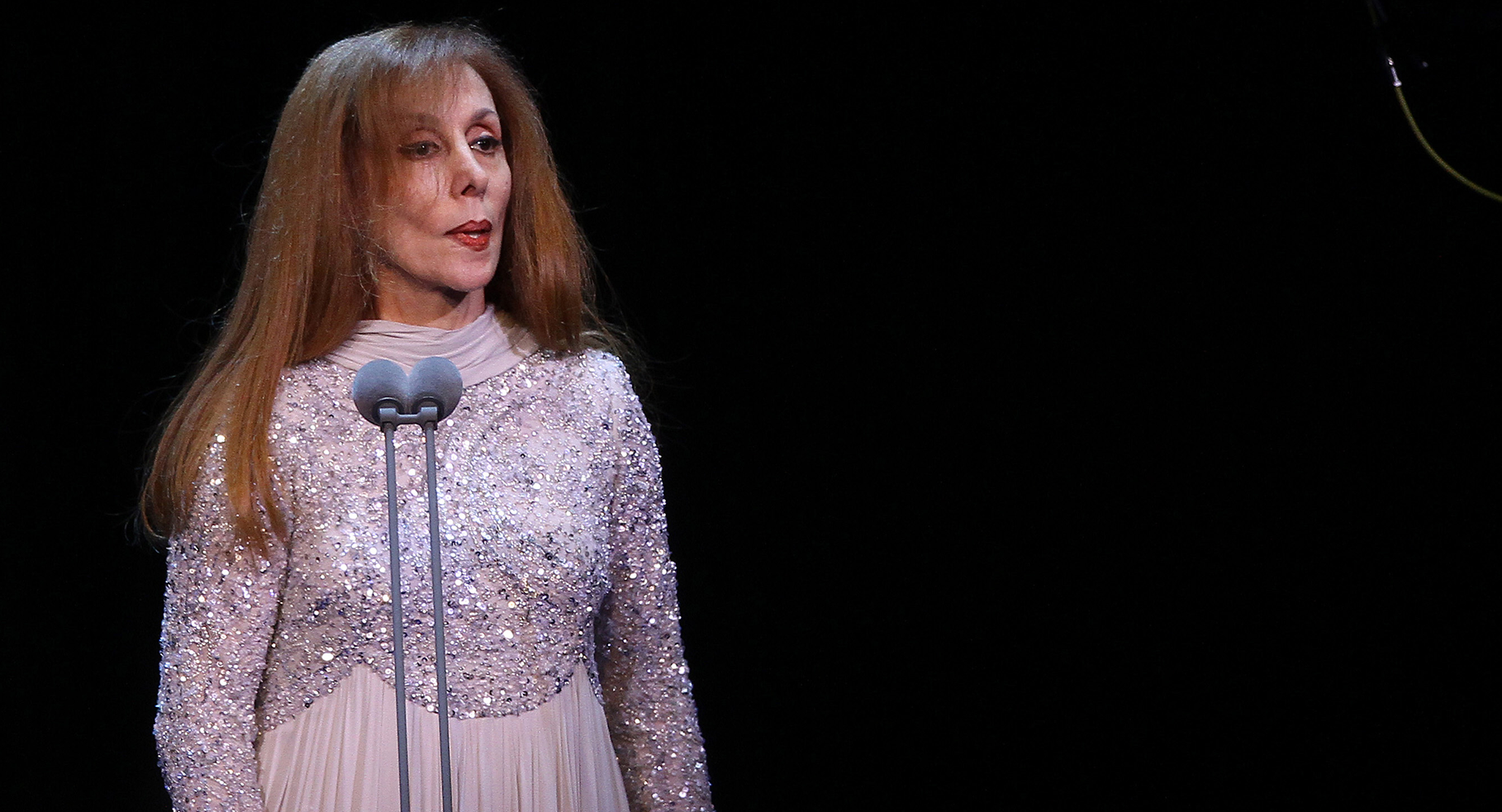
Love for Fairuz has proven that Iranians, despite their intense political differences, can have a common interest. After the deadly explosion in Beirut — which killed more than 190 people and displaced about 300,000 — the first thing Iranians thought of to express their sympathy was Fairuz’s famous song “Li Beirut,” which became a trending hashtag on Persian Twitter.
Election 2020: Challenges and Opportunities for US Policy in the Middle East
In a new briefing book released ahead of the U.S. elections in November, entitled Election 2020: Challenges and Opportunities for US Policy in the Middle East, MEI scholars lay out key issues across the region, highlight the U.S. interests at stake, and provide policy insights and recommendations for the path forward.
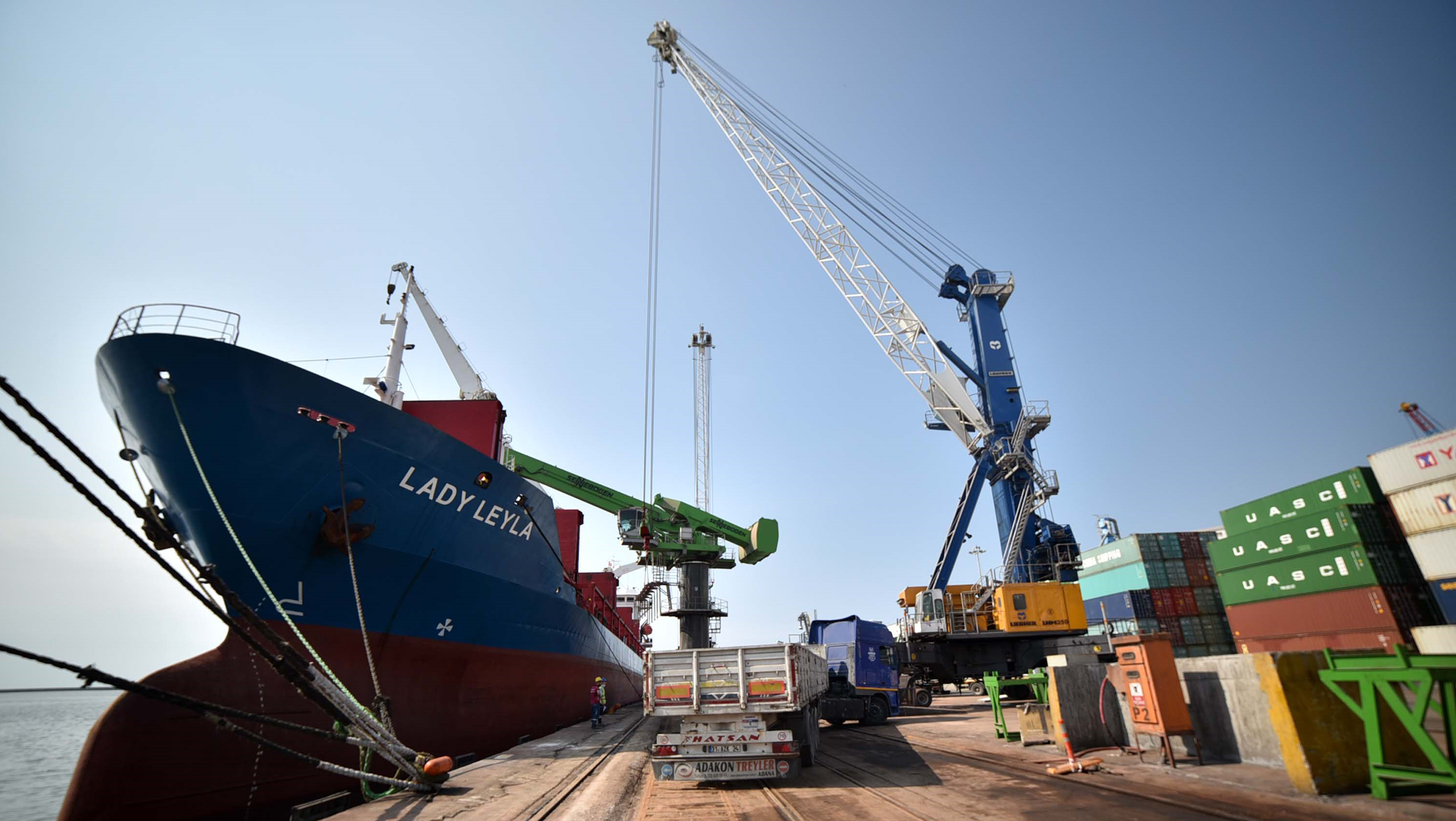
From port to port: Both Lebanon and Turkey would benefit from greater shipping connectivity
Following the devastating explosion that rocked Beirut on Aug. 4, one of the first foreign state dignitaries to visit Lebanon to pledge support was Turkish Vice President Fuat Oktay. Oktay said that not only would Turkey help to rebuild the damaged port and the surrounding buildings, but it could also provide temporary support in the form of linking Turkey’s largest Mediterranean port, Mersin International Port, with the Port of Beirut.
The ripple effects of the 2017 “#MeToo” movement shook Iranian social media this week as rape allegations were levelled against some of the country’s most prominent figures. The movement, which has led to the arrest of at least one alleged rapist so far, has triggered a broader conversation around sexual violence and harassment — an unspoken topic in Islamic Iran.