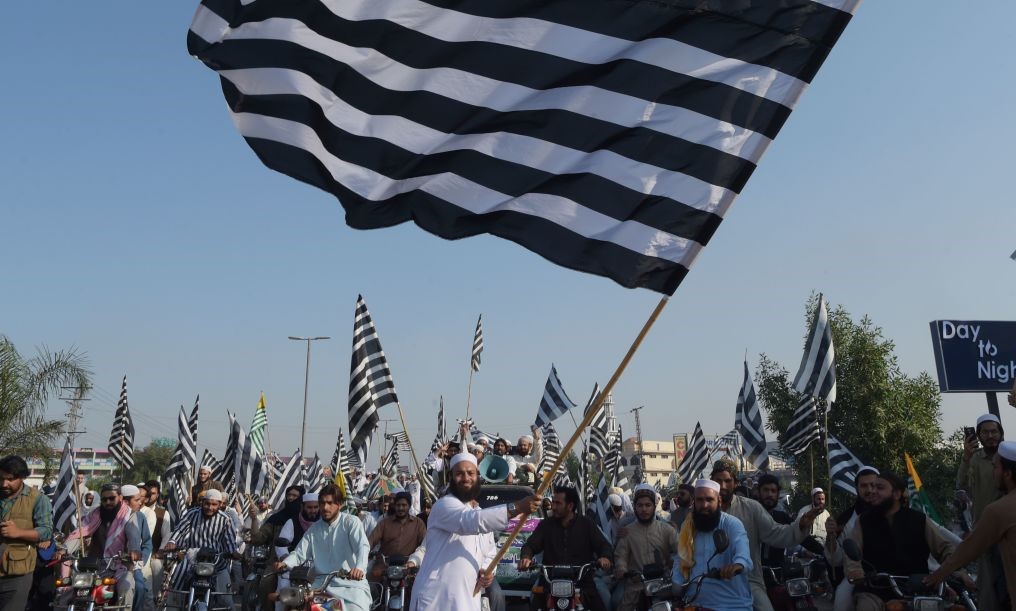
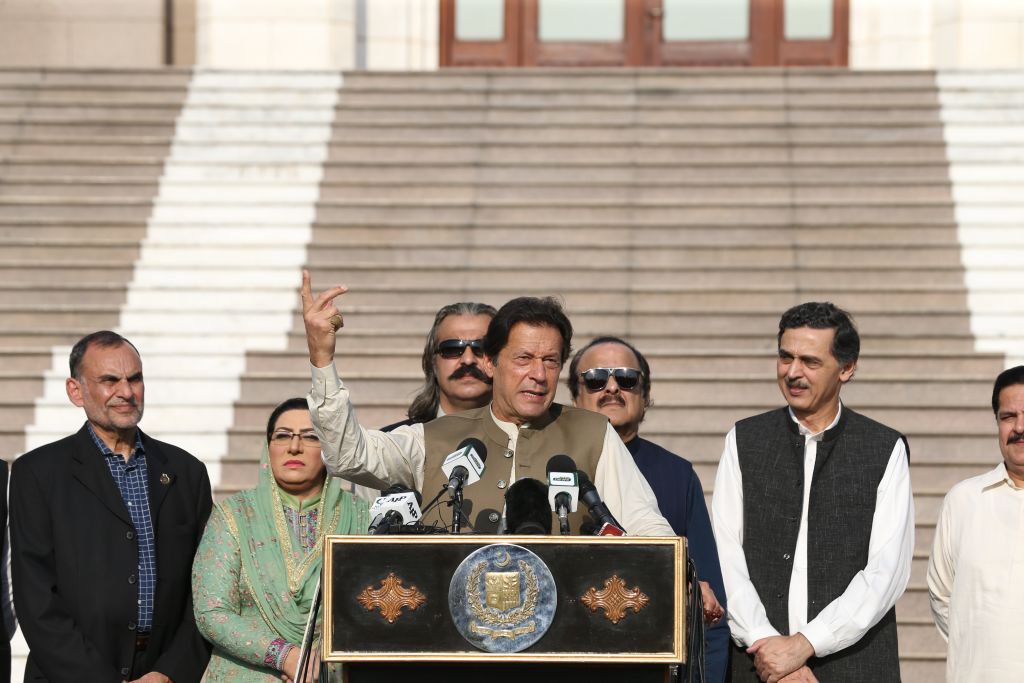
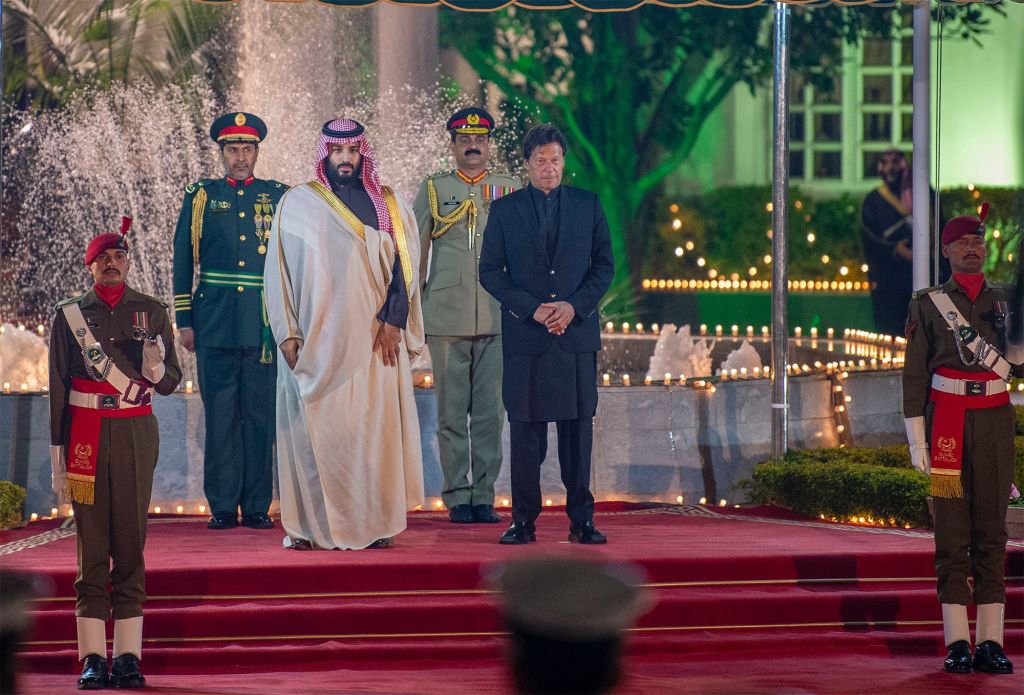
Once again, an elected Pakistani government is being pressed to resign
While there is probably zero chance Prime Minister Khan will step down, efforts will persist in trying to delegitimize those in power because this is what Pakistan’s opposition parties seem best programmed to do.
Resolving the Lebanese-Israeli border dispute: What’s in it for Washington?
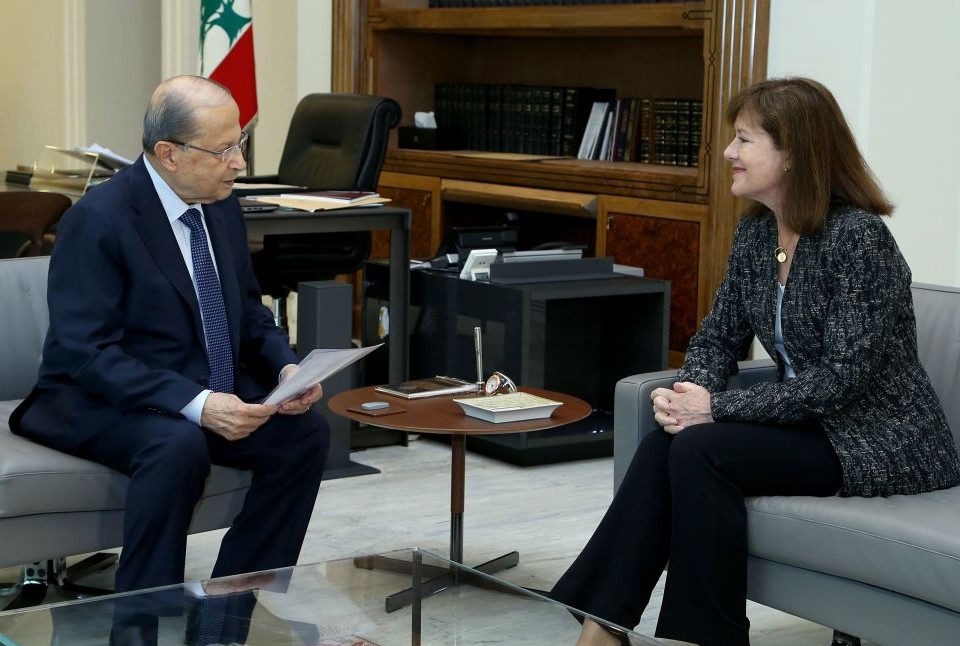
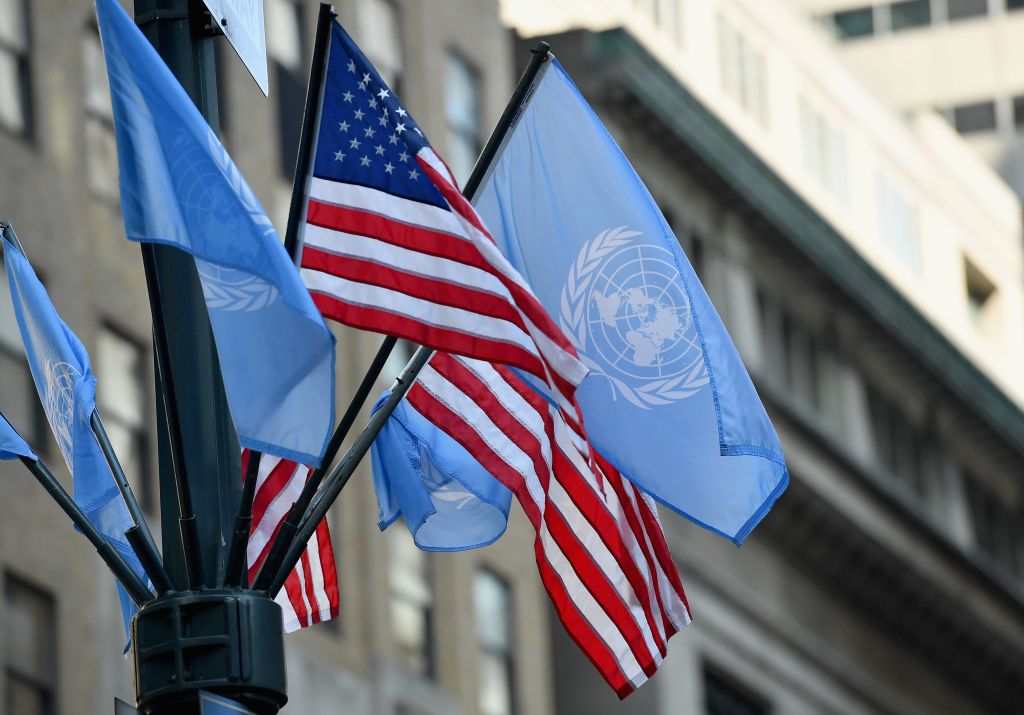
On Sept. 25, Lebanese President Michel Aoun told the UN General Assembly that Lebanon is prepared to welcome any country’s help in demarcating its land and maritime borders. He was referring to Lebanon’s decades-old border dispute with Israel, the resolution of which has become increasingly important as the country inches closer toward its first oil and gas drilling operations later this year.
The US eyes the exit as Afghan election results are once again delayed
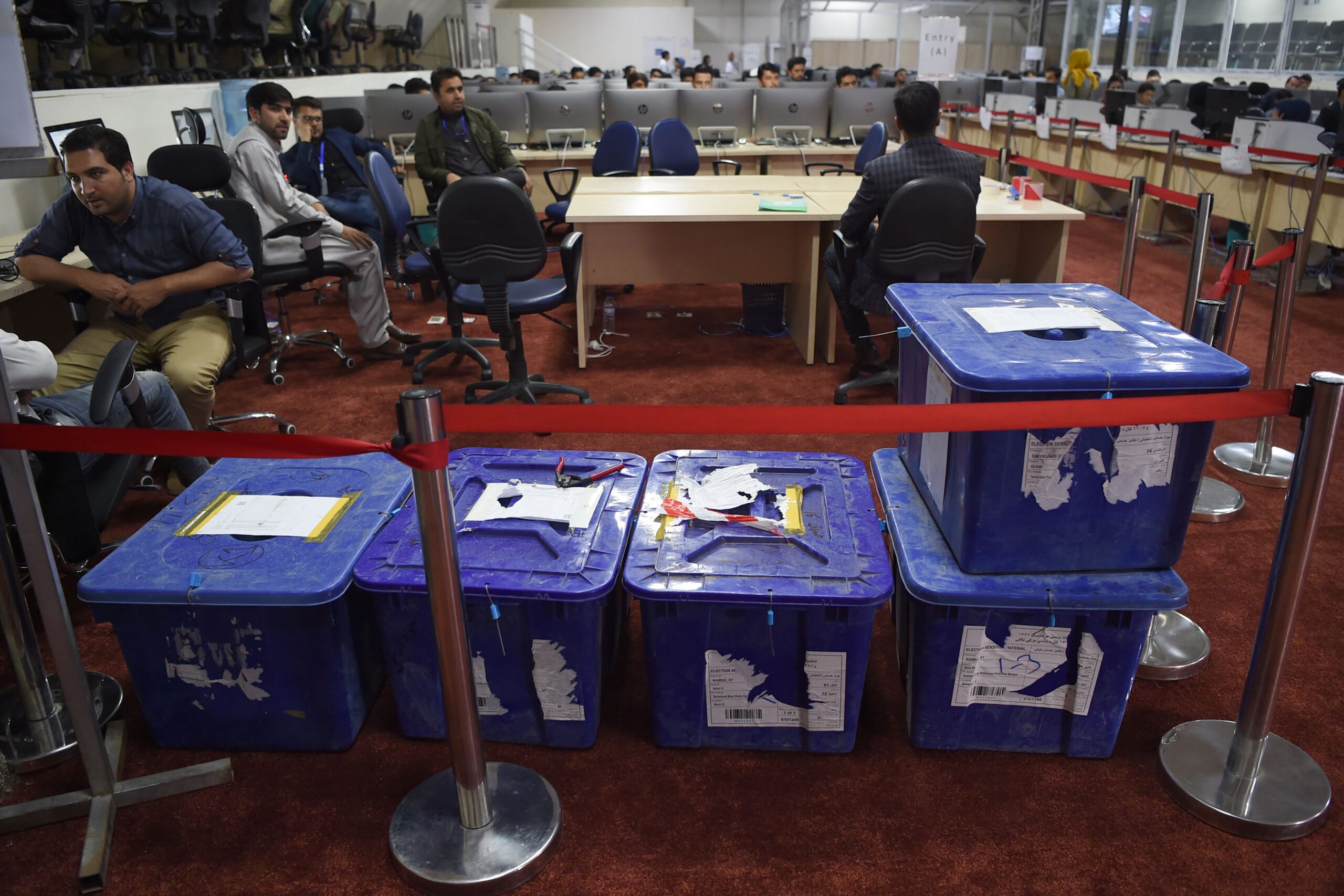
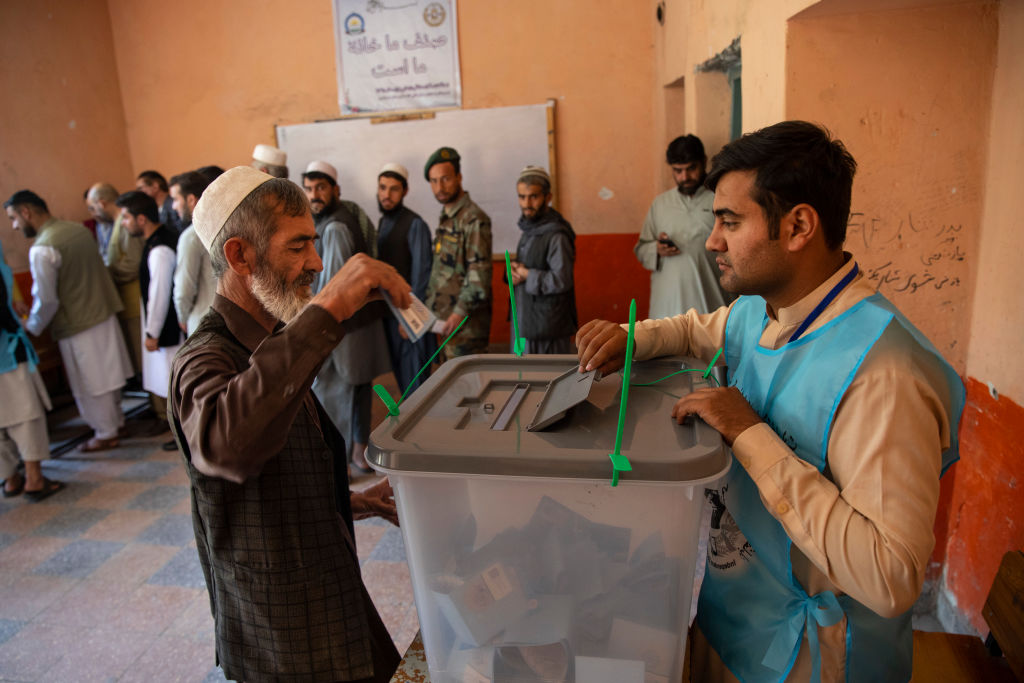
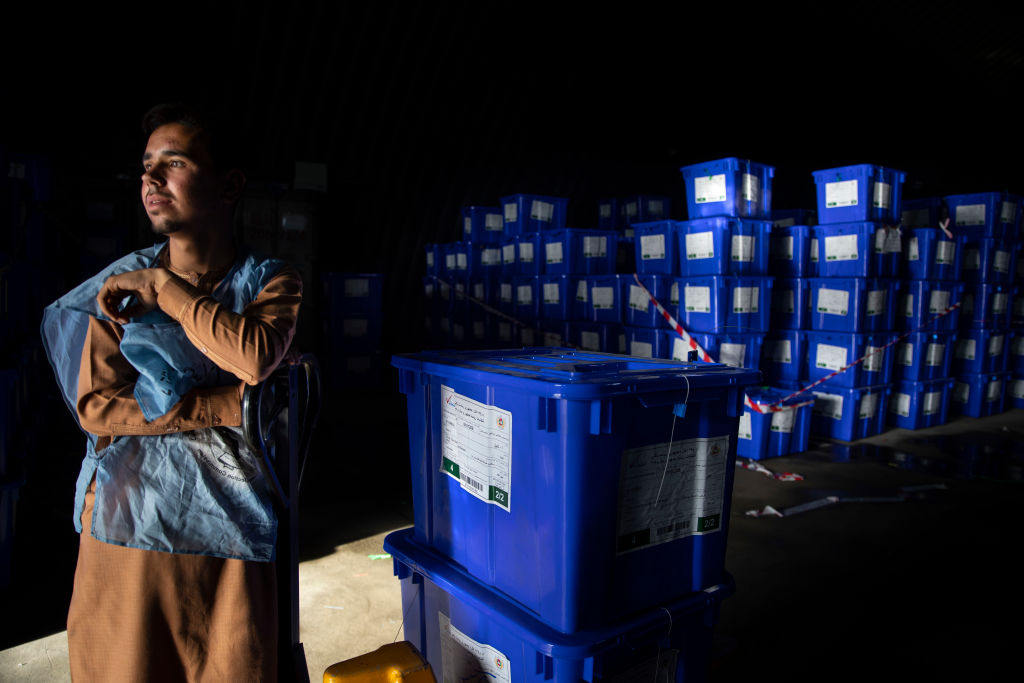
In a move that surprised no one, on Oct. 19 the Afghan election commission said it was unable to announce the preliminary results of the Sept. 28 presidential election as planned, due to delays in processing biometric data. Held amid political uncertainty, terrorist violence, and general skepticism, the September election was the fourth presidential contest in Afghanistan since 2001, when the brutal Taliban regime was toppled in the wake of the Sept. 11 terror attacks on the United States.
Disrupting a delicate status quo: The Hamas crackdown on Salafi-jihadists
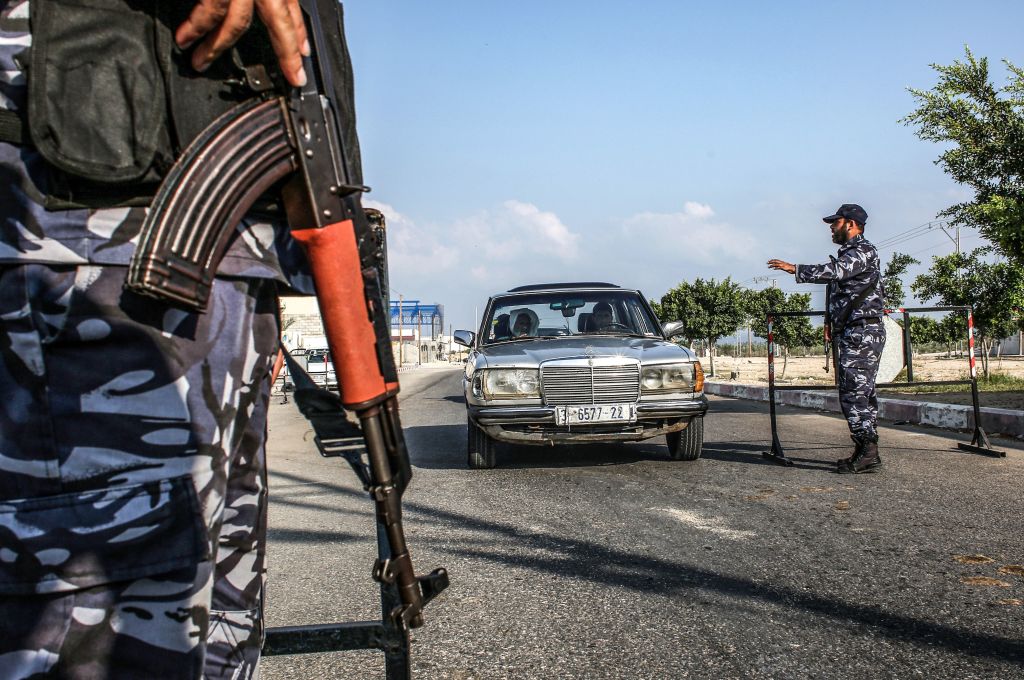
Reports of a secret war being waged by Hamas against Salafi-jihadist groups in the Gaza Strip are indicative of increasing challenges to the former’s security control within the enclave. Hamas’ current approach to violent Salafist cells in Gaza is equally demonstrative of an ongoing warming of relations between Cairo and Hamas, and one that has afforded Hamas international legitimacy and an ease in border restrictions.
Divide and Conquer: The Growing Hezbollah Threat to the Druze
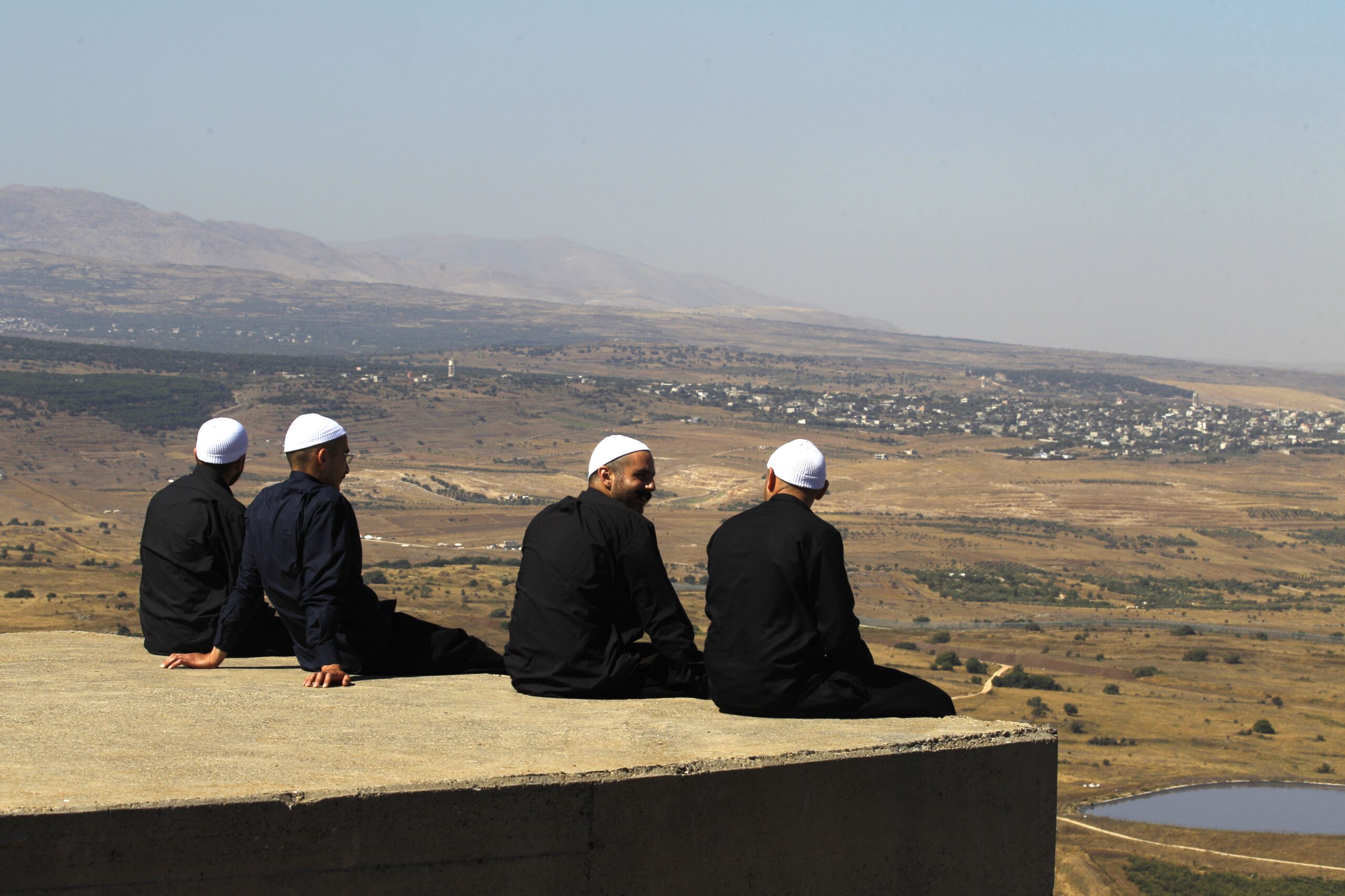
Deep political, familial, and religious ties have allowed Druze communities across the Levant to remain largely unified against external threats, but eight years of violence in Syria and a coordinated campaign by the regime and its allies now threaten to destabilize regional Druze politics and erode the sect’s political and military power. An Iranian-backed campaign by Hezbollah to incite inter-Druze violence in Lebanon has curtailed this unity, laying the groundwork for Hezbollah to expand into Syria’s Suwayda province with impunity.
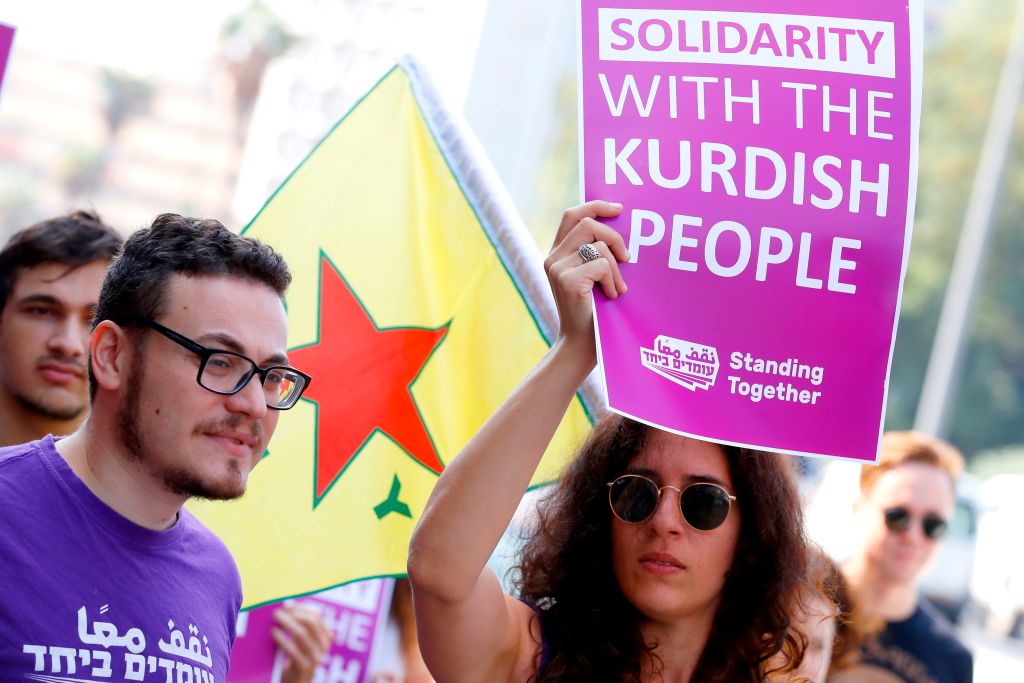
“Ana Kurdi” — suddenly Israelis are feeling Kurdish
The news of Donald Trump’s sellout to Turkey’s Recep Tayyip Erdogan hit Israel like a lightning storm. Trump has managed to do the unthinkable: unite all Israelis around a geopolitical cause.
Afghanistan may be headed for a post-election political impasse
Preliminary results from the Sept. 28 Afghan presidential election will not be announced for at least another week. Yet events are shaping up that could drive Afghanistan into a political impasse similar to what the country faced in its last presidential election.
A political lifeline for Netanyahu as coalition talks continue
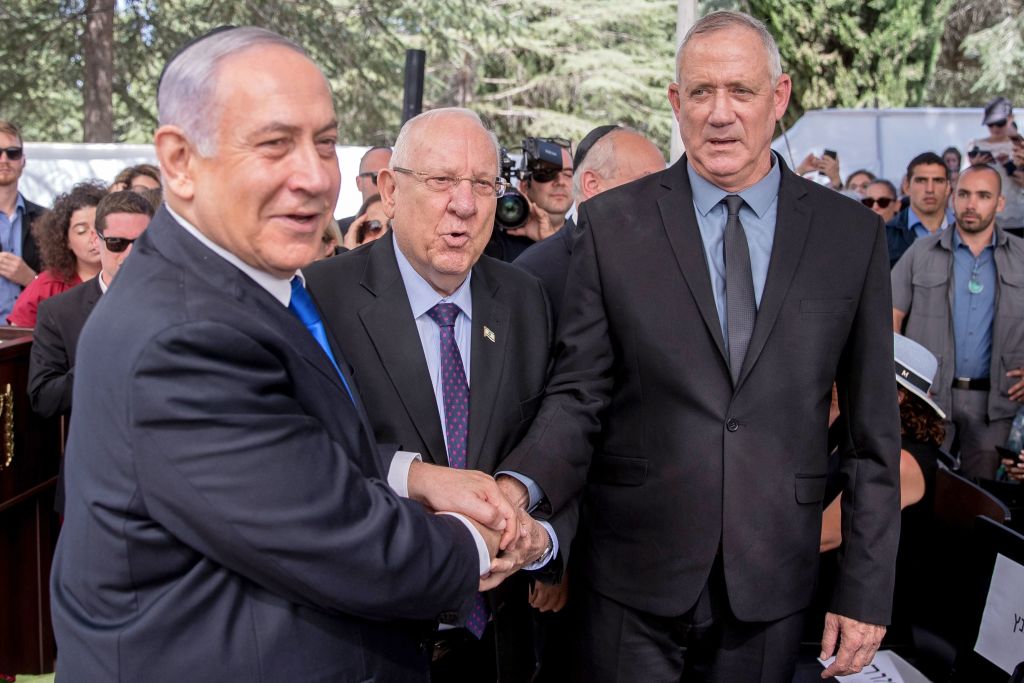
Last Wednesday, Prime Minister Benjamin Netanyahu was cast another political lifeline. Reuven Rivlin, the Israeli president, gave Netanyahu the first chance to form a coalition government; formally, he has 28 days to do so. Netanyahu’s task will prove difficult.
What’s next after the sudden death of the Afghan peace process?
In the end, it all fell apart rather quickly. Instead of a long-awaited announcement about the details of a U.S.-Afghan Taliban peace deal, on Sept. 7 President Donald Trump tweeted that the talks were off, adding shortly afterwards that the Afghan peace process was “dead.” Only days earlier, Washington’s special representative for Afghanistan, Zalmay Khalilzad, had announced a draft agreement had been reached after nine rounds of gruelling negotiations.
Pakistan’s tricky balancing act between Saudi Arabia and Iran
The Sept. 14 attack on Saudi Arabia’s Abqaiq oil processing plant has put Pakistan in a place it never wanted to be: possibly forced to choose between Saudi Arabia and Iran.
Monday Briefing: Middle East takes center stage at UNGA
This week’s briefing on recent news and upcoming events in the region featuring Gerald Feierstein, Alex Vatanka, Eran Etzion, Gonul Tol, Amal Kandeel, Marvin G. Weinbaum, Michael Sexton and Eliza Campbell.
The Ongoing Divide: Palestinian Participation in Israeli Elections
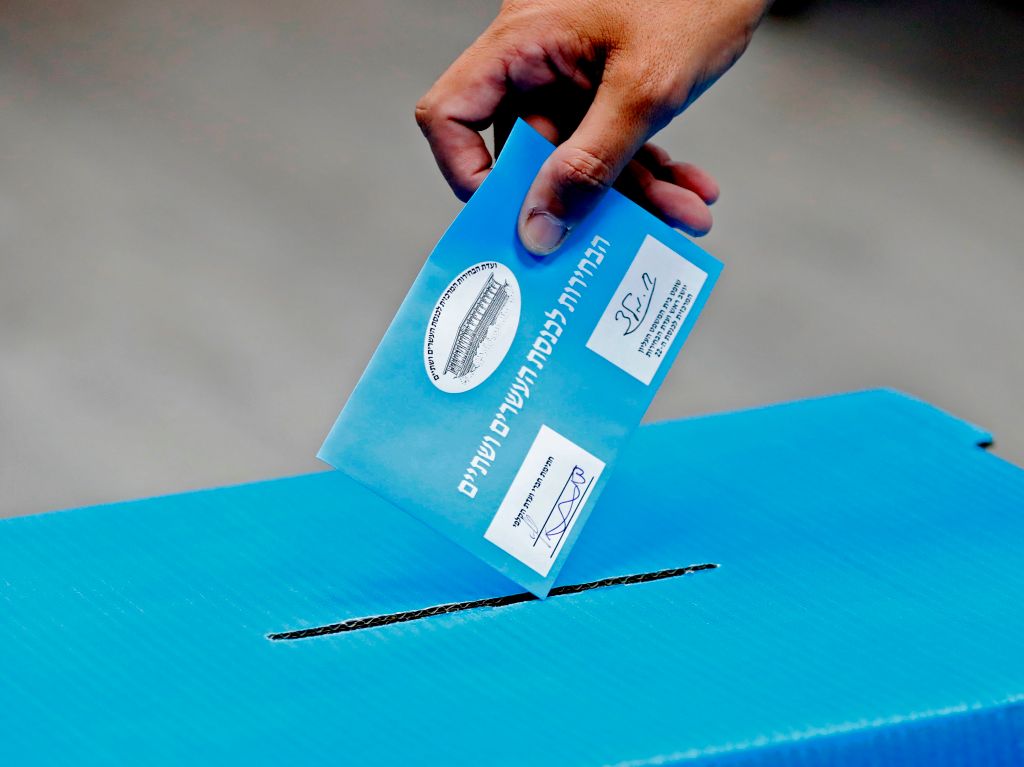
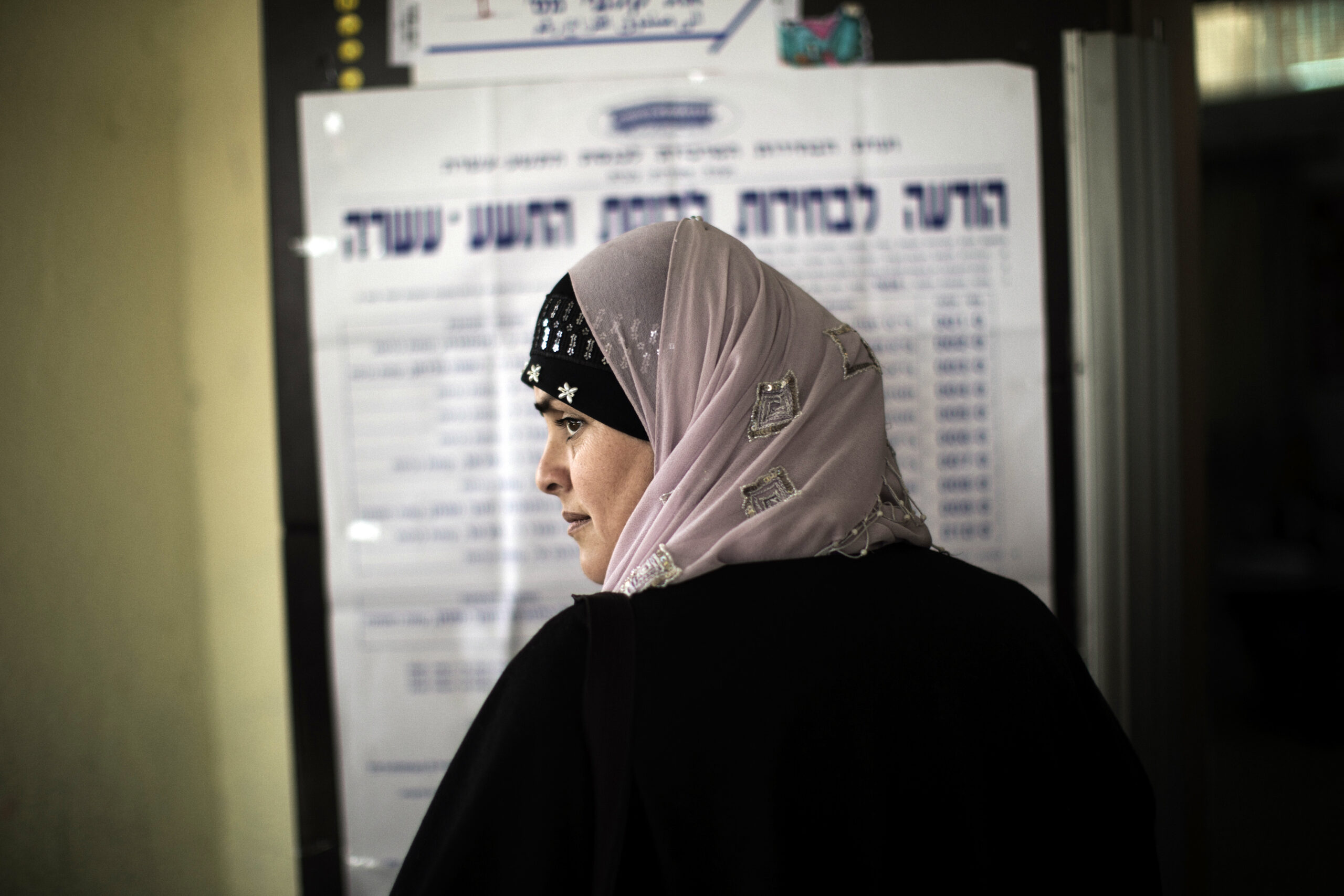
Despite constituting about 20 percent of the Israeli population, Israel’s Palestinian minority does not wield significant political power; throughout Israeli history Palestinian parties have played the role of the permanent opposition. While low Israeli-Palestinian electoral participation and the resulting disproportionate parliamentary representation have hampered political influence, these factors are merely one part of a multi-faceted and multi-causal picture. This report seeks to provide a comprehensive analysis of the exogenous and endogenous drivers of reduced Palestinian political engagement. It is concerned with the structural obstacles –– primarily put in place and sustained by the Israeli right wing –– that seek to impede Palestinian influence at the polls and in the Knesset.