Strikes on Syria: Game Changer for U.S.-Turkey Relations?
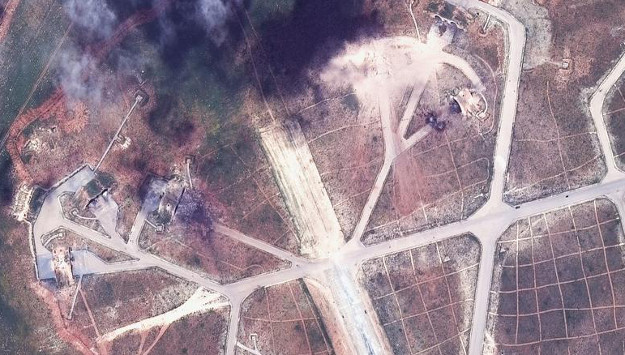
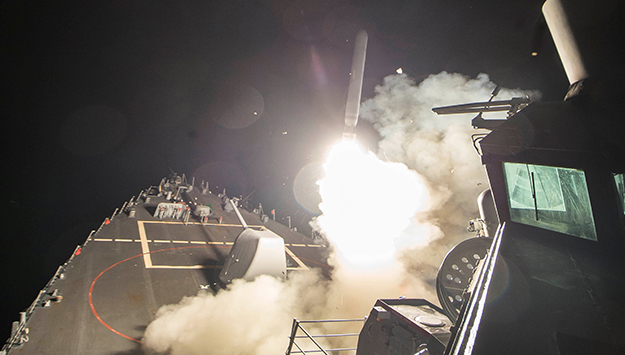
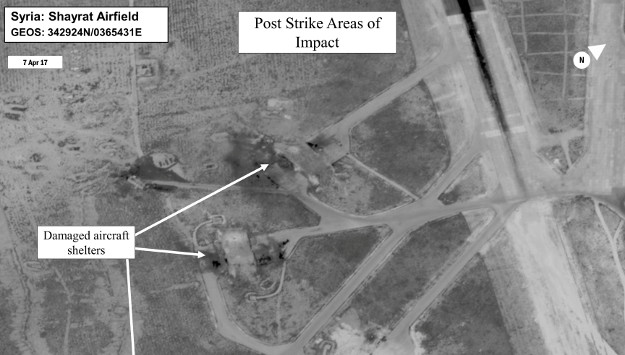
U.S. cruise missile strikes on al-Shayrat airfield northeast of Damascus early April 7 have changed the dynamics of the Syrian war. The strikes were intended as a clear and contained message to the Assad regime that the barbarism of the Syrian government has its limits. It was not a declaration of war by the United States, but it served to delineate last week’s message from the Americans that regime change in Damascus was “not practical”, a message that may have given Bashar al-Assad the impression that he now had a free hand in the war.
U.S. Strike in Syria Prompts Angry Reaction, Threats from Tehran
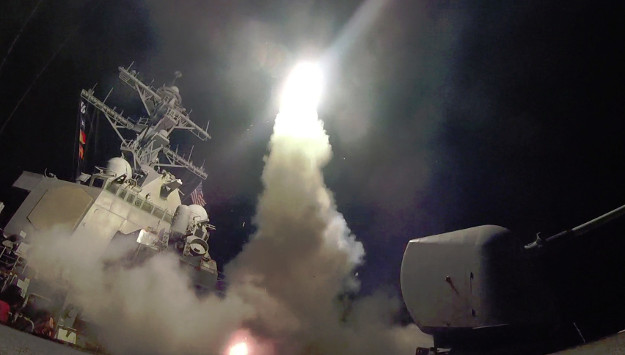
Iranian officials condemned the Trump administration’s missile strikes against a Syrian airfield used for an alleged chemical attack against civilians. “We strongly condemn any unilateral military action and missile attack against the Shayrat airbase in Syria by American warships.
Iran-Controlled Militia Group Says U.S. Strike Won’t Alter War Trajectory in Syria
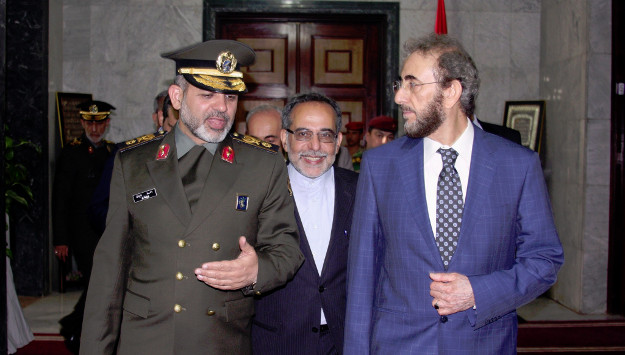
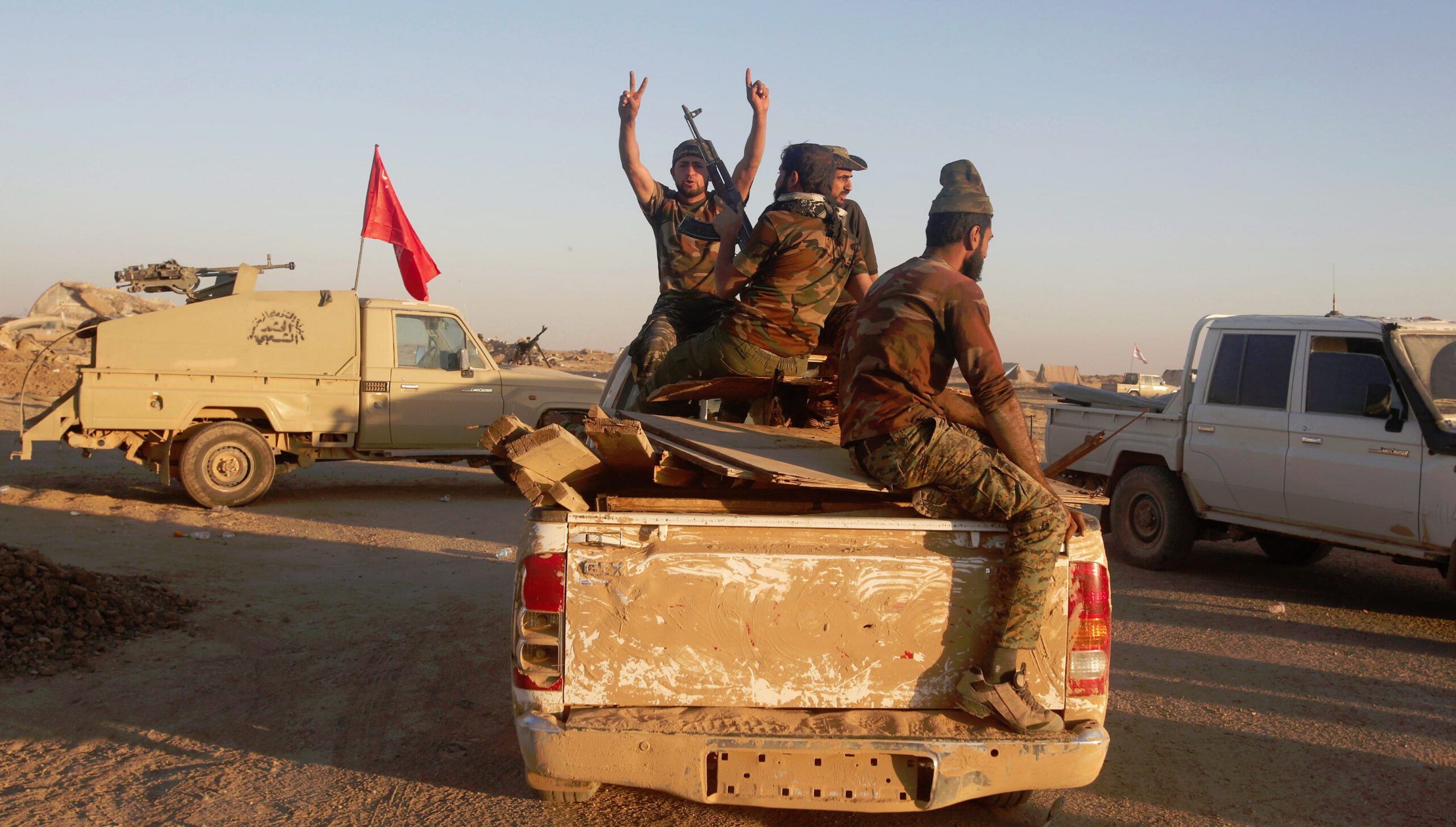
A prominent Iran-backed Iraqi militia group fighting in Syria has announced that the U.S. military strike will not change the trajectory of the Syrian war, the Iranian media reports.

Syrian Chemical Attack: Impact on U.S. Policy
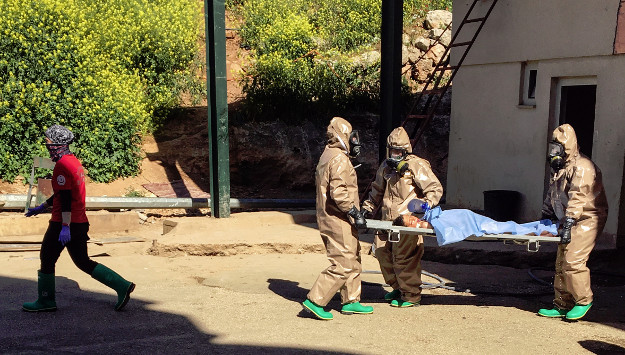
April 6, 2017 – Paul Salem explains three ways that the Syrian government’s use of chemical weapons against civilians is already impacting the Trump administration’s policy toward Syria.
I.R.G.C. Media Defends Assad as U.S. Mulls Military Responses to Syrian Chemical Attack
While more evidence is surfacing that suggests the Syrian army may have been behind the chemical attack that killed scores of civilians in Syria, Iranian media outlets affiliated with the Islamic Revolution Guards Corps (I.R.G.C.) continue to defend the regime of Bashar al-Assad. They argue that Damascus was not responsible for the killings. “Without doubt, the claims by Syrian opposition groups and some western and Arab countries that the Syrian army has used chemical weapons in Idlib can be categorically rejected.
Authorities in Iran Detain Sunni Leader for Opposing I.R.G.C.’s Role in Syria
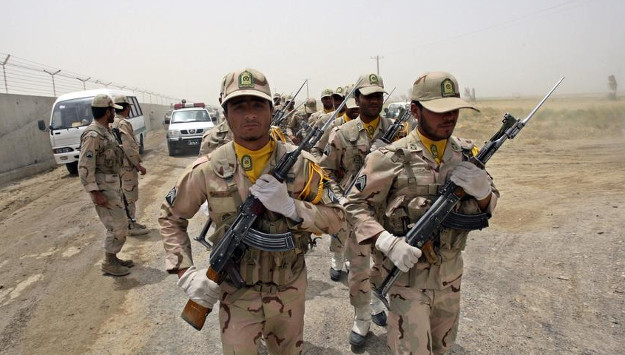
Scores of Sunni Balochs demonstrated in Iran’s southeastern Sistan and Baluchestan Province on Tuesday to protest the detention of a Sunni religious leader, the Iranian media reports.
Senior Iranian Lawmaker: America Is under Siege by Resistance Front in Iraq and Syria
A senior Iranian lawmaker has warned that the United States is “plotting a new invasion” by sending more troops to Iraq and Syria.
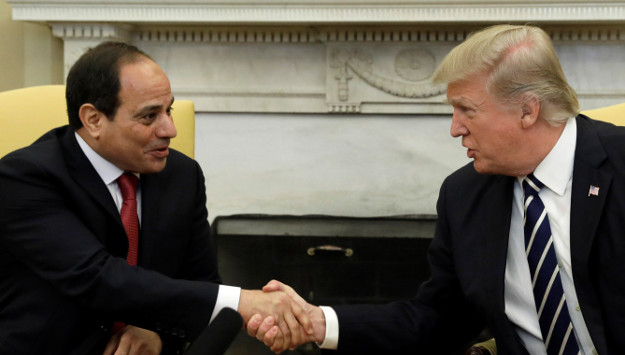
U.S., Egypt Back in Business | Monday Briefing
In this week’s Monday Briefing, MEI experts Paul Salem, Yousef Munayyer, and Randa Slim provide analysis on recent and upcoming events including the meeting between Egyptian President Sisi and President Trump, the upcoming meeting between President Trump and Jordan’s King Abdullah, and the Trump administration’s adoption of Obama-era policies in Syria.
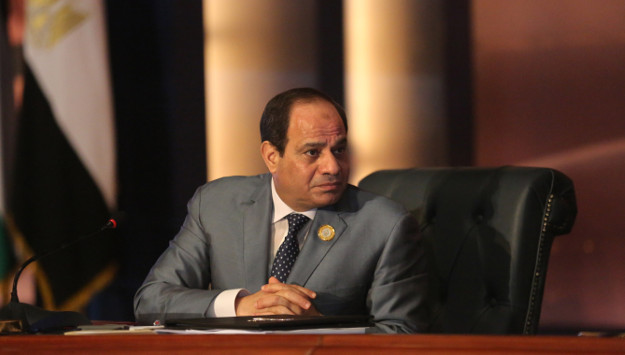
America and Egypt Need Each Other
Read the full article on The National Interest.
Egyptian president Abdel Fattah el-Sisi’s visit to President Trump signals the restoration of the close U.S.-Egyptian relations that have been a key pillar of U.S. policy toward the Middle East for four and half decades. The United States has an abiding interest in a stable, prosperous and well-governed Egypt, and Egyptians have an interest in close relations with the United States’ government, economy and society.
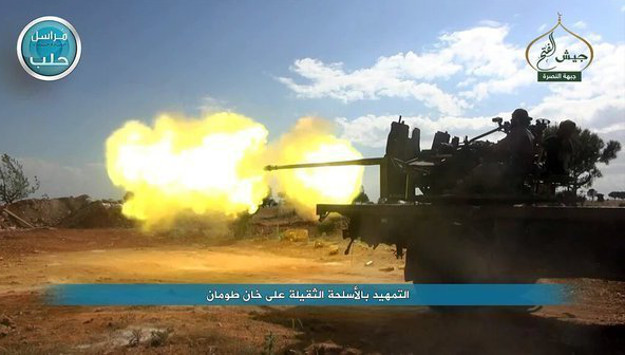
How Al Qaeda Exploited The Syrian Civil War
The full article can be found at The Cipher Brief.
The Cipher Brief: How influential is al Qaeda in Syria? What are the group’s objectives there?
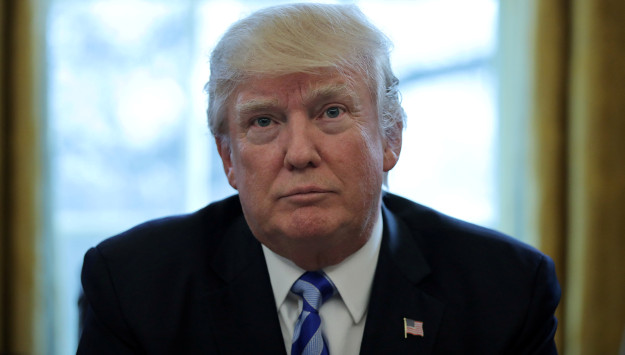
Iran and Turkey Pose Problems for Trump in Syria
This piece was co-authored by Michael Rubin, resident scholar at the American Enterprise Institute. Read the full article on Lawfare.
Locating Syria in India’s Diplomacy toward West Asia
India has sought to continue its five-decade long cordial relationship with Syria despite the conflict raging there, and has been providing muted support for Bashar al-Assad’s government. However, as the Syrian conflict has dragged on, it has become increasingly clear that the conflict in Syria is the epicenter of the tremors that are shaking the region, placing India’s own national interests at risk. This essay examines the arc of India’s policy toward the Syrian crisis, within the context of the broader thrust of Indian foreign policy towards West Asia under Prime Minister Narendra Modi.
