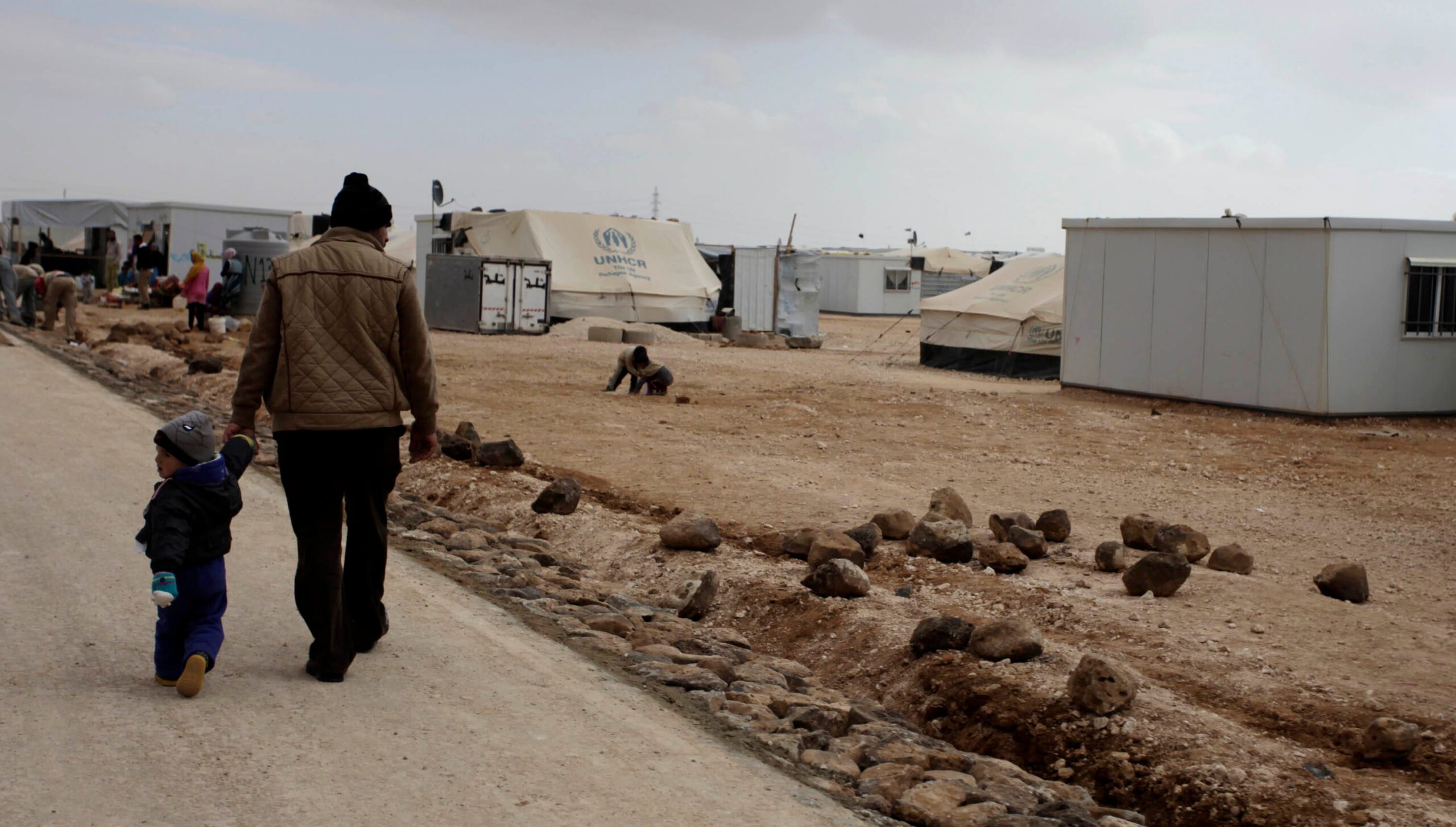
At a time when Arab governments across the region unveil grand economic reform ‘visions,’ Jordan has launched its own bold scheme to revive its faltering economy. Jordan is looking for a cure to what many Jordanians consider an economic burden: over 1.2 million Syrian migrants due to the war next door.
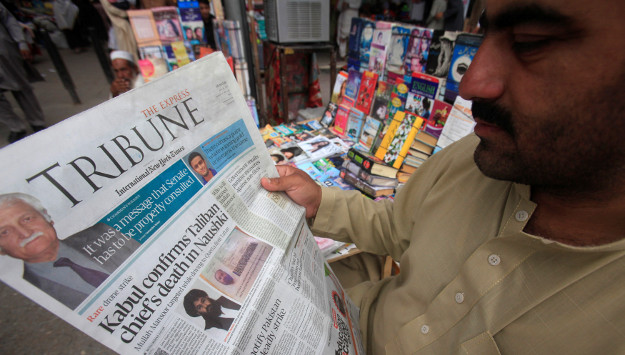
In this week’s Monday Briefing, MEI experts Marvin G. Weinbaum, Charles Lister, Hassan Mneimneh, and Paul Scham provide analysis on recent events including the killing of Afghan Taliban leader Mullah Akhtar Mansour, deadly blasts targeting regime-held territory in Syria, Iraq’s intra-Shiite feud, and Avigdor Lieberman’s appointment as Israel’s Defense Minister.
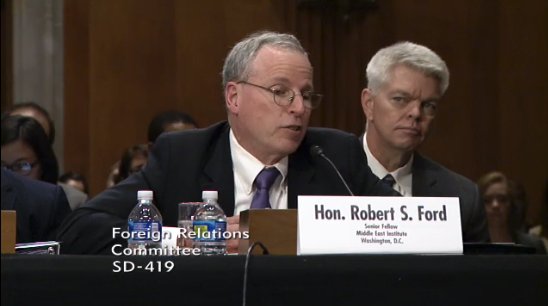
The following testimony was delivered before the Senate Foreign Relations Committee on May 17, 2016. Find more information about the hearing, including video, here.
Mr. Chairman, Ranking Member Senator Cardin, other distinguished members of the Committee, thank you for the invitation to speak before the committee today about what new steps can be taken to mitigate the crisis in Syria. It is an honor to appear before you again.
Philip Gordon, a former Middle East policy adviser in the White House, likes to say that President Barack Obama learned three lessons from the region’s unending turmoil.
Monday Briefing: International Syria Support Group, Mustafa Badreddine, Global Refugee Summit, and India's Modi to Visit Iran
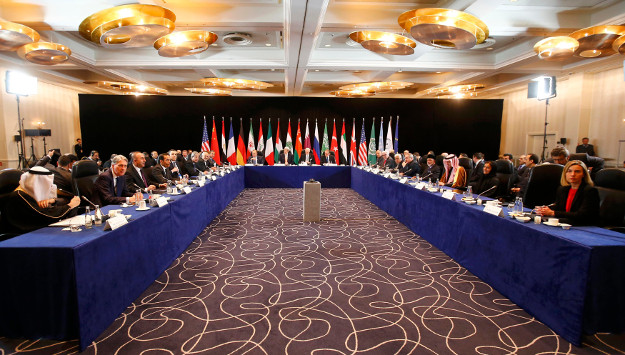
In this week’s Monday Briefing, MEI experts Robert S. Ford, Randa Slim, Paul Salem, and Alex Vatanka provide analysis on recent events including Tuesday’s meeting of the International Syria Support Group in Vienna, the death of Hezbollah senior leader Mustafa Badreddine, the global Refugee Summit to be held in Istanbul, and Indian PM Modi’s upcoming visit to Iran.
Monday Briefing: Lebanon's Elections, Gaza Unrest, Syria Talks, and Saudi's New Oil Minister
In this week’s Monday Briefing, MEI experts Paul Salem, Paul Scham, Charles Lister, and Jean-François Seznec provide analysis on recent events including Lebanon’s elections, unrest in Gaza, the ongoing Syria talks, and Saudi Arabia’s new oil minister.
Syrian Civil Society on the Front Lines Against Extremism
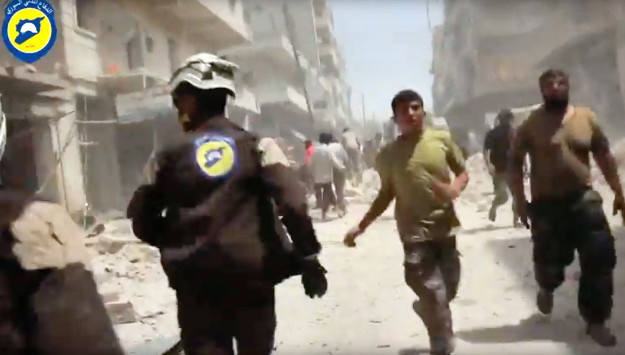
Syrian civil society groups have faced seemingly insurmountable challenges in the five-year war, and can count few friends among the violent actors on the ground. Nevertheless, their work and determination continues unabated, with little external attention, recognition or support. Syrian civil society will have an important role to play in any post-war settlement.
Monday Briefing: Iraq's Political Storm and U.S. Efforts to Salvage the Syrian Cease-fire
In this week’s Monday Briefing, MEI experts Hassan Mneimneh, Robert S. Ford, and Mabrouka M’Barek provide analysis on recent events including Iraq’s political storm, efforts to salvage the Syrian cease-fire, and the first Tunisia-U.S. Joint Economic Commission meeting starting later this week.
Recent additions to America’s fighting contingent in Iraq and Syria show U.S. determination to beat ISIS militarily. President Barack Obama announced Monday that 250 more U.S. special forces will enter Syria to help anti-ISIS fighters, and Defense Secretary Ashton B. Carter said last week that Apache helicopters and more special operations forces will be sent to Iraq.
Monday Briefing: Syria Cease-fire, Yemen Talks, and Iran Elections
In this week’s Monday Briefing, MEI experts Charles Lister, Charles Schmitz, and Alex Vatanka provide analysis on recent events including the Syrian cease-fire, Al-Qaeda losses in Yemen, and Iran’s parliamentary elections.
The Syrian Refugee Emergency: Implications for State Security and the International Humanitarian System
This essay depicts the Syrian refugee crisis as a symptom of the disorder which currently exists in the international system, describes the distinctive characteristics of the Syrian exodus, discusses the security implications of the crisis, and proposes four forms of international cooperation to safeguard the welfare of Syria’s refugees and to prevent the emergency from generating further upheaval in the Middle East.
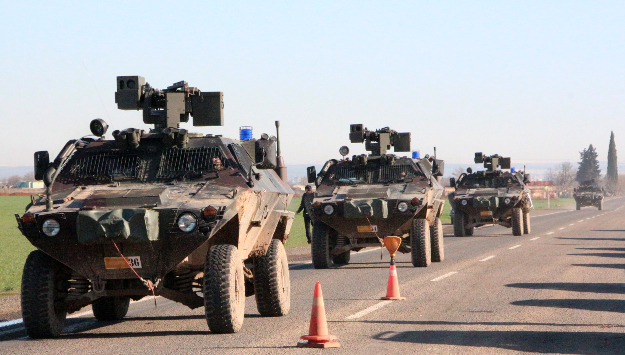
The United States has been pushing Turkey for a campaign to eject ISIS from a 60-mile stretch of border that it still controls between the Syrian towns of Jarabulus and Azaz. However, the joint U.S.-Turkey operation has faced several roadblocks. From the outset, the United States and Turkey have had different goals. Washington wants Ankara to close the border, which is the sole remaining crossing point for ISIS militants.
Monday Briefing: Syrian Peace Talks, Yemen's Cease-fire, and Saudi Regional Diplomacy
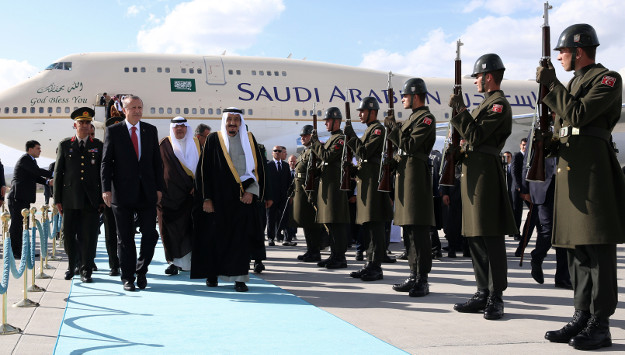
In this week’s Monday Briefing, MEI experts Randa Slim, Charles Schmitz, and Paul Salem provide analysis on recent and upcoming events including the next round of Syrian peace talks, the cease-fire in Yemen and the negotiations ahead, and Saudi King Salman’s visits to Egypt and Turkey.