Lifting the veil: Israel’s new military strategy in Syria
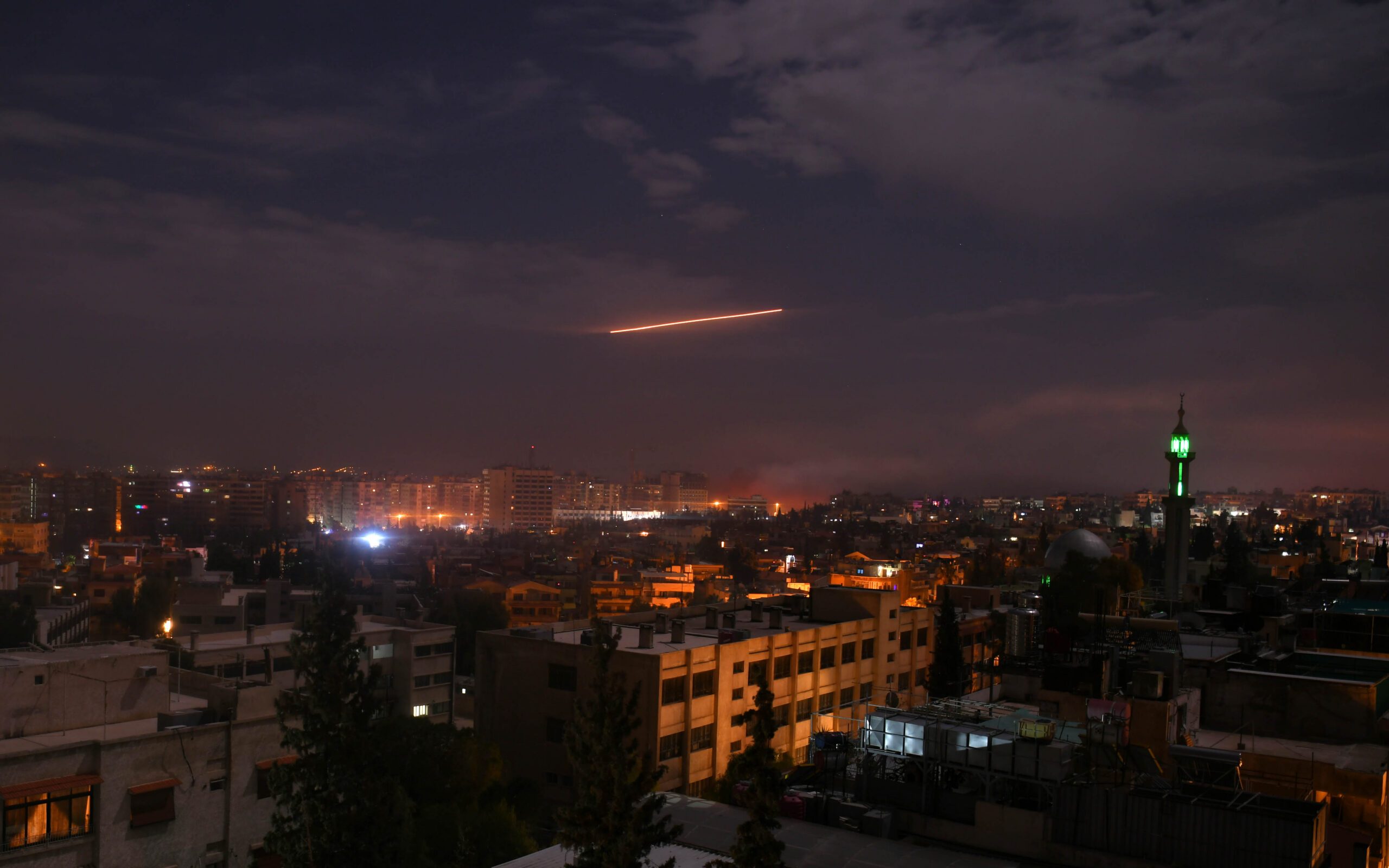
After years of ambiguity, Israel is increasingly going public with its strikes on Syria. Retaliatory attacks carried out last week were conducted in broad daylight, and in contrast to prior strikes, the IDF immediately took responsibility for them and announced them in real time on twitter.
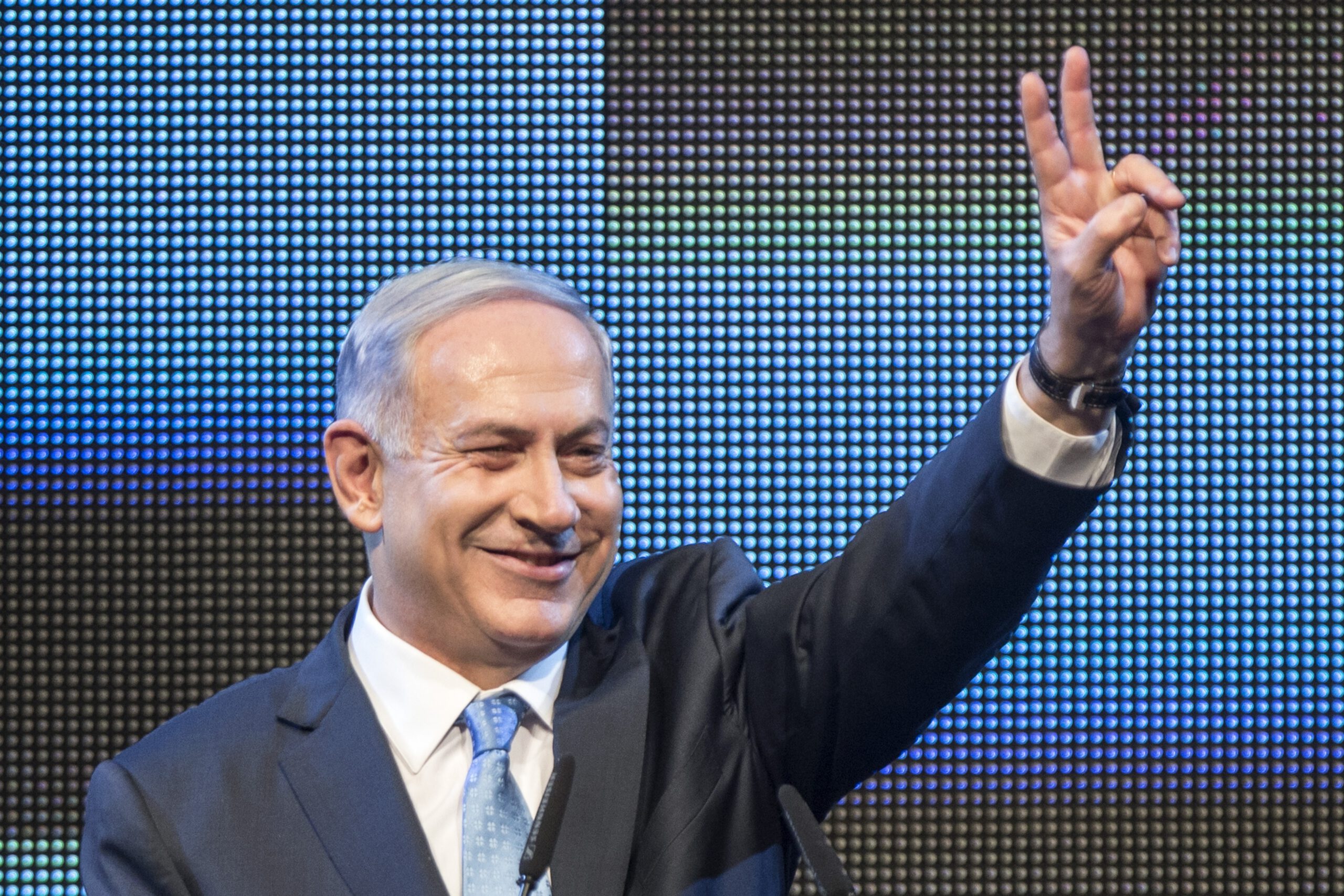
Israel is set to hold national elections in early April, and all indications suggest that the contest is Prime Minister Benjamin Netanyahu’s to lose. Current polls indicate that he will form the next government, leading a coalition spearheaded by his Likud Party with 30 seats in the 120-member Knesset.
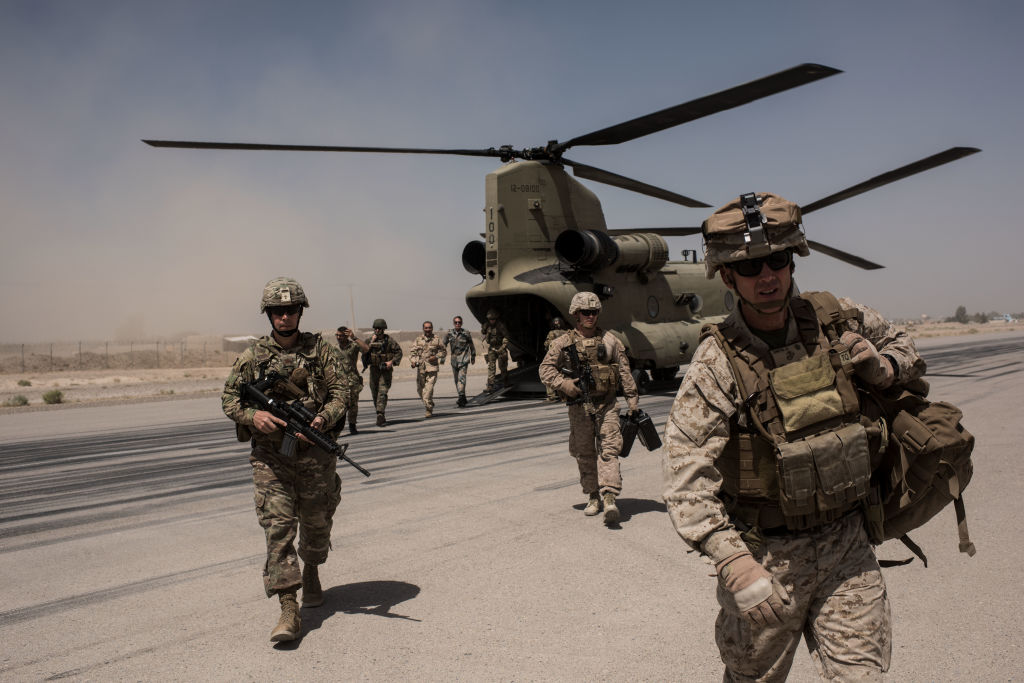
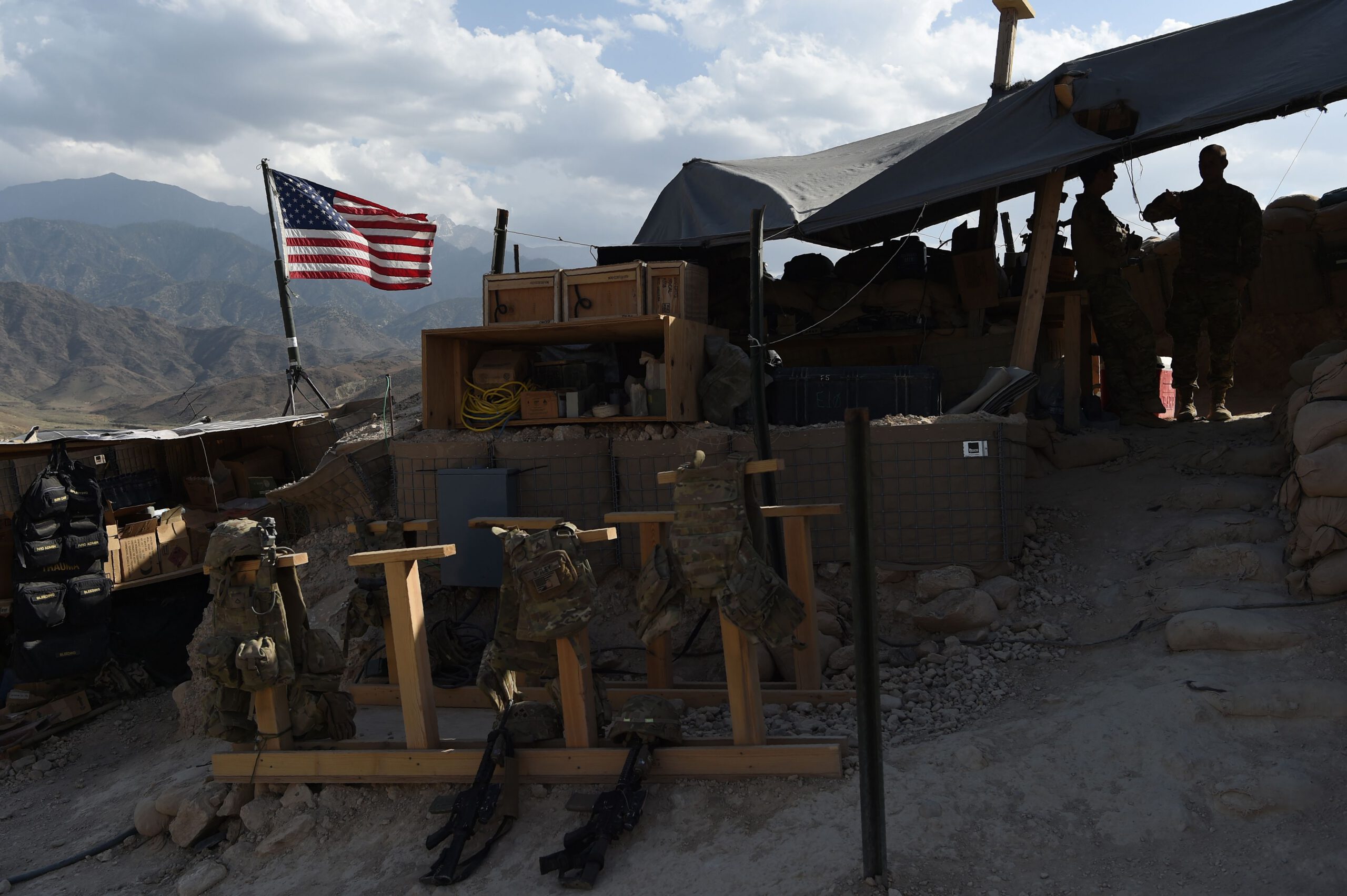
Monday Briefing: US-Taliban talks progress, but major obstacles remain
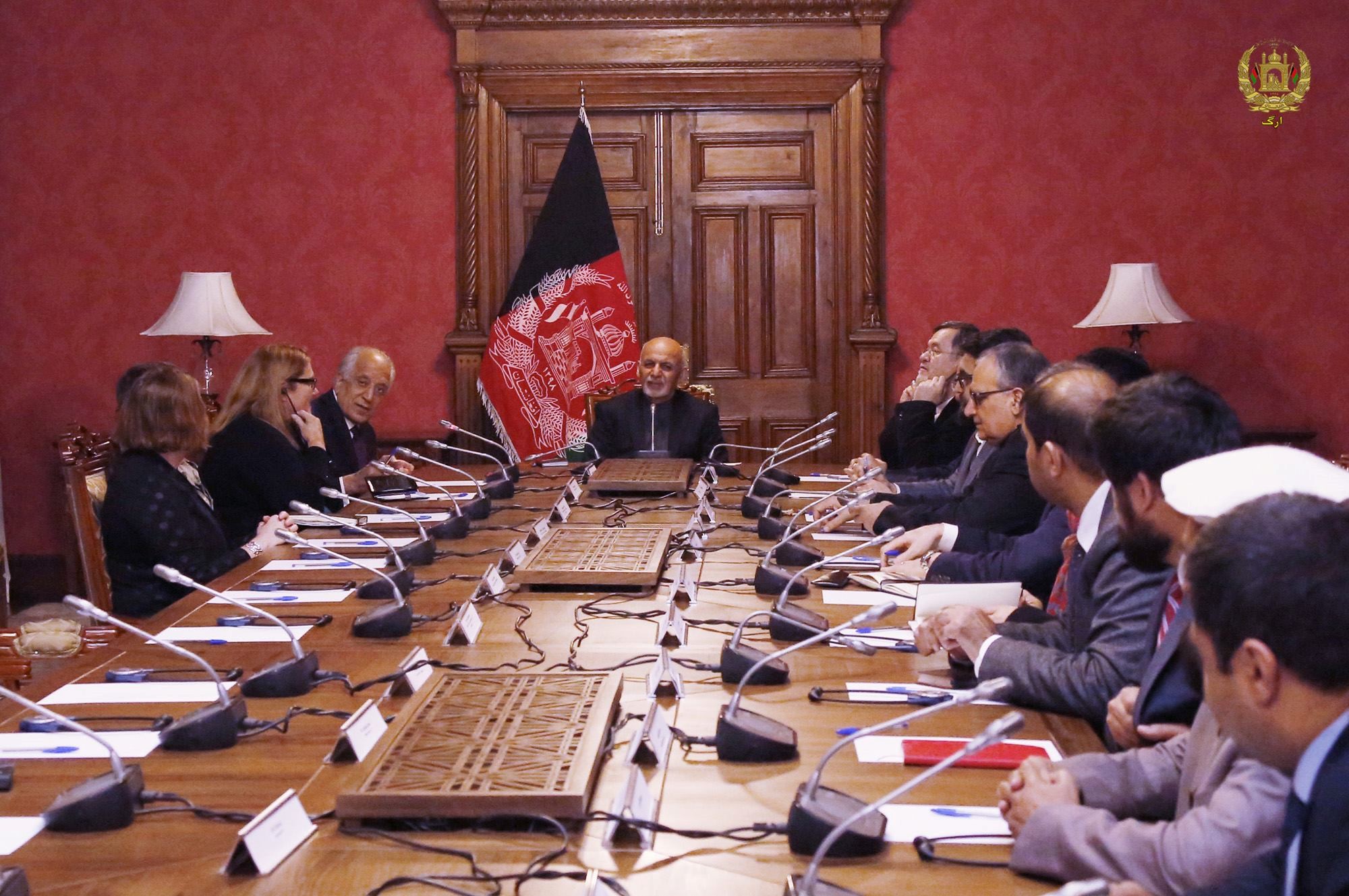
In this week’s Monday Briefing, MEI experts Ahmad Majidyar, Marvin G. Weinbaum, Randa Slim, Paul Salem, and Guney Yildiz provide analysis on recent and upcoming events including U.S. negotiations with the Taliban in Afghanistan, a warning sent to Israel by Hezbollah leader Hassan Nasrallah, the Sudanese president’s appeal for external support, Turkish-Syrian diplomacy, and Pakistan’s acceptance of Gulf aid.
Weekly Briefing: Failed Arab Economic Summit in Beirut underscores divisions
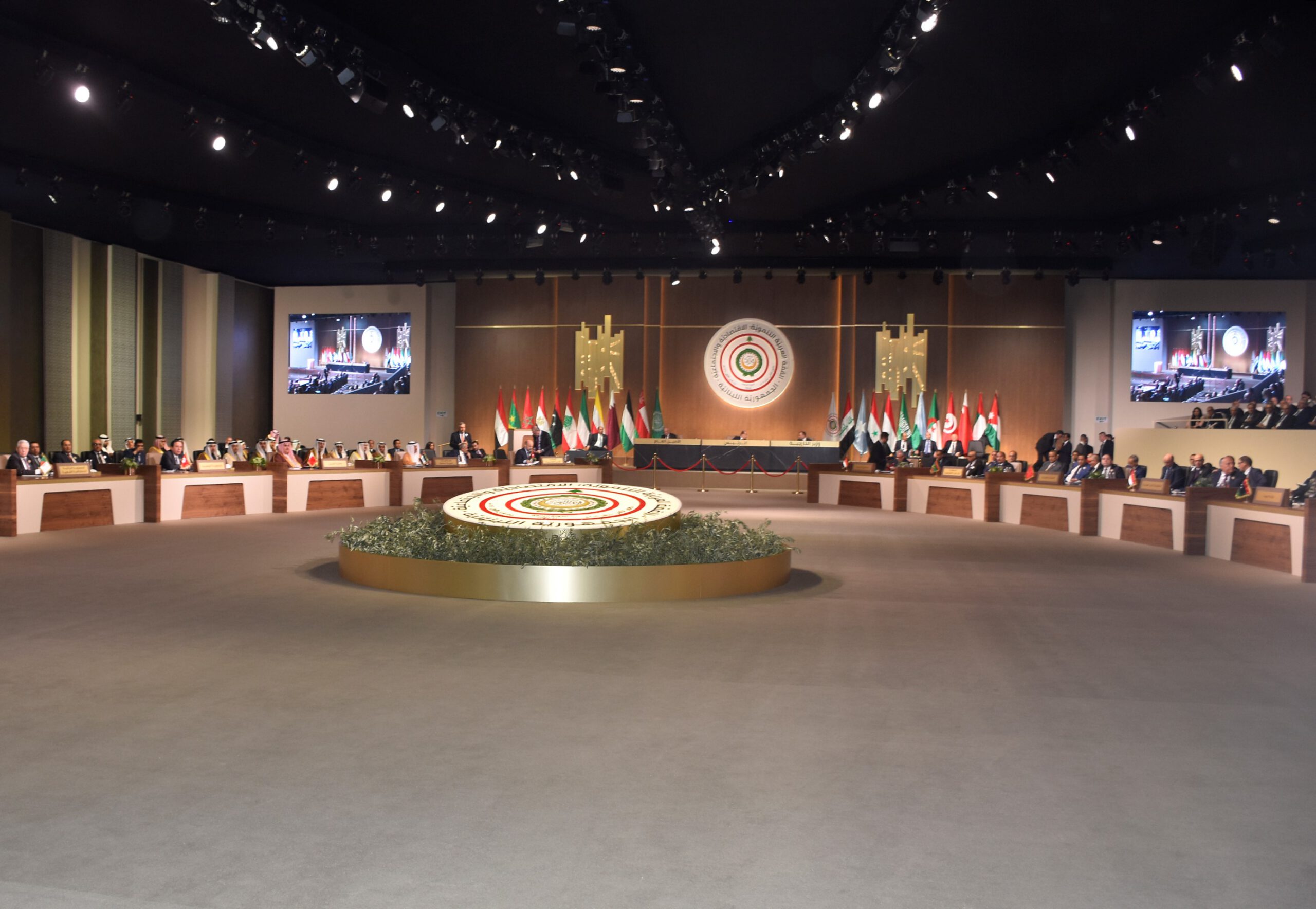
In this week’s Weekly Briefing, contributors Paul Salem, Marvin G. Weinbaum, William Lawrence, Ruba Husari, and Jean-François Seznec provide analysis on recent and upcoming events including the Arab Economic Summit held in Beirut this weekend, Afghanistan’s upcoming presidential elections, strikes in Tunisia, the Trump administration’s next steps on Iranian oil policy, and Saudi Aramco’s $10B bond issue.
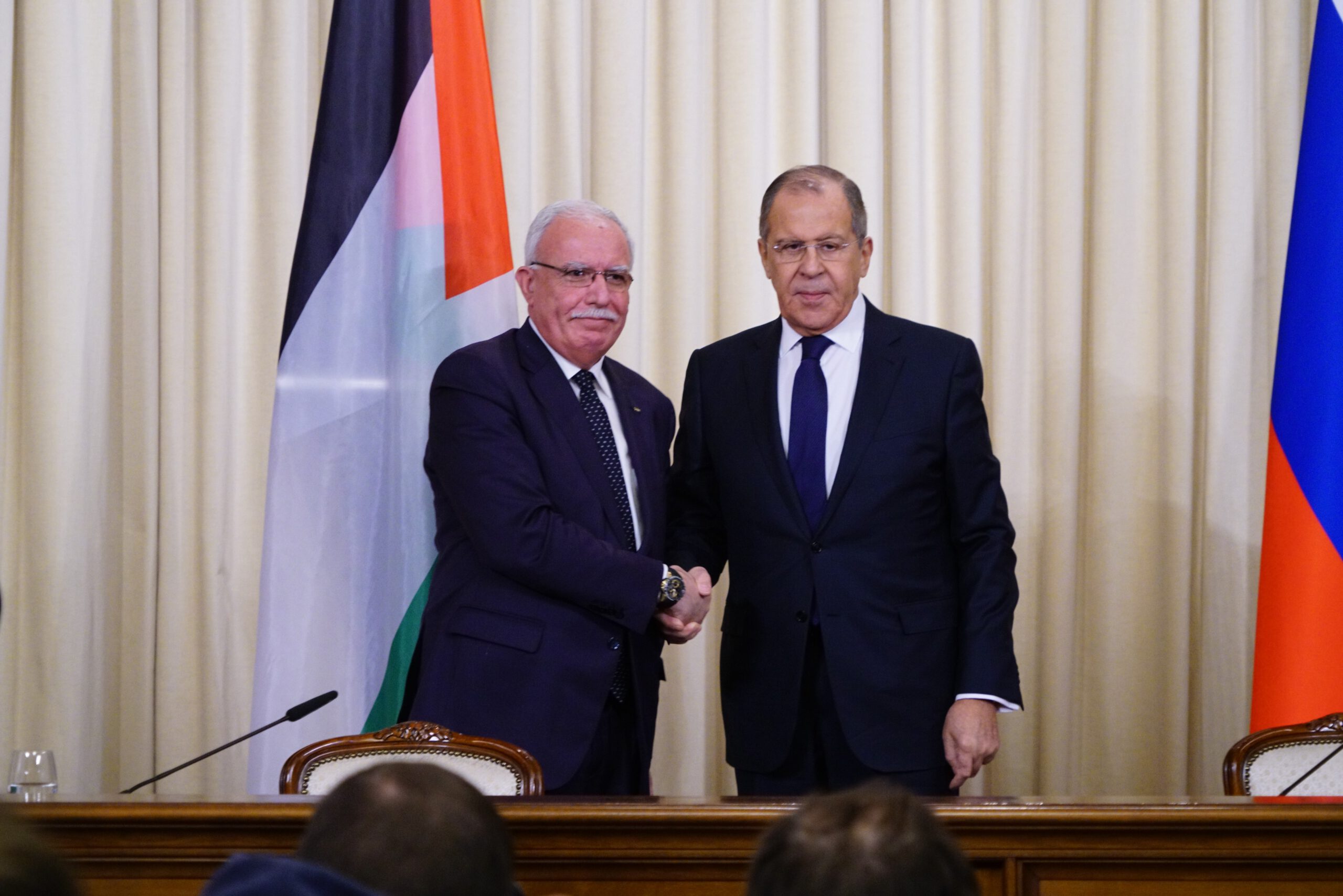
After Syria, Russia vies for influence in the Palestinian sphere
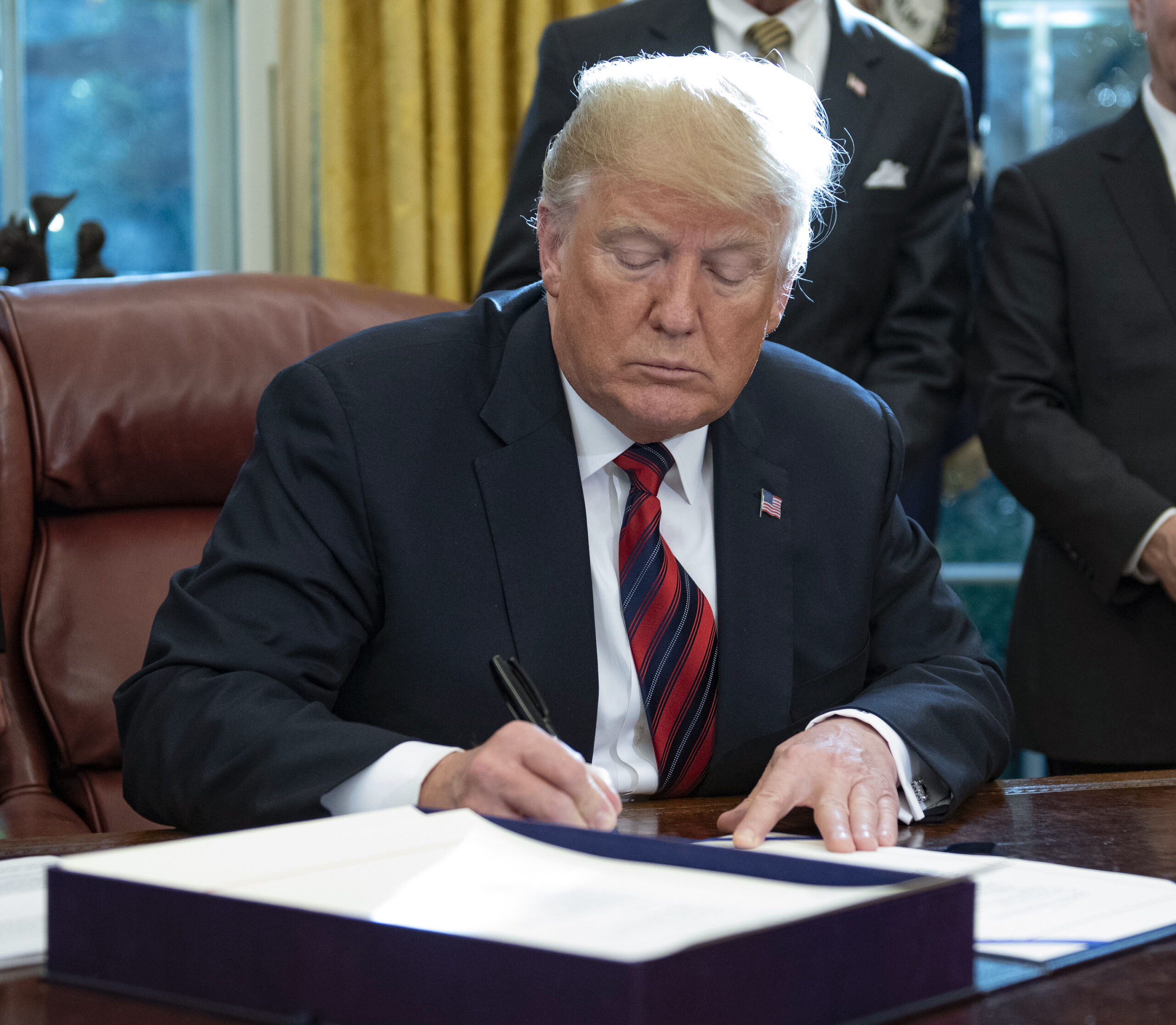
Moscow has renewed its offer to act as an independent, third-party mediator between Israel and the Palestinians as Palestinians grow wary of the Trump administration and question Washington’s traditional role as Mideast peace broker following President Donald Trump’s recognition of Jerusalem as Israel’s capital in December 2017.
In our first episode of 2019, MEI experts Paul Salem, Charles Lister, Ahmad Majidyar, Randa Slim, Gonul Tol, Robert Pearson, and Gerald Feierstein discuss the significant policy developments and announcements of the past few weeks and outline the major issues to watch in the year ahead.
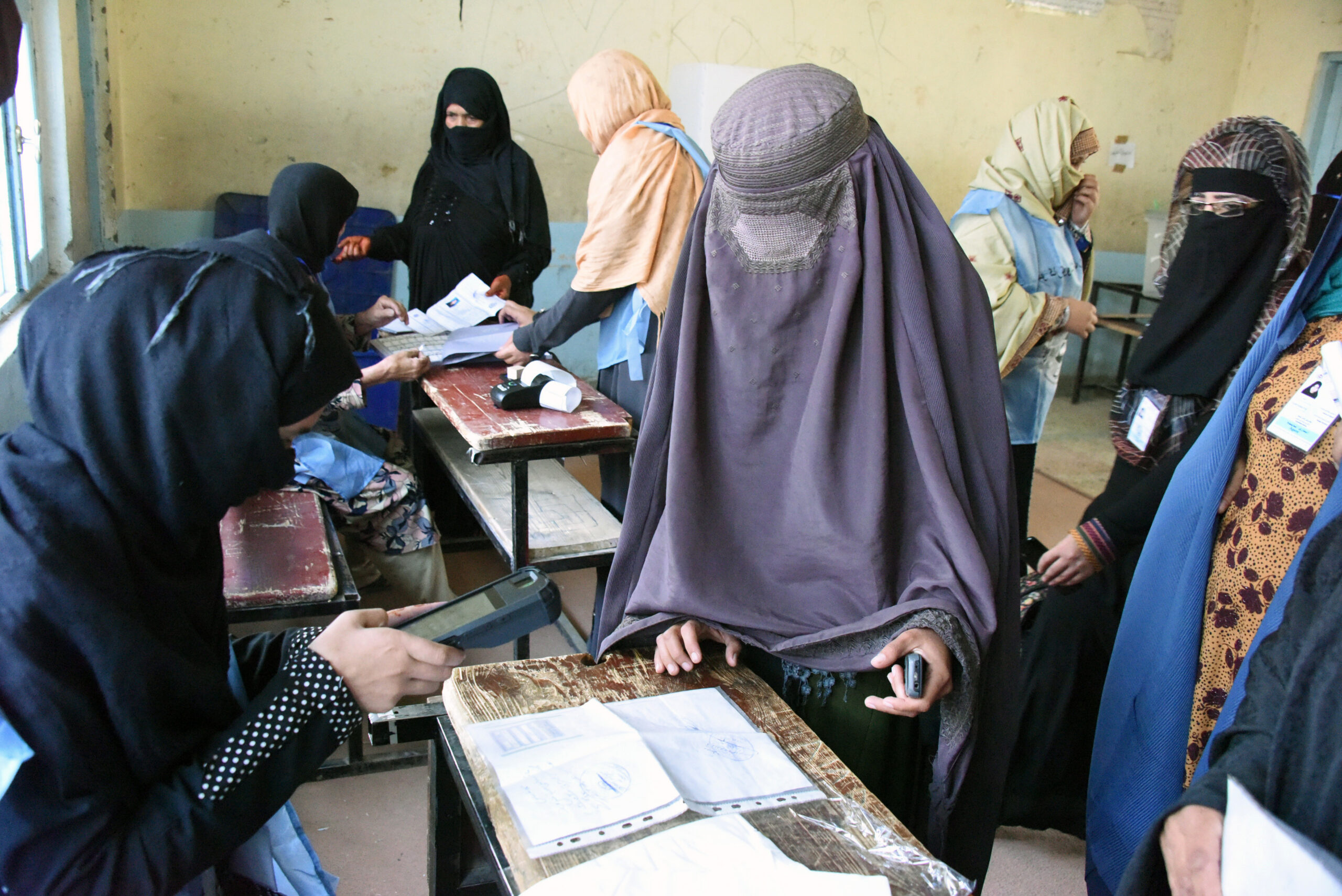
October going on December: Voters are still waiting for results in Afghan elections
While four million Afghans bravely defied Taliban threats to cast their ballots in parliamentary elections in October, issues with the voting process and the two-month delay in announcing the results are causes for concern, especially with four important elections scheduled for next April.
In our final episode of the year, host Alistair Taylor interviews several MEI scholars on the key events that transpired across the Middle East in 2018 including in the Gulf, Iran, Turkey, and Afghanistan. Guests include Paul Salem, Gerald Feierstein, Alex Vatanka, Gonul Tol, and Ahmad Majidyar.
In this week’s Monday Briefing, MEI experts discuss recent and upcoming events including the coming changes in Trump’s administration, Iran’s hesitation in the US-China battle over Huawei , the ongoing Sweden talks on Yemen, results of the latest GCC summit, and questions over the legitimacy of the Afghan elections.
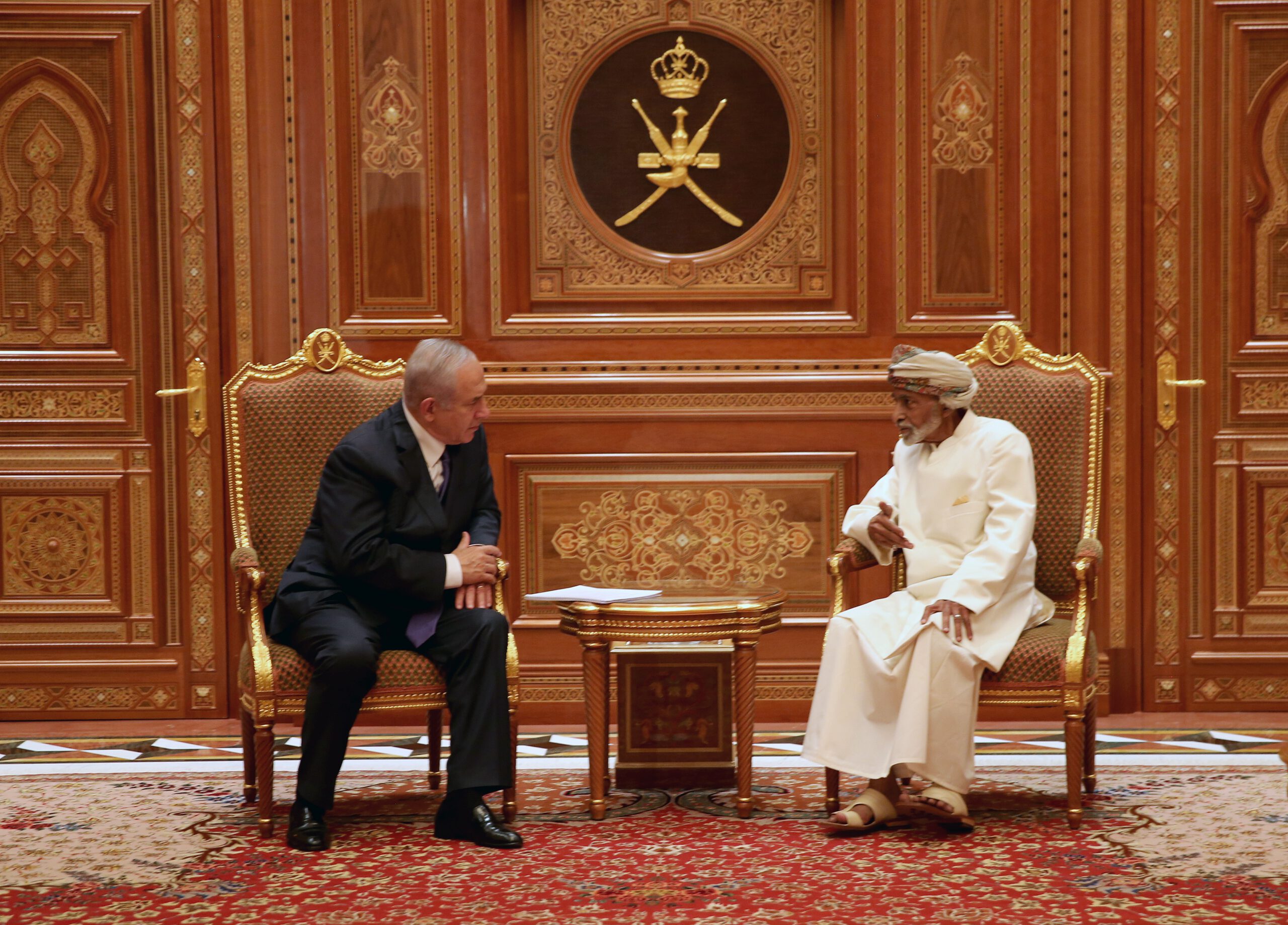
Oman and Israel: The emergence of a new strategic partnership
Although Oman has long been a regional mediator with ties to competing powers, it will need to maintain a delicate balancing act between its new strategic partnership with the Israelis and established relations with the Palestinians.
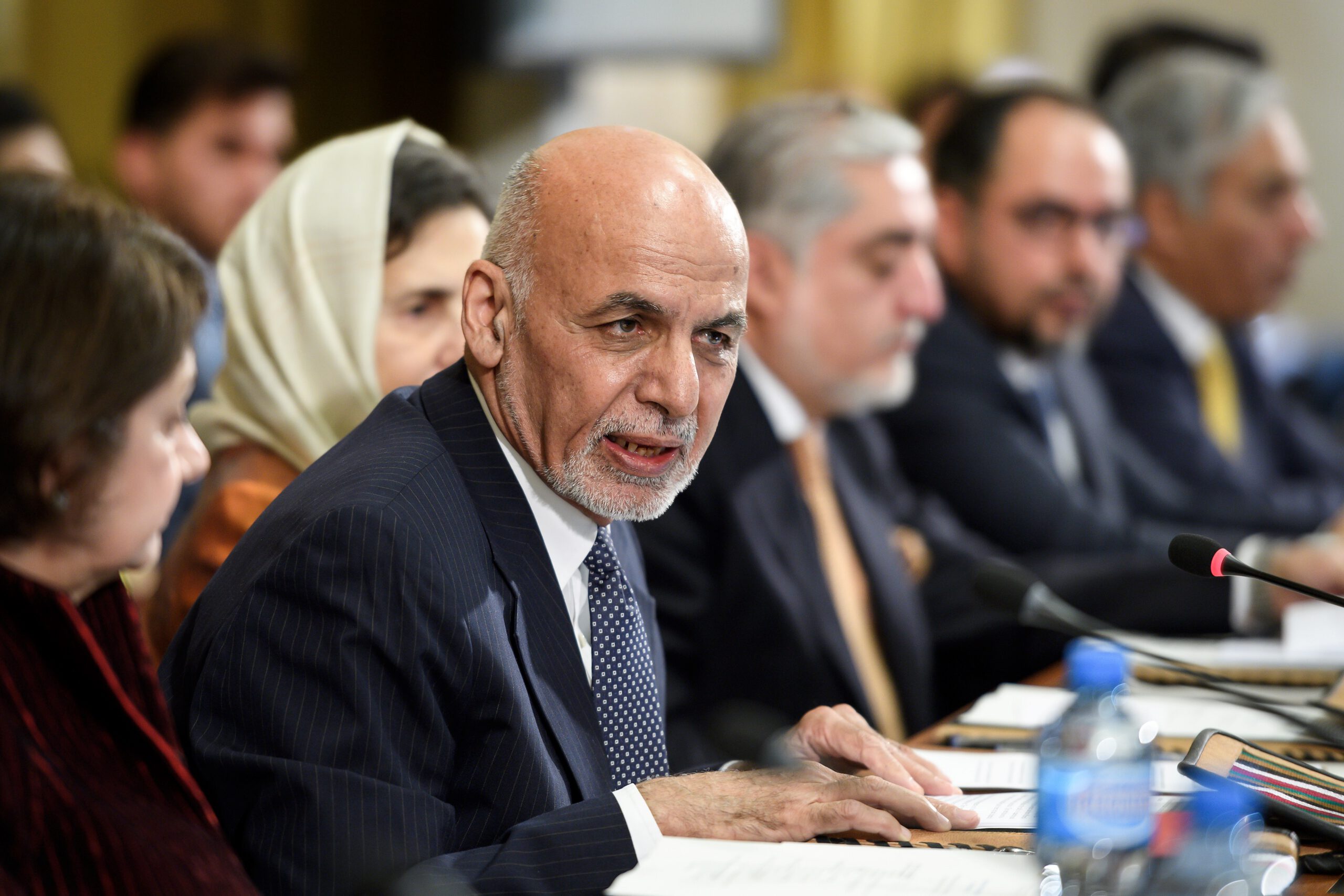
Geneva conference lays out challenges in Afghanistan
Held on Nov. 27-28, the two-day Geneva conference on Afghanistan voiced both challenges and prospects for Afghanistan’s economic and political stability.
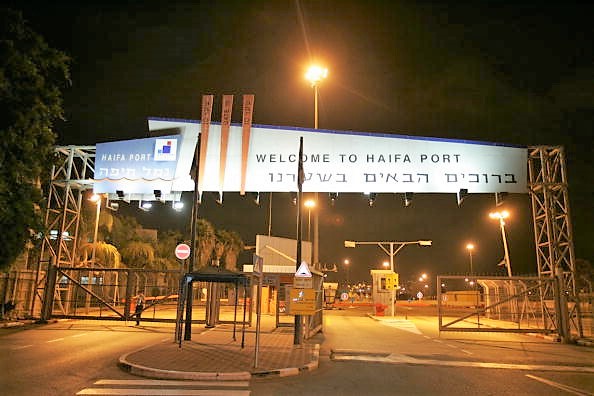
The Israel-China-U.S. Triangle and the Haifa Port Project
This essay discusses the Shanghai International Port Group (SIPG) contract to operate the northern port in Haifa in terms of Israel’s relations with China and the United States. The author urges greater caution by Israeli policy-makers and the public and closer cooperation between Israel and the U.S. in managing the risks associated with Chinese investment and commercial activities in critical sectors of the Israeli economy.