
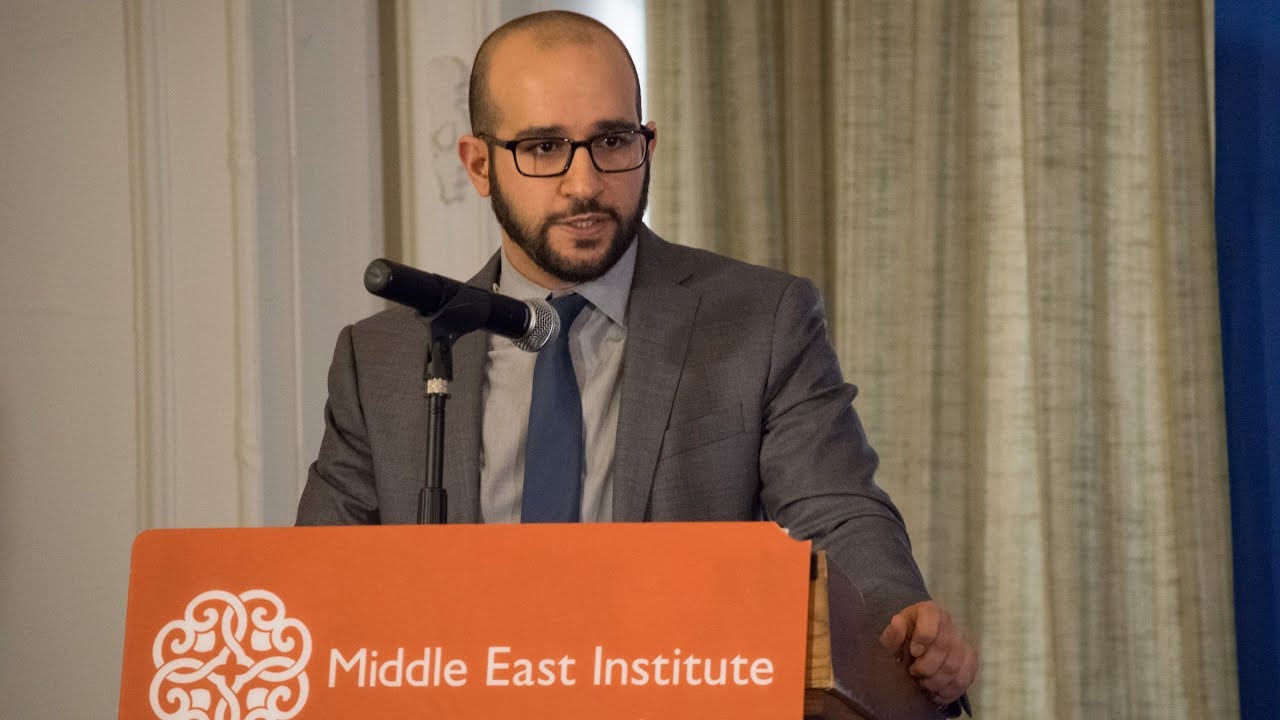
Alive in Graves: A film screening and discussion on Syria's detainees
Tens of thousands have been subjected to enforced disappearance in Syria since 2011. The regime is responsible for a majority of these detentions, but various armed groups have been guilty of the practice as well. Amnesty International has warned that “the plight of those who have vanished after being arrested by the authorities or detained by armed groups is a tragedy that has been largely ignored internationally.”
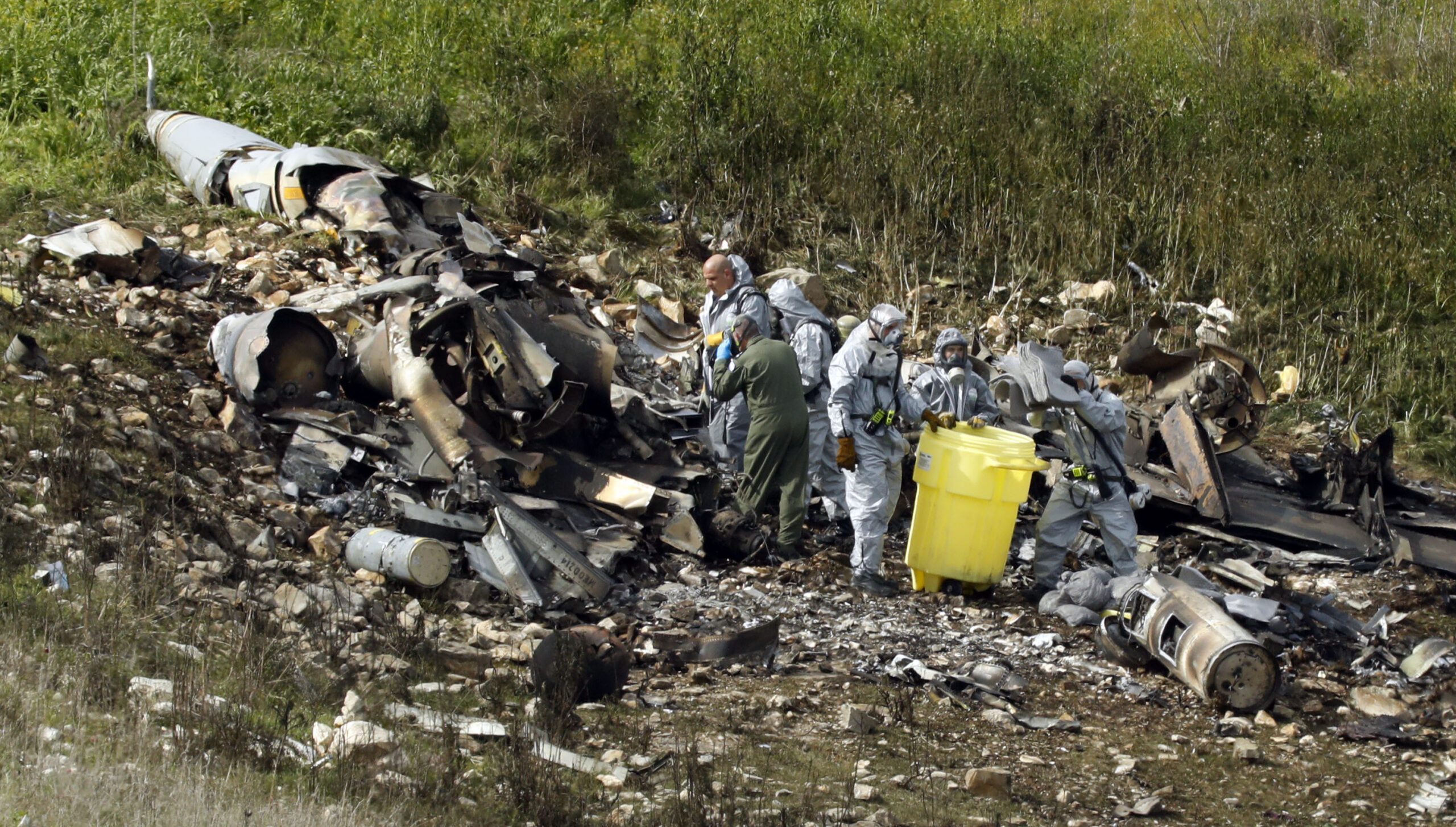
Monday Briefing: The Syrian-Iranian downing of an Israeli fighter jet
In this week’s Monday Briefing, MEI experts Charles Lister, Bilal Y. Saab, Eran Etzion, Gonul Tol, Paul Salem, and Randa Slim provide analysis on recent and upcoming events including the Syrian-Iranian downing of an Israeli fighter jet, the critical crossroads of U.S. and Turkey relations, Rex Tillerson’s upcoming visit to Lebanon, and Iraqi reconstruction plans.
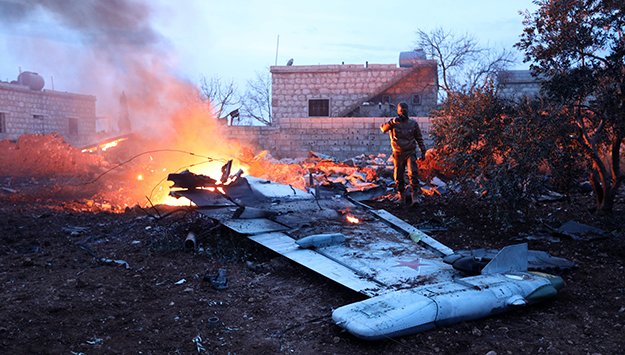
Unrelenting violence in Syria | Monday Briefing
In this week’s Monday Briefing, MEI experts Charles Lister, Bilal Y. Saab, Marvin G. Weinbaum, and Gonul Tol provide analysis on recent and upcoming events including the unrelenting violence in Syria, President Trump’s “Buy American” plan, the Taliban’s anti-U.S. propaganda, and Erdogan’s meeting with the Vatican.
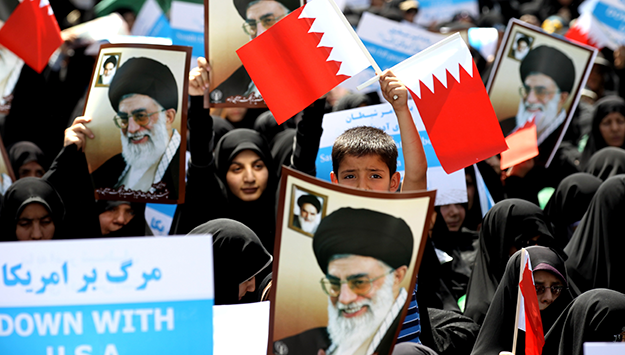
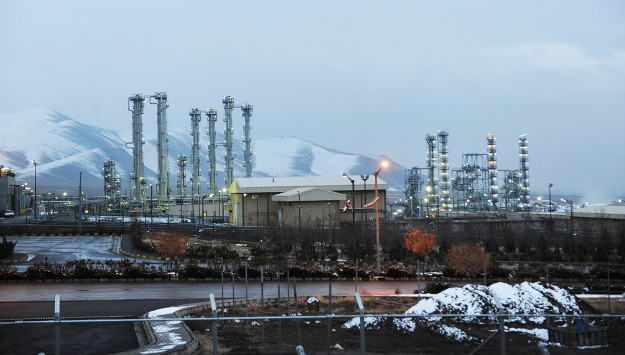
The Middle East’s Next Big Challenge: Nuclear Security
Read the full piece, co-authored by Nilsu Goren, on The American Interest.
Of all the calamities that have caused mass death and destruction in the Middle East in recent years—including civil war, terrorism, ethnic cleansing, cholera, and famine—none is more potentially threatening to human life than the danger of nuclear power.
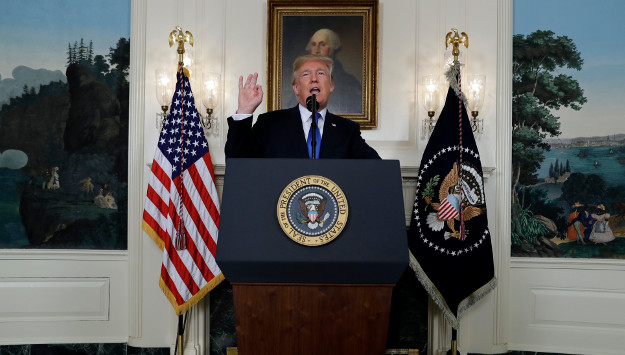
Trump’s Iran Strategy Needs Much Improvement
This piece was co-authored by Bilal Saab and Kenneth M. Pollack, resident fellow at the American Enterprise Institute. Read the full op-ed on the Wall Street Journal.
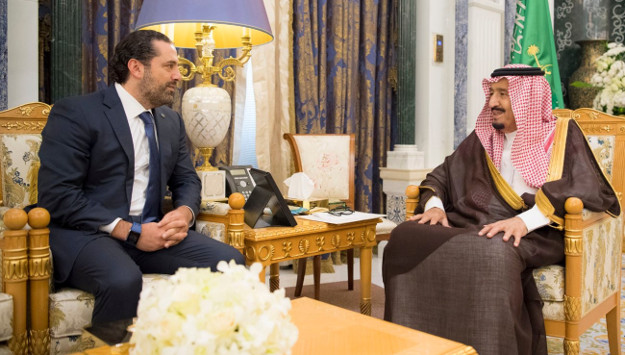
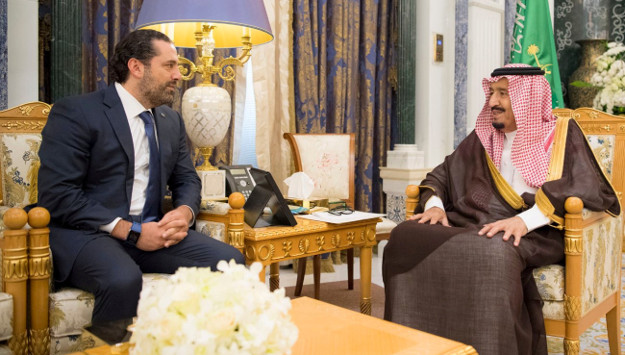
The Future of Saad Hariri
Read the full article on the American Interest.
It takes a certain level of political naiveté or blindness to continue to believe that Lebanese Prime Minister Saad Hariri resigned last week of his own volition.
Yes, the Middle East Matters to the U.S.
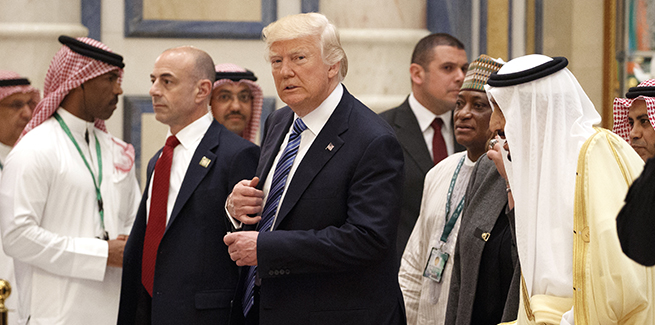
Is the traditional view that U.S. leadership in the Middle East advances our strategic interests well judged? As president, Barack Obama upended many assumptions about that view. He turned heads in dismissing Saudi Arabia as a “so-called ally” and reached out to Iran, hoping to make it less dangerous.
Toward a Regional Framework for the Middle East: Takeaways from other Regions
Regional Cooperation Series
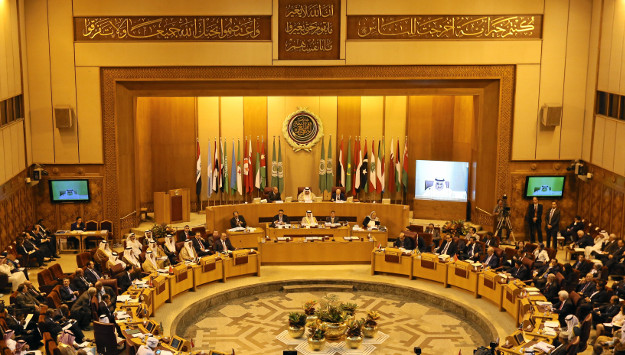
This Policy Paper is part of the Middle East Institute’s Regional Cooperation Series. Throughout 2016, MEI will be releasing several policy papers by renowned scholars and experts exploring possibilities to foster regional cooperation across an array of sectors. The purpose is to highlight the myriad benefits and opportunities associated with regional cooperation, and the high costs of the continued business-as-usual model of competition and intense rivalry.
Defying Gravity: Working Toward a Regional Strategy for a Stable Middle East
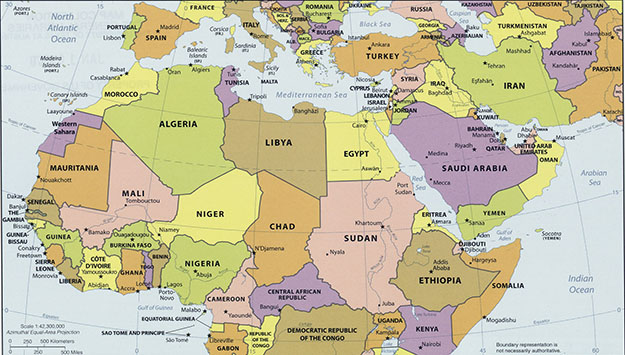
In this MEI Policy Paper, Ross Harrison asserts that a new regional order is emerging out of the conflicts of the Middle East. The relationships among the pillars of this order–Egypt, Saudi Arabia, Turkey, and Iran–are crucial, as they will largely determine “whether the future of the Middle East will be a continuation of the current chaos and destruction or a more positive transition toward stability and prosperity.” Harrison argues that global powers must concentrate on creating conditions conducive to cooperation among the pillars.