Syria tops the agenda as Erdogan heads to Washington
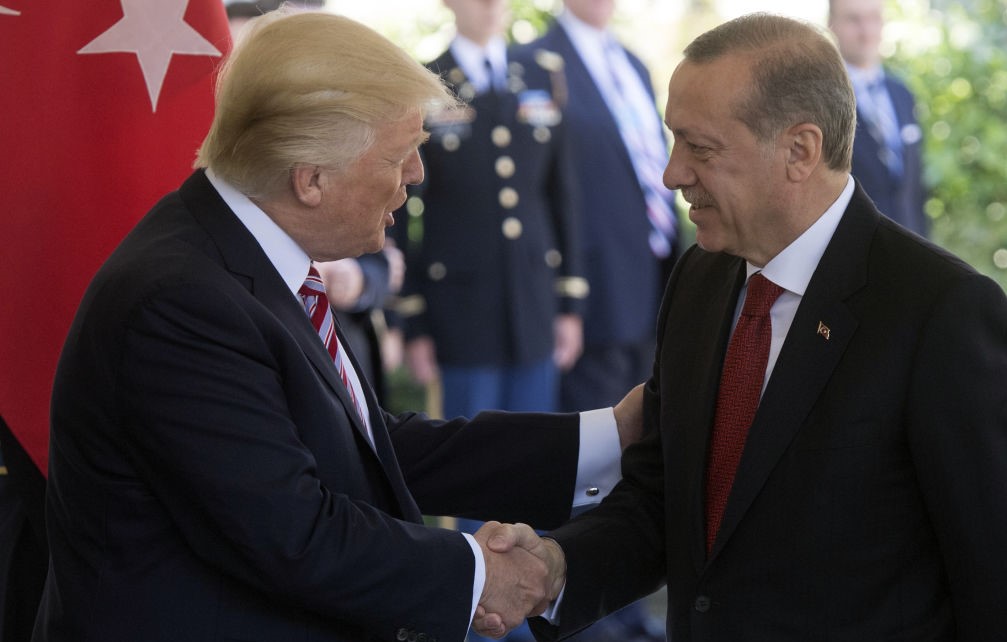
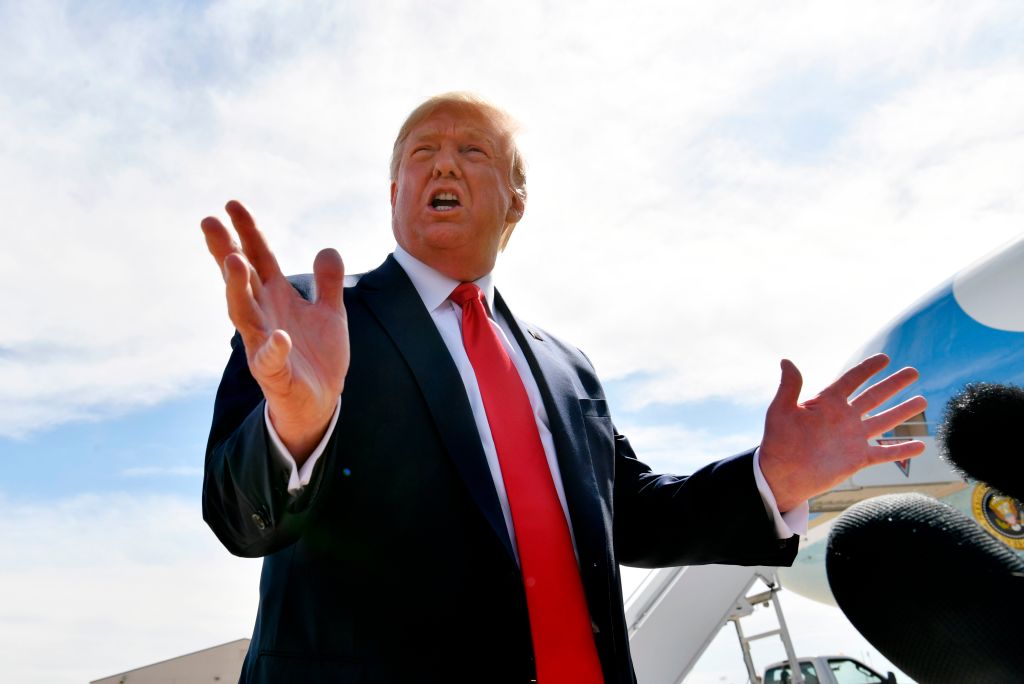
Turkish President Recep Tayyip Erdogan is set to meet with his U.S. counterpart, Donald Trump, in Washington on Wednesday. While there are doubtless other items for discussion on the agenda, at the top of the list is, at least on Turkey’s side, Syria — or more specifically, what U.S. policy is and should be in Syria.
Despite the hurdles, an opportunity for de-escalation in Yemen
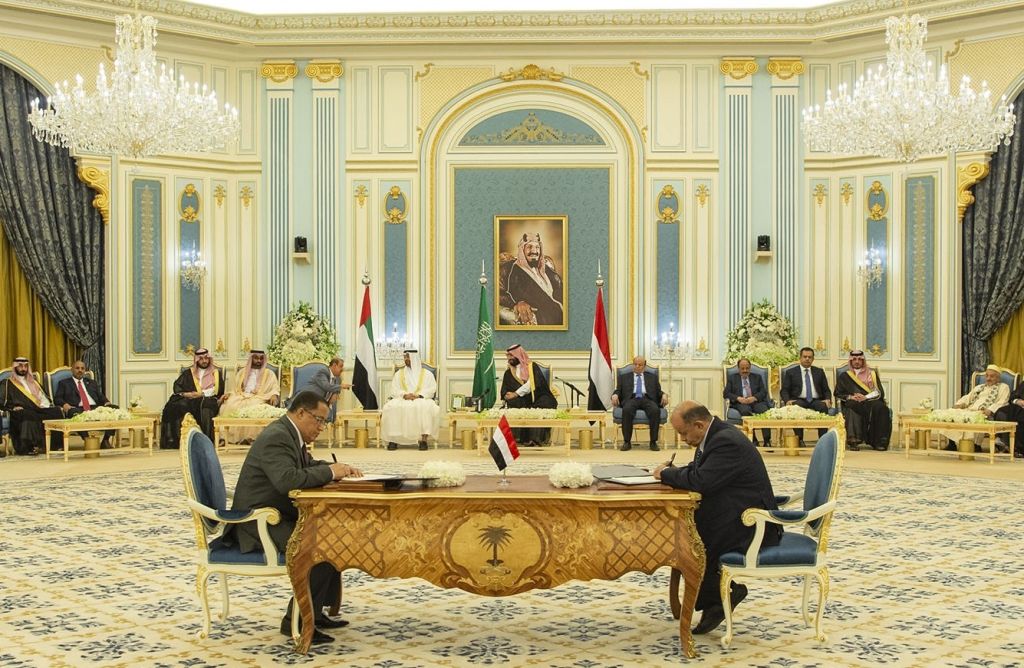
After more than two months of Saudi-mediated indirect talks between the Republic of Yemen Government (ROYG) and the UAE-backed Southern Transitional Council (STC), the two sides finally reached a deal on Nov. 5. The Saudi effort, which culminated in the signing of the Riyadh Agreement, is aimed at resolving the conflict within the Arab coalition-backed front and uniting the two parties in the fight against the Iranian-backed Houthi militias. The agreement, which spans political, economic, security, and military arrangements, involves restructuring the executive, military, and security branches of the ROYG, partial disarmament of STC-loyal forces, and the demilitarization of Aden — all of which will be phased in over the next three months.
Syria: The most important issues are not yet on the table in Geneva
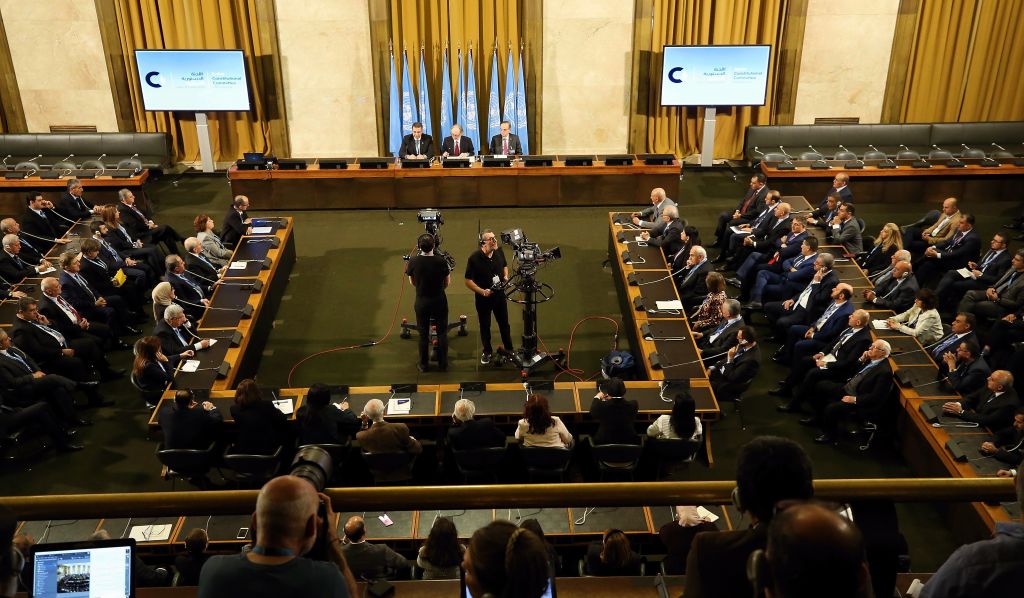
If the Syrian Constitutional Committee does not address the oppressive security and military apparatus, which are the primary root causes of the Syrian crisis, then its work will not actually effect change in Syria — and so far, reforms of those two sectors are not yet on the table.
Saudi Arabia’s quick fix of Yemen’s southern conflict will face a durability problem
After violent confrontations with the government of Yemen and repeated struggles for autonomy, members of the Southern Transitional Council (STC), which represents a political movement that calls for secession, appeared satisfied with the terms of a deal that will be signed with the government of Yemen in Riyadh on Oct. 31. The Saudi-brokered agreement united the conflicting parties in their fight against the Iran-backed Houthis, with a strong vision aimed at stopping any side-show that could endanger this effort.
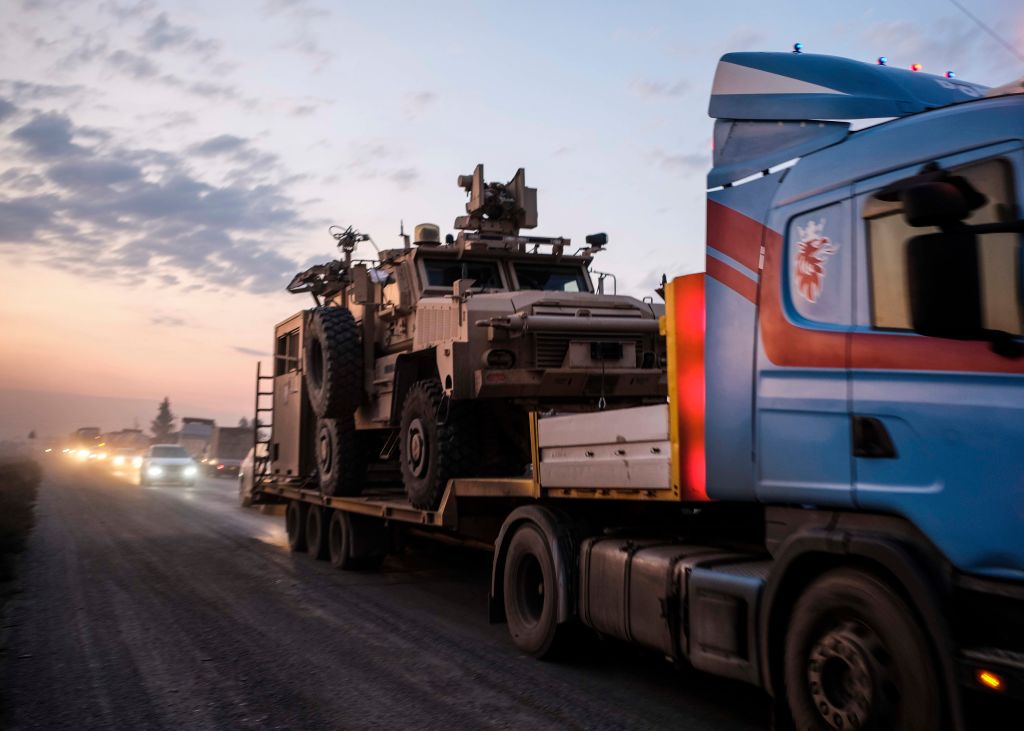
The US has a partner in eastern Syria — provided it has the will
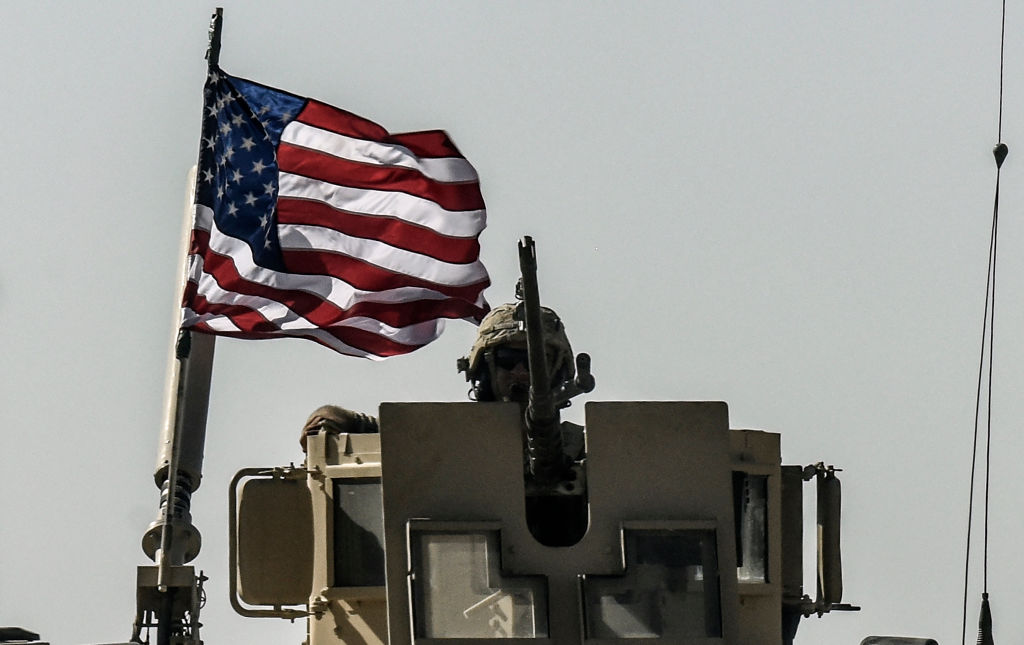
The Trump administration inherited a number of complex problems in the Syrian file from its predecessors in the White House. In dealing with the Syrian crisis, the Obama administration had three main priorities: not disturbing Iran in Syria during the process of nuclear negotiations, working with Russia toward a ceasefire in various parts of Syria (without trusting that Russia could deliver or should have the upper hand), and, most importantly, carrying out a limited military intervention in the northeast to defeat ISIS — an issue it considered separately from the Syrian crisis.
Turkish consolidation and American improvisation in eastern Syria
Damascus’ position is marginally stronger, and it is unlikely to concede anything of substance in Geneva despite continued American control of Deir ez-Zor’s oilfields.
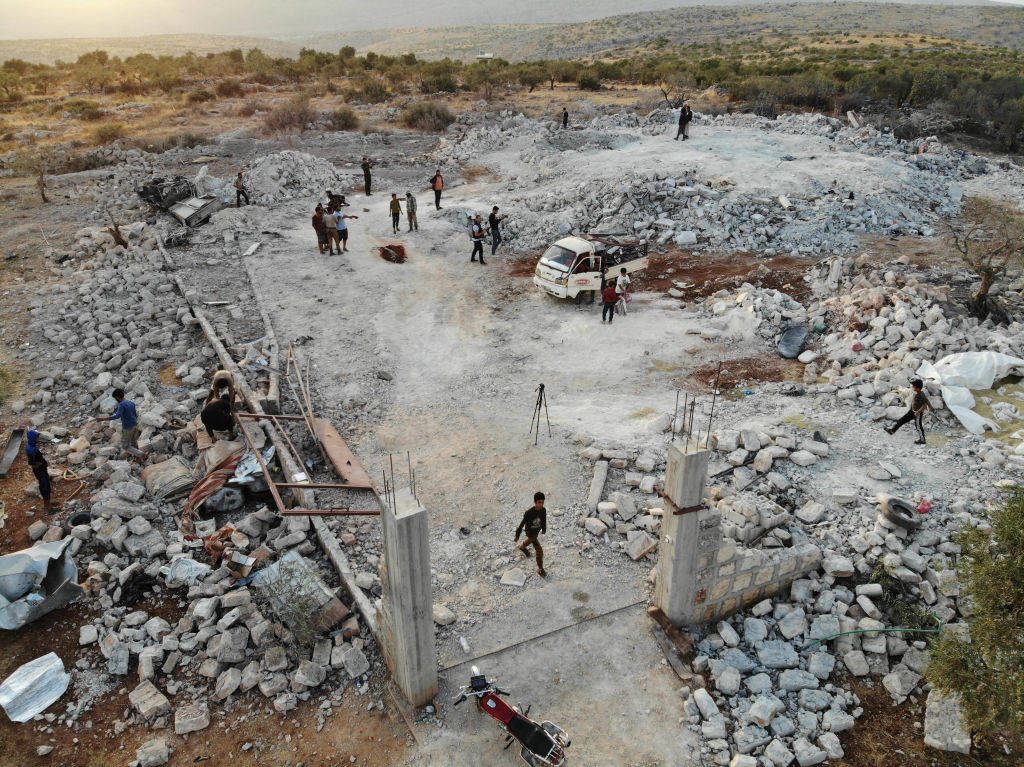
Baghdadi’s death is a major victory, but it won’t spell the end of ISIS
Had America’s posture in Syria not been so uncertain, and if President Trump had not effectively green-lighted a Turkish incursion into the northeast, we would have a much better chance of capitalizing on Baghdadi’s death.
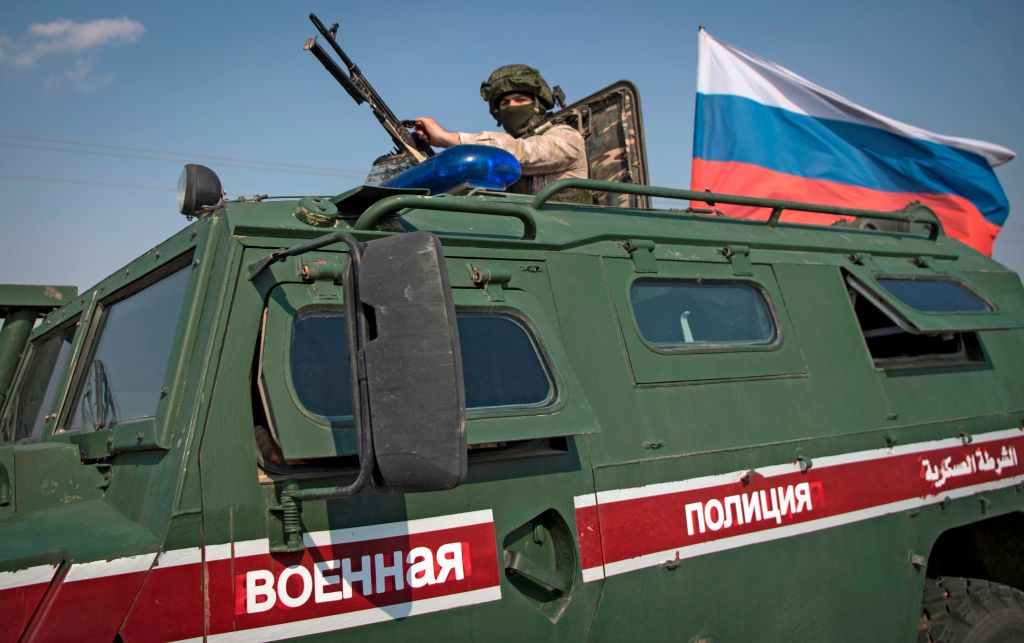
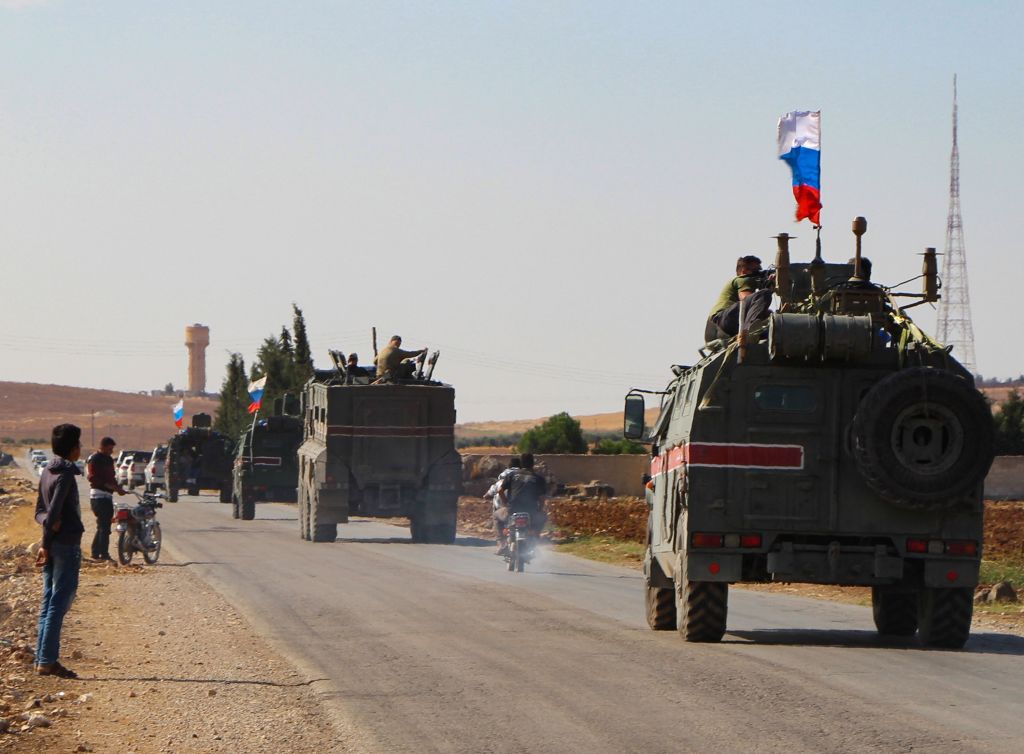
Russian-Turkish border deal on Syria holds, but the Western response is muddled
Russia is clear in its policy toward northeastern Syria: The future of the region will be determined through talks between the representatives of the Kurds, who traditionally live in the area, and Damascus.
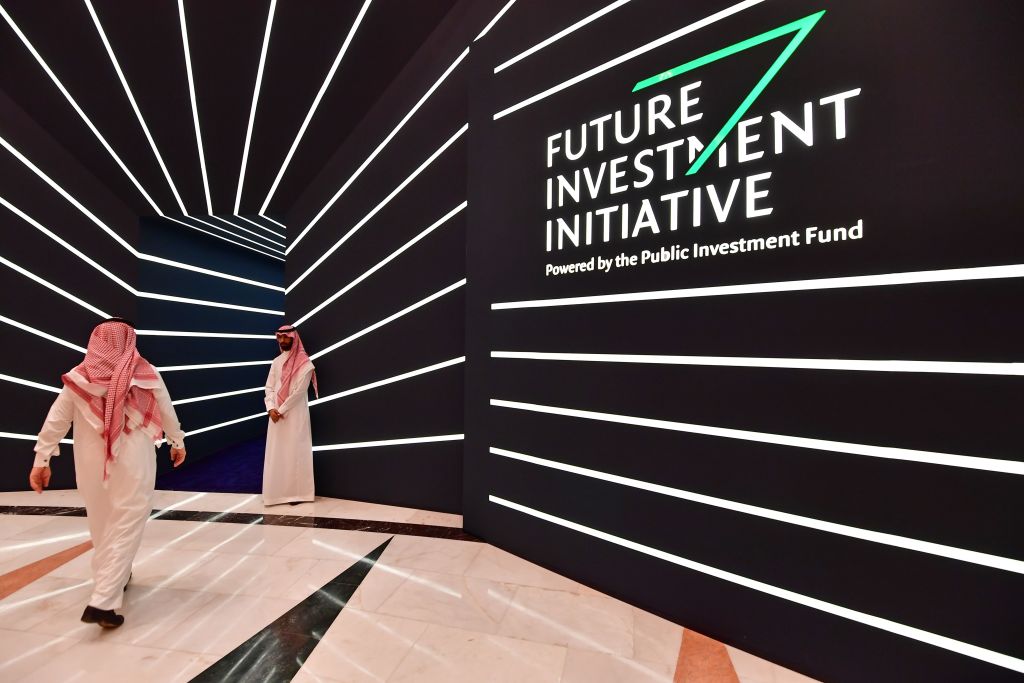
The Future Investment Initiative: A window on the kingdom’s future or a PR stunt?
The FII’s public relations bash is important in that it shows the world that the leadership of the kingdom has an ambitious and real vision to move the country forward.
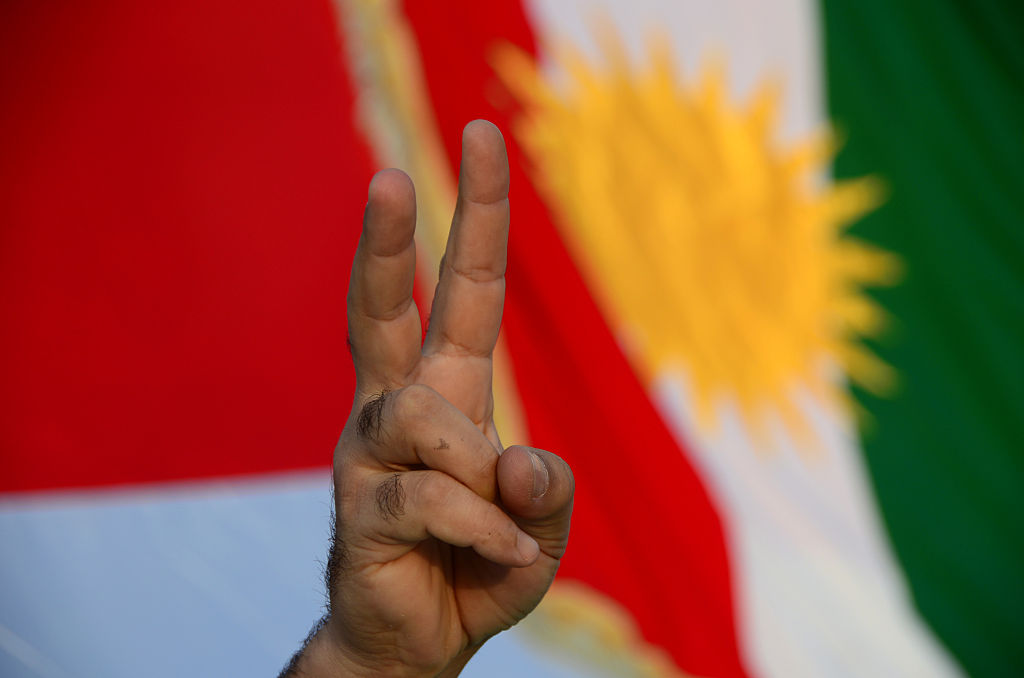
Borders Beyond Borders: The Many (Many) Kurdish Political Parties of Syria
The launch of Turkey’s military incursion into northern Syria on Oct. 9 represents an existential threat for the Autonomous Administration in Northeast Syria (AANES) and Kurdish parties in Syria as a whole, prompting Kurdish political factions, both within Syria and abroad, to reevaluate their survival strategies and alliances. This report explores the various political factions within the Kurdish coalitions in Syria as they functioned under the AANES and the major rifts between them. Even under these dire circumstances Kurdish political factions in Syria have responded to the Turkish invasion independently.
Iran may not like it, but it can live with a Turkey-Russia deal on Syria
While the Iranians would have preferred it if the Turks had not invaded Syria, it does not change their most immediate policy objective, which is the survival of the Assad regime. As long as the Russians keep the Turks away from Assad’s forces, Tehran will, at least in the short term, be able to manage the consequences of Ankara’s actions.
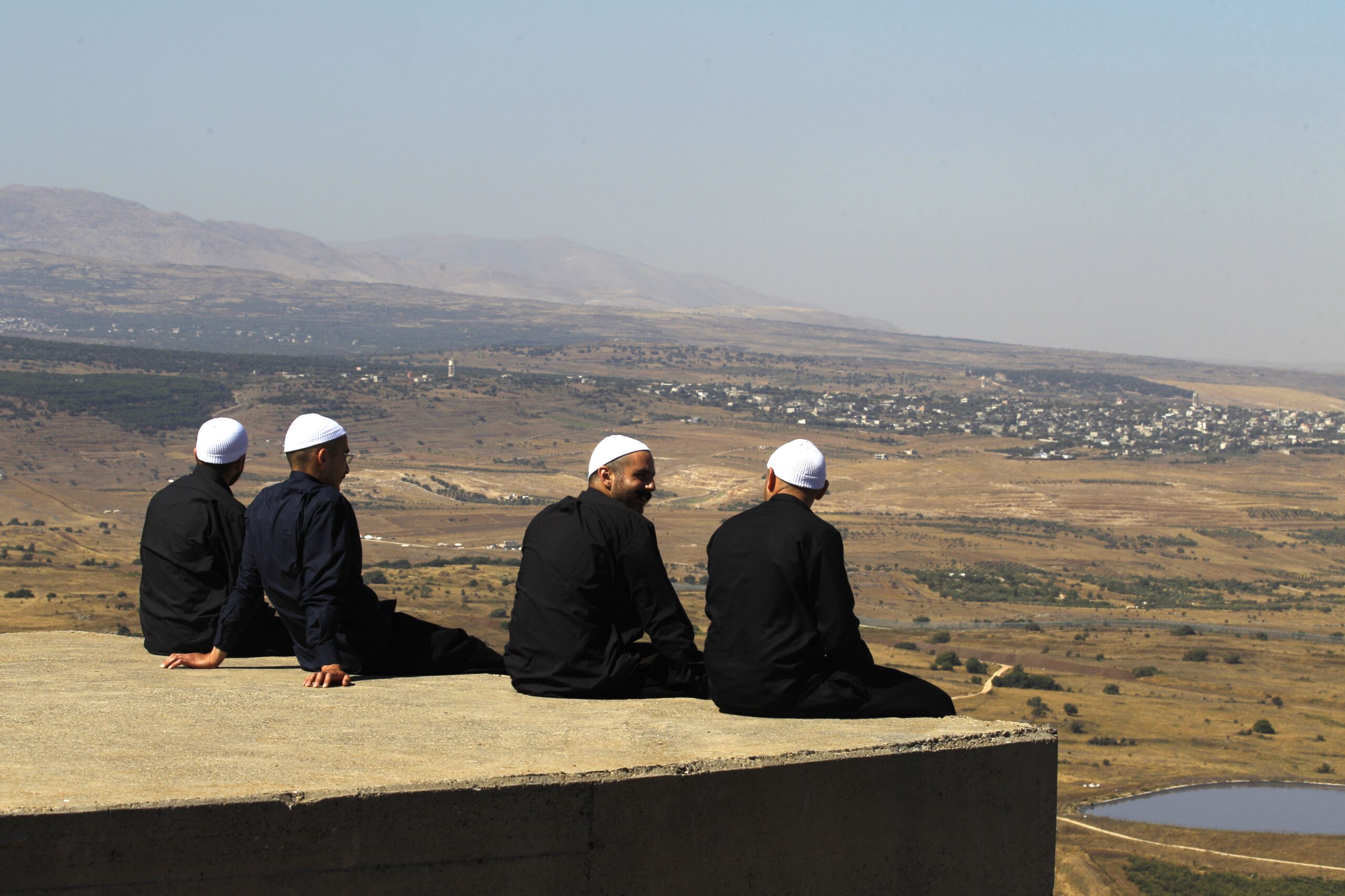
Divide and Conquer: The Growing Hezbollah Threat to the Druze
Deep political, familial, and religious ties have allowed Druze communities across the Levant to remain largely unified against external threats, but eight years of violence in Syria and a coordinated campaign by the regime and its allies now threaten to destabilize regional Druze politics and erode the sect’s political and military power. An Iranian-backed campaign by Hezbollah to incite inter-Druze violence in Lebanon has curtailed this unity, laying the groundwork for Hezbollah to expand into Syria’s Suwayda province with impunity.
That some in Washington think another about-turn in policy allowing us to stay in negligible numbers, in a smaller piece of territory, would somehow enable us to sustain an anti-ISIS campaign and control Syria’s oil fields is nothing short of a fantasy.
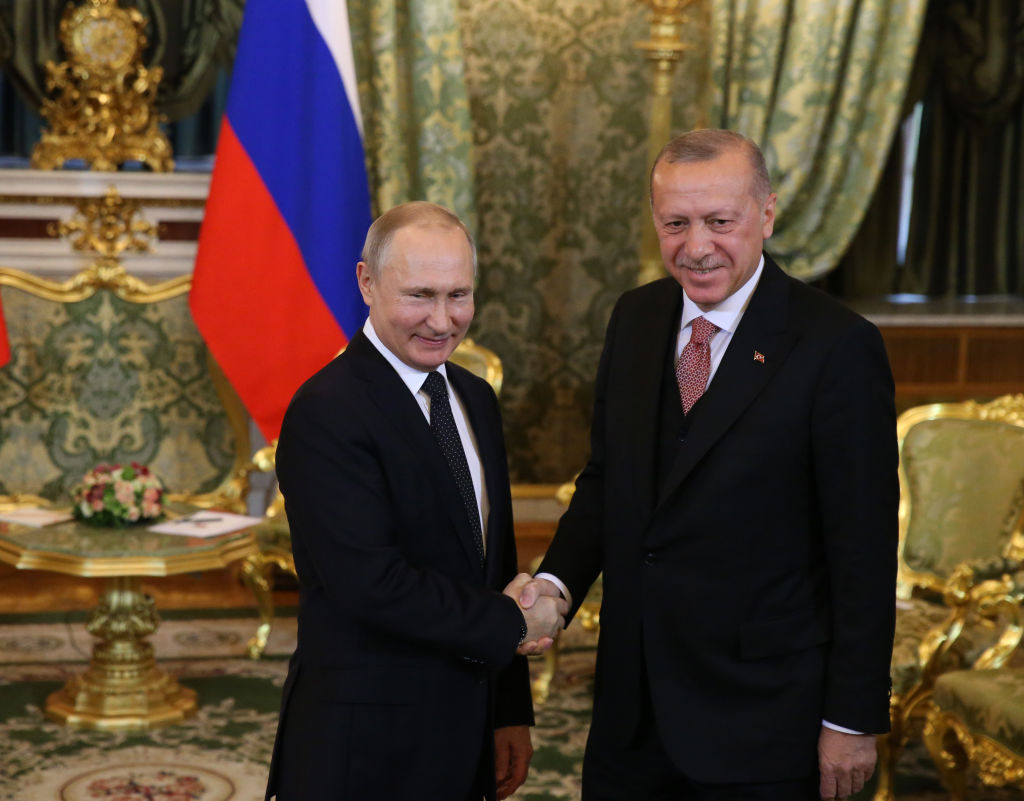
Erdogan heads to Russia for Syria safe zone talks with Putin
To make his case for an expansive safe zone in northern Syria stretching to Iraqi border, Recep Tayyip Erdogan is meeting with Russian President Vladimir Putin in Sochi. Putin might accept a limited Turkish presence in the area for now, but he is unlikely to agree to Turkey’s current plans.
Both Mr. Trump and Mr. Erdogan, each under mounting pressure at home, are trying to solve domestic challenges with a tragedy that will have long-term and unpredictable effects — none of them beneficial for the United States and any friends that remain.