Iran and Pakistan agree to bolster defense ties and jointly produce military hardware
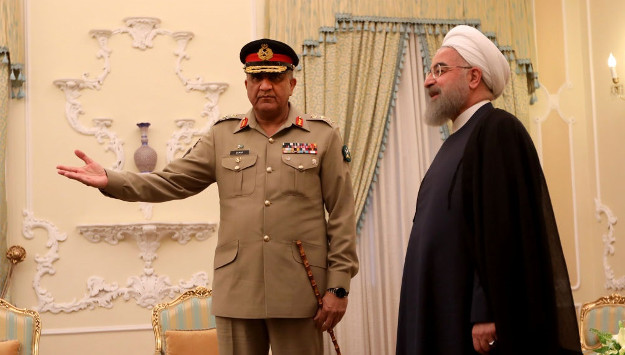
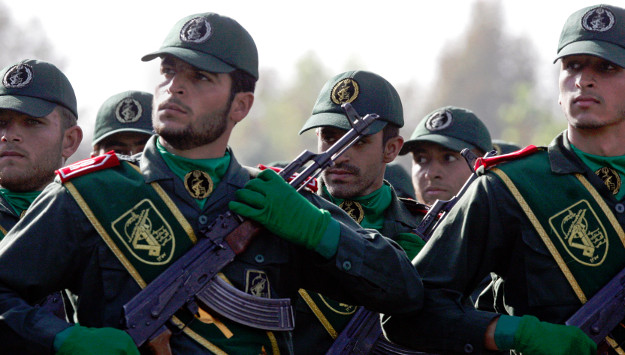
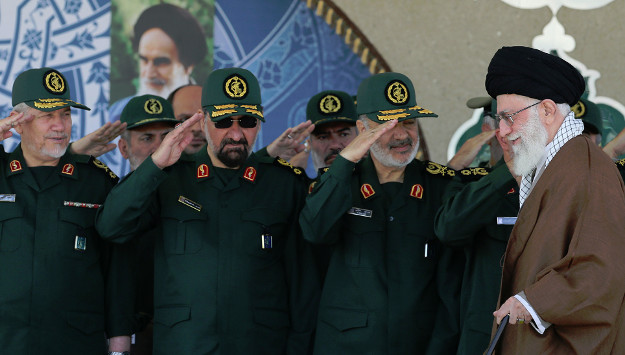
Iran and Pakistan have agreed to boost defense ties, enhance cooperation on border security and regional issues, and jointly manufacture military hardware, Iranian and Pakistan media reported. The agreements came during a high-level visit to Pakistan this week by an Iranian military delegation led by Chief of Staff of the Armed Forces Mohammad Hossein Bagheri.
In this week’s Monday Briefing, MEI experts Robert S. Ford, Gerald Feierstein, Marvin G. Weinbaum, and Bilal Y. Saab provide analysis on Iran’s efforts to stay in Syria, Pompeo’s upcoming trip to Abu Dhabi, the Pakistan Muslim League’s struggle in the upcoming National Assembly elections, and Qatar’s decision to renege on its Russian S-400 purchase.
Protests have broken out in Iran’s capital several times in recent weeks, leading to clashes with police and the temporary closure of Tehran’s Grand Bazaar. As with the demonstrations that swept the country earlier this year, these protests focused mainly on Iranians’ economic grievances. MEI’s Alex Vatanka and Ahmad Majidyar join guest host Greg Myre, national security correspondent for NPR, to discuss the factors driving Iran’s economic struggles, and the potential political impact.
Hezbollah allegedly training Nigerian Shiites to expand influence in West Africa
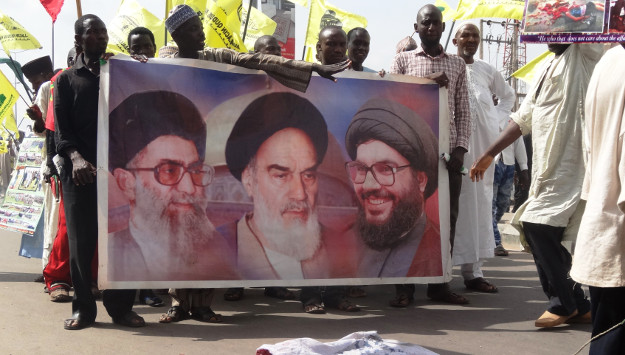
While Hezbollah’s military expansion across the Middle East, particularly since the start of the Syrian conflict in 2011, has drawn a great deal of attention, the Lebanese organization’s efforts to increase its presence and influence in Africa has largely been overlooked. Nigeria is a case in point. Sources close to Hezbollah say the organization provides ideological and military training to Nigerian Shiites inside Lebanon.
In this week’s Monday Briefing, MEI experts Charles Lister, Alex Vatanka, Randa Slim, and Marvin G. Weinbaum provide analysis on the US’s silence amid the Assad regime’s expansion, the Iranian president’s trip to Europe, the uptick in violence after Iraq’s elections, and the upcoming Pakistani parliamentary elections.
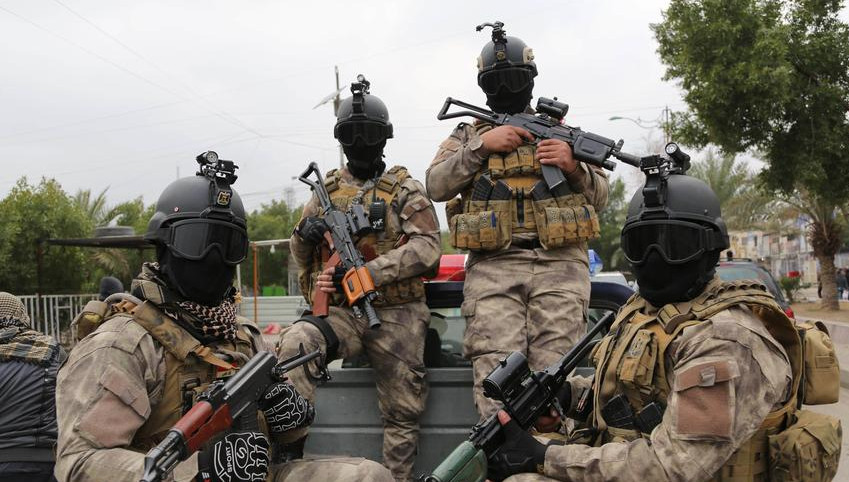
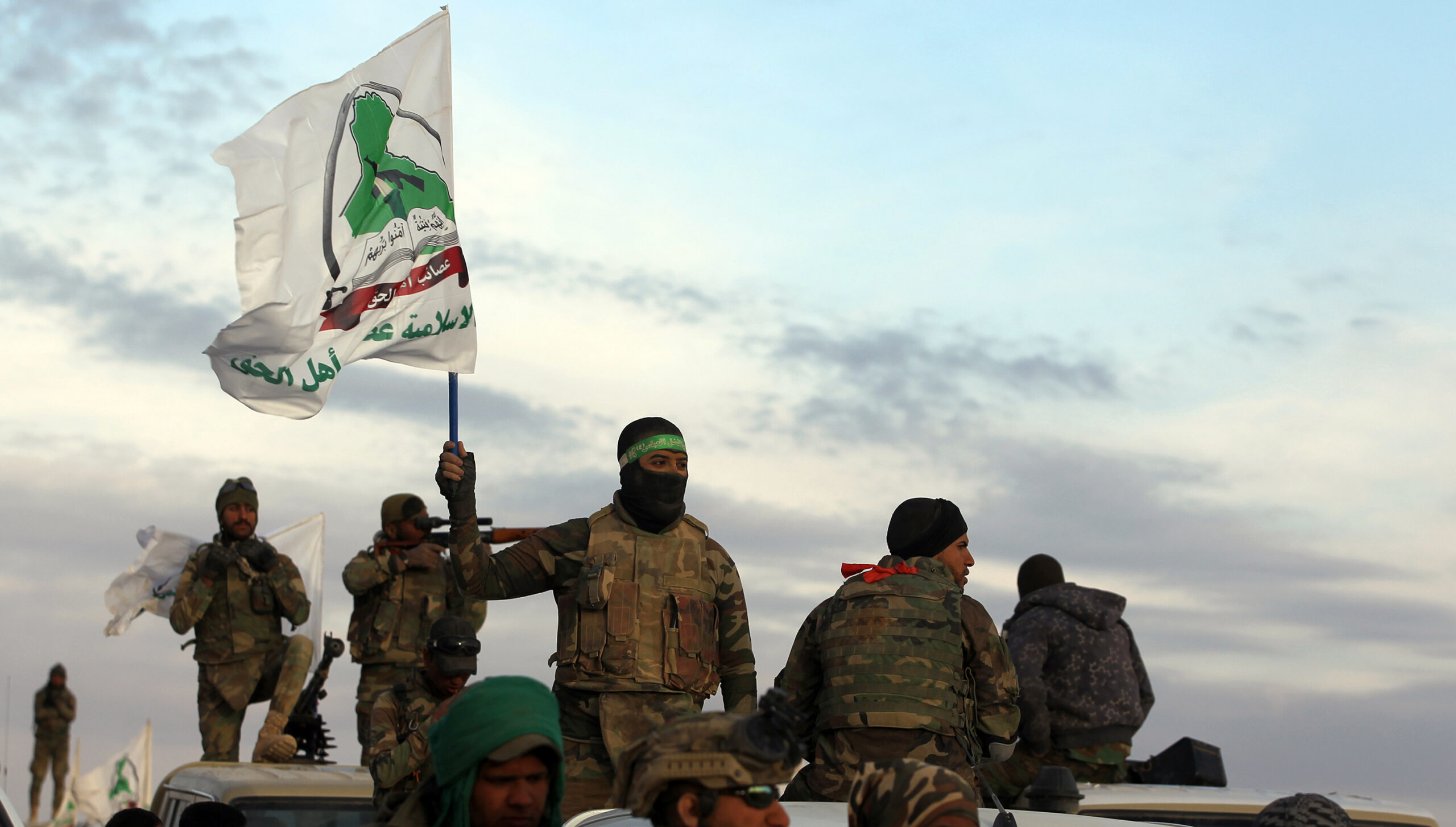
Since its 1979 revolution, the Islamic Republic of Iran has incited violent, radical, and often sectarian nonstate groups across the Middle East to serve as proxies in its military campaigns to influence regional and international politics. This “proxy model” has become increasingly salient since the U.S. invasion of Iraq in 2003 and more recently in Iraq and Syria, and is now Iran’s primary tool for advancing its regional intersts.
There are promising signs that the Saudi-backed coalition in Yemen’s assault on the port of Hodeida is opening a window of opportunity for a return to the political process. After a year of stalling, the Houthis have reportedly expressed a willingness to hand over operation of the port to a neutral third party, most likely the U.N. itself. Meanwhile, U.N.
Assad says Iran, like Russia, can set up military bases in Syria if needed
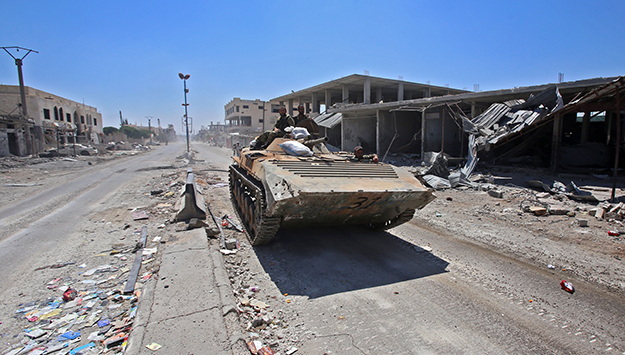
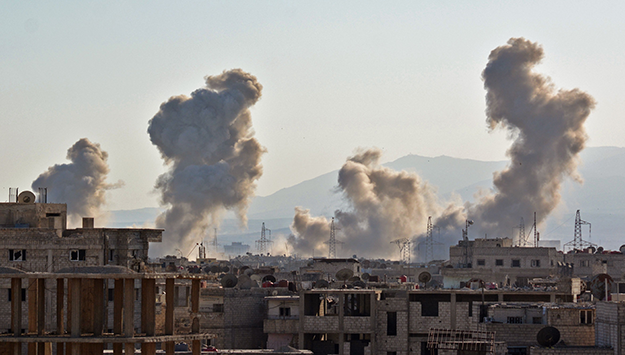
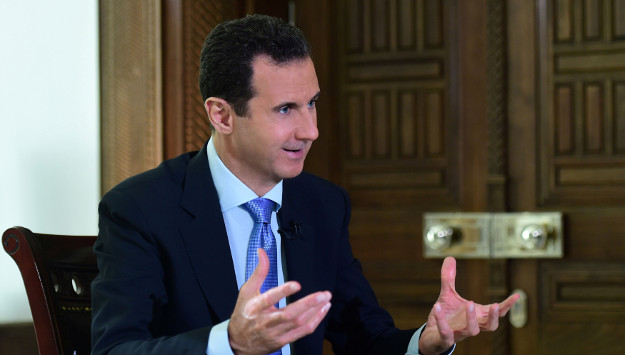
In an interview with a state-run Iranian TV channel, Syrian President Bashar al-Assad said that the evolving dynamics in southern and northern Syria would not alter “strategic” relations between Damascus and Tehran and emphasized that his government would be open to permitting Iran to establish military bases on the Syrian soil if needed. “After the liberation of Ghouta, a plan to advance toward southern Syria was discussed.
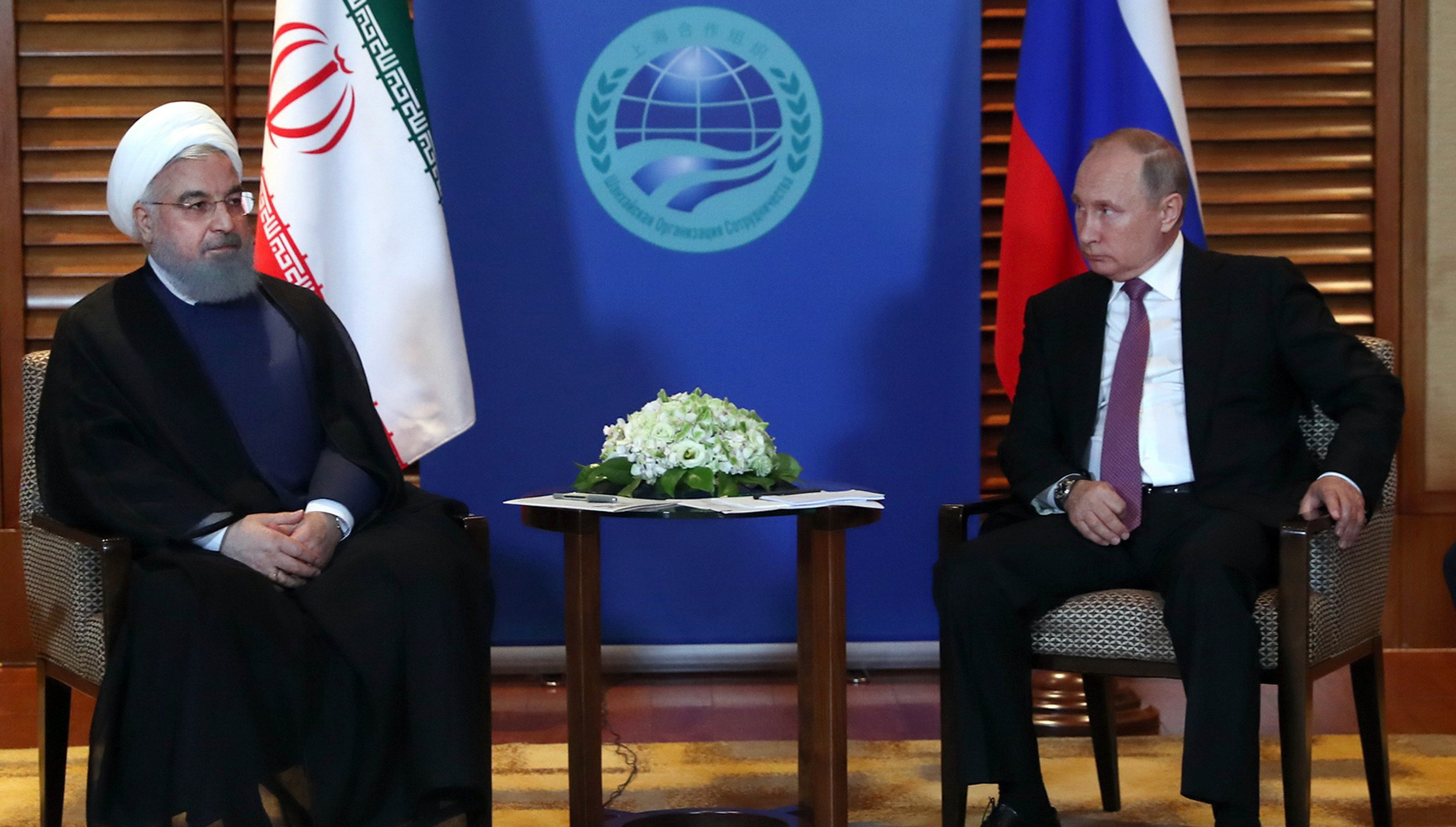
As international companies leave Iran under U.S. pressure, the Iranian government is scrambling to salvage as much foreign investment as possible. The top leadership in Tehran believes the solution is to engage with Russia, China, and the “east” to replace the West’s hesitant commitment to the Iranian market. But this eastward approach is a pipe dream, and there is plenty of history to prove it.
Sadr’s top aide says relations with Iran to remain strong, calls for exit of U.S. troops
Muqtada al-Sadr will maintain close relations with Iran and wants the United States to withdraw all its troops from Iraq and the Middle East, a top aide to the Iraqi cleric was quoted as saying in an
Locating Oman in India’s Strategic Engagements with the Gulf
Indian Prime Minister Narendra Modi’s visit to Oman in April 2017 injected some much-needed vitality into the bilateral relationship. Since then, India-Oman cooperation has intensified, particularly in the defense and security spheres.
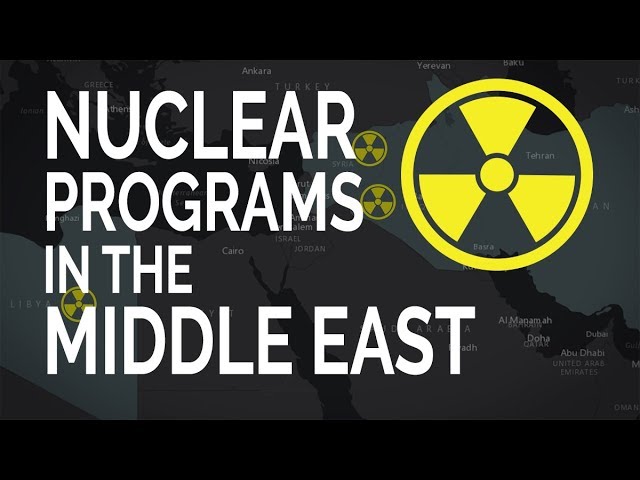
The Middle East is going nuclear, and not just Iran. As several countries across the region pursue nuclear programs to meet soaring domestic energy demands, the risk of nuclear proliferation also increases. MEI’s Bilal Saab explains the security risks.