The Libyan Banking Sector: A Microcosm of Global Enduring Disorder
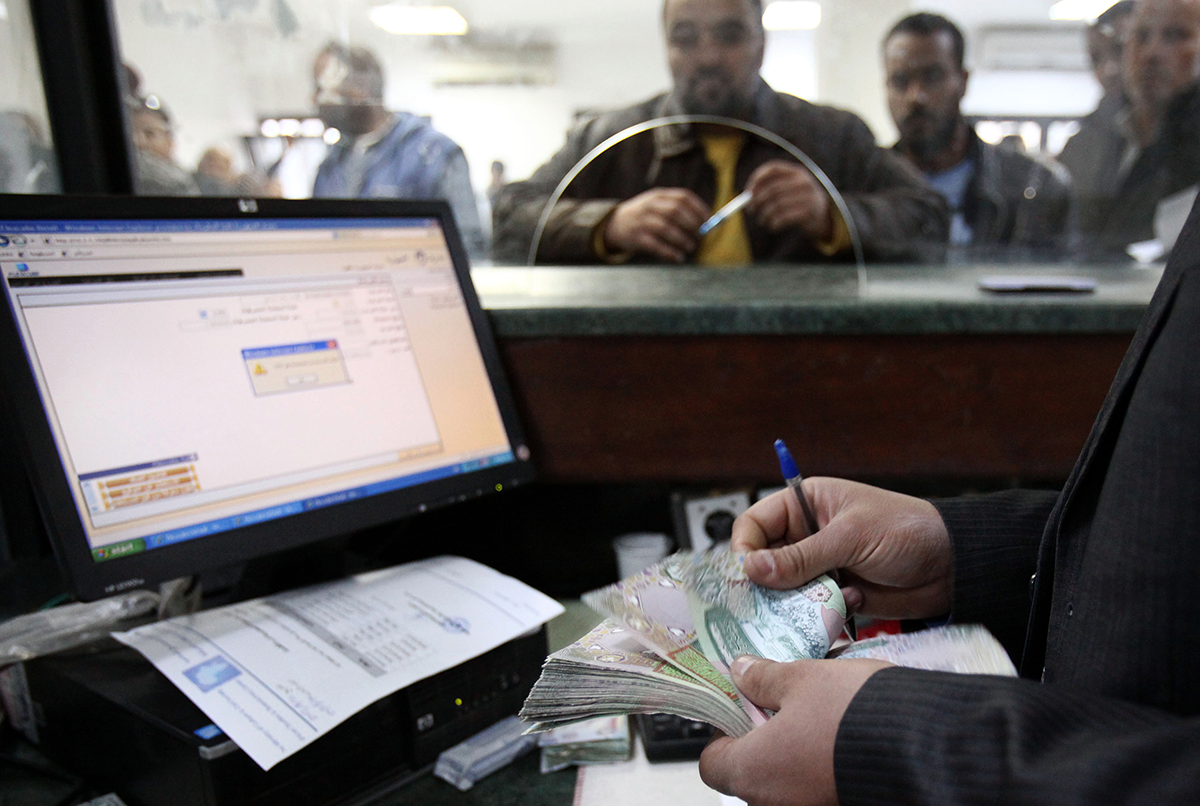
This paper investigates the ongoing Libya conflict through the Enduring Disorder paradigm, focusing on the financial and banking sectors, honing in on stakeholder perceptions of the Central Bank of Libya (CBL), its transparency/opacity, and the “narrative wars” over who is to blame for, and who benefits from, Libya’s economic dysfunction, the lack of an annual budget, and the current lack of a quorum on the CBL board.
Bafel in Baghdad: Finding the contours of the PUK’s strategy in federal Iraq
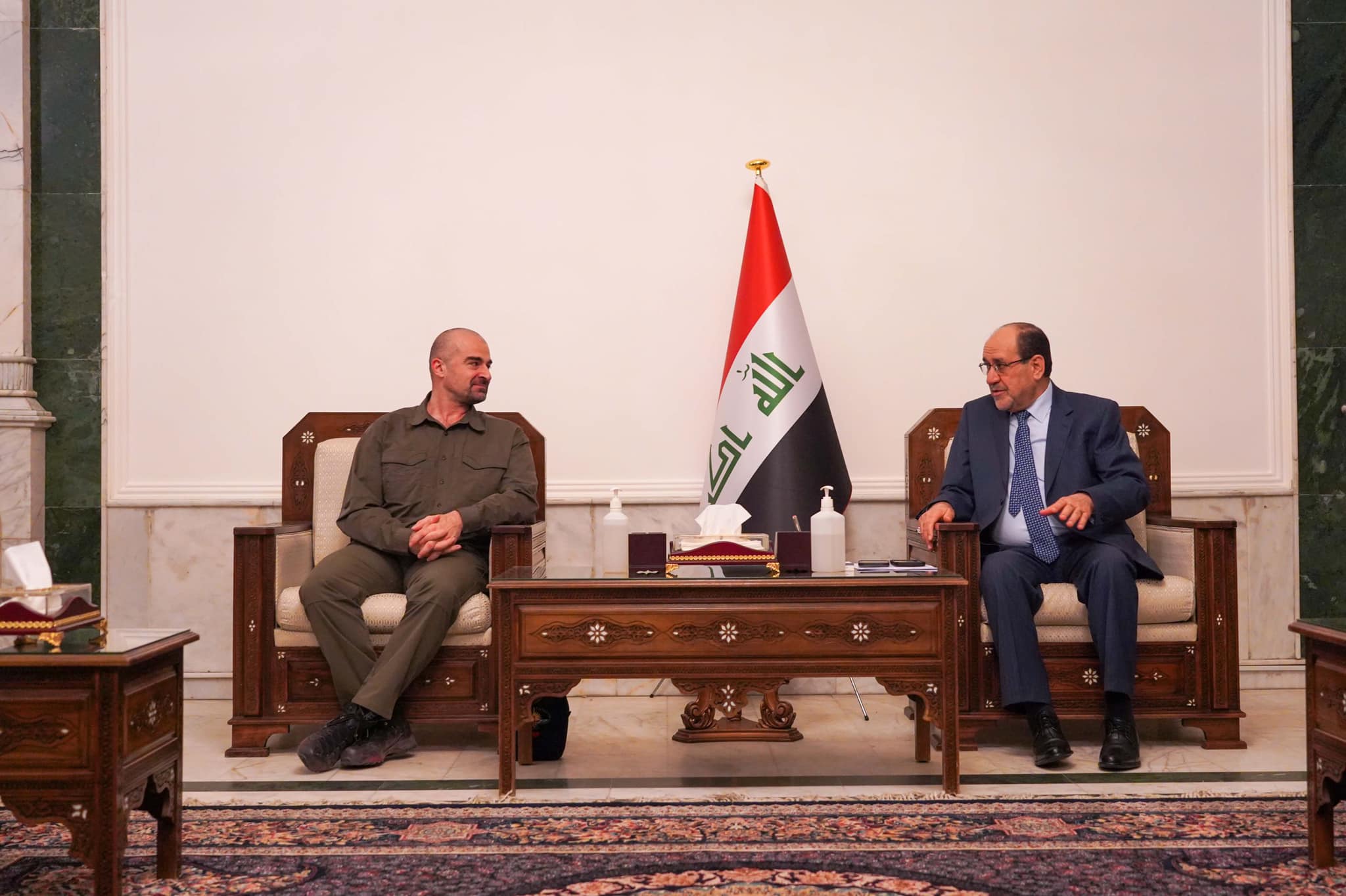
Patriotic Union of Kurdistan leader Bafel Talabani is a frequent visitor to Baghdad, traveling to Iraq’s capital an estimated 35 times since the beginning of 2022 or more than once every two weeks on average. It is indicative of a deliberate strategy by the PUK to increase its activity within Iraq’s federal system, making it a priority, rather than merely an afterthought, to political affairs in the Kurdistan Region.
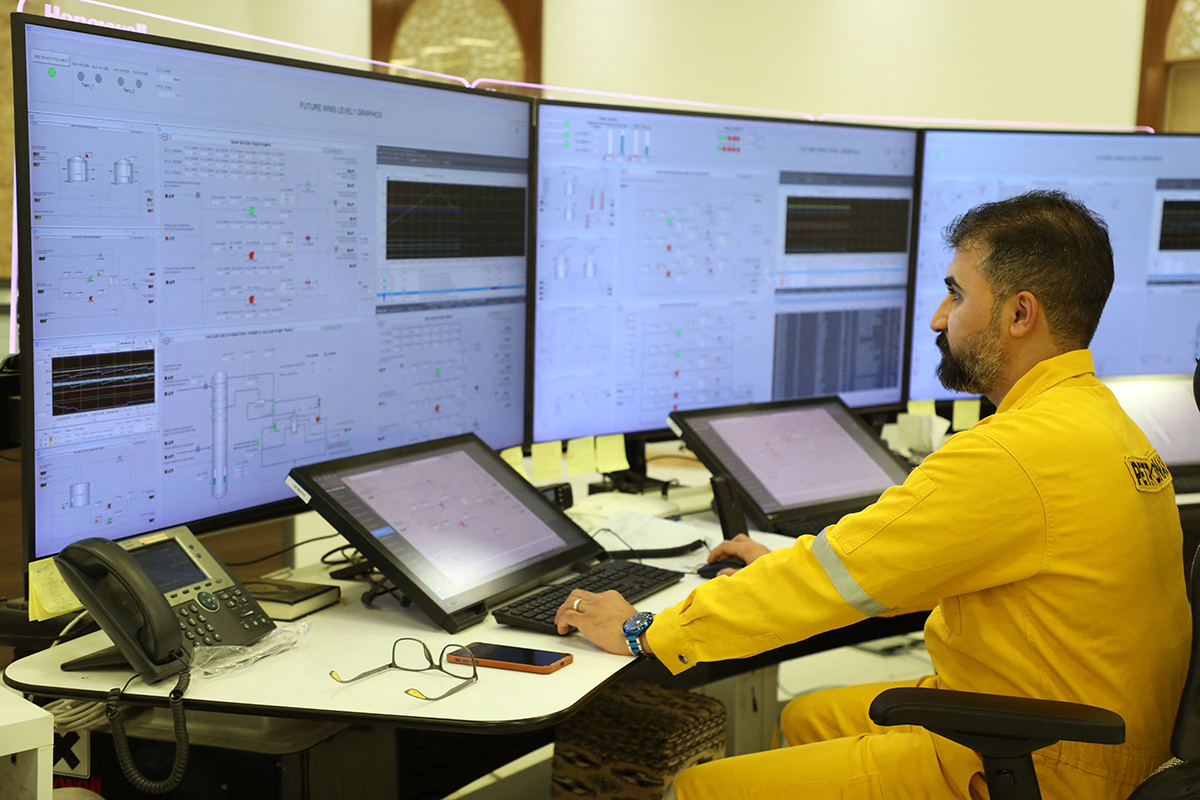
The next few decades will be crucial for Iraq and the KRG as global changes reshape the energy sector. The push for sustainable development, the Paris Agreement climate goals, and associated efforts in areas like renewable energy, climate change, and environmental protection will bring about a transition across the sector, affecting everything from employment and working patterns to governance.
Challenges of mechanized and combined arms warfare: Lessons for Ukraine from Syria and Iraq
The difficulty of quickly providing mechanized and armored equipment to Ukraine, training Ukraine to employ this equipment in combined arms operations, and ensuring Ukraine can maintain and sustain combat power should not be underestimated. As the examples of Turkey’s 2016 military operation in Syria and the U.S. operation in Fallujah in 2004 illustrate, dislodging Russia from its prepared defensive positions will be a daunting task for the Ukrainian Armed Forces.
Iraq needs renewables, but they won’t solve its power problems without broader reforms
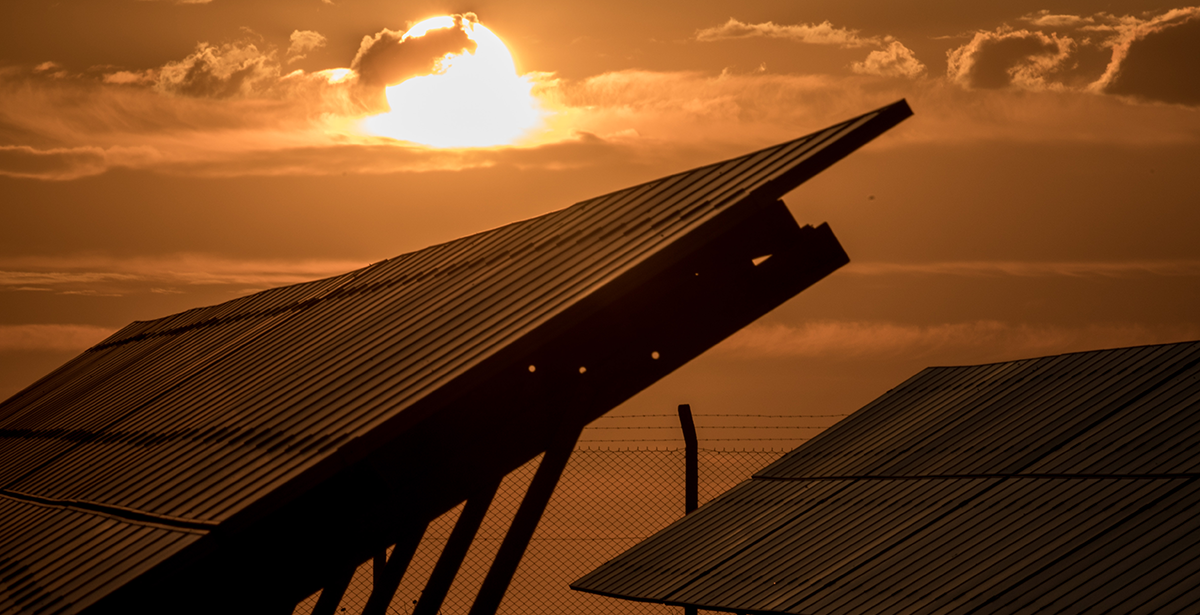
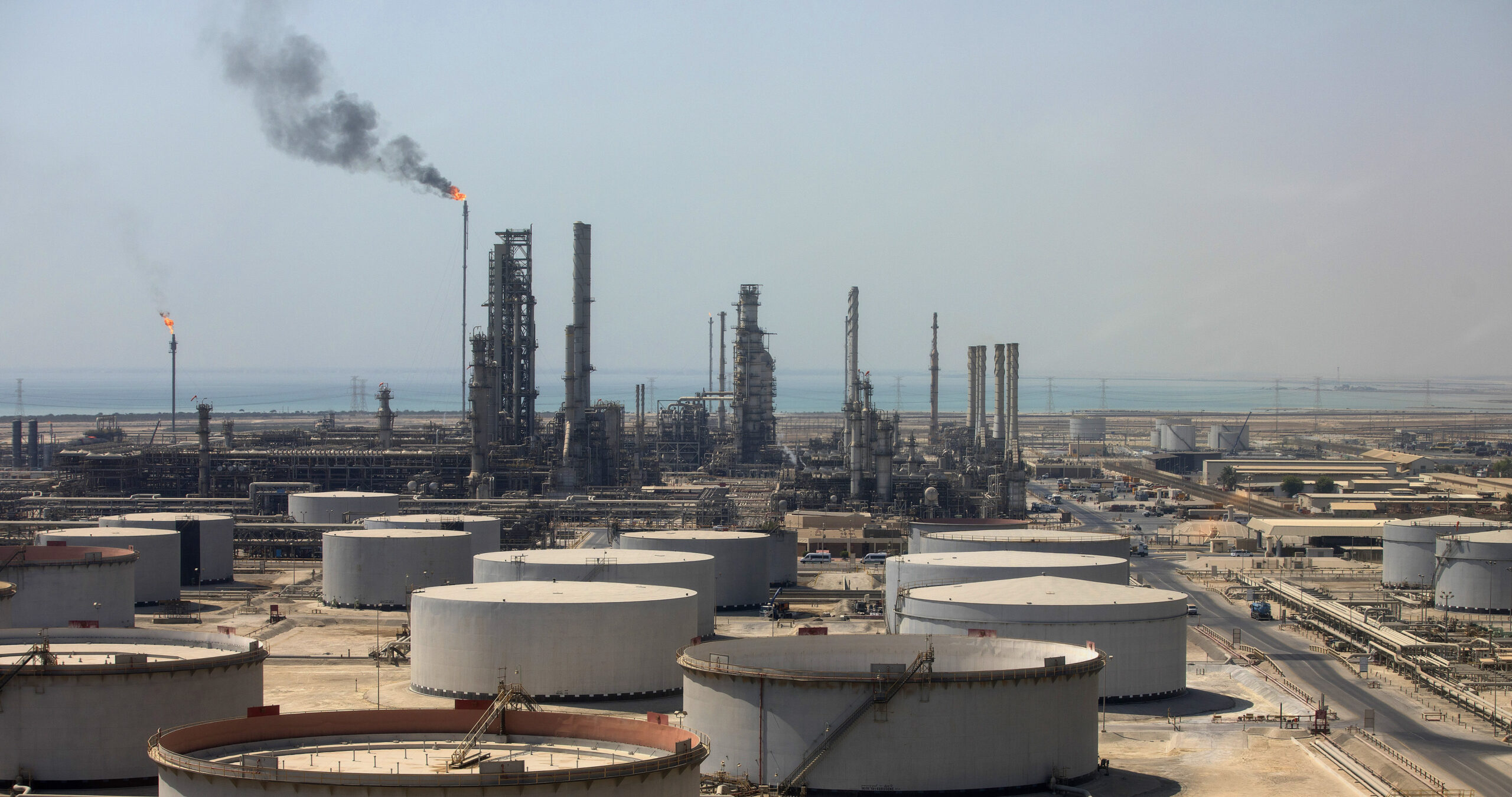
Despite massive hydrocarbon reserves, Iraq struggles with chronic electricity shortages. There is a clear need to explore cleaner alternatives, such as renewable energy systems, yet the deployment and integration of these systems would be hindered by the same structural woes that have crippled the electricity sector, and which go far beyond generation issues.
Taking stock of the first 100 days of Iraq’s new government
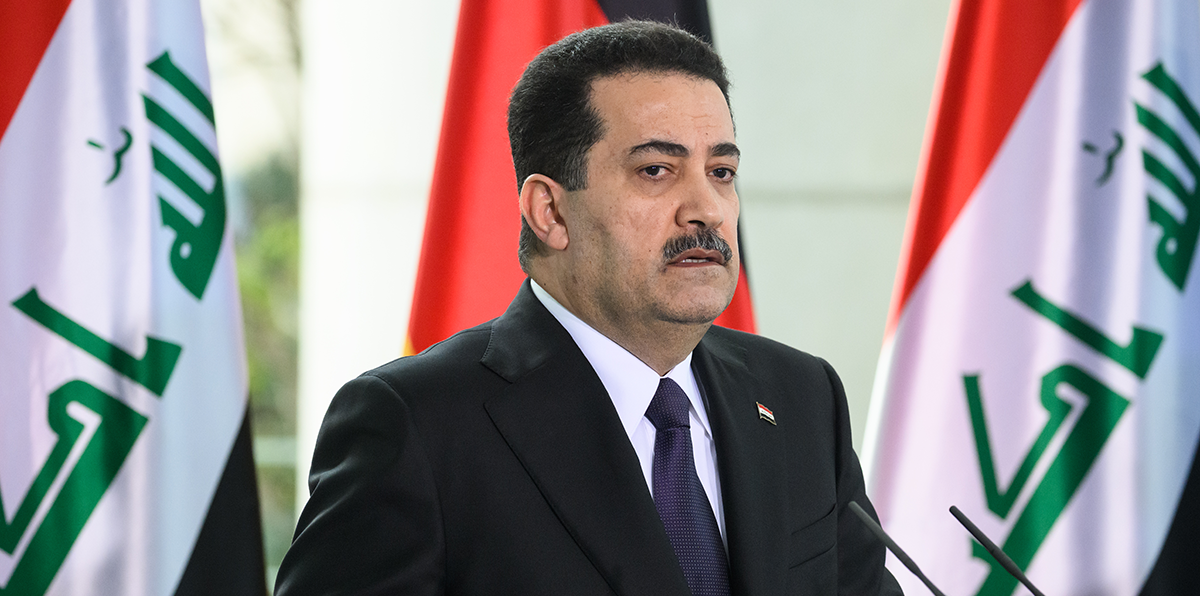
In its first 100 days in office, the government of Iraqi Prime Minister Mohammed al-Sudani has already left warning signs about what might lie ahead for the country. Although it is still in its early days, government actions have largely strayed from the promises Sudani made before taking office and resulted in setbacks on several fronts.
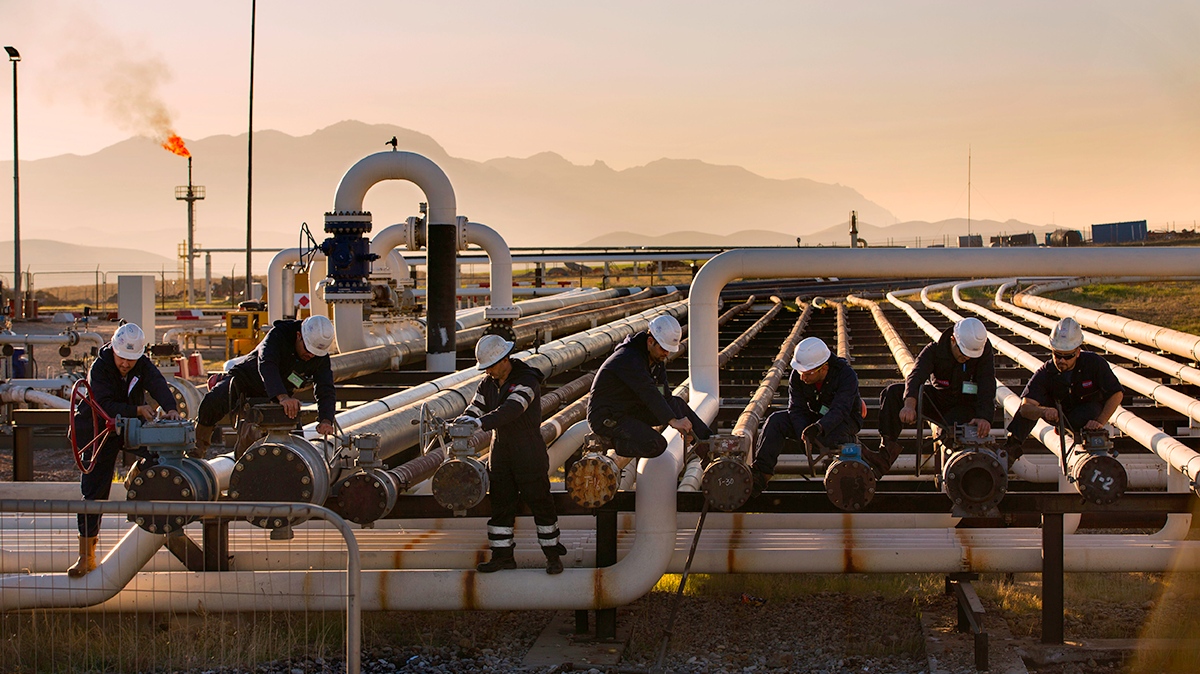
The issue of diversification is difficult but urgent, given increasingly tight global climate policies, the advances of non-fossil technologies, and the limited lifespan of the KRI’s oil resources. Harnessing the region’s natural gas productively is the first step to a cleaner and more diversified economy.
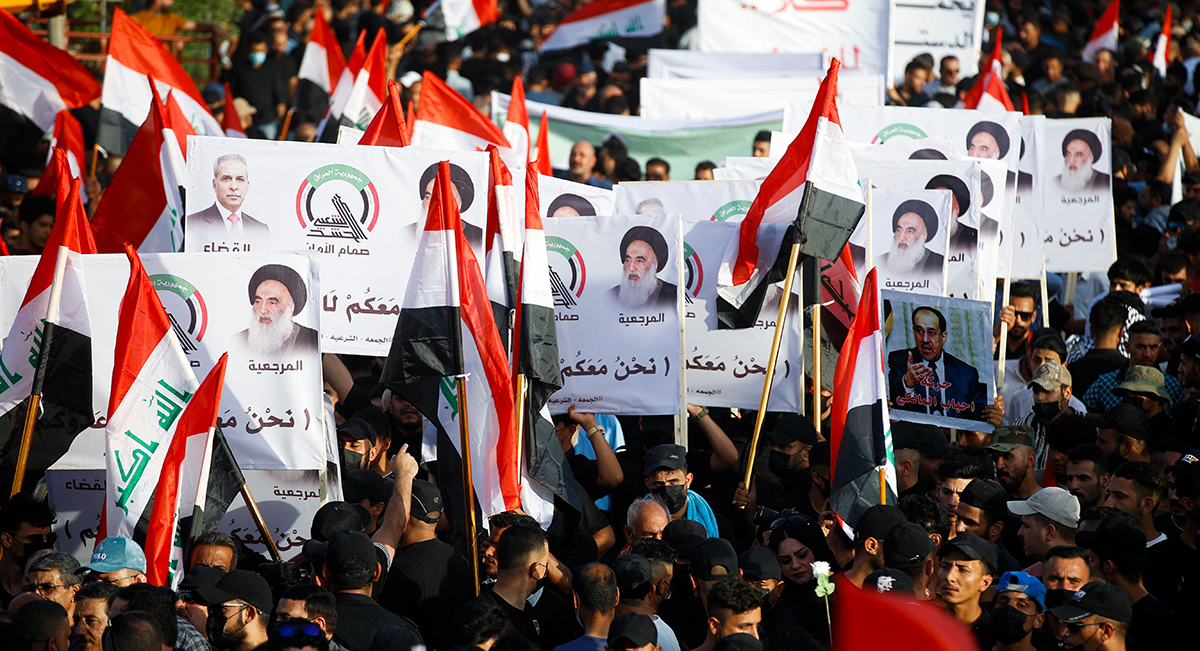
Iraq’s crisis of elite, consensus-based politics turns deadly: The Coordination Framework
Iraq’s ongoing government formation power struggle pits the Sadrist Movement, led by populist Shi’a cleric Sayyid Muqtada al-Sadr, against the Coordination Framework (CF), a loose association of Shi’a parties, united mostly by their opposition to the Sadrist Movement. This piece explores the perspectives of members of the CF and their supporters toward the crisis.
Under current, highly unpredictable market conditions, it is unreasonable for OPEC to make sharp movements to saturate the oil market or withdraw a significant number of barrels from it to meet divergent Western interests of lowering prices and punishing Russia.