“For Arabs, by Arabs”: Inaugural Design Doha Biennial spotlights emerging voices in Middle Eastern design
Amid a plethora of early spring exhibition openings, artist events, and biennales throughout the Middle East, one clearly stands out in terms of its scale, scope, and thought: the Design Doha Biennial, which ushers in a new phase in Qatar’s long-standing focus on art, culture, and design.
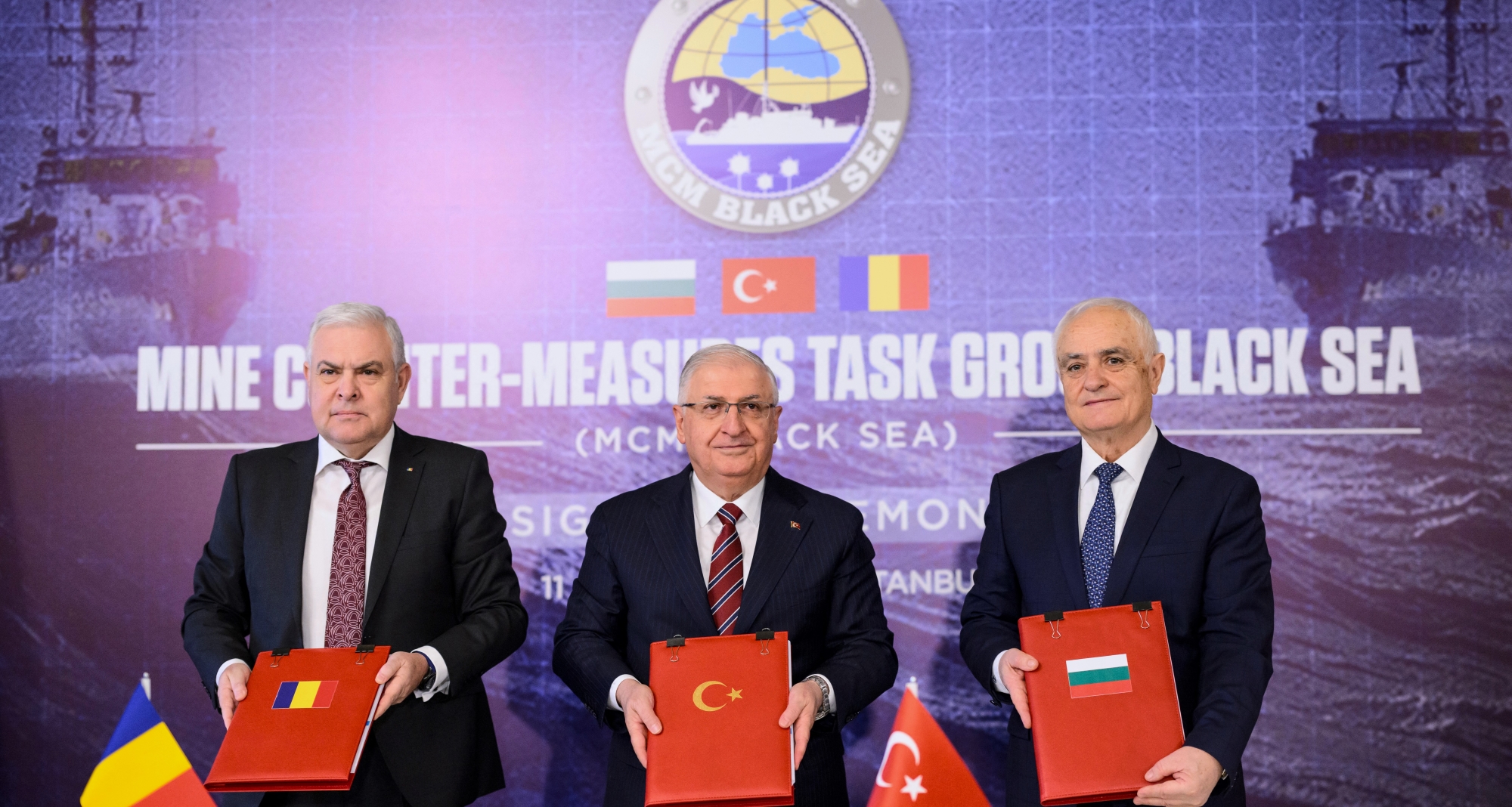
Sweeping the minefield: The case for a NATO Black Sea Fleet
Since the start of Russia’s full-scale invasion of Ukraine, the threat of sea mines to maritime traffic in the region has become exponentially more acute. The Turkish-Romanian-Bulgarian trilateral minesweeping mission is a welcome sign of regional willingness to cooperate in this space and could, with the right incentives and sufficient political will, open the door to the establishment of a NATO Black Sea Fleet.
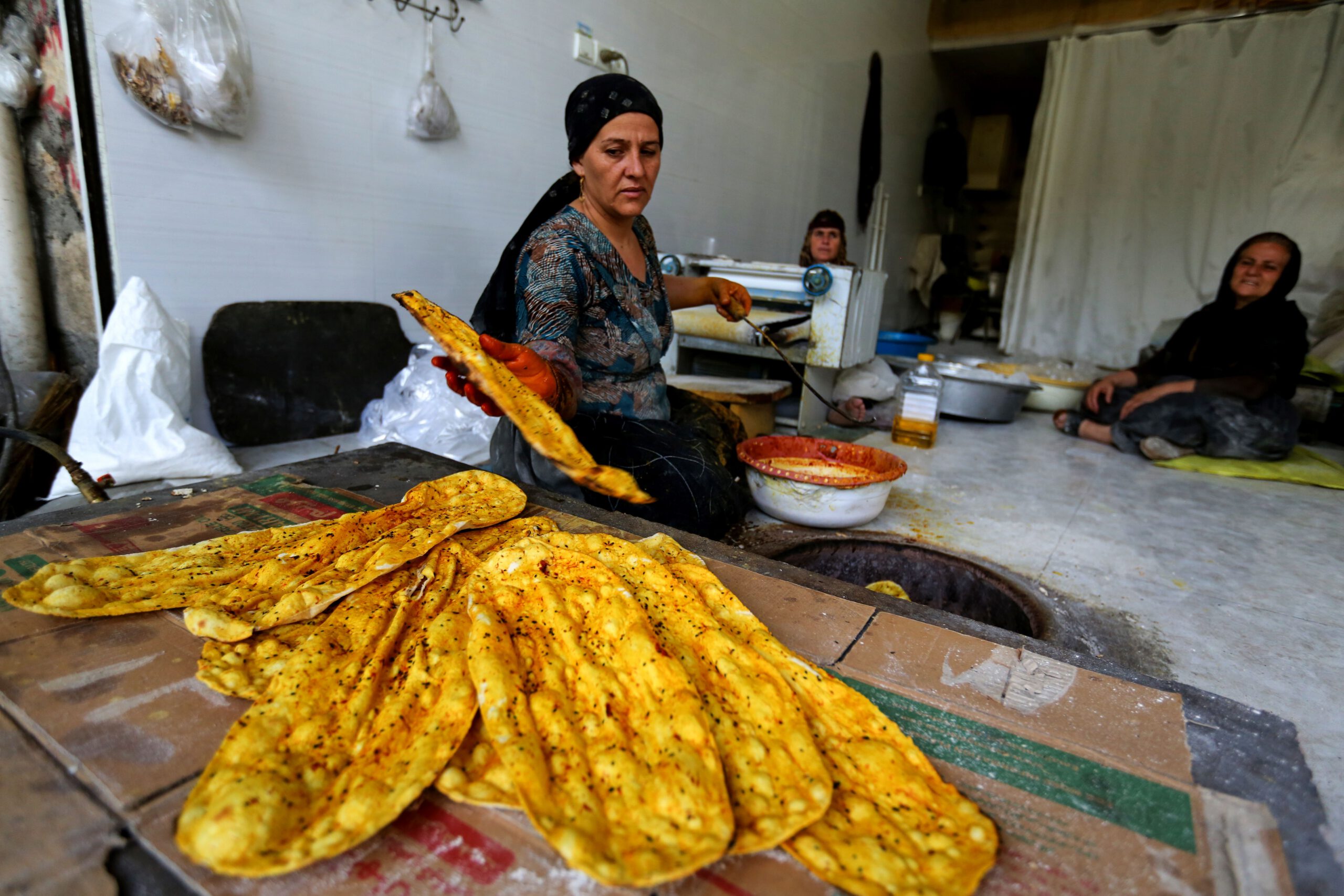
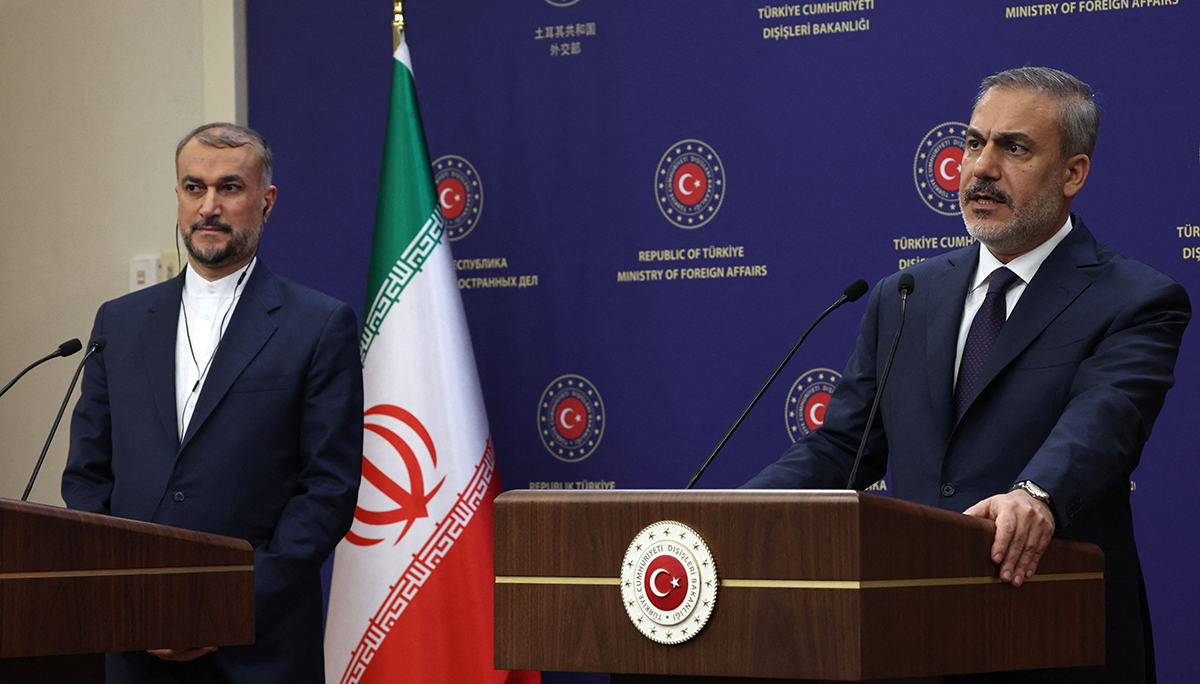
Are Iran and Turkey on a collision course over West Azerbaijan?
Over the centuries, Iran and Turkey have engaged in an ebbing and flowing, but continual, rivalry for regional influence and supremacy. Yet such potentially escalatory dynamics have not been limited to geopolitical competition by proxy; they have also spilled over into efforts to meddle in each other’s internal affairs.
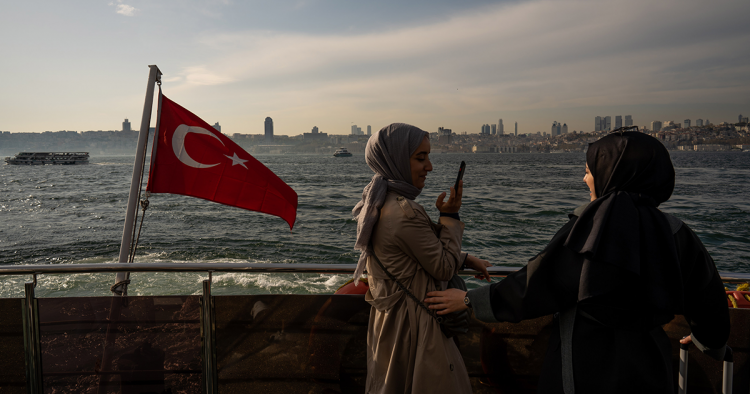
The year 2023 marks the 100th anniversary of the establishment of the Turkish Republic. MEI Editor-in-chief Alistair Taylor and Turkey Program Director Gonul Tol discuss where things stand today: the political landscape in the aftermath of the May 2023 elections, President Recep Tayyip Erdogan’s push for constitutional change, and how Turkey is dealing with key foreign policy issues like the Israel-Hamas war, Sweden’s NATO membership bid, and relations with the U.S.
Modern Türkiye (the official spelling of Turkey since 2021) sprang like a phoenix from the ashes in 1923, overcoming daunting odds. Its predecessor, the Ottoman Empire, had foolishly joined the war with the Central Powers in 1914 and naively thought its Arab subjects would remain loyal, only to have been utterly defeated and then dismembered. A rebellion led by the empire’s most famous war hero and leader, Kemal Ataturk, overthrew the last sultan, rejected an unjust treaty to divide up the country and repelled the occupying Allies. He established a contemporary republic based on popular
Turkey and Iran: Toward an “Axis of Revisionism” amid the war in Gaza?
Hamas’ violent and unexpected Oct. 7 attack on Israel has shaken a fragile regional order in the Middle East. Ankara and Tehran are worried that a stronger U.S. presence in the Middle East is detrimental to their regional interests. The war in Gaza might help close the ranks between Turkey and Iran, yet there are serious limitations to a sustainable alliance between the two countries.
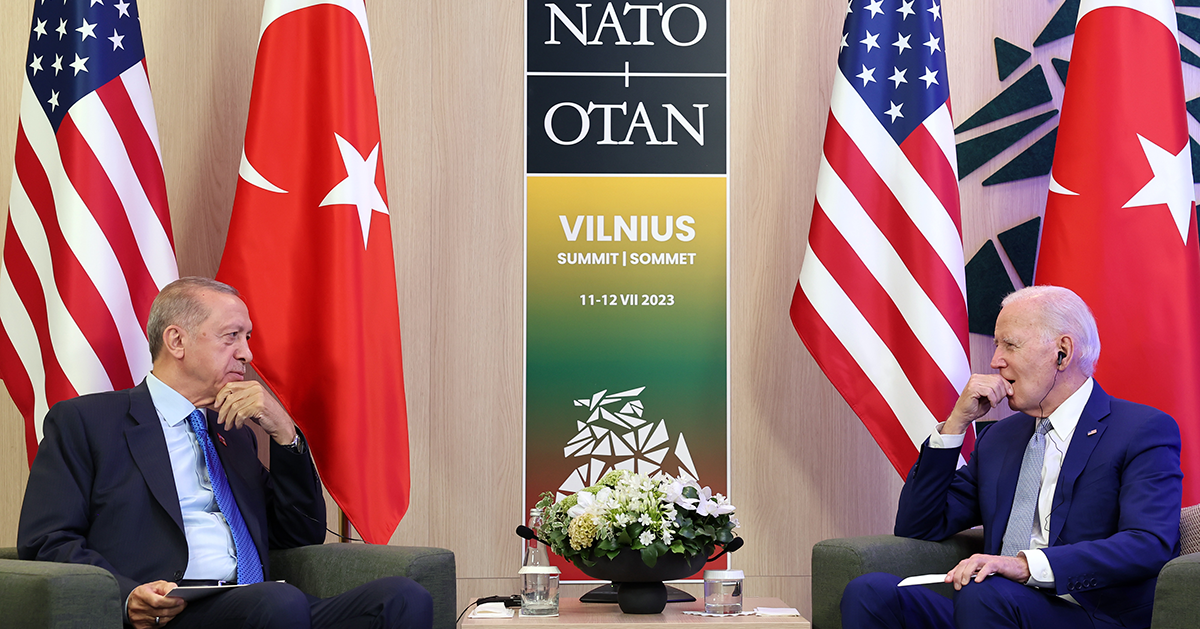
For the better part of a decade, Turkey and the U.S. have been locked in what might be considered an unhappy marriage, marked by bitter misunderstandings and growing distrust. Some optimists had hoped that something of a reset might be possible, but recent events, both in Turkey’s ongoing conflict with the PKK and because of the ripple effects from Israel’s war with Hamas, likely mean that U.S.-Turkish relations, far from improving, will get colder yet in the months to come.