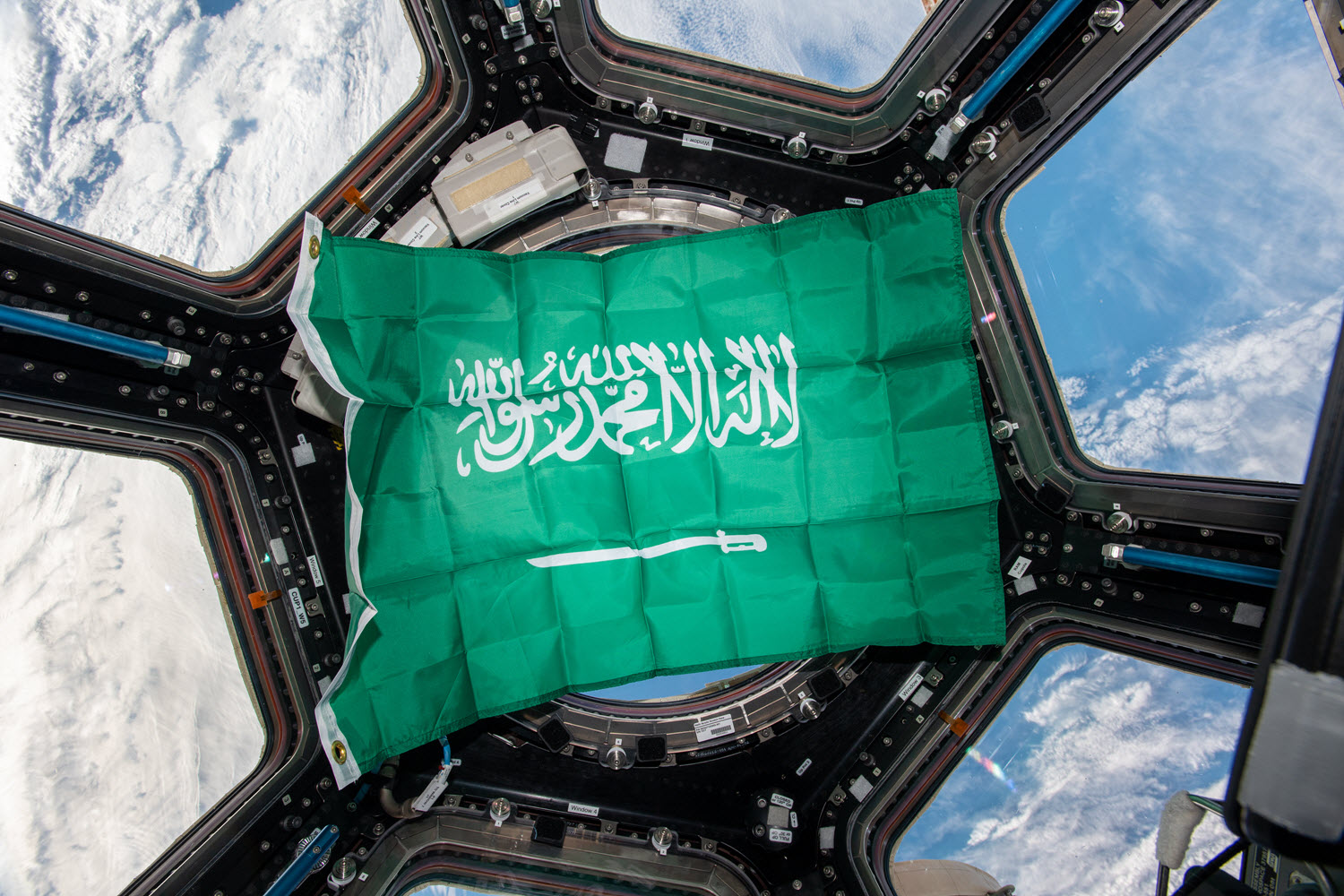
On July 16, the United States and Saudi Arabia announced a new framework for space collaboration and civil aeronautics that shakes up the space race. The agreement marks a turning point for the US-Saudi Arabia bilateral relationship, gearing it more toward scientific cooperation and demonstrating the pivotal role that emerging space powers, particularly in the Middle East, are poised to play in the Second Space Age.
Unpacking the policy dimension of Netanyahu's Washington visit: A US push for a Gaza deal that came up short
The extensive coverage and analysis of Israeli Prime Minister Benjamin Netanyahu’s recent visit to the United States mostly focused on optics and domestic politics, rather than on policy. Nevertheless, policy issues were very much present throughout the course of the visit, with Biden and his team trying to push for a hostage and cease-fire deal between Israel and Hamas.
The geopolitical implications of Houthi attacks and Israeli retaliation
The Houthis’ strategy of escalation has the potential to upset the fragile balance of power in the Middle East and underlines the ability of smaller actors to influence larger geopolitical outcomes through calculated risks and alliances.
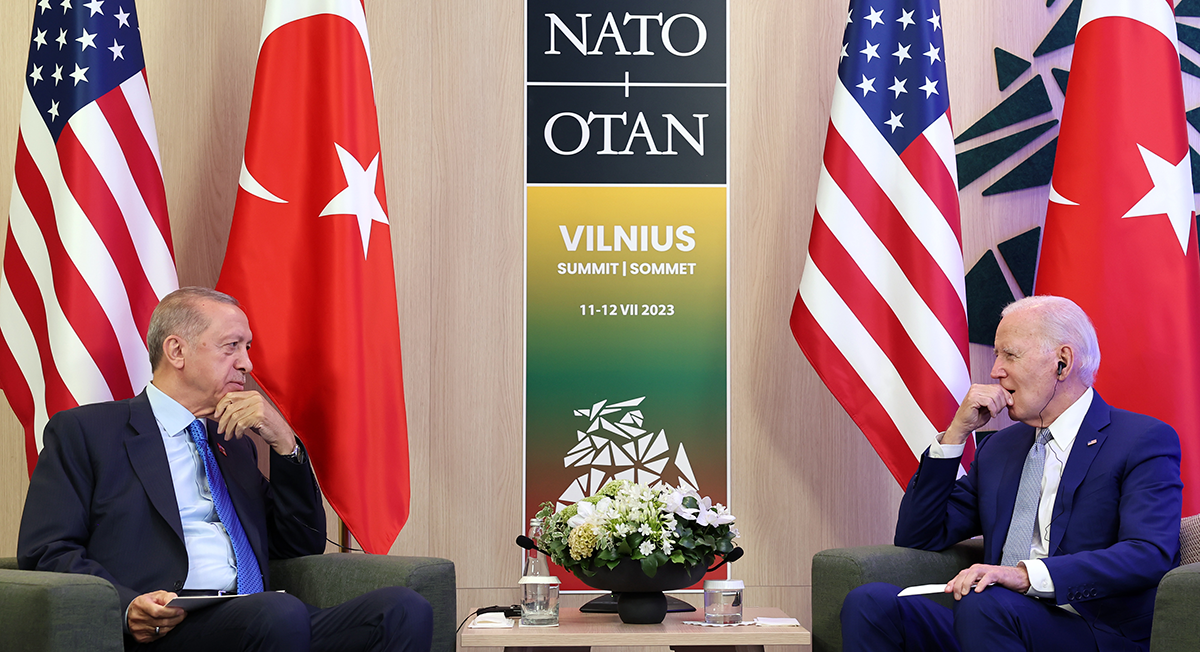
Turkey is not “lost,” but it is time for other NATO allies to more strongly reengage
Turkey’s loyalty to the Alliance is frequently questioned, including accusations of fence-sitting, especially when it comes to Russia. To ask, “Who lost Turkey?” is to misread the situation. Turkey is increasingly, albeit carefully, moving away from the Kremlin.
Key takeaways for NATO and the Middle East from the Washington Summit Declaration
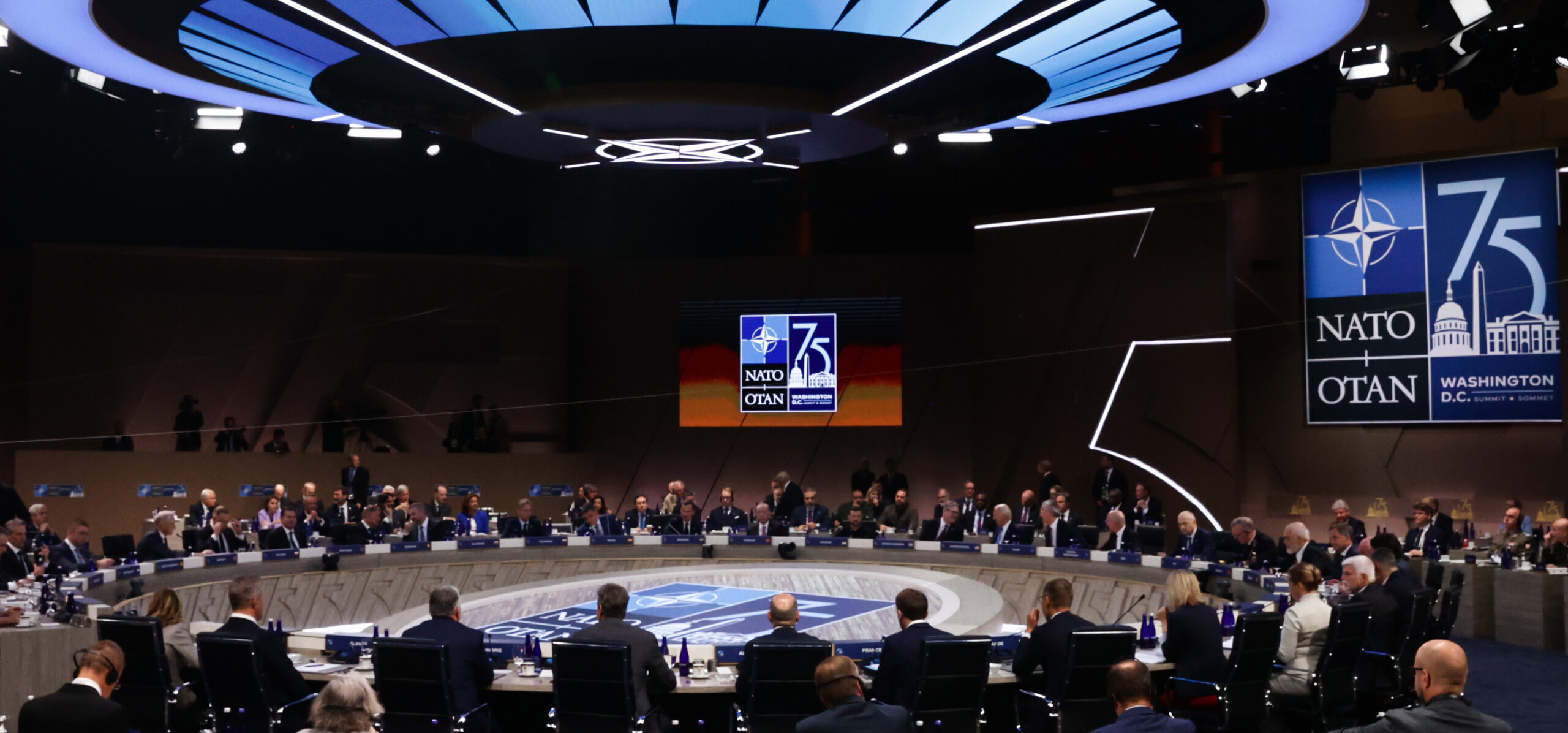
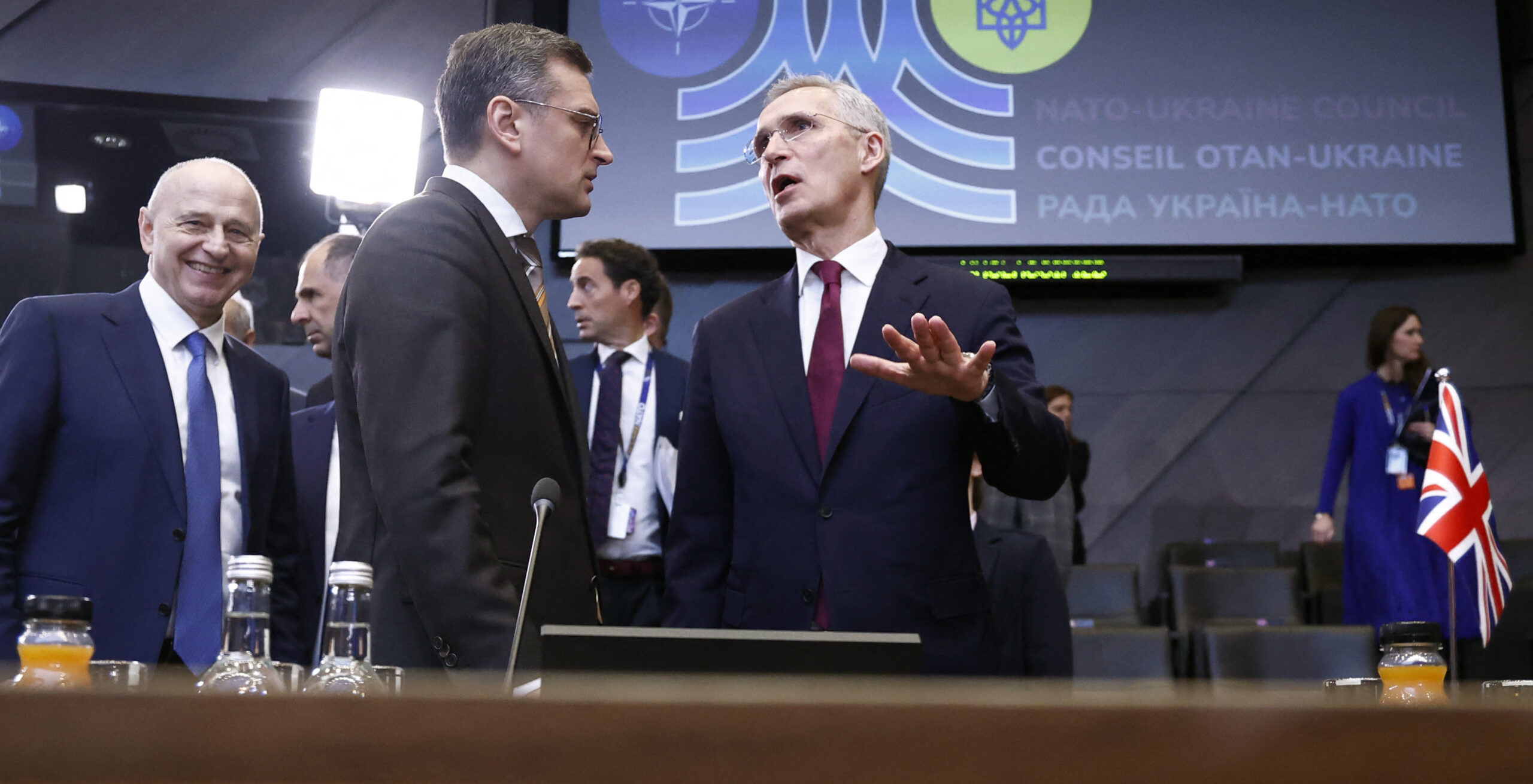
At the Washington Summit, NATO member states mostly focused on efforts to counter Russia and to support Ukraine. However, the 2024 summit communiqué also addresses non-Euro-Atlantic risks and opportunities, based on the idea that “conflict, fragility and instability” elsewhere directly affects NATO security.
Syrian armed groups divided over Turkey-Syria normalization push
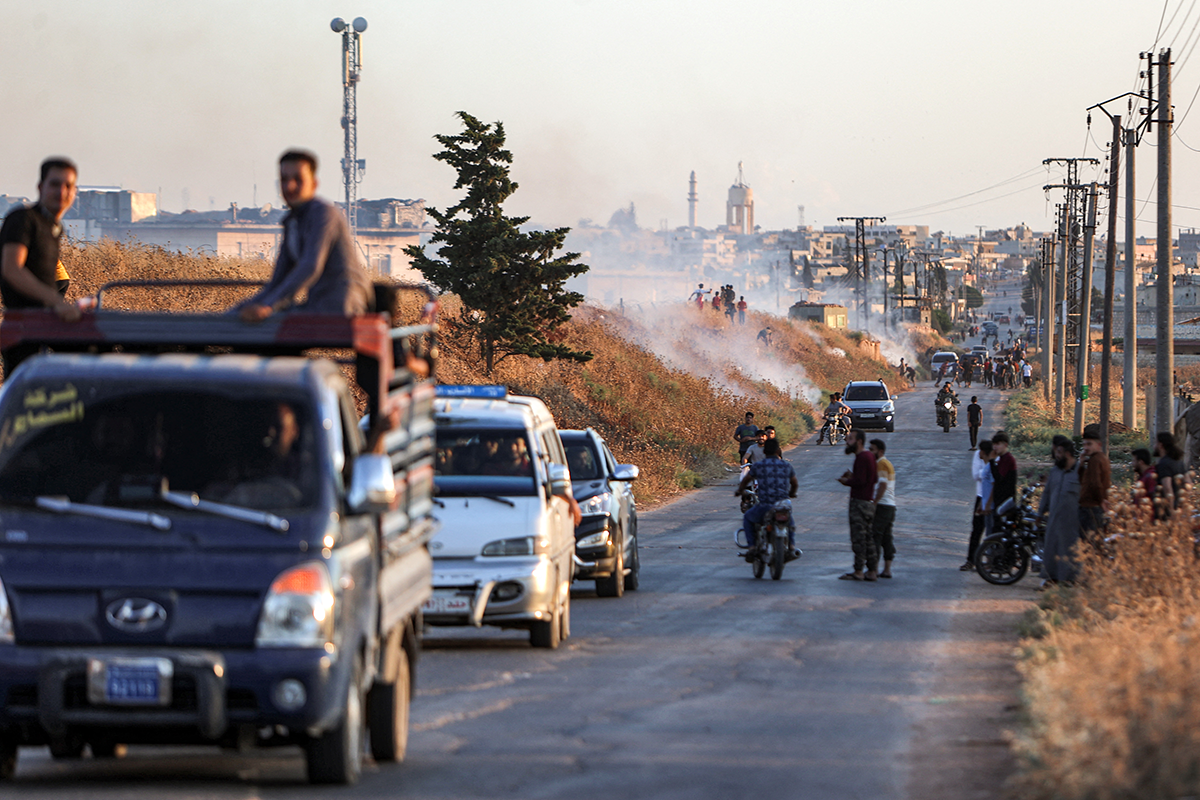
Despite their popular nature, the protests in northwestern Syria, sparked by racist attacks on Syrians over the border in Turkey, have exposed the rifts and divisions between various opposition factions. Bilal Samir explores the positions of the major military groups in Turkish-controlled areas and assesses how closely they align with Turkey’s policy.
What Comes Next for Turkey? Prospects for Change on the Political, Economic, and Foreign Policy Fronts
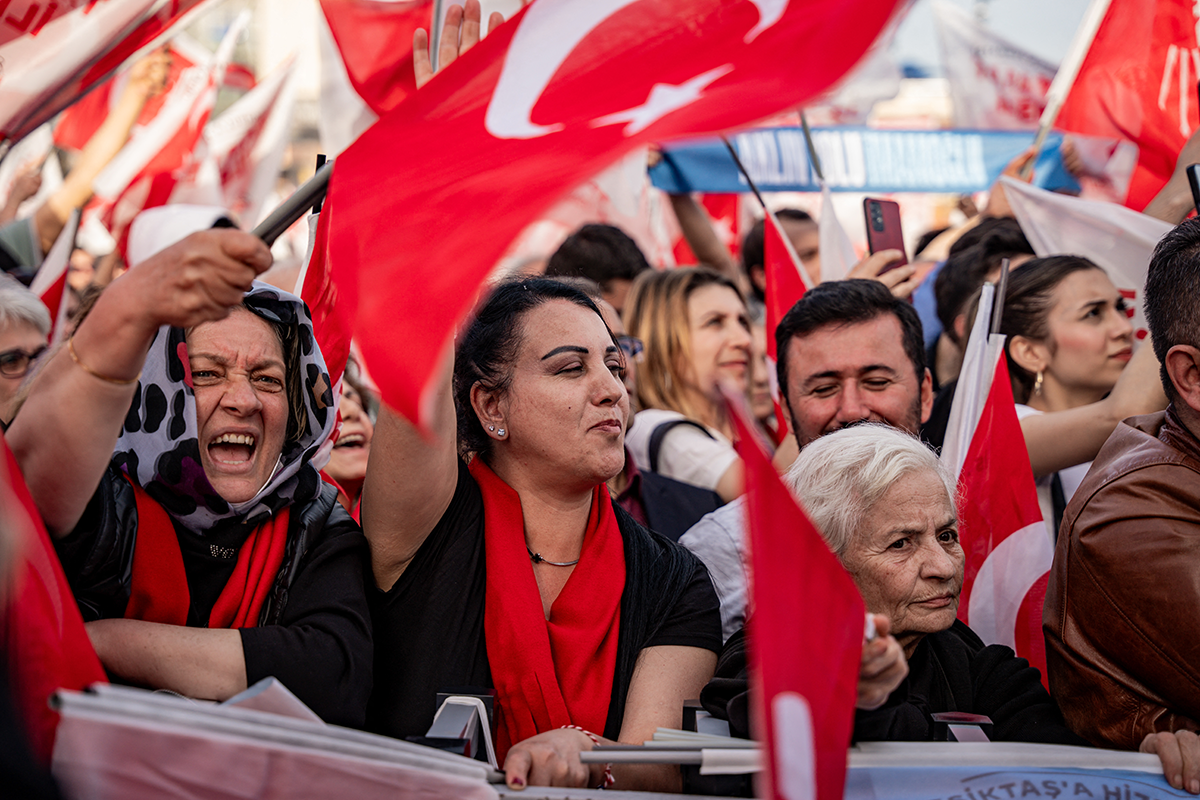
After two decades in power and following the Justice and Development Party’s historic defeat in the 2024 local elections, Turkish President Recep Tayyip Erdoğan is now at his most vulnerable. What comes next is not only important for the future prospects of Turkish democracy but also holds important lessons for autocrats across the world. Scholars Evren Balta, Seda Demiralp, Edgar Şar, and M. Murat Kubilay seek to answer key questions about the country’s political, economic, and foreign policy trajectory in a new report from the Middle East Institute.
The weight of past mistakes and the post-election push for economic normalization
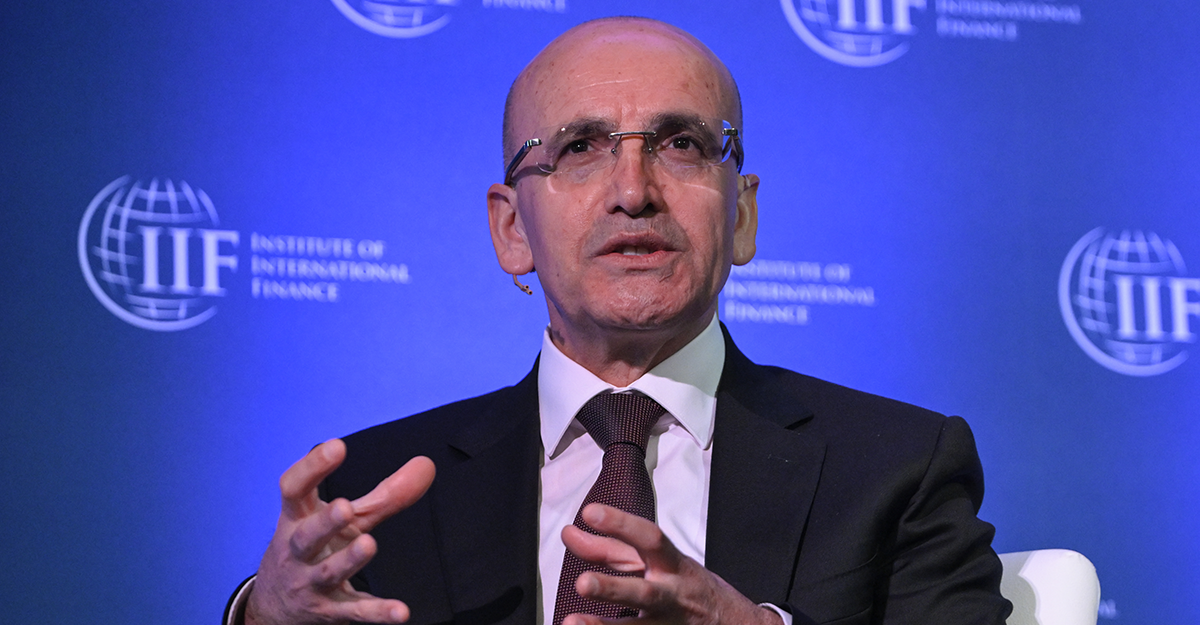
For years under President Recep Tayyip Erdoğan, Turkey pursued an unconventional monetary policy. The situation, long untenable, finally became unsustainable in the run-up to the presidential and parliamentary elections in May 2023. In the immediate aftermath of the vote, President Erdoğan announced a dramatic shift, returning to orthodox monetary policy. While there have been tangible improvements on a number of fronts as a result, the country faces both declining household purchasing power in the short term and a range of broader economic challenges in the longer run.
Normalizing transactionalism: Turkish foreign policy after the 2023 elections
Similar to the normalization trends in domestic politics, the Justice and Development Party (AKP) government has bolstered normalization in foreign policy, aiming for integration into regional and international blocs. The domestic economic and political crises further underscored this trend, and the results of the March 2024 local elections demonstrated to the government that its polarizing discourse no longer resonates either inside or outside the country. This article analyzes the changing domestic political dynamics of foreign policy, Turkey’s role in the Western alliance with a specific emphasis on the Ukrainian War, and the Middle East normalization process in light of the Gaza conflict.
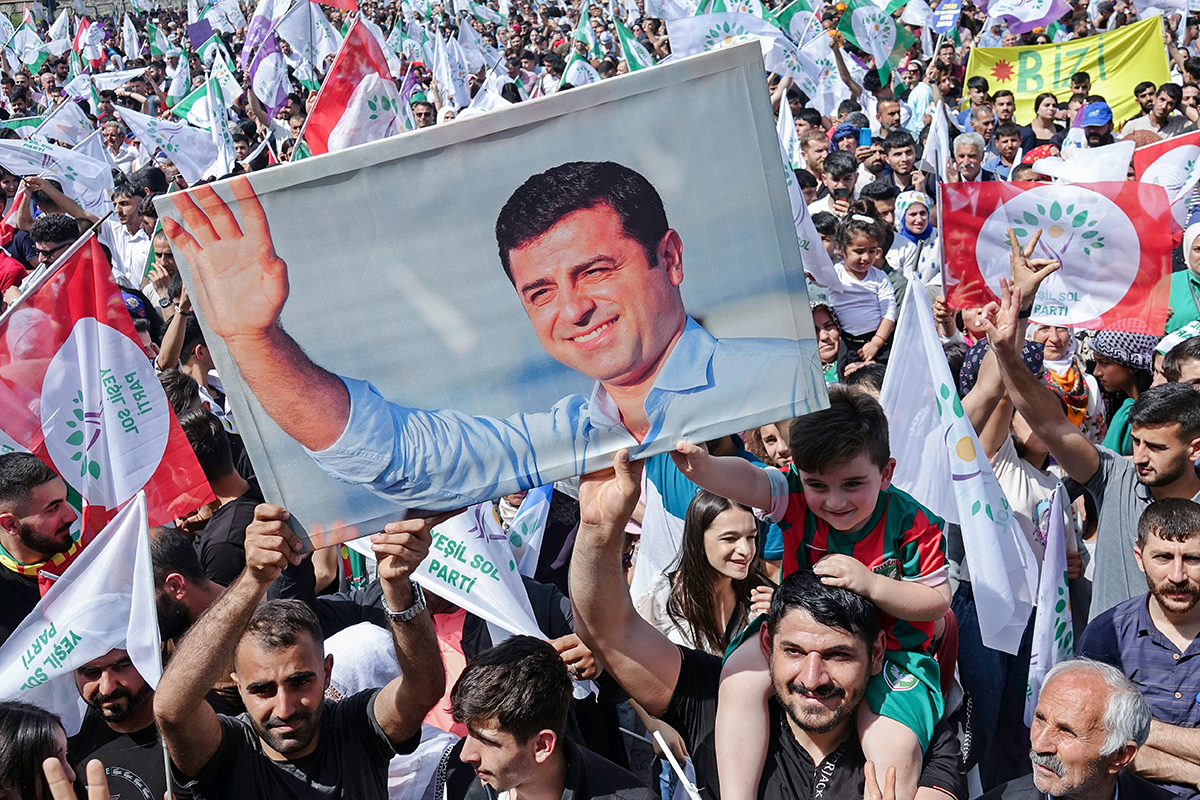
If the pro-Kurdish Peoples’ Equality and Democracy Party (DEM) were to take a more active role in efforts to peacefully resolve the Kurdish issue in Turkey, it could potentially help to break the current impasse. What this role might entail and whether the party is capable of playing it effectively are key questions. This piece will explore these issues by examining the experience of its predecessor, the Peoples’ Democratic Party (HDP), over the past decade, as well as the debates following the May 2023 general elections and March 2024 local elections.
Turkey after the 2024 elections: Transition to democracy or bumpy road to authoritarian consolidation?
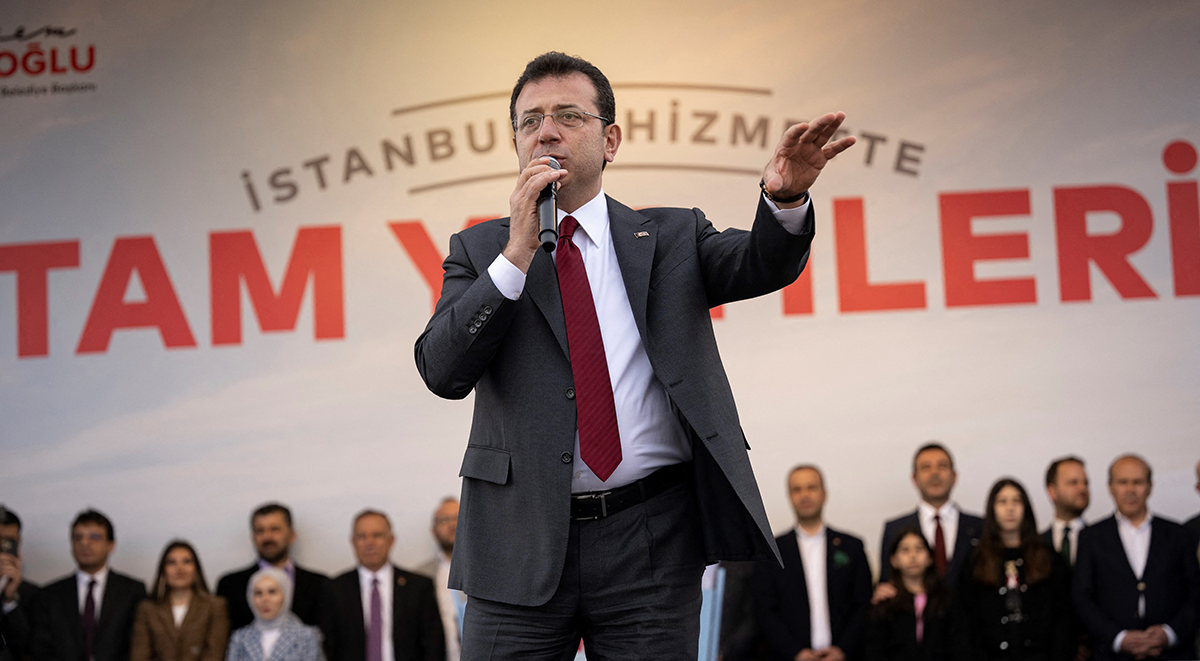
While the 2023 elections caused widespread disappointment among op-position voters and an acute rise in political apathy, the 2024 elections once again restored hopes for Turkish democratization. About a month after the local elections, President Erdoğan held a private meeting with CHP leader Özgür Özel at the AKP headquarters. The meeting ended with both leaders announcing the beginning of a new period in Turkish politics, which Erdoğan described as a “softening” and Özel as a “normalization.”
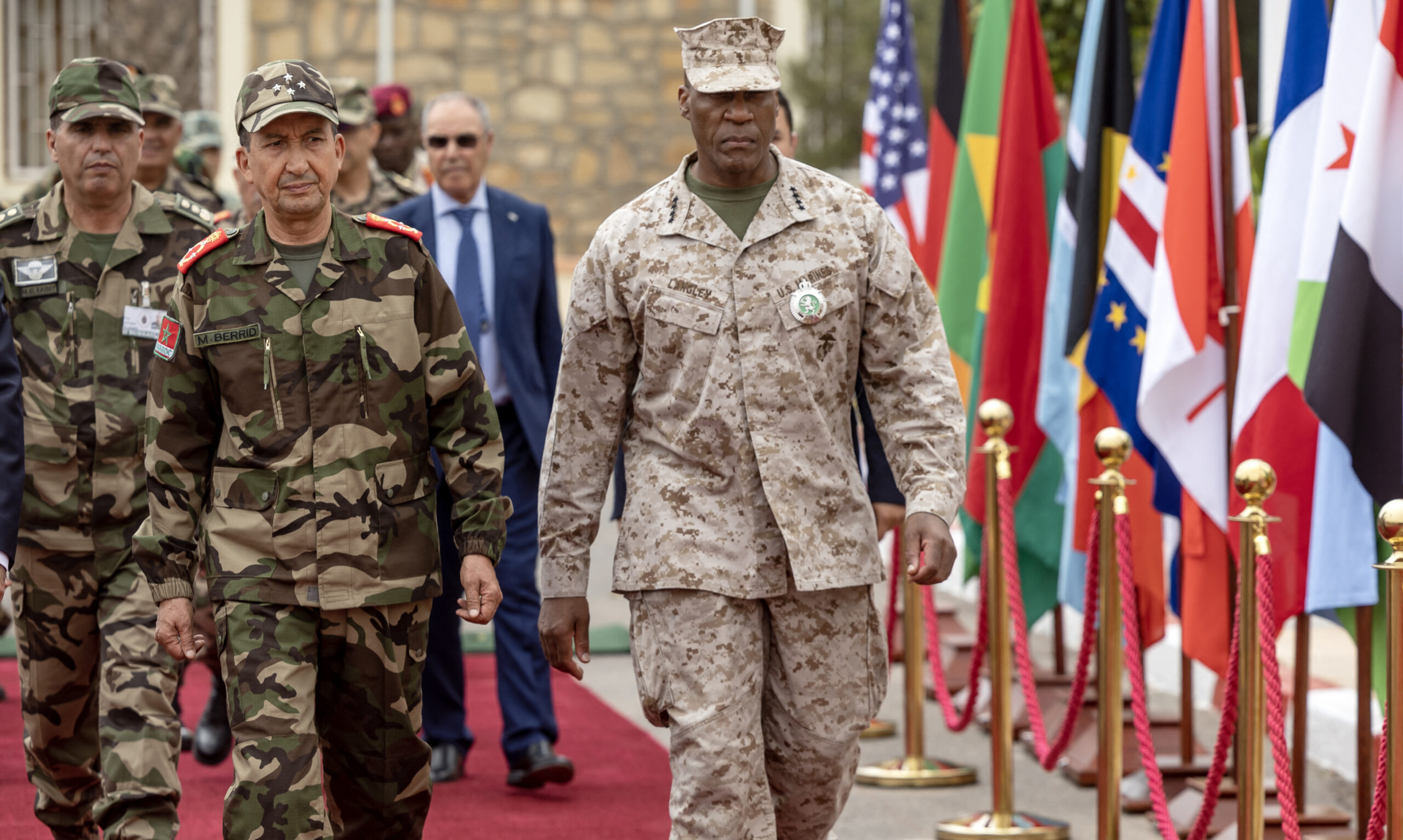
NATO, North Africa, and the Sahel: Squaring the triangle of insecurity
With NATO celebrating 75 years since its founding, Alliance members will gather in Washington, DC, on July 9-11, for a historic summit. Two of the key issues on the agenda will be addressing the acute threats emanating from the Black Sea region and adopting a strategic approach toward the Middle East and Africa.
In its 2022 Strategic Concept, NATO declared the Black Sea Region (BSR) of strategic importance for the Alliance, yet this recognition has never translated into NATO developing a proper strategy toward its critical southeastern flank. That glaring gap must be addressed right away.
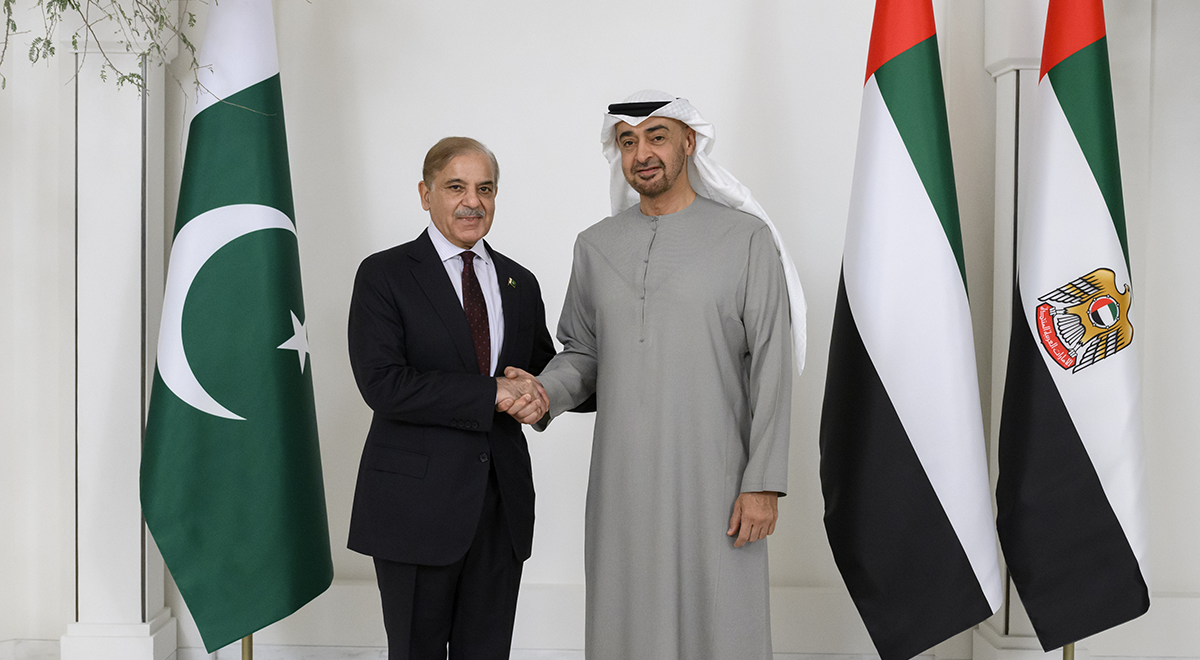
Why Pakistan is looking to Saudi Arabia and the UAE to ramp up investment
Pakistan’s government is pursuing a two-track approach to stabilize the country’s long-troubled economy. It is engaged in lengthy negotiations with the IMF to secure at least $6 billion in loans to shore up its ability to service its external debt. At the same time, Islamabad is also trying to woo its Gulf allies, most notably Saudi Arabia and the UAE, in a bid to diversify its sources of external financing, address the lingering threat of insolvency, and put its economy on an upward trajectory of sustainable growth.