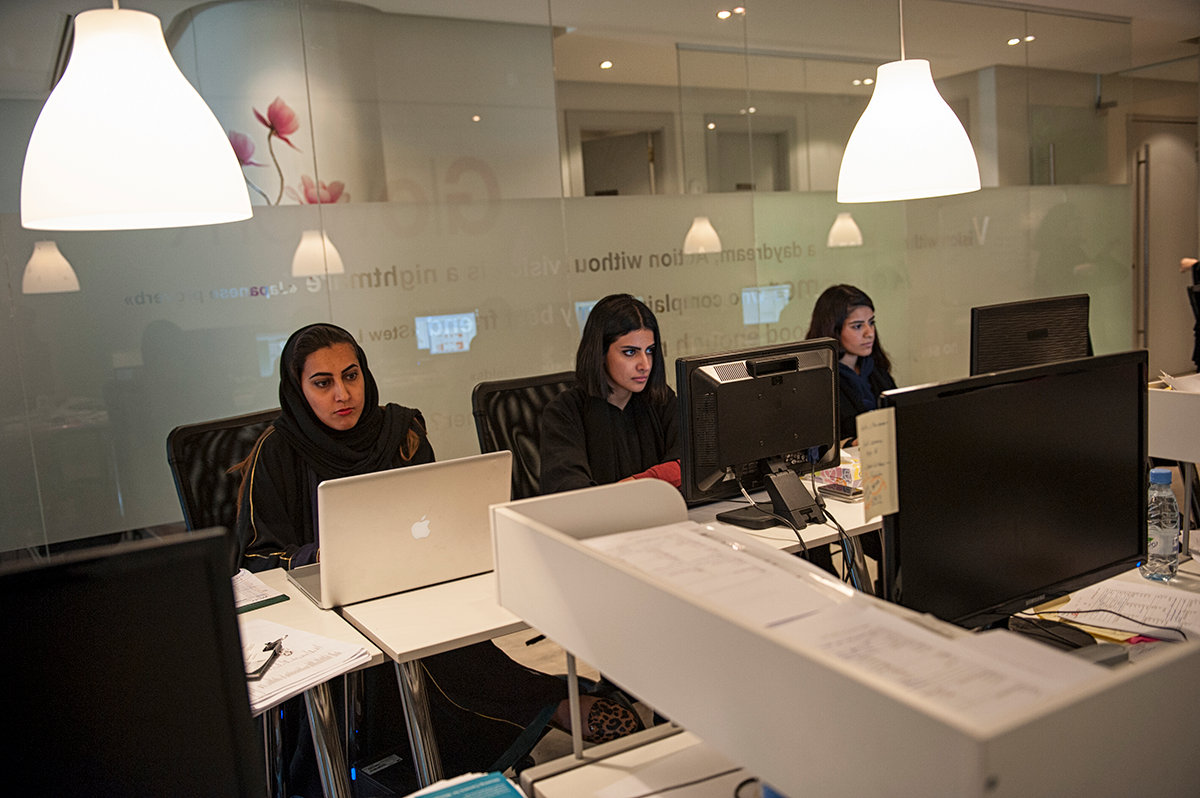
Gender parity in the Middle East is still many decades away, but it will largely determine the future of economic, social, cultural, and political development in the region.
Libya’s ongoing debate over the role of political parties
Libya’s political players have grappled with how to build a political party culture since the country held its first post-Gadhafi elections in 2012. Under Moammar Gadhafi, political organizing was banned. Decades of regime propaganda against outlawed opposition movements made Libyans suspicious of political groups and parties.
Disease, destruction, flooded fields, and hunger: The far-reaching consequence of the Kakhovka dam collapse in Ukraine
Last week’s collapse of the Nova Kakhovka dam on the Dnipro River in Ukraine is one of the largest environmental disaster the Black Sea region and Europe has faced in decades. Its far-reaching environmental, economic, and humanitarian consequences will affect not just Ukraine and the Black Sea region, but also the Middle East and Africa.
Defense Rapid Reaction: Proposed reforms to the U.S. Foreign Military Sales process
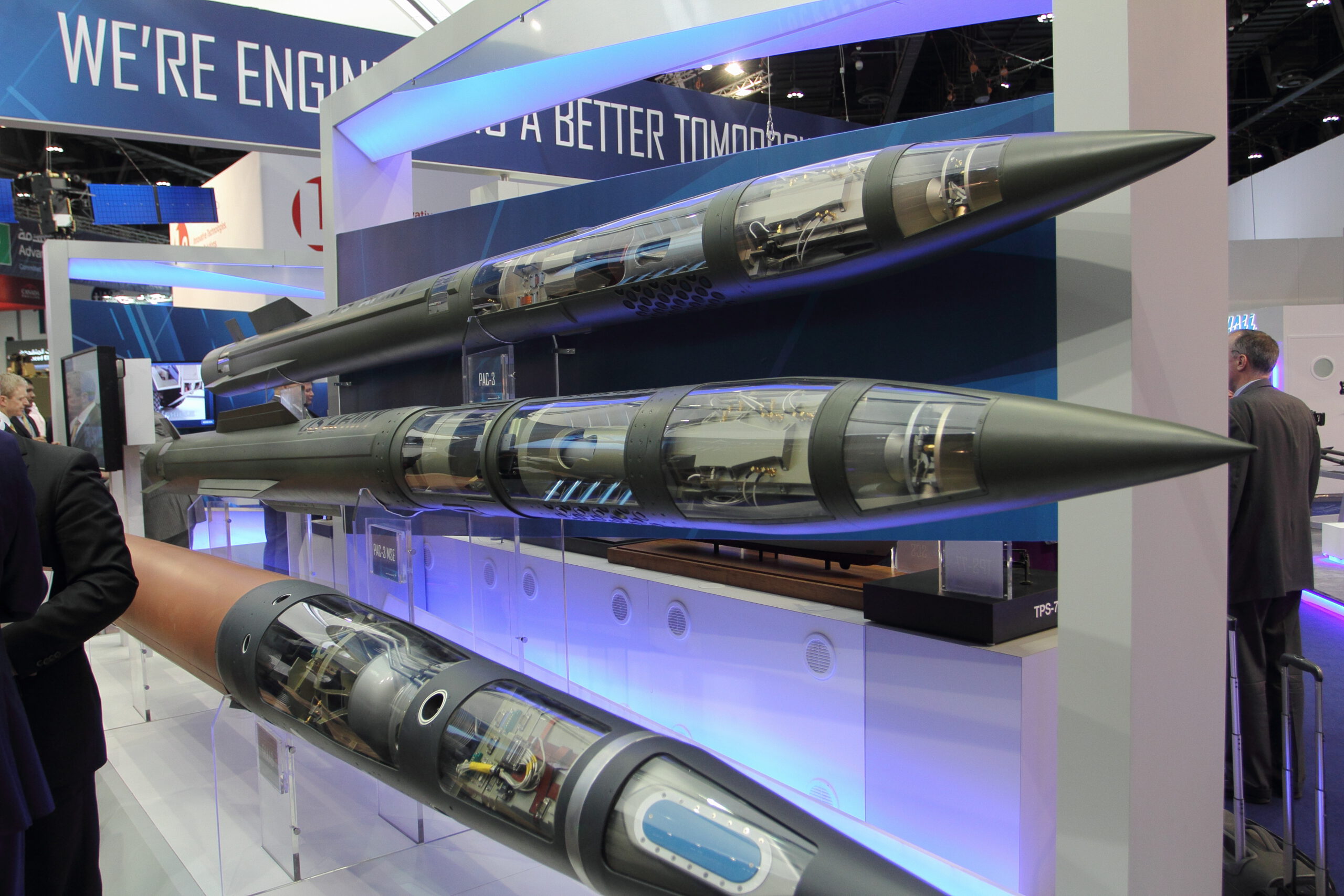
In the latest installment of the Defense Rapid Reaction series, experts from MEI’s Defense & Security Program provide their views on what reforms to the U.S. Foreign Military Sales process could or should accomplish and how an improved approach to approving foreign arms sales can strengthen U.S. relations with international partners and allies.
The Risk of Violent Inter-Communal Spillover in West Africa: Realities and Prescriptions
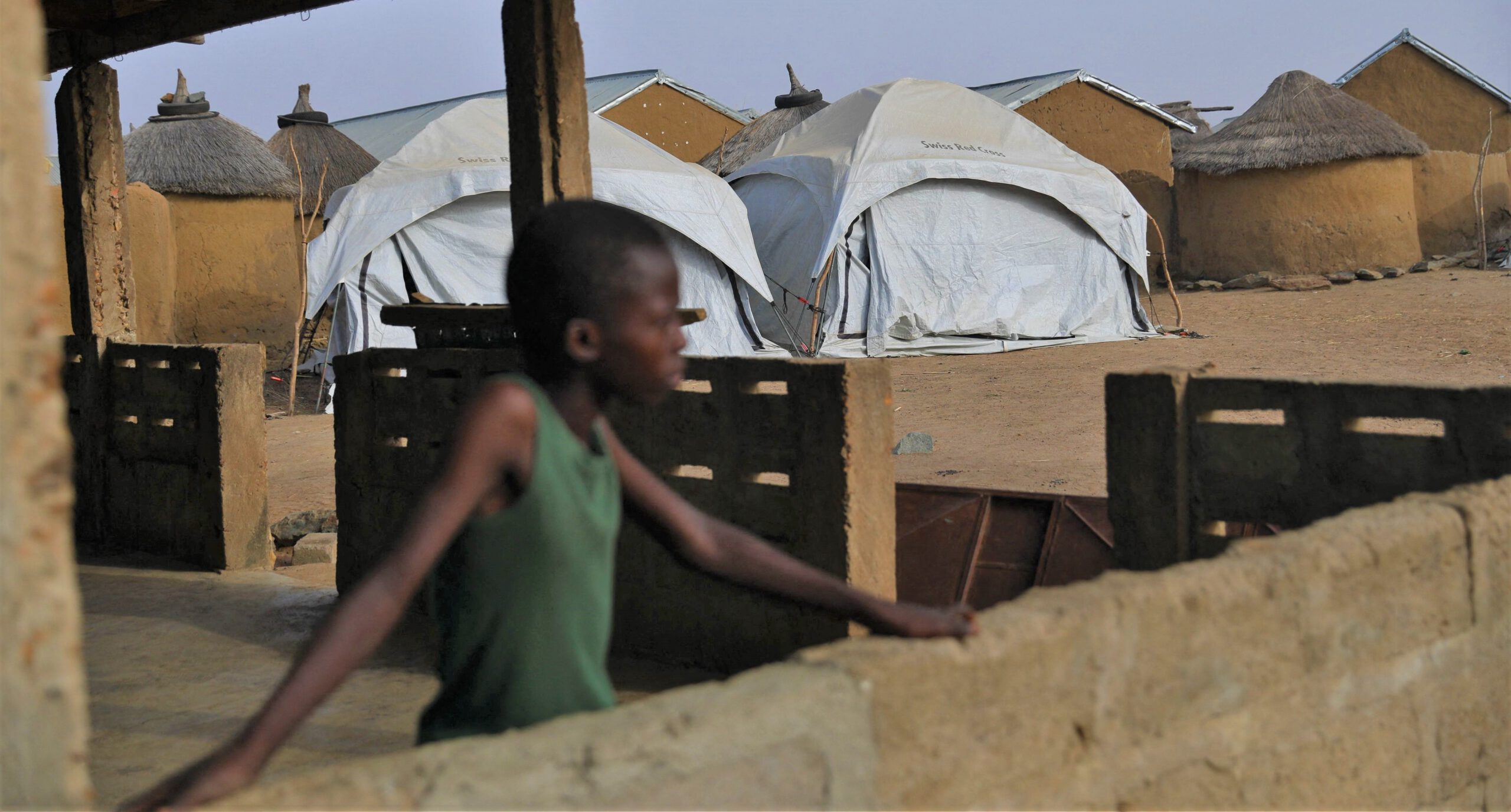
The Sahel region of West Africa suffers from escalating cycles of inter-communal violence that have resulted in countless deaths of innocent people. As this worsening situation continues to spread, it has come to be one of the most prominent threats to security and socio-political stability in the region.
The failure of partner-led, US-enabled policy in the Horn of Africa: The case study of Somalia
Rather than addressing the critical gaps in Somalia’s security, President Hassan Sheikh has chosen to prioritize nation-building over state-building, diverting scarce resources needed to stabilize areas liberated from al-Shabaab. The Biden administration has enabled President Sheikh’s nation-building project through its partner-led, U.S.-enabled approach.
Shifting sentiments in the Sahel: Anti-France or pro-Russia?
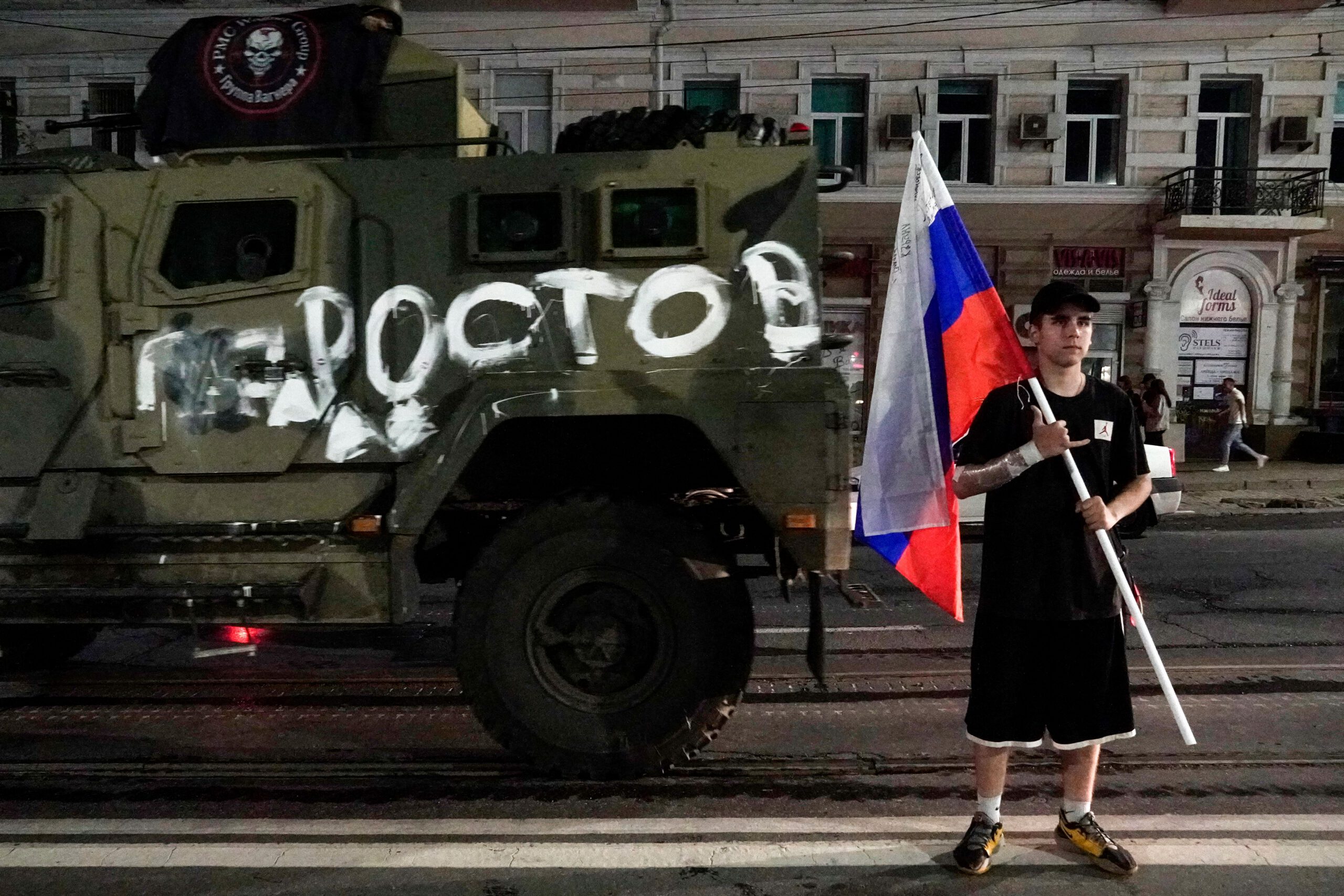
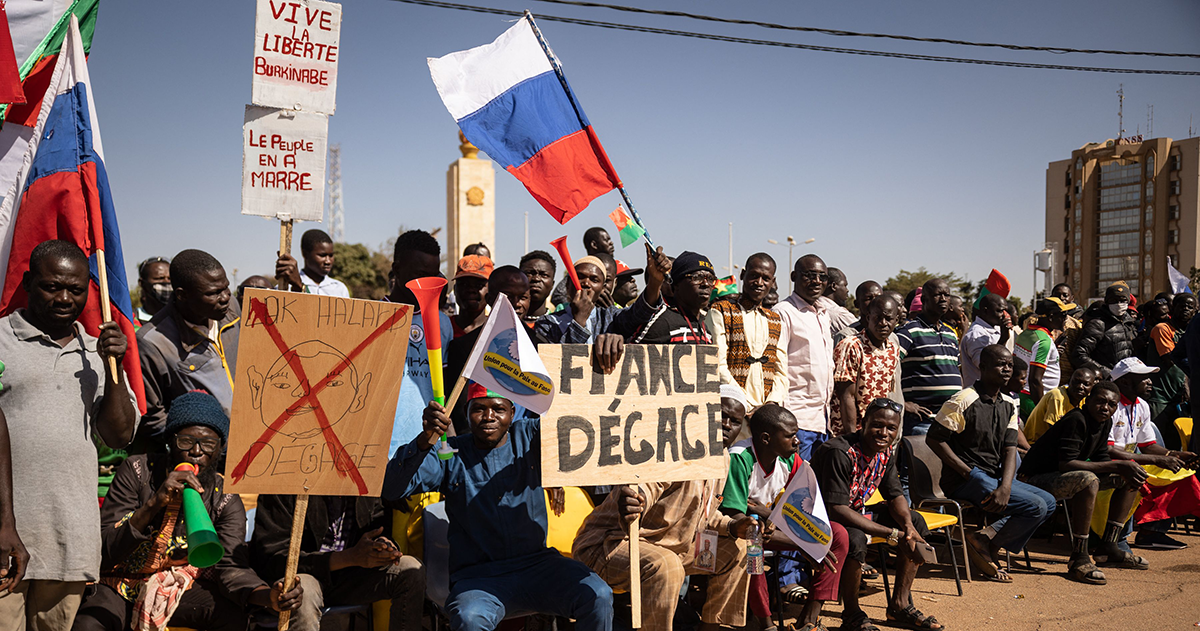
In recent months, fervent anti-French sentiment has been on the rise in Burkina Faso and Mali. In February 2023, the Burkinabe army announced the end of the French Sabre Force in the West African country. This came three weeks after the transitional government withdrew from the 2018 defense agreements with France that had previously allowed 400 French troops to be stationed in a cantonment outside of the capital, Ouagadougou.
Navigating complex maritime security challenges in the Black and Mediterranean seas: Insights from the updated EUMSS
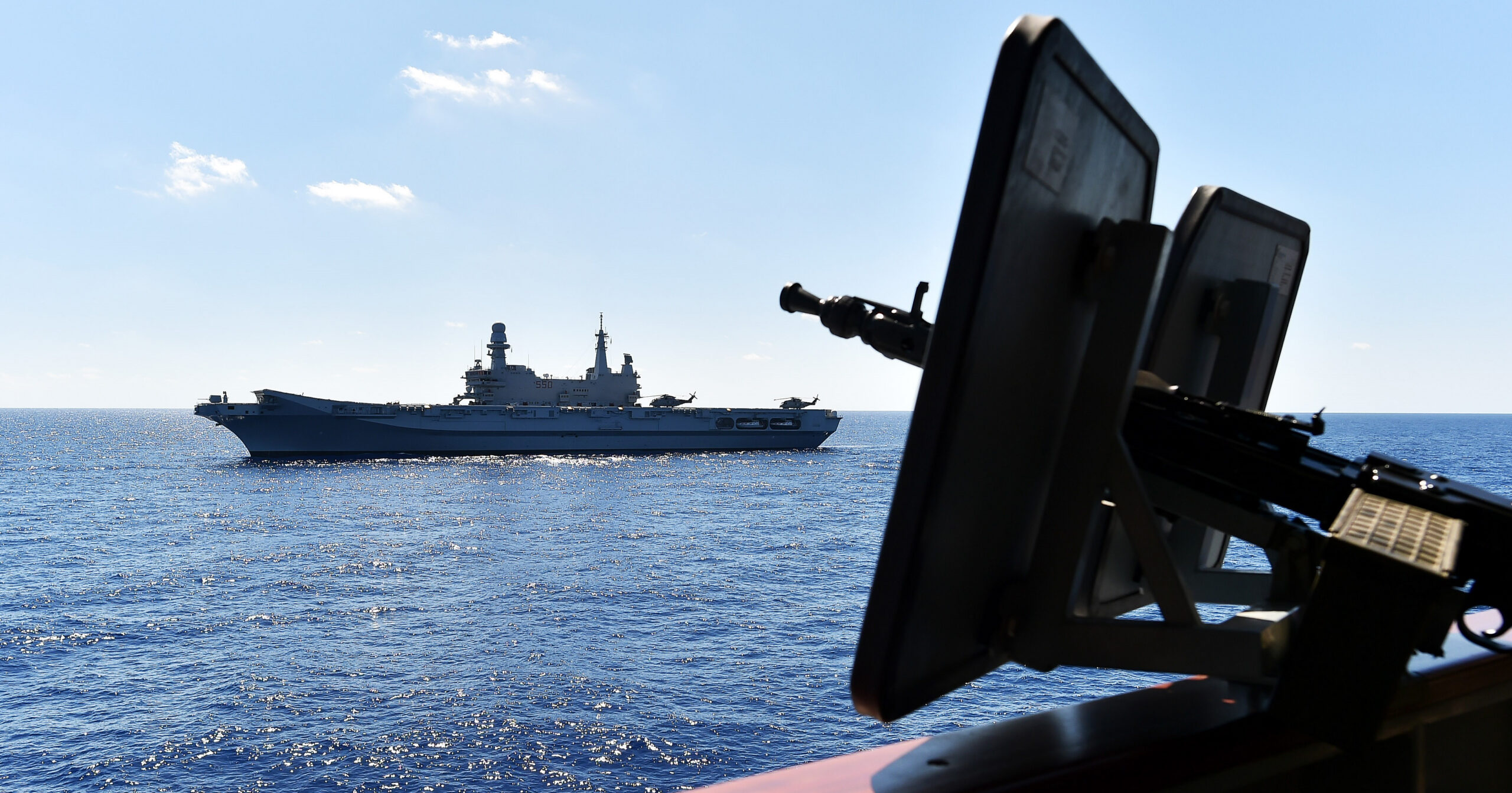
Russia’s February 2022 full-scale invasion of Ukraine helped influence the updated European Maritime Security Strategy’s approach to the Black and Mediterranean seas, with implicit and explicit references to the war dispersed throughout the document. The updated EUMSS showcases the wide array of security issues present in the region, including seaborne UXOs, human and drug trafficking, and threats to critical infrastructure. But security in the Black and Mediterranean seas will require greater cooperation with non-EU countries.
Tunisia's New State Institutions, Legitimacy, and the Future of the Political Transition
Tunisian President Kais Saied has reformed the structure of the Tunisian government, creating worries that democracy is being eroded in the North African country. Amidst ongoing economic turmoil and a growing migration issue, many are wondering if it is still possible to preserve democracy in Tunisia. Intissar Fakir, Director of MEI’s North Africa & Sahel program, is joined by Chiraz Arbi and Lilia Blaise to discuss the current political situation and what the future may look like for Tunisia.
President Kais Saied’s statement during a speech on April 6 claiming to reject the conditions, or “diktats” as he called them, that come with a potential loan from the IMF has provoked debate. Reactions to the speech as well as actions taken by Tunisian officials before and after it seem to contradict its intention, causing confusion over whether the deal is still on. Meanwhile, others took the speech as a sign that Tunisia is seriously considering the possibility of alternatives to IMF financing or even a geopolitical reorientation.
Getting ahead of the Middle East’s climate refugee conundrum
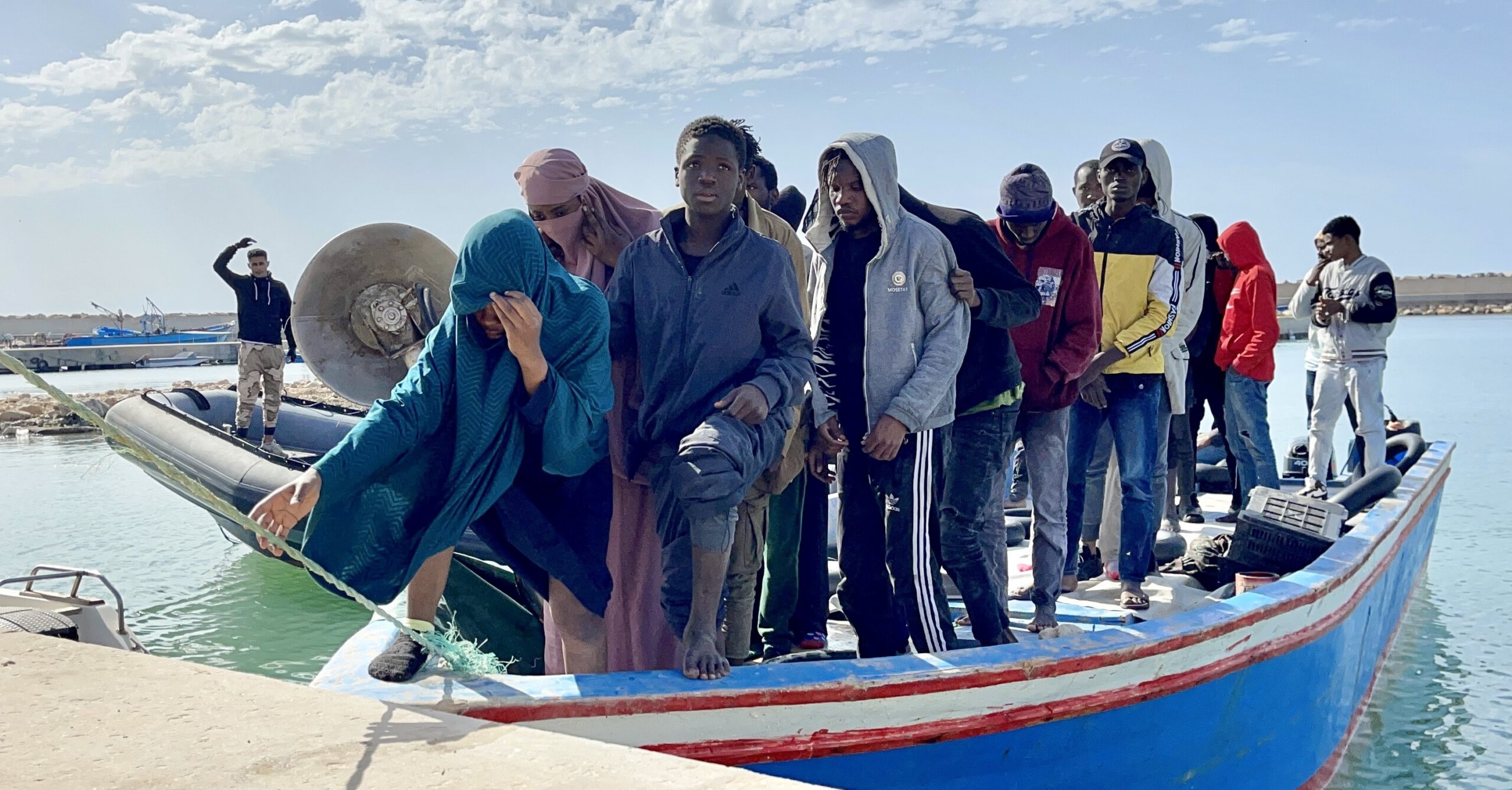
Over the coming decades, the worsening effects of climate change will increasingly displace many millions of vulnerable people in the Middle East and North Africa, and many of these refugees will attempt to relocate to the Global North. To avert such a monumental looming problem requires pragmatic solutions and their swift implementation.
The road to Marrakech: US-China tensions loom over IMF/WB spring meetings
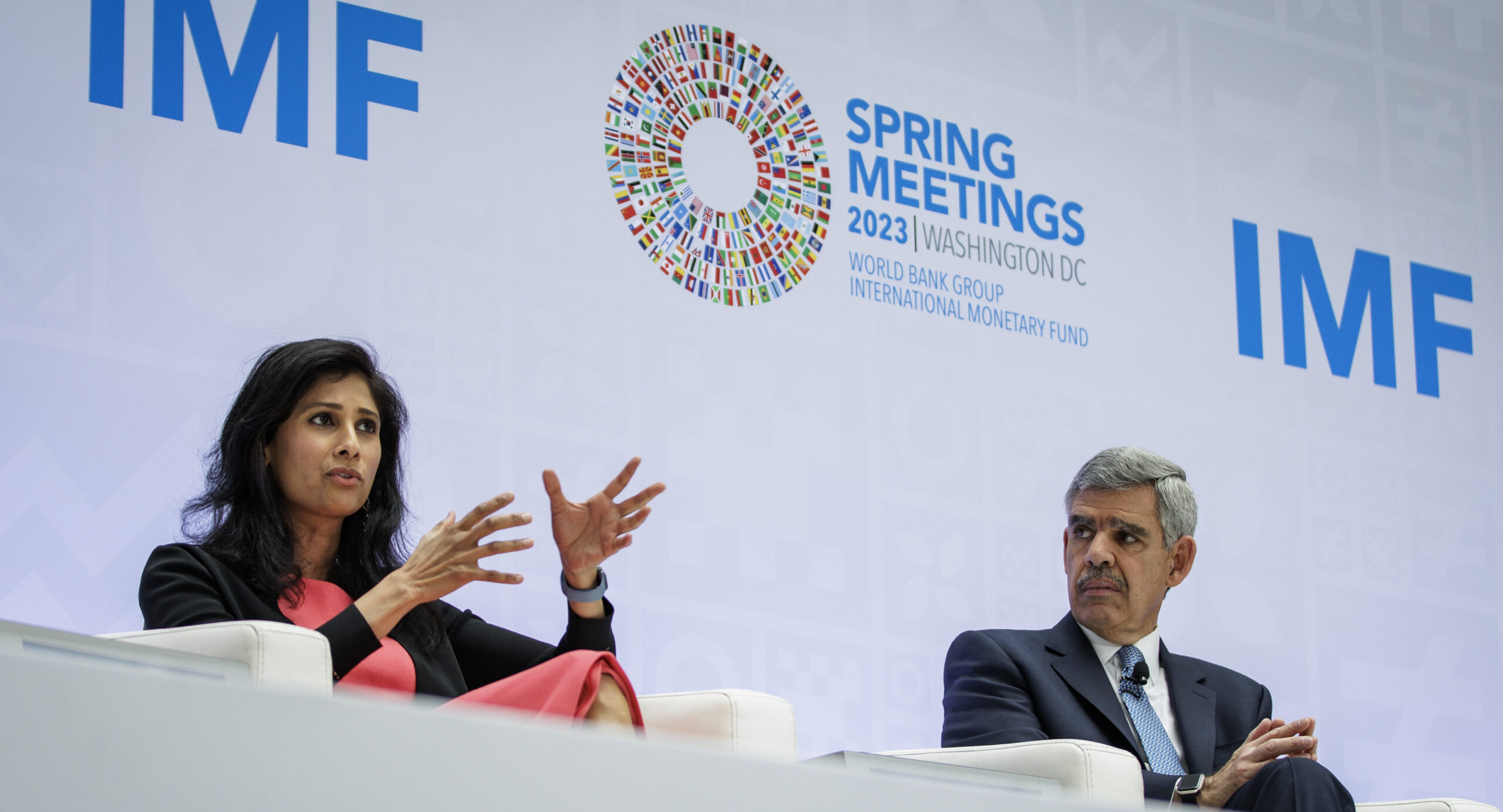
Last week’s spring meetings of the IMF and World Bank in Washington, D.C., were an important occasion for financial and economic leaders from the MENA region to meet with their counterparts from these IFIs and major bilateral donor countries. At the same time, they serve as a lead up to the important Annual Meetings that will be held in Marrakech, Morocco, in the fall — the first time they will be hosted by an Arab or African country.