India-Taliban relations: A careful balancing act, driven by pragmatism
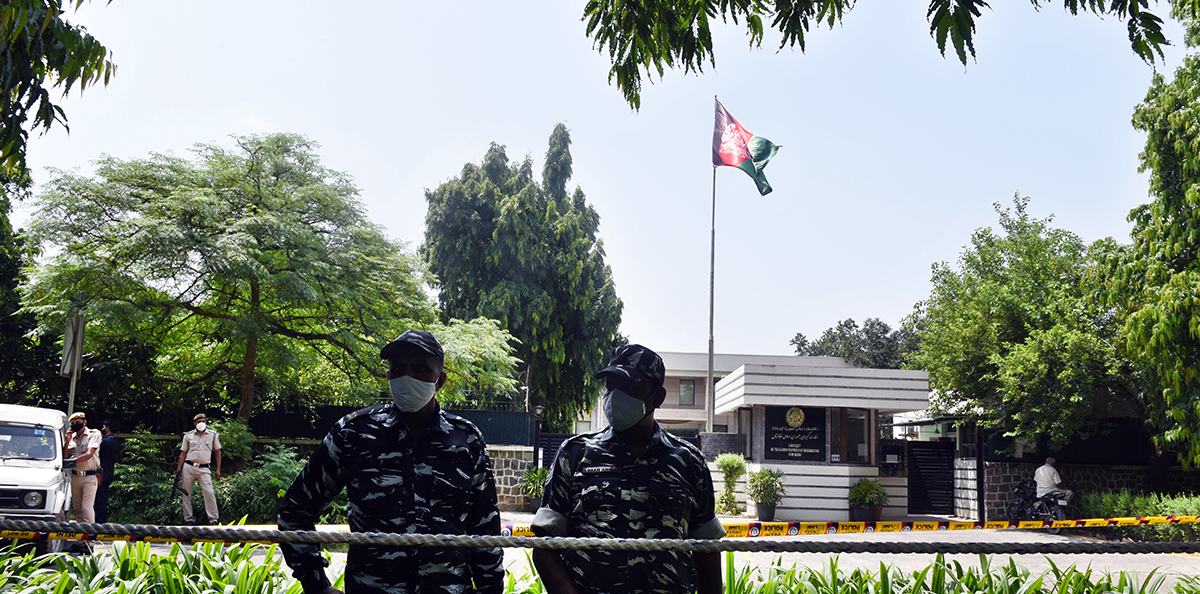
An ongoing power struggle for the position of ambassador at the Afghan embassy in New Delhi underlines India’s diplomatic quandary about the nature of its engagement with the Taliban regime in Afghanistan.
International institutions confront Taliban troubles
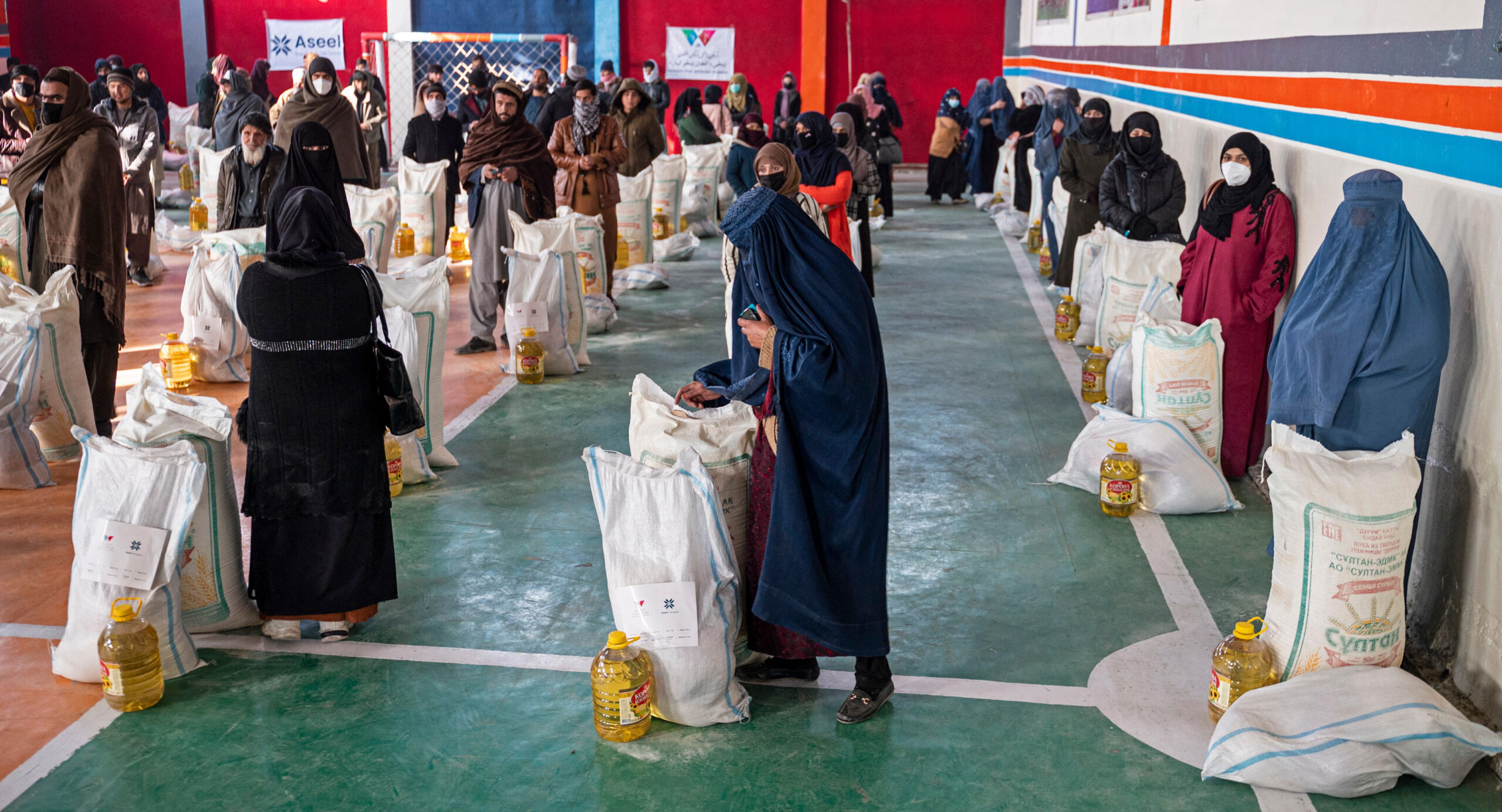
International leaders are struggling to manage a Taliban-ruled Afghanistan; they are torn between their commitment to alleviate Afghans’ suffering and their reluctance to legitimize a Taliban government that violates its people’s basic rights. Helping Afghans but not their new “de facto authorities” is a difficult balance for a diverse group of international actors with often divergent long-term interests.
A Reassessment of American Policy Toward Taliban Afghanistan
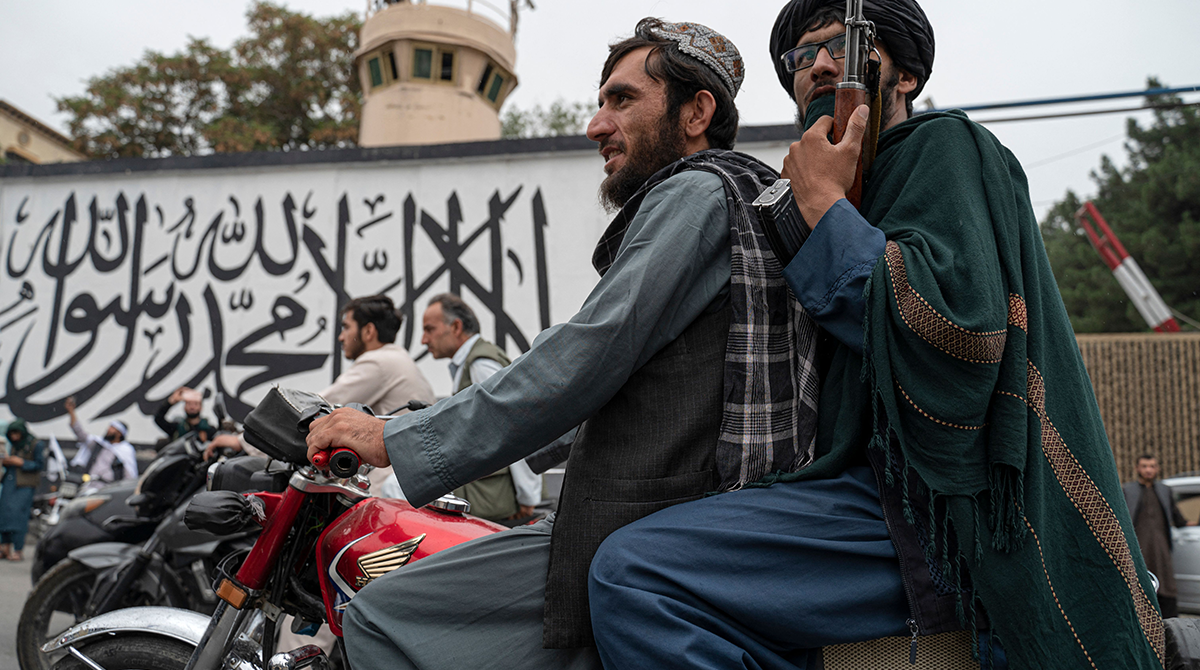
It has been long enough since the Taliban seized power in Afghanistan in August 2021 for us to reach some conclusions about how the regime intends to govern and the policy options this presents. For a variety of reasons the U.S. now finds itself drawn into several areas of policy in Afghanistan and trying to decide what form and degree of engagement with the Taliban government can best advance American interests.
In the Middle East, the Gulf states — working together and on their own — are looking to achieve new scientific and commercial breakthroughs in various areas of the space industry. These ambitions carry major geopolitical implications with them, as an ever-growing number of spacefaring countries negotiate a sensitive and increasingly high-powered sector.
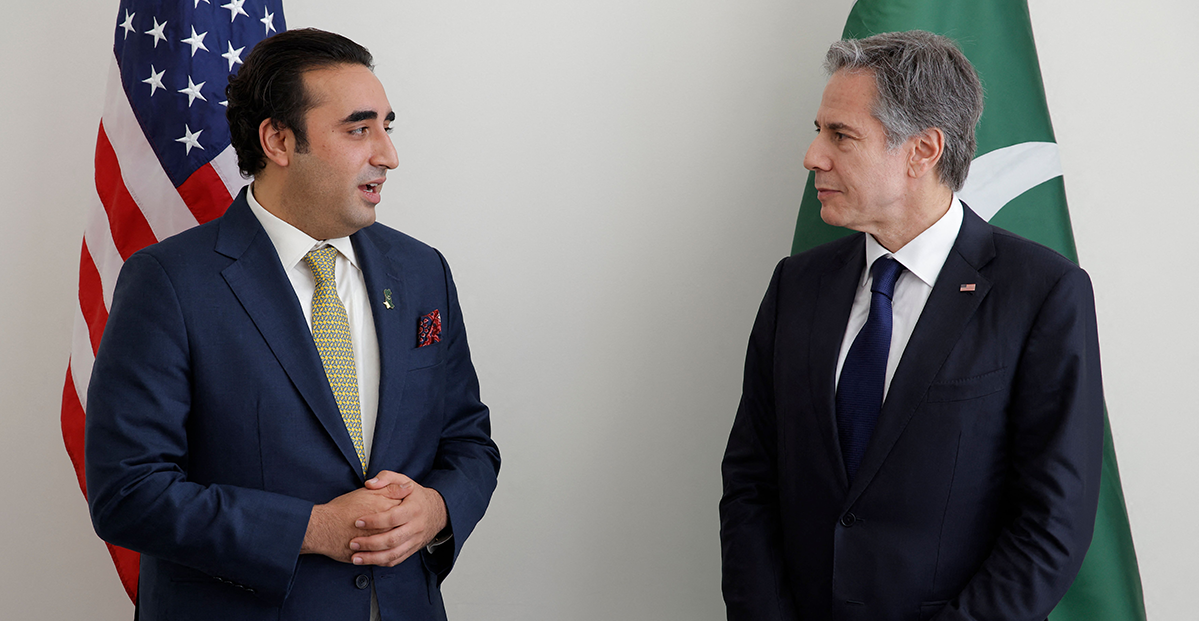
The multipolar moment has arrived in Pakistan’s backyard. Like China and India, Pakistan too is attempting its own geopolitical rebalancing. It seeks to revive ties with the United States and other Western countries. This pivot to the West comes after an earlier one to the East that began more than a decade ago. But, like the previous pivot, Pakistan’s efforts to rekindle ties with the West are unlikely to succeed unless it embraces the imperatives of economic reform and political stability.
Unexpected beneficiary: The implications of the China-brokered Saudi-Iran deal for Pakistan
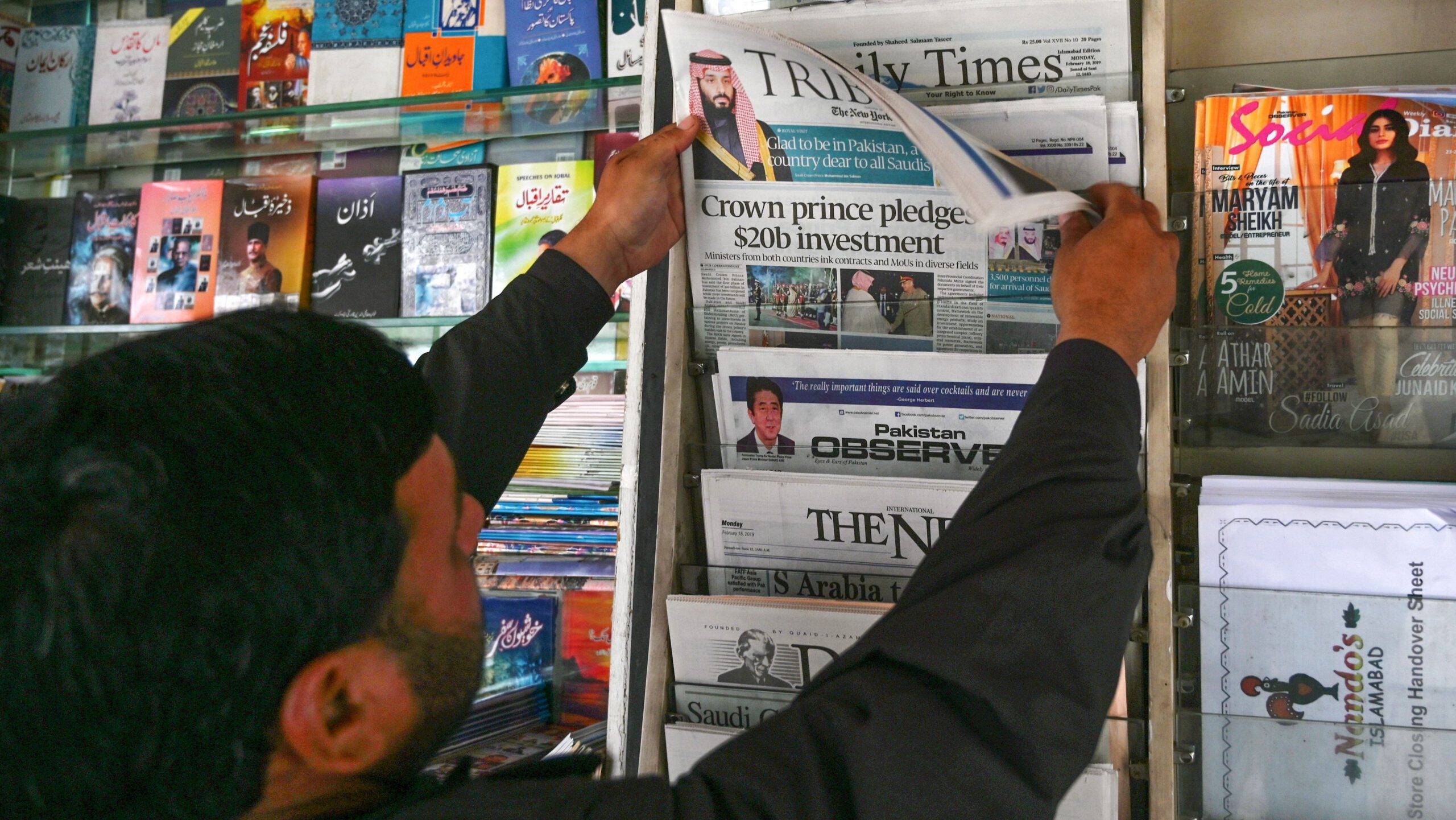
The implications of the apparent rapprochement between Saudi Arabia and Iran are likely to have significant consequences for vital neighboring regions like South Asia and other populous Muslim countries, including, notably, Pakistan.