The balance of power in Yemen after the US-Houthi cease-fire
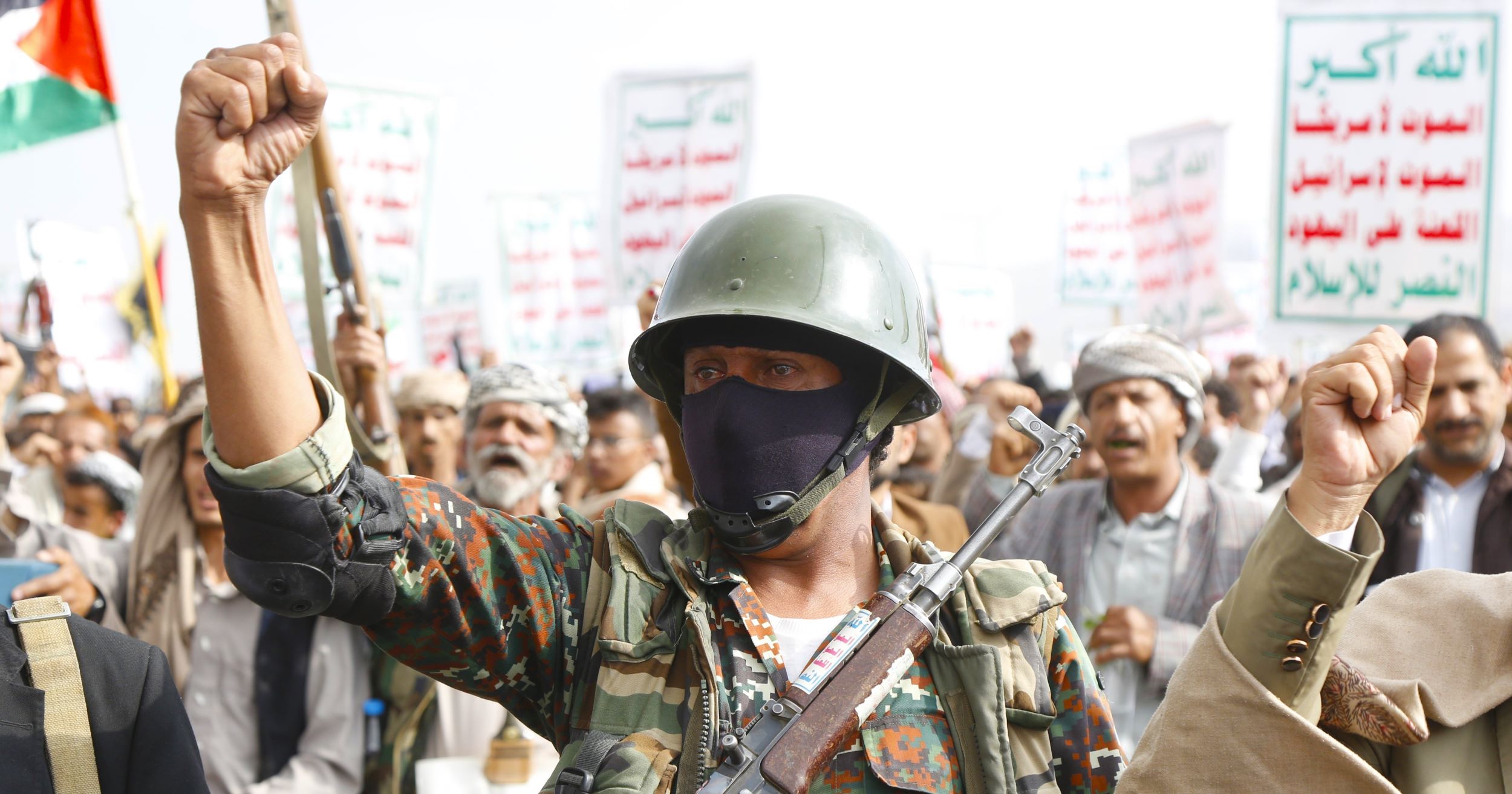
The May 6 cease-fire between the United States and the Houthi militia in Yemen has had a consolidating effect on the balance of power inside the war-torn state and hardened the status quo of the country’s civil war. In turn, the outcome of Israel and Iran’s subsequent 12-day war has the potential to temporarily shake up this status quo once again; but Yemen’s fracturing anti-Houthi coalition is unlikely to be able to exploit that opportunity.
Caught in the crossfire: How the Iran-Israel war undermines Erdoğan’s agenda
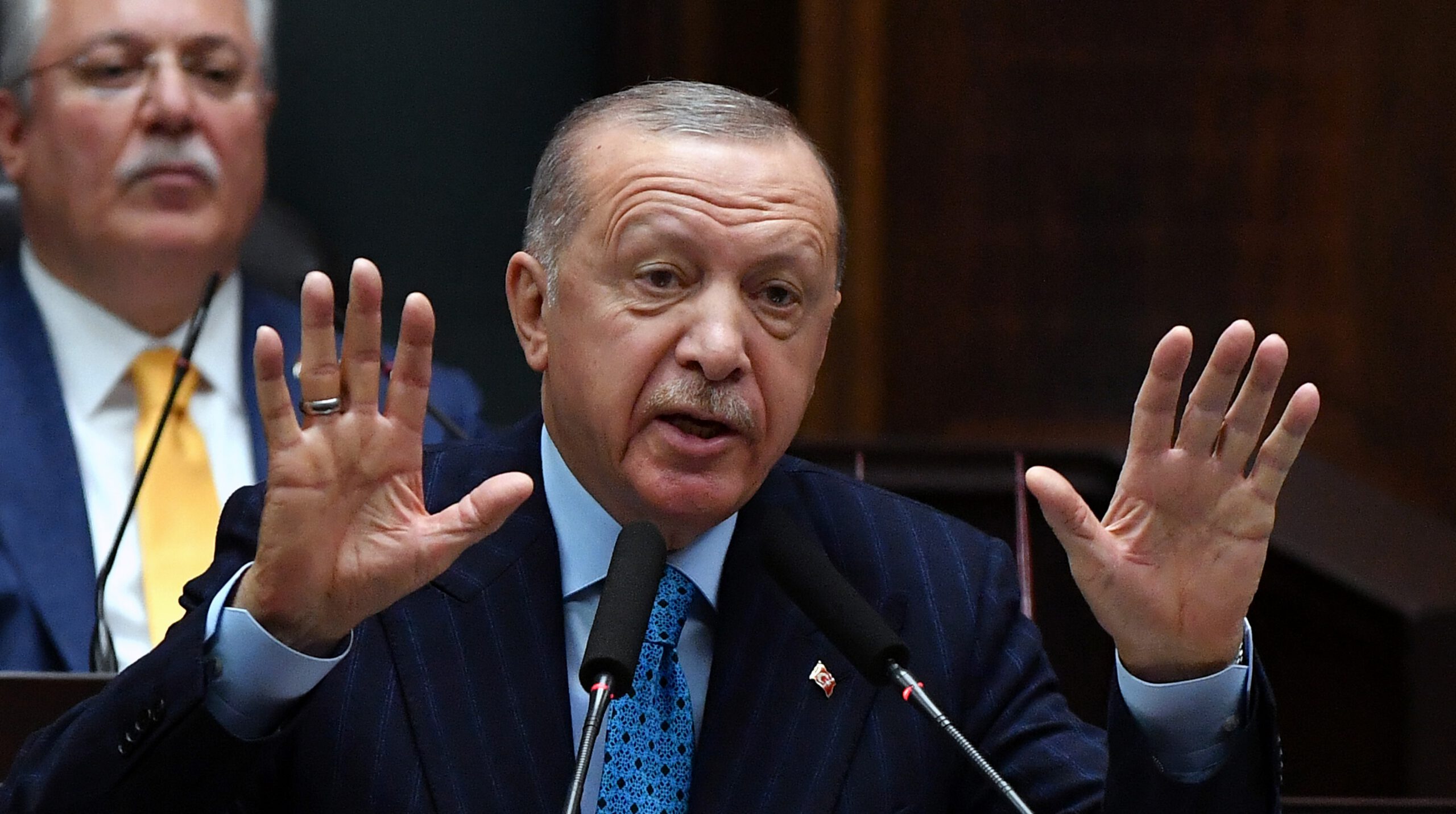
Israel’s full-blown war against Iran threatens to upend regional dynamics and Turkey’s careful balancing act. The conflict presents both immediate threats and long-term strategic risks for Turkey.
US has an opening to force concessions from Iran in a potential deal
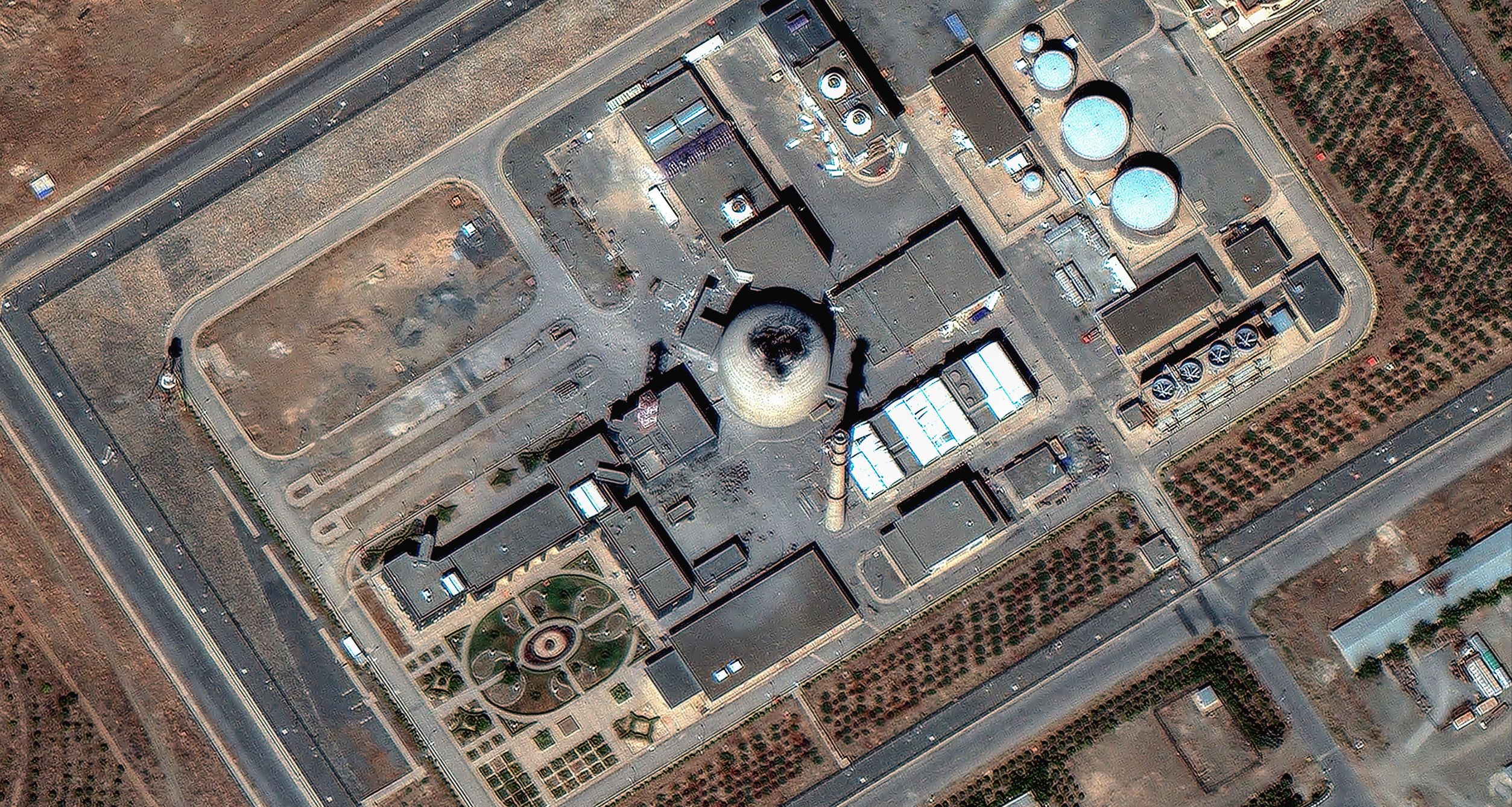
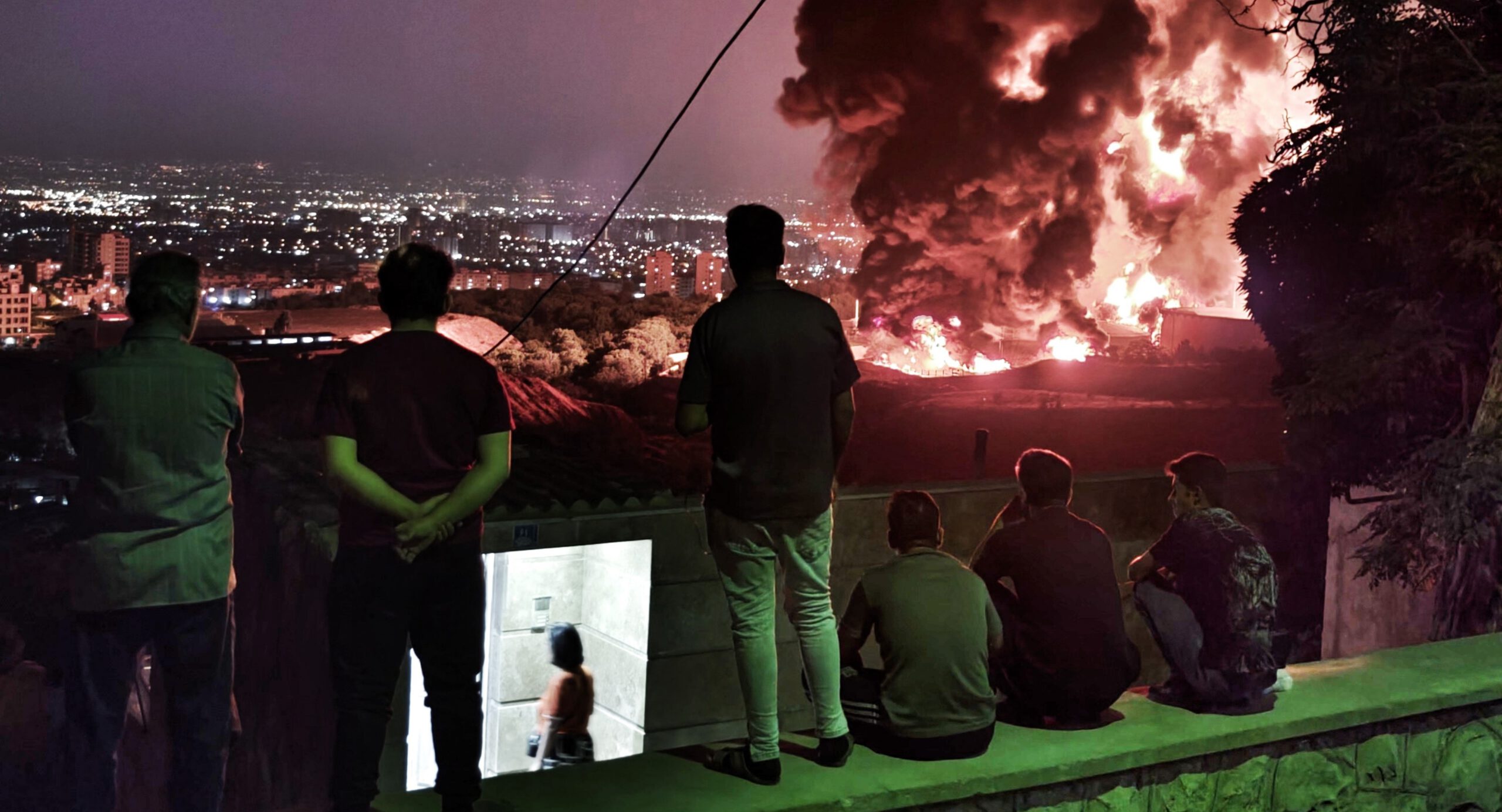
As the Israel-Iran conflict intensifies, warnings are growing louder that the war could result in hazardous and destructive radiological spillover to much of the region. But the posturing of various key actors in the Gulf and beyond has opened the door to a broader political settlement between the United States and Iran that could end the hostilities before such a dangerous scenario comes to pass.
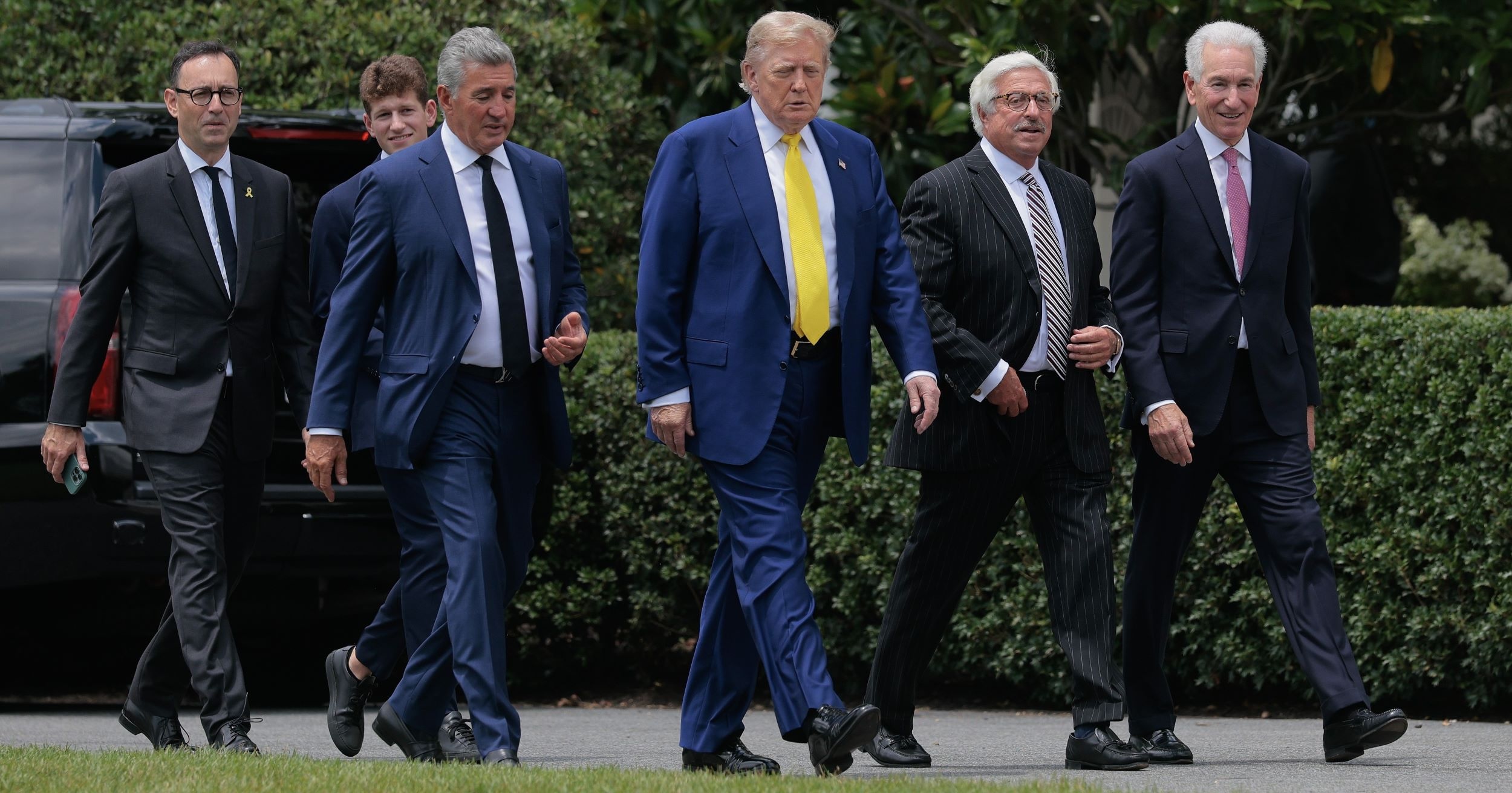
President Donald Trump threatens Iranian Supreme Leader Ali Khamenei. But measured language and disciplined policy can help prevent escalation and protect American interests.
Where do we go from here? Day 5 of the Israel-Iran war
The past four days have clarified much about what Israel wants from this conflict, what Iran can and cannot do to fight back, and what decisions confront the American president over the next few days.
Building Syria’s new army: Future plans and the challenges ahead
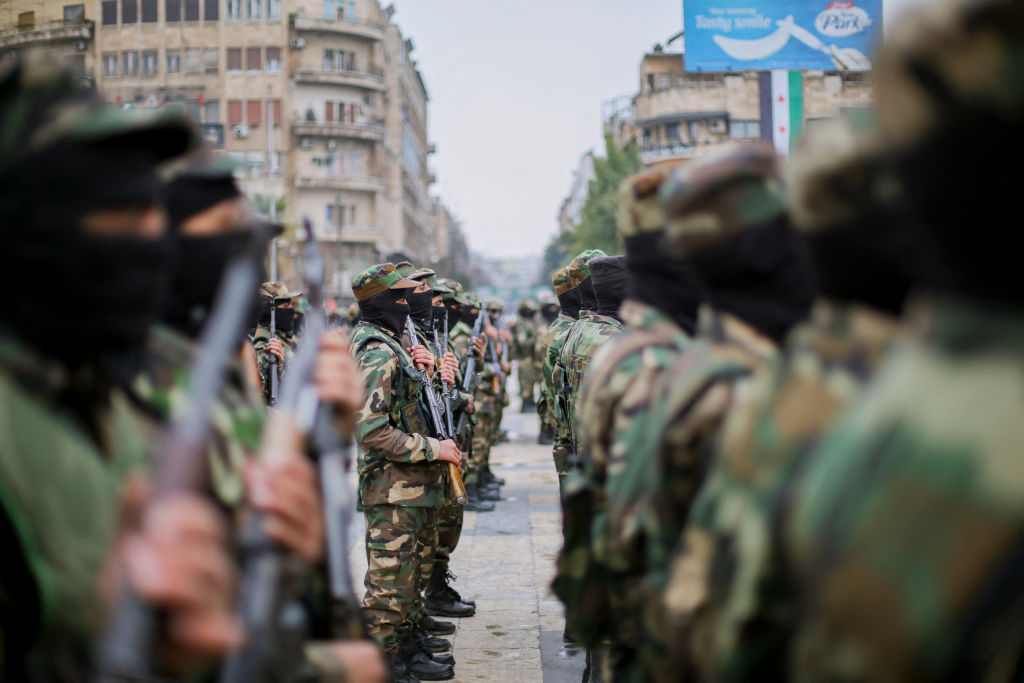
Following the fall of Bashar al-Assad’s regime on Dec. 8, 2024, after the rebel military operation “Deterrence of Aggression” and the establishment of a transitional government, Ahmed al-Sharaa, Syria’s interim president, quickly began working to form a unified national army, dismantle the existing factions, and centralize all weapons under the authority of the state in an effort to address one of the most pressing challenges facing his administration. While several initial moves have been completed, important steps in this complicated process are still pending. This article highlights the current developments surrounding the formation of the new army, including progress achieved to date and key challenges going forward.
Saudi Arabia’s AI ambition, and what it means for the United States
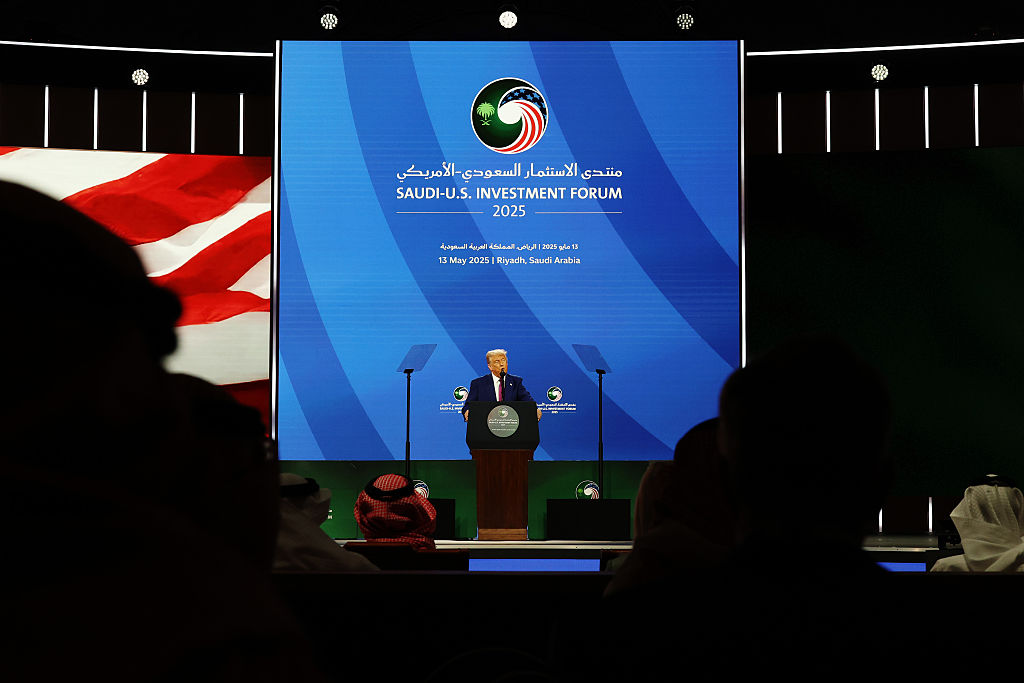
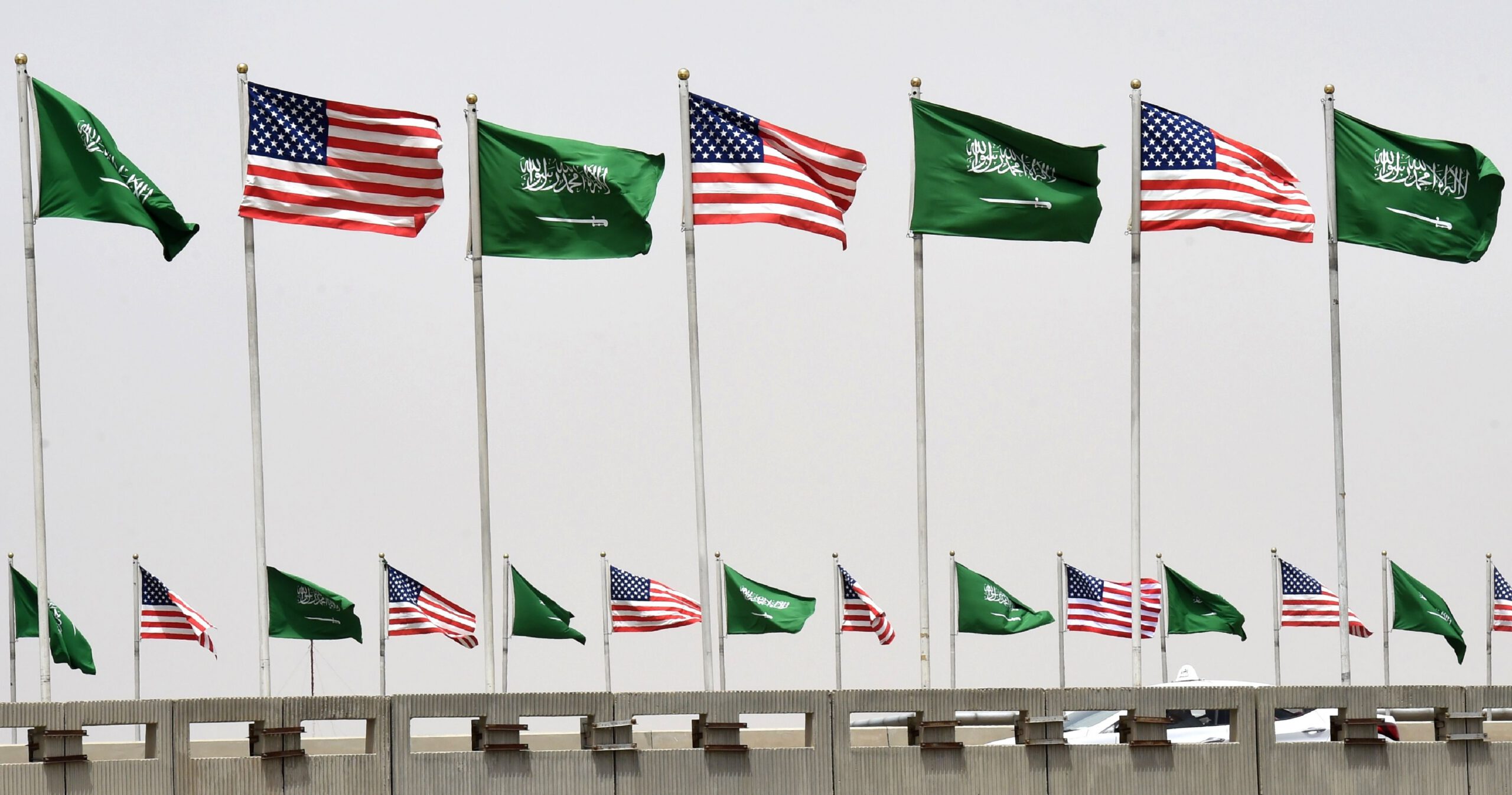
A day before Air Force One touched down in Riyadh to kick off US President Donald Trump’s three-country tour of the Gulf, Saudi Arabia made a pivotal announcement. The kingdom, long synonymous with oil, revealed a major investment in artificial intelligence (AI) through its newly launched company, HumAIn. This pivot, explicitly timed to coincide with Trump’s visit starting on May 13, and in anticipation of the signing of multiple tech deals between US and Gulf firms during the trip, signaled a profound shift in US-Saudi relations — from a traditional oil-for-security alliance to a partnership centered on AI and digital infrastructure.
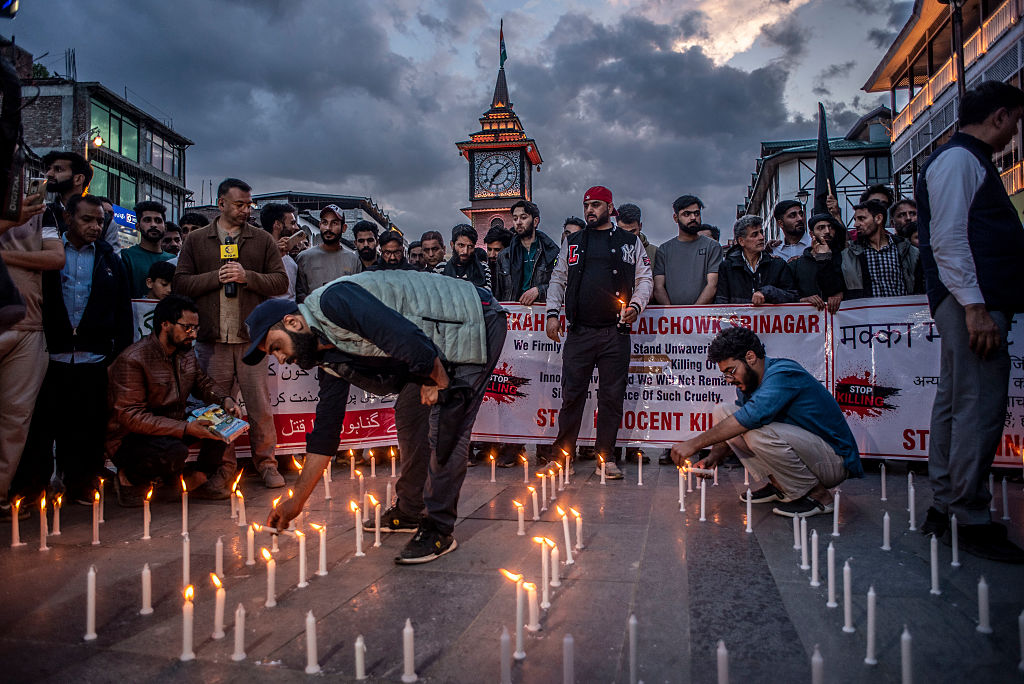
The recent brief yet intense escalation of hostilities between India and Pakistan has further exposed the fragile nature of South Asia’s security landscape. The four-day tit-for-tat cross-border military confrontation between the two nuclear-armed rivals has significantly undermined prospects for normalization, redefining the rules of engagement and signaling a shift in how both countries may manage their relationship moving forward.
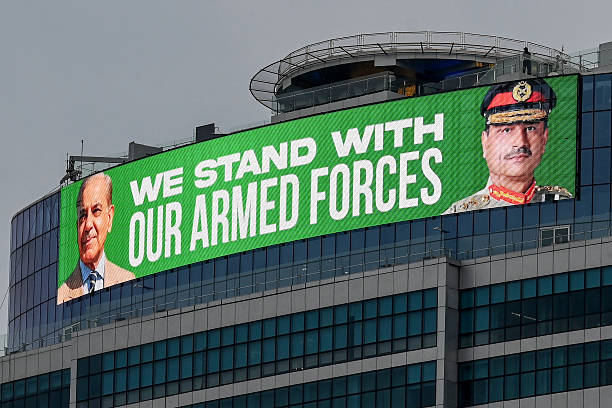
The recent elevation of Gen. Asim Munir to the rank of field marshal is a thunderous declaration of the Pakistani military’s unassailable supremacy, a gesture that reverberates far beyond the barbed-wire perimeters of the Army’s General Headquarters in Rawalpindi.
Hosts Alistair Taylor and Matthew Czekaj speak with MEI Senior Fellow Mohammed Soliman about President Donald Trump’s recent trip to Saudi Arabia, the UAE, and Qatar, which yielded a wave of major US-Gulf tech and AI deals. Soliman explains how these partnerships mark a shift in the relationship—from oil and arms to compute power and data infrastructure—and what it means for the Gulf’s strategic role in the global AI ecosystem.
US-Houthi Ceasefire Deal & the Future of Red Sea Security
The sudden announcement of a US-Houthi ceasefire, brokered by Oman, has halted Washington’s air campaign in Yemen and raised urgent questions about the future of Red Sea security. What prompted the deal, and what are its implications for maritime shipping, regional alliances, and the trajectory of Yemen’s civil war? This episode explores the strategic motivations behind the ceasefire, the role of Iran and Saudi Arabia, and how the Houthis could leverage the pause to regroup and expand their influence across the Horn of Africa.
The Damascus-SDF agreement two months on: Fragile progress or delayed collapse?
On March 10, 2025, Ahmed al-Sharaa, the president of Syria, and Mazloum Abdi, the commander-in-chief of the Syrian Democratic Forces, signed a historic agreement, ending a long-running divide between Damascus and the Democratic Autonomous Administration of North and East Syria. Now, two months after the deal was signed, how far has it progressed, and what are the main obstacles and disputes between the parties during this transitional phase?
As Saudi Arabia accelerates its transformation into a global technology powerhouse, the United States has a pivotal opportunity to redefine its partnership with the kingdom. Moving beyond the traditional oil-for-security framework, a new partnership centered on artificial intelligence and digital infrastructure can anchor US-Saudi relations in the 21st century.
Sheikh Tahnoon in Washington: UAE-US relations reimagined for the 21st century with technology at the core
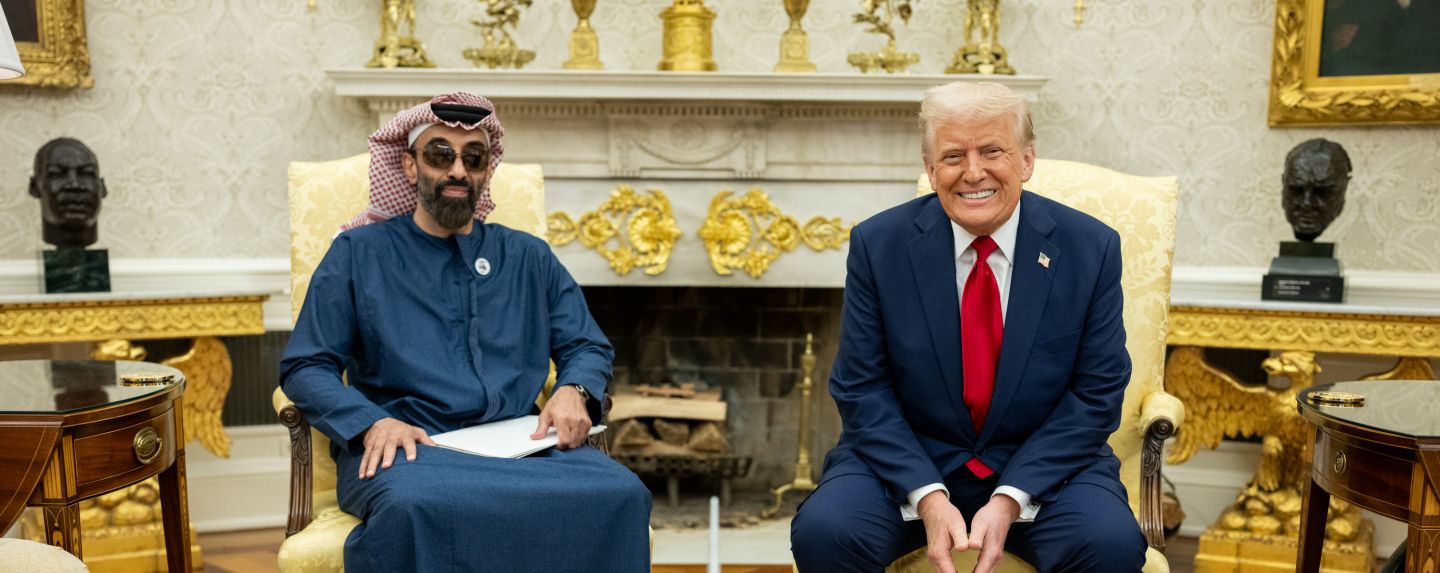
Sheikh Tahnoon bin Zayed, the United Arab Emirates’ national security adviser and a central figure in its tech and security landscape, visited Washington for high-level engagement with President Donald Trump’s team late last month, signaling a transformative shift in UAE-US relations.
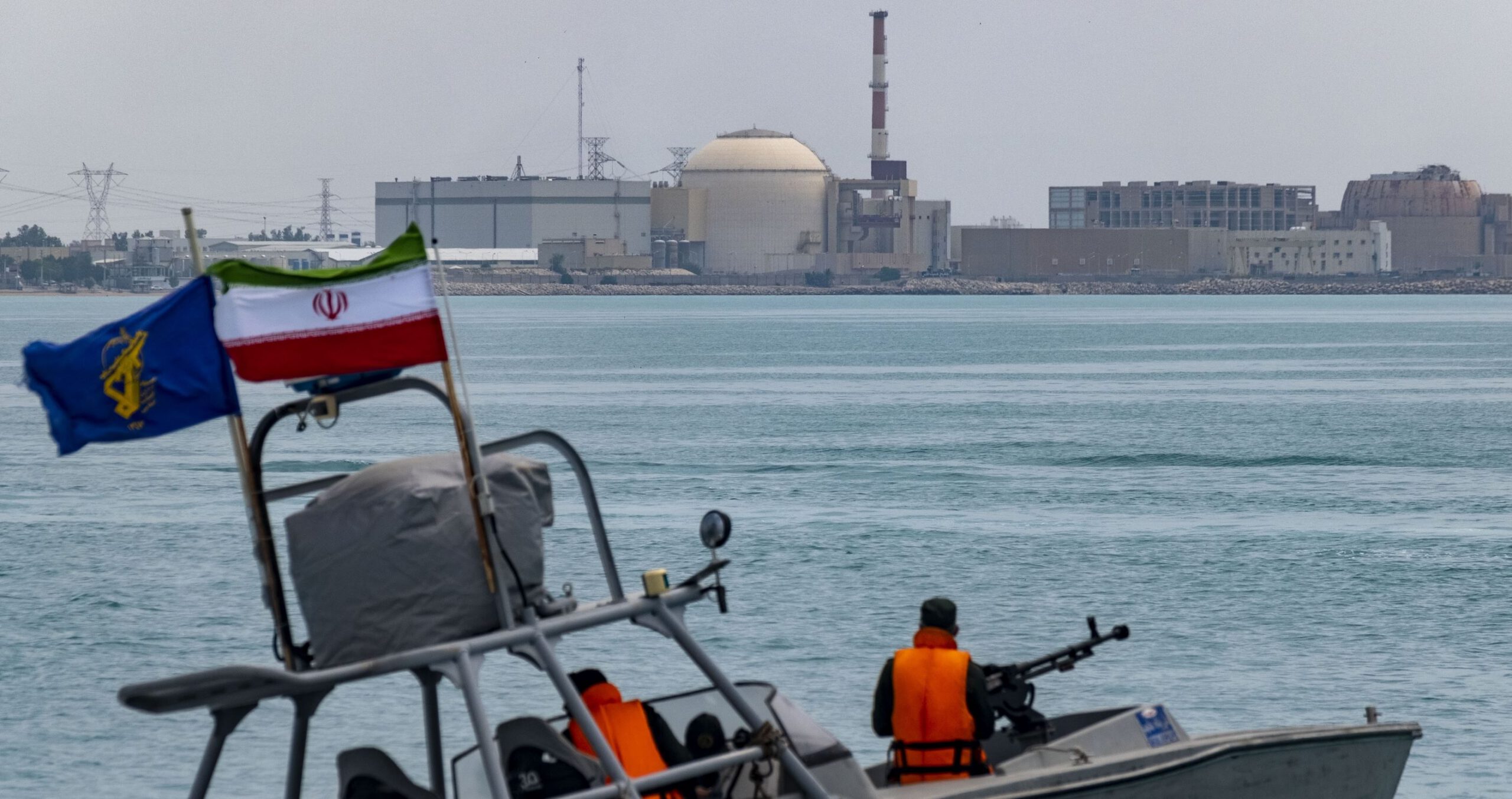
Iran is accumulating enough near-weapons-grade enriched uranium to build a nuclear weapon within weeks or months, not years. President Donald Trump, having withdrawn the United States in 2018 from the nuclear deal that would have postponed that possibility, is now appealing for negotiations with Tehran. But in the Middle East, the nuclear question does not concern only Iran.