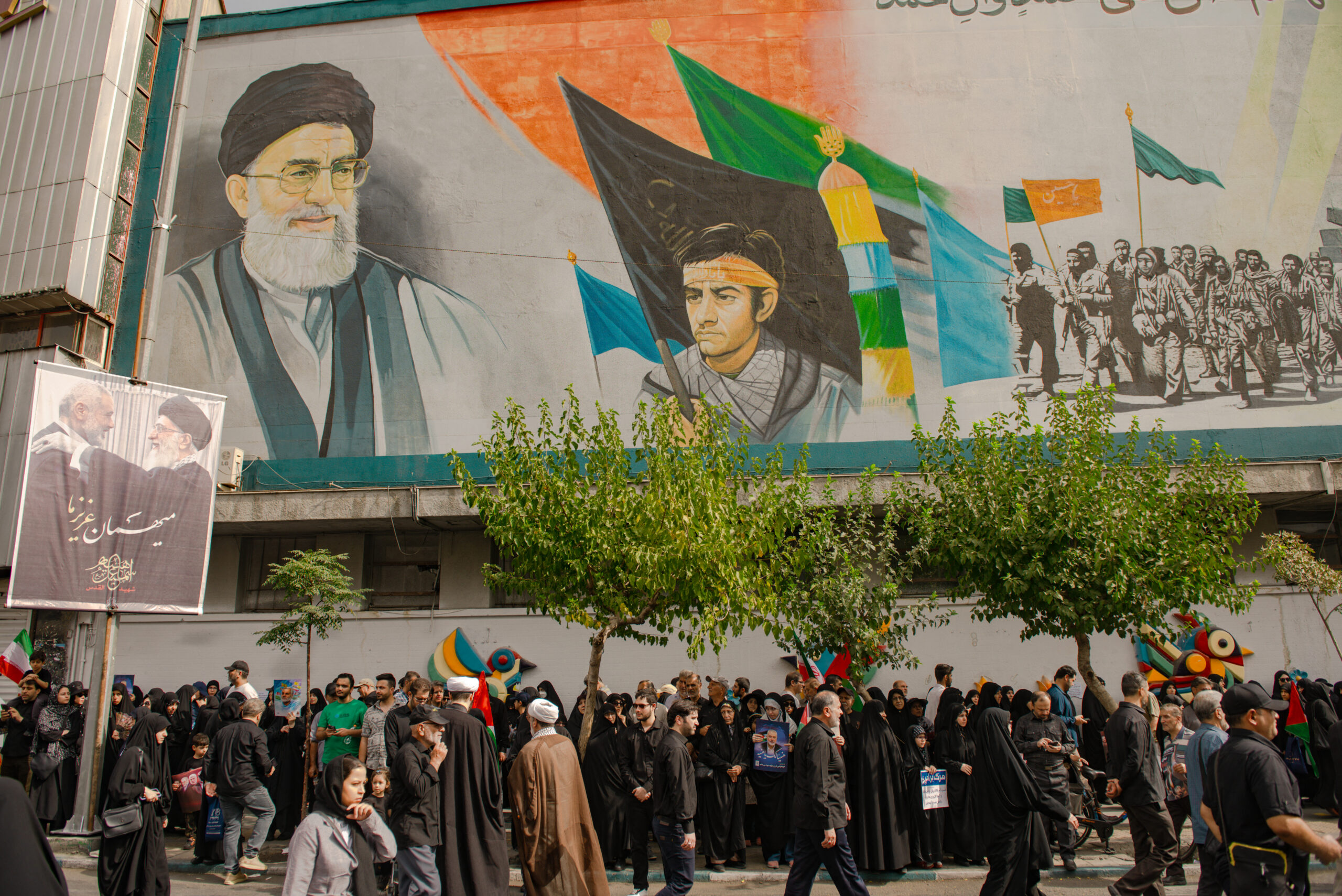
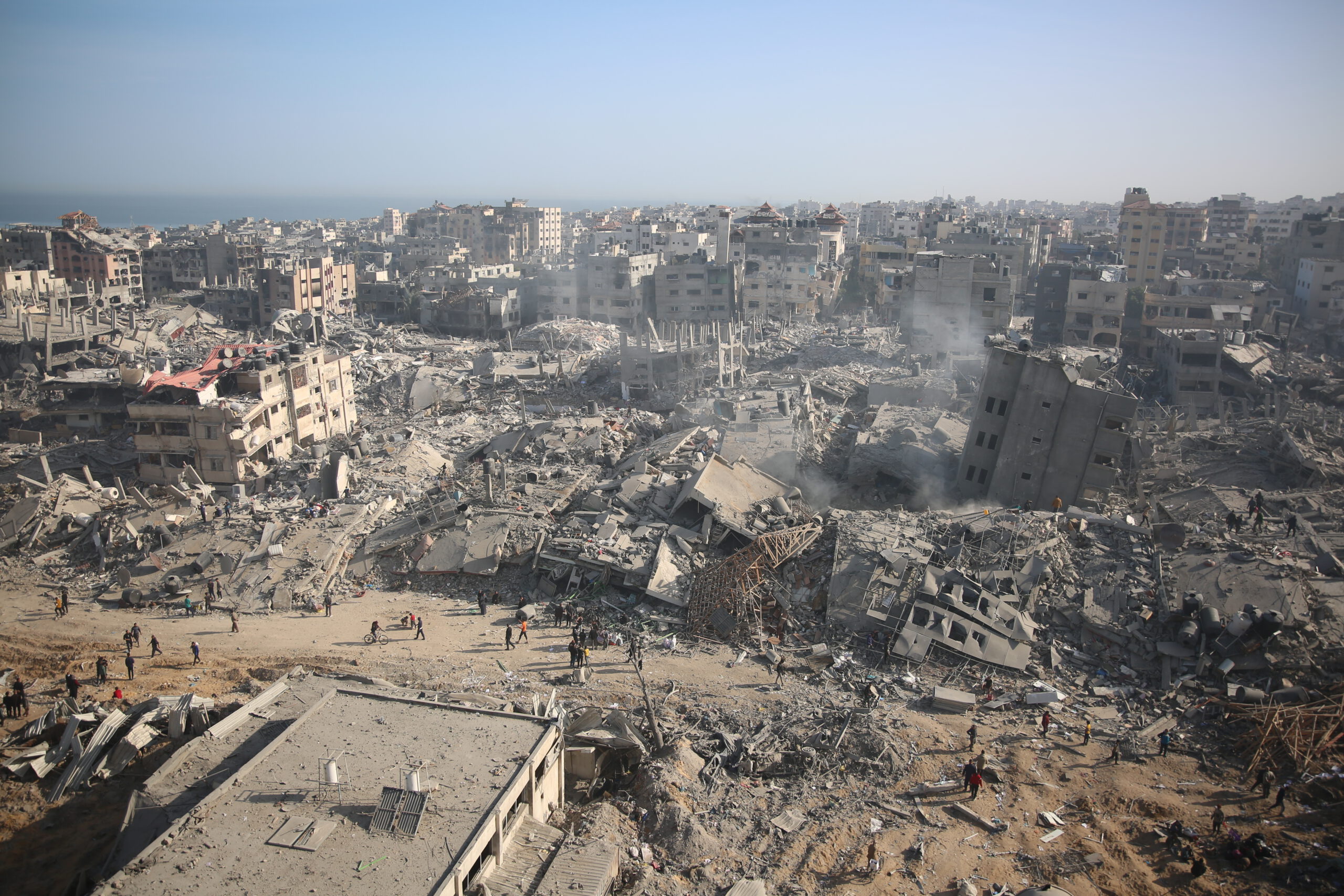
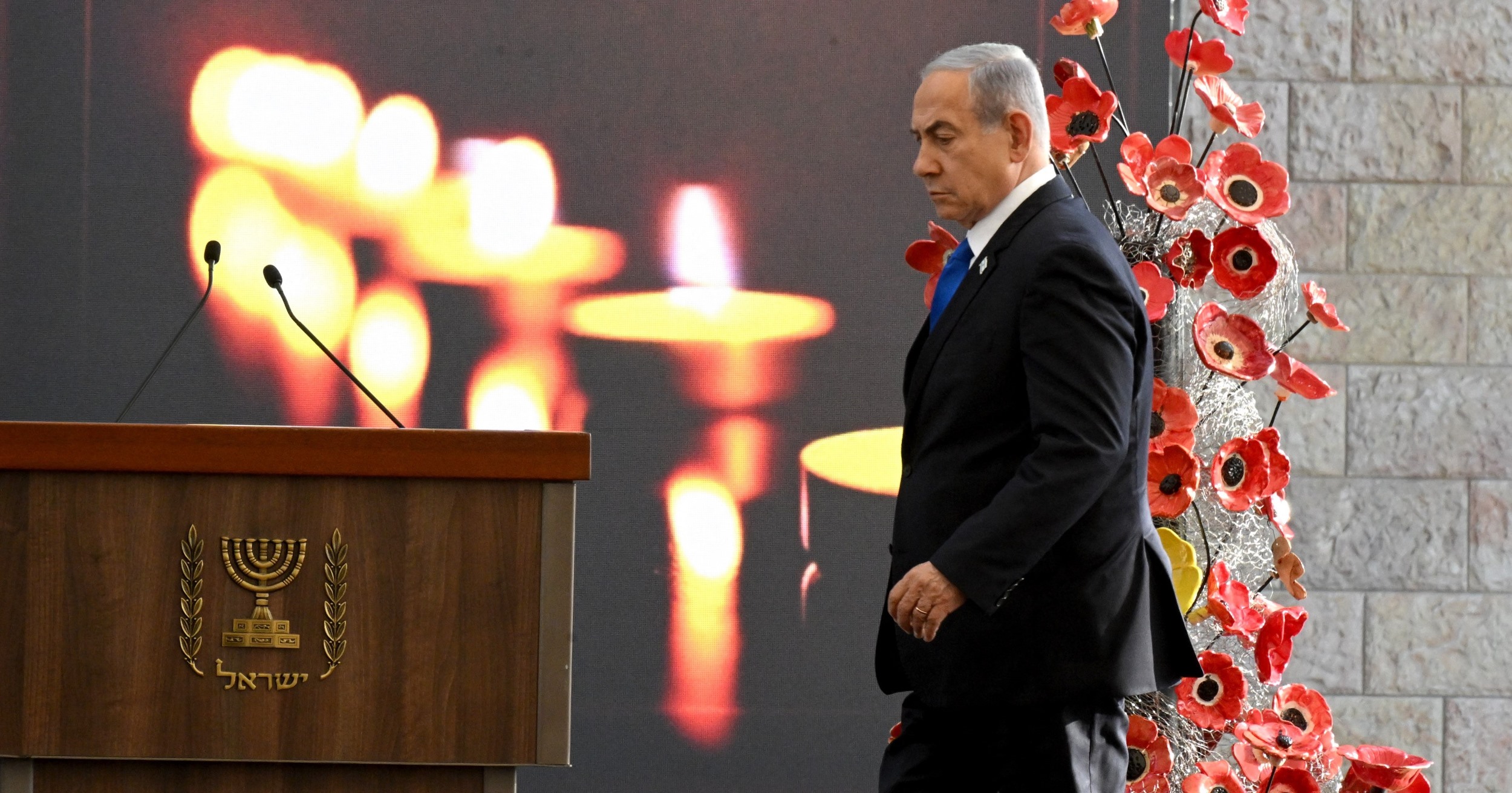
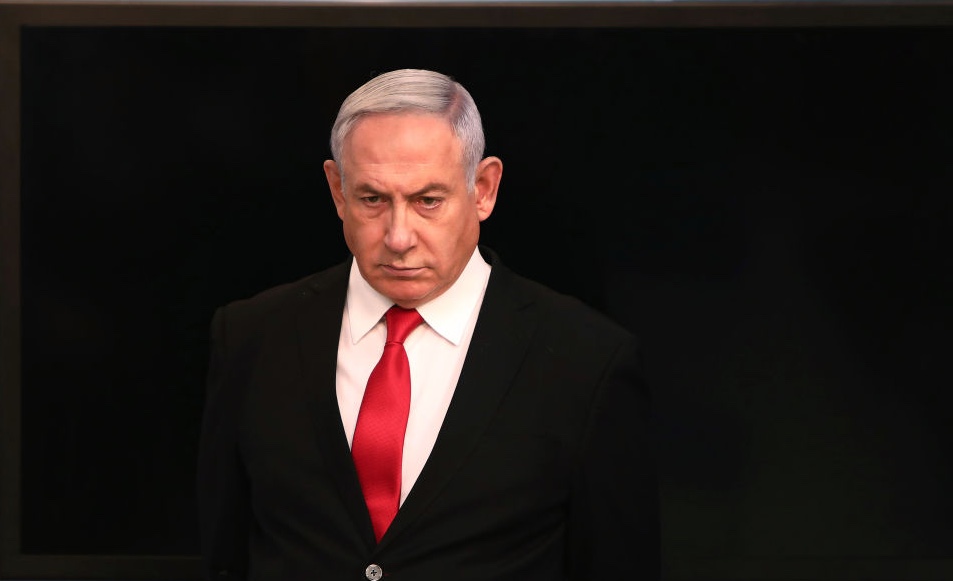
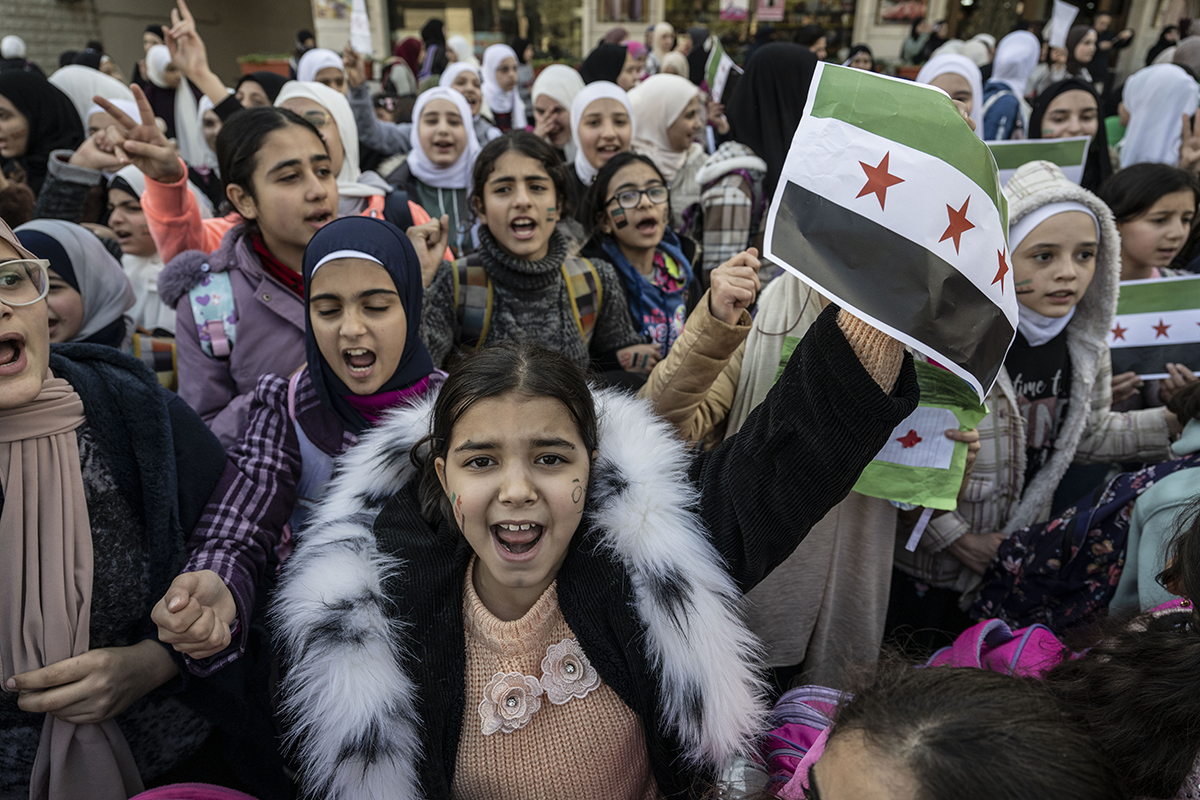
In this episode of Middle East Focus, hosts Alistair Taylor and Matthew Czekaj are joined by Eran Etzion, former deputy head of the Israeli National Security Council, for a revealing look inside Israel’s most pressing challenges.
The first two months of Trump 2.0 in the Middle East: Hard push for elusive breakthroughs
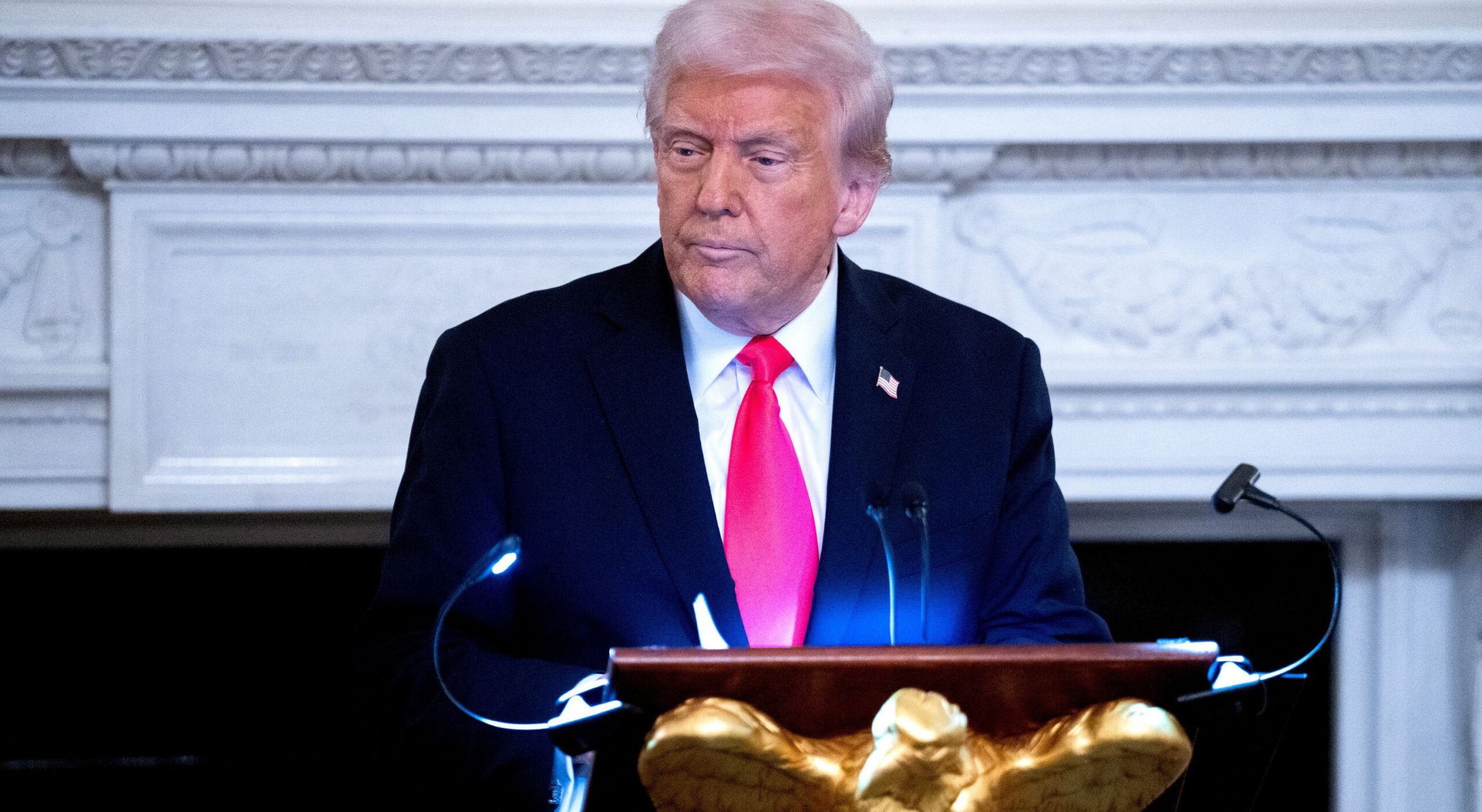
President Donald Trump is focused on realizing two transformative breakthroughs that his predecessors failed to accomplish: an end to the Arab-Israeli conflict, centered on a tripartite US-Saudi-Israeli deal, and an agreement between the US and Iran. Both would be historic achievements. So far, however, progress in each case has proven difficult and plodding.
A chaotic foreign policy on overdrive risks alienating key US partners in the Middle East
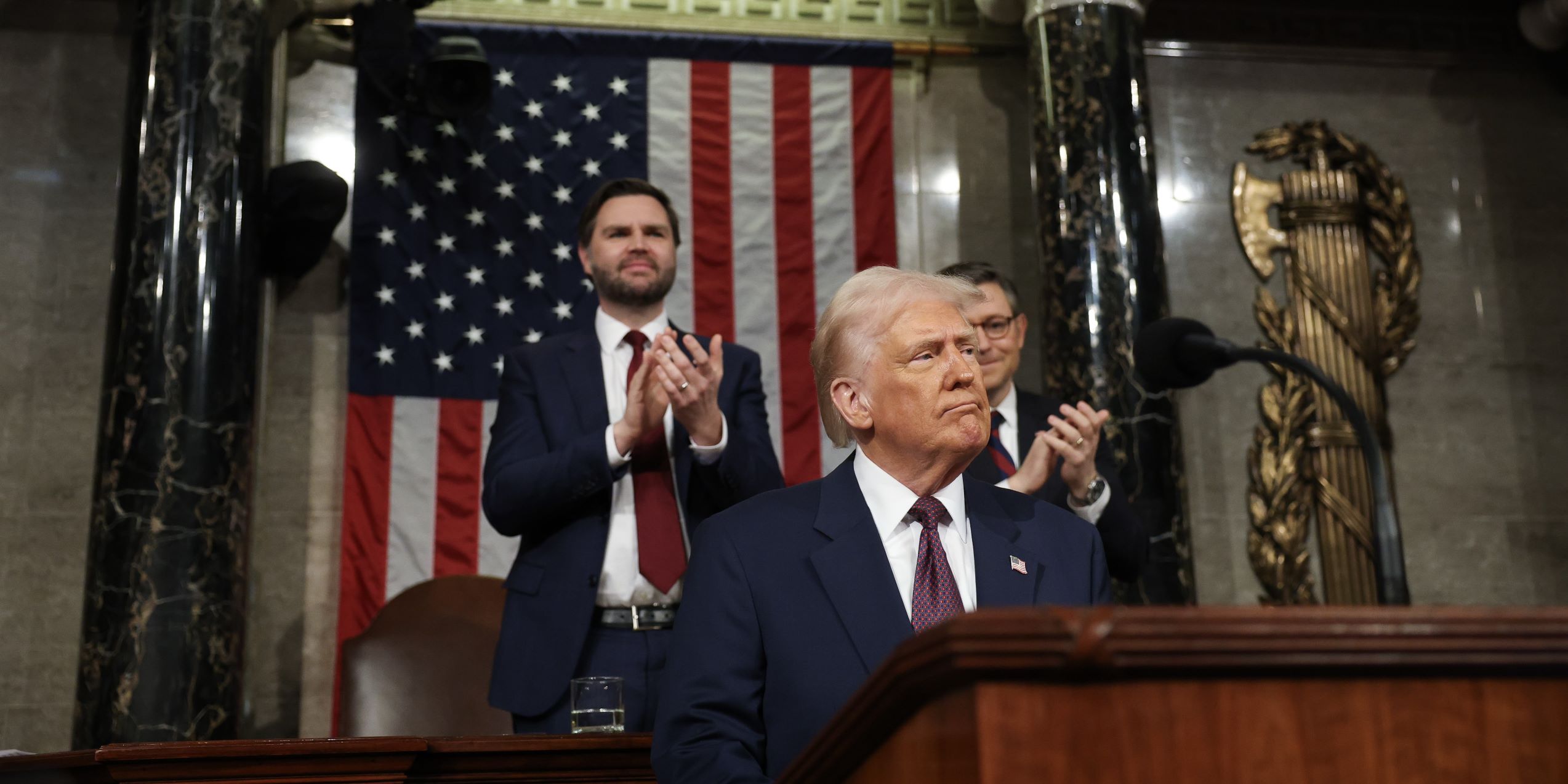
President Donald Trump’s joint address to Congress on March 4 doubled down on his disruptive and contentious domestic policy agenda. Foreign policy, including Trump’s approach to the Middle East, was mostly an afterthought. Though he said little about Middle East policy in his speech, Trump’s team is taking an irregular approach on the twin issues of Israel-Arab ties and Iran that may not produce the stability and prosperity it seeks.
US disengagement and new regional security dynamics in Afghanistan’s neighborhood
Afghanistan’s neighborhood is in the midst of a consequential restructuring of its security architecture. Key regional actors Pakistan, Afghanistan, Iran, and China have been continuing to adjust their defense plans and security partnerships to meet the growing threats posed by domestic and cross-border terrorism. At the same time, these four countries have also been looking for new ways to fill the vacuum in southern Asia left by the United States military’s departure from Afghanistan.
Trump’s mixed messages and actions on the Arab-Israeli front
Some analysts try to explain Trump’s Middle East rhetoric as an effort to provoke a new type of conversation and to break the mold. But one unconventional source that helps explain Trump’s tactics is pro wrestling, in which the actions are understood to be illusory but still prompt a response from all sides.
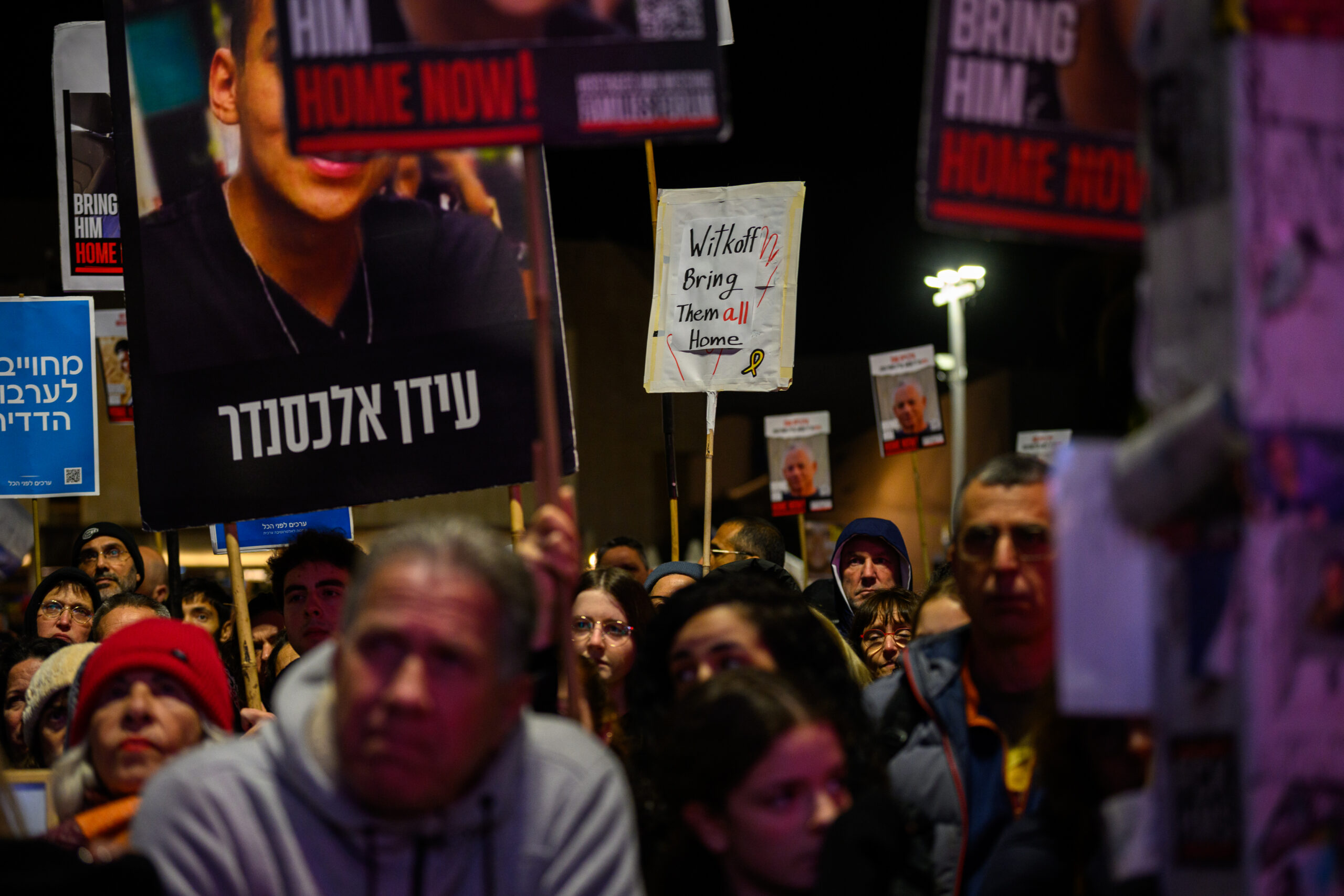
Despite a few hiccups, the cease-fire between Israel and Hamas has achieved its initial milestones. Much will depend on the upcoming negotiations regarding the next phases of the agreement. Yet for now, the fundamental questions of who will govern Gaza, who will provide security, and who will deliver the funding to rebuild it have yet to be definitively resolved.
Israeli Prime Minister Benjamin Netanyahu faces a potentially disastrous showdown within the next month that could shake his hold on power, unless he manages to deter the strongly held positions of the foreign and domestic politicians and political forces on which he is dependent.
The current Israeli government’s extremism encompasses two entwined trends in Israeli political culture. The first is the rise and mainstreaming of the ideological settler movement and far-right nationalism. The second is Israel’s growing authoritarian tendencies, manifested in systematic efforts to reshape state institutions. As democratic institutions are weakened, the government faces fewer barriers to implementing its expansionist territorial agenda, while the mainstreaming of far-right ideology helps justify the erosion of democratic safeguards. Yet the vast majority of Israelis fail to recognize the connection between these trends, as do most policymakers in the United States.
Iran’s growing influence in the Black Sea region: Consequences and Western responses
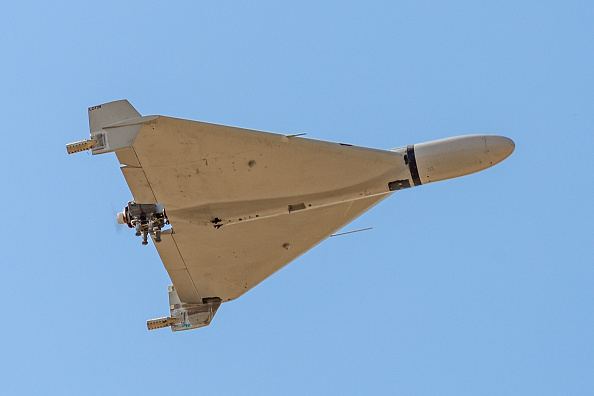
Russia’s full-scale war against Ukraine has provided several strategic opportunities for Iran to increase its foothold in the Greater Black Sea Region. A closer analysis of Iran’s deepening footprint there is necessary to inform how the next administration in Washington and the new European Commission can strengthen and better coordinate their policy responses.
Rethinking Democracy Ep. 5: Impact of Donald Trump’s Election on American Democracy and the World with Ruth Ben-Ghiat and Larry Diamond
Last month, the US electorate voted President-Elect Donald Trump back into the White House. His victory was seen by some experts as part of a global trend and a move towards anti-incumbency attitudes and populism. How will Trump’s rhetoric impact the United States domestically and internationally? Will he govern as a strongman during his second term? What can we expect to be different from his first term?
Persian Gulf-Black Sea corridor: A new era for Iran-Europe trade or just another risk?
The Persian Gulf-Black Sea International Transport and Transit Corridor, which Tehran proposed eight years ago, remains relevant today in the context of strategic competition, as it offers Iran and participating countries an alternative trade route that bypasses traditional Western-dominated shipping lanes, potentially reshaping regional economic dynamics and geopolitical influence.
How might US-Israeli relations evolve under the Trump administration?
MEI Senior Fellow for Israeli Affairs Nimrod Goren and Associate Research Professor Ilai Saltzman discuss potential shifts in US policy, the outlook for Israeli politics in 2025, and the challenges to advancing peace on the Israeli-Palestinian front. Tune in for expert insights on what lies ahead.