Turkey Warns Iran against Breach of Syria Cease-Fire
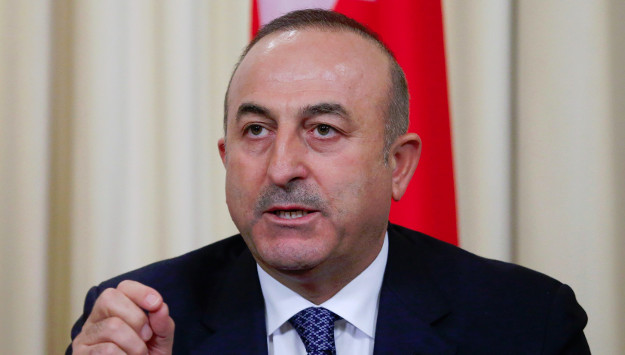
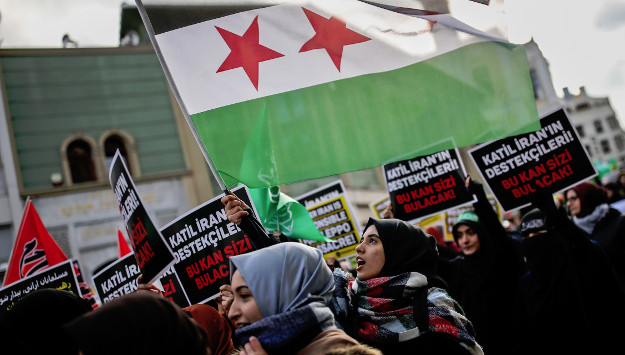
The Turkish foreign minister has openly urged Iran to “play its role as an underwriter of the ceasefire in Syria.” Mevlut Cavusoglu specifically demanded that Tehran rein in Shiite militiamen and the Lebanese Hezbollah and make them “stop violating” the ceasefire in Syria that was agreed on December28.
The Islamic Revolutionary Guards Corps (IRGC) has claimed that its engineers are tasked to repair the Mosul Dam, Iraq’s largest dam that generates hydroelectricity and provides water for agricultural irrigation in Nineveh Governorate.
Hailing the IRGC’s scientific capabilities and non-military expertise, General Salar Abnoush, the deputy head of IRGC’s construction conglomerate Khatam al-Anbiya Construction Base, said that the company was busy “repairing cracks in Mosul Dam to prevent the complete inundation of the Iraqi cities of Samarra, Mosul and Kadhimiya.”
Iran-led Militia Forces Planning to Seize Iraq’s Tal Afar
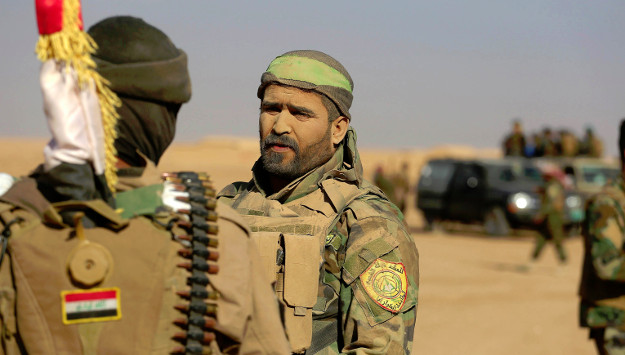
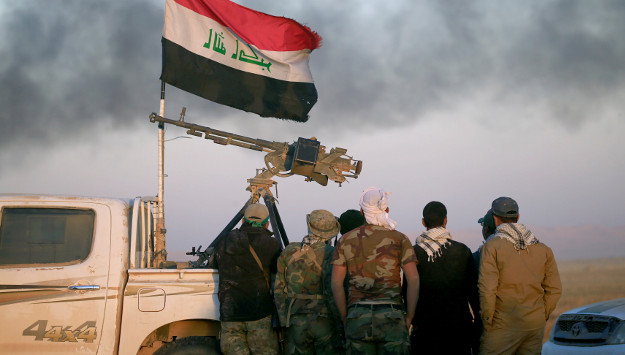
On December 20, a senior commander of an Iran-run Popular Mobilization Forces (PMF) unit in Iraq said the militia forces were stationed within three kilometers of Tal Afar city and were awaiting for an order from Baghdad to enter the city center.
Tehran’s unwavering support for the regime of Bashar al-Assad continues to irk the Turks, according to press reports. On December 16, the Turkish prime minister, Binali Yildirim, and Iran’s vice president, Eshaq Jahangiri, spoke on the phone. The discussion was ostensibly about Jahangiri’s upcoming visit to Turkey, but also focused on the Syrian civil war.
Iraqi Militia Forces Advance toward Tal Afar despite Sunnis’ Concerns
Despite repeated objections by some Iraqi Sunnis and regional Sunni states, the Popular Mobilization Forces (PMF) are continuing to play a major role in the battle of Mosul.
Toward a Regional Framework for the Middle East: Takeaways from other Regions
Regional Cooperation Series
This Policy Paper is part of the Middle East Institute’s Regional Cooperation Series. Throughout 2016, MEI will be releasing several policy papers by renowned scholars and experts exploring possibilities to foster regional cooperation across an array of sectors. The purpose is to highlight the myriad benefits and opportunities associated with regional cooperation, and the high costs of the continued business-as-usual model of competition and intense rivalry.
In this week’s Monday Briefing, MEI experts Herman Franssen, Charles Lister, W. Robert Pearson, and Marvin G. Weinbaum provide analysis on recent and upcoming events including OPEC’s agreement to reduce oil output, the continuing offensive in Aleppo, Erdogan’s increasing executive powers, and deteriorating relations between Pakistan and India.
Islamists in Government: Lessons from their Successes and Failures
The question of whether Islamist groups are compatible with democracy has been a topic of serious discussion for some time, especially considering the claims that Islamists have structural impediments when it comes to adapting to various social and political contexts.
IRGC Hails Shiite Militias’ Success but Sunnis Voice Concern
With Shiite militia forces scoring territorial gains in Iraq and Syria, the Islamic Revolution Guards Corps (IRGC) feels vindicated. In numerous interviews with Iranian media outlets, senior IRGC officials claim that their support for the Popular Mobilization Forces (PMF) in Iraq and Shiite militant groups in Syria has not only saved the two countries from “terrorists and takfiris” but has also warded off the threat of terrorism from spilling over into the Iranian territory.
Erdoğan’s Syria Remark Angers Iran, Russia and Syria
Turkish President Recep Tayyip Erdoğan’s November 29 remark that Turkey intervened in Syria to topple President Bashar al-Assad has drawn a sharp rebuke from Tehran, Damascus and Moscow.
Growing Worries over Iran-Backed Militias’ Military Advances in Iraq
The increasing role of Iran-backed Iraqi Shiite militia forces in the battle of Mosul has alarmed the Iraqi Sunni minority as well as many countries in the region.
Monday Briefing: Contradictions in Trump's MidEast Policy
In this week’s Monday Briefing, MEI experts Paul Salem, Randa Slim, and Gonul Tol provide analysis on recent and upcoming events including the vulnerabilities in Trump’s Middle East policy, Russia’s plan in Syria after Trump’s election, and Erdogan’s hopes for Gulen’s extradition under the next administration.
Iran-backed Militia Group Seizes Key Military Base West of Mosul
As the US-backed Iraqi security forces and Kurdish peshmerga fighters are advancing into Mosul from the east, an Iranian-backed militia group claimed a major victory over the Islamic State in western part of the city on November 16.