Tehran Sees Saudi Outreach to Iraqi Shiites as "New Project" to Roll Back Iran's Regional Influence
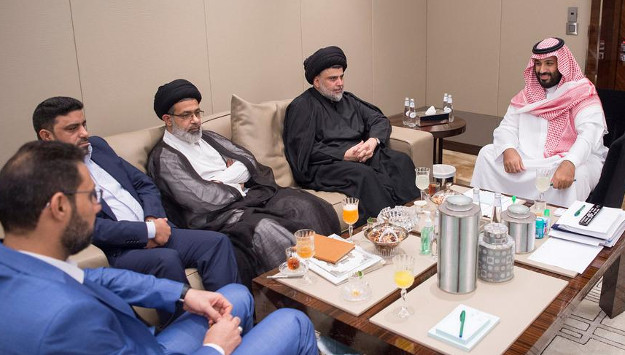
Iranian media outlets, analysts and politicians warn that Saudi Arabia and its regional allies are cultivating close ties with Muqtada al-Sadr and other Iraqi Shiite clerics and political leaders to roll back Iran’s influence in post-Islamic State Iraq and the broader region. While some suggest that Riyadh’s outreach to Iraqi Shiites is part of the kingdom’s efforts to defuse tension with Tehran, others see it as a plot to isolate Iran. At the center of this debate is al-Sadr, who recently visited Saudi Arabia and the United Arab Emirates and is scheduled to travel to Egypt soon.
Iran-Backed Iraqi Militia Group Vows to Fight with Hezbollah against Israel
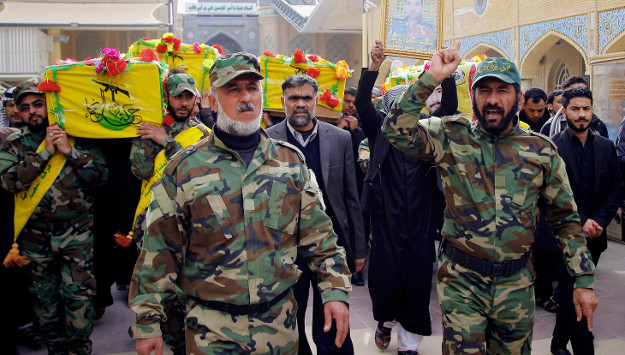
Harakat al-Nujaba, an Iranian-supported Iraqi militia group, has announced that it will support the Lebanese Hezbollah in the fight against the “occupying Zionist regime” of Israel, Fars News Agency, which is affiliated with the Islamic Revolution Guards Corps (I.R.G.C.) reports.
Gaza Three Years after the War: Ten Critical Observations
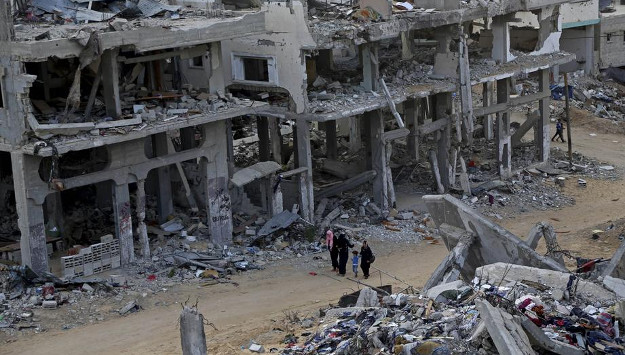
Three years ago this summer, on July 8, Israel launched the deadliest attack on the Hamas-run Gaza Strip; the third in less than six years. The war lasted 51 days on end and left in its wake an unprecedented human carnage and caused massive destruction to Gaza’s already frail economy and failing infrastructure. Three years later, Gaza has not recovered. If anything, things have gotten worse; much worse.
Malaysia Navigates the Sectarian Dimension of the Saudi-Iran Rivalry
Malaysia’s diplomatic relations with Saudi Arabia and Iran generally have been cordial while its economic ties with both countries have been expanding. However, the Saudi-Iran strategic rivalry has intensified both within and beyond the Middle East, raising several questions that this essay proposes to address: What are Malaysia’s interests in Saudi Arabia and Iran? Is there any evidence that Saudi Arabia and Iran, as a function of their competition with each other, are seeking to expand their influence in Southeast Asia, and in Malaysia in particular, through the promulgation of Shia and Wahhabi ideology? If so, to what extent and by what means could Malaysia respond to this development so as to avoid jeopardizing the fruitful aspects of their relations with both countries?
Astana Experts Meet in Tehran and Turkey Holds Naval Exercises with Qatar | Monday Briefing
In this week’s Monday Briefing, MEI experts Randa Slim, Gerald Feierstein, Gonul Tol, and Jean-François Seznec provide analysis on recent and upcoming events including next steps in the Syrian conflict de-escalation process, General Zinni’s mission to the Gulf, Qatari-Turkish relations, and crude oil informal cooperation.
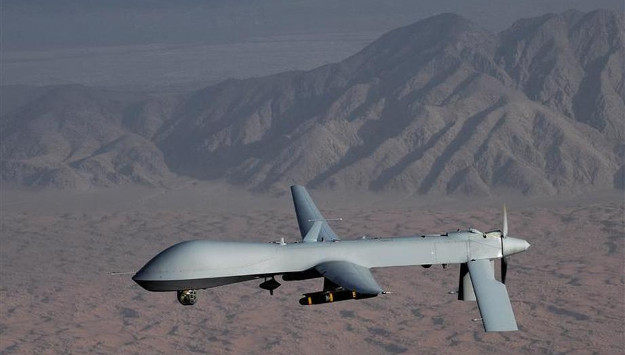
Armed drones are on the edge of widespread proliferation, with China now entering the market and a growing appetite for the lethal weapons in the Middle East. This new development, however, should not become reason for the United States to mimic China’s behavior. Instead, Washington should continue its policy of judicious flexibility in regard to drone sales.
My day job is as a Professor of Israel Studies at the University of Maryland; every fall I teach a large course entitled “Fundamental Questions of the Israeli/Palestinian Conflict.” A few years ago I was lecturing about the 1973 Yom Kippur War and explained that, as I see it, the war was essentially as a draw, in which Egypt and Israel both lost and won.
Zarif’s Handshake with Saudi Counterpart Draws Mixed Reactions in Iran
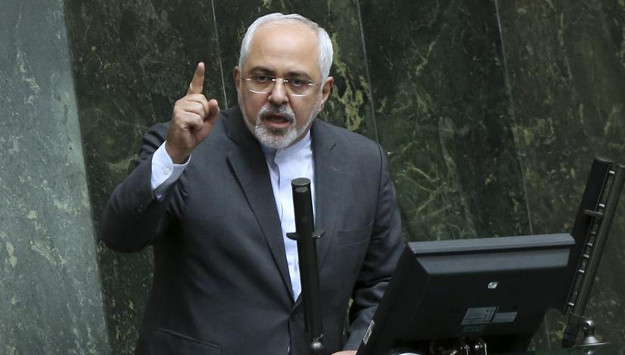
Iranian Foreign Minister Javad Zarif’s handshake and brief conversation with his Saudi counterpart Adel al-Jubeir received mixed reactions inside Iran. While some described their meeting as an encouraging step to improving ties between the two neighbors, others criticized Zarif for seeking friendship with Riyadh. The two top diplomats exchanged diplomatic pleasantries on the sidelines of the Organization of Islamic cooperation (O.I.C.) summit in Istanbul on Tuesday.
Influential Iraqi Cleric Muqtada al-Sadr’s Saudi Visit Triggers Worries in Tehran
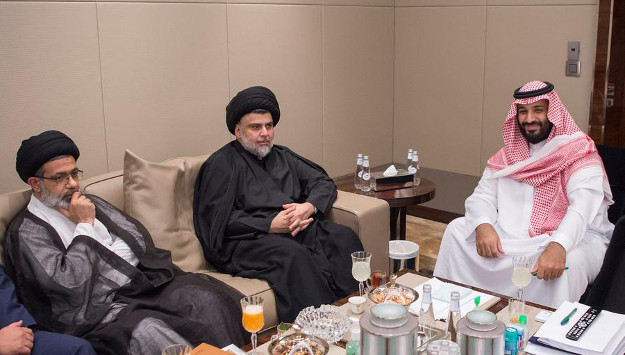
Prominent Iraqi Shiite cleric Muqtada al-Sadr’s weekend visit to Saudi Arabia has raised concerns in Tehran. While the Iranian government and media outlets affiliated with the Islamic Revolution Guards Corps (I.R.G.C.) largely refrained from commenting on Sadr’s trip and his meeting with Saudi Arabia’s Crown Prince Mohammad bin Salman, some conservative newspapers and Iranian analysts cautioned that the Saudi government is attempting to court Iraqi Shiite leaders to influence Iraqi politics at the expense of Iran’s interests.
Netanyahu's Shrewd Political Game Behind Jerusalem Violence
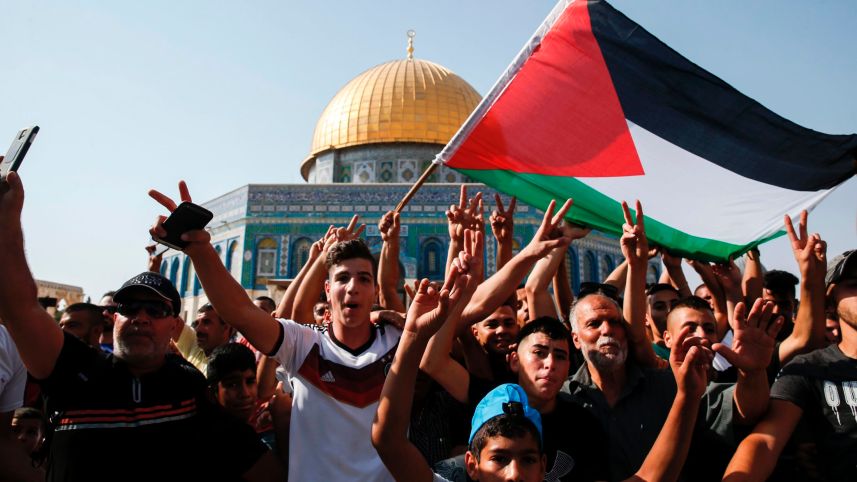
Jerusalem’s Old City is a tinderbox that could set off a regional conflagration. This is a demonstrably true statement: when Ariel Sharon, then an opposition politician, stood surrounded by security guards on the steps in front of the Dome of the Rock in September 2000, and proclaimed that it would remain in Israeli hands forever, the consequence of his populist blustering was the Second Intifada.
New Saudi Outreach with Iraqi Shiite Leaders | Monday Briefing
In this week’s Monday Briefing, MEI experts Randa Slim, Paul Salem, and Marvin G. Weinbaum analyze new Saudi diplomatic engagement with Iraq, the escalating G.C.C. crisis, and the continuation of dynastic politics in Pakistan.
Red Sea Islands Deal Undermines Arab Peace Initiative
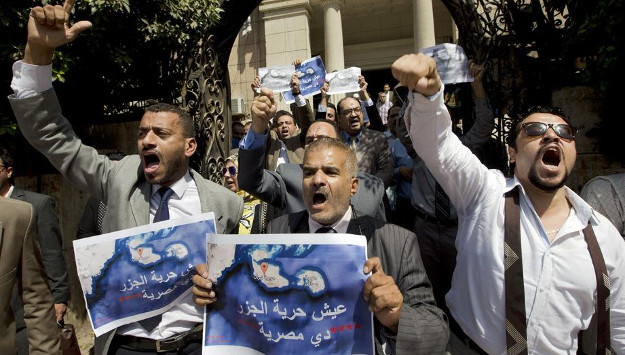
The Saudi-led Arab Peace Initiative is losing its value in the wake of Egypt’s decision to return the Red Sea islands of Tiran and Sanafir to Saudi Arabia, and the latter’s participation as a security guarantor of the Egypt-Israel peace treaty.
Last month, the Egyptian parliament, bucking widespread public and institutional opposition, acknowledged Saudi sovereignty over the islands.
Most attention has focused on the dispute over sovereignty, which has been under Egyptian administration for more than half a century. But the real significance of the deal lies elsewhere.
U.S. Absent as Israel-Palestine Violence Escalates | Monday Briefing
In this week’s Monday Briefing, MEI experts Eran Etzion, W. Robert Pearson, Charles Lister, Alex Vatanka, and Randa Slim weigh in on the implications of Israel-Palestinian violence for U.S. foreign policy, Turkish involvement in the Gulf crisis, al-Qaeda’s response to the U.S. decision to terminate support for a program arming anti-Assad Syrian rebels, confrontational U.S. policy towards the Iran nuclear deal, and a former Iraqi Prime Minister’s power play.
Yemenite pop music has seen a resurgence. The band A-Wa (pronounced “ai-wah,” informal Arabic for “yes!”) and their infectious blend of Yemenite folk, electronic, and hip-hop music can be heard all over the world—from Cairo taxi cabs to Dubai pool parties and Parisian nightclubs. The band, whose mission is to elevate Yemenite music on the international stage, is composed of three Israeli sisters of Yemenite heritage.
Avi Gabbay, the new leader of Israel’s Labor party, stormed through his first primaries with surprising ease. Fifty-two percent of the 30,000 actual voters decided to crown the new contender, who only joined their party seven months ago. Gabbay, a former minister for environmental protection in Netanyahu’s government and a member of the center-right “Kulanu” (“All of Us”) party, had resigned in May 2016, citing “wrongdoings” in connection with the government’s natural gas policies.