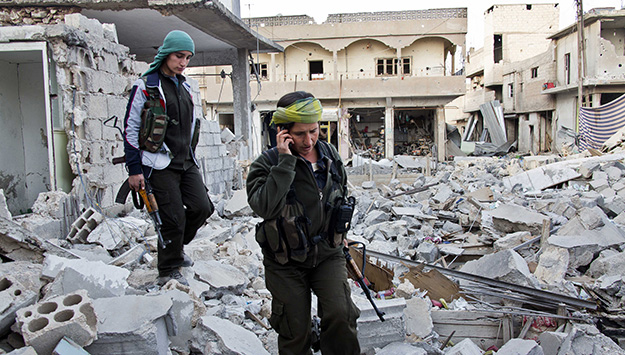
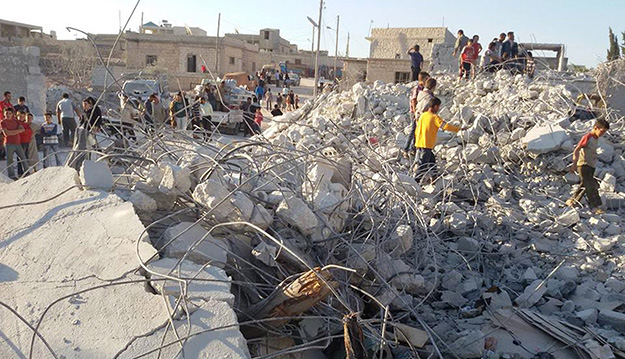
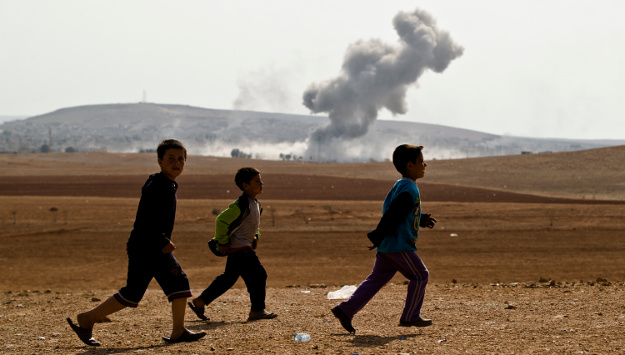
In the ongoing fighting in and around Kobani in northern Syria, it appears likely that the defending Kurdish forces will ultimately prevail and be able to expel the Islamic State (ISIS). However, in order to enable refugees to return, substantial aid and reconstruction efforts will be needed, and more benign Turkish border policies are essential in the meantime.
The Syrian Conflict and the Ascendancy of the Lebanese Armed Forces
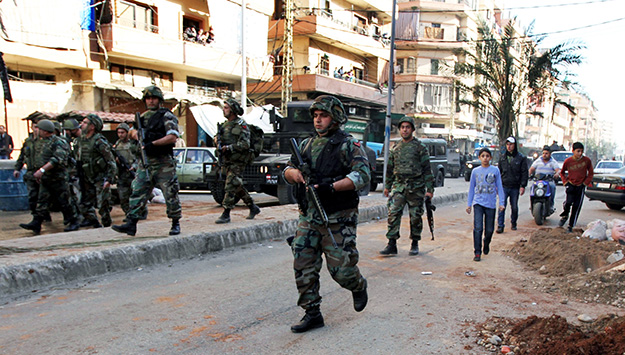
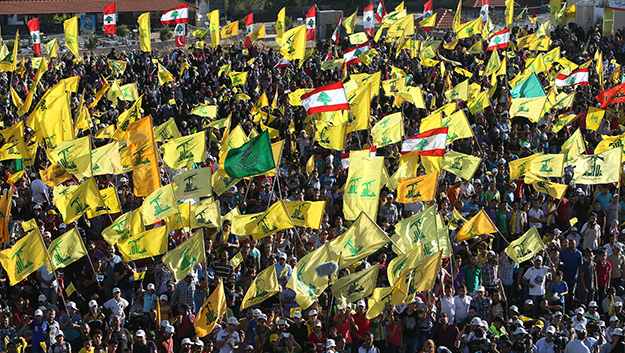
In the past, the Lebanese Armed Forces’ (LAF) inability to confront or deter Israel was reflected as political weakness for the Lebanese government vis-à-vis Hezbollah. Israel’s withdrawal from south Lebanon in 2000 heralded a growing political role for Hezbollah. This role was further enhanced by the 2006 war with Israel, with Hezbollah claiming victory and consolidating its influence within the LAF and the government.
This paper is part of an MEI scholar series, titled “Obama’s Legacy in the Middle East: Passing the Baton in 2017.” Click here to view the full project, or navigate using the table of contents to the right.
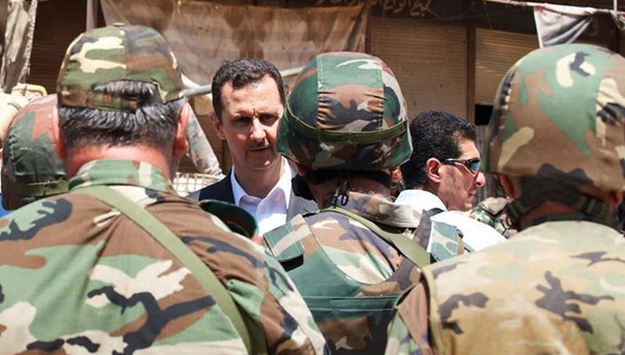
As Syrian President Bashar al-Assad gazes across Damascus from his palace on Mount Qasioun, he can be grateful to his Russian, Iranian, and Hezbollah allies that he is still in a position to enjoy such a view.
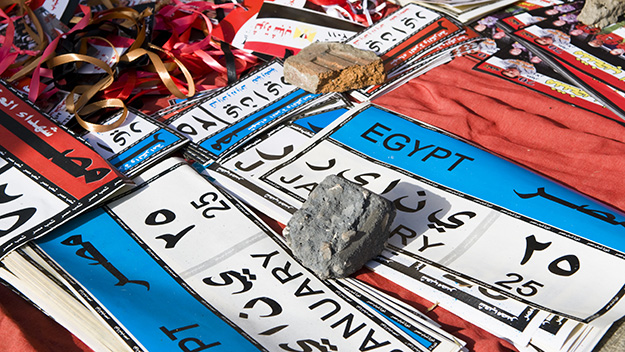
Obama and the Maghreb in the Wake of the Arab Spring
This paper is part of an MEI scholar series, titled “Obama’s Legacy in the Middle East: Passing the Baton in 2017.” Click here to view the full project, or navigate using the table of contents to the right.
ISIS and President Obama’s Uncertain Legacy in Iraq and Syria
This paper is part of an MEI scholar series, titled “Obama’s Legacy in the Middle East: Passing the Baton in 2017.” Click here to view the full project, or navigate using the table of contents to the right.
In the space of just 48 hours last week, Turkey went from calling the PYD — the Kurds defending the Syrian border town of Kobani — a terrorist group to opening up an arms corridor from Iraq to aid its fight against ISIS.
Excerpted from article first published on LobeLog.
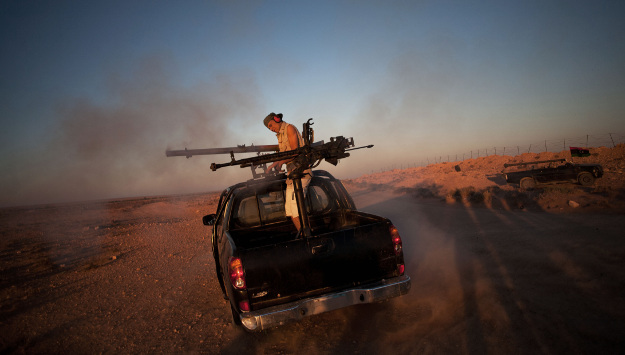
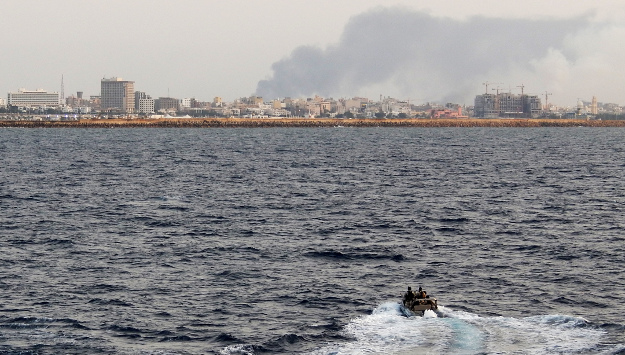
Libya remains broken and violent. Secular forces made gains against Muslim extremists in Benghazi recently, but the advantage has shifted from side to side since early this year. And two rival governments vying for power amidst a near lawless country with open borders is an ideal setting for the outflow of everything from heightened concerns to munitions and fighters. Yet Libya keeps boiling away on the global back burner.
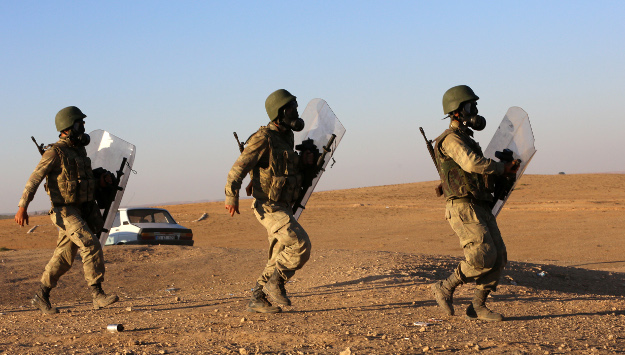
Turkey is in a tough spot. It has ISIS militants threatening the Syrian border town of Kobani, inching ever closer to confronting Turkish security forces. In addition thousands of Syrian Kurds, fleeing ISIS attacks, have massed along its border, adding further to Ankara’s troubles.
President Obama made the right decision to boost military aid to moderate Syrian rebels last year, but today America’s approach to attacking Islamic State fighters risks undermining the moderate opposition and alienating support among the Syrian public.