Monday Briefing: Al-Qaeda leader killed, U.S. & Russia at odds over Syria
Note: The latest issue of MEI’s Monday Briefing e-mail incorrectly linked to this page. If you’re looking for the Monday Briefing for March 6, click here.
Weekly Briefing: Geneva Talks, Iranian War Games, and Trump's New National Security Advisor
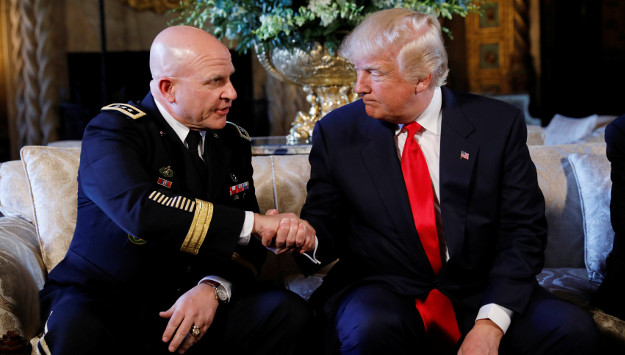
In this week’s Monday Briefing, contributors Randa Slim, Alex Vatanka, Paul Salem, and Antoun Issa provide analysis on recent and upcoming events including the next round of Syria talks in Geneva, Iranian war games directed at President Trump, the appointment of a new U.S. National Security Advisor to replace Michael Flynn, and Israeli PM Netanyahu’s trip to Australia.
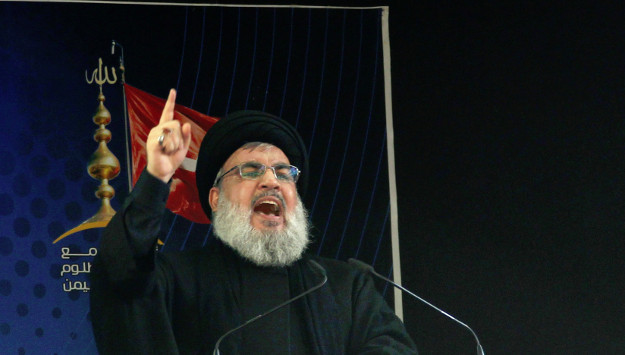
In a fiery speech, Hassan Nasrallah, the head of Lebanon’s Hezbollah organization, has threatened Jerusalem with devastating military response in the event of a new round of conflict between Hezbollah and Israel.
Turkish President Recep Tayyip Erdogan’s official trip to Bahrain, Saudi Arabia and Qatar has prompted anxiety in Tehran. Erdogan arrived in Riyadh on Monday night after a visit to Bahrain, and he is scheduled to go to Qatar next.
I.R.G.C. Continues to Incite Houthi Attacks against Saudi Arabia
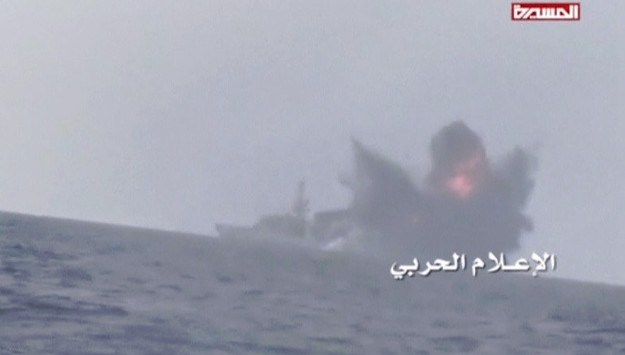
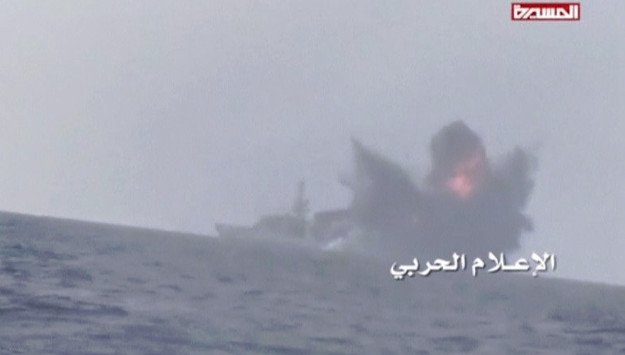
The Islamic Revolution Guards Corps (I.R.G.C.) media outlets continue to justify and encourage attacks by Yemeni Houthi rebels against Saudi Arabia. I.R.G.C.-affiliated Fars News Agency, for example, ran a number of news stories and commentaries today glorifying the Houthis’ latest attacks against Saudi military targets, including a recent attack targeting a Saudi warship and a scud missile that the Houthis claimed hit a military base near the Saudi capital.
Iran Hardliners Urge Escalation in Houthi Attacks on Saudi Arabia
Hardline Iranian media are enthusiastically speculating that the conflict in Yemen will soon enter a more dangerous phase with the intensification in the use of missiles by the Yemeni rebels.
Monday Briefing: Trump’s Executive Orders Don’t Reveal a Coherent Strategy
In this week’s Monday Briefing, MEI experts Paul Salem, Paul Scham, Randa Slim, W. Robert Pearson, and Marvin G. Weinbaum provide analysis on recent and upcoming events including the Trump administration’s apparent lack of a coherent strategy in the implementation of executive orders, the possibility of an improved relationship between Israel and the UK in the wake of Brexit, the Astana meeting to discuss the Syrian cease-fire deal, bilateral efforts to improve Turkish-Israel relations, and the uncertainty surrounding U.S.-Pakistani relations under the Trump administration.
Iran Paper Warns Israel about Hezbollah’s Missile Power
Kayhan newspaper, arguably Iran’s most reactionary paper whose editor-in-chief is appointed by Supreme Leader Ayatollah Ali Khamenei, ran an extensive background of what it claimed to be Israeli fears about Lebanese Hezbollah’s missile arsenal. “Zionists [Israel] are deeply worried about Hezbollah’s missile strength,” the paper said.
Six Challenges to U.S.-Israel Relations under Trump
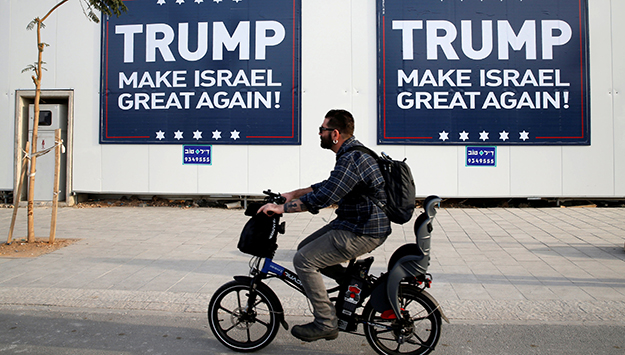
In the early 2000s, the Bush administration’s global ratings were at historic lows. There was only one allied country in which public opinion was favorable to U.S. policies—Israel. Like its citizenry, the Israeli government was strongly supportive of “the freedom agenda,” “the global war on terror,” and the need to eradicate “the axis of evil.” A decade later, President Donald Trump’s inauguration created a very similar effect, winning overwhelming governmental support and backed by a majority of Israelis.
Tehran Views GCC Overture as “Sign of Weakness,” Not Goodwill Gesture
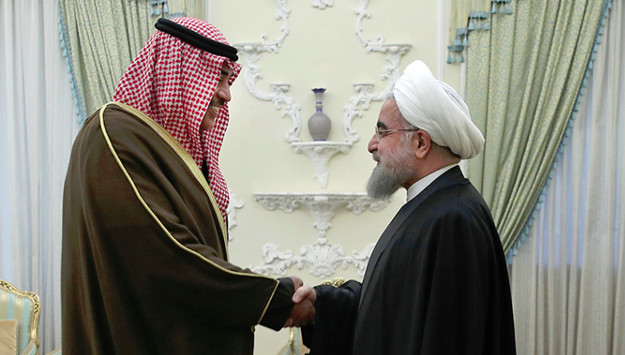
Kuwaiti Foreign Minister Sheikh Sabah Khaled al-Sabah has arrived in Tehran today to deliver a message from Gulf Cooperation Council (GCC) on a strategic dialogue between the Gulf Arab states and Iran, the Iranian and Arab media report. “Gulf states have a true desire that relations with Iran are normal and based on international law,” Sabah said on Tuesday after attending the inauguration of a NATO center in Kuwait.