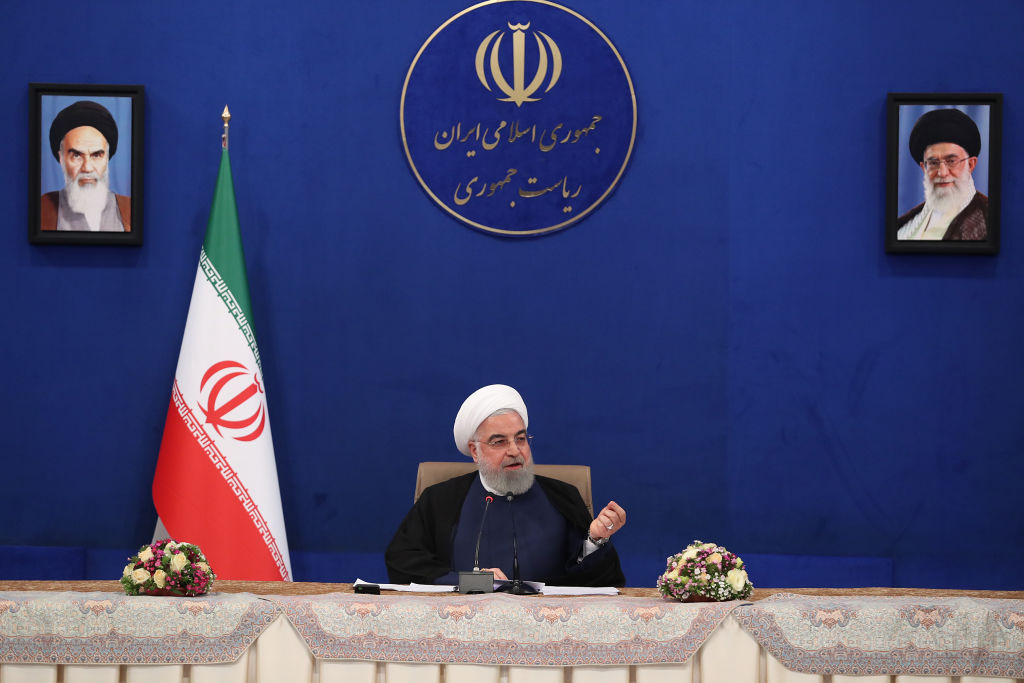
Quickly attributing or blaming a country for a cyber incident without technical analysis, proof, and government officials willing to go on record only inflames an already tense situation.
US-Iranian relations remain on track for escalation
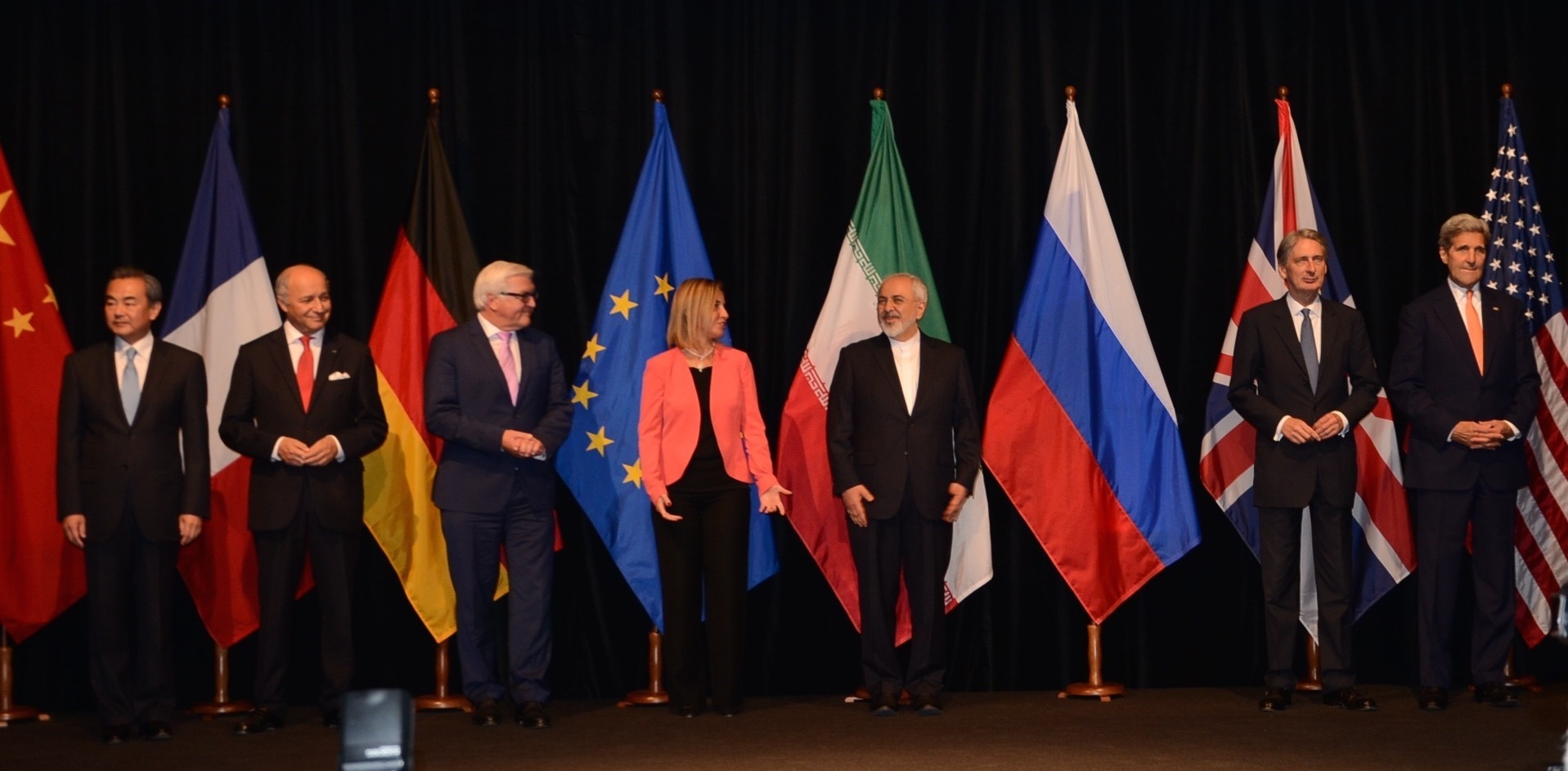
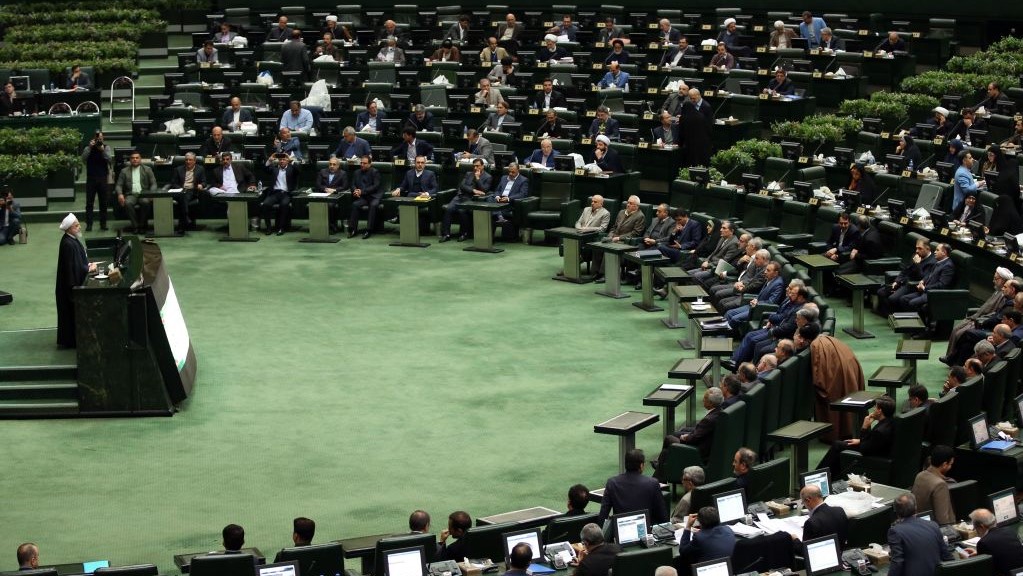
Iran is currently facing an incredibly unlucky alignment of pressure sources that are interrelated and will force the regime to engage in risky or experimental behavior, most likely in 2020. The COVID-19 epidemic simply exacerbates the combined challenges of a regime squeezed by an international sanctions network and a restive population reaching a breaking point with economic hardship. A continued acceptance of the status quo is untenable; thus, the regime will likely begin to undertake various initiatives in the coming months, more likely military than diplomatic in nature, that could force the United States to ease the isolation of the country.
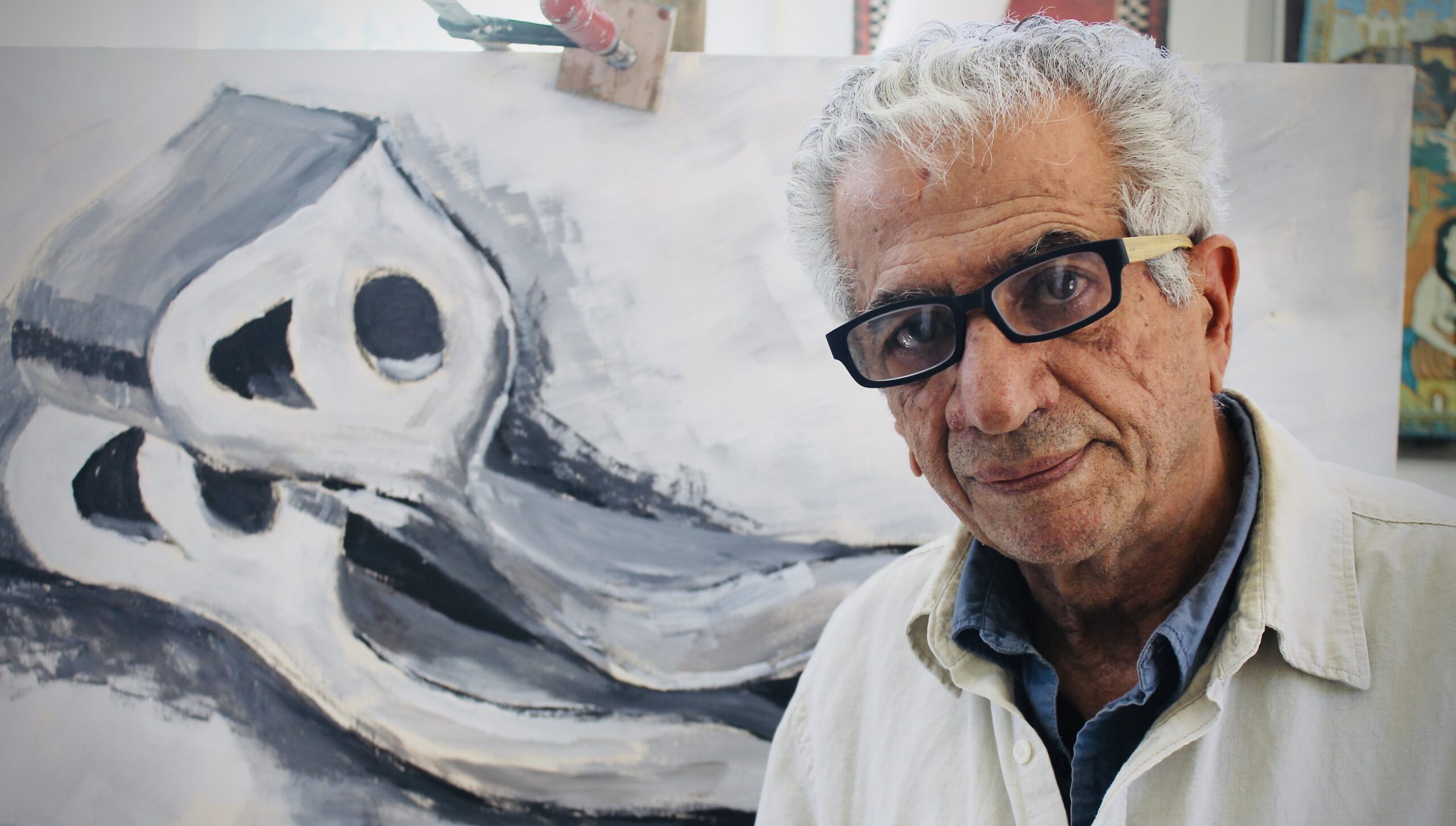
Far from his native Tehran in bucolic West Vancouver, Parviz Tanavoli, the 83-year-old “father of modern Iranian sculpture,” contemplates the fate of his homeland. “My heart breaks when I see what is happening in Iran now,” says the renowned artist, who divides his time between a life of relative obscurity on Canada’s Pacific coast, and Tehran, where he is referred to simply as “Master Tanavoli.”
The May 20 announcement is something of a watershed, in which Palestinian decision-makers appear to have chosen to leave behind the professionalism of President Abbas and instead adopt the Fatah revolutionary way of making strategic decisions and then implementing them on an ad hoc basis while making adjustments along the way.
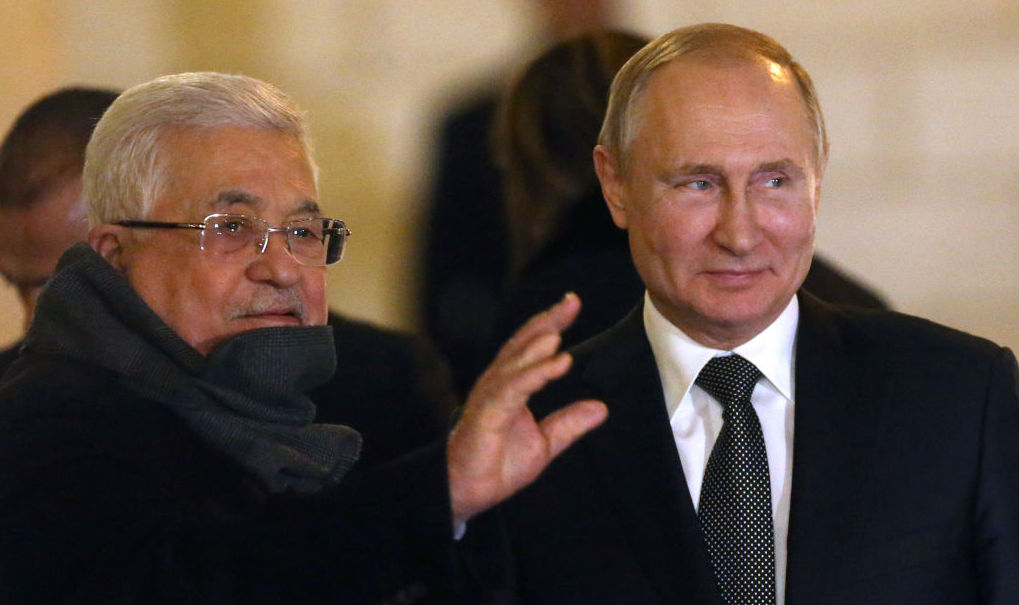
The last few days have seen an unprecedented flurry of Russian activity on the Israeli-Palestinian track. On May 19, Russia’s Deputy Foreign Minister and Vladimir Putin’s Special Envoy for the Middle East and Africa Mikhail Bogdanov spoke on the phone with Assistant to the U.S. President and Special Representative for International Negotiations Avi Berkowitz.
The Abbas declaration: Why this time may be different
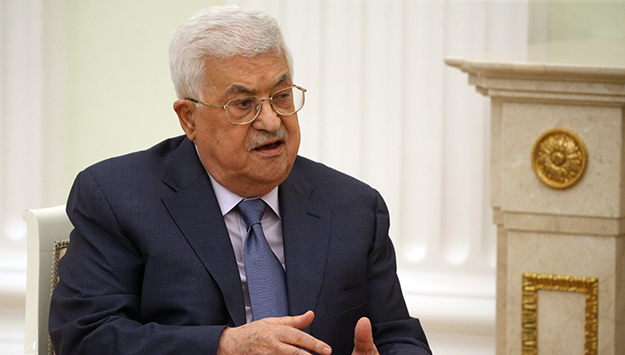
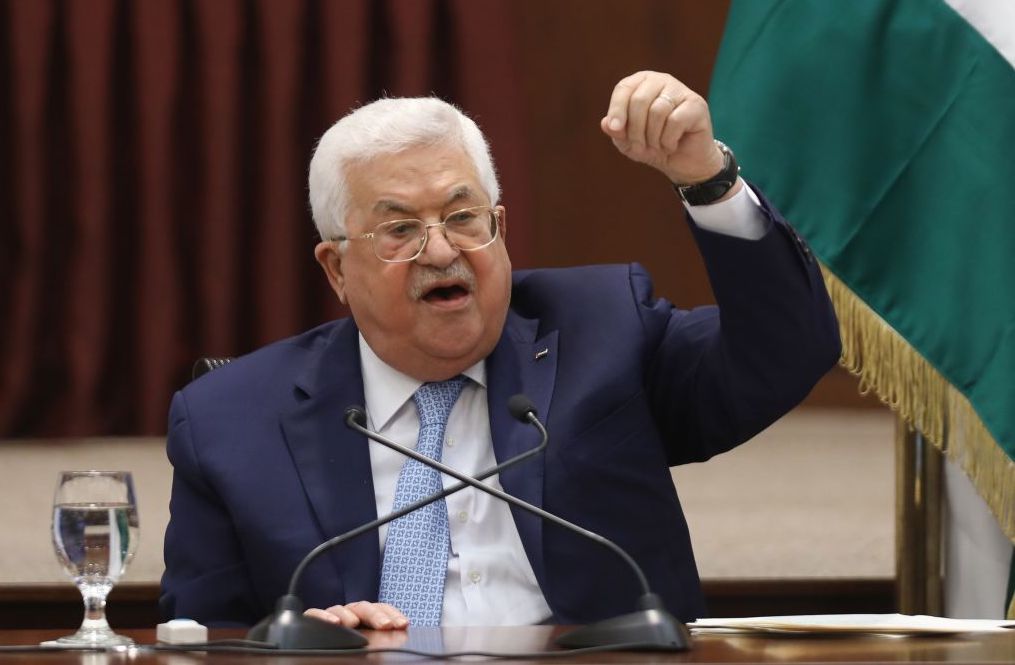
In a dramatic statement delivered yesterday in Ramallah and broadcast on Palestine TV, Palestinian President Mahmoud Abbas declared an end to all agreements signed between the Palestine Liberation Organization (PLO) and both Israel and the United States. In light of the newly sworn in Israeli government’s commitment to the annexation of Palestinian land in the West Bank, declared Abbas, the Palestinian leadership would henceforth be “absolved, as of today, of all the agreements and understandings with the American and Israeli governments and of all the obligations based on these understandings and agreements, including the security ones” — thus implying that the security coordination between the Palestinian Authority (PA) and Israel would come to an end.
Israel finally has a government, but for how long?
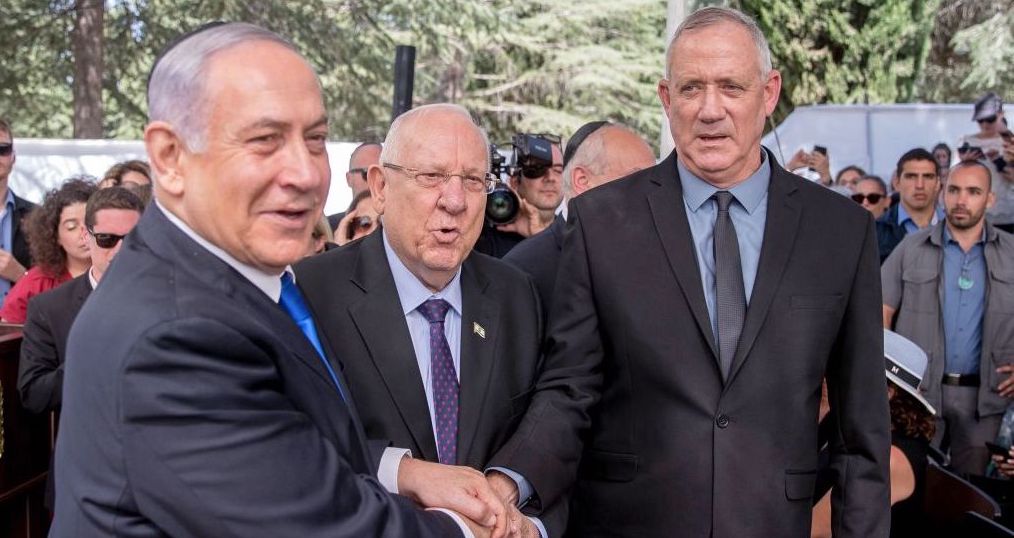
Israel’s 17-month ordeal without a functioning government has mercifully come to an end. An unlikely coalition that agrees on little has given birth to a monstrosity that is the largest government in Israel’s history, with 34 cabinet positions (some reports say 36) plus 16 deputy ministers.
Gulf Partners Can No Longer Afford To Stay The Course With U.S. Iran Policy
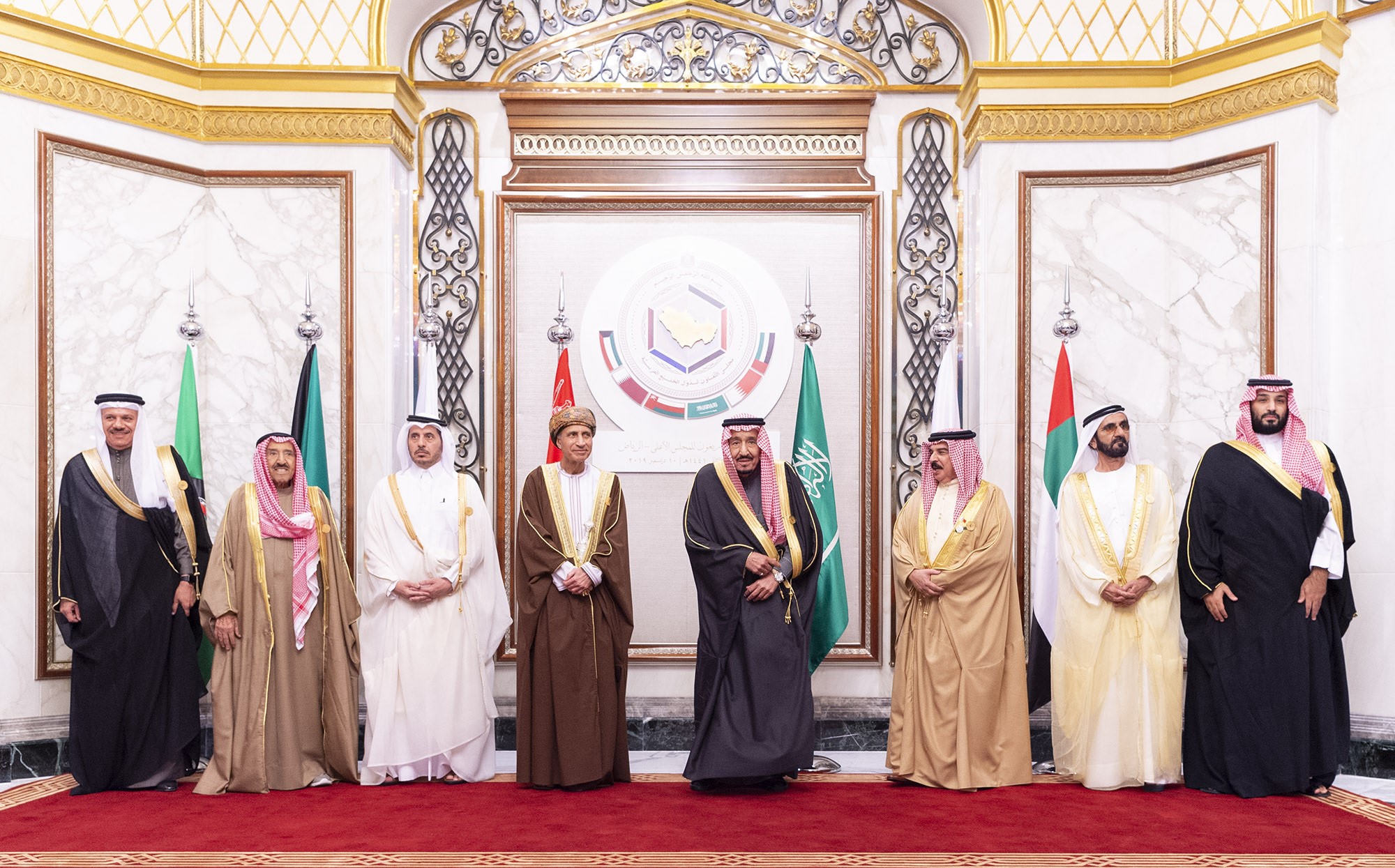
To help prevent a U.S.-Iran war in their neighborhood, the countries of the Gulf Cooperation Council have called for diplomacy. They have reached out to Iranian officials to de-escalate. And they have provided Tehran with humanitarian assistance to deal with the coronavirus pandemic.
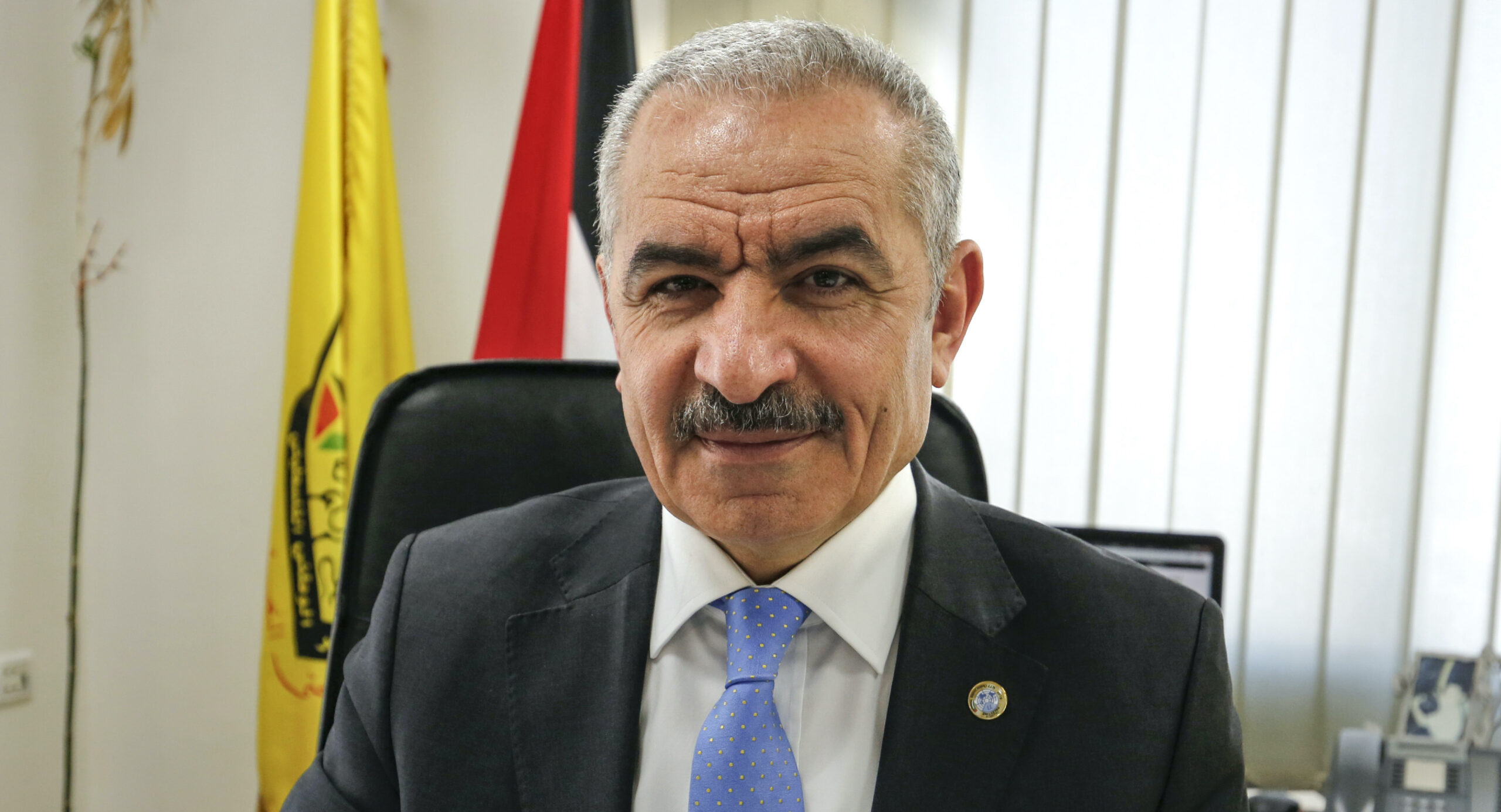
Israeli annexation “is a game-changer for us”: Prime Minister Mohammed Shtayyeh on the annexation threat, economic crisis, and COVID-19 in Palestine
On May 12, 2020, MEI hosted Dr. Mohammed Shtayyeh, Prime Minister of the Palestinian National Authority, for a roundtable discussion on the many crises facing Palestinians and the Palestinian Authority.
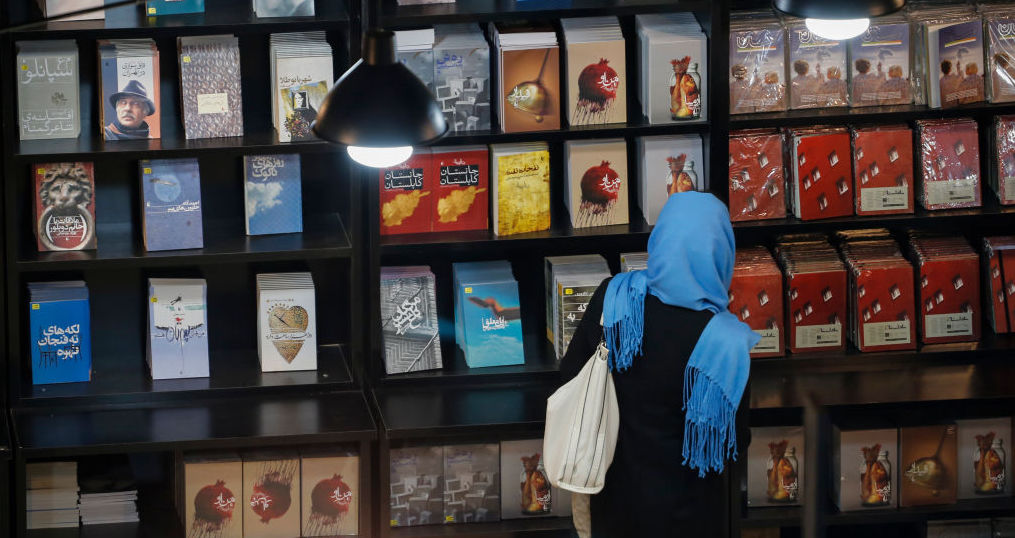
Unfortunately, many distinguished Arab writers are unknown to the majority of Iranian readers and their works are not available in Persian. Arab literature has largely been neglected in the Iranian literary translation market.
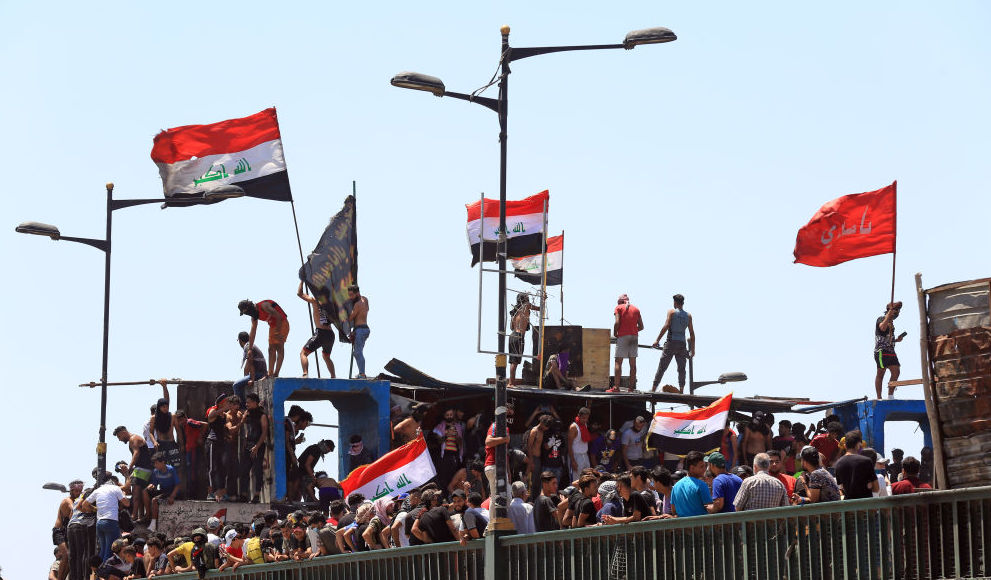
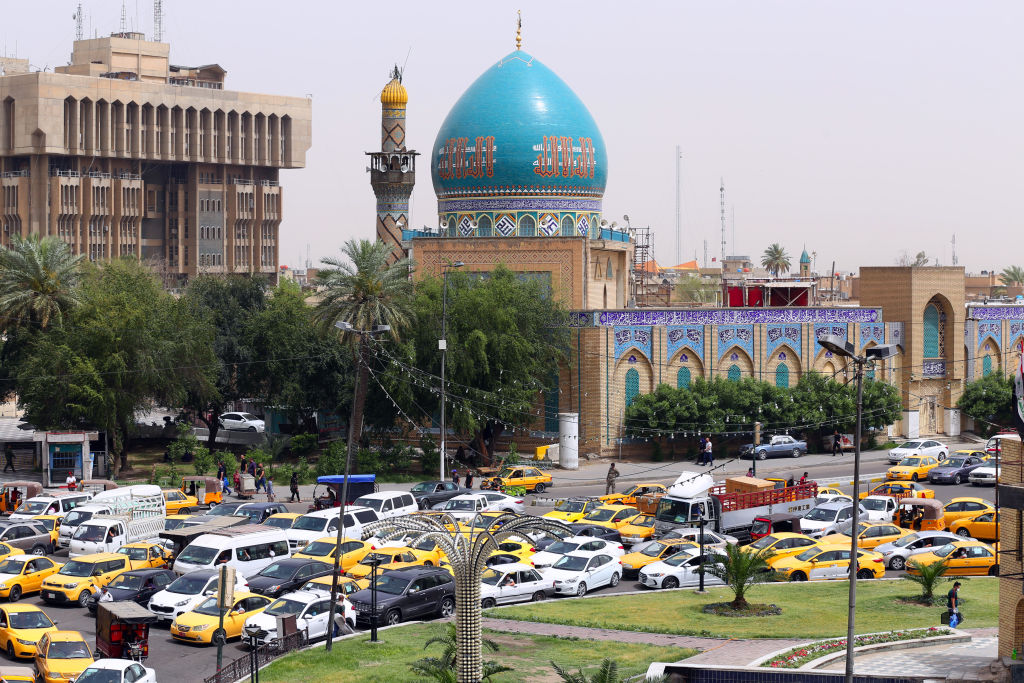
Iraq special briefing: The challenges facing Prime Minister Mustafa al-Kadhimi
Six scholars from across MEI take a closer look at the challenges facing Iraq’s new prime minister, from the protest movement and Baghdad-Erbil relations to the balancing act between Washington and Tehran.