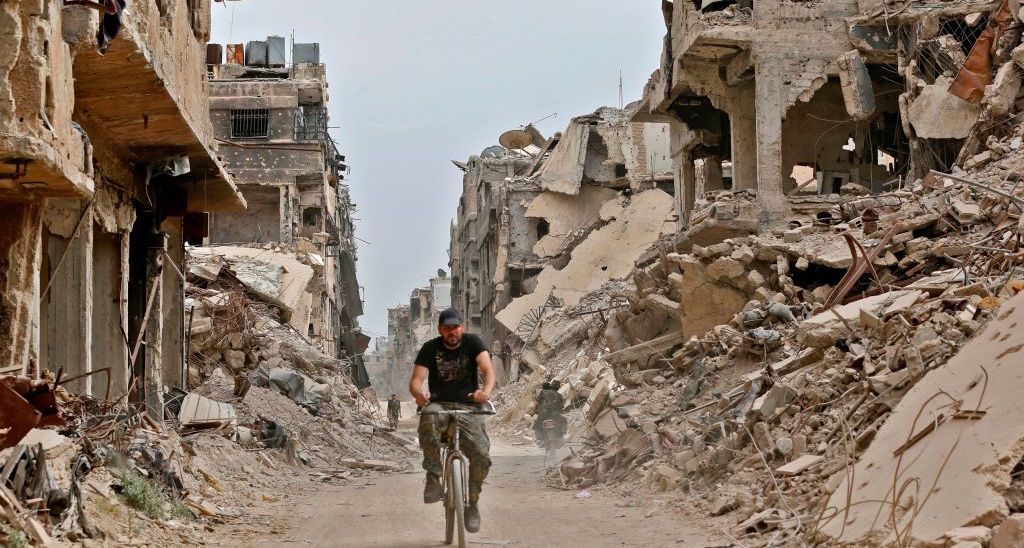
Talking about water pipes: The fraught reconstruction of Syria’s Yarmouk camp
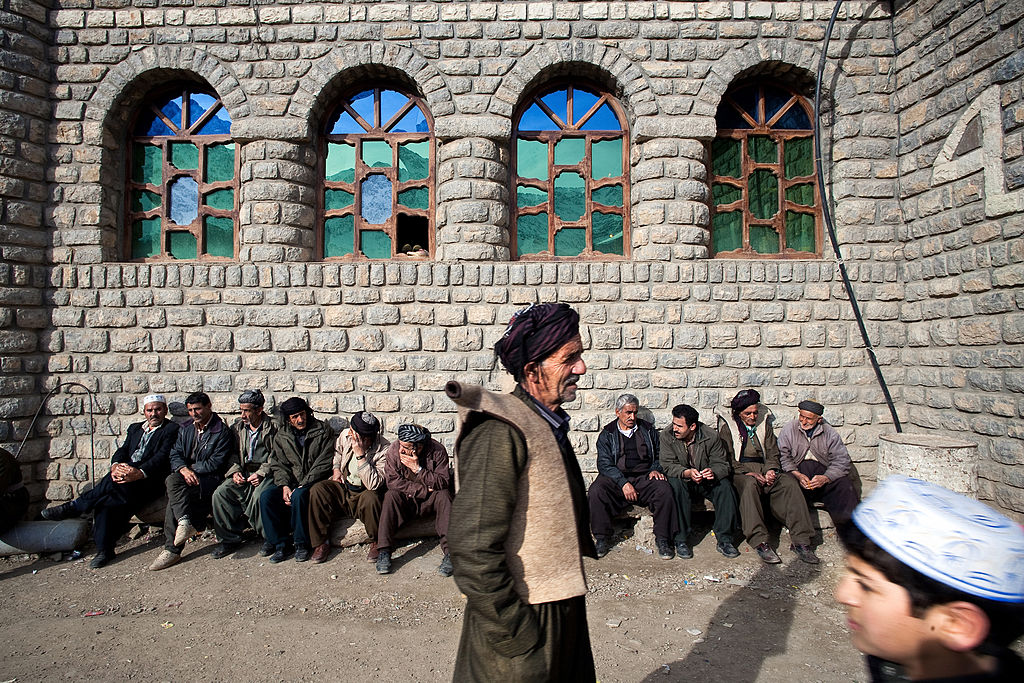
Officials in Damascus say reconstruction plans for what was once Syria’s largest Palestinian refugee community will pave the way for the return of large numbers of displaced residents “as soon as possible.” But with plans beset by delays and vague statements from those same officials, the available evidence suggests otherwise.
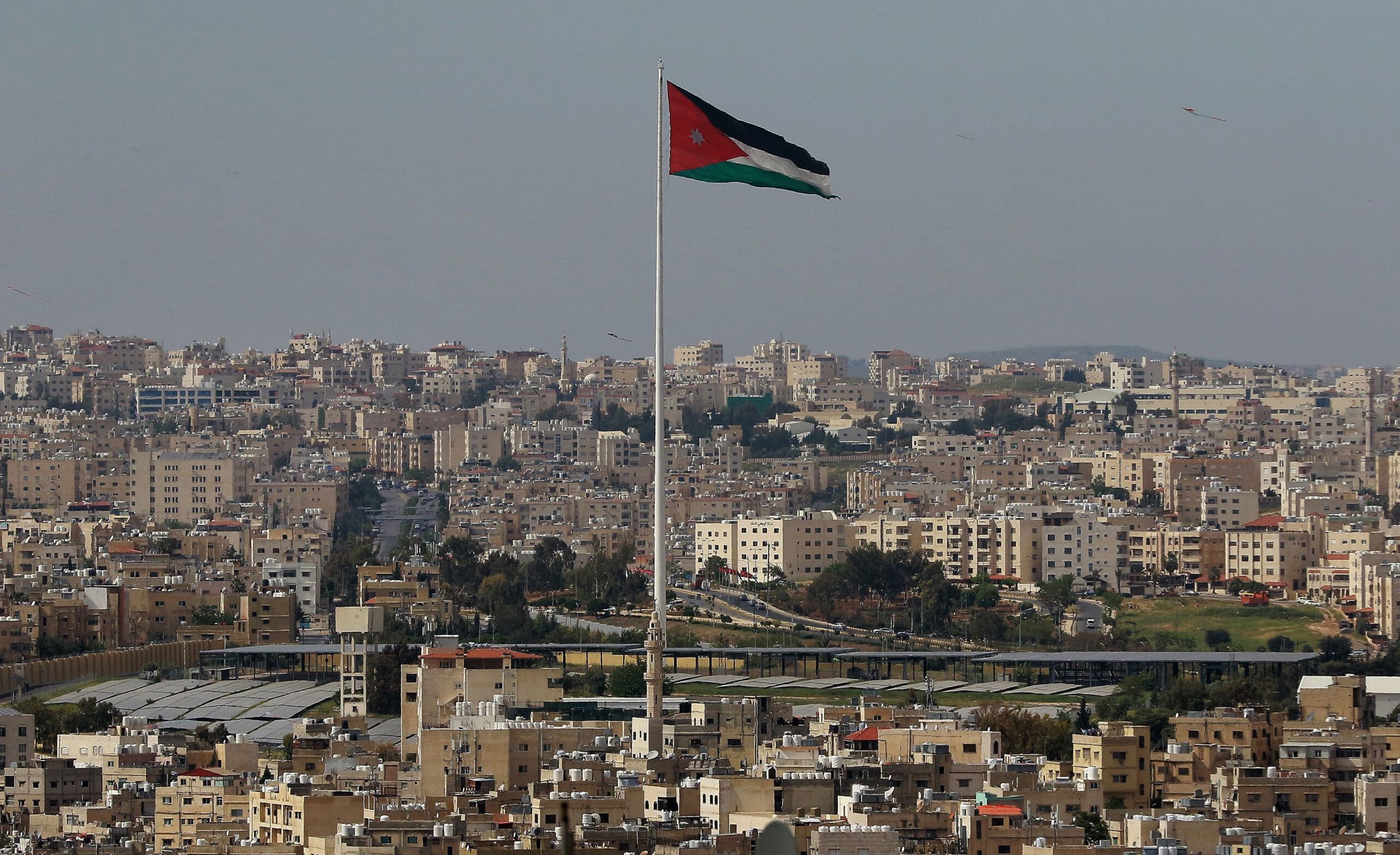
In the wake of COVID-19, Jordan has limited choices if Israel annexes West Bank settlements
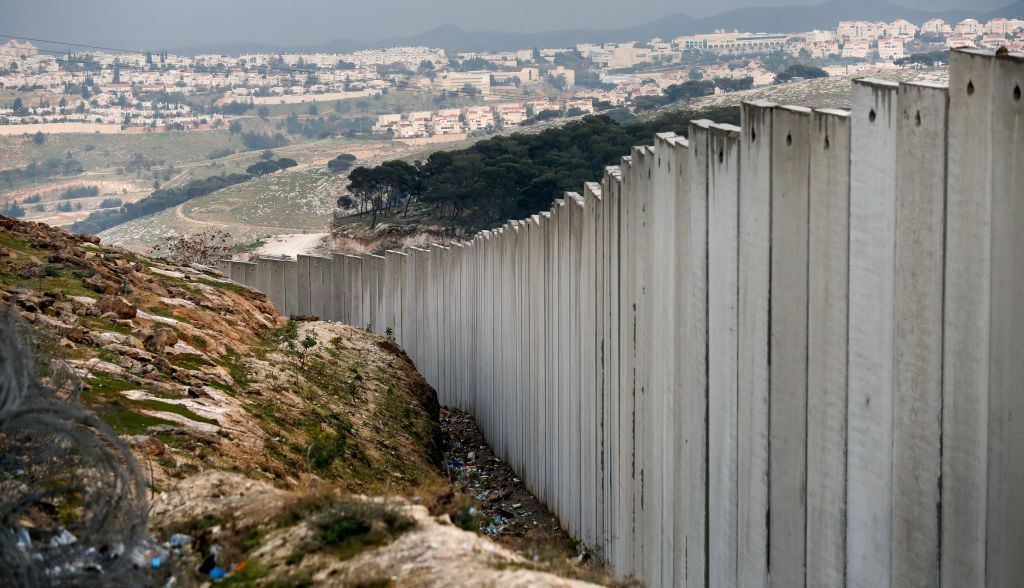
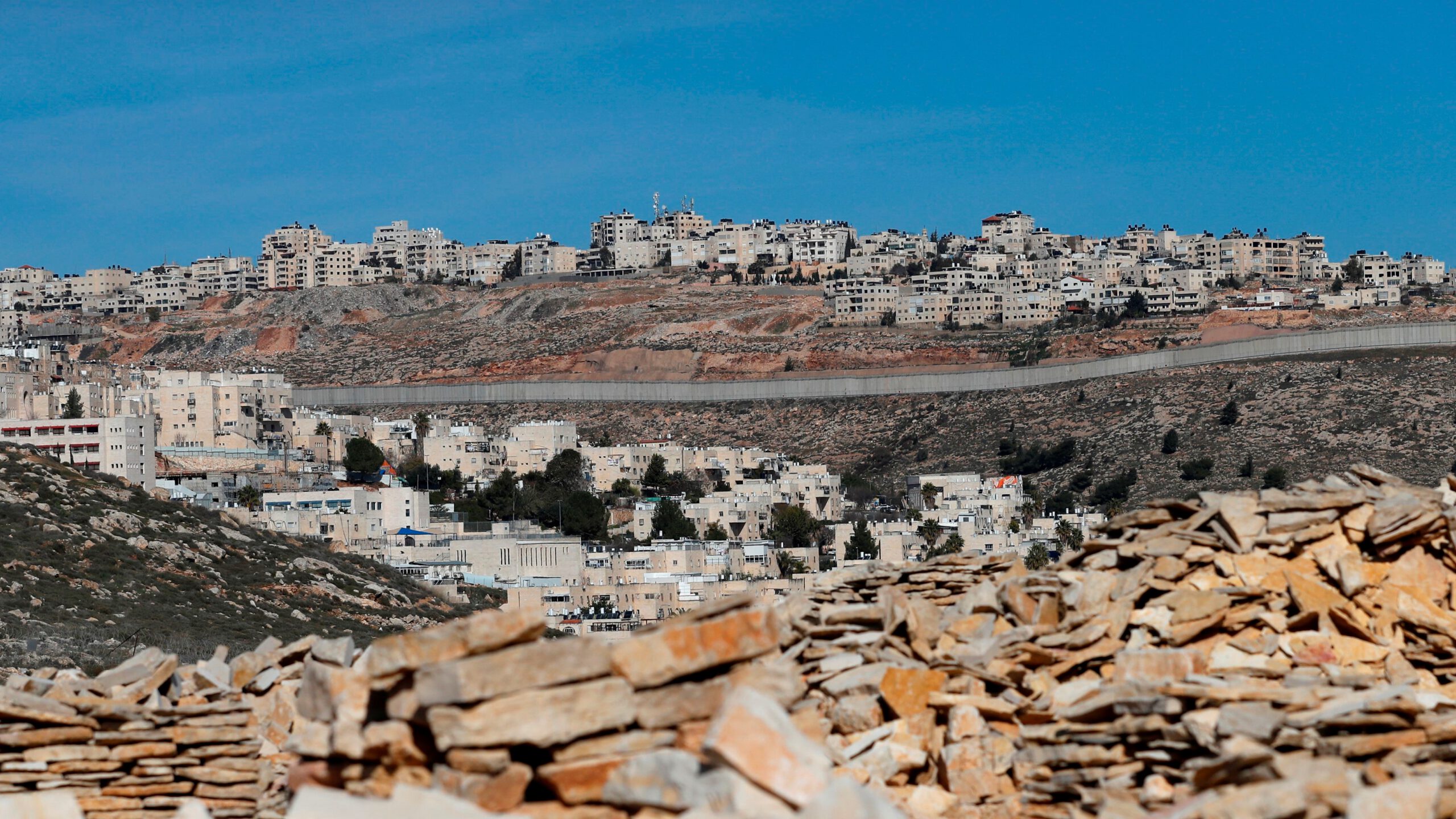
For Jordan Israeli annexation of Jewish settlements in the West Bank, as well as the strategically important Jordan Valley, constitutes an existential threat to the kingdom. But now Jordan faces unprecedented economic hardship as a consequence of the coronavirus crisis, and this could limit its scope for action.
While there is no shortage of rhetorical opposition to Israeli annexation from all corners, the question now is whether any of them intend to follow up their strong words with concrete actions.
Gantz leaves the door open for Arab states to counter annexation
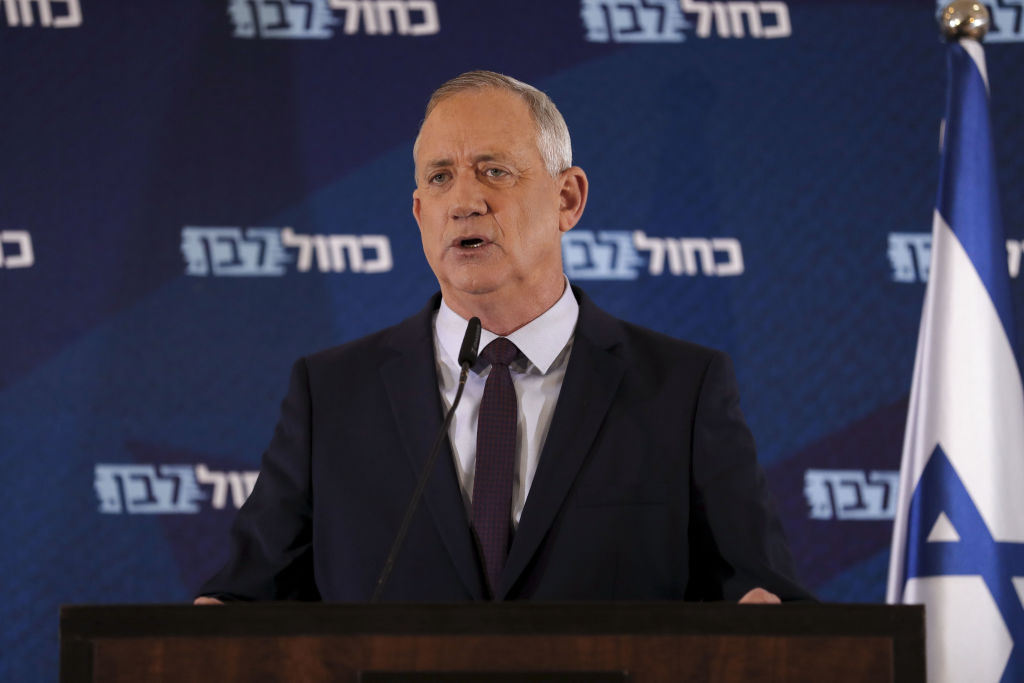
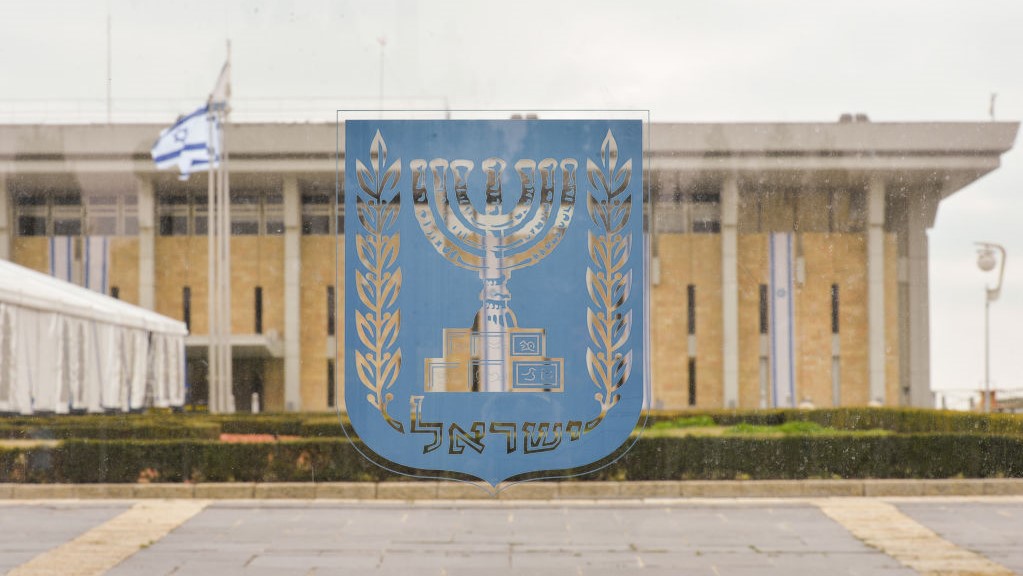
The April 20 Netanyahu-Gantz agreement legitimized the possibility of an Israeli law that will act as a unilateral annexation of parts of the West Bank to start as early as July 1, based on the controversial Trump Middle East plan. Articles 28 and 29 of the deal condition such annexation on the “consent of the Trump administration” and note that such a move would only be possible if the annexation preserves “the security and strategic interests of the state of Israel including the need to keep regional stability, keep existing peace agreements, and pursue future peace agreements.”
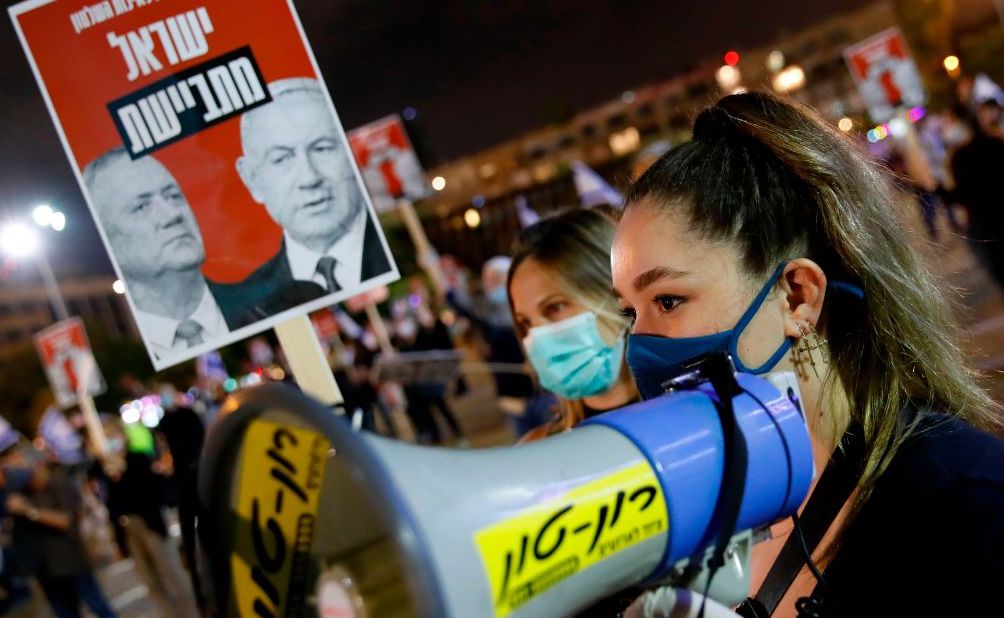
With the coronavirus sucking almost all of the oxygen out of the world’s news, it’s no wonder that Israel’s ongoing political crisis hasn’t received more coverage. But while the outside world is otherwise occupied, Israel, besides battling corona itself, is serving as a poster child for dysfunctional (yet democratic) government.
Initial data of Covid-19 mortality rates in the United States suggest that in several regions and cities, the virus hits minority communities harder than the general population. A similar trend has emerged in the Islamic Republic of Iran where published data indicates Iran’s ethnic minorities have higher Covid-19 fatality rates than the general Iranian population.
The times have changed, but the need for a US-led MFO hasn’t
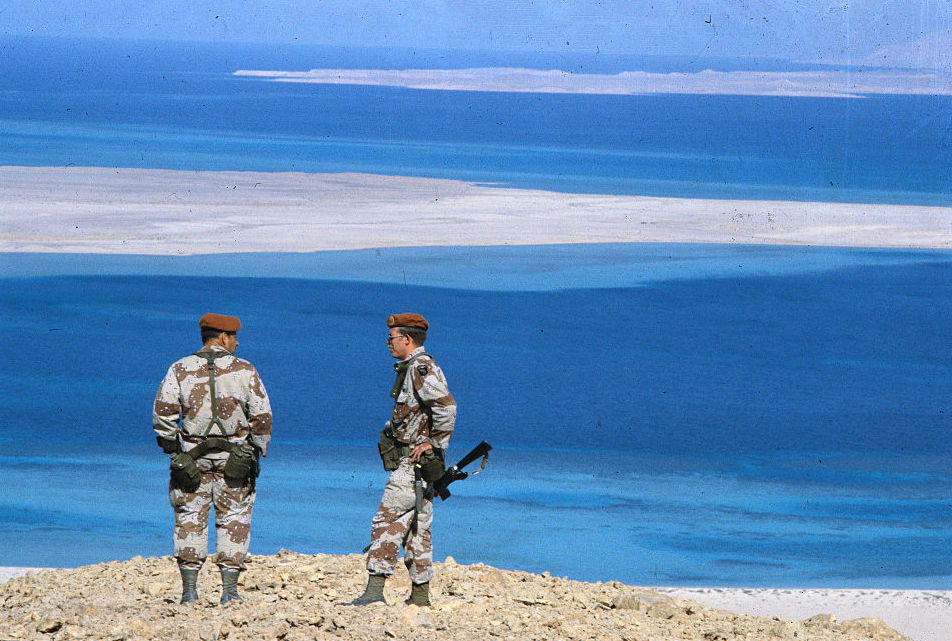
This is not the time to hang out the “Mission Accomplished” banner for the MFO. At a nominal cost to the U.S. in money and manpower, for nearly 40 years, the mission has been a phenomenal success. At a time when the U.S. commitment to the region is being viewed with increasing skepticism, the MFO is a prime example of U.S. capacity to organize and lead a multinational effort to support regional security and stability.
The U.S.-Iran showdown: Clashing strategic universes amid a changing region
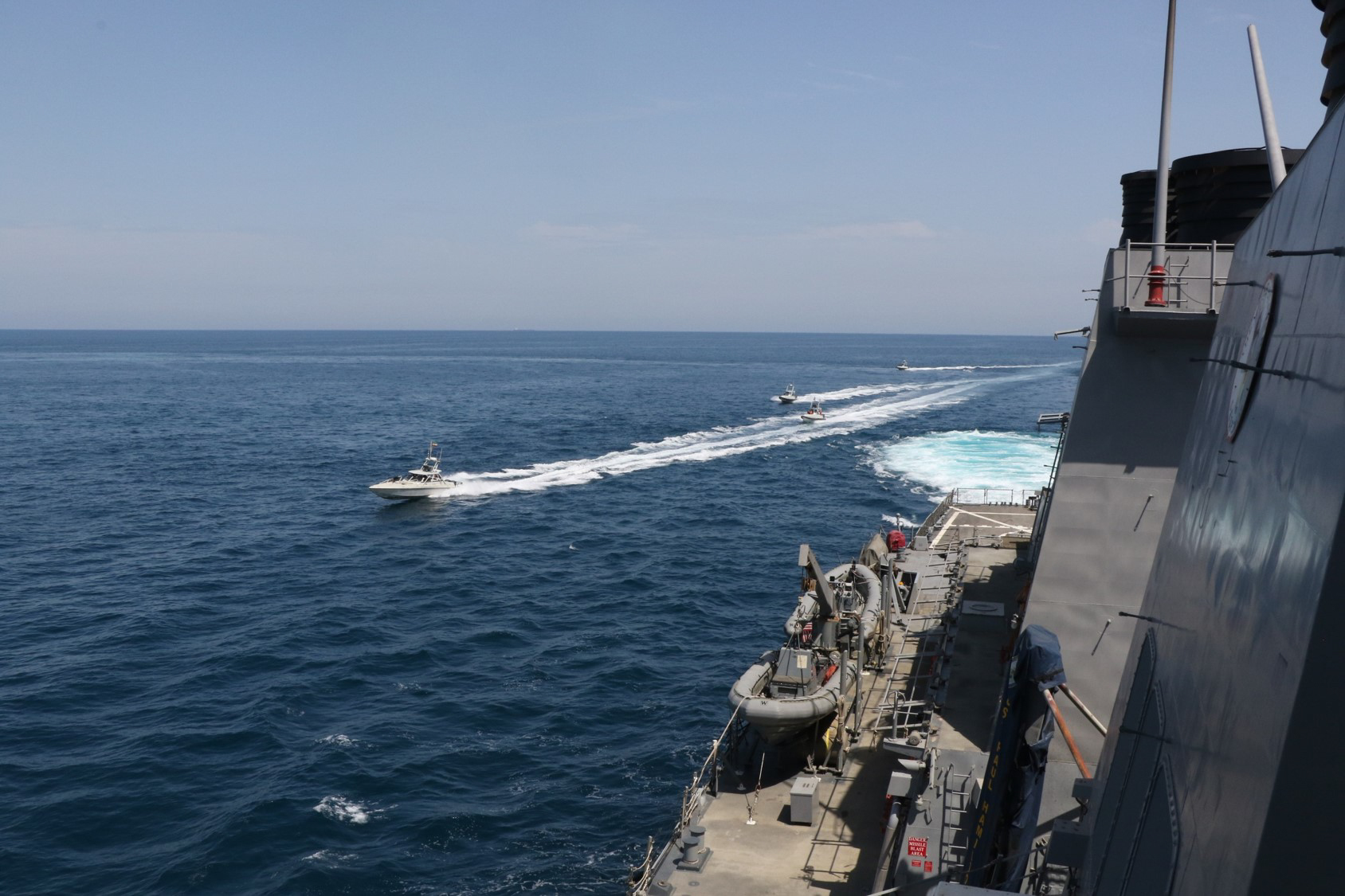
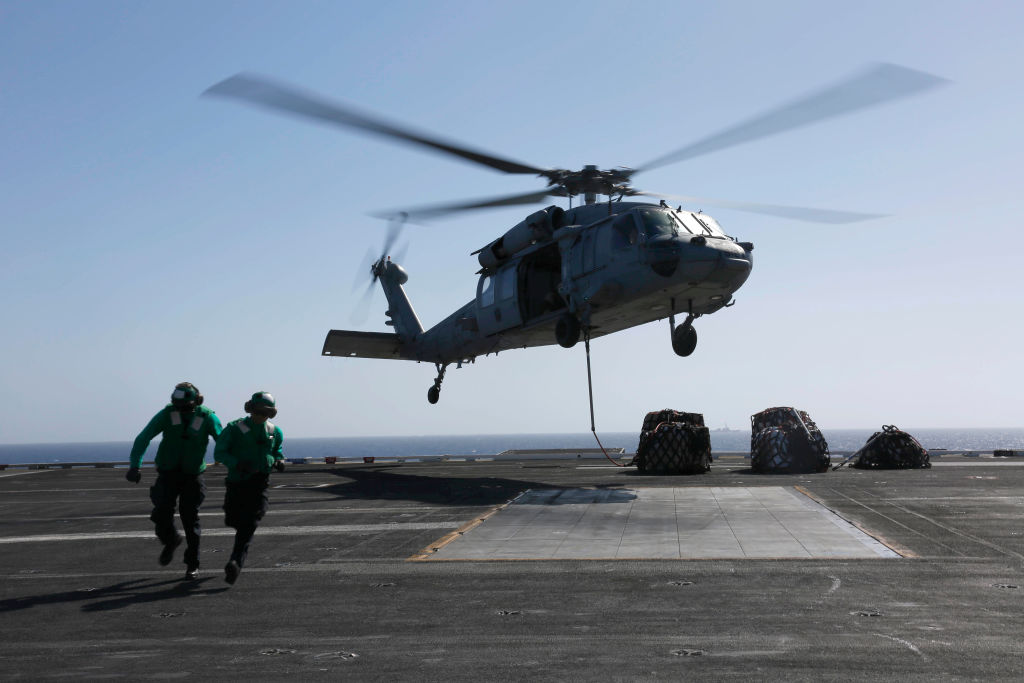
The United States and Iran are poised for a showdown. Understanding where we are today with this conflict and where we are likely to go in the future requires that we look at the conflicting strategic doctrines between the United States and Iran against a backdrop of a shifting Middle East.
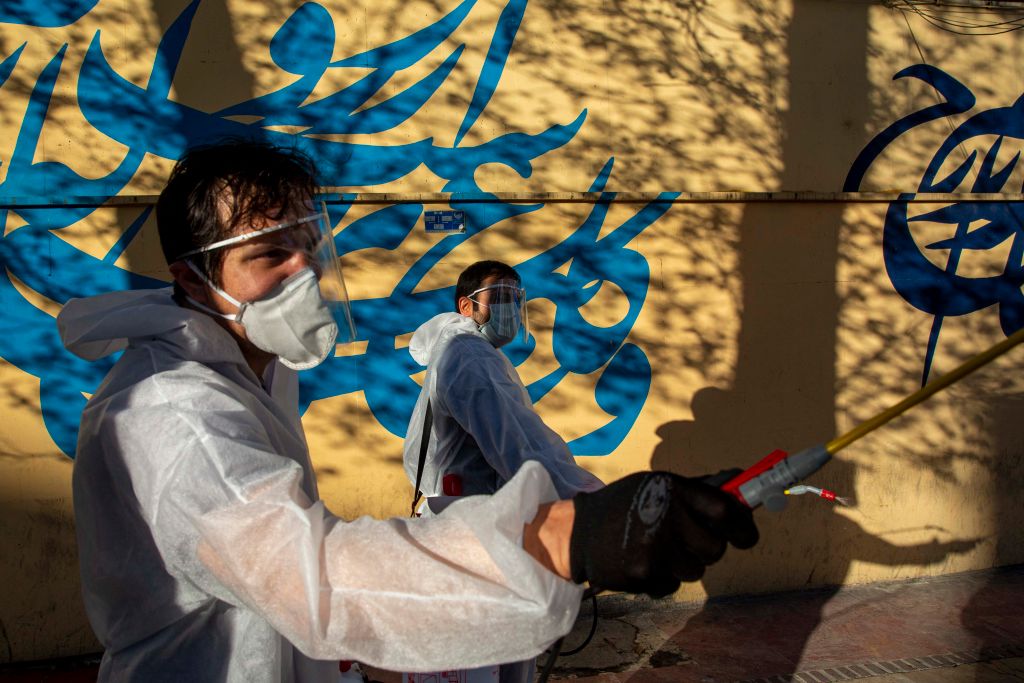
COVID-19 presents a major threat to the global economy and the health of millions of people around the world, but its impact on Iran, one of the early epicenters of the outbreak, has been particularly severe.
Iran’s Unconventional Alliance Network in the Middle East and Beyond
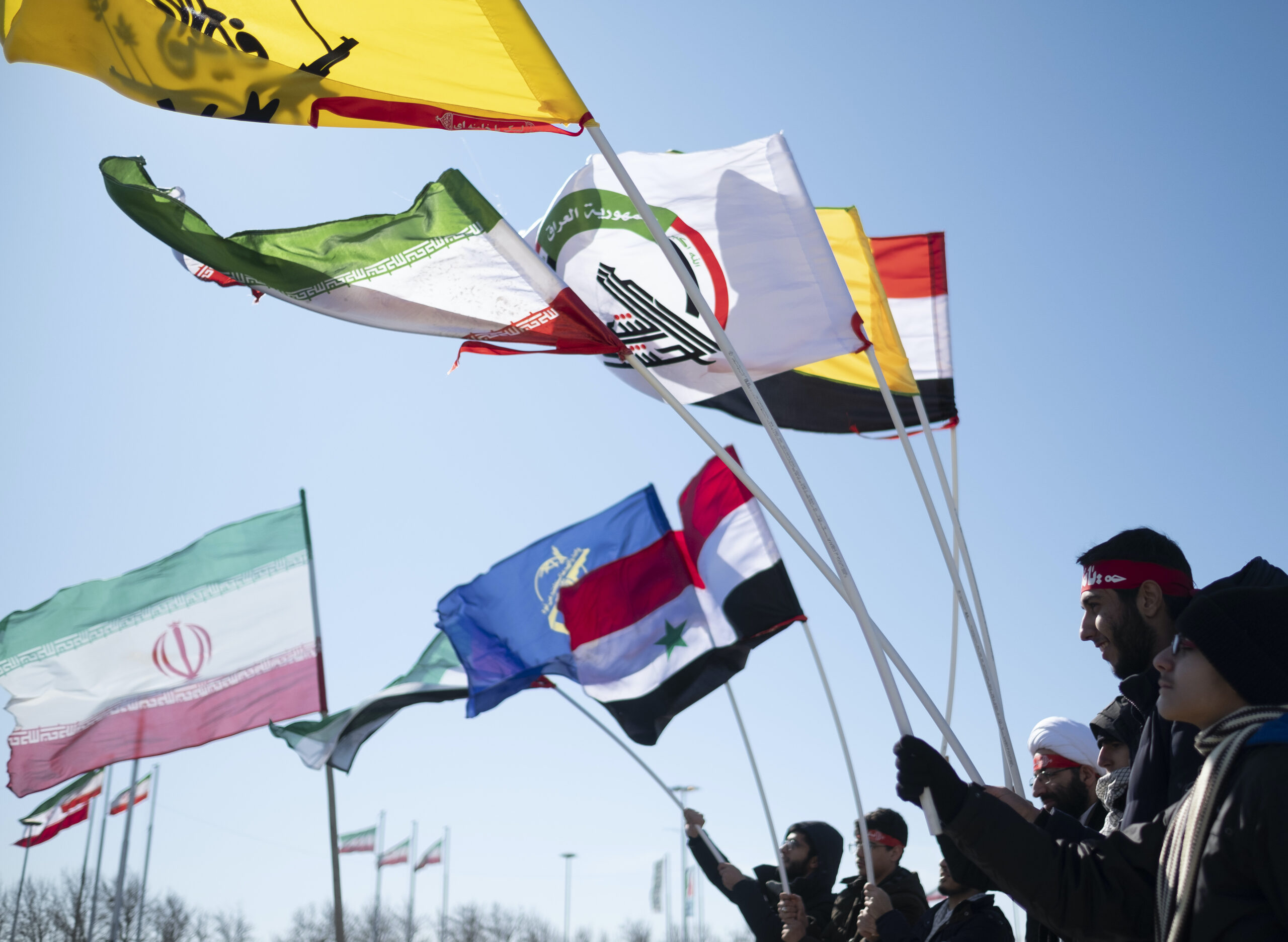
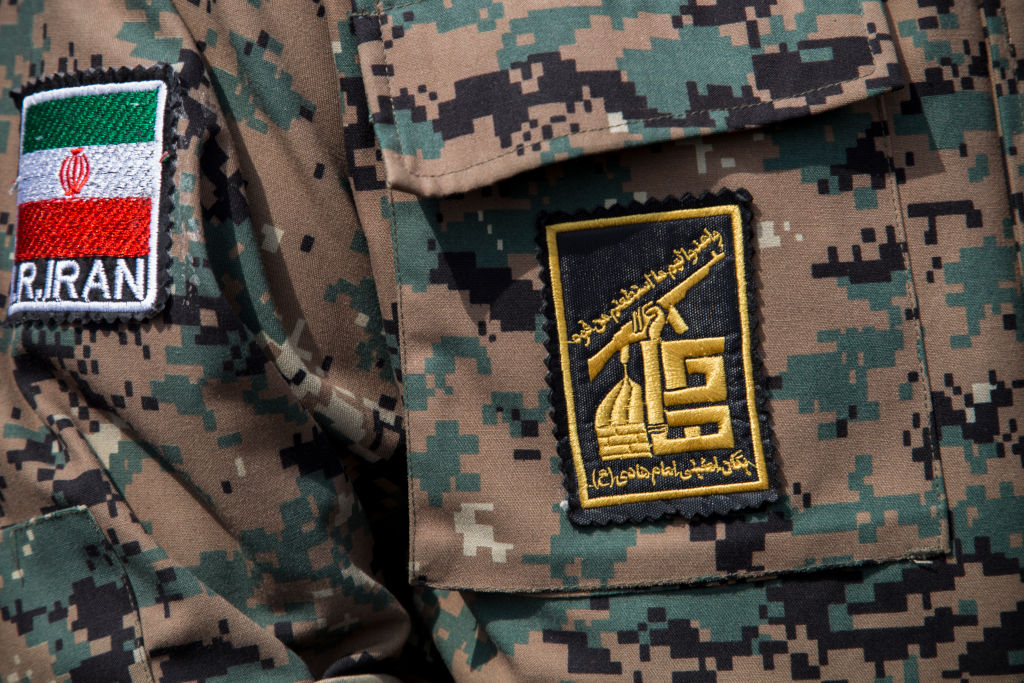
The Islamic Republic’s unconventional alliance network reaches far and wide, and its workings have only intensified since the killing of Gen. Qassem Soleimani in early January 2020. The systematic effort to consolidate these alliances, indicated by the swift appointment of Gen. Esmail Qaani and his new deputy Gen. Mohammad Hosseinzadeh Hejazi to lead the Quds Force, is about much more than just retaliation and revenge against the United States. It is also, and perhaps more importantly, a calibrated response to the Trump administration’s reckless and escalatory changes to the established “rules of engagement” between Washington and Tehran.
Blurring the lines: The case of the Nakhsa Warriors
Blurring the lines between the physical world and the online one, the Iranian group known as the “Nakhsa Warriors” remains cloaked in mystery. Their identity and status are unclear. Are they a military force that carries out operations, an online group of like-minded individuals that share content, part of an Iranian disinformation campaign — or perhaps something else altogether?