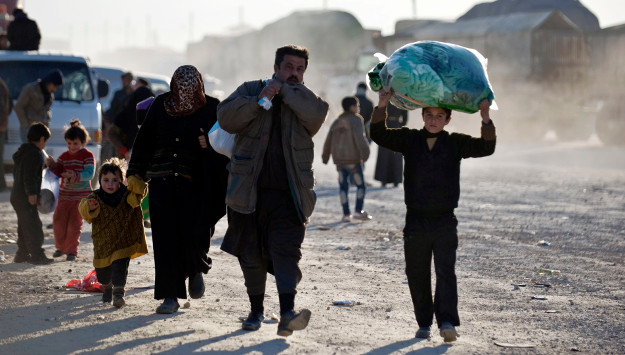
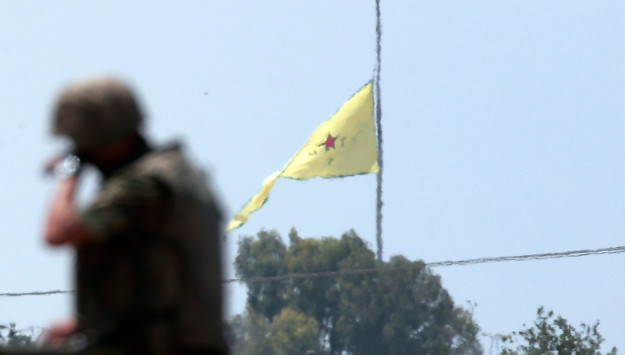
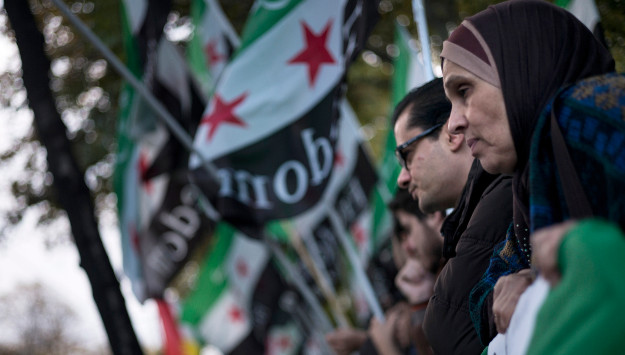
Not only is the battle for Aleppo sending tens of thousands of desperate people fleeing toward Turkey, but the fall of the rebel-held city would deliver a major blow to Ankara’s Syria policy.
Fate of the Dragon in the Year of the Red Fire Monkey: China and the Middle East 2016
February 2016 marks the beginning of a new phase in the Chinese lunar calendar, drawing to a close a year marked by heightened risks and fortuitous gains in China’s efforts to secure its interests in the Middle East and North Africa (MENA) region. This essay addresses three questions: How well has China adapted to the conflict and instability that have swept the region? And as we enter the Year of the Red Fire Monkey, what are the concerns that are likely to preoccupy Chinese leaders? What, if any, policy adjustments by Beijing, can realistically be expected in light of the current circumstances and uncertain prospects for the region and for China itself?
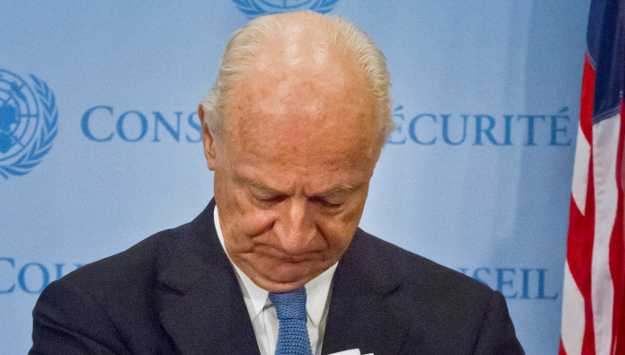
Geneva Talks Format Should be an Inclusive Roundtable
That the Syrian opposition took weeks to agree on a representative delegation hits at an essential problem with the Geneva process: its format. The Russian, American and U.N. architects of the process have retained a regime/opposition binary model that is no longer reflective of the multi-player conflict on the ground.
Outside Views on the U.S. Strategy for Iraq and Syria and the Evolution of Islamic Extremism
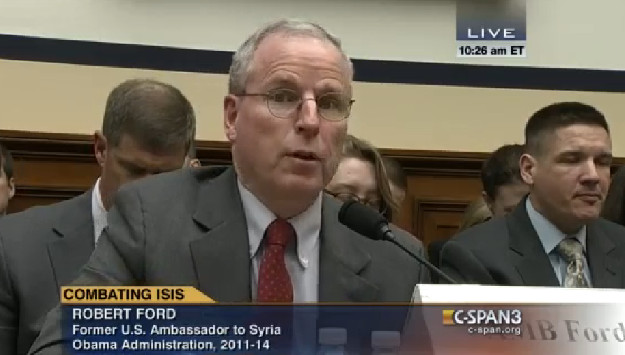
Amb. Robert Ford delivered the following prepared remarks at a hearing of the U.S. House Armed Services Committee on January 12, 2016. Click here to watch C-SPAN’s coverage of the hearing.
Mr. Chairman and members of the Committee,
It is an honor to be on this distinguished panel. Thank you for inviting me.
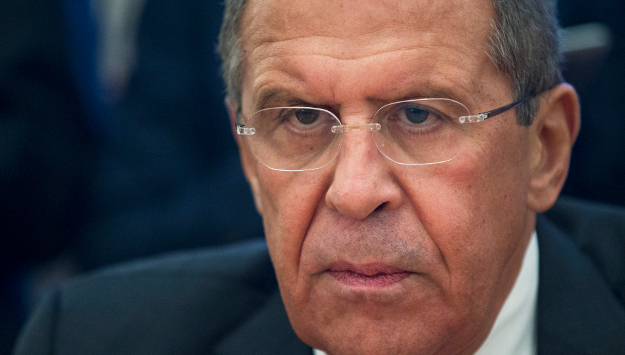
Russia’s Military Campaign in Syria Contradicts Push for Geneva Compromise
On the eve of the third round of Syrian peace talks, it is becoming clear that the political track is far removed from the military trajectories on the ground. While diplomats scurry to draw up agendas for Geneva III, and opposition delegates argue over representation, the war in Syria continues on its own course seemingly oblivious to the murmurs around it.
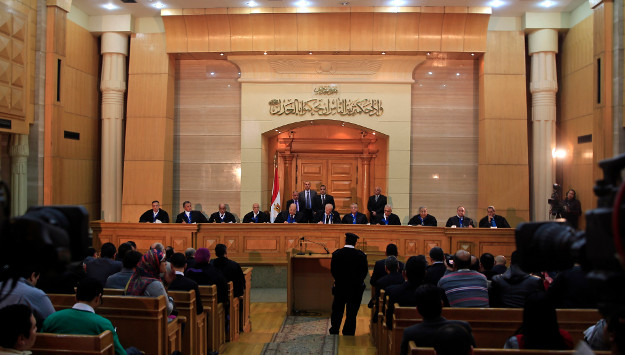
Egypt’s Judiciary: Obstructing or Assisting Reform?
Introduction
Prior to the 2011 revolution, Egypt’s surprisingly independent and assertive judiciary had gained recognition among scholars, political opposition figures, and many in the NGO community for strength and activism in defense of democratic values and political rights.[1] As Nathan Brown wrote in 2008:
Has Jordan Acquiesced to Assad Regime Offensive in Southern Syria?
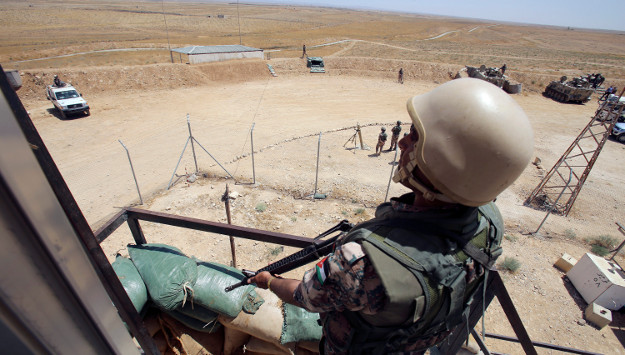
Jordan is yet to react publicly to a fresh land assault by Syrian regime forces, backed by Hezbollah and Iran’s Islamic Revolutionary Guard Corps fighters, against rebel-held towns in southern Syria.
Egyptian Civil Society in Transition—Reflections on Cairo’s Governance
This essay discusses the various barriers that inhibit local communities in densely populated, poor quarters in Cairo from taking action in order to improve the provision of basic services and the overall conditions in these neighborhoods.
The United States Should Prevent an Egyptian Shift to Russia
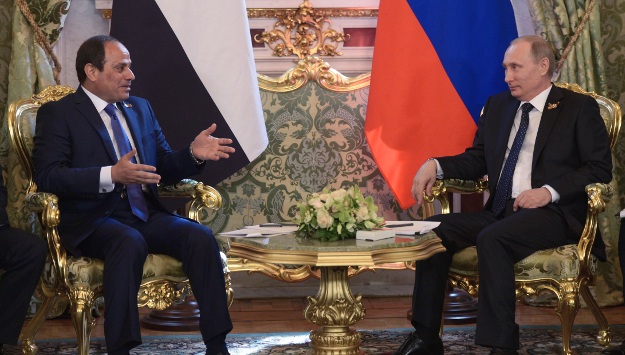
Roughly five decades since the Soviet foray into the Middle East vis-à-vis the Czech arms deal with Egypt in September 1955, Russia is reasserting its influence in Egypt. The deal marked the beginning of a brief period that saw Moscow serve as the primary military supplier for a number of regional countries that formed an ‘anti-imperialist front’, such as Egypt, Iraq, and Syria.
U.S. Forces in Sinai Ripe Pickings for Islamic State
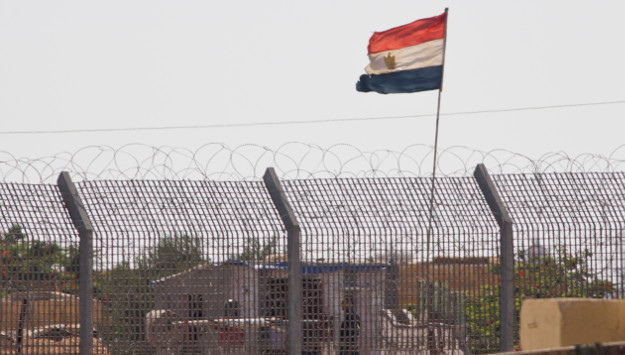
Despite its preferences, the United States is quietly increasing and modifying its military deployment in Egypt’s Sinai Peninsula in response to the growing threat posed by ISIS.
On Syrian Talks and Ceasefires: An Open Letter to Secretary Kerry
Mr. Secretary,
No one has worked harder than you to find a way to bring all sides together to stop the Syrian civil war and muster more international action against the Islamic State. But as a former colleague, let me caution that without some major adjustments in its approach to the Syrian peace talks in Vienna, the Obama administration is headed down another dead end.
This article was first published in The Hoover Institution’s The Caravan.
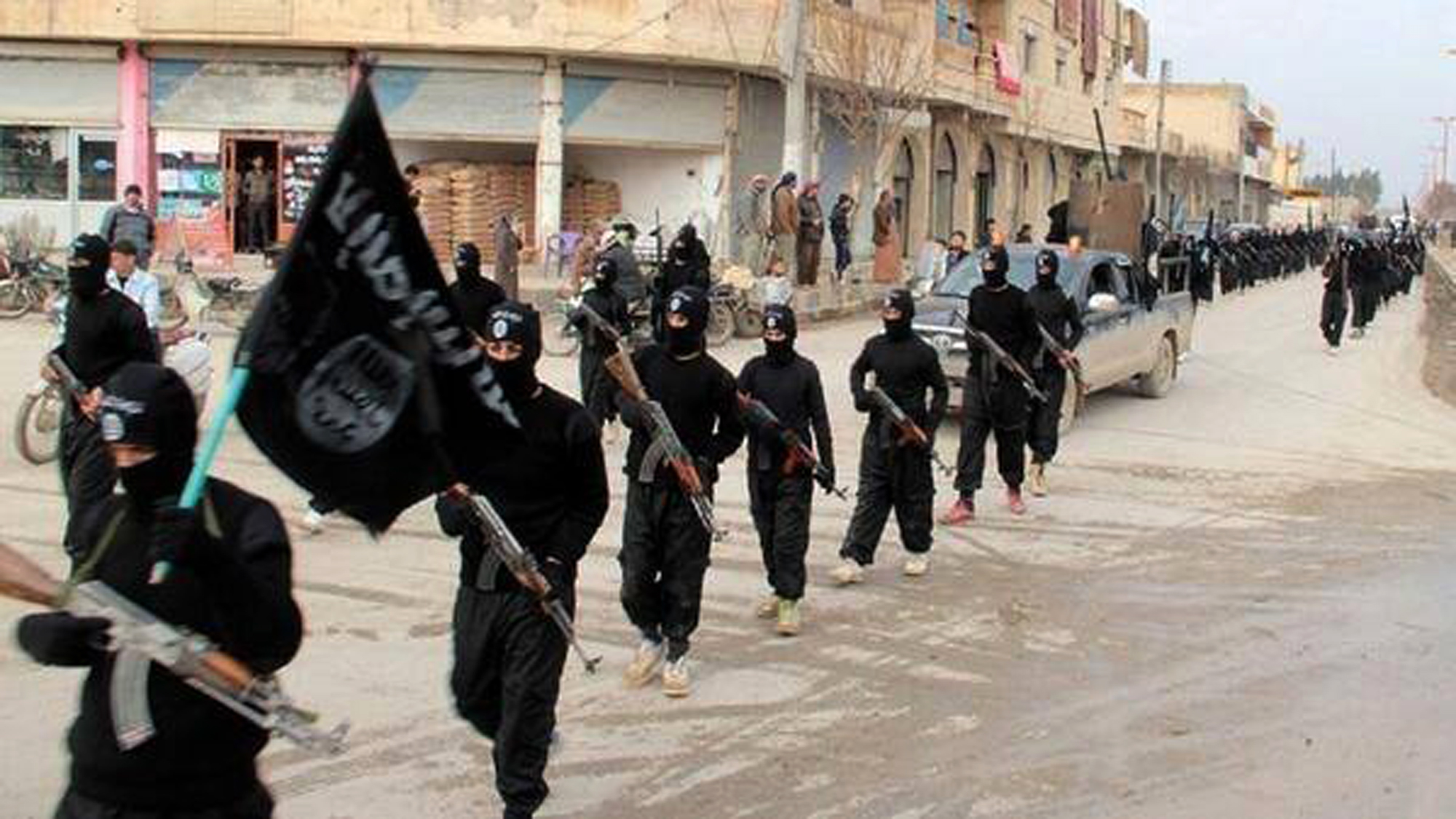
Daesh or ISIS does not represent an existential threat to any state except Syria and Iraq. It occupies and controls ungoverned space in the region between Iraq and Syria and in parts of northern Africa; and its self-proclaimed Caliphate has benefited from the seizure of some income producing assets in these areas. Daesh depends on the dynamism of success and expansion, both of which have been in short supply of late.
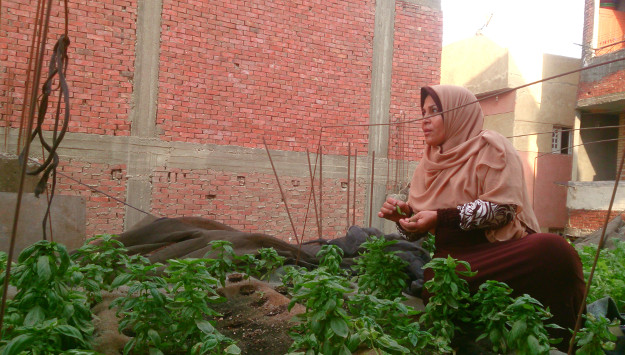
On the rooftop of a three-story brick building tucked inside a dusty alley of ‘Izbat al-Nasr, a poor and informal neighborhood southeast of Cairo, Leila Hussein crouches, tending to the basil and rocket she grows. The incessant cackling of geese, chickens, and pigeons emanating from the roof of a similarly run-down, red brick structure opposite the street gives an eerie, rural soundtrack to her meticulous work.