What would an Arab-Israeli military alliance mean for Iran?
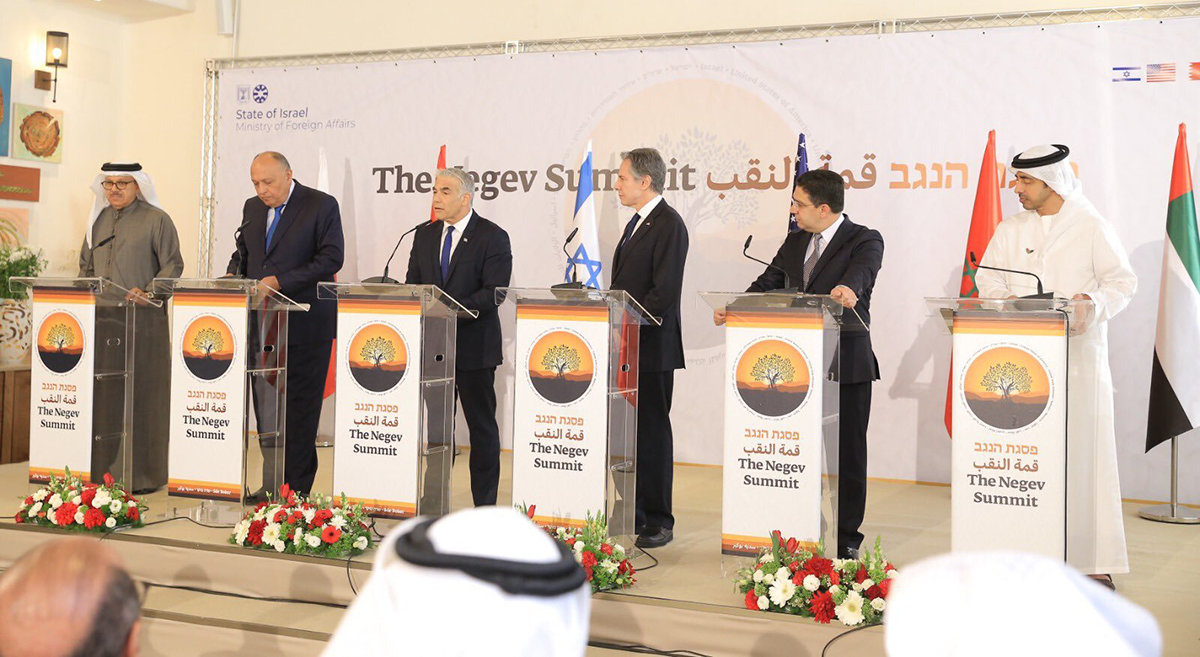
In recent remarks, the Israel Defense Forces’ (IDF) Chief of Staff Aviv Kochavi announced preparations for a potential upcoming military operation, foreshadowing a possible move against Iran. Kochavi’s announcement came shortly after Israel and the foreign ministers of four Arab nations — Morocco, Egypt, the UAE, and Bahrain — along with U.S. Secretary of State Antony Blinken, met at the Negev Summit in the Israeli desert to lay the foundation for a strategic military alliance to deter “Iran and its associated militias,” as Israeli Foreign Minister Yair Lapid put it.
Some observers have been perplexed by perceived changes in the UAE’s foreign policy on a number of fronts. These supposed changes, however, are more consistent than they may first appear and certainly do not reflect the wider strategic direction of the UAE. These policy moves can be better understood through three “keys” that explain the UAE’s strategic map and its international engagement.
US-Gulf Relations at the Crossroads: Time for a Recalibration
The global response to Russia’s invasion of Ukraine has focused new attention on friction between the United States and its traditional partners in the Gulf and reinforced skepticism regarding the United States’ status as the dominant international partner in the region. It’s time for both sides to identify a realistic way forward that sheds outdated notions of mutual obligation without becoming merely transactional.
Gulf oil producers feel vindicated, but don’t expect them to turn on Russia
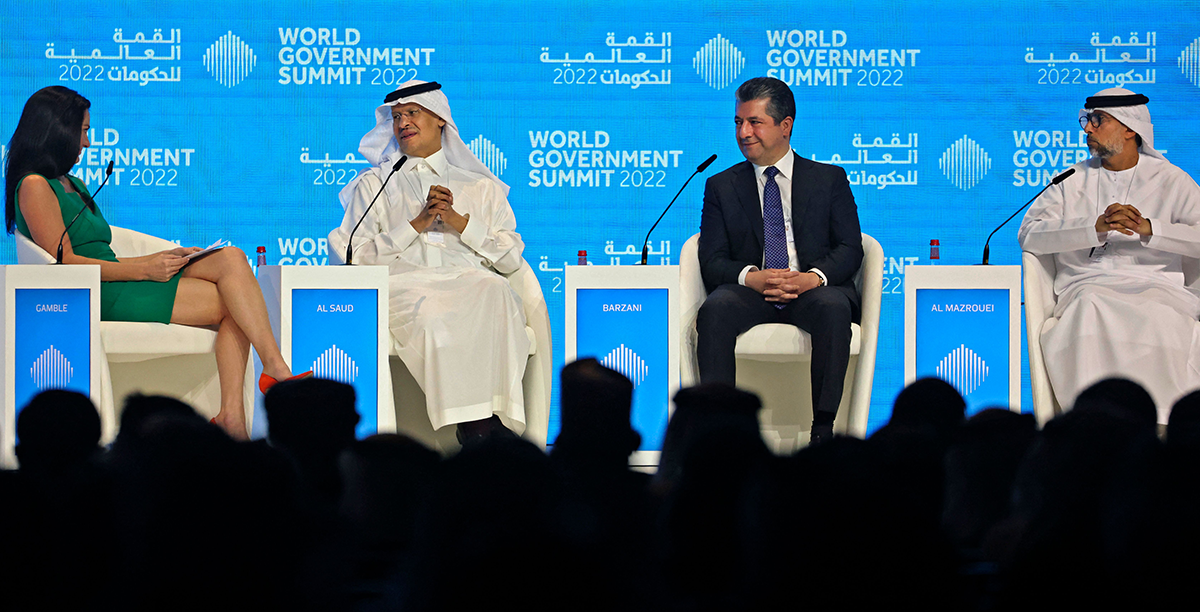
The war in Ukraine has brought back to the forefront the conversation about the need for new investments in oil and gas for the foreseeable future. As the calls multiply for Gulf producers to step in and fill the gap in gas and oil supplies as Russia faces sanctions, producers now feel vindicated after being shunned, and even targeted, at the COP26 in Glasgow last year.
Yemen: Ending the War, Building a Sustainable Peace
Seven years on from the launch of the Saudi-led coalition’s military campaign on March 26, 2015, the civil war in Yemen remains stalemated. The fundamental realities of the conflict have not changed substantially in over five years. Meanwhile, the conditions under which the majority of innocent Yemenis are living continue to deteriorate. It’s time to consider measures that can promote an end to the conflict and lay the groundwork for post-conflict reconstruction.
Amid efforts to normalize Assad’s regime, the need for a new US Syria policy is clear
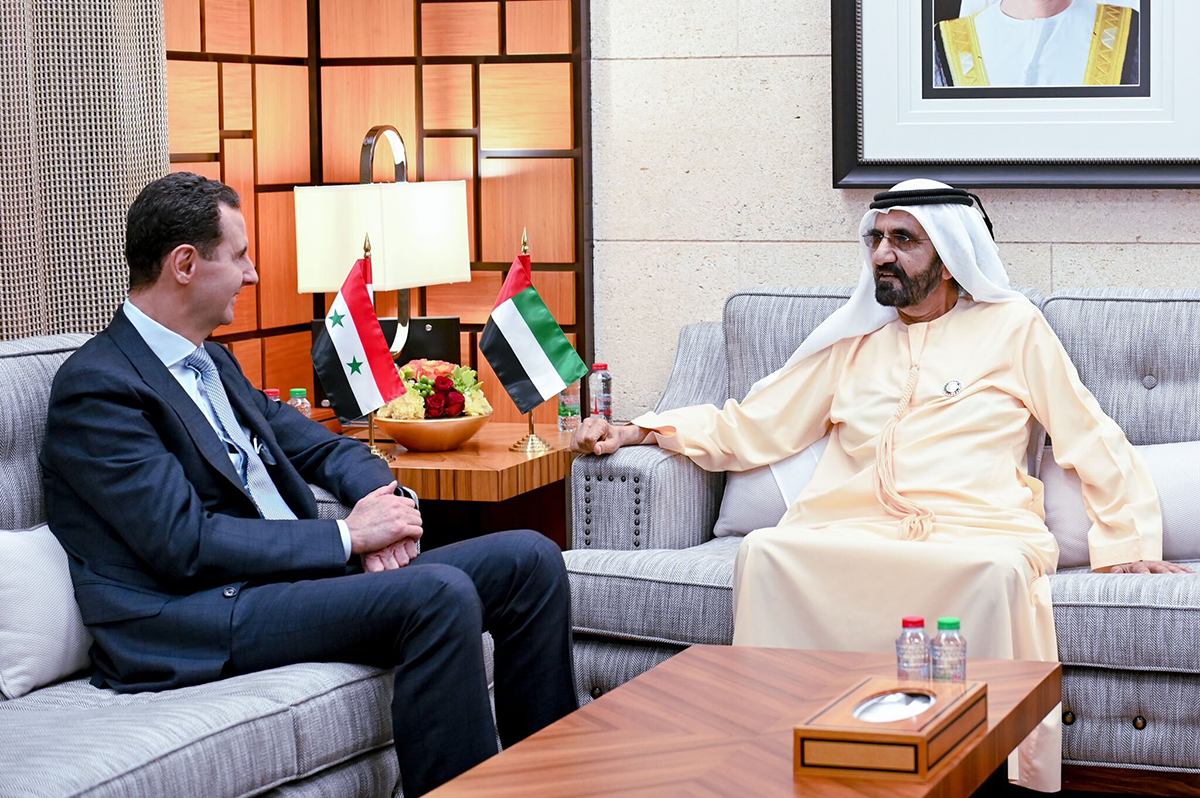
The decision by the UAE to host Syria’s President Bashar al-Assad in Dubai on March 18 has drawn deep consternation across the U.S. government and Congress, as well as in allied capitals in Europe and some in the Middle East.
When the leaders of Saudi Arabia and the United Arab Emirates decline phone calls from the president of the United States, rebuff his requests to help lower oil prices, and shy away from condemning Russia’s invasion of Ukraine, and when the U.A.E. hosts Syrian dictator Bashar al-Assad in Abu Dhabi, there is no doubt that a major crisis in U.S.-Arab Gulf relations is under way.
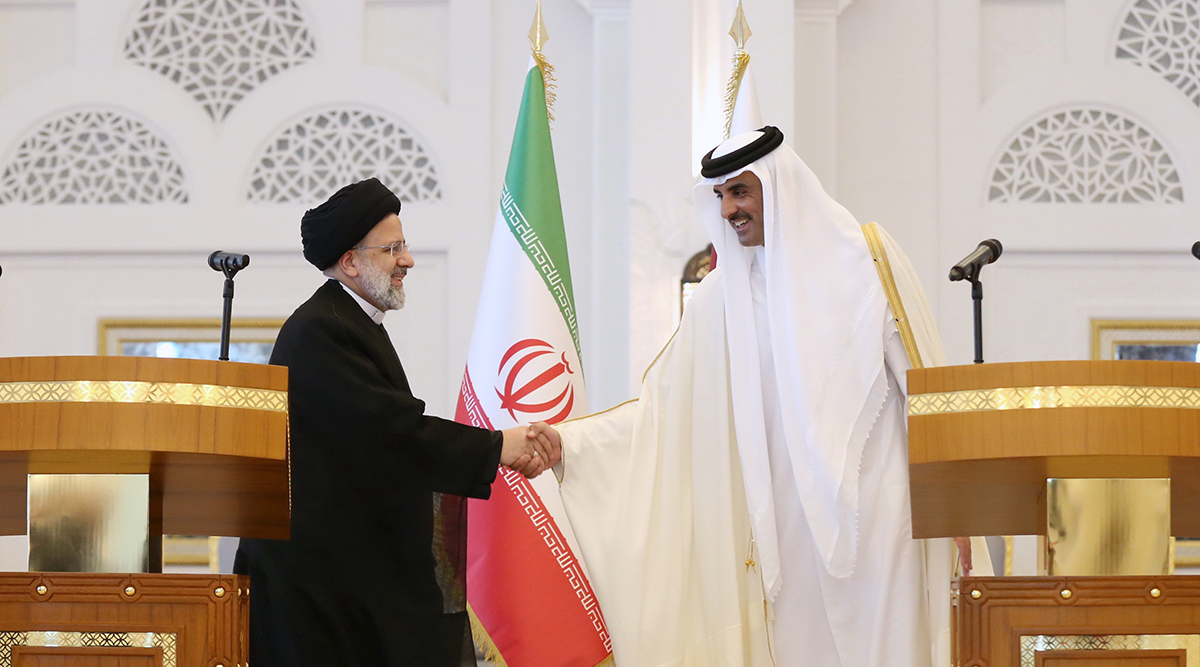
Iran’s regional agenda and the call for détente with the Gulf states
As both a candidate and as president, Ebrahim Raisi has repeated a basic mantra: that he will seek to quickly improve relations with Iran’s neighbors, and particularly the Arab Gulf states. But what are his motivations for this and what are the potential hurdles?
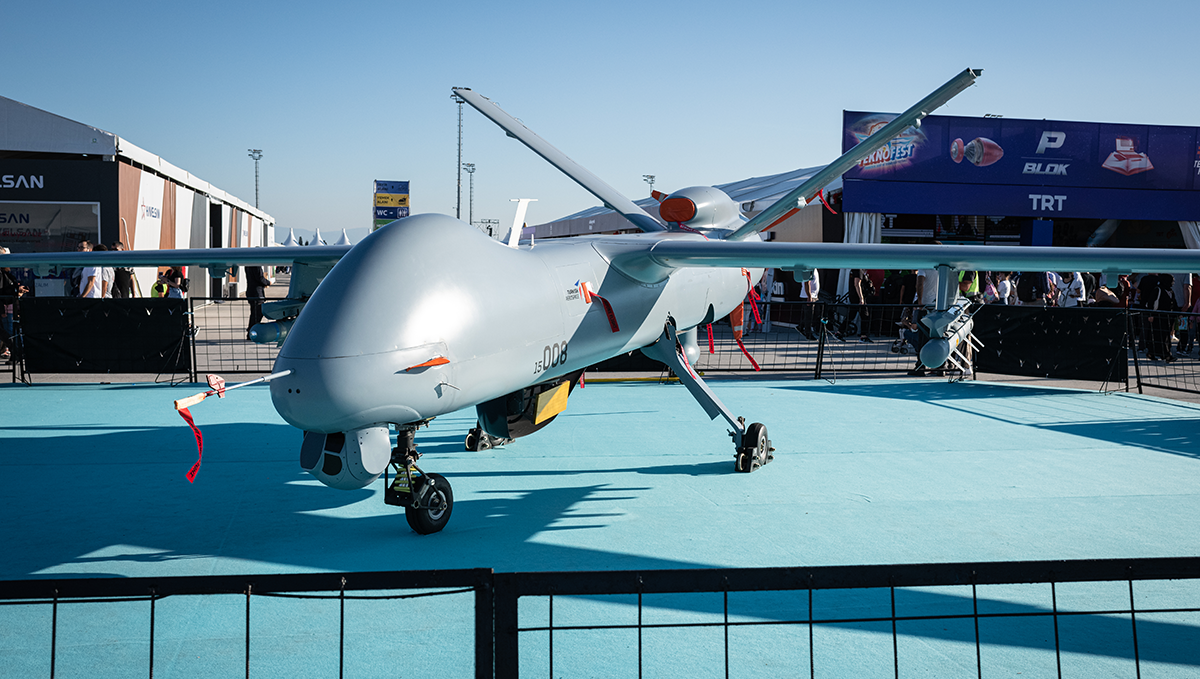
Drones are re-engineering the geopolitics of the Middle East
The Middle East is experiencing a seismic shift in its geopolitics: the dawn of the era of drones. From Syria to Libya and from Yemen to Iraq, UAVs have altered the dynamics on the battlefield. Agile and affordable, drones aren’t just a menace to remote conflict zones, but also to states far removed from theaters of war.
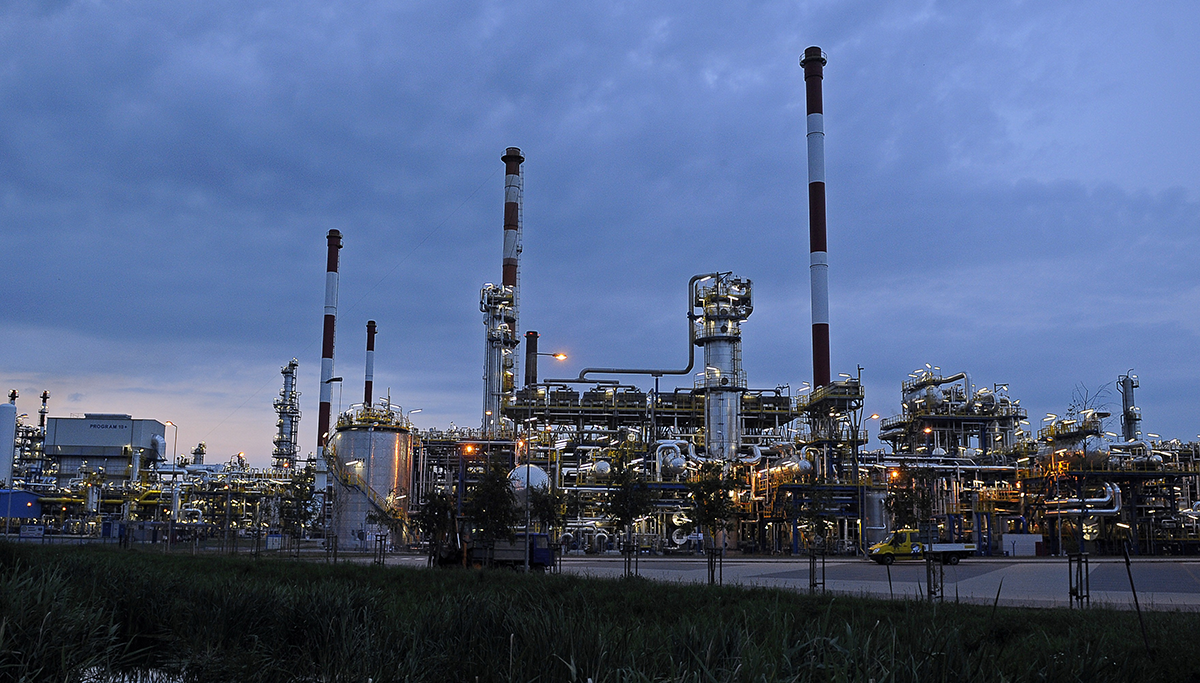
How will the war in Ukraine affect Gulf oil producers?
Although Western countries have managed to limit Moscow’s capacity to export oil, the Arab Gulf monarchies are unlikely to be able to benefit in the near term. This may change in the long run, however.
Between the Sky and the Earth: Contemporary Art from the UAE
Afra Aldhaheri and Asma Belhamar, two featured artists in the MEI Art Gallery’s latest exhibition, Between the Sky and the Earth: Contemporary Art from the UAE, join MEI’s Lyne Sneige to discuss the inspirations and artistic processes behind their pieces in the show.