Change and continuity in EU’s foreign policy in the MENA region: What to expect from the new political cycle in Brussels
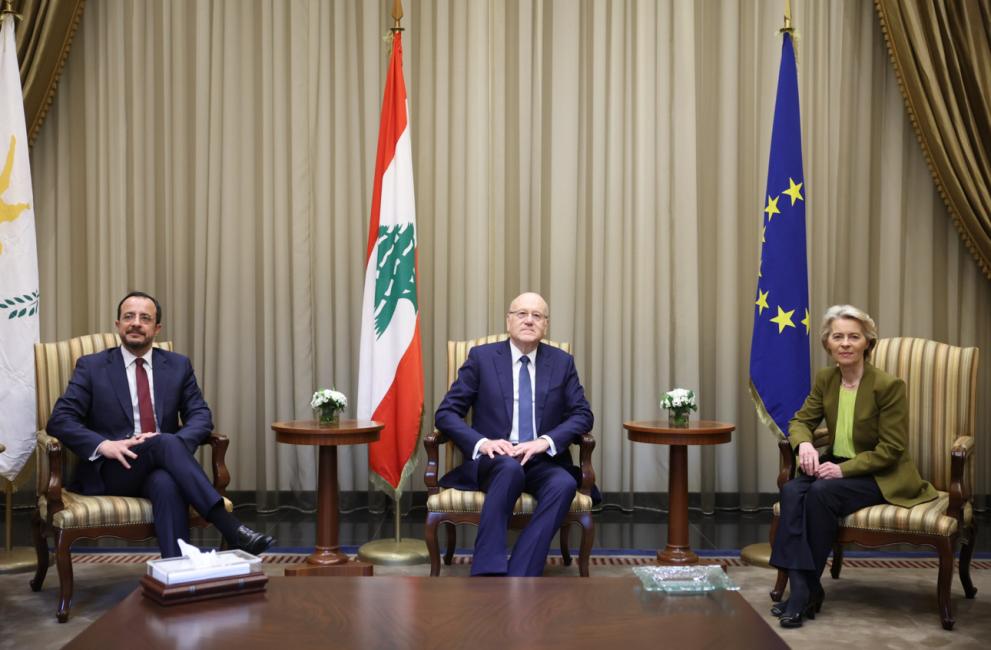
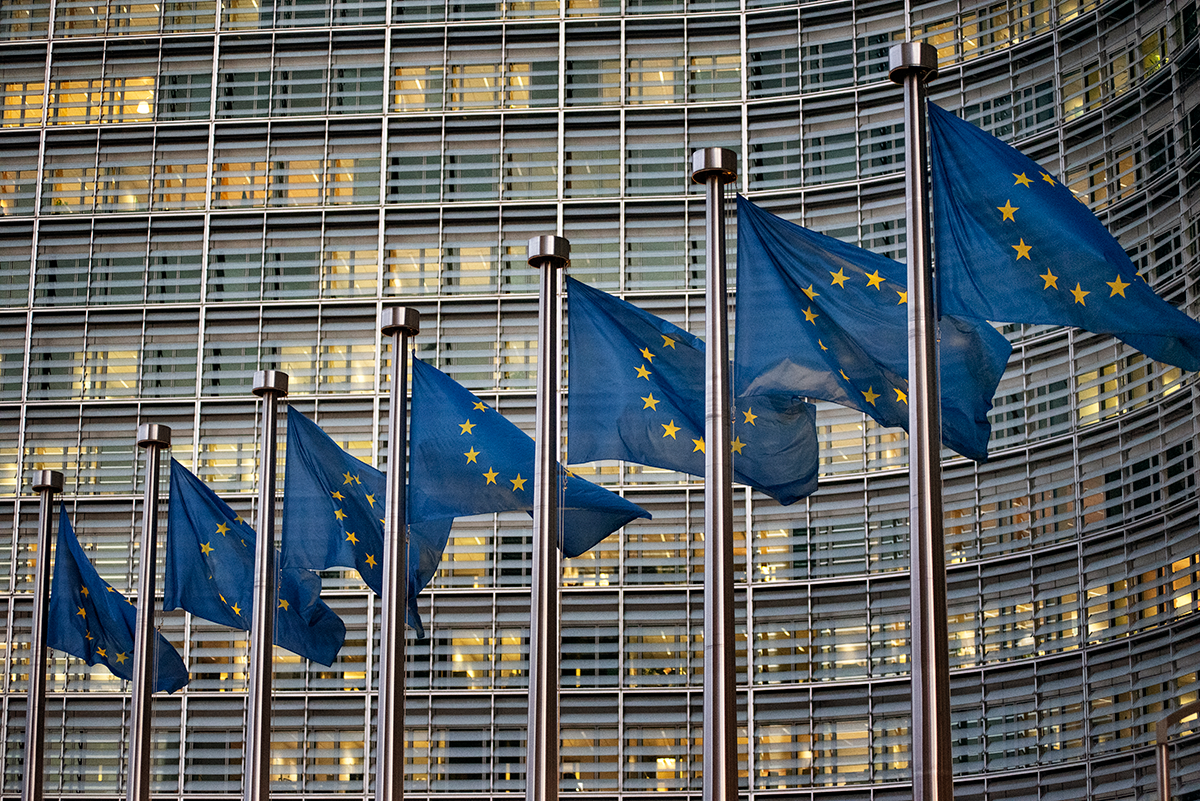
In the corridors of power in Brussels, it is common to hear that the position of the EU High Representative for Foreign Affairs and Security Policy is an impossible job. It may actually become even more difficult for the outgoing Estonian Prime Minister Kaja Kallas, who is set to succeed the Spanish Josep Borrell as the European Union’s foreign policy chief in the coming weeks.
Azerbaijan’s green shift: Energy transition, COP29 commitments, and US collaboration
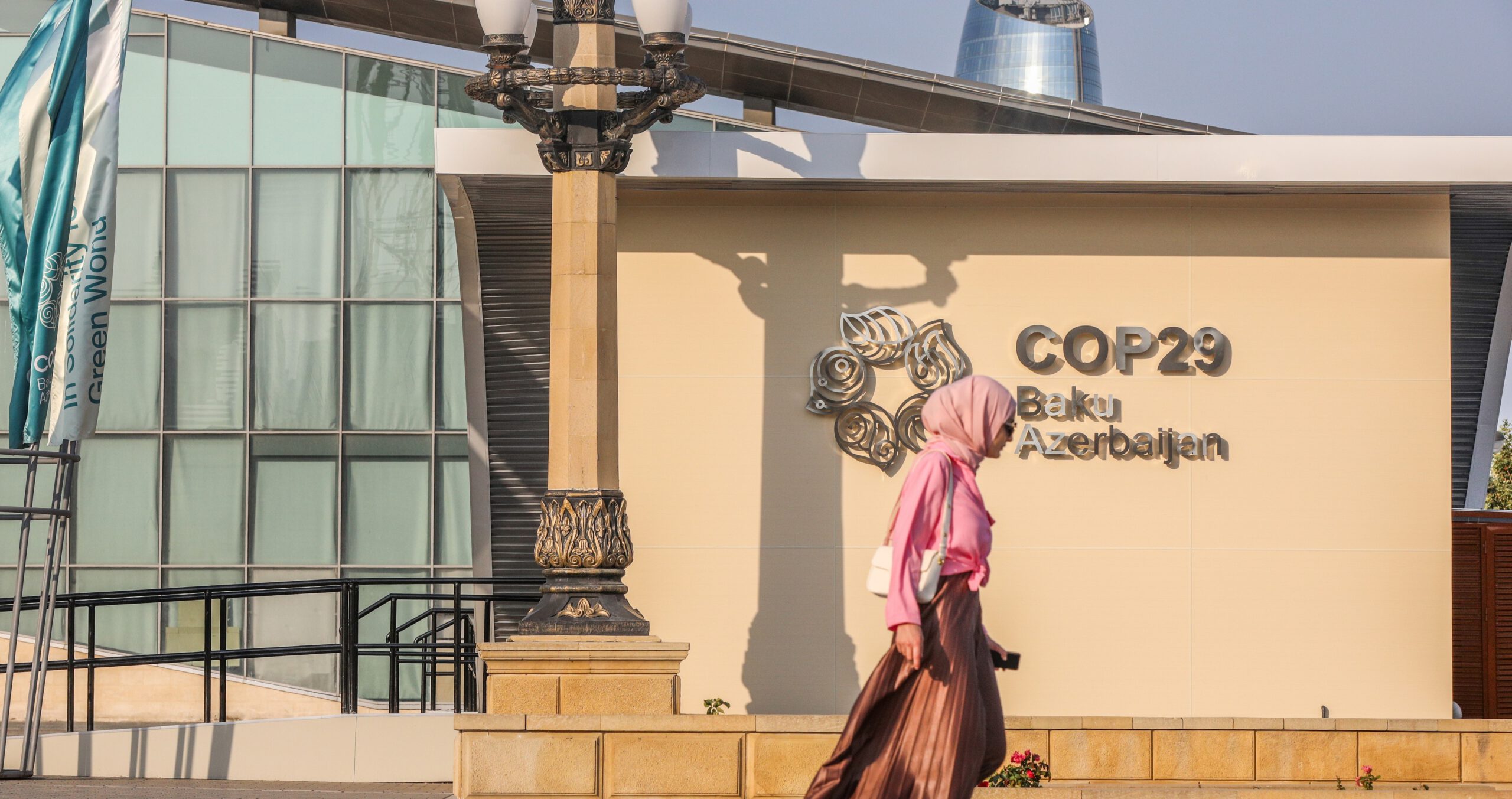
Azerbaijan seeks to establish itself as a major actor in the global energy transition space as it prepares to host the 2024 UN Climate Change Conference (COP29) in Baku, on November 11-22. COP29 offers many opportunities to improve US-Azerbaijani energy cooperation, including by coordinating the United States’ clean energy technology goals with Azerbaijan’s renewable energy revolution.
Brokering a solution to the Libyan Central Bank crisis
The ongoing effort by various factions in Libya to gain control of the Central Bank of Libya (CBL) poses a clear and present danger for the entire country, threatening its safety and security as well as its economy.
Securing the quantum future: The imperative for global collaboration
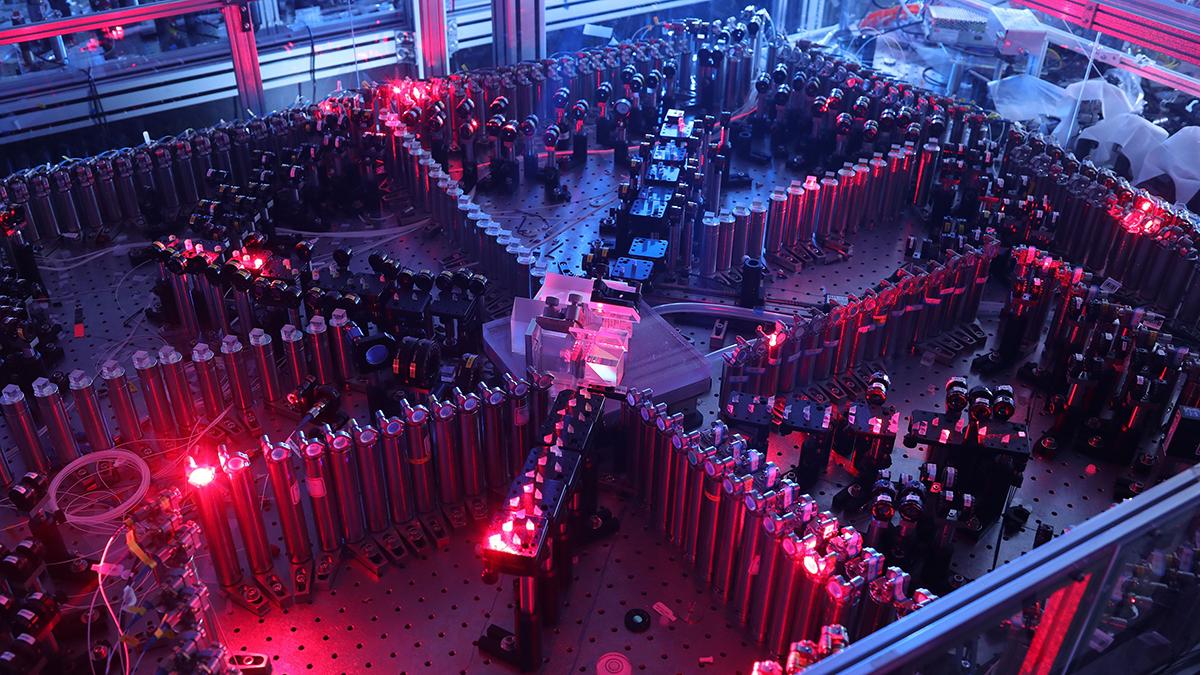
As China makes substantial strides in quantum R&D, the global community must urgently address vulnerabilities in our digital networks. The Middle East, like many other regions, stands at a critical juncture in this technological race, where quantum innovation brings both opportunities and risks.
As the Middle East becomes more autonomous and empowered domestically, the leaders in the region might consider more synergetic relations with each other and prepare national long-term plans that provide a balanced and integrated approach to social, technological, environmental, economic, and political development and progress.
The EU needs to expand its support for the MENA region’s digital transformation
Digital transformation will play a key role in shaping relations between Europe and the MENA region, but despite these high-level announcements, EU strategy and programming on the ground would need to expand to meet the region’s requirements and serve the EU’s strategic interests.
Pakistan and the Middle East’s evolving approach to Afghanistan
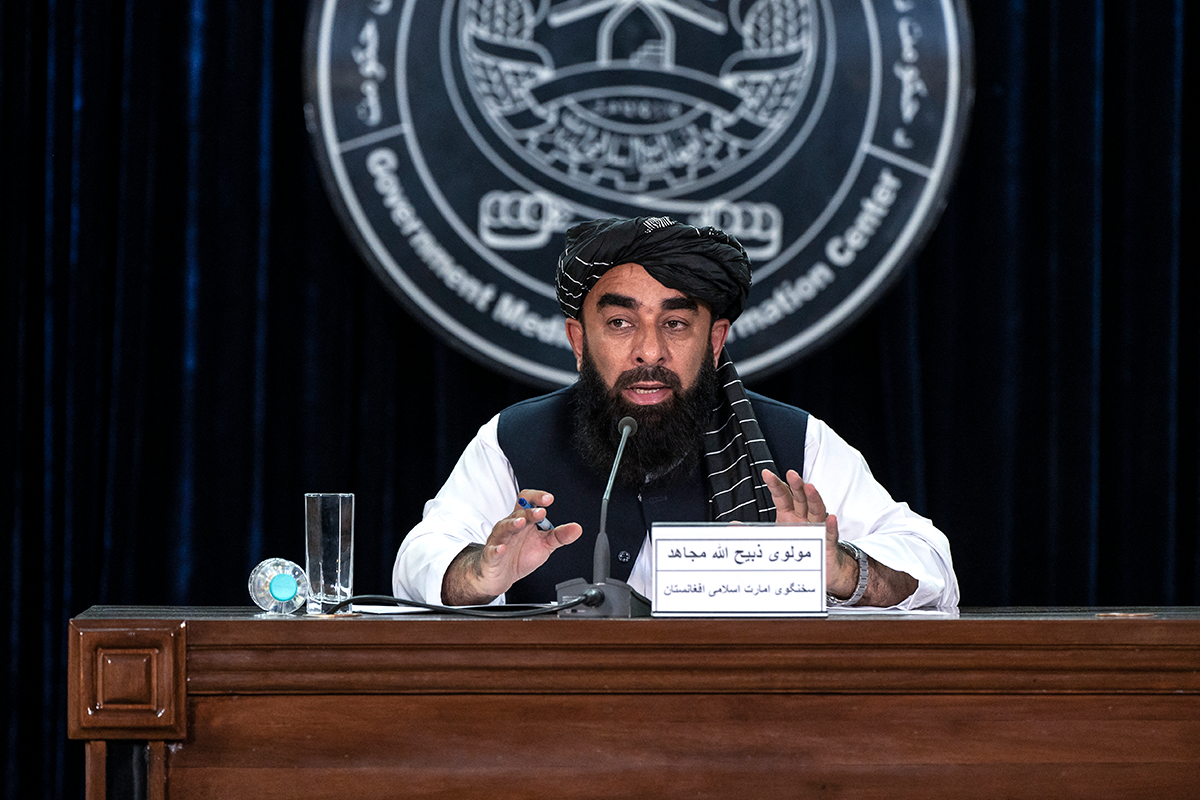
Afghanistan has long been an arena for proxy contestations by regional powers, which have adopted rather divergent Afghan policies over the past several decades of foreign occupation and are doing so again now when the country is in the vicelike grip of a resurgent Taliban.
Powering up: Turkey-Iraq transmission line is part of a broader strategic shift
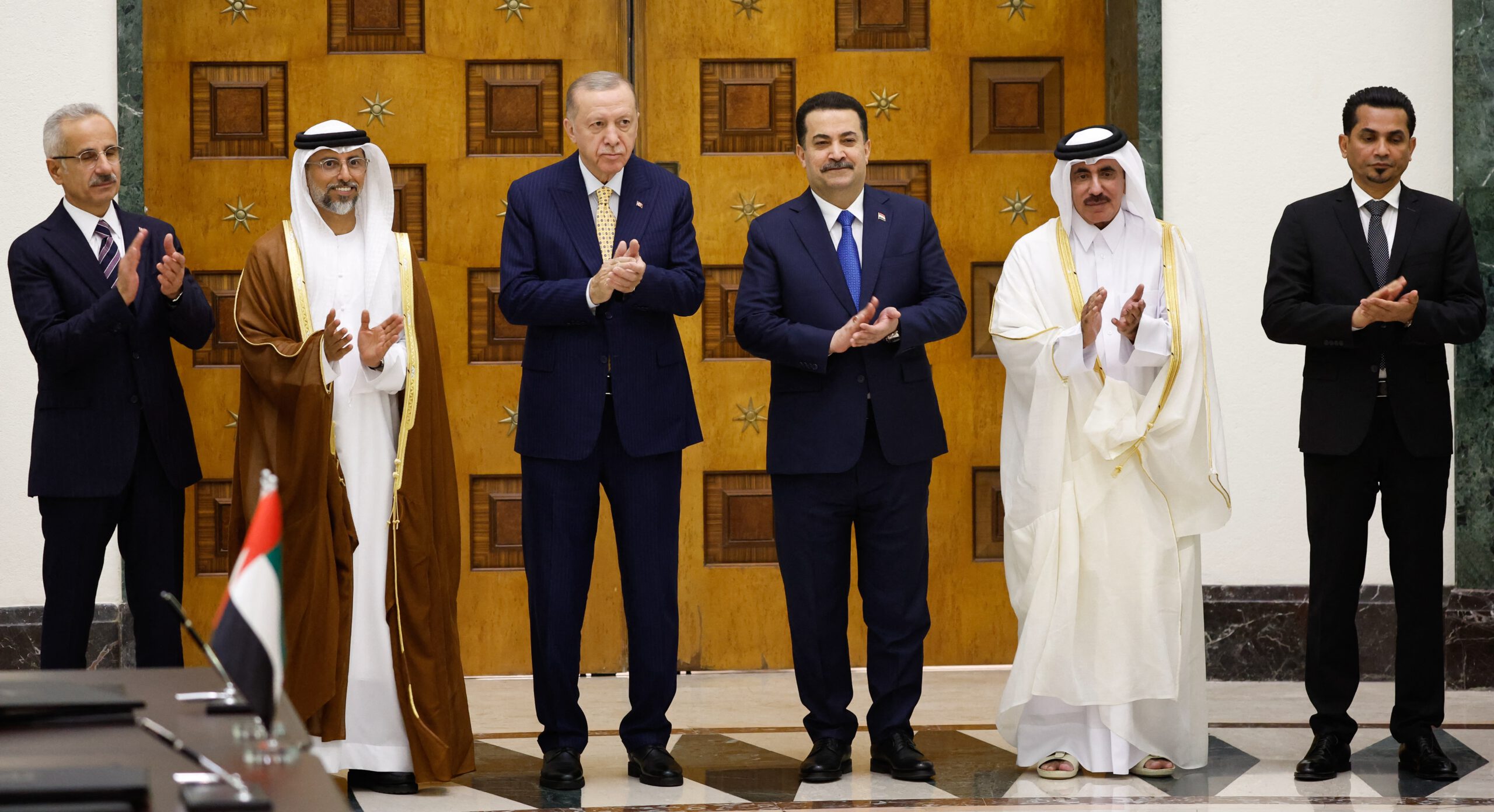
On July 21, 2024, Iraq inaugurated a new power line connecting Turkey and Iraq to handle Turkish electricity imports. Iraq is operationalizing this new power line with the goal of ensuring a more stable energy future, reshaping its geopolitical relationships, and reducing its reliance on Iran.
The IMF, CPEC, and Pakistan: Will the Chinese save Islamabad yet again?
The China-Pakistan Economic Corridor (CPEC), once heralded as a “game-changer,” has almost disappeared from the spotlight in recent years. The project has faced slow implementation, unpaid loans, corruption, and a dire security situation. How is China responding to Pakistan’s poor handling of CPEC, its perpetual financial troubles, and its periodic demands on China to bail it out?
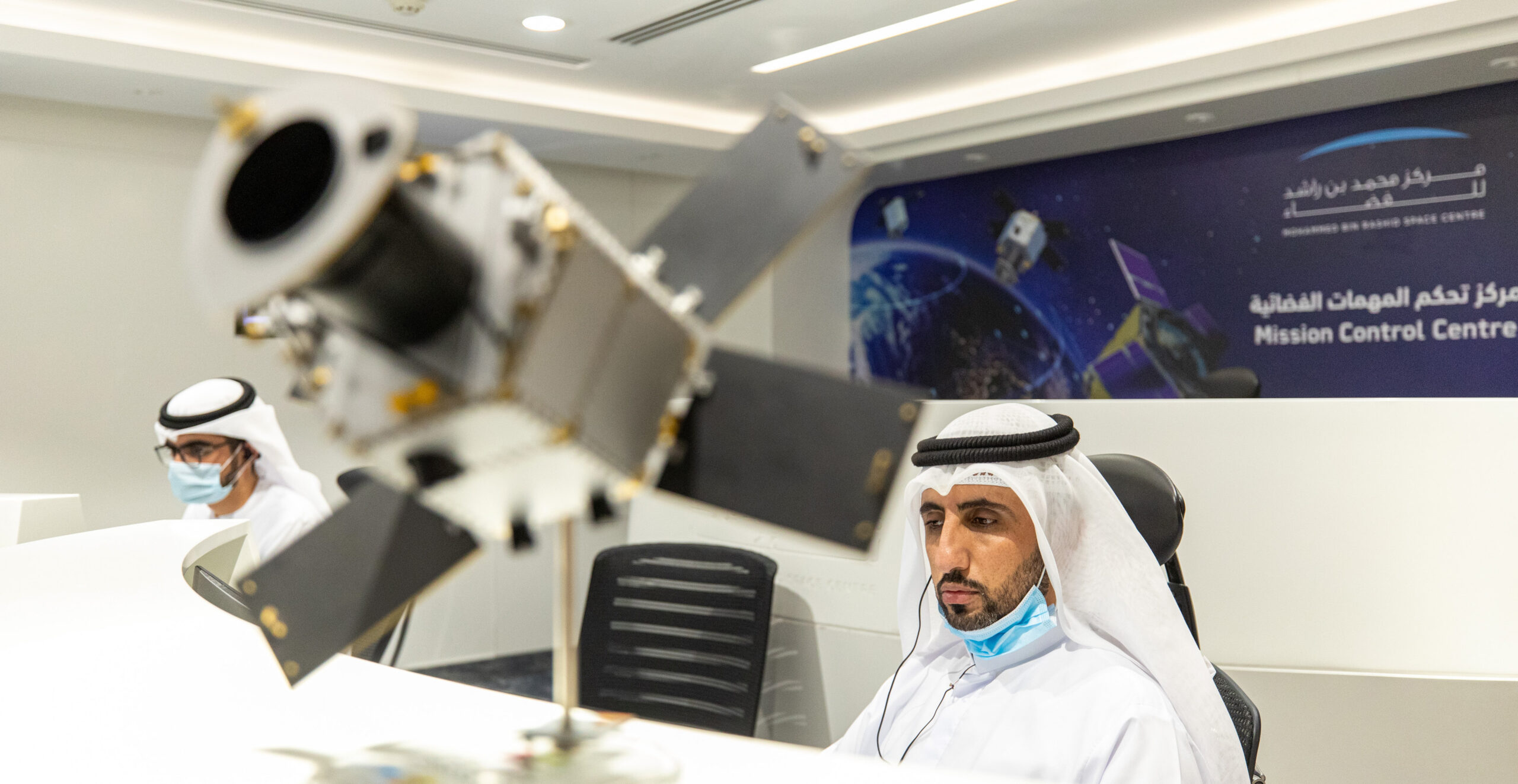
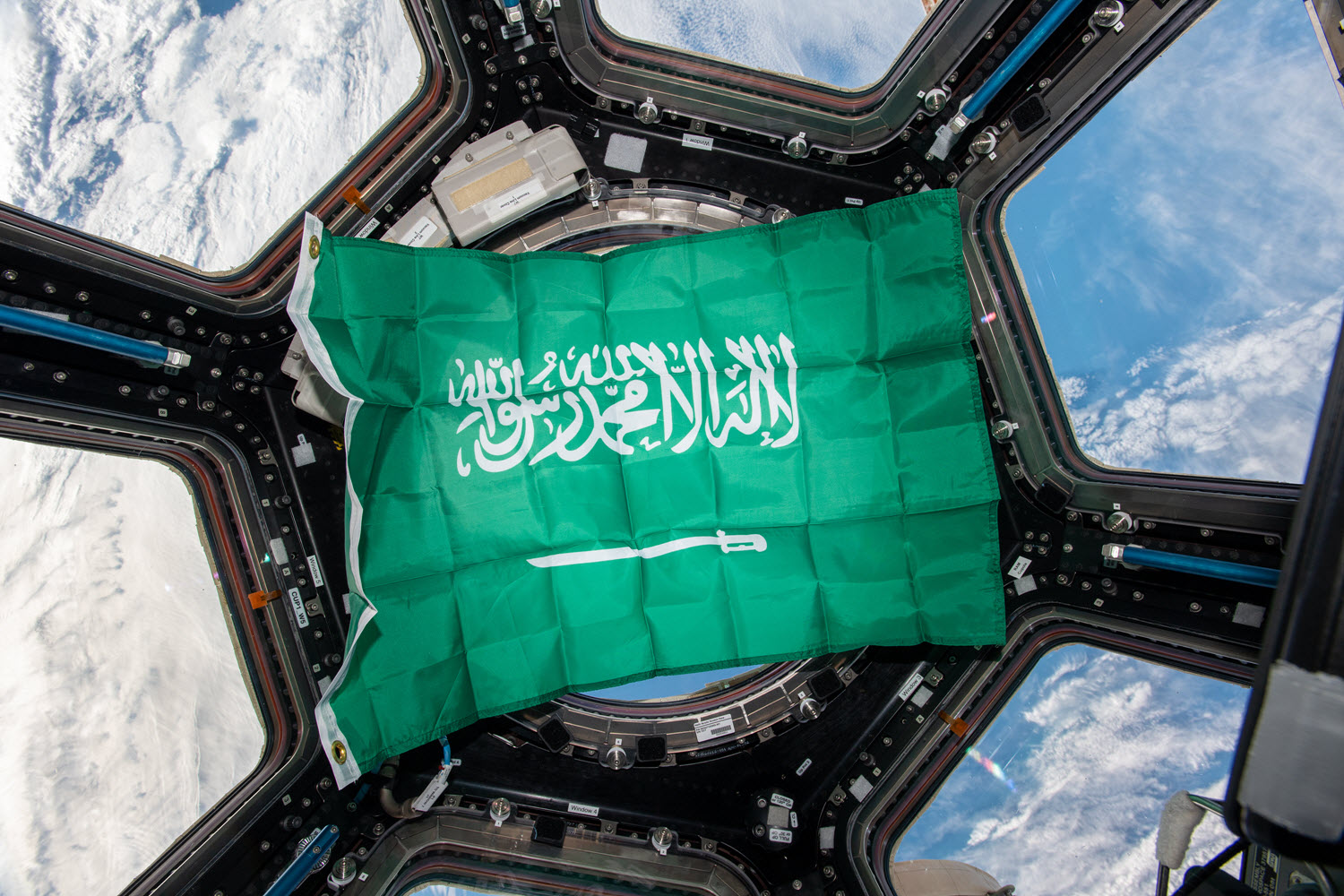
On July 16, the United States and Saudi Arabia announced a new framework for space collaboration and civil aeronautics that shakes up the space race. The agreement marks a turning point for the US-Saudi Arabia bilateral relationship, gearing it more toward scientific cooperation and demonstrating the pivotal role that emerging space powers, particularly in the Middle East, are poised to play in the Second Space Age.
Russia and China’s differing engagements with the Houthis
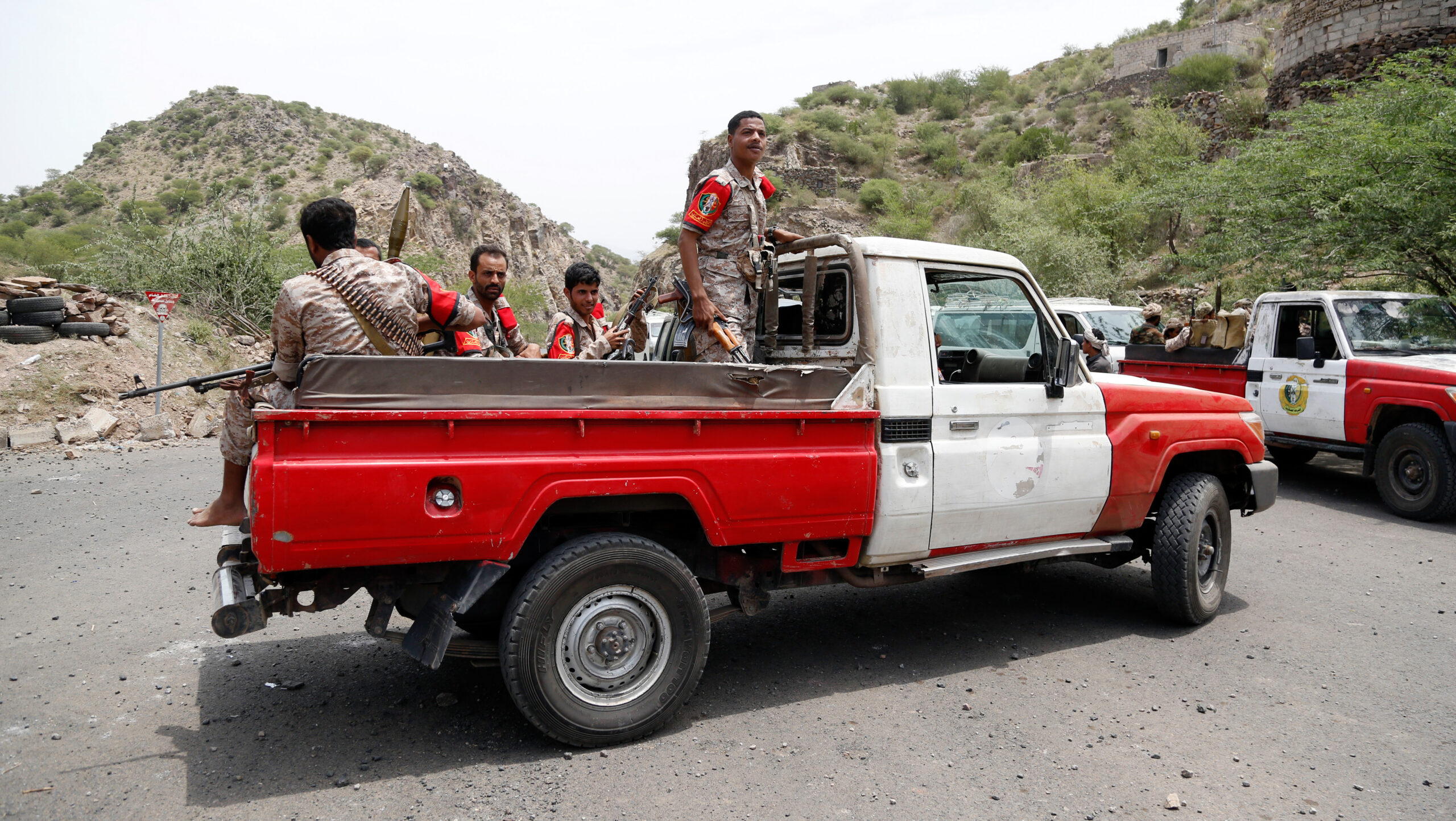
Although Russia and China are in regular dialogue with the Houthis, the motivations that undergird the engagements of both countries differ markedly. The Houthis regard both Russia and China as partners against American unilateralism but have a warmer relationship with Moscow.
The situation in the Red Sea is not getting better
The current situation is not only intolerable – it is unsustainable. It is time to recognize that the Houthis, with strong and persistent support from Iran, are in a position to hold not only the US but virtually the entire global system hostage.
Wide gap between the Egyptian government’s rosy figures and the economic hardship suffered by millions
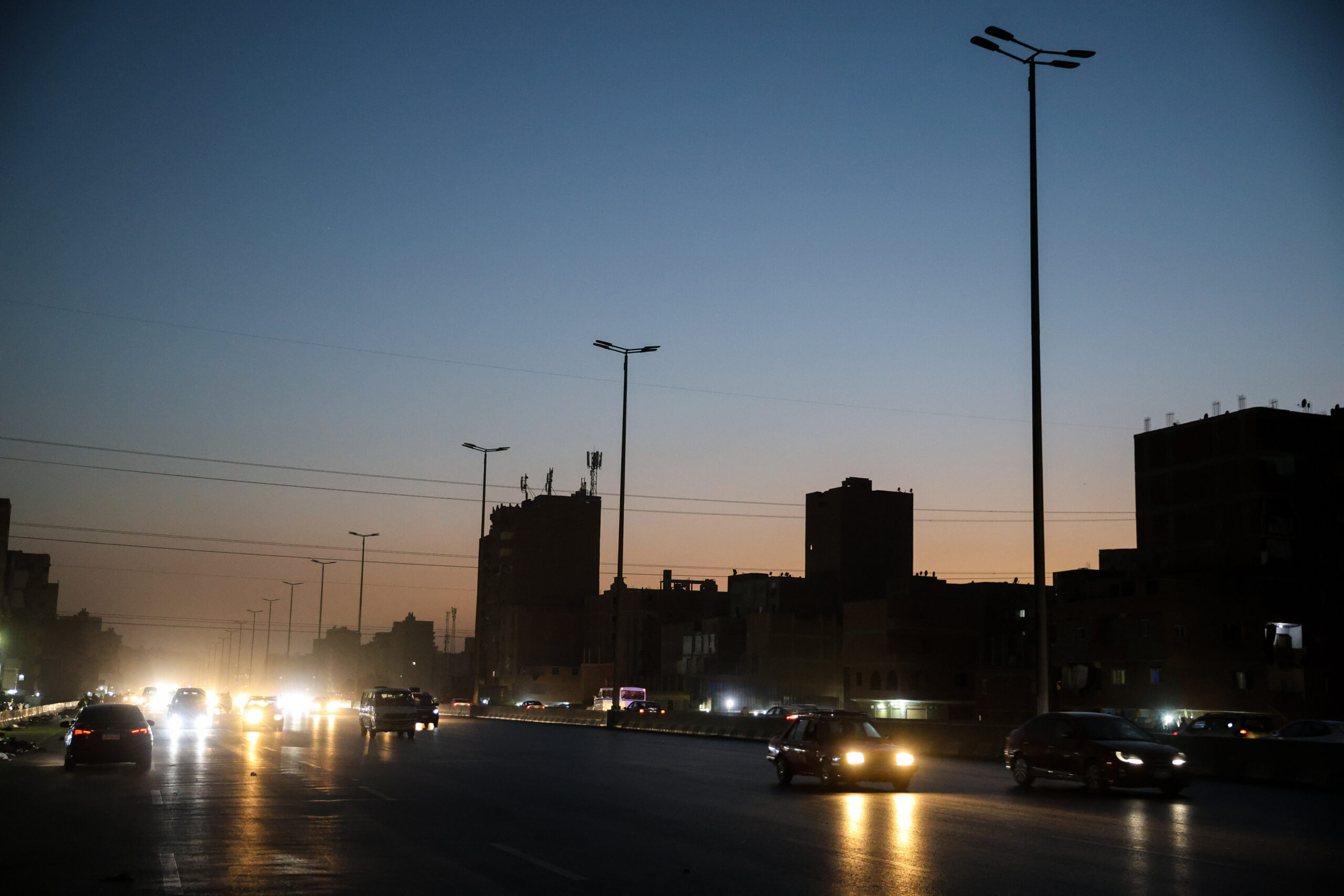
For Egyptian officials, June should have been a month to celebrate. And yet none of the seeming macroeconomic successes that the government recorded brought much reassurance to the average Egyptian, who has continued to experience currency shortages, an unreliable energy grid, and fears of a resurgent spike in inflation.