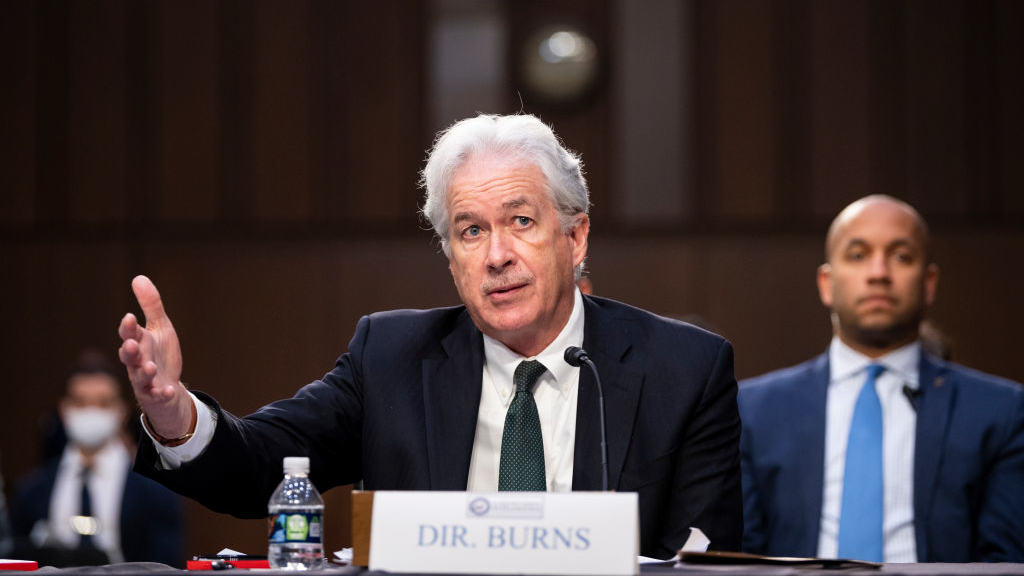
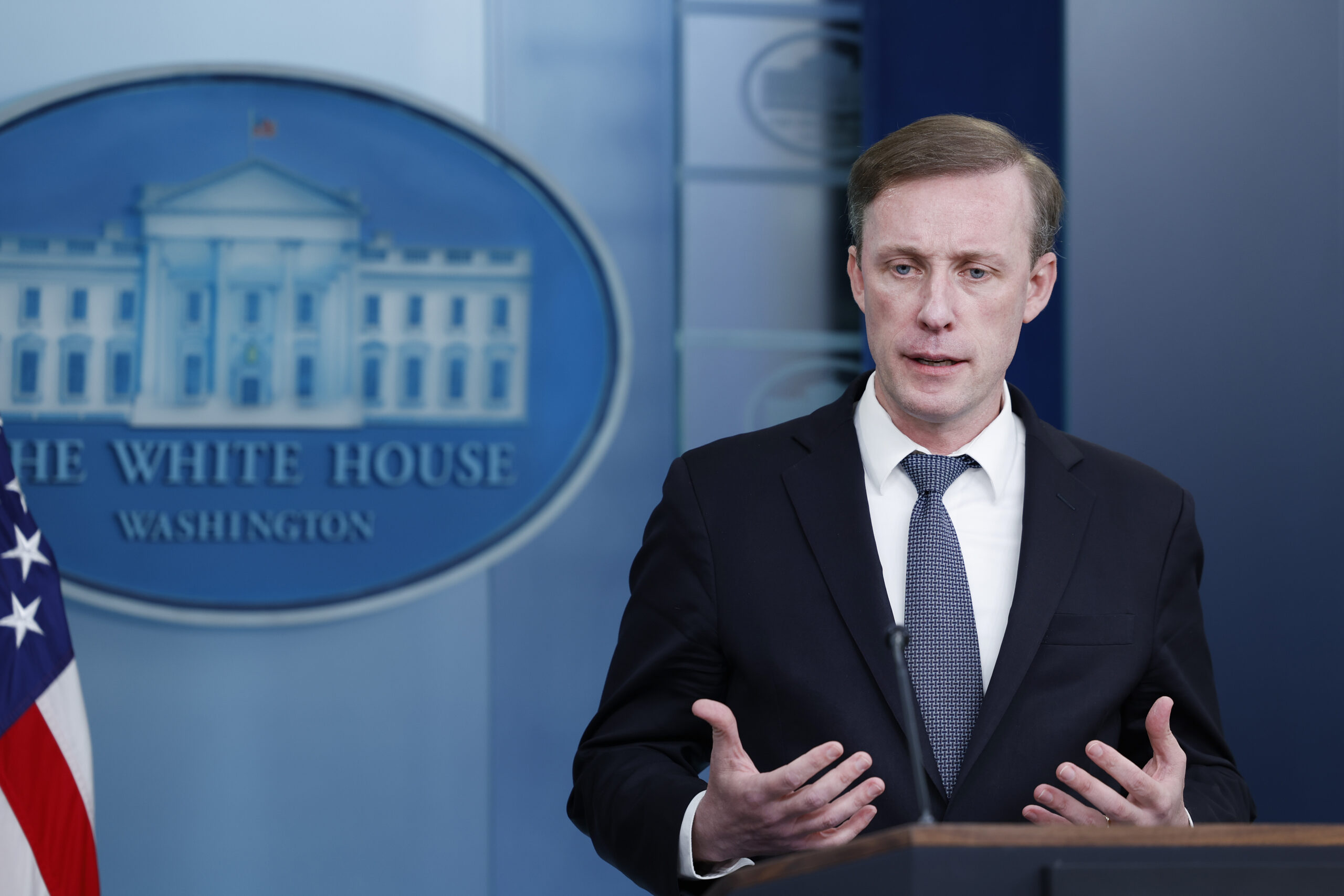
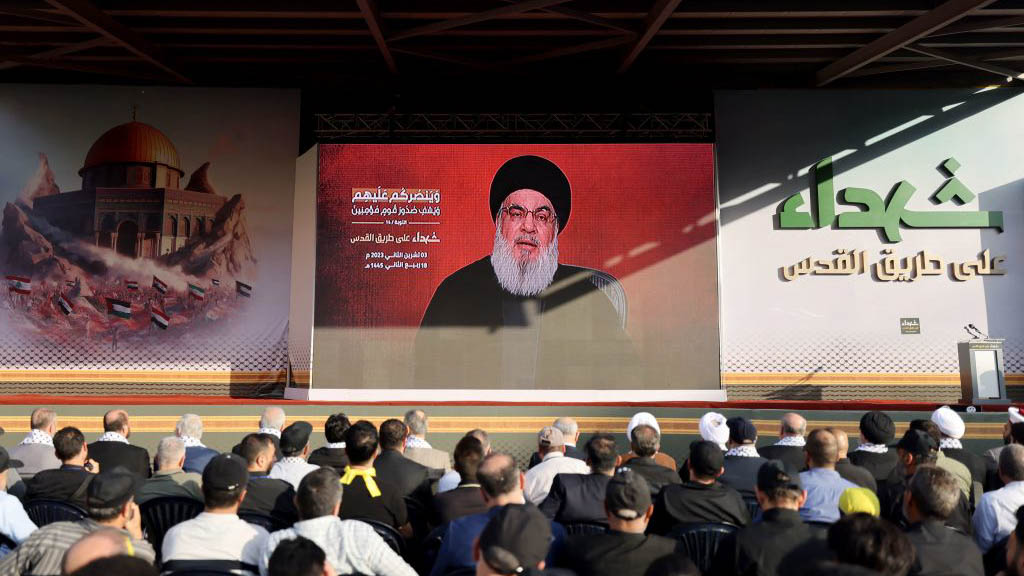
Monday Briefing: Four takeaways from Hezbollah chief’s November 3 speech
Read MEI’s weekly briefing featuring expert analysis of key regional developments for the week ahead.
Monday Briefing: Israel-Hamas war: Conflict scenarios, risks of regional escalation, and US diplomacy
Read MEI’s weekly briefing featuring expert analysis of key regional developments for the week ahead.
Monday Briefing: The Taliban’s recognition dilemma two years on
Read MEI’s weekly briefing featuring expert analysis of key regional developments for the week ahead.
Monday Briefing: Despite anti-democratic Knesset vote, Jerusalem march underscores strength of Israel’s protest movement
Read MEI’s weekly briefing featuring expert analysis of key regional developments for the week ahead.
Monday Briefing: Iraq passes a massive, controversial budget bill
Read MEI’s weekly briefing featuring expert analysis of key regional developments for the week ahead.
Managing US-China relations in the Middle East among common and conflicting interests
The Biden administration has been trying to diplomatically reengage with China, although so far with little response from Beijing. Any broad reengagement would necessarily include reengagement in the Middle East and North Africa. Both sides have a long list of common interests in the Middle East; the areas where their interests diverge relate mainly to suspicions of the other side’s long-term strategy and global ambitions. How can Washington and Beijing build on common interests in the region while addressing their long-term concerns, reducing some of them and accommodating robust competition or even sharp adversarial attitudes in other areas?
Monday Briefing: Annual “Flag March” has become a symbol of growing extremism in Israeli politics
Read MEI’s weekly briefing featuring expert analysis of key regional developments for the week ahead.
The Western Mediterranean: Energy and Geopolitics
Over the last two decades, the Mediterranean has become an important region. Many scholars, policymakers and analysts have mostly referred to this region from a nexus of security, geopolitics and traditional energy politics. With the war in Ukraine, the relevance of this whole region has increased along the same line. The Mediterranean today is home to some of the most enduring conflicts in the world. New energy resources are being discovered in disputed areas in an environment of intense geopolitical competition over regional leadership and energy routes within and beyond the region.
Decarbonization and Political Transformation in Iraq: The Impact on Politics, Society and Regional Relations
What happens when a petrostate loses its oil rents? While the oil market continues to go through boom-and-bust cycles, cases such as Iraq provide evidence of how the rapid loss of oil revenues—traumatic decarbonization—may affect the politics and stability of these petrostates. In Iraq, multiple shocks to oil revenues from 2014 through 2020 fundamentally altered the organization and concentration of political power in Iraq with destabilizing and democratic consequences.
Monday Briefing: Saudi-Houthi talks kick off in Sana’a as Riyadh seeks an end to the war in Yemen
Read MEI’s weekly briefing featuring expert analysis of key regional developments for the week ahead.
10 key events and trends in the Middle East and North Africa in 2022
Ten of the most important or far-reaching events and trends that dominated the MENA region in 2022.
Monday Briefing: Israel’s election won’t resolve its political and democratic crisis
Read MEI’s weekly briefing featuring expert analysis of key regional developments for the week ahead.
Contending with Reality in Palestine & Israel
Today’s two-part episode is a study in contrasts. On one hand, the Partnership for Peace Fund strives to create a social and economic environment in which sustainable peace can become possible. On the other, hard political realities and gridlock undermine cooperation at every turn.
Domestic Political Chaos Is Not the Only Thing Happening in Iraq
It appears that calm has returned to Iraq after the reported intervention of Ayatollah Ali al-Sistani, the country’s chief and widely respected Shia cleric. In recent weeks, violence had occurred in and near parliament, which has been unable to implement last October’s election results. The clashes involved demonstrators and armed forces loyal to Moqtada al-Sadr, the leading candidate in the elections, and militias loyal to a loose array of rival Shia political parties calling themselves the Coordination Framework.